Fascinating and gross facts about the human body

Trending Now
Welcome to the bizarre yet captivating universe of the human body! It’s a living machine with parts that can seem quite odd or even grotesque at first glance.
While some functions might make you cringe, they all play essential roles in keeping us alive and well. From the surprising capabilities of our skin to the relentless beating of our hearts, each component contributes to the intricate dance of life that is the human body.
The Skin: Your Body’s Largest and Most Versatile Organ

Our skin is a marvel, acting as a protective barrier against the outside world. It’s the body’s largest organ, covering an average of 22 square feet. Not only does it protect against bacteria and viruses, but it also helps regulate temperature and allows us to feel sensations.
Remarkably, our skin renews itself every 28 days, shedding dead cells to make way for new ones, always ready to adapt to the challenges of our environment.
Belly Button: A Hidden Ecosystem of Bacteria

The belly button, often overlooked, is home to a surprisingly diverse microbial world. Scientists have discovered nearly 2,400 species of bacteria in human navels, with each person’s ecosystem being unique.
This biodiversity showcases our navels as a microcosm of life, playing a role in skin health. While it may seem a bit icky, these bacteria are mostly harmless and even beneficial, helping to maintain skin balance.
Earwax: Nature’s Protective Shield with a Gross Reputation
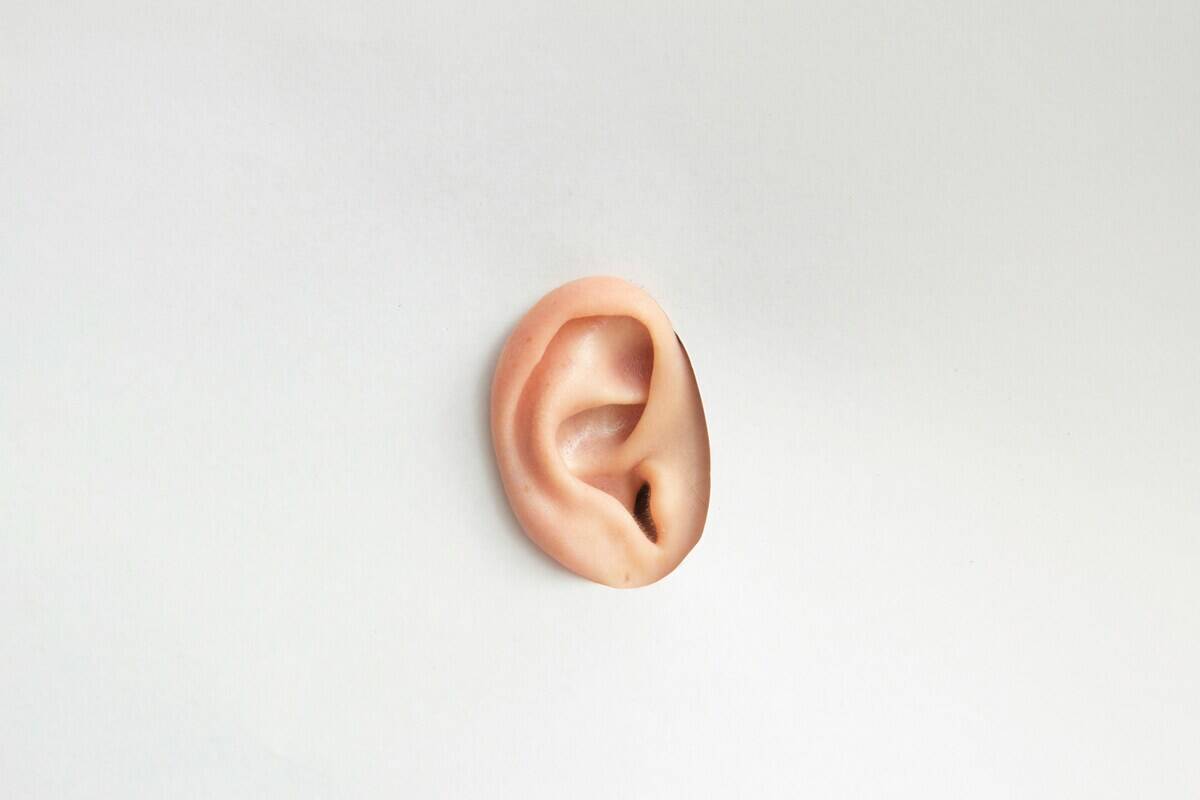
Earwax, or cerumen, might have a bad reputation, but it’s a natural protector of our ears. This sticky substance traps dust, bacteria, and other particles, preventing them from reaching the eardrum.
Earwax also moisturizes the ear canal, keeping it from becoming dry and itchy. Interestingly, the type of earwax you produce—wet or dry—is determined by genetics, with different populations having distinct variations.
The Stomach: A Cauldron of Powerful Acids

The stomach is a powerhouse of digestion, using highly potent hydrochloric acid to break down food.
The stomach can hold about one liter of food, churning it into a semi-liquid form called chyme. This process ensures nutrients are absorbed efficiently, keeping our bodies nourished and energized.
Saliva: The Unsung Hero of Digestion and Cleanliness

Saliva does more than just keep your mouth wet; it’s crucial for digestion and oral health. Each day, we produce up to 1.5 liters of saliva, which starts breaking down food before it even hits the stomach.
Saliva also contains enzymes that help protect teeth from decay and facilitate the swallowing process. This unsung hero keeps our mouths clean and functioning smoothly, playing a vital role in overall health.
Sweat: Your Body’s Cooling System with a Stinky Side

Sweat is the body’s natural way of cooling down, especially during exercise or hot weather. Our bodies have two to four million sweat glands, which release moisture to help regulate temperature.
While sweat itself is odorless, it can develop a smell when it interacts with bacteria on the skin. This process is a testament to the body’s complex systems working together to maintain balance and comfort, even if it means a little stink.
The Tongue: Home to Thousands of Bumps Called Papillae

The tongue is home to thousands of taste buds housed in small bumps called papillae. These taste buds help us identify sweet, sour, salty, bitter, and umami flavors, enriching our eating experiences.
The tongue is also incredibly agile, aiding in speech and food manipulation. With its impressive range of motion, the tongue plays a key role in both communication and enjoyment of food, proving it’s more than meets the eye.
The Eye: Producing Tears for More Than Just Emotions

Tears are often associated with emotions, but they also serve important practical functions. Our eyes produce basal tears constantly, keeping them lubricated and free from dust. Reflex tears, which occur in response to irritants, help protect the eyes from harmful substances.
The tears that flow when we cry due to emotions contain stress hormones, suggesting a biological method of relieving stress. Our eyes work tirelessly to keep us seeing clearly and comfortably.
Fingernails: Growing Faster Than You Might Think

Fingernails grow at a surprisingly rapid pace, averaging about 3.5 millimeters per month. This growth rate can be influenced by factors such as age, diet, and even the season, with nails growing faster in the summer.
The primary purpose of nails is to protect the delicate tips of our fingers, but they also enhance our ability to pick up small objects. Their resilience and growth are a testament to the body’s remarkable regenerative abilities.
The Heart: The Tireless Pump with a Surprising Beat
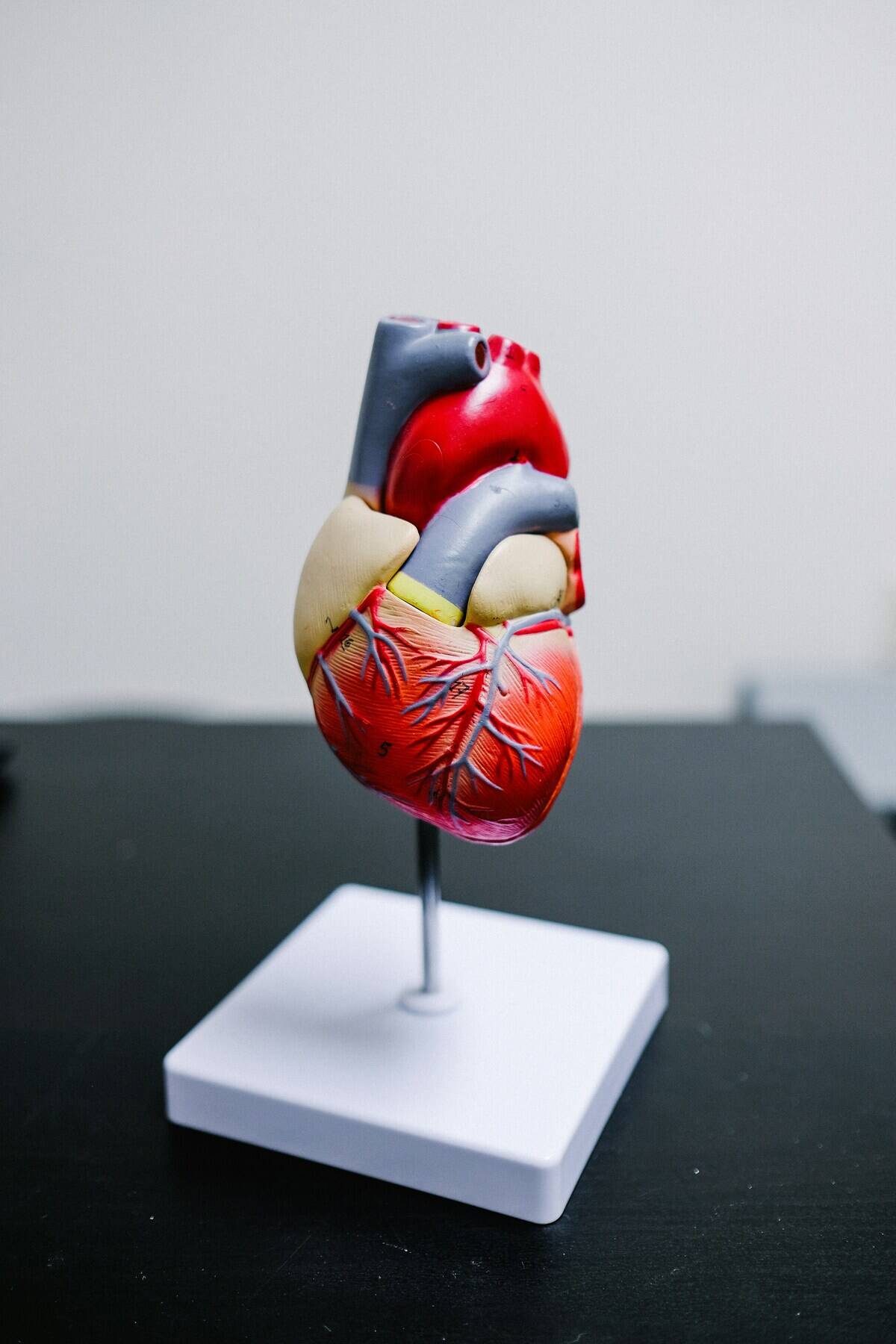
The heart is an incredible organ, tirelessly pumping blood throughout the body. On average, it beats about 100,000 times a day, sending vital oxygen and nutrients to every cell. Interestingly, a human heart can keep beating outside the body if it has an adequate oxygen supply.
This relentless rhythm is crucial for sustaining life, making the heart one of the most vital and fascinating components of the human body.
Hair: Your Body’s Natural Insulator with a Unique Growth Cycle

Hair serves as a natural insulator, helping to regulate body temperature by retaining heat. Each hair strand follows a unique growth cycle, including phases of growth, rest, and shedding.
On average, hair grows about half an inch per month, influenced by factors like genetics and health. While some may lament their hair’s unruliness, it’s a crucial part of our body’s defense system, providing protection and sensory input.
The Intestines: The Surprisingly Long Tube Inside You
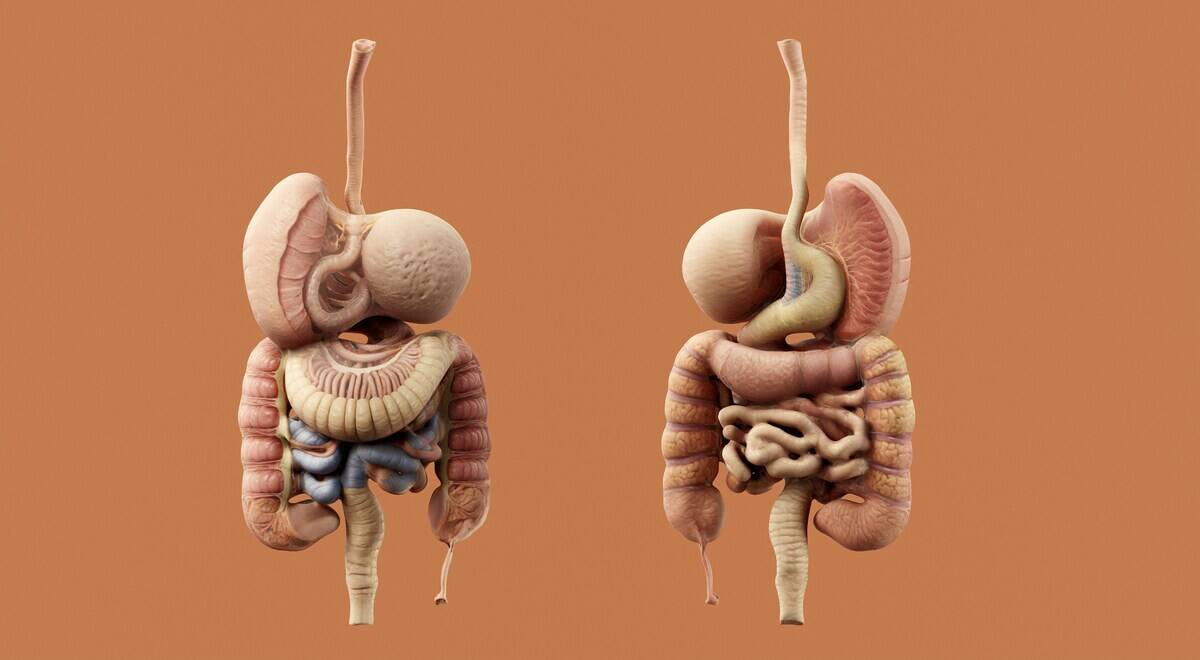
The intestines are a marvel of efficiency and length, stretching about 25 feet in an adult human. This extensive tube is responsible for nutrient absorption and waste elimination. The small intestine, despite its name, is the longer section, coiling tightly to fit within our bodies.
It works in harmony with the large intestine to process food remnants, showcasing the intricacies of our digestive system’s capabilities.
Blood: The River of Life and Its Unwelcome Visitors

Blood is the lifeblood of our bodies, transporting oxygen, nutrients, and waste products. The average adult has around 1.5 gallons of blood circulating through their veins. Interestingly, blood hosts a variety of cells and proteins that form the immune system, defending against infections.
Despite its life-giving properties, blood can also carry unwelcome visitors like viruses and bacteria, making the immune system’s vigilance crucial to our health.
The Liver: Detoxifying Your Body Like a Pro
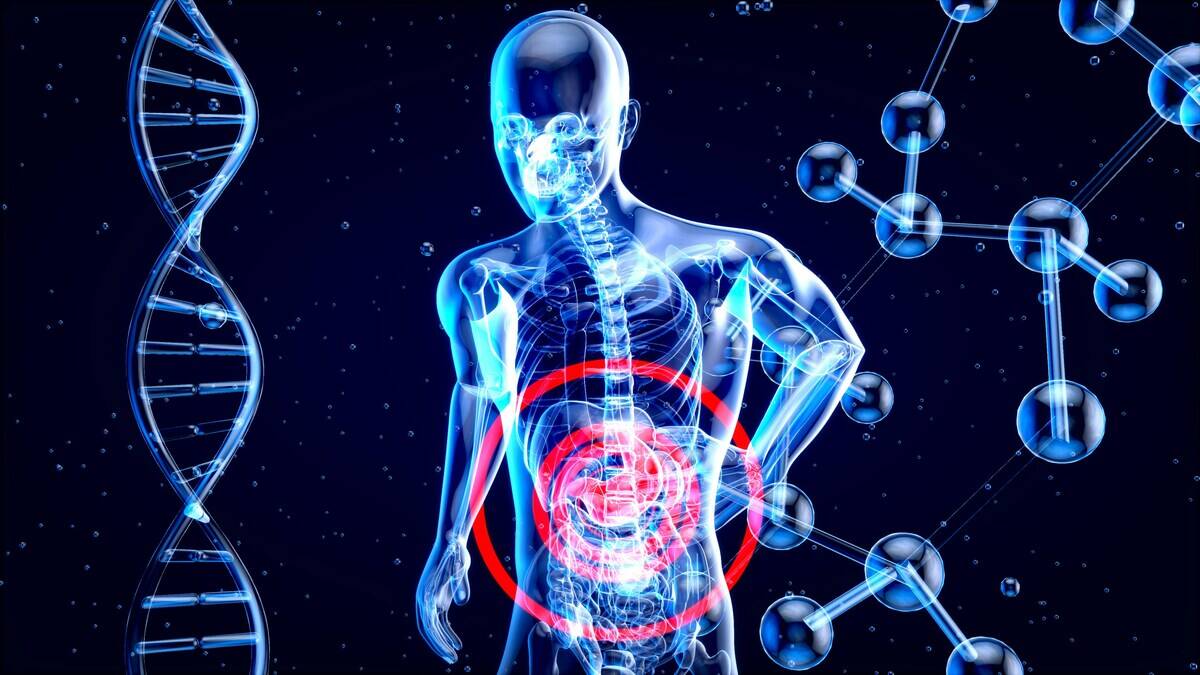
The liver is a powerhouse of detoxification, processing toxins and converting them into harmless substances. It performs over 500 functions, including producing bile to aid digestion and storing glucose for energy.
Remarkably, the liver can regenerate itself, capable of restoring its full size even after significant damage. This regenerative ability highlights the liver’s vital role in maintaining our body’s internal balance and health.
Bones: Living Structures That Constantly Regenerate

Bones are not just rigid structures; they are living tissues that constantly regenerate. The human skeleton is replaced every 10 years, thanks to the ongoing process of bone remodeling.
This involves the removal of old bone and the formation of new bone, maintaining strength and function. Our bones also serve as a reservoir for minerals like calcium, crucial for various bodily functions, showcasing their dynamic role in overall health.
The Brain: Your Body’s Command Center with Unseen Powers

The brain is an awe-inspiring command center, processing vast amounts of information every second. It contains around 86 billion neurons forming intricate networks that control everything from movement to thought.
Despite its complexity, the brain uses only about 20 watts of power, less than a standard light bulb. This efficiency and complexity make the brain one of the most fascinating organs, driving our actions, memories, and emotions.