Exploring the world’s most isolated communities

Trending Now
In a world where technology connects people across continents, there are still communities that remain intriguingly isolated. These groups have maintained their unique cultures and ways of life, often due to geographical barriers or intentional seclusion.
This article delves into some of the most isolated human communities around the globe, exploring their distinct characteristics and the challenges they face in preserving their traditions. From the Arctic Circle to the dense Amazon rainforest, these communities offer a glimpse into human resilience and diversity.
Defining Isolation: What Does It Mean to Be Truly Secluded?
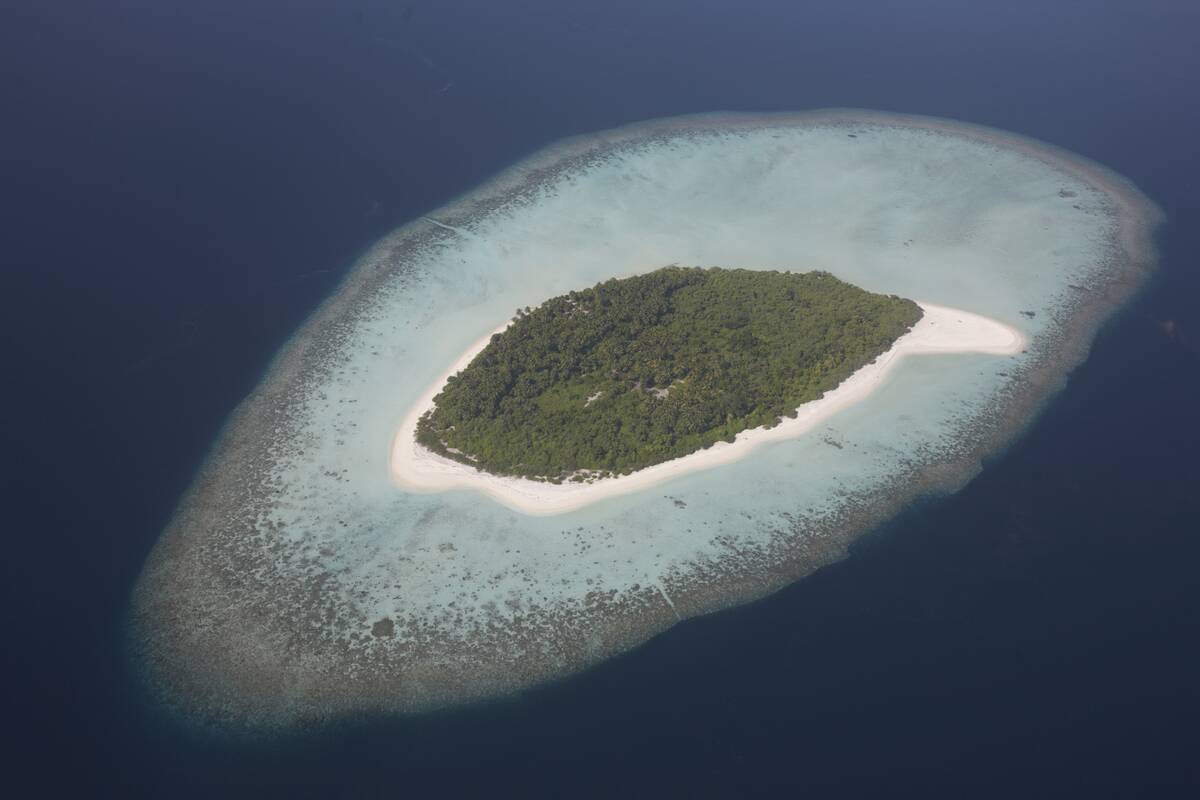
Isolation can take many forms, from geographical remoteness to cultural and technological detachment. A community might be physically distant from mainstream society, like those on remote islands or deep in forests. Alternatively, isolation can be cultural, where groups choose to limit interaction to preserve traditions.
Understanding these distinctions helps us appreciate the varied experiences of isolated communities. While some face challenges in accessing healthcare and education, others thrive by maintaining a strong cultural identity and close-knit social structures.
The Sentinelese: Guardians of North Sentinel Island
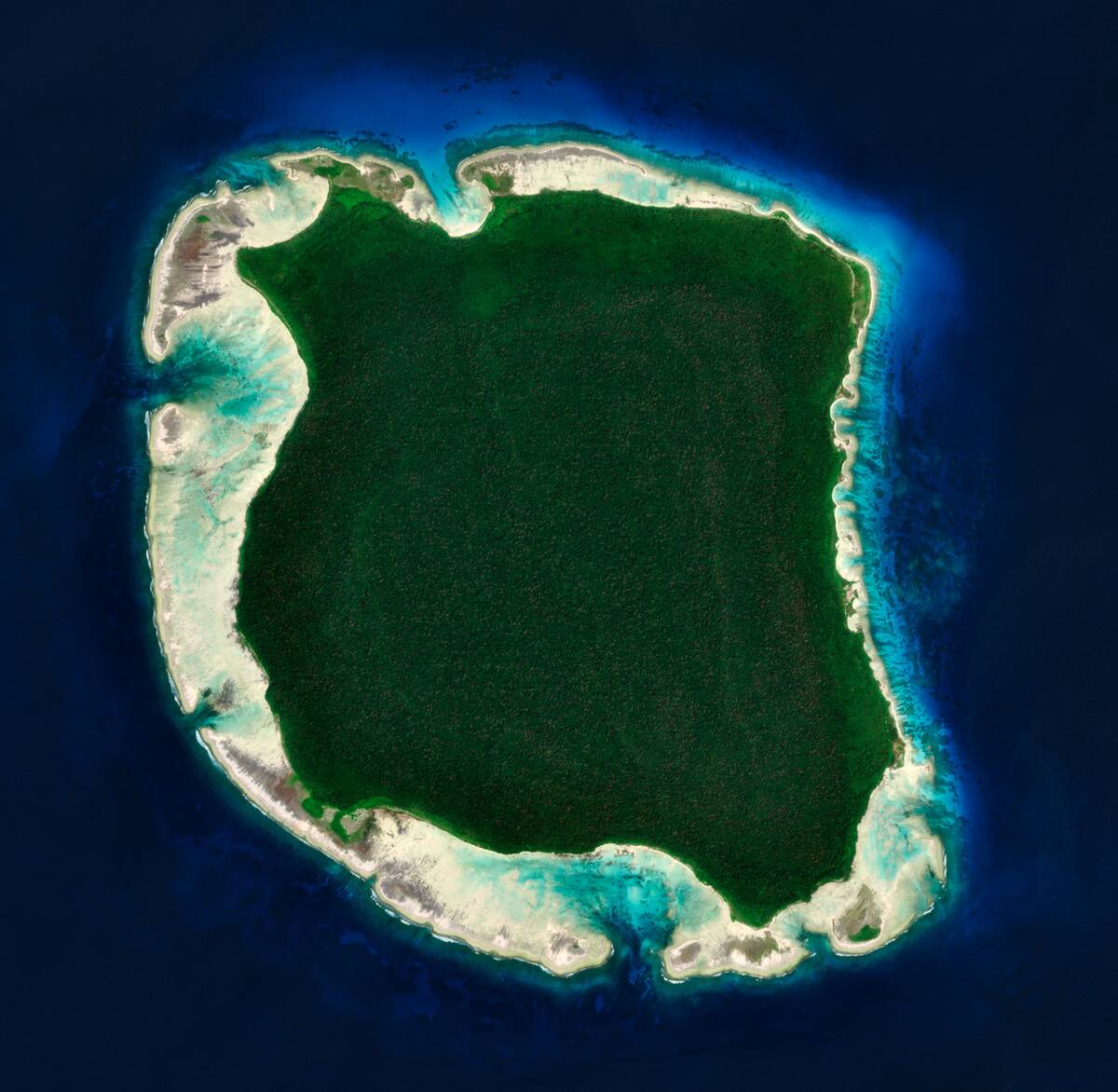
The Sentinelese, residing on North Sentinel Island in the Bay of Bengal, are among the most isolated people on Earth. They have resisted contact with outsiders for thousands of years, known for their hostility towards visitors. Restricted access to the island by the Indian government helps protect their way of life.
Satellite images show their small population living in harmony with nature, hunting and gathering for sustenance. This isolation has preserved their unique culture but also makes them vulnerable to diseases from which they have no immunity.
The Yanomami: Deep in the Amazon Rainforest
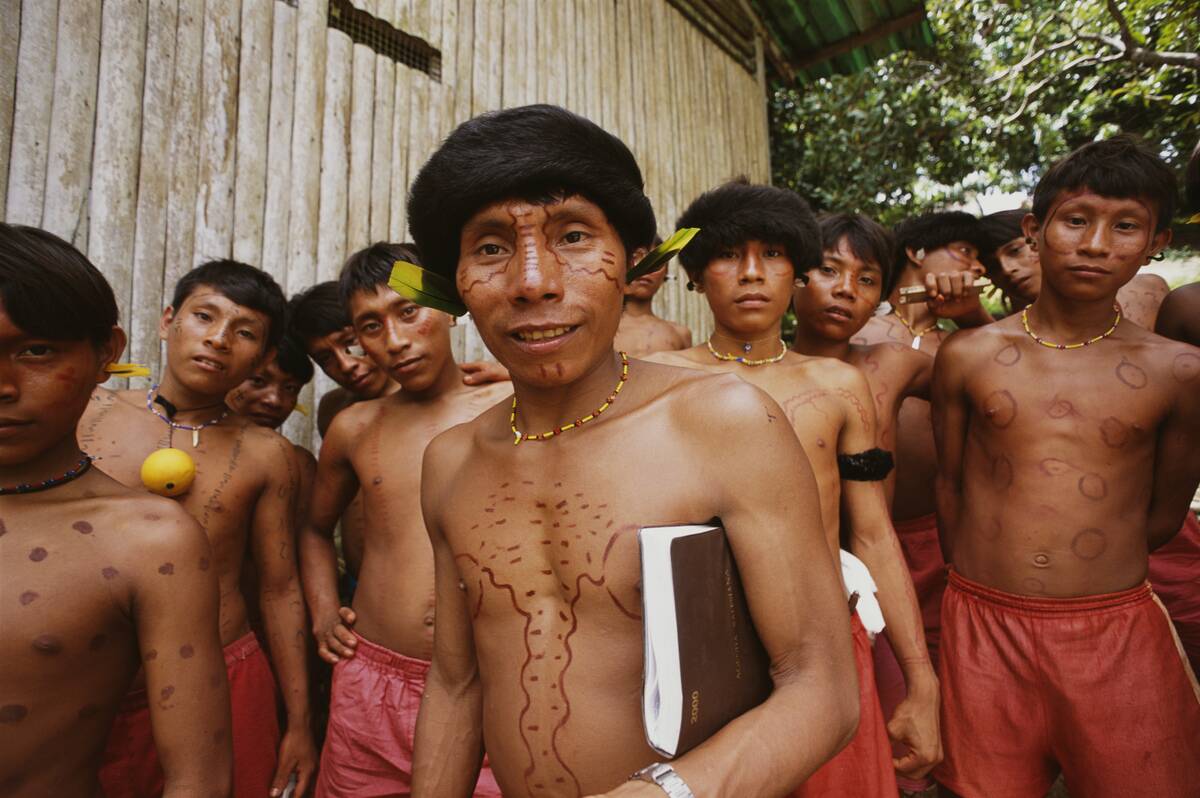
Nestled in the Amazon rainforest along the Brazil-Venezuela border, the Yanomami are one of the largest isolated tribes in South America. They practice slash-and-burn agriculture and depend on the forest for hunting and gathering. Their communal living in large, thatched structures called shabonos reflects their cooperative culture.
Despite their isolation, the Yanomami face threats from illegal mining and deforestation, which lead to environmental damage and health risks. Efforts by organizations aim to protect their land rights and support their autonomy.
Tristan da Cunha: The Remotest Inhabited Island on Earth
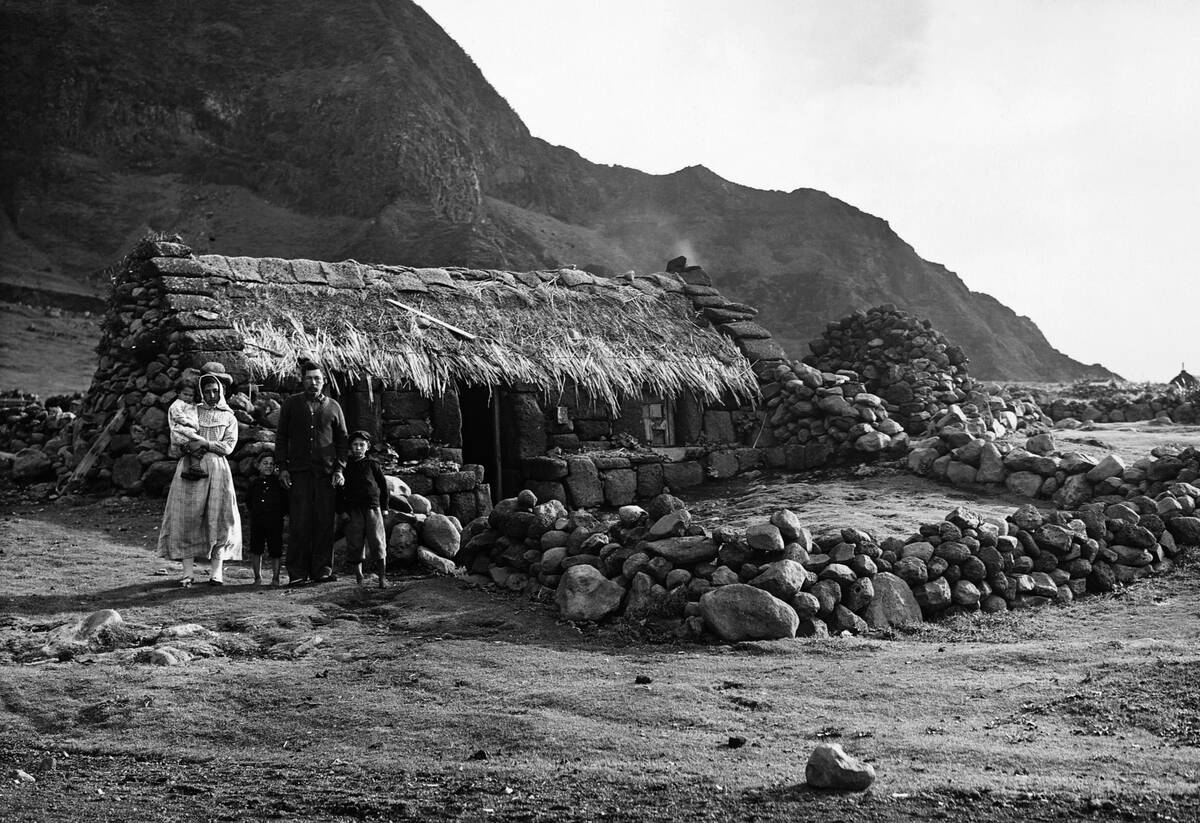
Tristan da Cunha, located in the South Atlantic Ocean, holds the title of the world’s most remote inhabited island. The island’s 250 residents live in the settlement of Edinburgh of the Seven Seas. With no airport, access is only possible via a week-long boat journey from South Africa.
The community relies on fishing, agriculture, and limited tourism for their economy. Despite modern conveniences, the islanders maintain a self-sufficient lifestyle, fostering a strong sense of community and resilience in the face of natural challenges.
The Korowai Tribe: Treehouse Dwellers of Papua
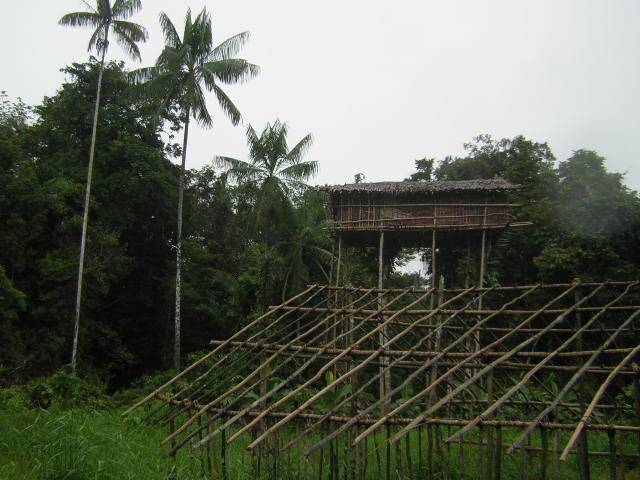
In the dense rainforests of Papua, Indonesia, the Korowai tribe is renowned for their distinctive treehouses, perched as high as 40 meters above ground. These elevated homes offer protection from flooding, insects, and rival clans. The Korowai practice shifting cultivation, hunting, and fishing.
They have a rich oral tradition, with stories passed down through generations. Although some Korowai have integrated into modern society, many still adhere to their ancestral customs, balancing traditional practices with the encroaching influence of the outside world.
The Rapa Nui: Mysteries of Easter Island
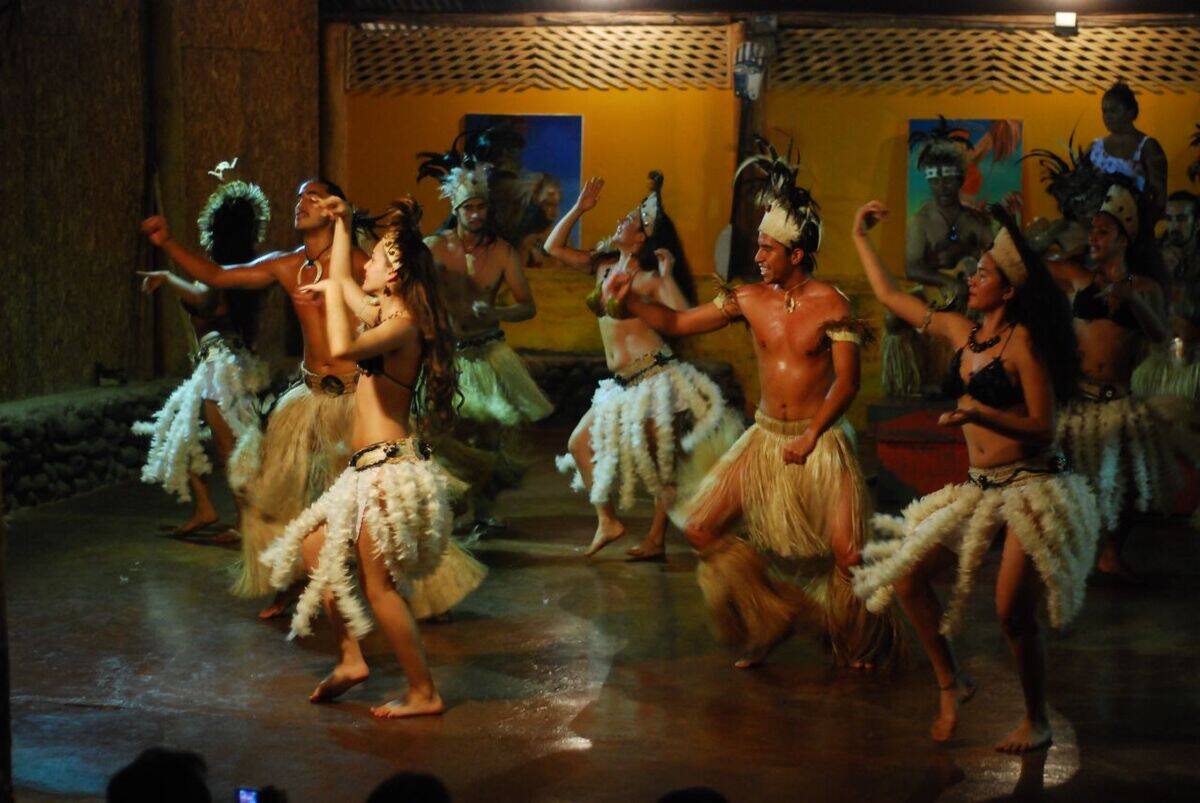
Easter Island, or Rapa Nui, is famous for its mysterious moai statues, carved by the island’s Polynesian inhabitants. Located over 2,300 miles from the nearest continental mass, Rapa Nui is one of the world’s most remote inhabited islands. The islanders have a rich cultural heritage, including unique language and traditions.
Despite environmental challenges and a history of deforestation, the Rapa Nui continue to celebrate their cultural identity through festivals and art, attracting researchers and tourists eager to uncover the island’s ancient secrets.
The Inuit: Thriving in the Arctic Circle
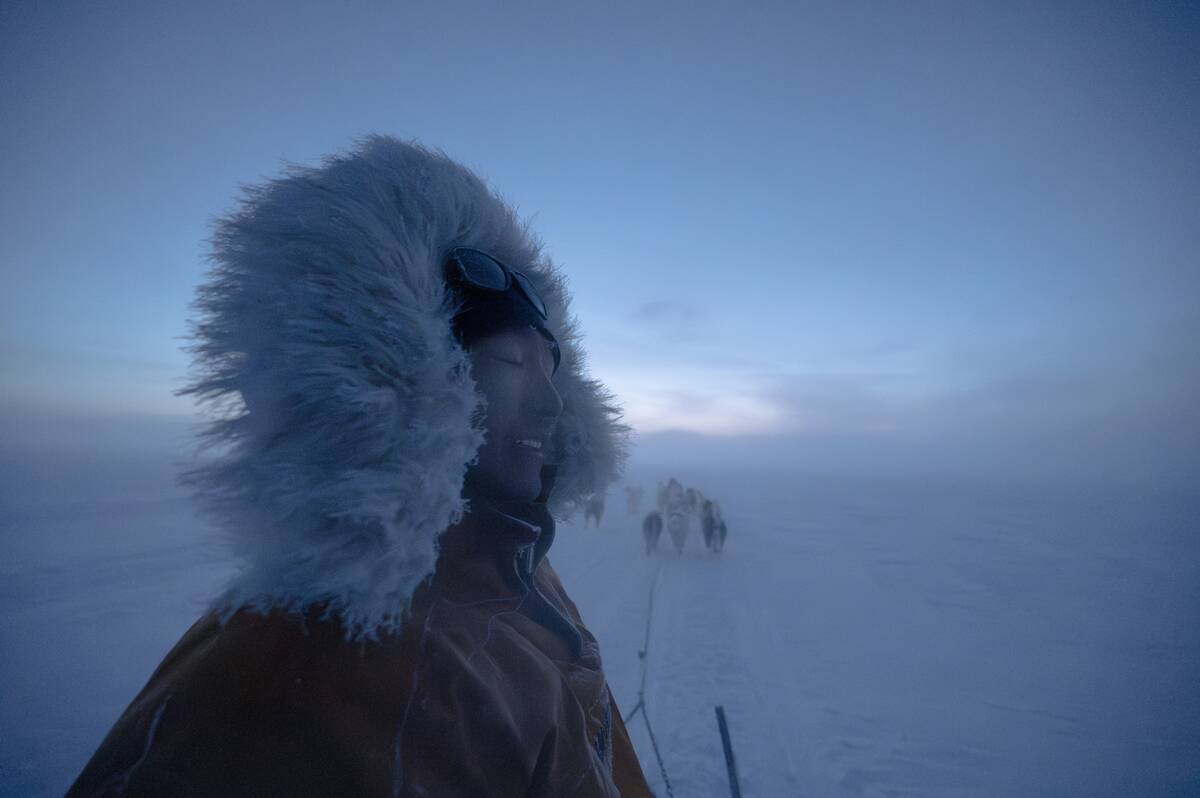
The Inuit, indigenous to the Arctic regions of Canada, Greenland, and Alaska, have adapted to one of the planet’s most extreme environments. Their traditional knowledge and skills, such as hunting seals and navigating icy landscapes, are crucial for survival.
Inuit culture is characterized by a deep respect for nature and community-based living. Despite modern influences, many Inuit continue to practice their traditional lifestyle, utilizing snowmobiles alongside dog sleds and combining traditional hunting with contemporary tools to sustain their way of life.
The Pitcairn Islanders: Descendants of the Bounty Mutineers
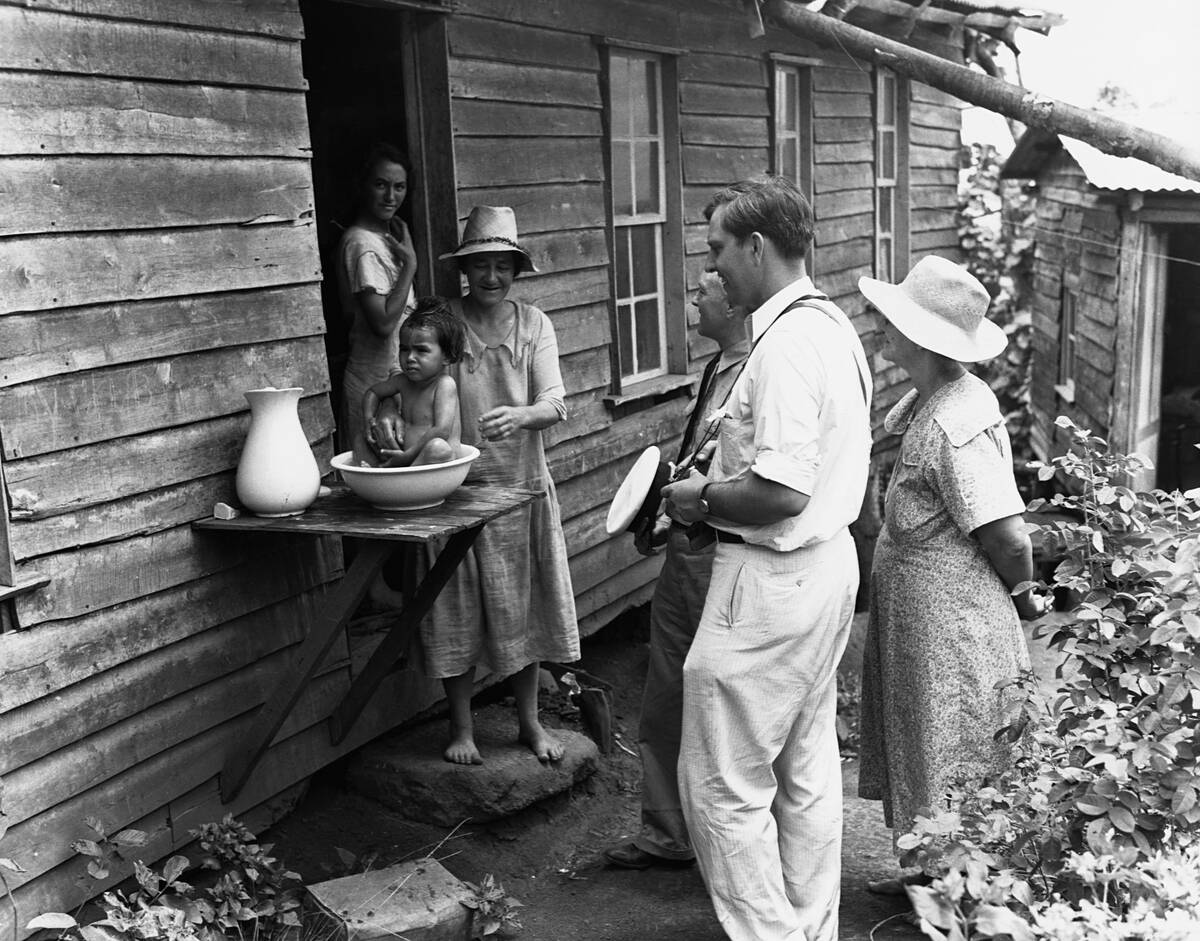
Pitcairn Island, with a population of around 50, is home to the descendants of the HMS Bounty mutineers and their Tahitian companions. This British Overseas Territory in the Pacific Ocean is one of the world’s smallest communities.
The islanders practice subsistence farming and fishing, relying heavily on supply ships for essential goods. While Pitcairn’s isolation presents challenges, it also fosters a tight-knit community where everyone plays a vital role. The island’s history and unique heritage continue to intrigue visitors and historians alike.
The San People: Ancient Inhabitants of the Kalahari Desert
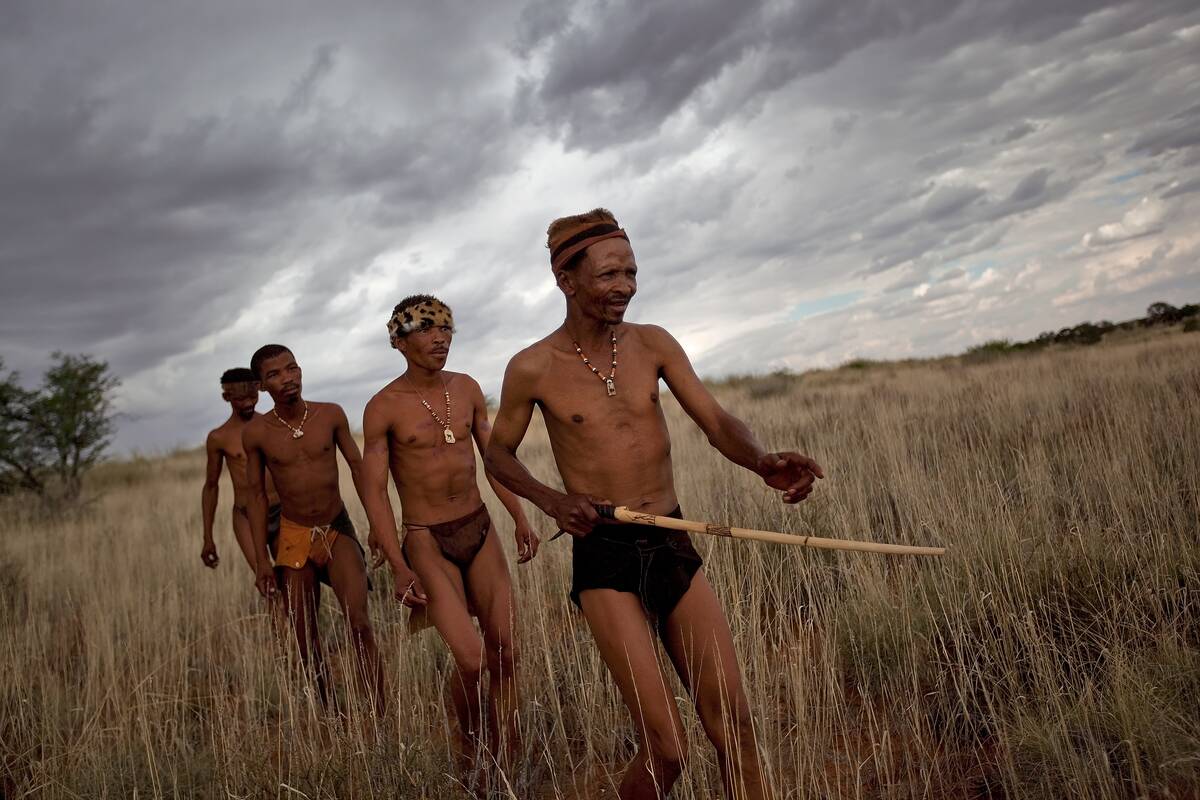
The San people, also known as Bushmen, are believed to be among the world’s oldest cultures, residing in the Kalahari Desert across Botswana, Namibia, and South Africa. Their nomadic lifestyle and deep knowledge of the desert’s ecology are central to their survival.
The San are expert trackers and gatherers, using traditional methods passed down through generations. Despite pressures from modern society, many San communities strive to maintain their cultural practices, advocating for land rights and recognition of their unique heritage.
The Sami: Indigenous Reindeer Herders of Scandinavia
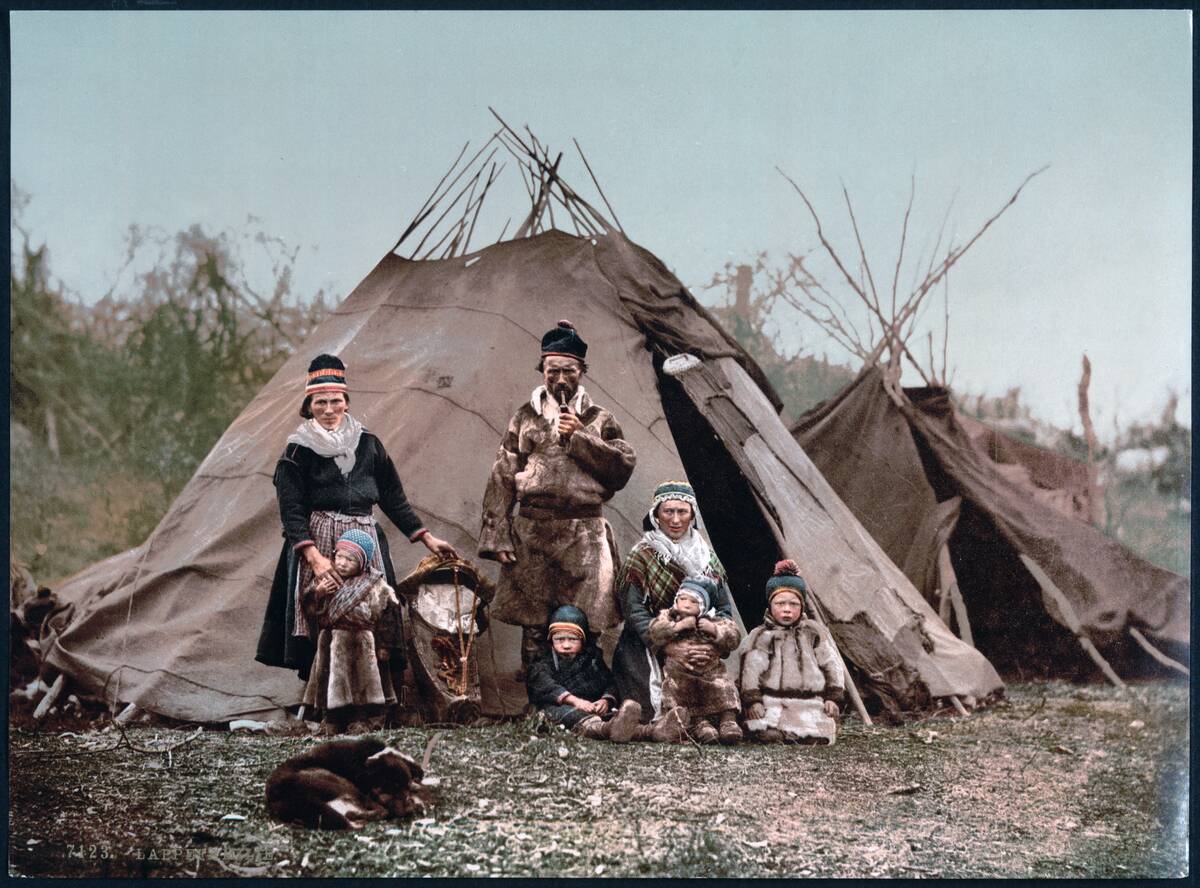
The Sami people are indigenous to the northern parts of Norway, Sweden, Finland, and Russia’s Kola Peninsula. Renowned for their reindeer herding, the Sami have a deep connection to the Arctic landscape. Their culture is rich in oral traditions, joik (a form of song), and colorful clothing.
Despite historical assimilation pressures, the Sami have maintained their language and cultural identity. Today, they are active in advocating for their rights and the protection of their traditional lands, balancing modernity with ancestral customs.
The Himba Tribe: Living in Namibia’s Remote Kunene Region
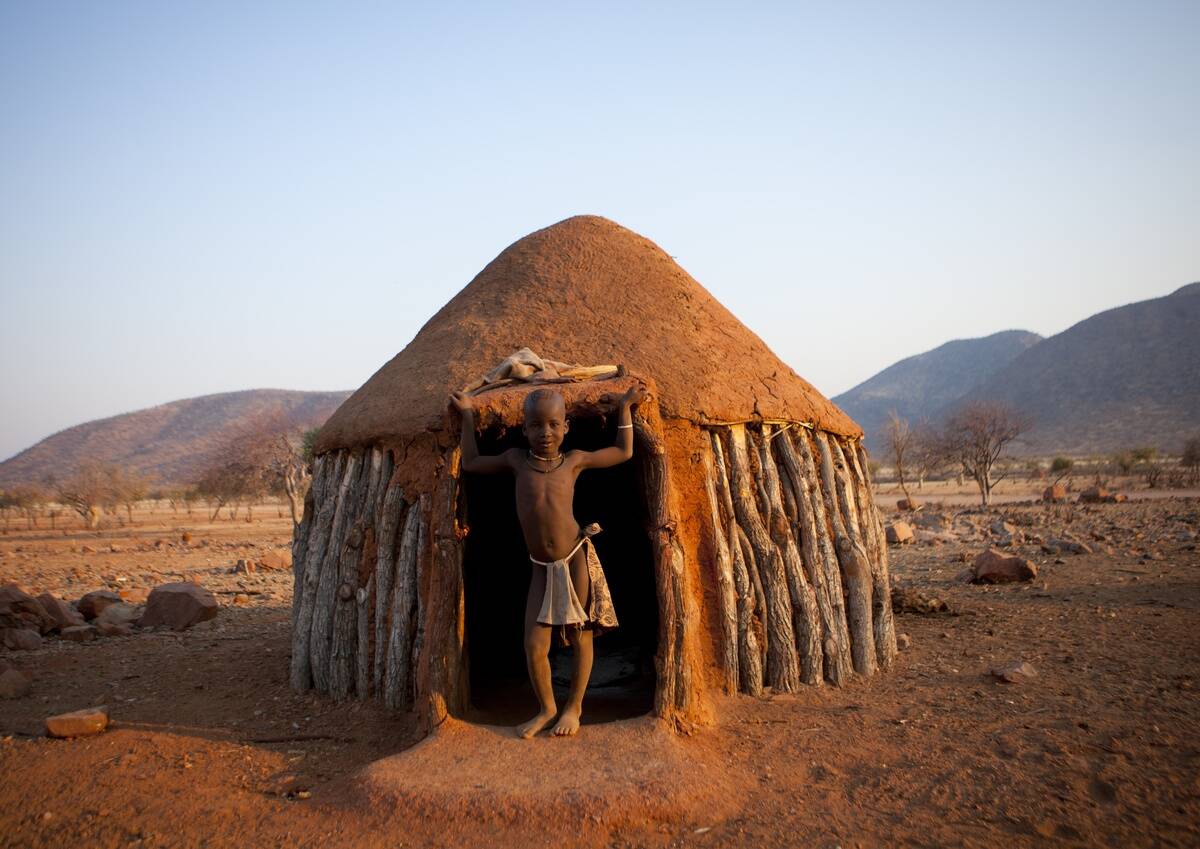
The Himba tribe, inhabiting Namibia’s arid Kunene region, are known for their distinctive red ochre body paint and elaborate hairstyles. They lead a semi-nomadic lifestyle, herding cattle and goats in the harsh desert environment.
The Himba’s social structure is matrilineal, with women playing key roles in society. Despite increasing tourism and external influences, the Himba have largely preserved their traditional customs and beliefs, welcoming visitors who respect their culture and contribute to the community’s economic sustainability.
The Maasai: Nomadic Pastoralists of East Africa
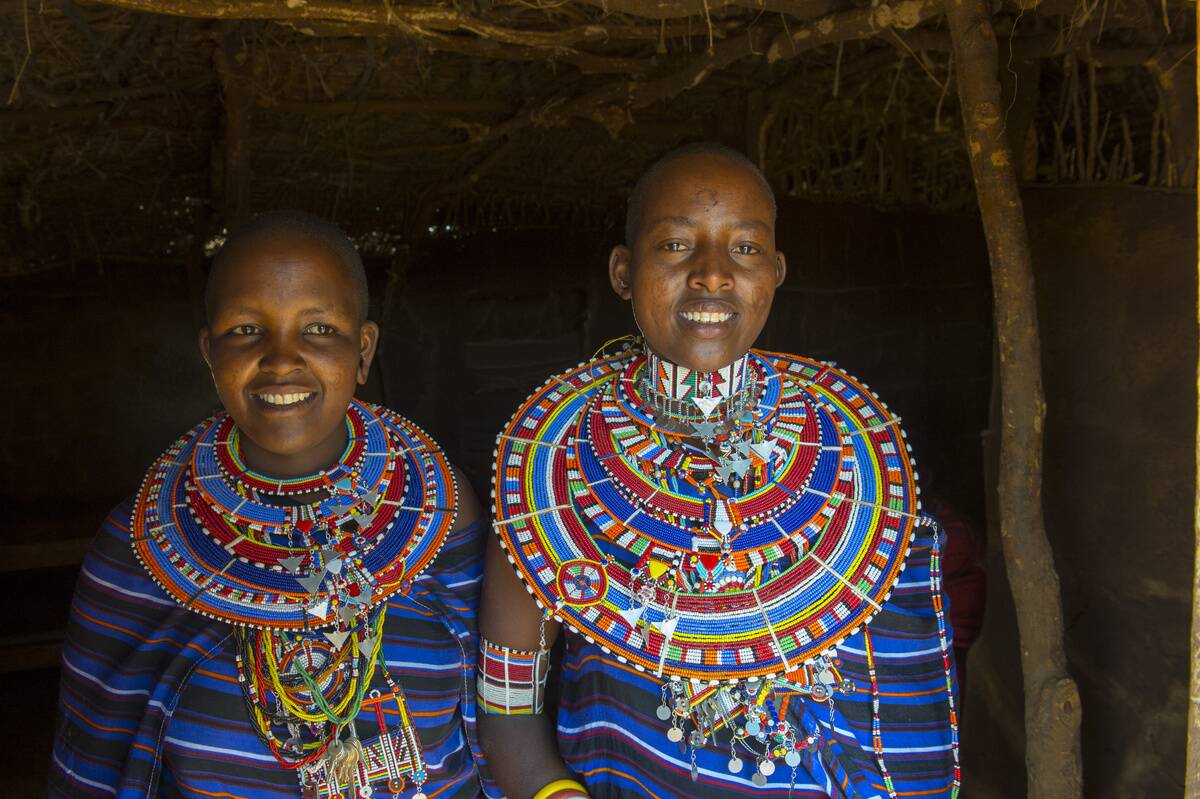
The Maasai, native to Kenya and Tanzania, are renowned for their semi-nomadic pastoralism and vibrant cultural expressions. Their society is organized around cattle herding, which plays a central role in their economy and social structure. Maasai traditions include elaborate ceremonies and distinctive beadwork.
Although modern pressures threaten their traditional lands, many Maasai continue to uphold their customs, advocating for land rights and sustainable development. Their resilience and adaptability make them a symbol of cultural pride in East Africa.
The Chukchi: Resilient People of Siberia’s Frozen Tundra
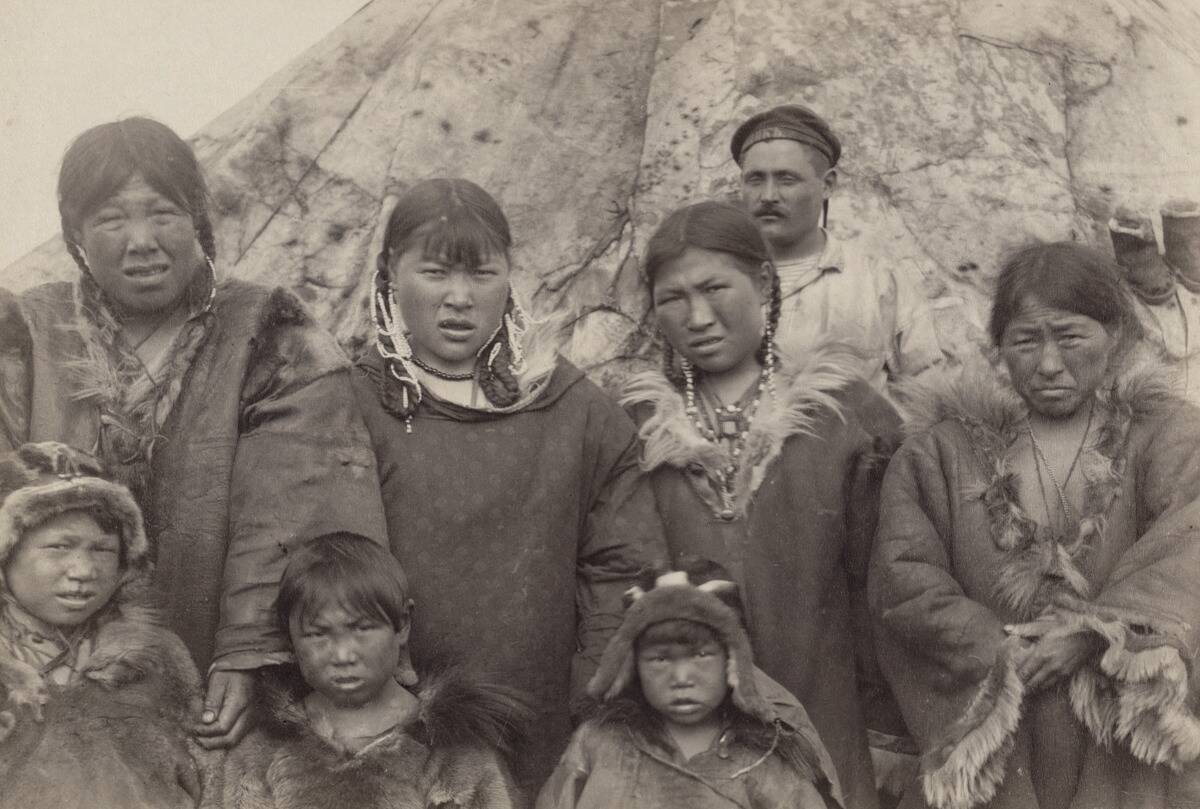
The Chukchi inhabit the harsh landscapes of Siberia’s Chukotka Peninsula, where they have adapted to extreme cold and isolation. Their traditional lifestyle revolves around reindeer herding, hunting marine mammals, and fishing. Chukchi culture is rich in oral history, shamanistic practices, and vibrant festivals.
Despite Soviet-era pressures to assimilate, many Chukchi have preserved their language and traditions. Today, they navigate the complexities of modernity and climate change while maintaining a strong connection to their ancestral lands and cultural heritage.
The Aborigines: Custodians of Australia’s Outback
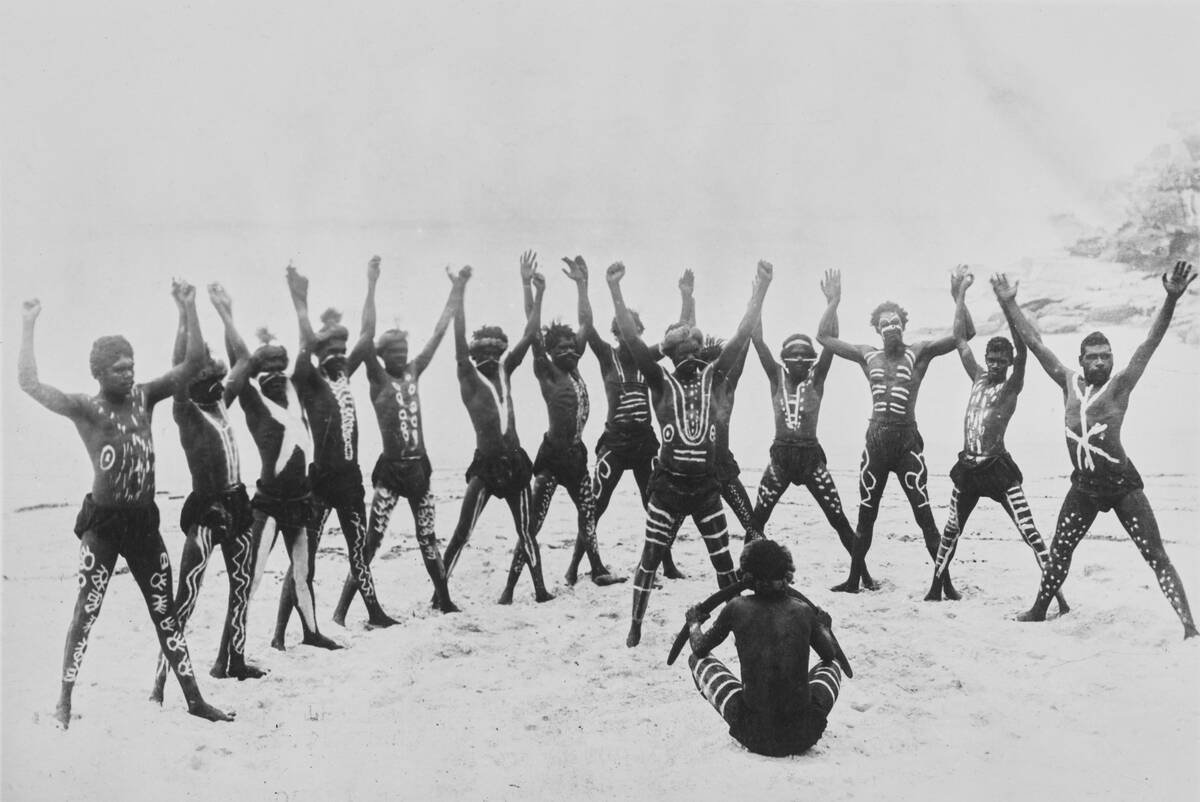
Aboriginal Australians are the original inhabitants of the continent, with a history dating back over 60,000 years. Their deep spiritual connection to the land is reflected in their Dreamtime stories, art, and cultural practices. Aboriginal communities are diverse, with languages and traditions varying across regions.
Despite historical challenges, including colonization and displacement, many Aboriginal groups actively work to revive and preserve their cultural heritage. Initiatives in education, land rights, and cultural tourism help support their communities and promote understanding of their ancient traditions.
The Huli Wigmen: Unique Traditions of Papua New Guinea
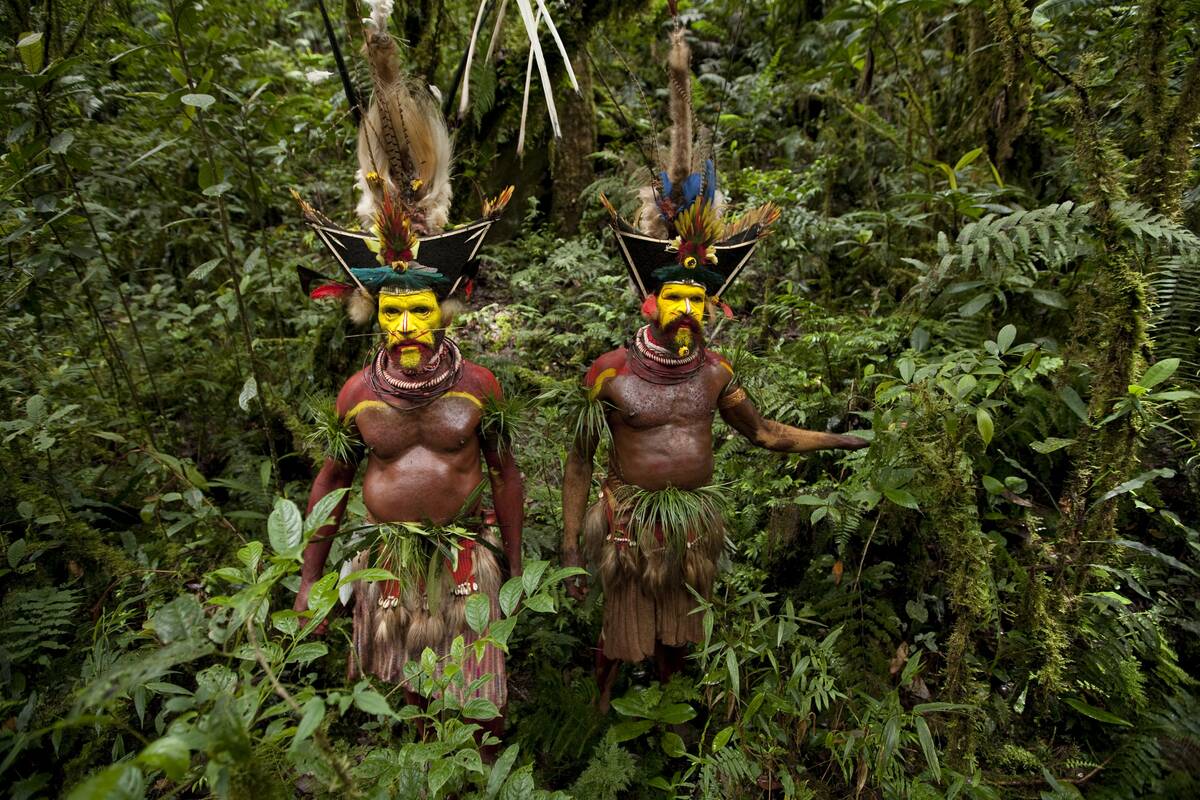
The Huli people of Papua New Guinea are famous for their vibrant traditional attire and elaborate wigs made from human hair. Living in the highlands, they practice subsistence agriculture and hunting.
The Huli culture is rich in rituals and ceremonies, often involving the use of colorful face paints and body decorations. Despite pressures from modernization, the Huli maintain their cultural identity, welcoming visitors who seek to learn about their unique way of life. Festivals and cultural exchanges play a crucial role in sustaining their traditions.
The Ainu: Indigenous People of Japan’s Hokkaido Island
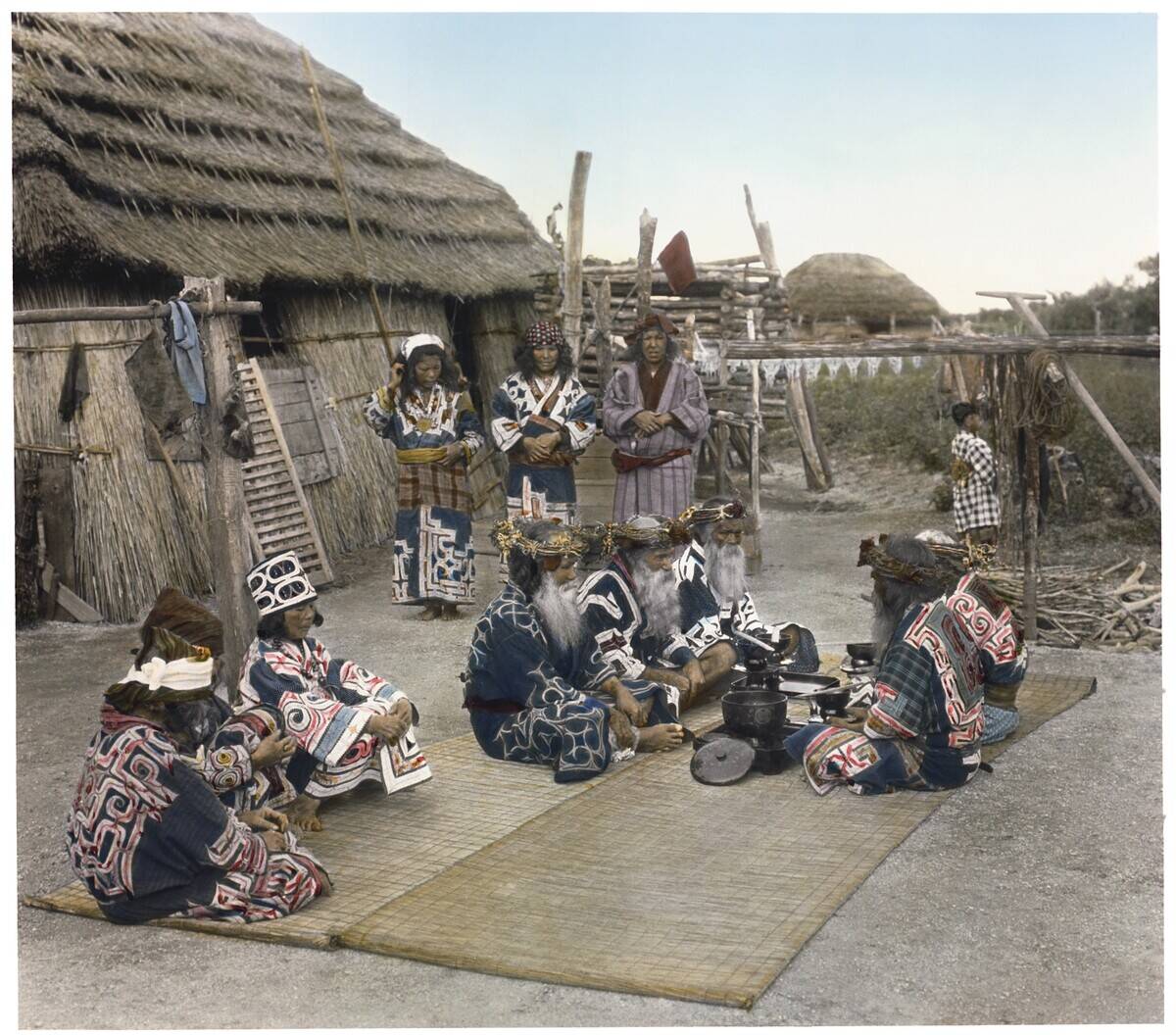
The Ainu are the indigenous people of Japan’s Hokkaido Island and parts of Russia’s Kuril Islands. With a distinct language and cultural practices, the Ainu have faced historical discrimination and assimilation pressures.
Recent efforts have led to a resurgence of Ainu culture, with recognition of their rights and increased interest in their traditional crafts, music, and dance. The Ainu’s deep respect for nature is reflected in their spiritual beliefs and practices, which continue to be celebrated and preserved through cultural festivals and educational initiatives.