How your resting posture affects heart health

Trending Now
Did you ever think that the way you sit or stand could influence your heart health? Posture is more than just a matter of appearance; it plays a crucial role in how efficiently your heart functions.
When you maintain good posture, your body allows for optimal alignment, which helps your cardiovascular system work more effectively. This article will explore the fascinating link between posture and heart function, shedding light on how small adjustments can make a big difference in your overall health.
The Science of Posture: What Happens When We Rest

When we rest, our posture shifts, and this can have different effects on the heart. For instance, lying flat can improve blood flow, as gravity no longer works against the circulation to the upper body.
However, prolonged periods of inactivity can lead to reduced blood flow and may impact heart health negatively over time. Understanding the balance between rest and activity is crucial for maintaining a healthy heart.
Sitting vs. Standing: How These Positions Impact Your Heart

Sitting for extended periods can lead to decreased circulation, which puts extra strain on the heart. On the other hand, standing encourages more blood flow and can help reduce the risk of cardiovascular issues.
Alternating between sitting and standing throughout the day can be beneficial, as it promotes better circulation and reduces the risk of developing heart-related problems.
The Effects of Slouching on Cardiovascular Health

Slouching is more than just a bad habit; it can have serious consequences for your heart. When you slouch, your lungs have less room to expand, which reduces oxygen intake and forces the heart to work harder.
Over time, this extra stress can lead to cardiovascular issues. Maintaining an upright posture not only looks better but also supports healthier heart function.
Lying Down: Heart-Friendly or Heart-Foe?

Lying down can be both beneficial and problematic for heart health. Elevating the legs while lying down can improve venous return and ease the heart’s workload.
However, lying flat on your back for too long can cause blood to pool in certain areas, potentially leading to circulation issues. It’s important to find a balance and switch positions to ensure optimal heart health.
The Role of Gravity: How It Influences Blood Circulation

Gravity plays a significant role in blood circulation, affecting how blood returns to the heart. When standing, gravity helps blood flow downward, but it can make it harder for blood to return from the legs.
This is why movement and proper posture are essential. By engaging in activities that promote circulation, you can help your heart maintain efficient blood flow throughout the body.
The Heart’s Best Friend: The Benefits of Proper Alignment

Proper alignment of the body supports the heart by ensuring that blood vessels are not compressed. This allows for unimpeded blood flow and reduces the heart’s workload. Good posture helps maintain this alignment, making it easier for the heart to pump blood efficiently.
By focusing on maintaining correct posture, you can relieve stress on your cardiovascular system, promoting better heart health.
Posture and Heart Rate: Is There a Link?

There is indeed a connection between posture and heart rate. When you maintain an upright posture, your heart rate tends to be lower, as blood circulation is more efficient.
Conversely, poor posture can lead to an increased heart rate as the heart works harder to pump blood. By improving posture, you can help regulate your heart rate, contributing to better overall heart health.
The Importance of Core Muscles in Supporting Heart Health

Strong core muscles are vital for maintaining good posture, which in turn supports heart health. A stable core helps keep the spine aligned, reducing stress on the heart. Regular core exercises can improve posture and decrease the risk of cardiovascular issues.
Incorporating core strengthening activities into your routine can lead to improved heart function and overall wellness.
Posture and Blood Pressure: What You Need to Know
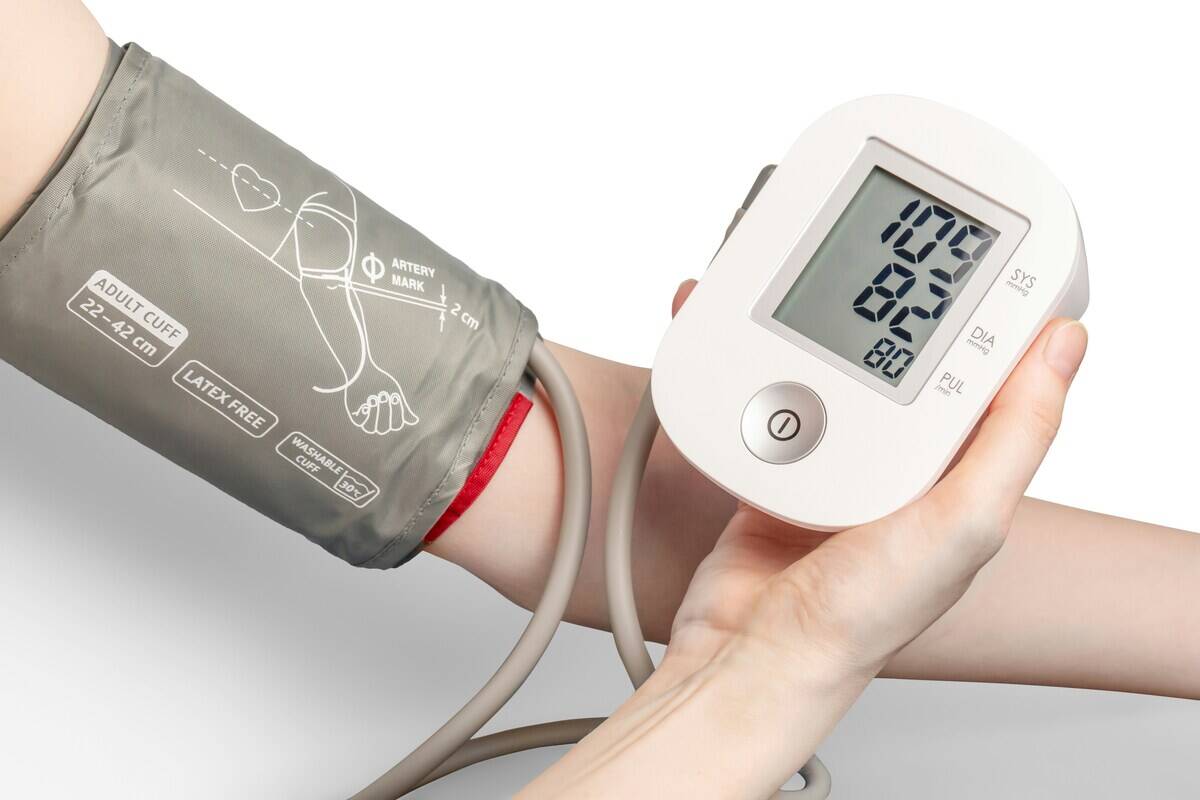
Posture influences blood pressure, as slouching can compress blood vessels, leading to elevated blood pressure. Maintaining an upright posture allows for better circulation, helping to keep blood pressure stable.
By being mindful of your posture, you can support your cardiovascular system and potentially reduce the risk of hypertension.
The Technology Trap: How Devices Can Affect Your Posture and Heart

With the rise of smartphones and computers, poor posture has become more common. Looking down at screens can lead to ‘tech neck,’ which strains the neck and shoulders, impacting circulation and heart health.
Taking breaks and practicing good ergonomic habits can help mitigate the effects of technology on posture, supporting a healthier heart in the long run.
Sleeping Positions: Which Ones Are Heart-Friendly?

Your sleeping position can impact your heart health. Sleeping on your back with your head slightly elevated can be beneficial, as it promotes better circulation. Side sleeping, particularly on the left side, can also support heart function by improving blood flow.
Finding a comfortable, heart-friendly sleeping position can enhance your overall cardiovascular health.
The Surprising Impact of Poor Posture on Heart Function Over Time

Over time, poor posture can lead to significant heart issues. Constant slouching causes the heart to work harder, potentially leading to long-term cardiovascular problems.
By addressing posture issues early, you can prevent the gradual damage that poor posture can inflict on the heart. Taking steps to improve posture can result in better heart health and longevity.
Stress and Posture: A Vicious Cycle Affecting Your Heart

Stress can negatively impact posture, leading to a vicious cycle that affects heart health. Tension often causes people to hunch their shoulders and slouch, which in turn can increase heart strain.
By managing stress and maintaining good posture, you can break this cycle and support a healthier heart. Practices like mindfulness and stretching can help alleviate stress and improve posture.
Quick Tips for Improving Posture and Boosting Heart Health

Improving your posture can be simple with a few quick tips. Set reminders to sit up straight and take regular breaks to stand and stretch. Strengthen your core muscles with exercises like planks and yoga to support better posture.
Lastly, be mindful of your body’s alignment throughout the day, whether sitting, standing, or sleeping, to promote optimal heart health.