The surprising ways animals affect human health

Trending Now
The bond between humans and animals goes beyond companionship, touching on aspects of health that are often overlooked. Studies have shown that interacting with animals can lower blood pressure, reduce stress, and even boost immune function.
Whether it’s a wagging tail or a gentle purr, animals provide emotional support that translates into tangible health benefits. It’s no wonder that more people are recognizing the therapeutic potential of animal companionship.
Pet Ownership: A Prescription for Mental Wellness

Owning a pet is like having a built-in therapist. Research indicates that pet owners experience lower levels of anxiety and depression. The act of caring for an animal can give life a sense of purpose and responsibility, which in turn fosters emotional stability.
Plus, pets offer unconditional love and companionship, which can be particularly comforting during lonely times. It’s no surprise that mental health professionals often recommend pets as part of a holistic treatment plan.
How Dogs Encourage a More Active Lifestyle

Dogs are great motivators for physical activity. A study by Michigan State University found that dog owners are 34% more likely to achieve their recommended daily exercise. Walking a dog isn’t just good for the canine; it’s a heart-healthy habit for the owner as well.
These regular walks can lead to improved cardiovascular health and weight control. Furthermore, the social interaction that comes with dog walking can boost mood and foster community connections.
The Stress-Relieving Power of Cats’ Purrs

The soothing sound of a cat’s purr is more than just a pleasant noise. It’s been shown that the frequency of a cat’s purr can promote healing and reduce stress.
This calming effect is thought to be due to the way purring frequencies can lower stress hormones and blood pressure. It’s no wonder that cat lovers find comfort in their feline friends.
Fish Tanks: Underwater Worlds That Soothe the Soul

The tranquil beauty of a fish tank can be a balm for the soul. Observing fish swim in their aquatic environment has been shown to reduce anxiety and promote relaxation. A study by Plymouth University found that watching fish can lower heart rates and blood pressure.
The gentle, rhythmic movements of fish have a mesmerizing quality that can draw people into a meditative state. Aquariums are now commonly used in medical settings to help patients calm down before procedures.
Birds of a Feather: Companionship and Cognitive Health

Birds offer more than just a pretty song; they contribute to cognitive health as well. Research suggests that interacting with birds can improve mental alertness and enhance mood. Birds require engagement through activities like talking and playing, which stimulates cognitive functioning.
Moreover, caring for birds can provide a sense of accomplishment and joy as owners watch their feathered friends thrive. It’s a rewarding experience that offers both mental and emotional benefits.
Therapeutic Horses: Equine-Assisted Therapy Explained

Equine-assisted therapy is gaining traction for its effectiveness in treating a range of conditions. Horses have a unique ability to mirror human emotions, making them excellent partners in therapy.
The rhythmic motion of riding can improve balance, coordination, and muscle tone. This type of therapy is particularly beneficial for individuals with PTSD, anxiety, or developmental disorders. The bond formed with horses during therapy can be deeply transformative, offering insights and emotional growth.
The Healing Power of Animal-Assisted Therapy

Animal-assisted therapy (AAT) involves the use of animals to enhance therapeutic outcomes. From therapy dogs visiting hospitals to horses aiding in physical rehabilitation, AAT is a versatile tool in the therapeutic arsenal. Studies have shown that AAT can improve mood, reduce pain, and increase social interaction.
The presence of an animal can create a more relaxed and open environment, allowing patients to engage more fully in therapy. It’s a testament to the profound impact that animals can have on human health.
How Farm Animals Are Helping with Autism Spectrum Disorders

Farm animals are playing a surprising role in aiding individuals with autism spectrum disorders (ASD). Interacting with animals such as goats, chickens, and cows can improve social skills and reduce anxiety in people with ASD.
Programs like “Green Chimneys” in New York utilize farm animals to help children develop communication and emotional skills. These interactions provide a unique, hands-on experience that fosters learning and growth in a non-judgmental environment.
The Surprising Role of Bees in Human Health
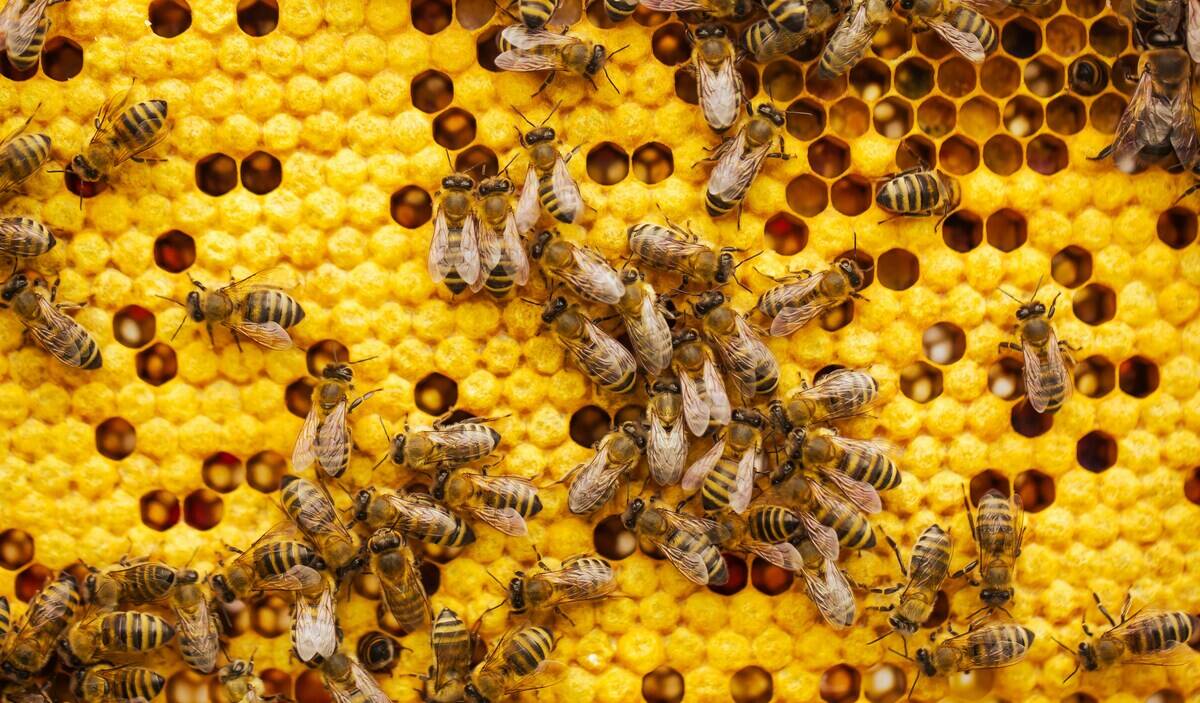
Bees contribute to human health in ways you might not expect. Beyond pollination, bees produce honey, a natural substance with antibacterial and anti-inflammatory properties. Research from the University of Oxford shows that honey can help heal wounds and soothe sore throats.
Additionally, bee venom is being studied for its potential in treating conditions like arthritis and multiple sclerosis. Bees are tiny powerhouses of health benefits, underscoring the importance of preserving their populations.
Microbiomes: How Farm Life Influences Our Gut Health

Living on a farm can enrich your gut microbiome in unexpected ways. Exposure to diverse bacteria in farm environments can lead to a more robust immune system. Studies have shown that children growing up on farms have lower rates of asthma and allergies.
The “farm effect” is thought to be due to the variety of microbes encountered in farm life, which promote a balanced and healthy gut microbiome. This natural exposure can have lasting benefits for immune health.
The Impact of Urban Wildlife on Human Well-being

Urban wildlife, from squirrels to pigeons, plays a role in enhancing city dwellers’ well-being. Encounters with urban animals can increase feelings of connection to nature, which is associated with improved mental health.
A study by the University of Exeter found that people living near green spaces with wildlife report higher levels of happiness and lower levels of depression. These urban encounters remind us that nature is always within reach, even in bustling cities.
The Connection Between Animal Rescue and Emotional Resilience

Rescuing animals can be a deeply rewarding experience that builds emotional resilience. Caring for rescued animals often requires patience and compassion, qualities that can translate into personal growth.
Studies suggest that individuals who engage in animal rescue experience increased levels of empathy and emotional well-being. The act of giving an animal a second chance can foster a sense of purpose and fulfillment, creating a positive feedback loop of emotional resilience and happiness.
Allergies: How Growing Up with Pets Might Make a Difference

Growing up with pets might just help prevent allergies later in life. Early exposure to pet dander can strengthen the immune system, reducing the likelihood of developing allergies. A study by the University of Wisconsin-Madison found that children with early pet exposure had lower rates of asthma and eczema.
This exposure helps the immune system learn to differentiate between harmful and harmless substances. It’s a compelling reason to consider a furry family member from a young age.
Zoonotic Diseases: The Double-Edged Sword of Animal Interaction

While animals offer numerous health benefits, they can also pose risks in the form of zoonotic diseases. These are diseases transmitted from animals to humans, such as rabies and Lyme disease. It’s important to understand these risks and take precautions, like vaccinating pets and using tick prevention methods.
Despite these challenges, the benefits of animal interaction often outweigh the risks, especially with proper care and hygiene practices in place.
Animals as Early Warning Systems for Environmental Health

Animals can serve as early indicators of environmental health, signaling changes that might go unnoticed by humans. For instance, amphibians are highly sensitive to environmental pollutants, and their decline often precedes broader ecological issues.
Monitoring animal health can provide valuable insights into the state of ecosystems and help guide conservation efforts. This role as sentinels underscores the interconnectedness of animal and human health, emphasizing the need for responsible environmental stewardship.
How Animals Teach Us About Balanced Diets and Nutrition
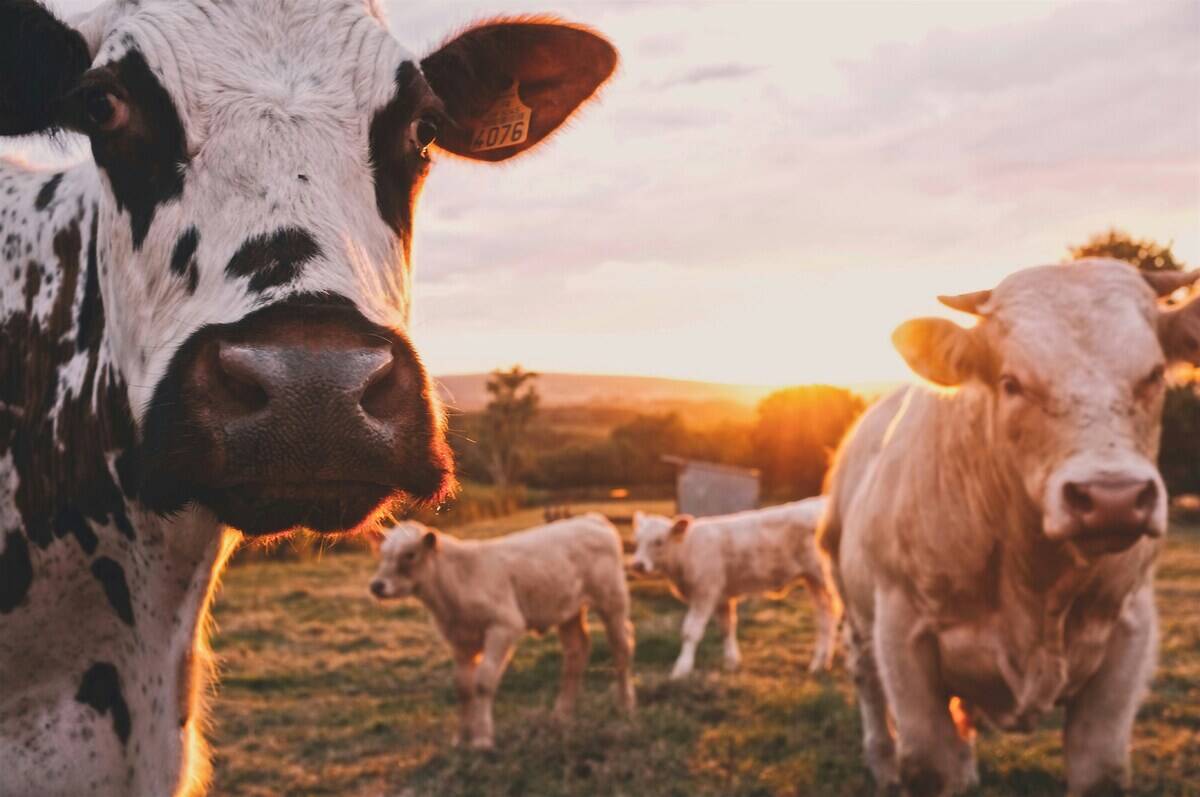
Observing animal diets can offer insights into balanced nutrition for humans. Animals instinctively consume a variety of nutrients to maintain health, a practice that can inspire dietary choices in people. For example, the diverse plant intake of herbivores highlights the benefits of a plant-rich diet for heart health and longevity.
By learning from animals’ natural eating habits, humans can adopt more balanced and nutritious diets, leading to improved overall health and well-being.
Animal Behavior Studies: Insights into Human Psychology

Animal behavior studies offer fascinating insights into human psychology. Observations of animals in social groups can shed light on human social dynamics, including communication, hierarchy, and cooperation.
Research into primate behavior, for example, has informed theories about human evolution and social interaction. These studies reveal the commonalities between species and help us understand our own behaviors and relationships better. It’s a reminder of the shared threads that connect all living beings.