How the sun will end one day

Trending Now
The Sun, our magnificent celestial neighbor, is more than just a fiery ball of gas that lights up our skies. It’s a cosmic performer, putting on a show that has intrigued humanity for millennia.
As we delve into the life and times of our closest star, let’s explore the fascinating facts that make the Sun’s journey a cosmic curtain call like no other. Buckle up for a stellar adventure through space and time!
Understanding Our Closest Star: The Sun in a Nutshell

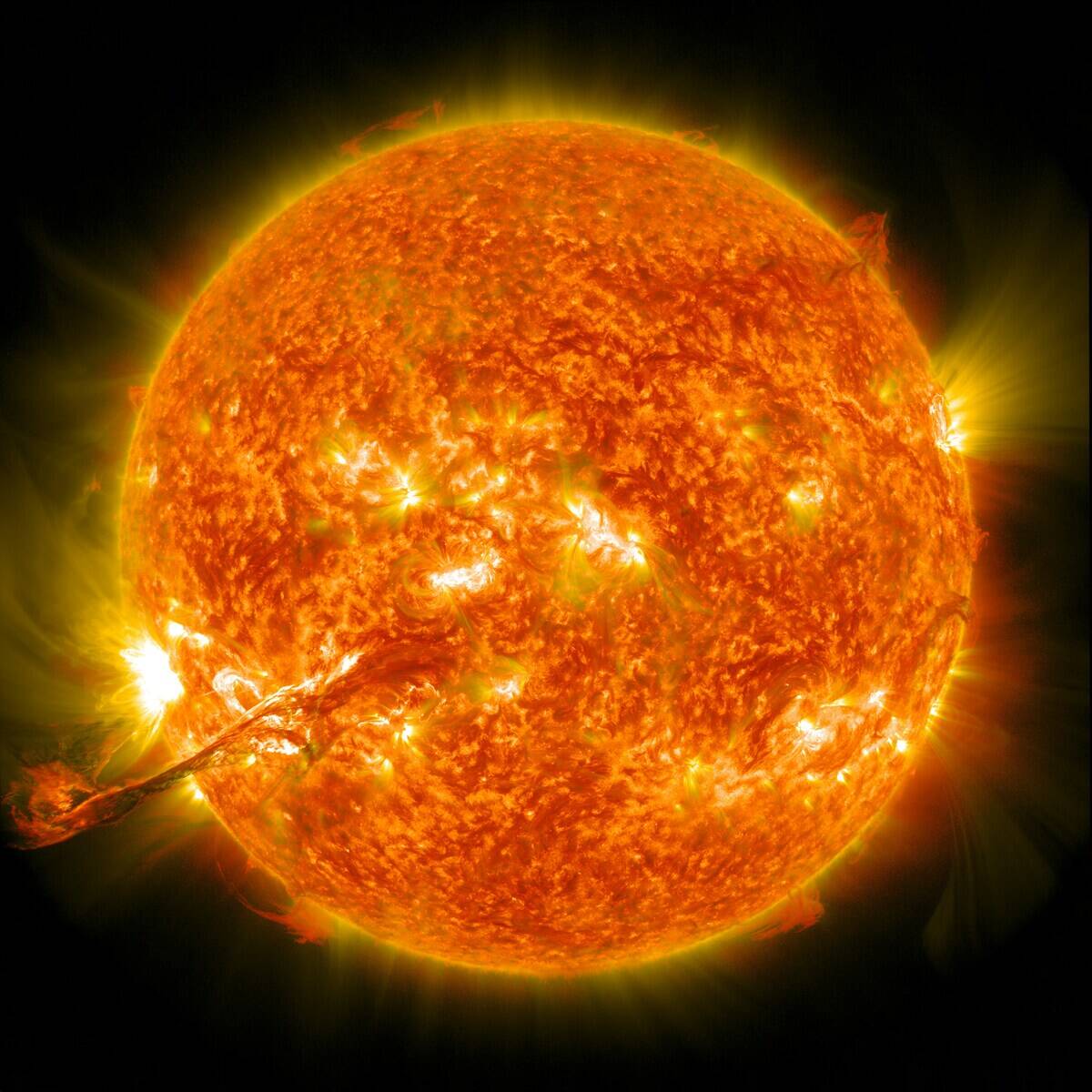
Our Sun is a G-type main-sequence star, or G dwarf star, located at the center of our solar system. Comprising about 99.86% of the solar system’s total mass, it’s predominantly made of hydrogen and helium.
Every second, it fuses approximately 600 million tons of hydrogen into helium, producing the light and warmth that sustain life on Earth. Isn’t it amazing how this giant nuclear reactor keeps everything in balance?
A Day in the Life of the Sun: Its Daily Routine

The Sun rises in the east and sets in the west, a reliable routine that defines our days. This apparent movement is due to Earth’s rotation. The Sun itself spins, too, though not uniformly; its equator rotates faster than its poles.
With a surface temperature of about 5,500 degrees Celsius, it emits a dazzling array of electromagnetic radiation, including the visible light we cherish. Quite the multitasker, wouldn’t you say?
Solar Energy: The Sun’s Generous Gift to Earth
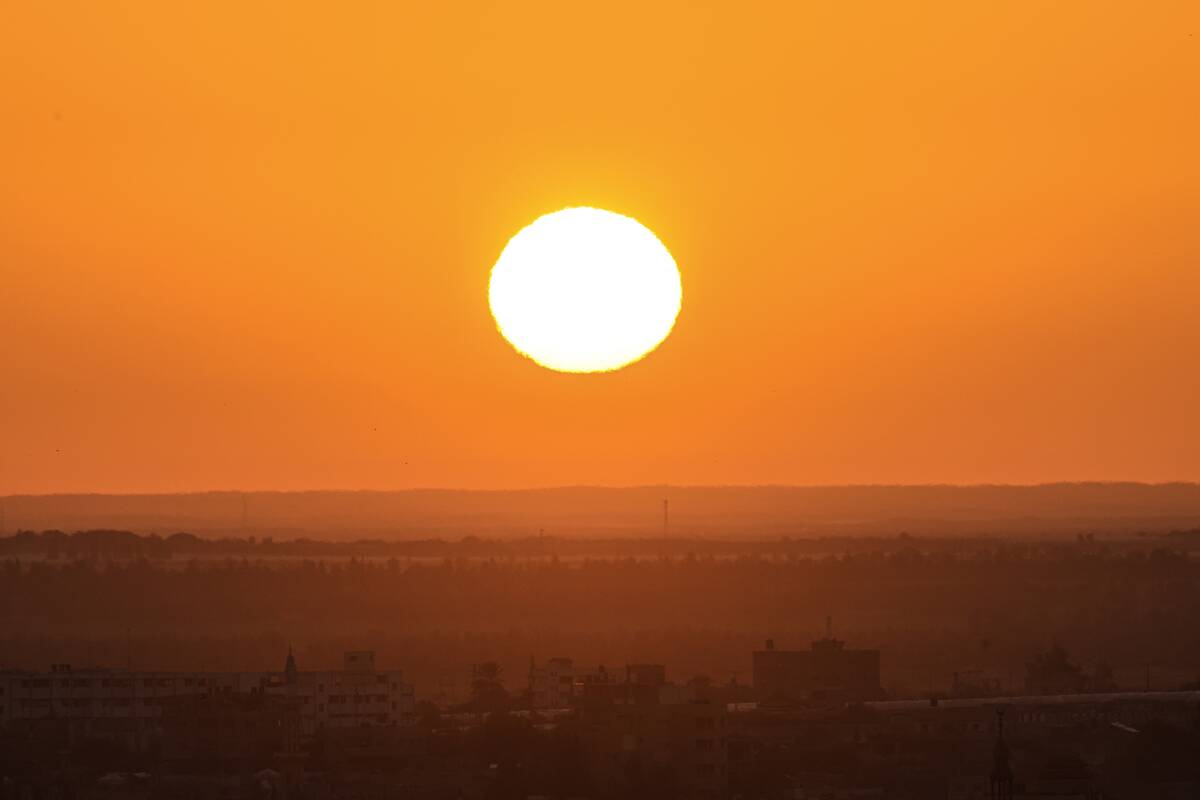
Solar energy is the lifeblood of our planet, providing the warmth and light necessary for life. Every hour, the Earth receives more energy from the Sun than the entire world uses in a year.
This energy drives our climate, weather, and supports photosynthesis, the process by which plants create food. Isn’t it incredible how this stellar powerhouse fuels our planet’s ecosystems so generously?
The Science of Sunsets: Why They’re So Beautiful

Sunsets paint the sky with colors due to the scattering of sunlight by the atmosphere. As the Sun dips lower, its light passes through more air, scattering short-wavelength blue and green light and leaving reds and oranges.
This optical delight, known as Rayleigh scattering, is why no two sunsets are alike. Isn’t it delightful how the Sun’s daily farewell creates nature’s most breathtaking spectacles?
The Sun’s Life Cycle: From Birth to Supernova

The Sun formed from a collapsing cloud of gas and dust more than 4.5 billion years ago. Now a middle-aged star, it is about halfway through its life cycle.
Unlike more massive stars, the Sun will not end its life in a supernova. Instead, it will gradually expand into a red giant as it exhausts its nuclear fuel.
The Solar Forecast: How Long Will the Sun Shine?

The Sun is expected to continue shining for roughly another five billion years. It is currently in a stable phase known as the main sequence, during which hydrogen is fused into helium in its core.
As this hydrogen supply diminishes, the Sun’s structure and behavior will begin to change. Until then, life on Earth can rely on its relatively steady energy output.
Solar Evolution: The Next Stages of the Sun

Once the Sun exhausts its hydrogen, it will evolve into a red giant, expanding and engulfing the inner planets. During this phase, it will fuse helium into heavier elements like carbon and oxygen.
Although this transformation will mark the end of an era, it’s a natural part of a star’s life cycle. It’s intriguing how the Sun’s evolution mirrors a cosmic dance of creation and destruction.
The Red Giant Phase: When the Sun Bloats Up
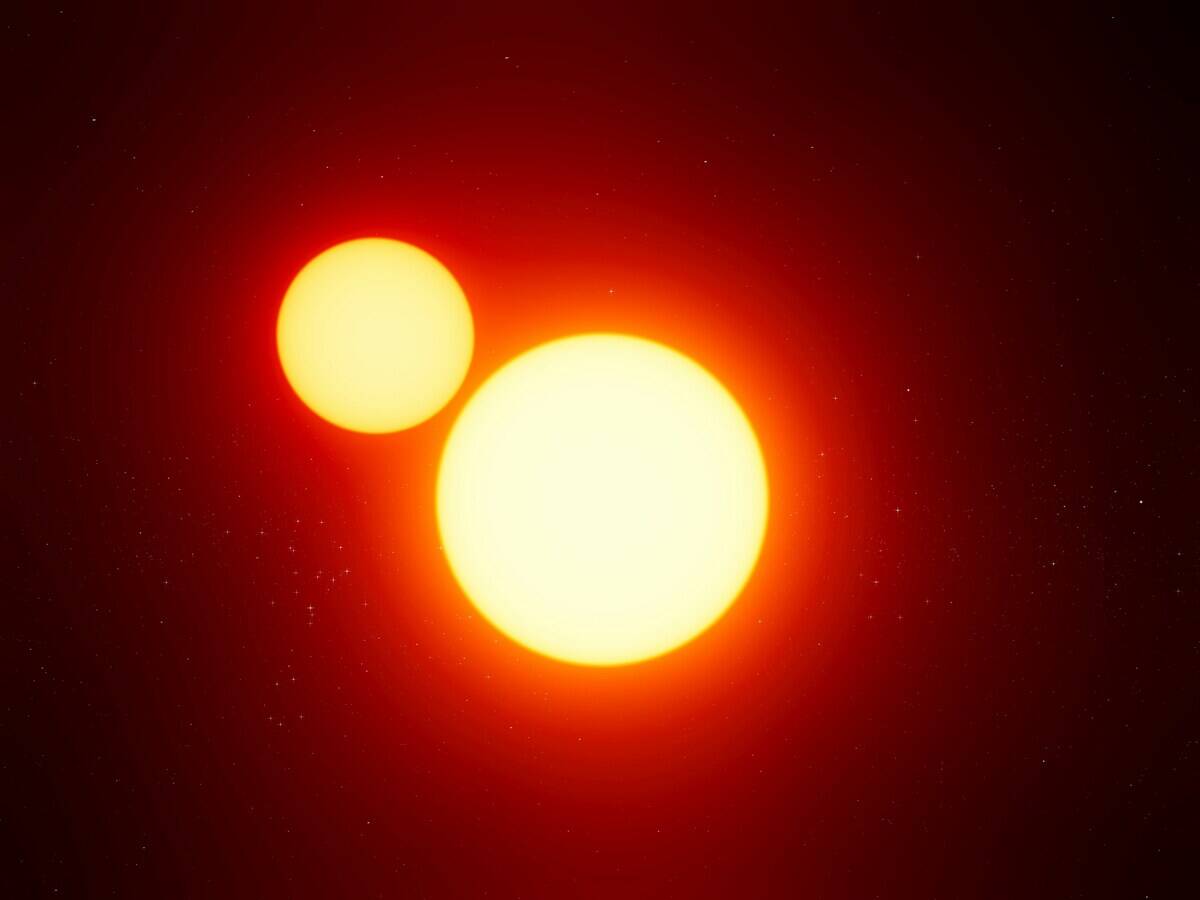
In the red giant phase, the Sun will swell to about 100 times its current size. This expansion will likely consume Mercury and Venus, and possibly Earth.
The outer layers will cool and glow red, hence the name. Though it sounds terrifying, it’s a typical evolution for stars like ours.
The Role of Helium: A Crucial Element in the Sun’s Demise

Helium plays a pivotal role in the Sun’s lifecycle. Once hydrogen is depleted, helium fusion takes center stage, powering the Sun during its red giant phase.
This process produces heavier elements and dictates the Sun’s transformation. The intricate role of helium in stellar evolution is a testament to the complexity of cosmic chemistry.
The White Dwarf Phase: The Sun’s Final Act
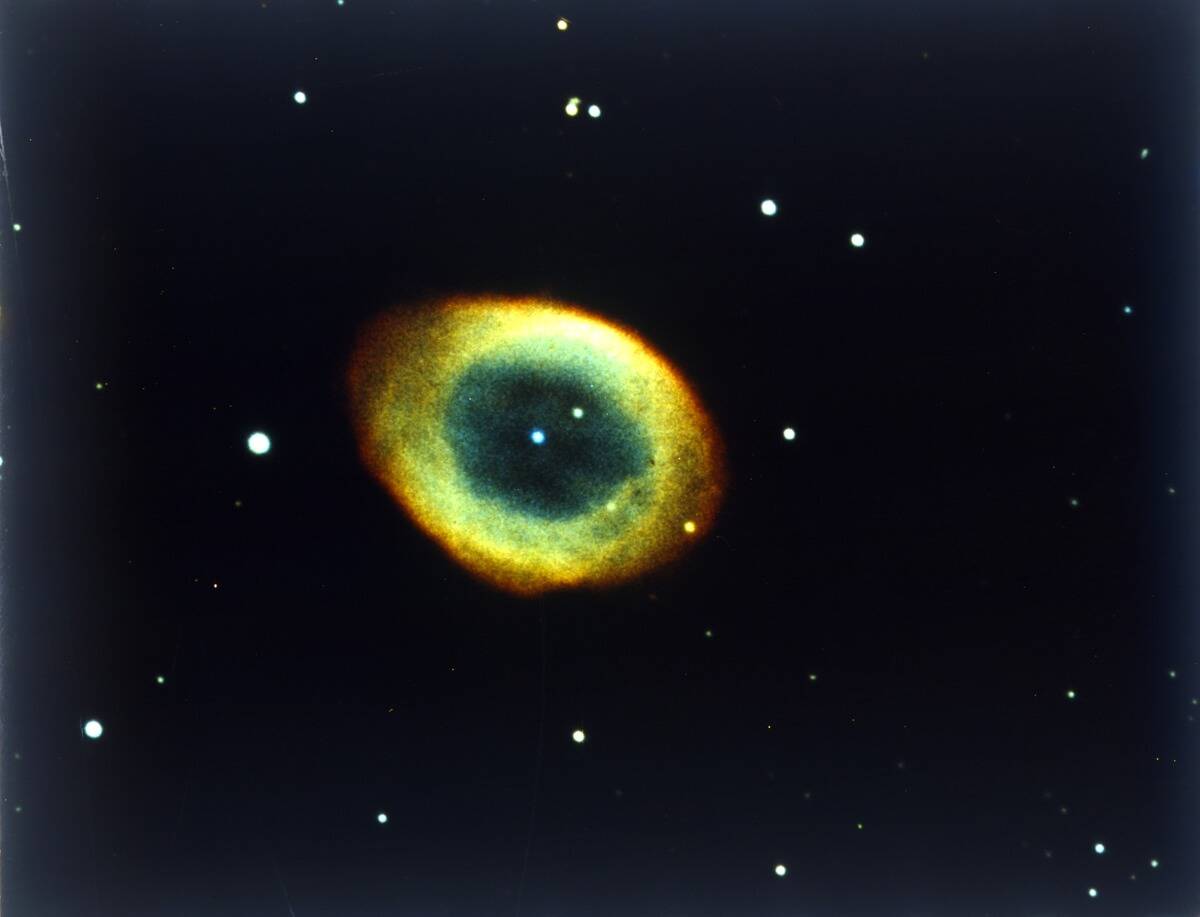
After shedding its outer layers, the Sun will leave behind a dense core known as a white dwarf. This remnant, roughly the size of Earth but far denser, will slowly cool over billions of years.
It represents the Sun’s final evolutionary stage, marking the end of its nuclear activity. What remains is a quiet stellar relic, preserving the Sun’s legacy long after its light has faded.
The Impact on Our Solar System: A Gravitational Shift
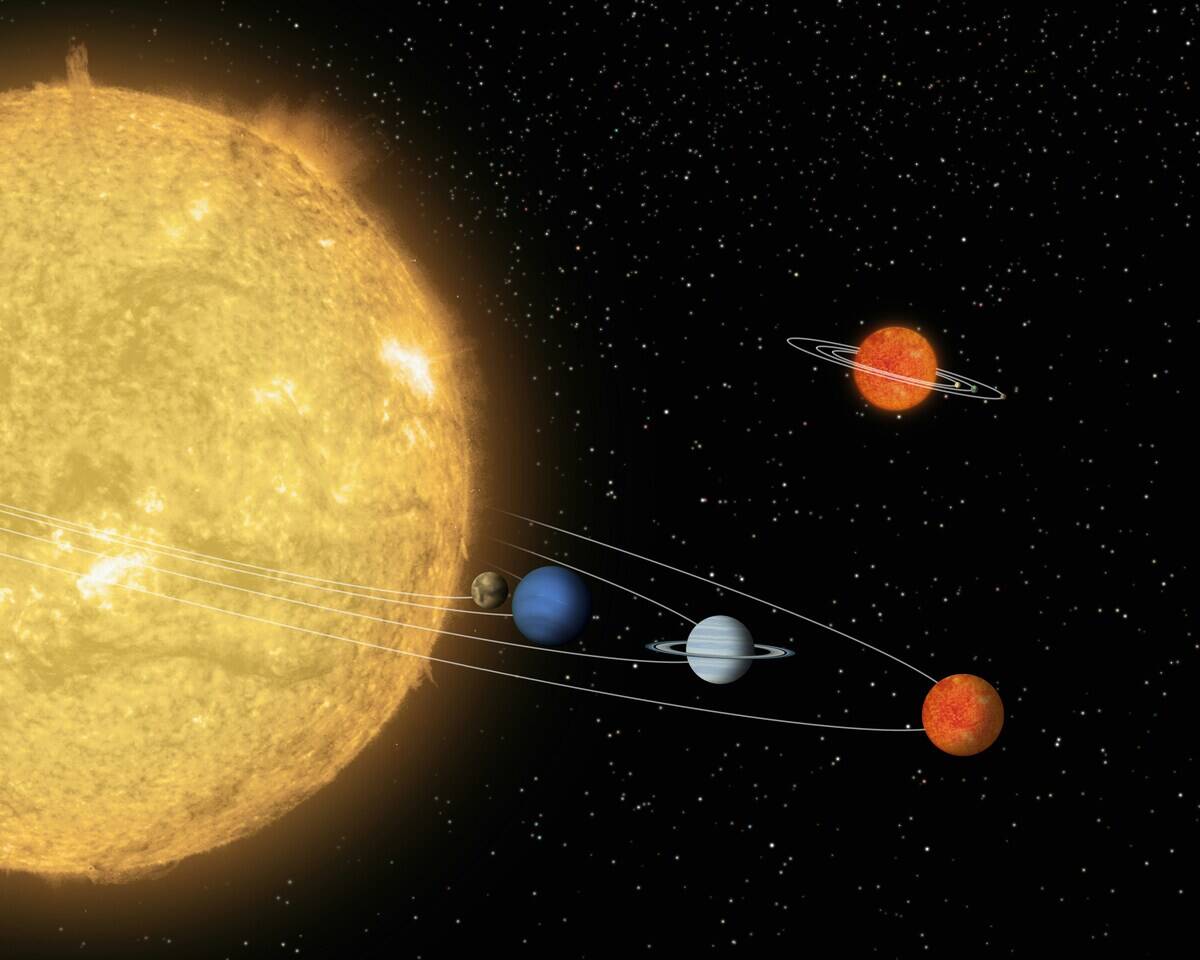
As the Sun transitions through its phases, the gravitational balance of the solar system will shift. The loss of mass during the red giant phase will alter planetary orbits, causing them to gradually expand, though complete ejection from the solar system is considered unlikely under normal conditions.
This cosmic reshuffling highlights the dynamic nature of celestial mechanics.
Saying Goodbye: How Humanity Might Cope with the Sun’s End
Contemplating the Sun’s end forces us to consider humanity’s future. While it’s billions of years away, the thought challenges us to think about survival and adaptation.
Advancements in technology and space exploration might offer solutions, ensuring the continuity of life beyond Earth. Isn’t it thought-provoking to imagine how humanity might face the cosmic inevitability of bidding farewell to our star?