Why brains find meaning in random data

Trending Now
Welcome to the fascinating realm where our minds work overtime to find meaning in chaos! Our brains are wired to detect patterns, a trait that has been pivotal for our survival. From spotting hidden dangers to understanding social cues, this ability is both a boon and a source of endless amusement.
But why do we sometimes see connections where none exist? Let’s dive into the quirky world of pattern recognition to explore this intriguing phenomenon.
The Brain’s Natural Tendency for Storytelling

Our brains are natural storytellers, constantly weaving narratives to make sense of the world. This tendency helps us remember information more effectively. Interestingly, this storytelling instinct can lead us to create connections between unrelated occurrences.
For instance, when we hear a sequence of random sounds, our brain attempts to form a coherent melody. This narrative instinct is a testament to our brain’s creativity and its relentless pursuit of meaning.
Pareidolia: Seeing Faces in Inanimate Objects

Ever spotted a face staring back at you from a car’s front grille or a cloud formation? That’s pareidolia at work. This phenomenon is our brain’s way of interpreting vague stimuli as familiar patterns, like faces.
Scientists suggest that this ability might have evolved as a survival mechanism, enabling early humans to quickly recognize faces and assess potential threats. So next time you see a smiley face in your morning toast, thank your brain’s quirky pattern-spotting skills.
Apophenia: Finding Patterns in Randomness

Apophenia is the tendency to perceive connections among unrelated or random things. It’s the reason why some people find meaning in the roll of dice or see links between unrelated events.
This might sound irrational, but it’s an extension of our brain’s pattern recognition prowess. While it can lead to false conclusions, apophenia is also responsible for creativity and innovation, helping us think outside the box by connecting disparate ideas.
The Role of Evolution in Pattern Recognition

Evolution has fine-tuned our brains to be pattern-recognition machines. This ability was crucial for survival, assisting our ancestors in identifying predators and finding food. Those who could quickly detect patterns were more likely to survive and pass on their genes.
Today, while the threats are different, the same evolutionary mechanisms guide our perception, sometimes leading us to see patterns where none exist. It’s a fascinating blend of biology and psychology at play.
How Survival Instincts Shape Our Perceptions

Our survival instincts have a profound impact on how we perceive the world. The ability to spot a camouflaged predator or recognize a safe path through the wilderness meant the difference between life and death.
These instincts are still with us, influencing modern-day decision-making. Although the stakes might not be as high, our brains continue to rely on these age-old patterns to navigate the complexities of life, sometimes leading to amusing or erroneous conclusions.
Superstitions: When Coincidence Becomes Meaning

Superstitions are the result of our brain’s tendency to assign meaning to coincidences. Whether it’s avoiding walking under ladders or carrying lucky charms, these beliefs are formed when two unrelated events are mistakenly linked.
Our brains crave explanations, and when none are available, we create them. Superstitions might seem irrational, but they offer comfort and predictability, showcasing how our need for control shapes our perception of reality in curious ways.
The Neuroscience Behind Pattern Recognition
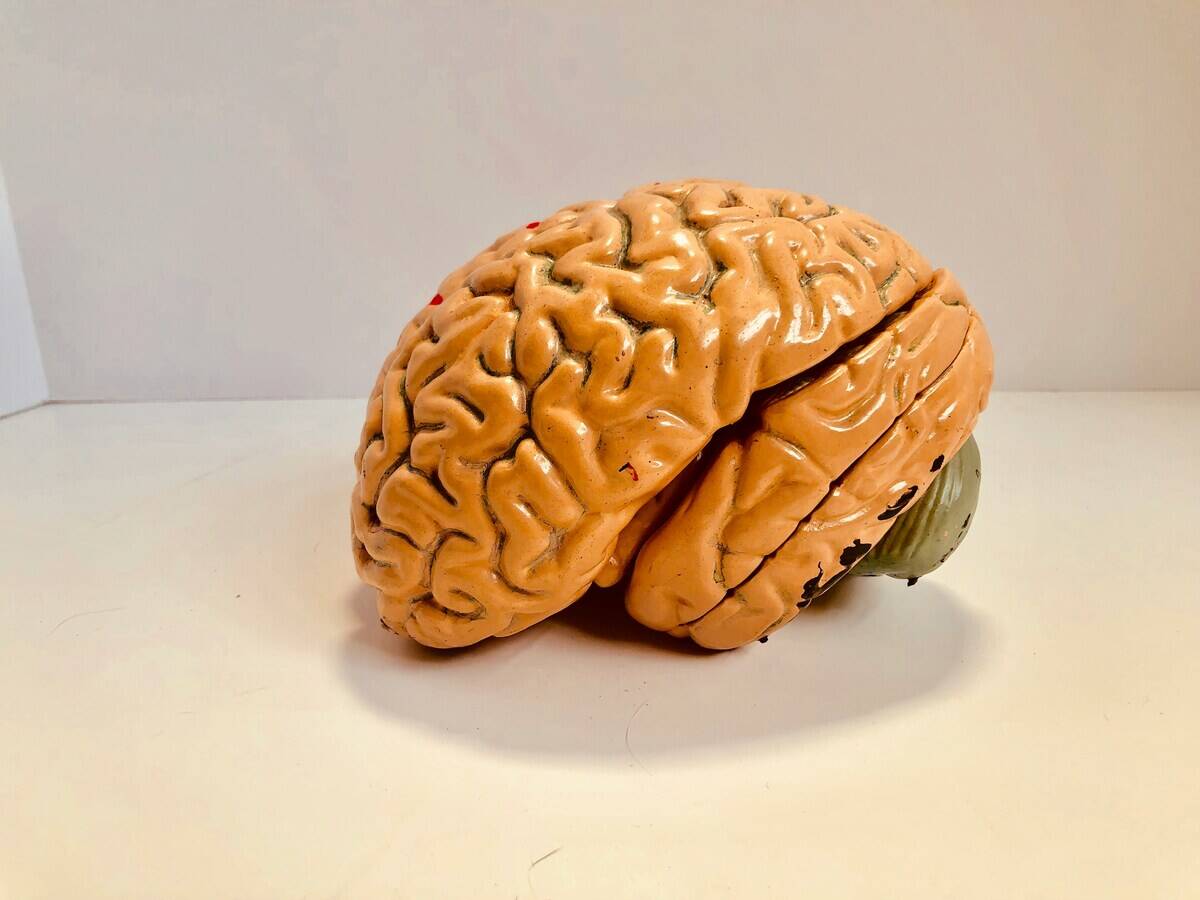
The neuroscience of pattern recognition reveals fascinating insights into how our brains process information. Specific neural networks are dedicated to detecting patterns, with areas like the fusiform face area specialized in recognizing faces.
This intricate system allows us to quickly interpret visual cues, but it also means we’re prone to seeing patterns where none exist. Understanding these neural mechanisms helps explain why our brains sometimes leap to conclusions, weaving stories from the fabric of randomness.
Cognitive Biases and Their Influence on Perception

Our perception is heavily influenced by cognitive biases, mental shortcuts that help us process information quickly. These biases can lead us to make connections based on preconceived notions rather than evidence.
Confirmation bias, for example, makes us favor information that supports our beliefs, reinforcing perceived patterns. While these biases streamline decision-making, they can also lead us astray, emphasizing the importance of awareness in scrutinizing the patterns our brains construct.
When Data Overload Leads to False Connections

In our information-rich world, data overload can lead to false connections. With so much information at our fingertips, it’s easy to draw links between unrelated data points. Our brains struggle to filter the noise, sometimes resulting in erroneous conclusions.
This phenomenon is akin to seeing trends in stock market fluctuations or attributing causation to mere correlation. Recognizing this tendency is crucial in an age where distinguishing fact from fiction is more important than ever.
The Role of Imagination in Creating Patterns

Imagination plays a significant role in our pattern-making tendencies. By allowing us to explore possibilities beyond the immediate reality, imagination fuels creativity and innovation. However, it can also lead to seeing patterns that aren’t there, as our minds wander and connect disparate dots.
This dual role of imagination highlights its power as both a source of inspiration and a potential pitfall in interpreting the world around us, balancing creativity with critical thinking.
How Technology Amplifies Our Pattern-Making Tendencies

Technology has amplified our pattern-making tendencies, with algorithms often reinforcing perceived connections through targeted content. Social media platforms and search engines use complex algorithms to tailor information, creating echo chambers that confirm our biases.
This amplification can lead to the rapid spread of misinformation and theories. As technology shapes our perception, it’s more important than ever to approach information critically and be mindful of the patterns we choose to see.
The Influence of Culture on Pattern Recognition

Culture significantly influences how we perceive patterns. Different cultures emphasize various symbols, narratives, and meanings, shaping our understanding of the world. For instance, Western cultures might see a rabbit in the moon, while Eastern cultures see a toad.
Cultural contexts provide frameworks for interpreting patterns, highlighting how our surroundings and upbringing mold our perceptions. Understanding this influence broadens our appreciation of diverse viewpoints and enriches our ability to navigate a world full of patterns.
The Art of Making Meaning from the Meaningless

Creating meaning from the meaningless is an art form, blending logic and creativity. This process is evident in fields like literature and art, where abstract concepts are given form and substance.
By embracing ambiguity, artists and writers invite audiences to find their interpretations, turning randomness into personal significance. This artistic endeavor showcases the beauty of human perception, transforming the mundane into the extraordinary through the lens of imagination and creativity.
Why Embracing Randomness Can Be Beneficial

Embracing randomness can be surprisingly beneficial, offering freedom from the constraints of rigid thinking. By accepting uncertainty, we open ourselves to new experiences and ideas.
This mindset fosters adaptability and resilience, encouraging innovation and growth. In a world obsessed with control and predictability, finding comfort in the chaotic can lead to personal and professional breakthroughs, reminding us that sometimes, the best discoveries are made when we least expect them.
Practical Tips for Navigating a World Full of Patterns

Navigating a world rich with patterns requires mindfulness and critical thinking. Start by questioning your assumptions and seeking evidence before drawing conclusions. Embrace diverse perspectives to broaden your understanding and challenge biases.
Practice mindfulness to enhance awareness of your thought processes. Lastly, stay curious and open-minded, recognizing that not all patterns are meaningful. By honing these skills, you’ll be better equipped to discern genuine insights from the myriad patterns your brain weaves.