Why we obsess over some worries more than others

Trending Now
Welcome to the fascinating world of worry. It’s something we all do, yet its intricacies remain largely a mystery to most. Why do certain thoughts stick in our minds like glue, while others flit away?
Understanding this can help us manage our mental landscape more effectively. Throughout this article, we’ll explore the various elements that make worry such a persistent companion in our lives.
The Nature of Worry: A Brief Overview

Worry is a natural cognitive process, often described as a chain of thoughts and emotions centered on future events. It’s like a mental rehearsal for potential problems, which can be both helpful and harmful.
While a little worry can motivate us to take action, chronic worry can lead to anxiety and stress. Learning to balance this internal dialogue is key to maintaining mental health.
The Brain’s Role in Fixation: A Quick Look
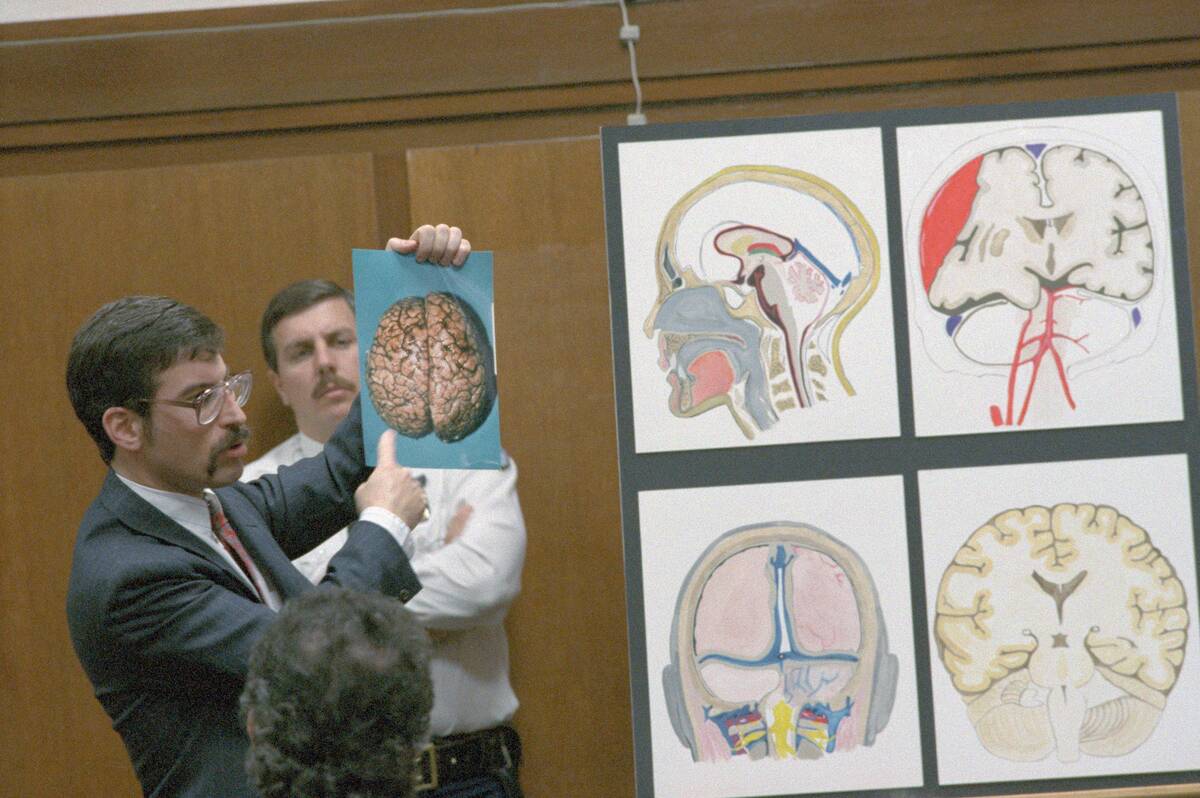
Our brains are wired to focus on potential threats, a survival mechanism from our ancestors. The prefrontal cortex, responsible for complex thinking, works alongside the amygdala, which processes emotions, to assess risk levels.
When these areas are overactive, our brains can become fixated on certain worries, making it hard to shift our focus to more positive thoughts.
The Science Behind Worry: What Happens Upstairs

When we worry, neurotransmitters like serotonin and dopamine become imbalanced, affecting our mood and perception of danger. This imbalance can lead to an exaggerated sense of threat, even when none exists.
Understanding these chemical reactions can help us find strategies to regulate them, promoting a more balanced mental state.
Evolutionary Roots: Why Worrying Was Once Useful

Back in the day, worrying about predators or food shortages played a crucial role in survival. This evolutionary trait ensured our ancestors were alert to dangers and prepared for the worst.
Today, however, the same mechanism can cause us to overreact to non-life-threatening situations, highlighting the need to adapt our ancient instincts to modern life.
The Attention Trap: Why Some Thoughts Stick

Certain thoughts become sticky because they capture our attention more than others. This is often due to their emotional intensity or personal significance.
Our brain prioritizes these thoughts, keeping them at the forefront of our mind. Recognizing this pattern can help us redirect our focus to more constructive thoughts.
Emotionally Charged Thoughts: The Sticky Factor
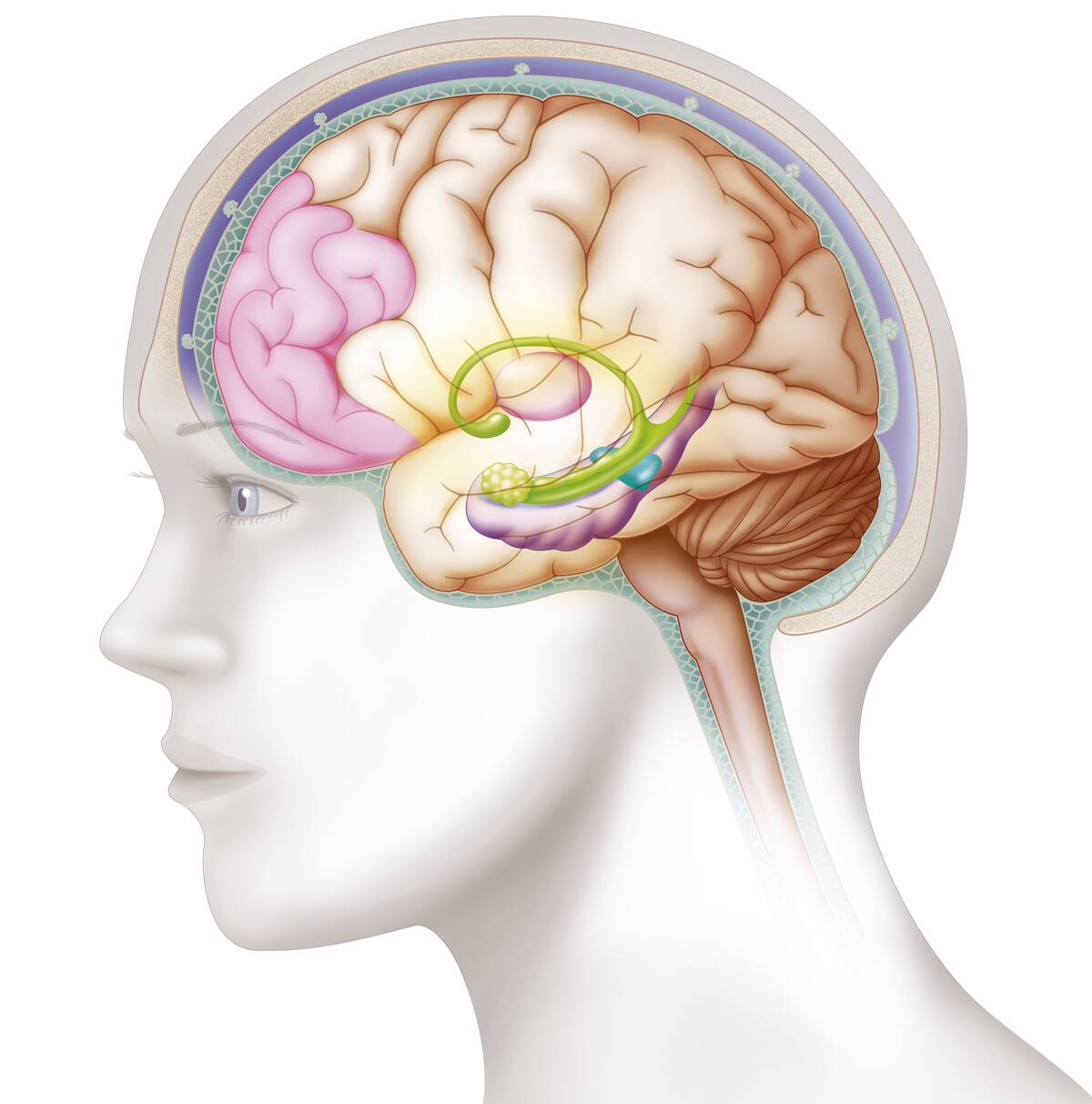
Emotions like fear and anxiety can make certain thoughts more memorable and harder to dismiss. This is because emotionally charged thoughts activate the amygdala, increasing their salience.
By understanding how emotions enhance our focus on specific worries, we can learn techniques to manage and diffuse their intensity.
Personal Experience: How Past Events Influence Worry

Our past experiences shape how we perceive and react to current situations. Negative experiences can increase sensitivity to similar future events, leading to heightened worry.
This is why people with similar backgrounds may respond differently to the same situation, emphasizing the role of personal history in worry patterns.
The Role of Stress: Amplifying Certain Concerns

Stress acts like a magnifying glass for worry, intensifying concerns that might otherwise be manageable. When we’re stressed, our body’s fight-or-flight response is triggered, making threats seem larger and more immediate.
Understanding how stress amplifies worry can help us develop strategies to mitigate its effects.
The Habit Loop: How Repetitive Thinking Takes Hold

Worry can become a habit through repetition, as our brains create neural pathways that reinforce the behavior. This habit loop is similar to other repetitive actions, where the more we engage in it, the more ingrained it becomes.
Breaking this loop requires conscious effort and practice to redirect our thoughts to healthier patterns.
The Impact of Uncertainty: Fear of the Unknown

Uncertainty can be a major catalyst for worry, as the unknown is inherently unsettling. Our brains crave certainty and predictability, so in the absence of information, we often imagine the worst-case scenarios.
Learning to embrace uncertainty and focus on what we can control can reduce the anxiety it causes.
Personality Types: Are Some People More Prone to Fixation?

Certain personality traits, such as high neuroticism, can make individuals more prone to fixated worry. These traits influence how people process emotions and respond to stress.
Understanding the link between personality and worry can help tailor strategies to manage anxiety effectively, based on individual differences.
The Social Influence: How Others Shape Your Worries

Our social environment plays a significant role in shaping our worries. Friends, family, and media can all influence what we perceive as threats. The more we are exposed to certain ideas or concerns, the more likely they are to stick.
Being mindful of these influences can help us filter and prioritize our own worries.
Cognitive Biases: Mental Shortcuts Gone Awry

Cognitive biases can lead us to overestimate risks and maintain fixated worries. These mental shortcuts, such as confirmation bias, cause us to focus on information that supports our fears while ignoring contrary evidence.
Recognizing these biases can help us develop more balanced thinking patterns and reduce undue worry.
Coping Mechanisms: Breaking the Cycle of Fixation

Developing effective coping mechanisms is crucial for breaking the cycle of fixated worry. Techniques such as cognitive restructuring and stress management can help shift focus away from negative thoughts.
By building a toolkit of strategies, we can better navigate the complexities of worry and maintain mental well-being.
Mindfulness and Meditation: Tools for a Calmer Mind

Mindfulness and meditation are powerful tools for calming the mind and reducing worry. These practices encourage present-moment awareness, helping us detach from fixated thoughts.
By fostering a non-judgmental attitude towards our mental processes, we can cultivate resilience and improve our ability to manage stress.