Animal behaviors that reflect human problem-solving

Trending Now
Humans and animals, despite their differences, share intriguing similarities in problem-solving. Both employ various strategies to tackle life’s challenges, showcasing creativity and resourcefulness.
From building homes to forming alliances, their parallels offer insight into survival tactics across species. By examining these behaviors, we gain a deeper appreciation of the intelligence and adaptability present in the animal kingdom and how it mirrors our own.
The Art of Camouflage: Blending into the Environment

Camouflage is a masterful survival technique used by both animals and humans. Animals like chameleons and octopuses change colors to blend seamlessly with their surroundings, avoiding predators.
Similarly, military strategies have long employed camouflage to conceal troops and equipment. This fascinating skill highlights the universal need for concealment in the wild and the human world alike, showcasing nature’s ingenuity in problem-solving.
Teamwork Makes the Dream Work: Herd and Pack Mentality
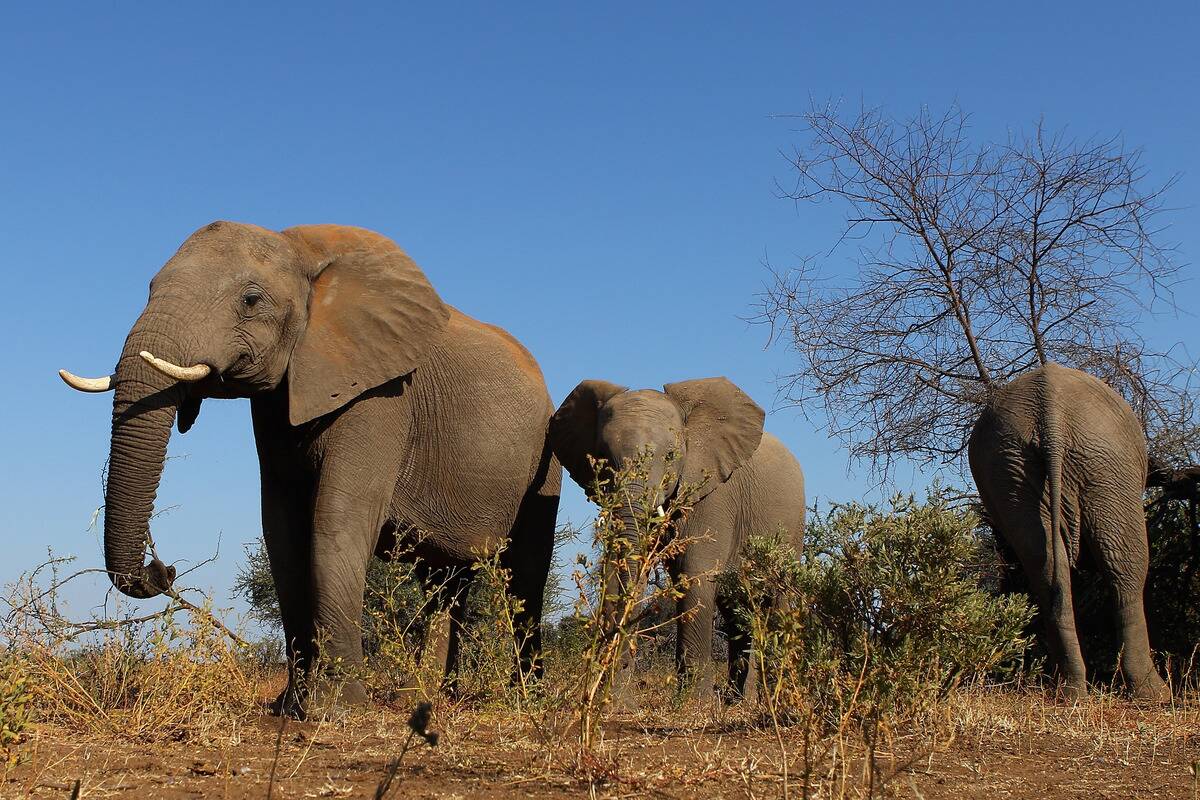
In the animal kingdom, teamwork is a vital component of survival. Wolves hunt in packs, coordinating their efforts for a successful hunt, much like human teams working towards a common goal.
Similarly, elephants travel in herds, protecting each other from threats. This collective effort emphasizes the power of collaboration, where working together often leads to better outcomes than going it alone, a principle echoed in human societies.
The Power of Adaptation: Changing Strategies for Different Climates
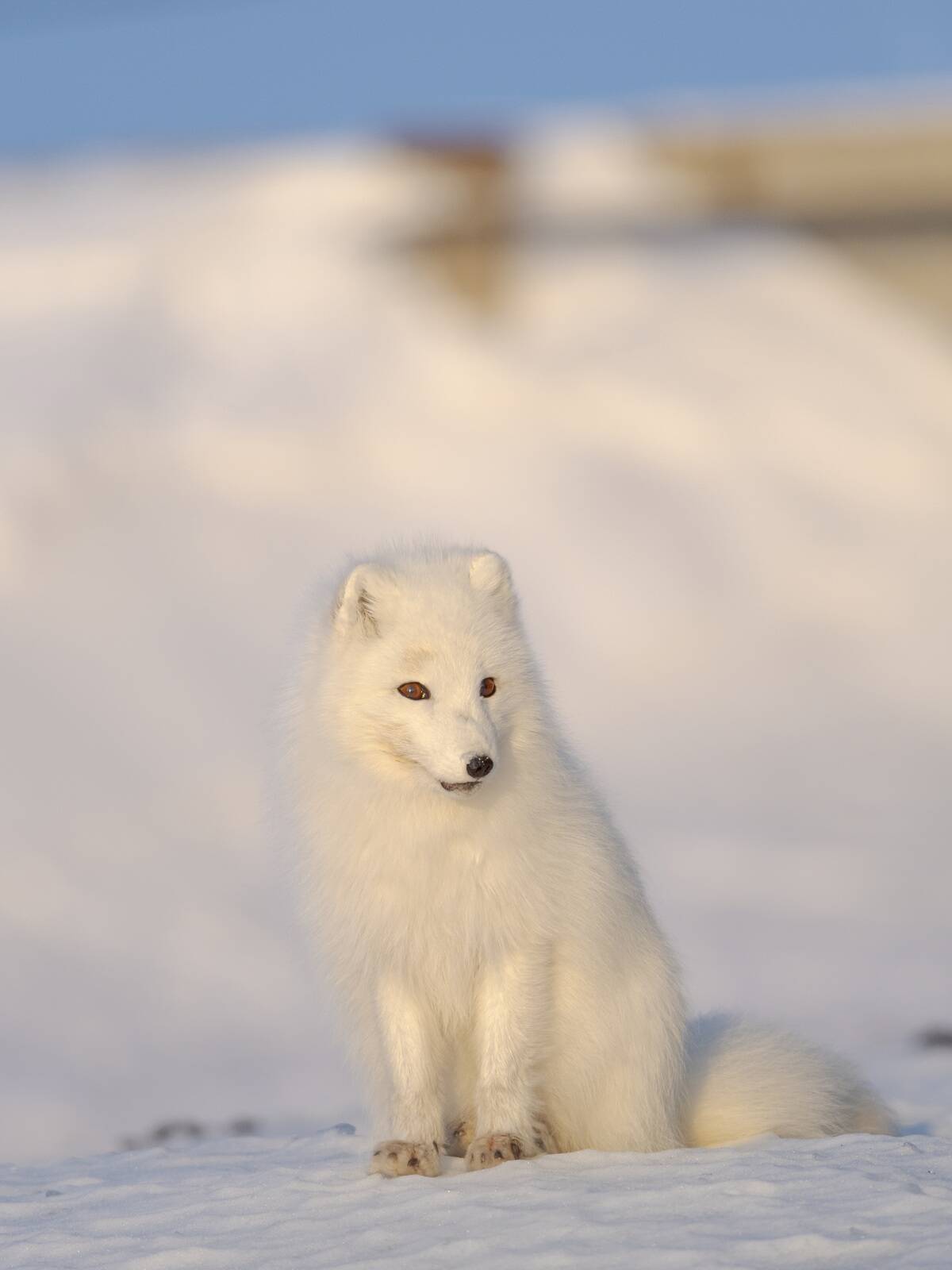
Adaptation is crucial for survival in ever-changing environments. Animals like the Arctic fox develop thicker fur in response to colder climates, while humans have engineered clothing to suit various weather conditions.
This ability to adjust strategies highlights a shared resilience, as both humans and animals modify behaviors to thrive in diverse habitats. It’s a testament to the flexibility inherent in nature’s design.
Playing Dead: The Ultimate Escape Plan
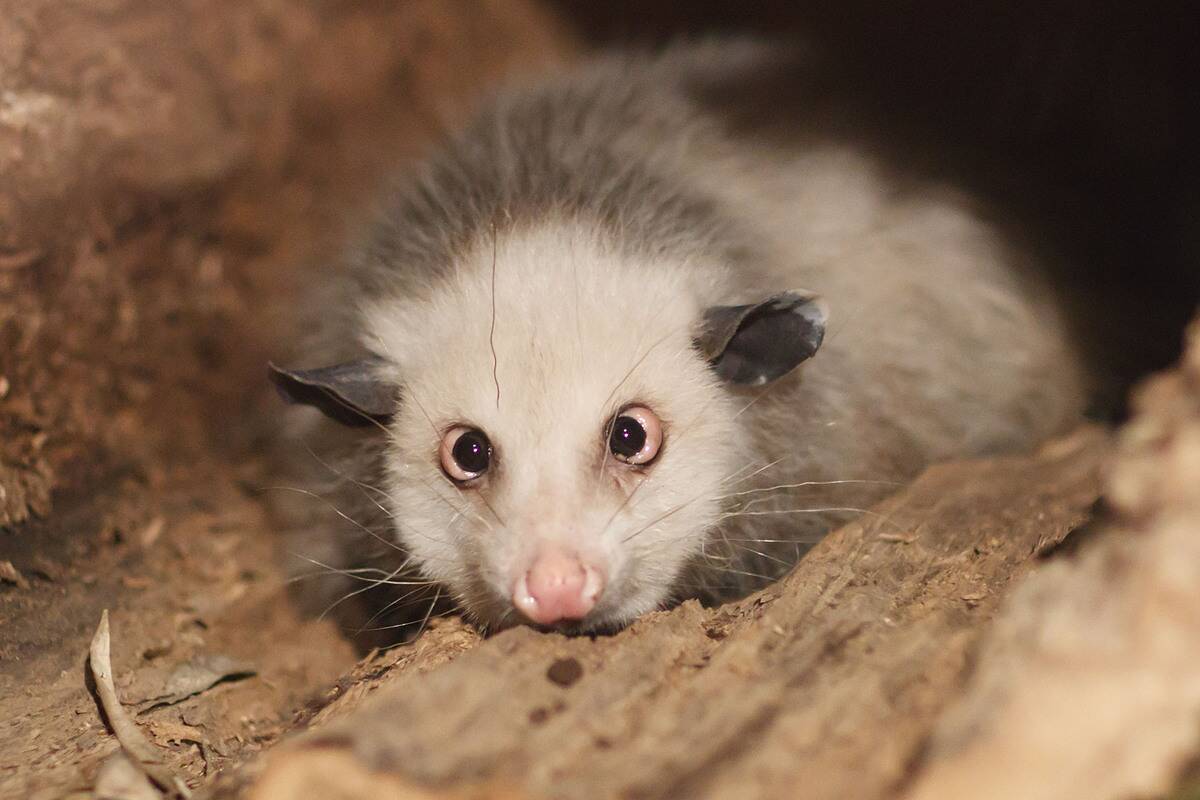
Feigning death is a clever tactic used by animals to evade predators. The opossum is famous for this act, tricking predators into losing interest.
Humans, too, employ deception in different contexts, such as strategic retreats in negotiations or playing possum in competitive scenarios. This shared survival tactic underscores the imaginative solutions that both humans and animals devise when faced with threats.
Building Complex Structures: Beavers and the Art of Engineering
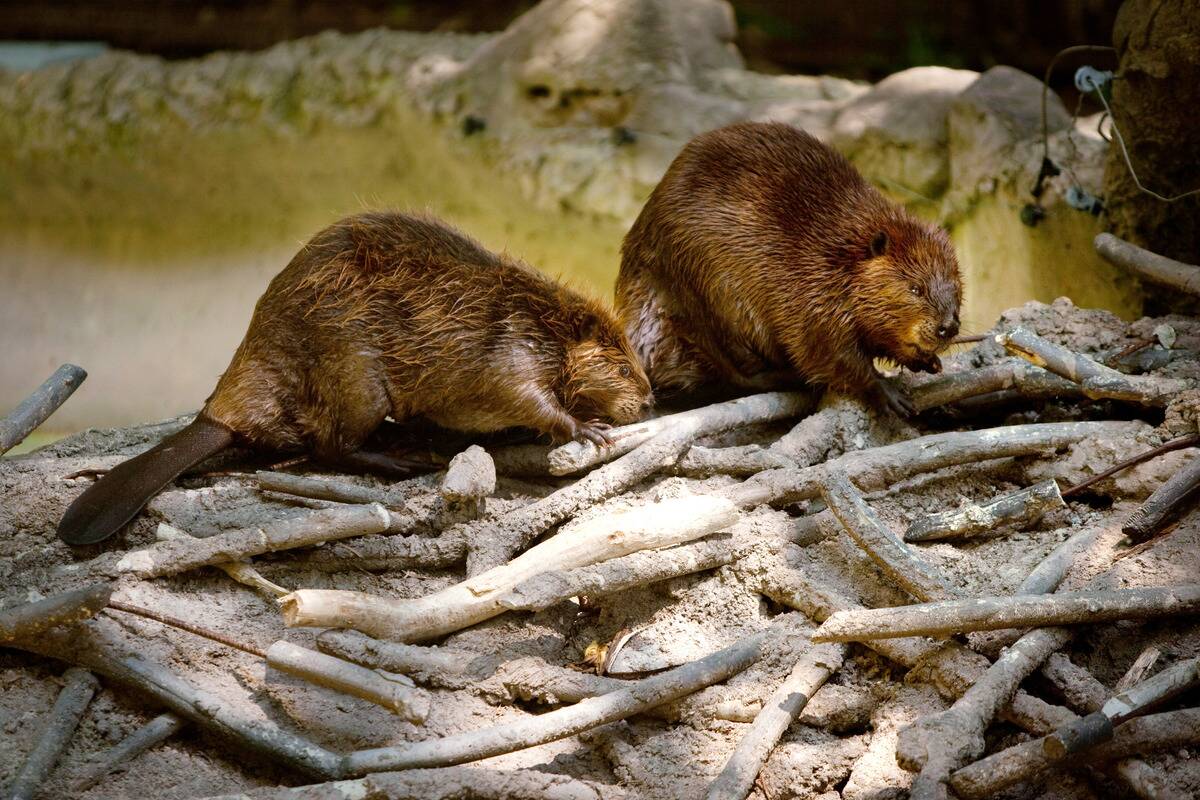
Beavers are nature’s engineers, constructing intricate dams that alter landscapes to create habitats. Their ability to manipulate their environment mirrors human engineering feats, from bridges to skyscrapers.
This parallel showcases the innate drive to build and shape the world for survival and comfort. Observing beavers at work offers inspiration, revealing how complex structures arise from simple, instinctual behaviors.
Communication is Key: Animals with Complex Language Codes
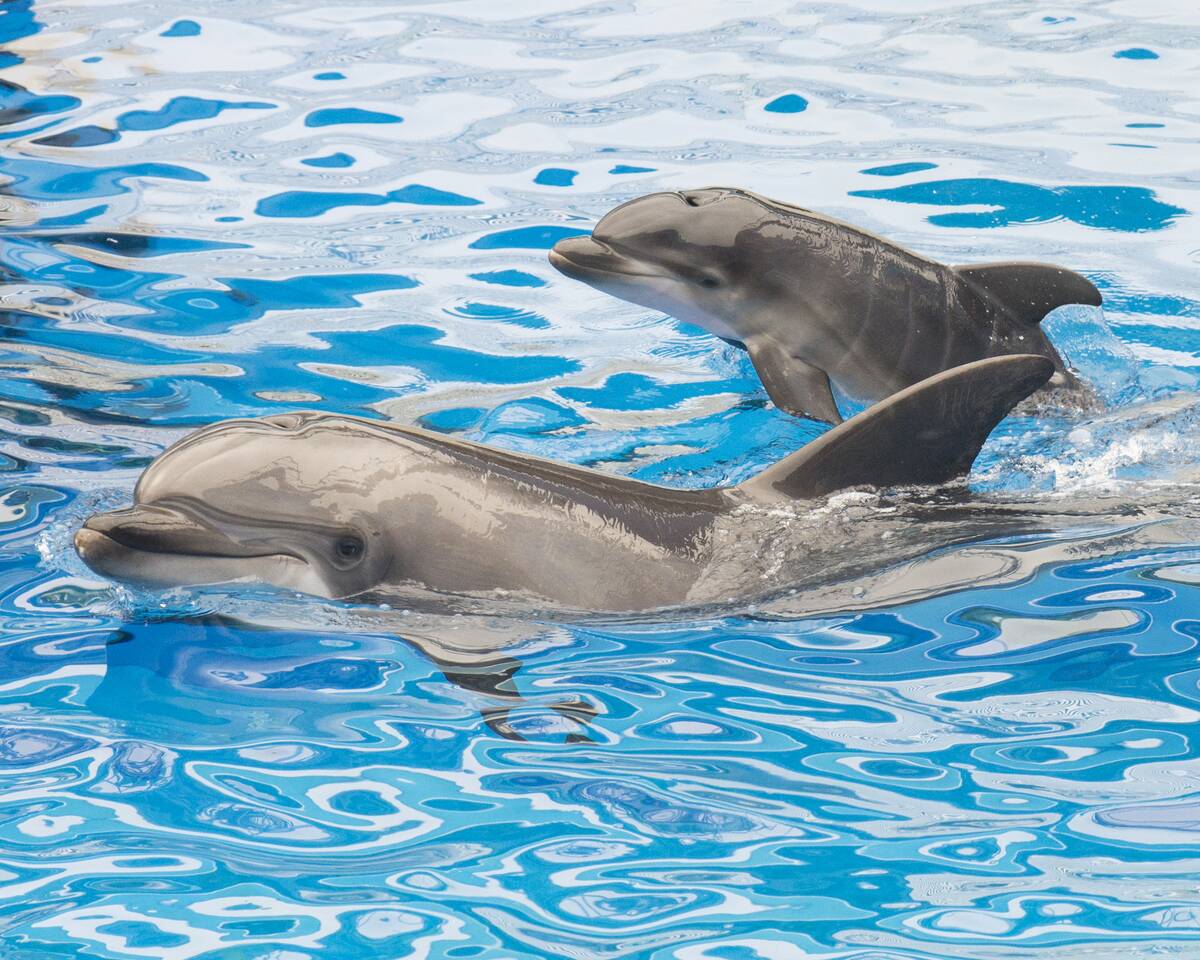
Communication in the animal kingdom is as varied as it is fascinating. Dolphins use complex vocalizations to convey messages, while bees perform intricate dances to guide their hive to food.
Humans, with their diverse languages, also rely heavily on communication for cooperation and survival. This shared reliance on language illustrates the importance of effective communication across species, enabling intricate social structures.
Survival of the Fittest: Natural Selection and Human Competition
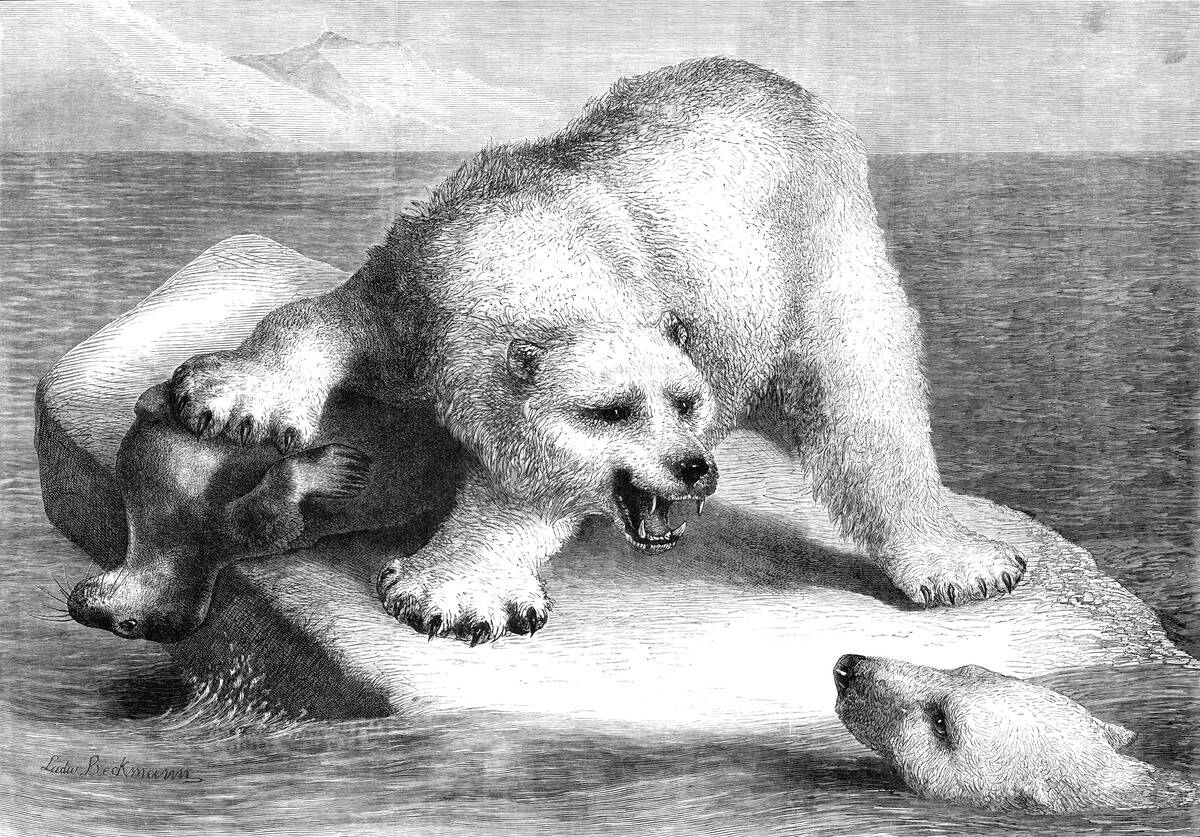
Natural selection drives evolution in the animal kingdom, where only the fittest survive to pass on their genes. This concept finds a parallel in human society, where competition spurs innovation and adaptation.
From the corporate world to sports, humans constantly strive to outdo one another, mirroring the relentless struggle for survival seen in nature. Both realms showcase the relentless pursuit of excellence.
Resource Management: Storing Food for Tough Times
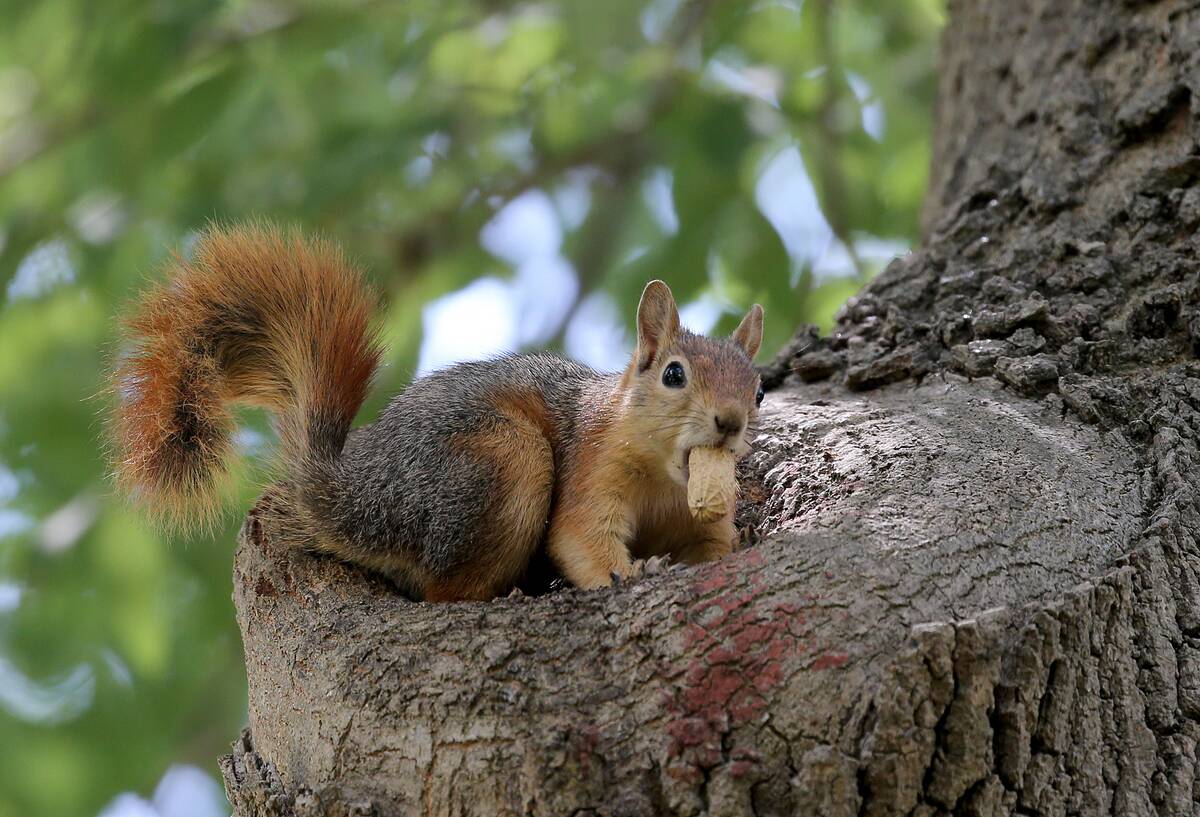
Squirrels are masters of resource management, storing nuts for winter when food is scarce. Humans, too, have developed ways to preserve and stockpile resources, from canning to freezing.
This shared foresight in planning for lean times reflects a universal understanding of scarcity and the need for preparation. It’s a testament to the strategic thinking both humans and animals employ to ensure survival during challenging periods.
Parenting Techniques: Nurturing the Next Generation
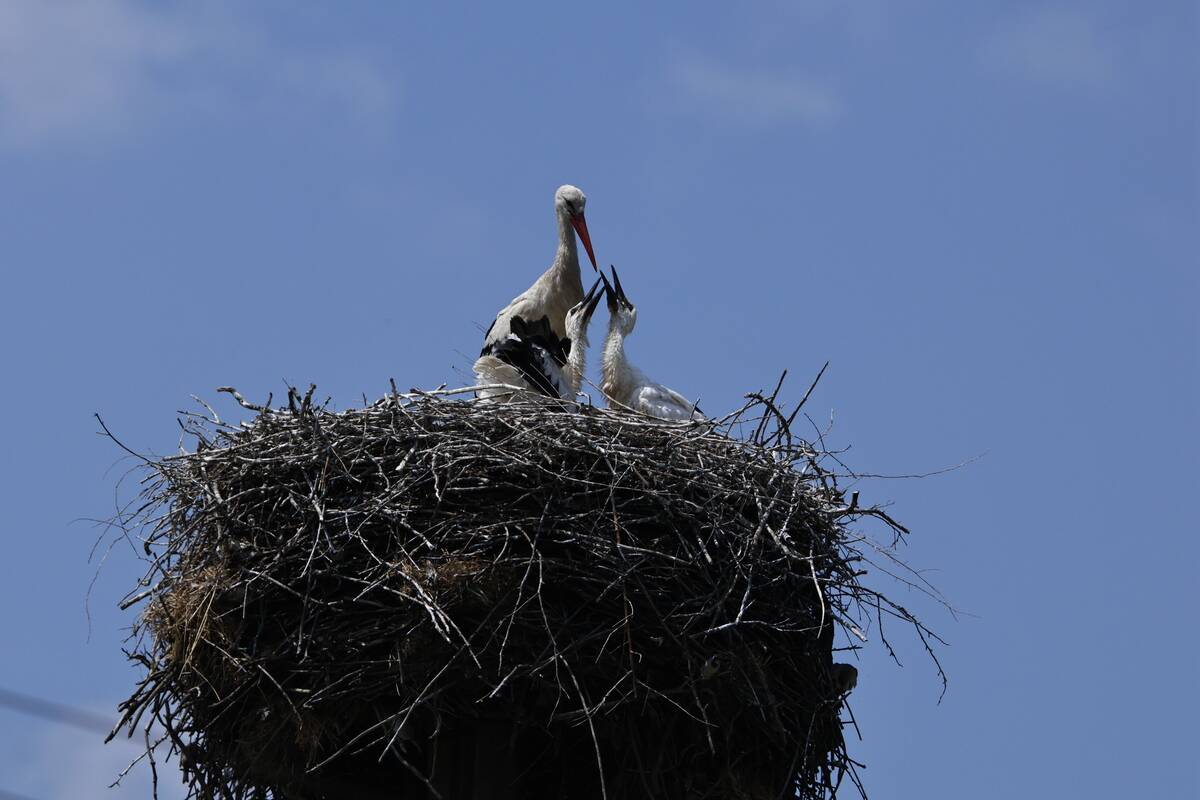
Parenting in the animal kingdom is as diverse as it is in human society. Birds meticulously build nests and care for their young until they can fly, while elephants nurture their calves in tight-knit family groups.
Humans, too, invest heavily in their offspring’s upbringing, ensuring they have the skills to succeed. This shared dedication highlights the universal drive to nurture and protect the next generation.
Territorial Claims: Defending What’s Yours
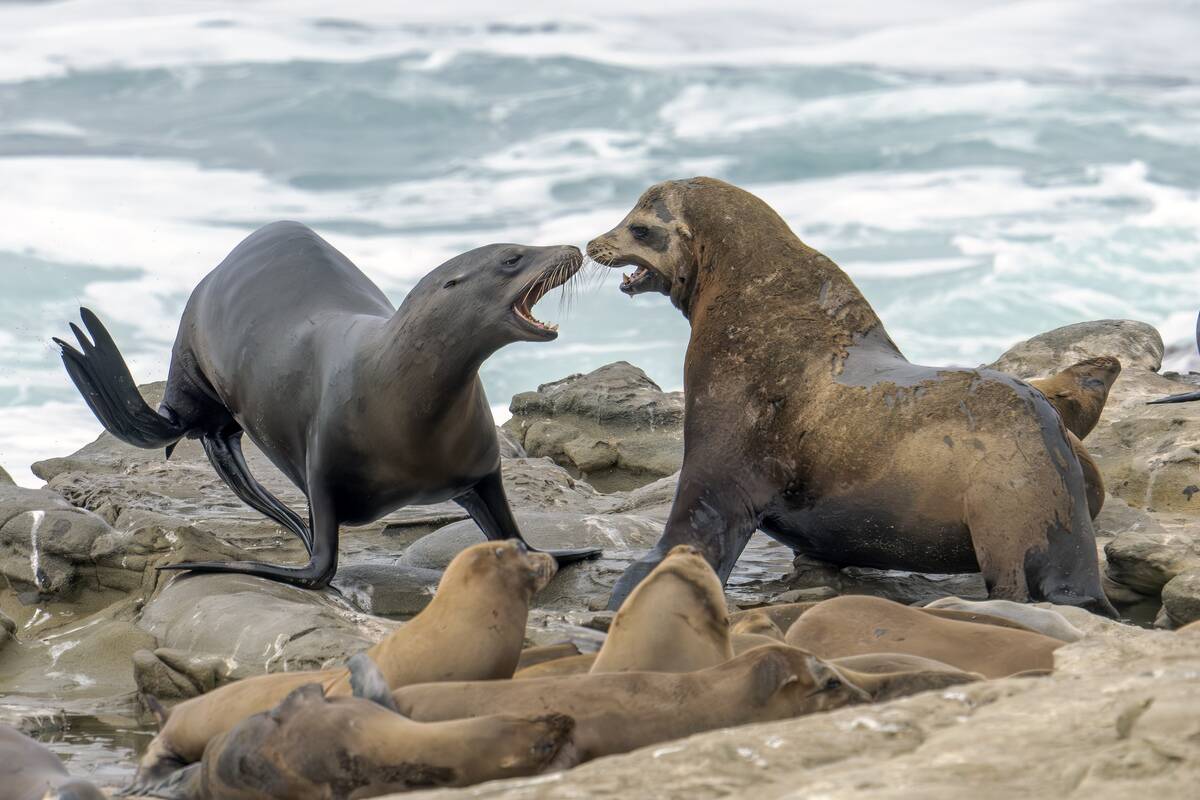
Territorial behavior is a common trait among animals, from lions defending their pride’s territory to birds marking their nesting grounds. Humans also express territoriality, whether through property rights or personal space.
This instinct to claim and defend territory underscores a basic survival strategy, ensuring access to resources and safety. It’s a fundamental aspect of behavior that crosses species lines, illustrating a shared understanding of possession.
Migration Patterns: Seasonal Relocation for Better Resources
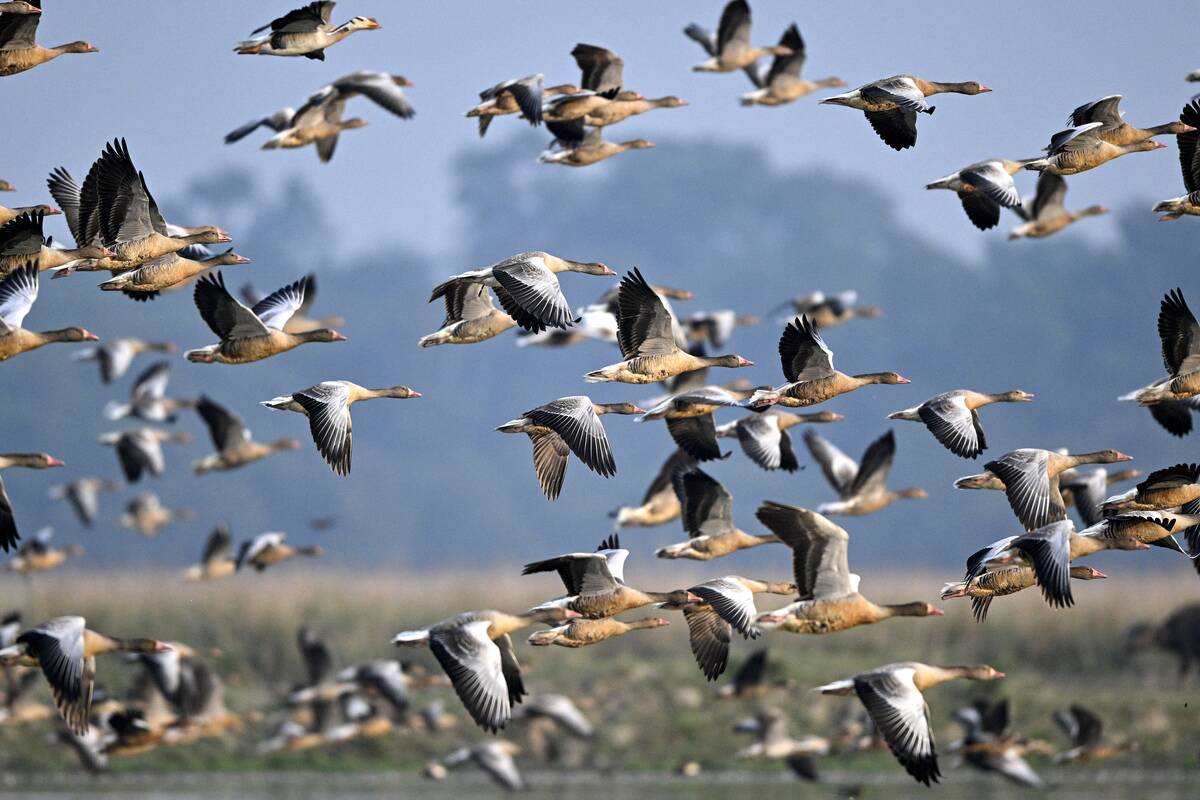
Migration is a remarkable phenomenon observed in many species, such as birds flying south for the winter and wildebeest traversing vast distances for greener pastures. Humans, too, have historically migrated in search of better opportunities and resources.
This shared instinct to relocate for survival emphasizes adaptability and the pursuit of improved living conditions, showcasing a universal quest for a better life across the animal and human worlds.
Symbiotic Relationships: Mutual Benefits in the Wild
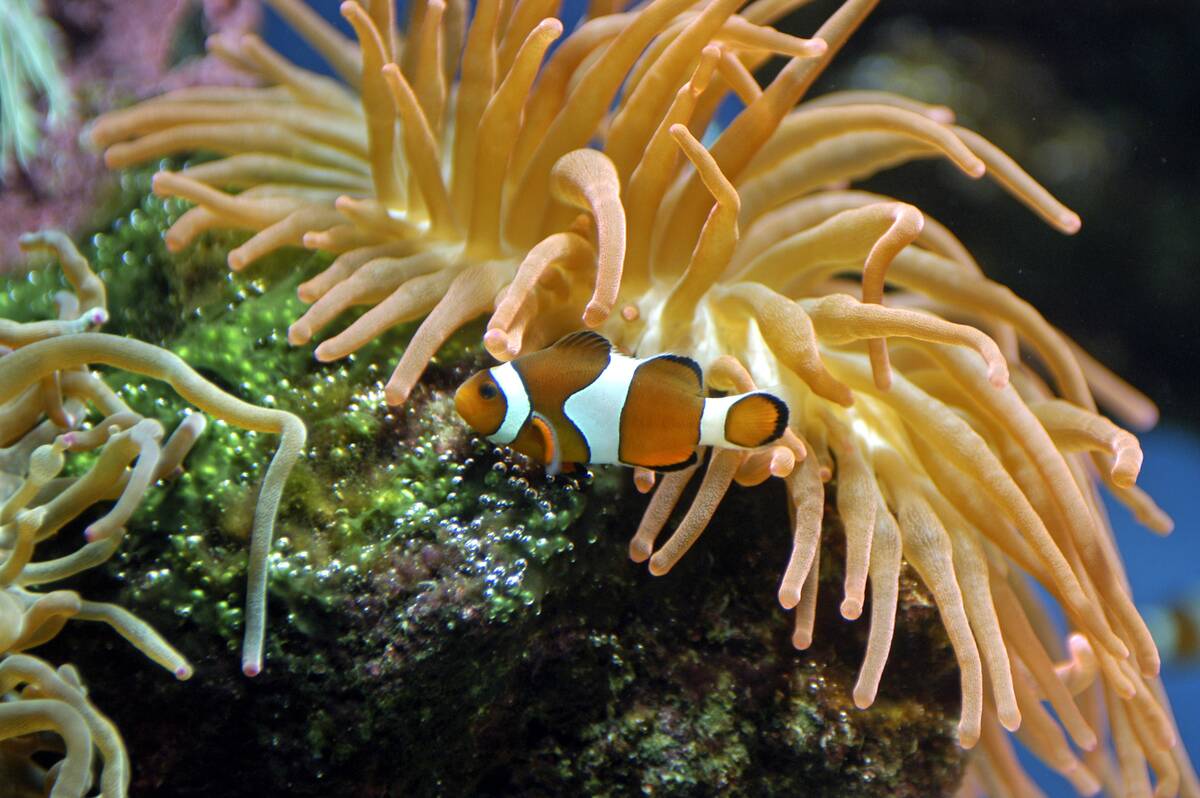
Symbiotic relationships in nature offer fascinating examples of cooperation. Clownfish and sea anemones protect and benefit each other, while humans engage in partnerships that provide mutual advantages.
This interdependence highlights the power of collaboration, where different species or individuals come together for shared benefits. It’s a testament to the interconnectedness of life, where cooperation often leads to thriving communities.
Courtship Rituals: Winning the Mate with Style
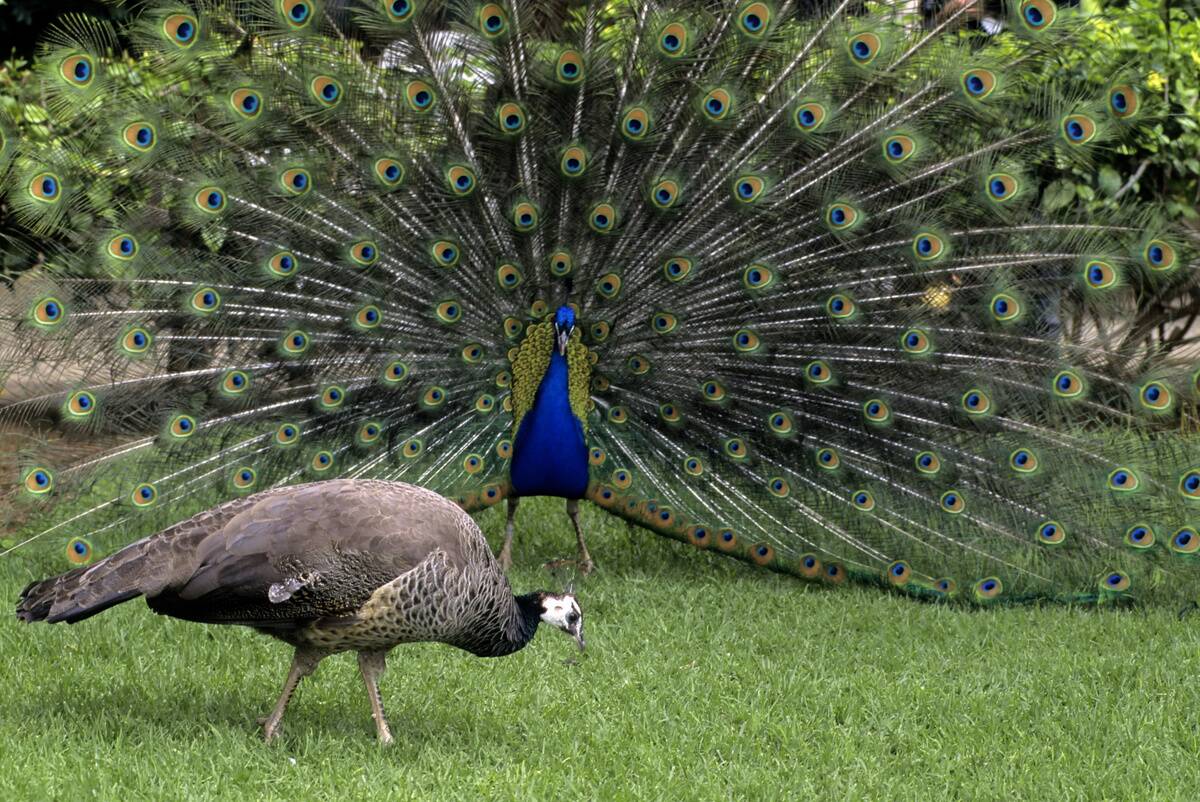
Courtship in the animal kingdom is a display of creativity and charm. Peacocks, with their extravagant feathers, perform elaborate dances to attract mates, while humans engage in their own rituals of dating and romance.
These displays highlight the importance of attraction and mating success, driving evolution and ensuring the continuation of the species. It’s a reminder of the universal quest for connection and reproduction.
Using Tools: From Otters to Crows, the Clever Use of Implements
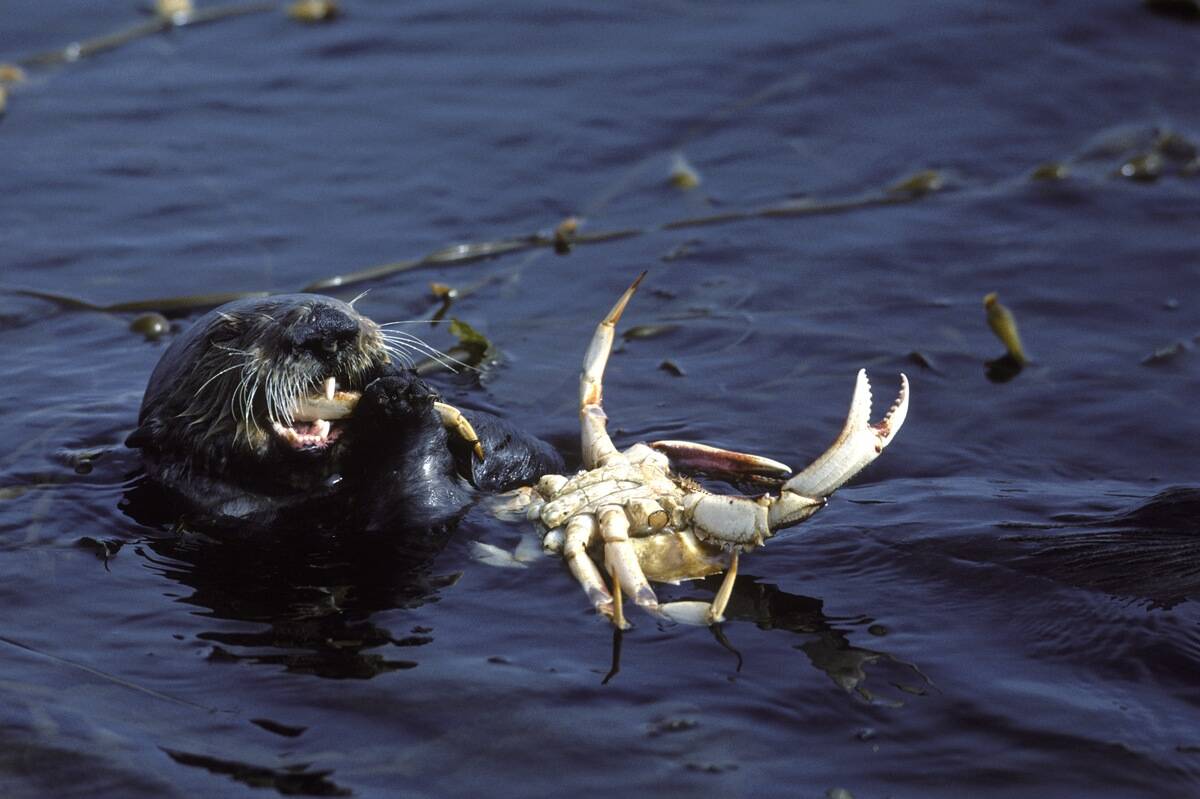
Tool use is a sign of intelligence and problem-solving ability in the animal kingdom. Otters use rocks to crack open shellfish, and crows fashion sticks to extract insects from crevices.
Humans, renowned for their tool-making skills, have advanced from simple implements to complex machinery. This shared ingenuity demonstrates the remarkable cognitive abilities present across species, highlighting a common thread of innovation and resourcefulness.
Conflict Resolution: Settling Disputes Without Violence
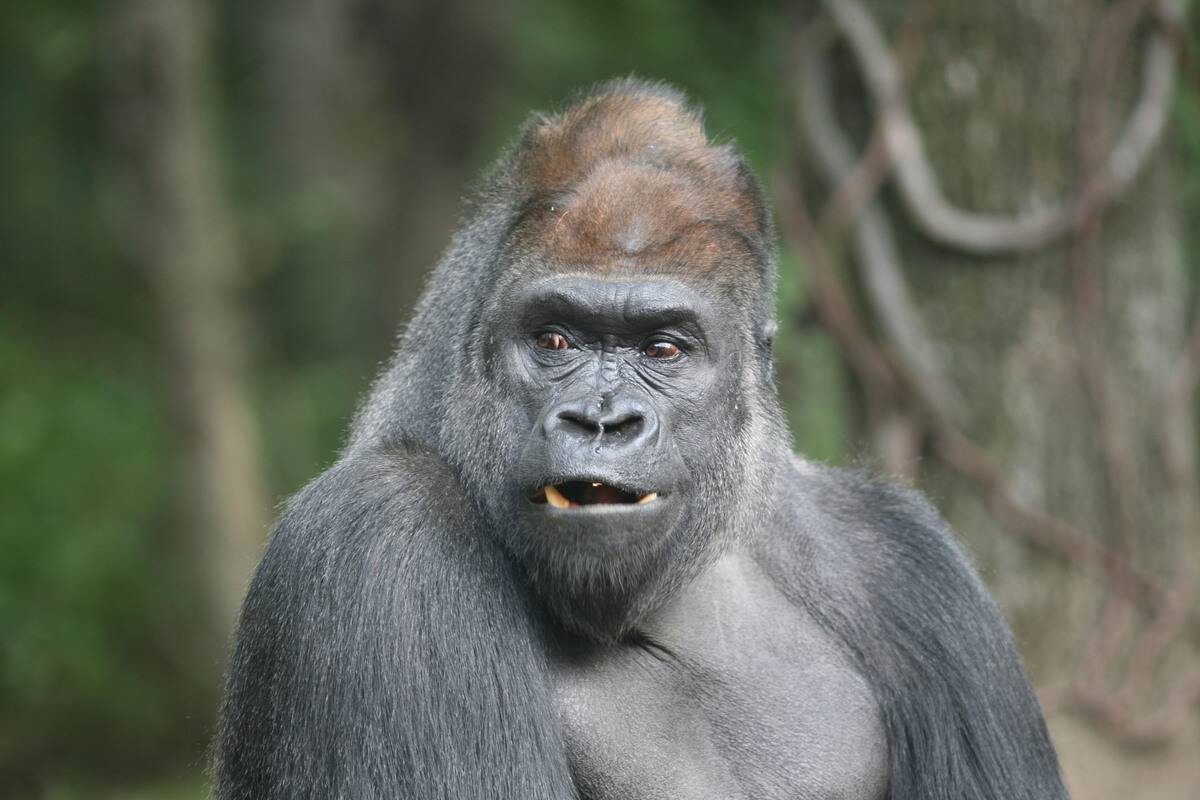
Conflict resolution is an essential skill in both the animal kingdom and human society. Gorillas use gestures and vocalizations to defuse tension, while humans employ negotiation and diplomacy.
These peaceful strategies highlight a shared desire to maintain harmony and avoid unnecessary violence. It’s a testament to the importance of communication and understanding in resolving disputes and fostering cooperation among individuals and groups.
The Role of Play: Practicing Skills for Future Challenges
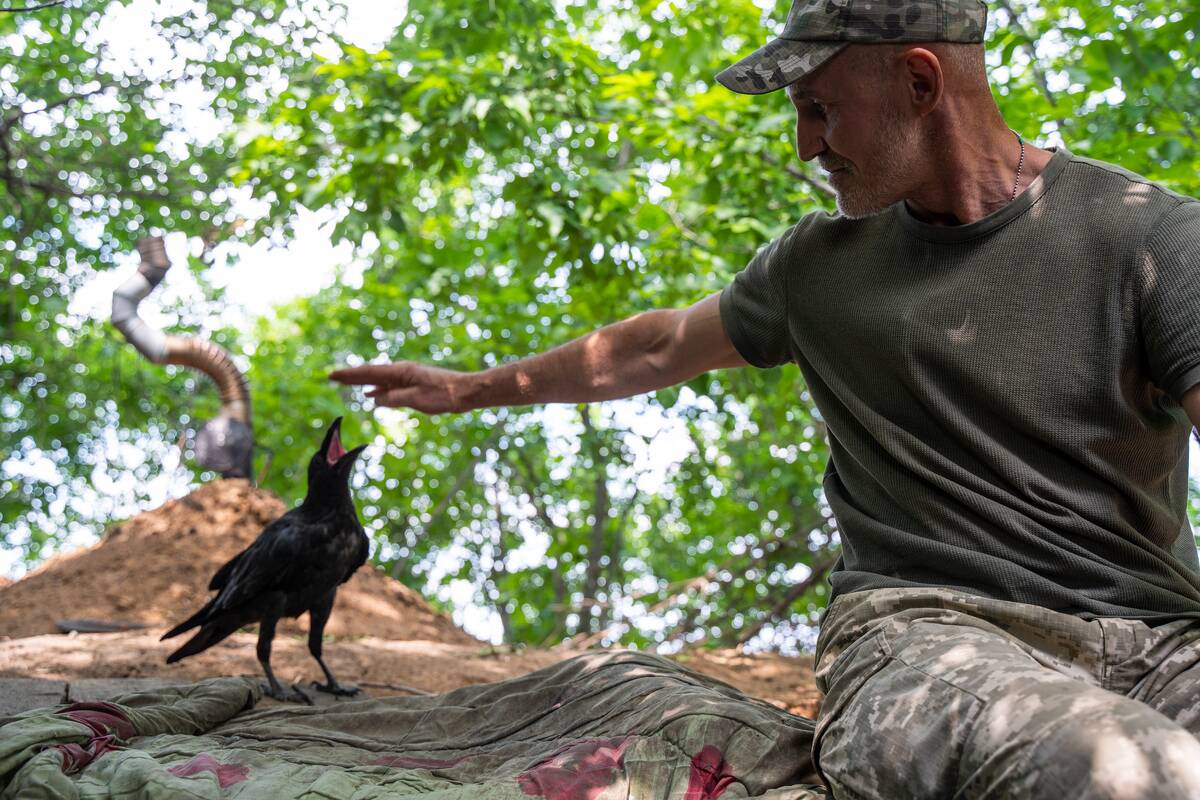
Play is a crucial aspect of development for both animals and humans. Young animals engage in playful activities to hone skills like hunting and social interaction, similar to how human children learn through games and play.
This shared behavior highlights the role of play in practicing essential life skills and preparing individuals for future challenges. It’s a joyful and vital part of learning and growth across species.
Scent Marking: Leaving a Personal Signature
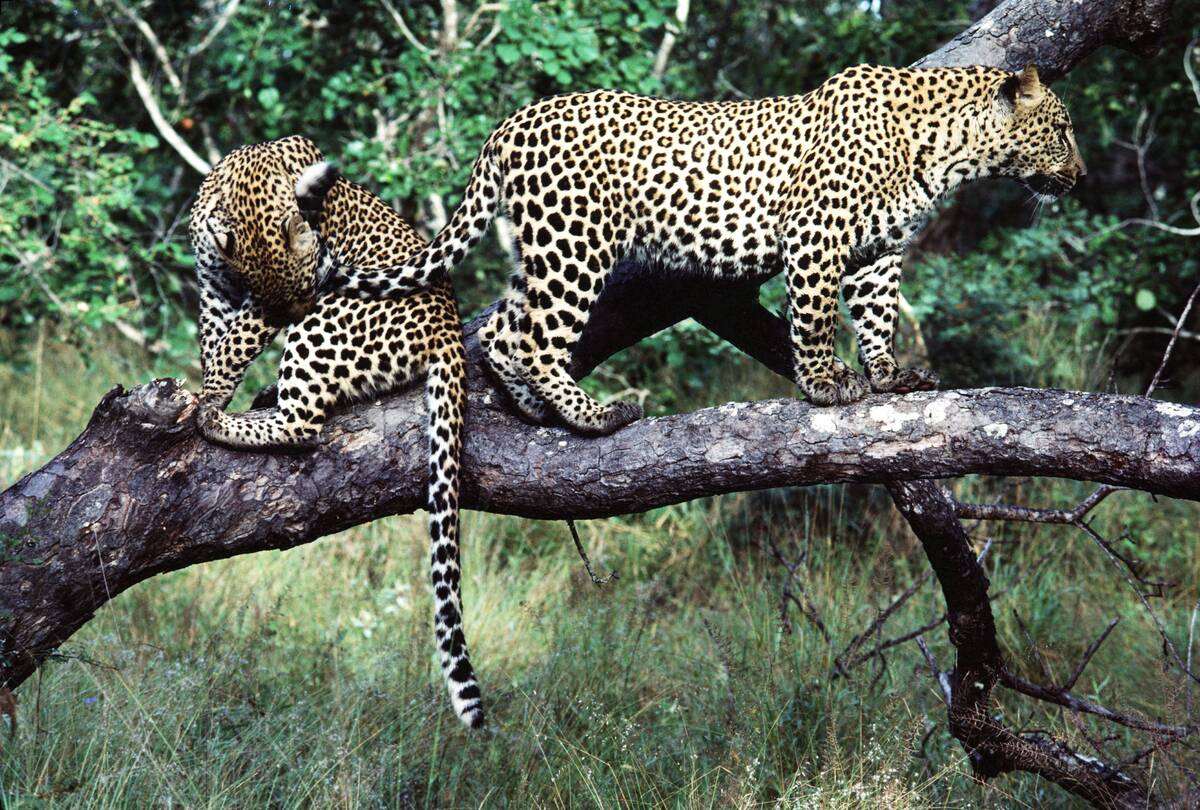
Scent marking is a common way for animals to communicate and establish territory. Wolves and big cats leave scent marks to signal presence and claim territory, akin to humans using personal branding or trademarks.
This method of communication underscores the importance of identity and ownership in both the animal and human worlds. It reflects a universal need to assert presence and maintain individuality within a shared environment.
Mimicry and Deception: The Art of Misdirection
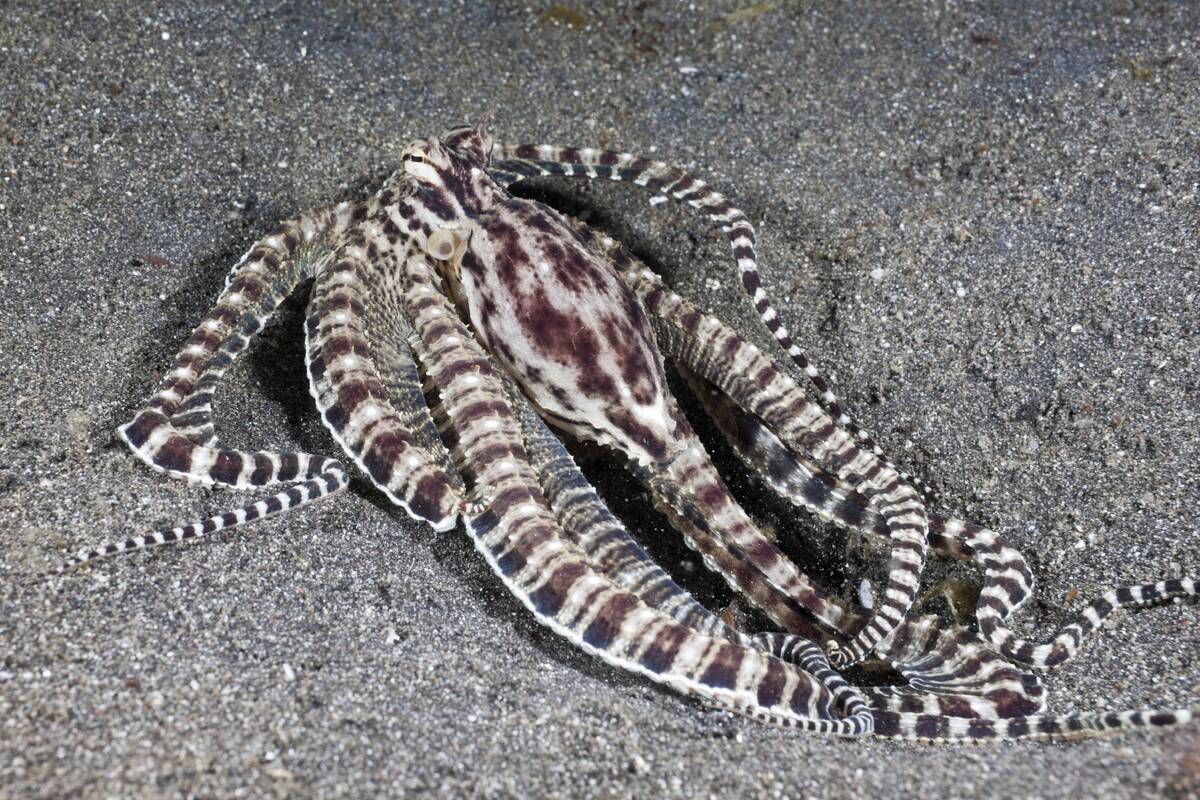
Mimicry and deception are fascinating survival strategies. Animals like the mimic octopus can impersonate other species to avoid predators, while humans use deception in everything from magic tricks to strategic games.
These tactics highlight the creativity and adaptability present in both realms, showcasing how misdirection can be a powerful tool for survival. It’s a testament to the cleverness and resourcefulness found throughout nature.