Animals that build their own architectural structures

Nature is teeming with creatures that possess an innate knack for construction. These animal architects design their habitats with impressive skill and precision, often surpassing human engineering in efficiency and creativity.
From the towering termite mounds of the African savanna to the intricate webs of spiders, the animal kingdom showcases a diverse array of builders. Each species uses unique materials and methods, reflecting its adaptation to various environments and its role in the ecosystem.
Beavers: The Dam Builders of the Animal Kingdom
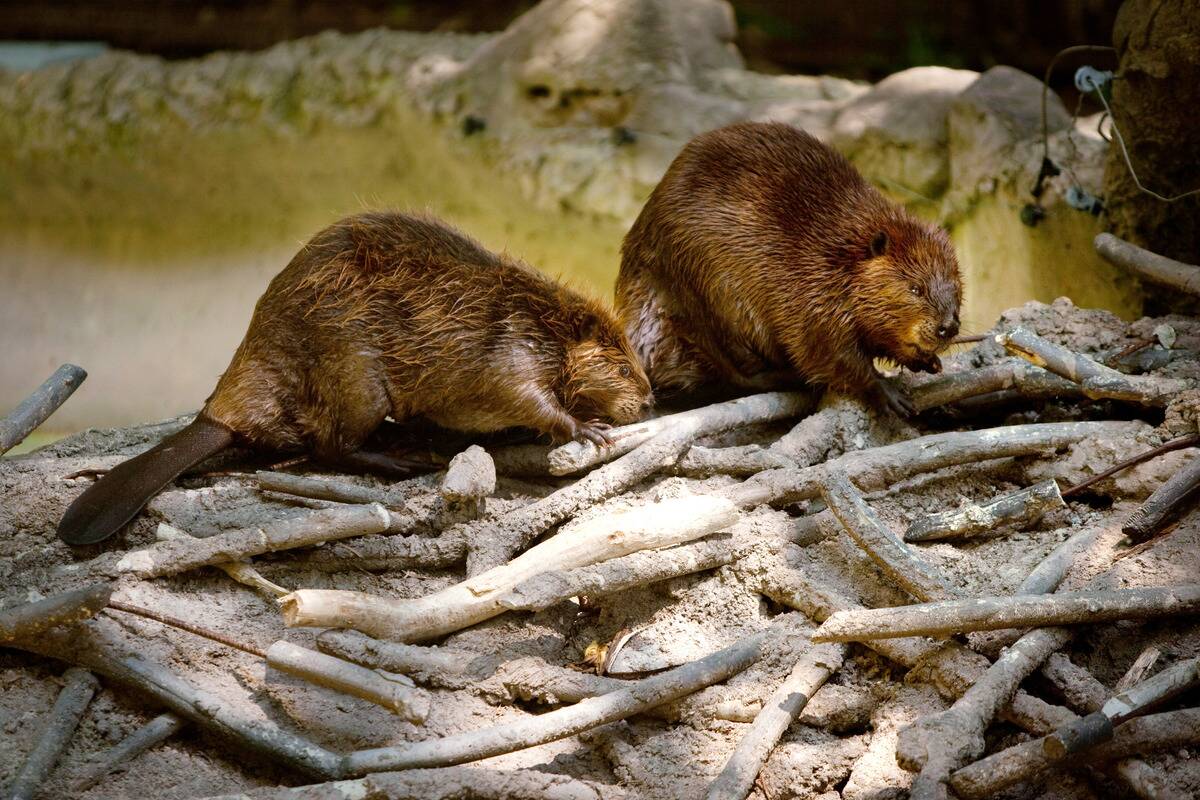
Beavers are renowned for their dam-building prowess, transforming landscapes with their engineering feats. Using branches, mud, and stones, they construct dams that create ponds, providing a safe habitat for their family.
These structures can alter watercourses and even help in flood management. Beavers’ ability to fell trees with their sharp teeth showcases their strength and dedication. Their lodges, built within these ponds, offer protection from predators and harsh weather.
Termite Mounds: Towering Structures of the Savanna
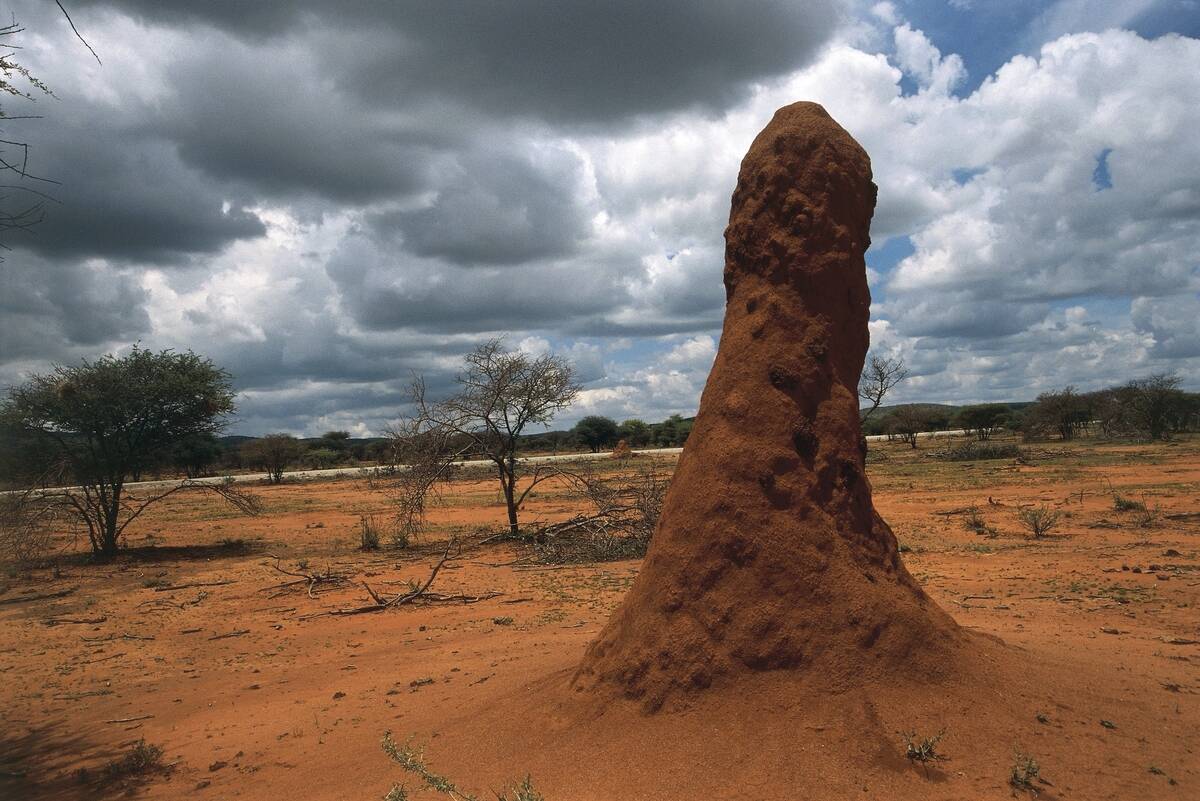
Termite mounds are architectural marvels, rising up to ten feet tall in the savanna. Built primarily by worker termites, these structures are made of soil, saliva, and dung, creating a sturdy and durable home.
The mounds regulate temperature and humidity, essential for the survival of the colony within. Termite mounds often serve as a microhabitat for other species, demonstrating the integral role of termites in their ecosystem.
Birds and Their Nests: A Feathered Architectural Marvel
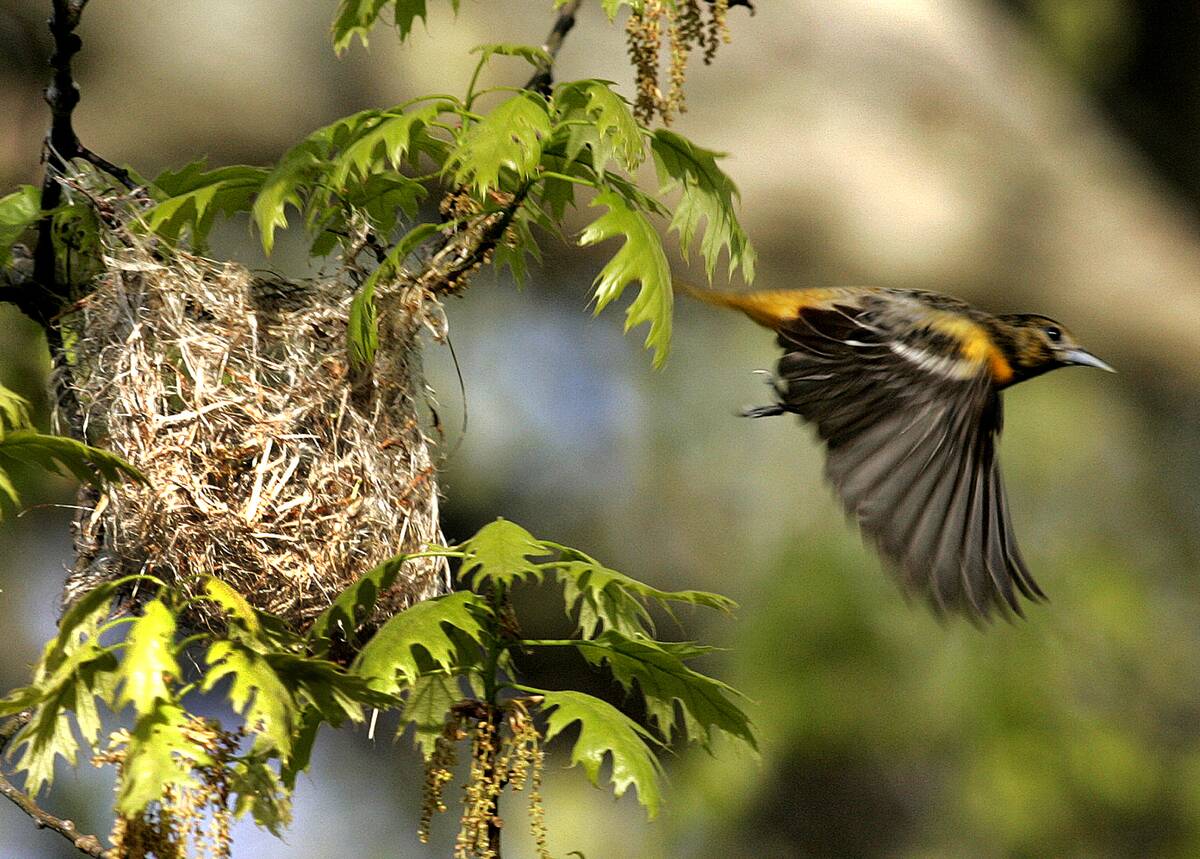
Birds are perhaps the most well-known builders in the animal kingdom, with each species crafting unique nests. From the intricate hanging nests of the oriole to the simple scrape nests of plovers, these structures serve to protect eggs and young birds.
Nests are constructed using a variety of materials such as twigs, leaves, and even human-made items. The skill and resourcefulness of birds in nest building highlight their adaptability and intelligence.
Ants: The Underground Engineers
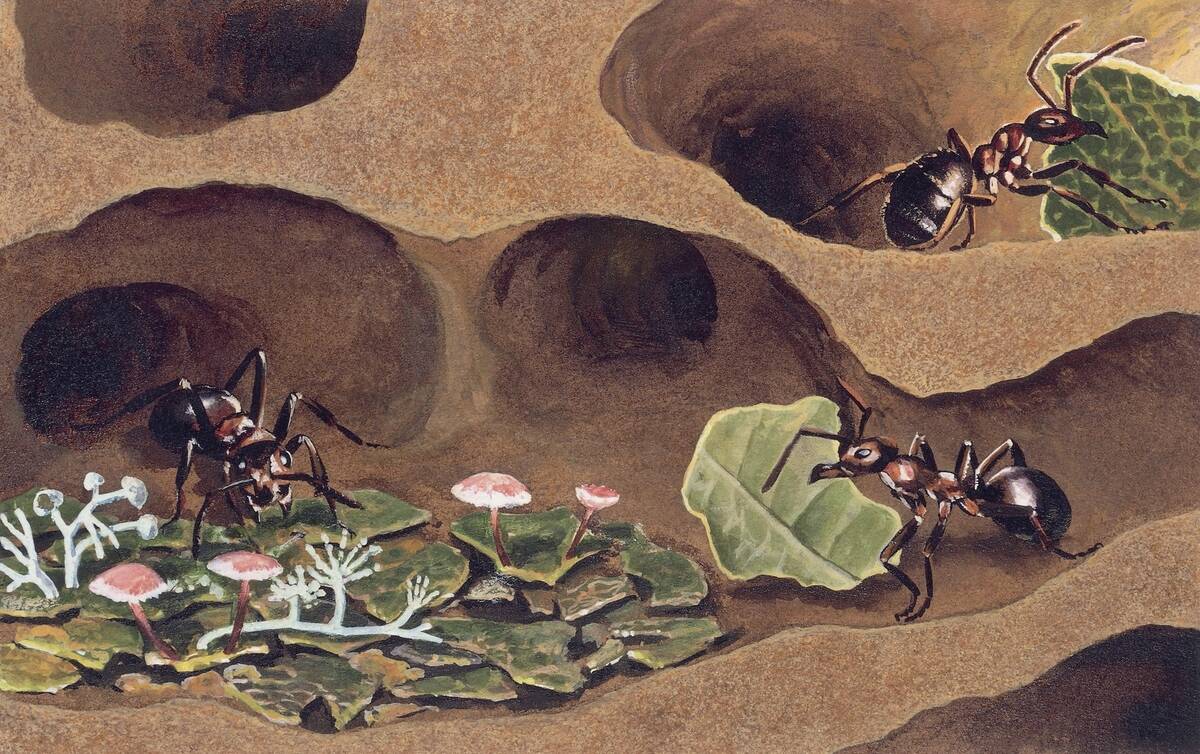
Ant colonies are a testament to the collective engineering skills of these tiny insects. They construct elaborate underground networks of tunnels and chambers that serve various purposes, from nurseries to food storage.
The complexity of an ant nest can be astonishing, with some colonies spanning hundreds of square feet. Ants communicate and collaborate effectively, showcasing a social structure that allows them to manage and expand their subterranean homes efficiently.
Weaverbirds: A Delicate Art in Nest Weaving
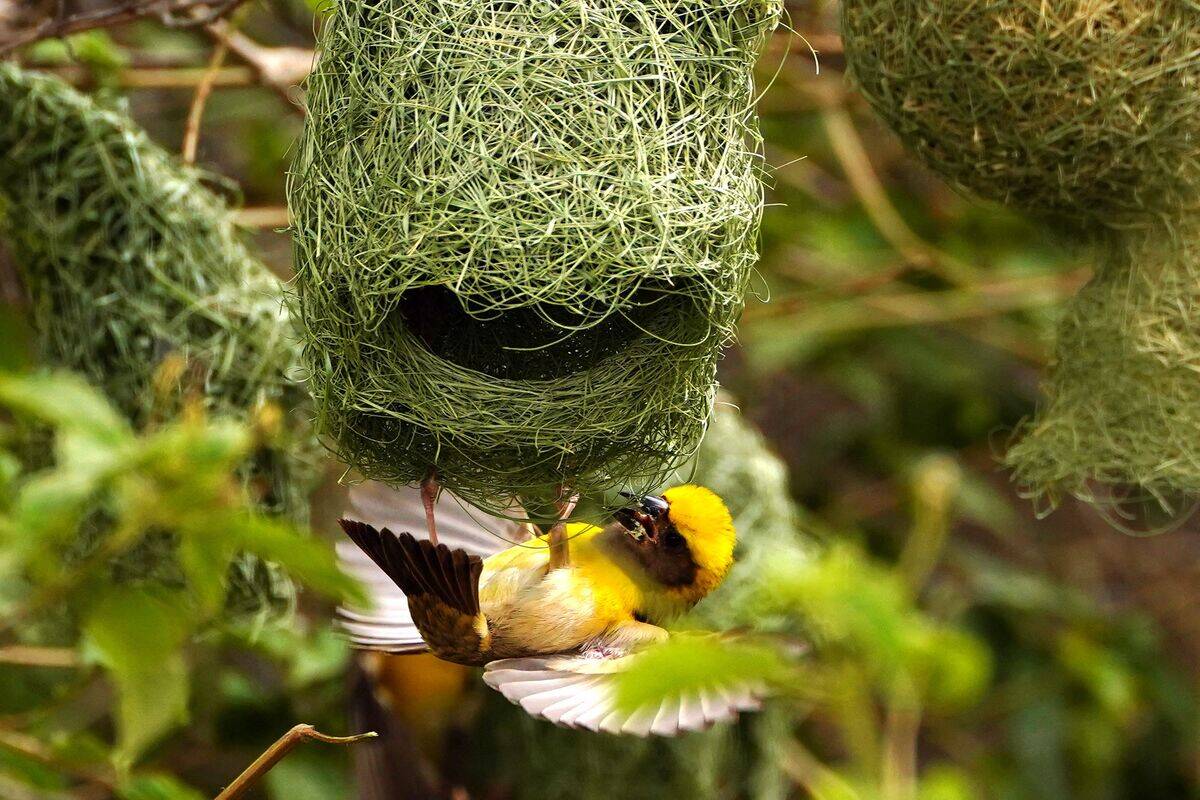
Weaverbirds are known for their intricate nest-building techniques, weaving grasses and leaves into secure, suspended homes. These nests often hang from branches, protecting them from predators.
The males typically construct these nests to attract females, showcasing their weaving skills in the process. The complexity and beauty of weaverbirds’ nests are a testament to their craftsmanship and highlight the role of aesthetics in animal architecture.
Prairie Dogs: The Subterranean Town Planners
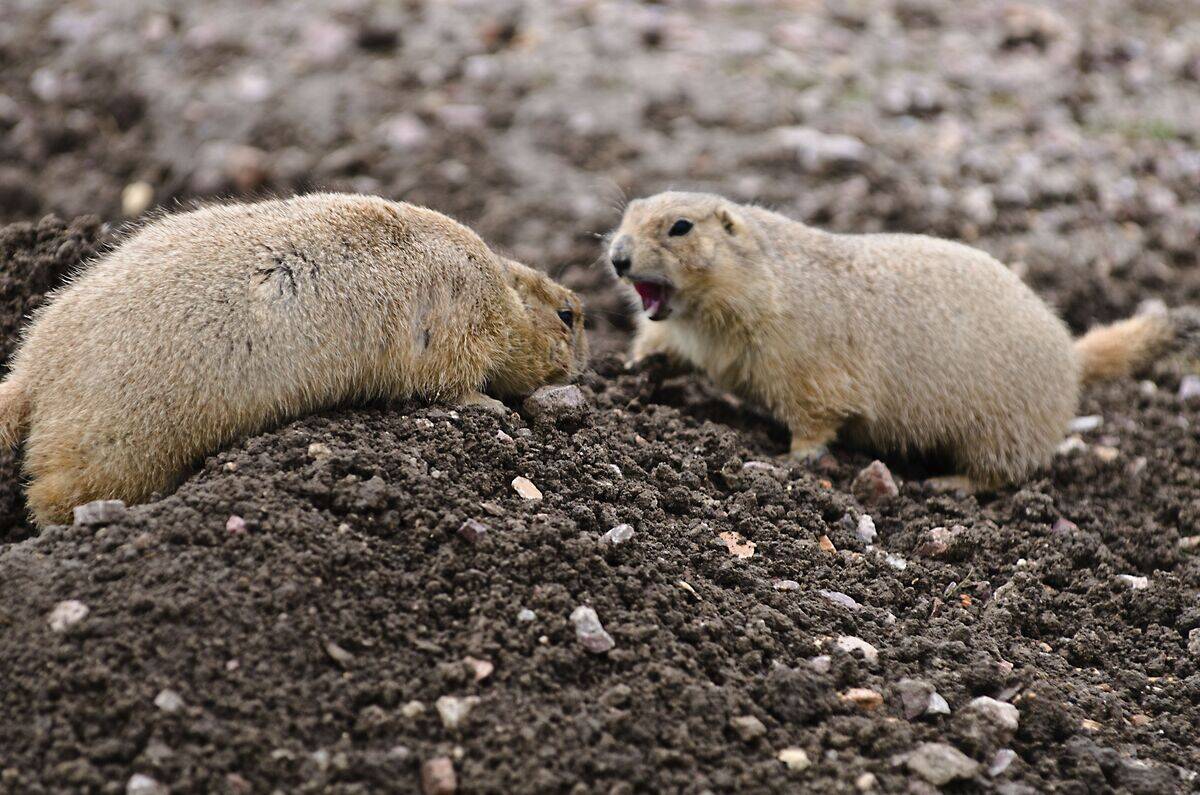
Prairie dogs are expert diggers, creating extensive burrow systems known as towns. These underground networks contain multiple chambers and tunnels, serving as living quarters, nurseries, and escape routes.
Prairie dog towns can cover vast areas, supporting large communities. Their burrowing activities aerate the soil, promoting plant growth and benefiting the ecosystem. Prairie dogs’ social structure is reflected in their town planning, emphasizing communal living and cooperation.
Coral Reefs: Underwater Cities of the Sea
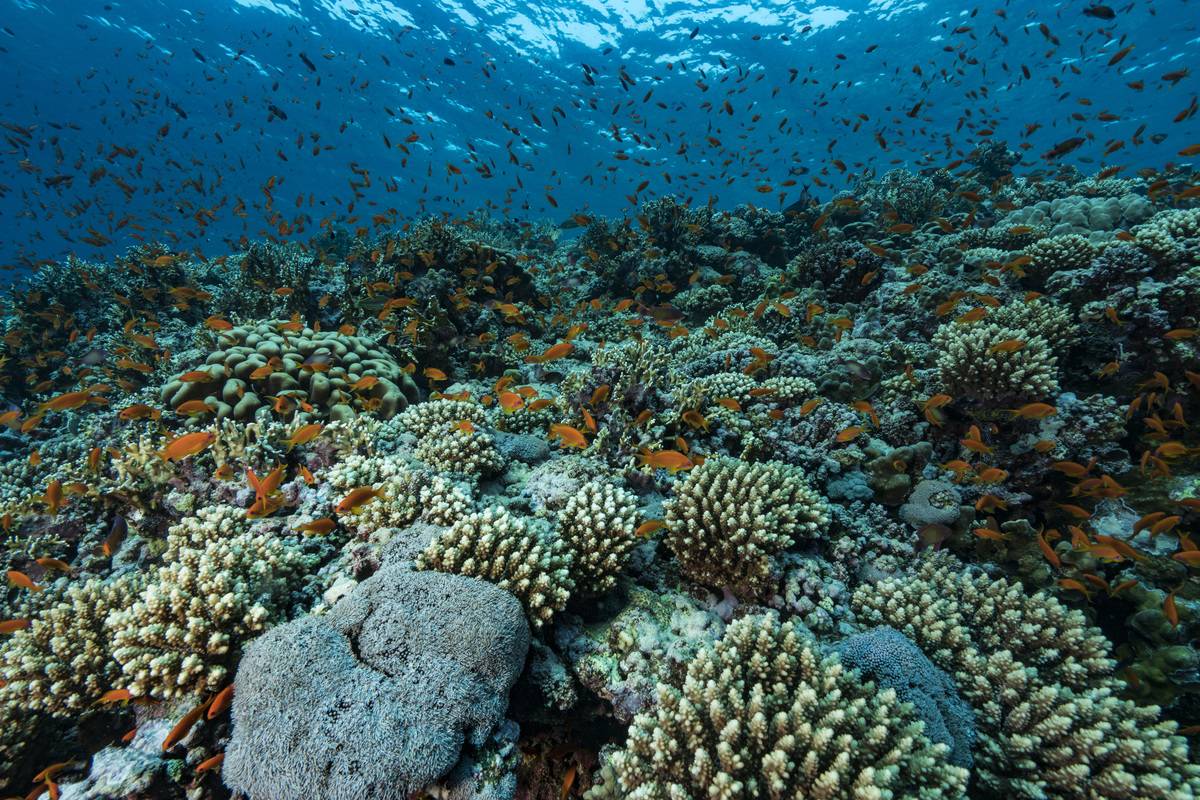
Coral reefs are often referred to as the rainforests of the sea, boasting incredible biodiversity. Built by tiny coral polyps, these underwater structures provide habitat and shelter for countless marine species.
Corals secrete calcium carbonate, forming the hard exoskeletons that create the reef’s complex architecture. Coral reefs play a crucial role in protecting coastlines from erosion and are vital for the survival of numerous oceanic species.
Bowerbirds: The Master Decorators of the Avian World
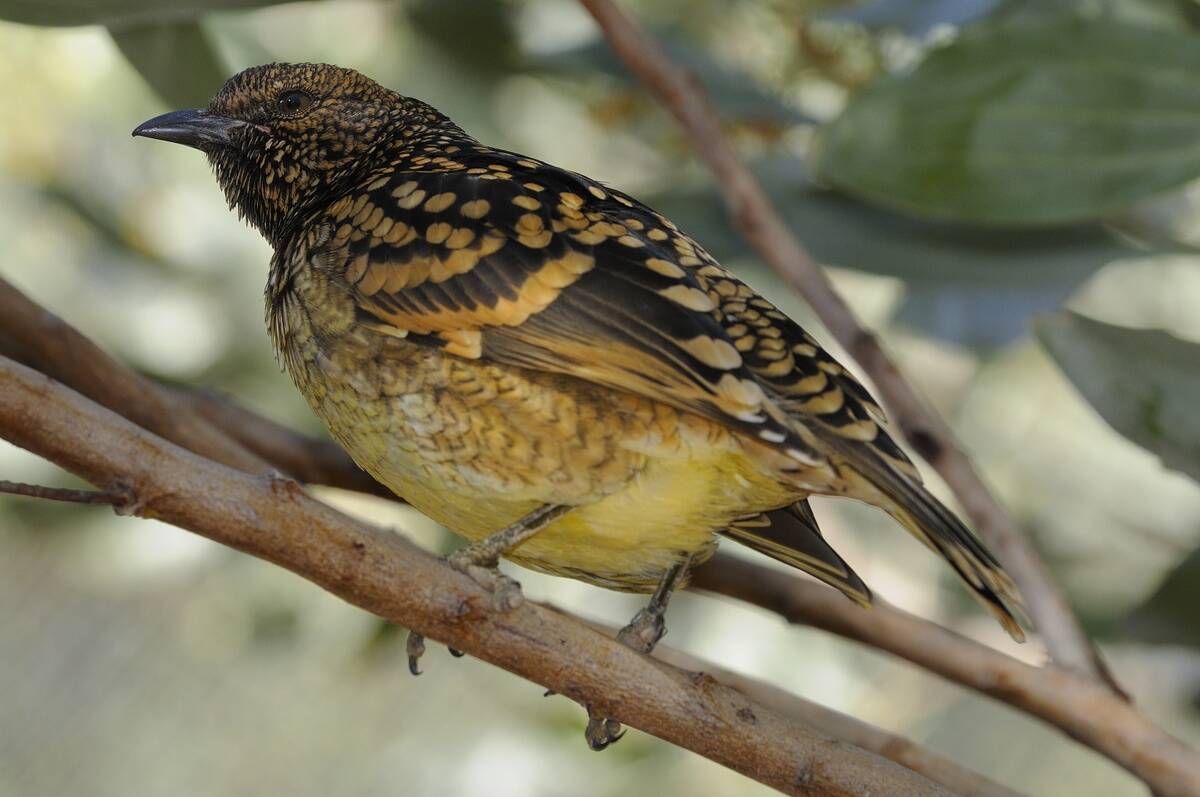
Bowerbirds are unique in their approach to building, focusing on aesthetics to attract mates. Males construct elaborate structures called bowers, meticulously decorated with colorful objects like shells, leaves, and even plastic.
These displays serve as a stage for courtship rituals. Bowerbirds’ keen eye for color and arrangement demonstrates a sophisticated level of artistic expression, making them standout architects in the avian world.
Honeybees: The Hexagonal Hive Creators
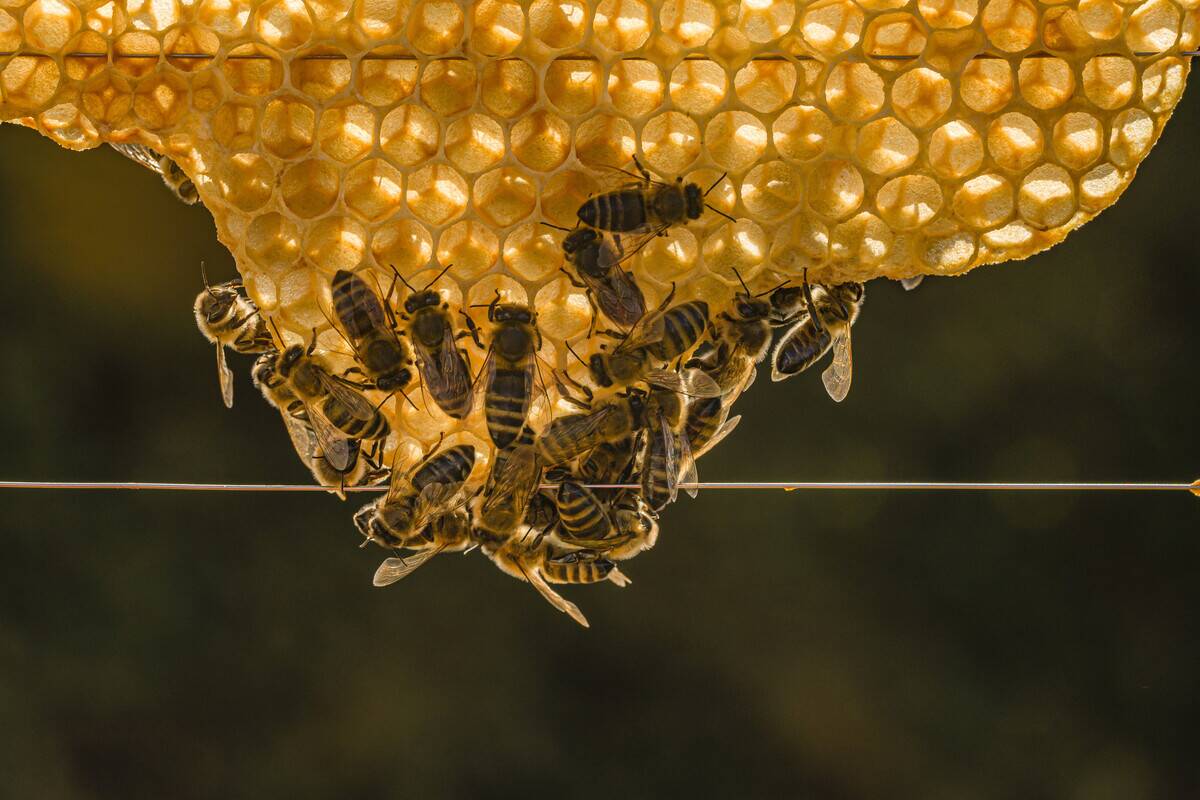
Honeybees are known for their geometrically perfect hexagonal hives, crafted from beeswax. This efficient design maximizes space and strength while minimizing material use.
Inside these hives, honeybees store honey and pollen, raising their young in a highly organized manner. The hive’s temperature is carefully regulated by the bees, ensuring the colony’s optimal functioning. Honeybees’ architectural skills highlight their role as essential pollinators and honey producers.
Spiders: Web-Weaving Wonders
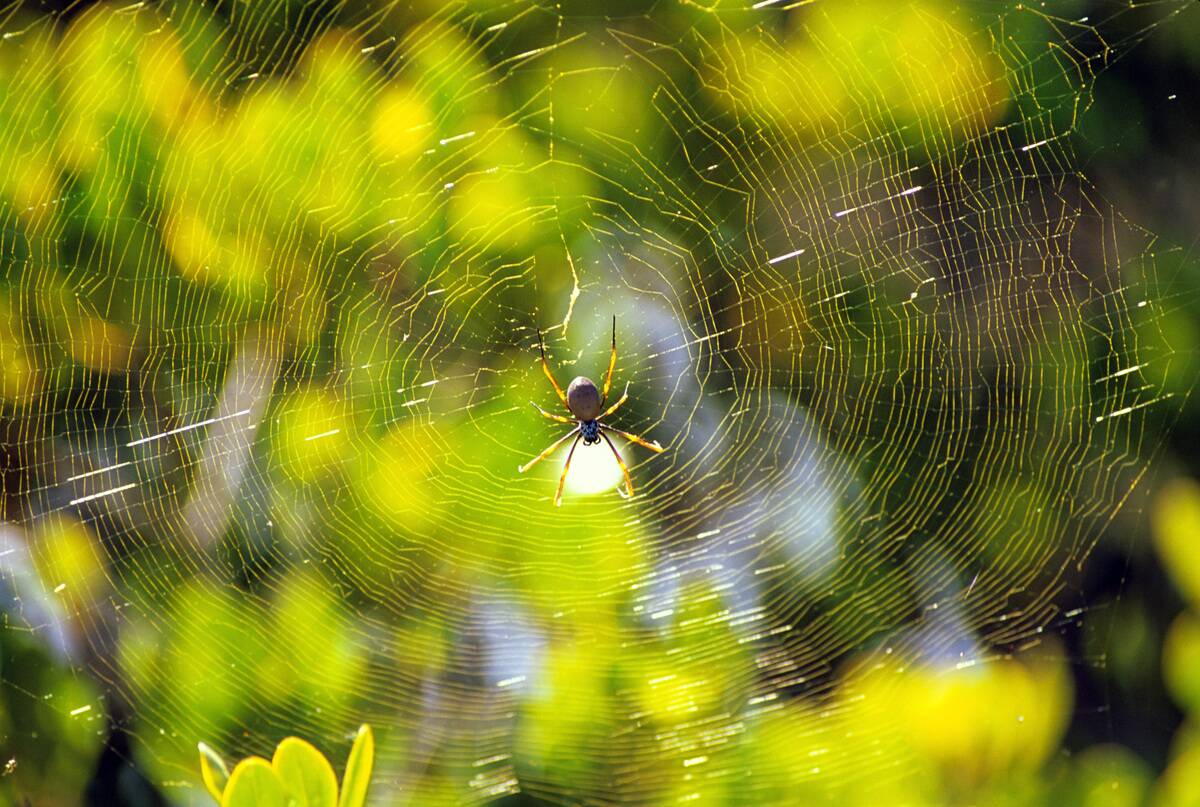
Spiders are renowned for their web-building abilities, using silk produced from specialized glands. These webs serve various purposes, from trapping prey to providing shelter. The orb-weaver spider is particularly famous for its symmetrical, wheel-shaped webs.
Despite their delicate appearance, spider webs are incredibly strong and resilient. Spiders’ ability to construct such intricate structures showcases their evolutionary adaptation and contributes to their success as predators.
Mole Rats: The Tunnel Diggers
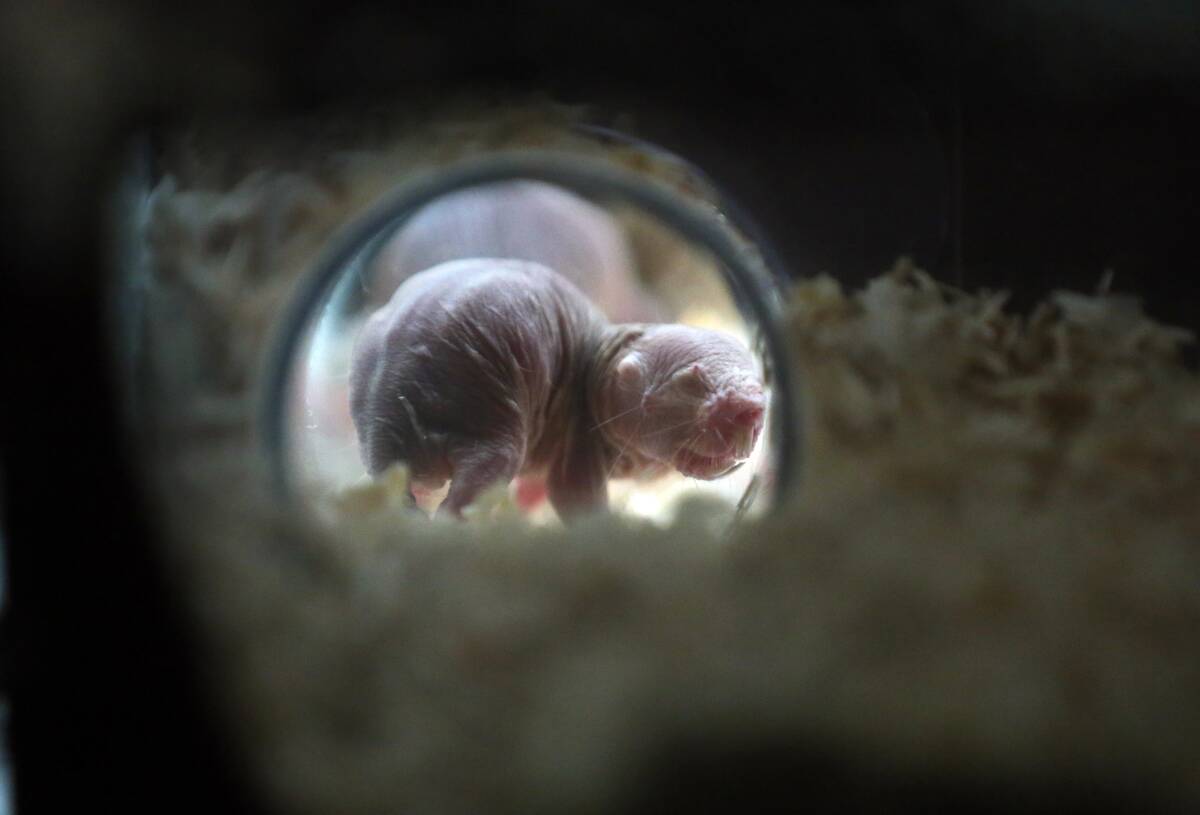
Mole rats are impressive diggers, creating complex underground tunnel systems. These burrows serve as protection from predators and harsh weather, as well as routes to forage for food.
The naked mole-rat, in particular, is known for its extensive tunnel networks that support large colonies. Their social structure is similar to that of ants, with a division of labor that ensures the colony’s survival. Mole rats’ tunneling activities also help aerate the soil, benefiting the environment.
Swallows: Mud Architects of the Sky
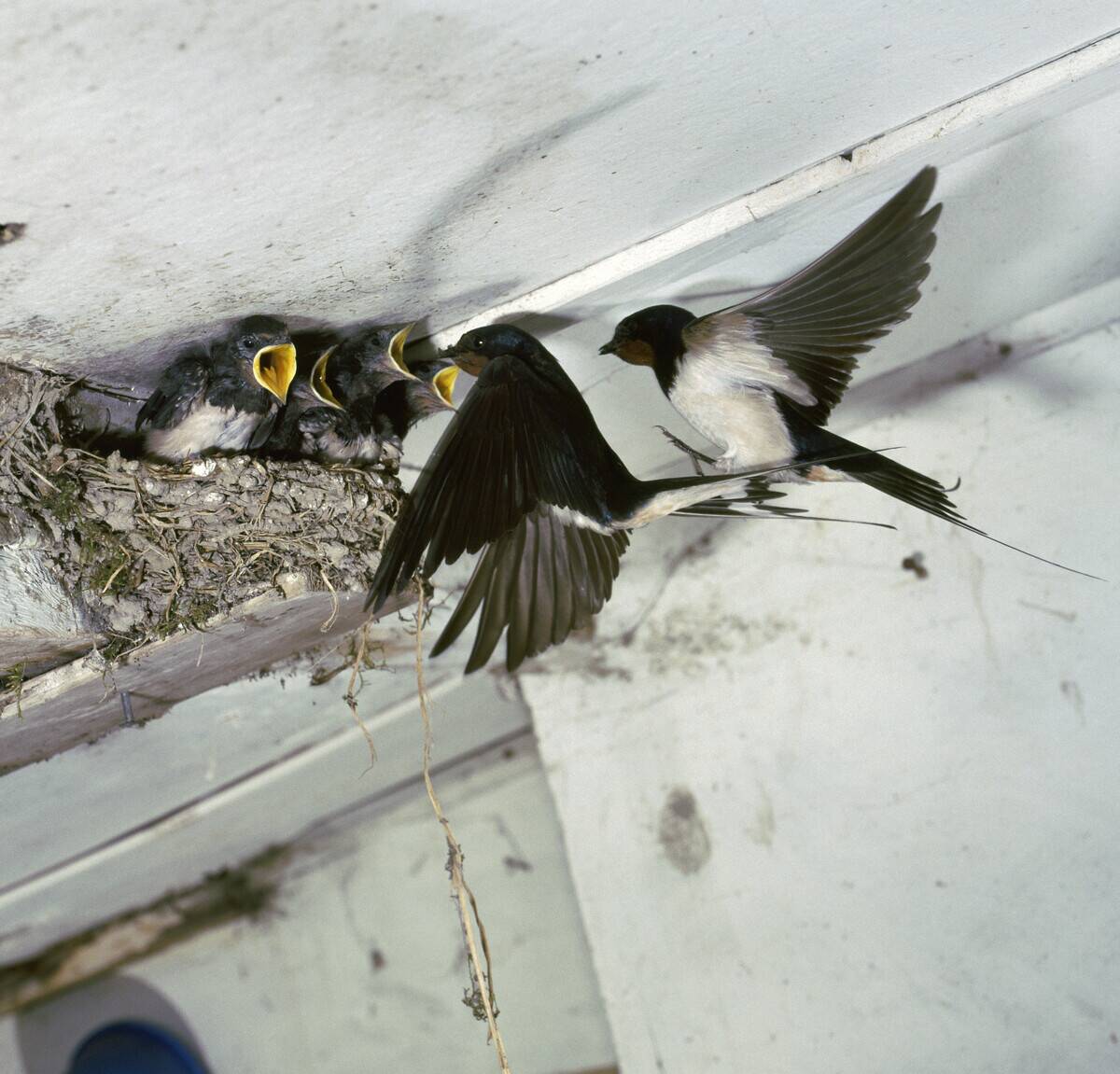
Swallows are skilled builders, constructing their nests out of mud and grass. Often found on cliffs or under eaves, these cup-shaped structures provide a secure home for their young. Swallows gather mud in their beaks, mixing it with saliva to create a sturdy building material.
Their nests are not only functional but also demonstrate the swallows’ resourcefulness and adaptability to their environment. These avian architects are a fascinating example of nature’s ingenuity.
Wasps: Paper Mache Masters of Nature
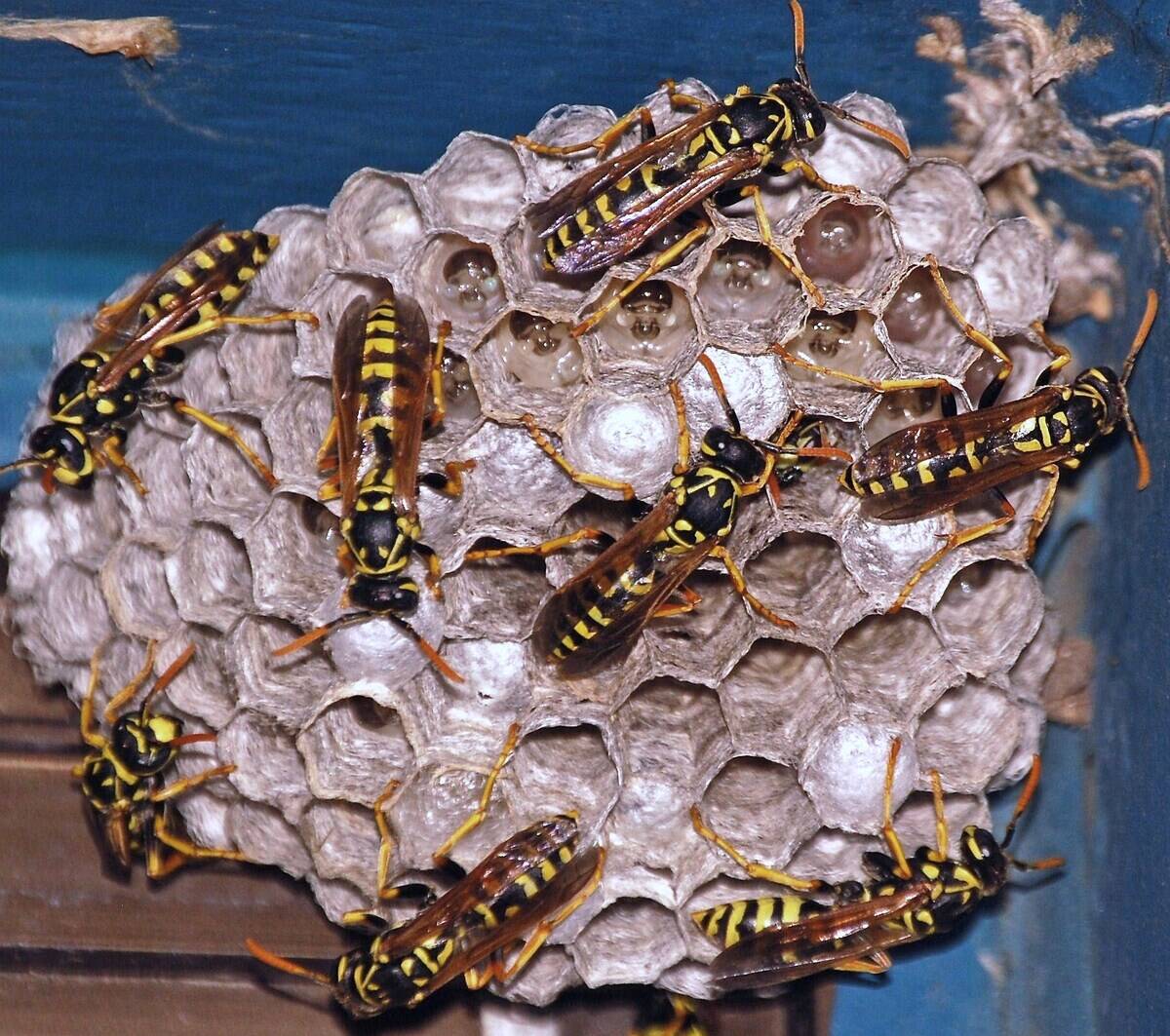
Wasps are skilled architects, crafting nests from a paper-like substance made by chewing wood fibers mixed with saliva. These nests, often found in trees or under eaves, house the wasp colony and protect it from predators.
The intricate design of a wasp nest is both practical and efficient, with hexagonal cells that maximize space. Wasps’ building techniques highlight their adaptability and resourcefulness in creating secure homes for their young.
Woodpeckers: The Forest Carpenters
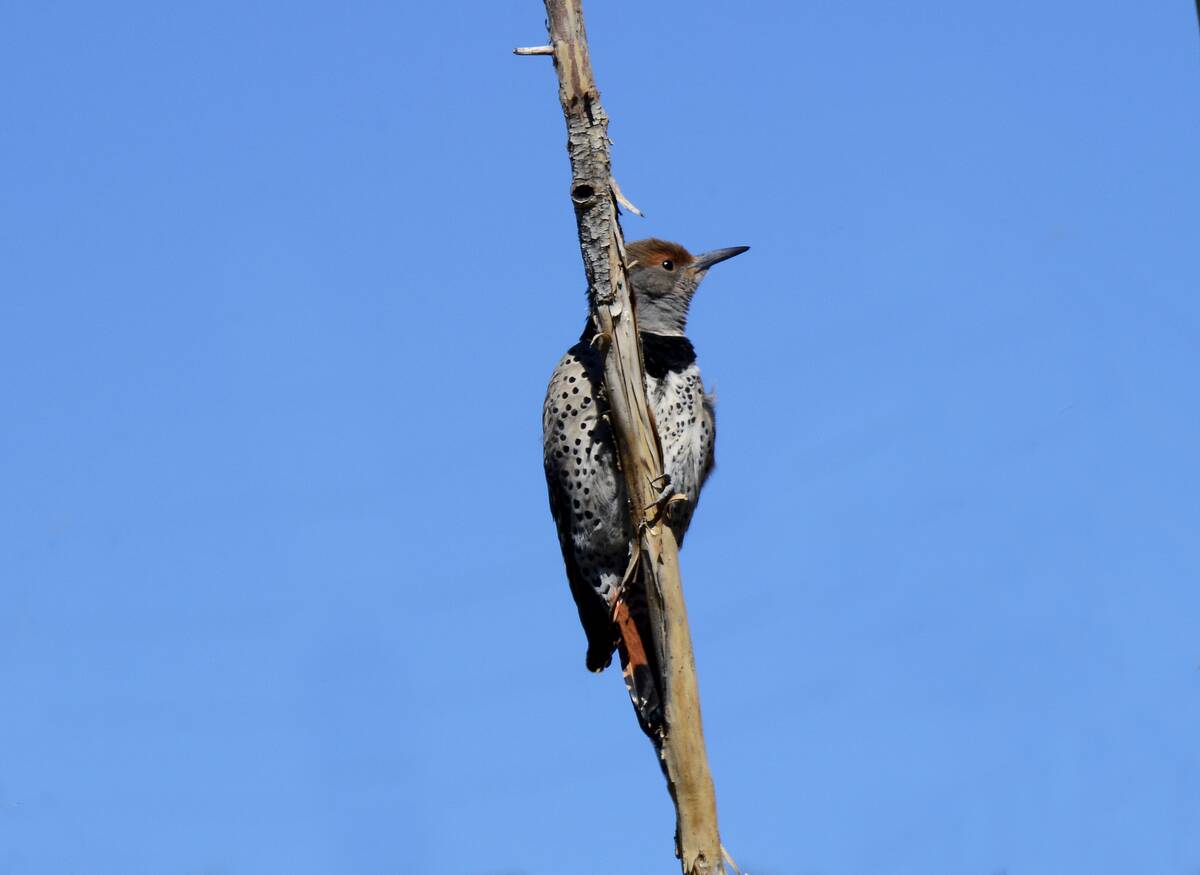
Woodpeckers are nature’s carpenters, chiseling out cavities in tree trunks with their strong beaks. These cavities serve as nests for the woodpeckers and sometimes become homes for other wildlife after being abandoned.
Woodpeckers’ drumming not only aids in communication but also helps them excavate these wooden homes. Their ability to carve out precise and durable nests showcases their unique adaptation to forest life and their role in maintaining forest ecosystems.
Caddisfly Larvae: Underwater Case Constructors
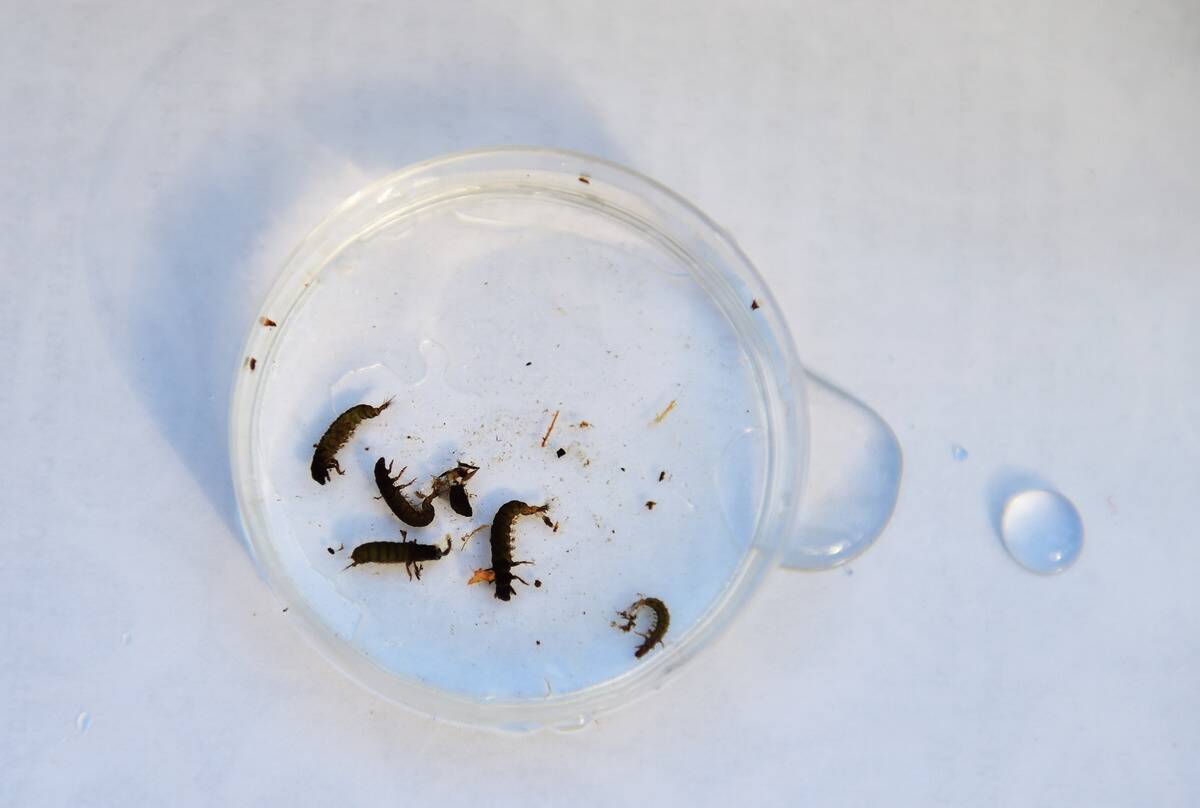
Caddisfly larvae are ingenious builders, constructing protective cases from materials found in their aquatic environment. Using silk produced from their salivary glands, they glue together sand, stones, or plant material to form a portable home.
These cases provide protection from predators and environmental hazards. Caddisfly larvae’s building techniques highlight their adaptability and resourcefulness in aquatic habitats, playing a crucial role in freshwater ecosystems by contributing to nutrient cycling and serving as food for other species.