Deep-sea fish that haven’t evolved for millions of years

The ocean’s depths are home to some of the oldest creatures on our planet. These ancient deep-sea inhabitants are fascinating relics of a bygone era, offering us a glimpse into the past.
Unlike their terrestrial counterparts, many deep-sea species have changed very little over millions of years. This stability provides a unique opportunity to study life’s evolutionary history in a world largely untouched by human influence.
The Mysterious World Beneath the Waves
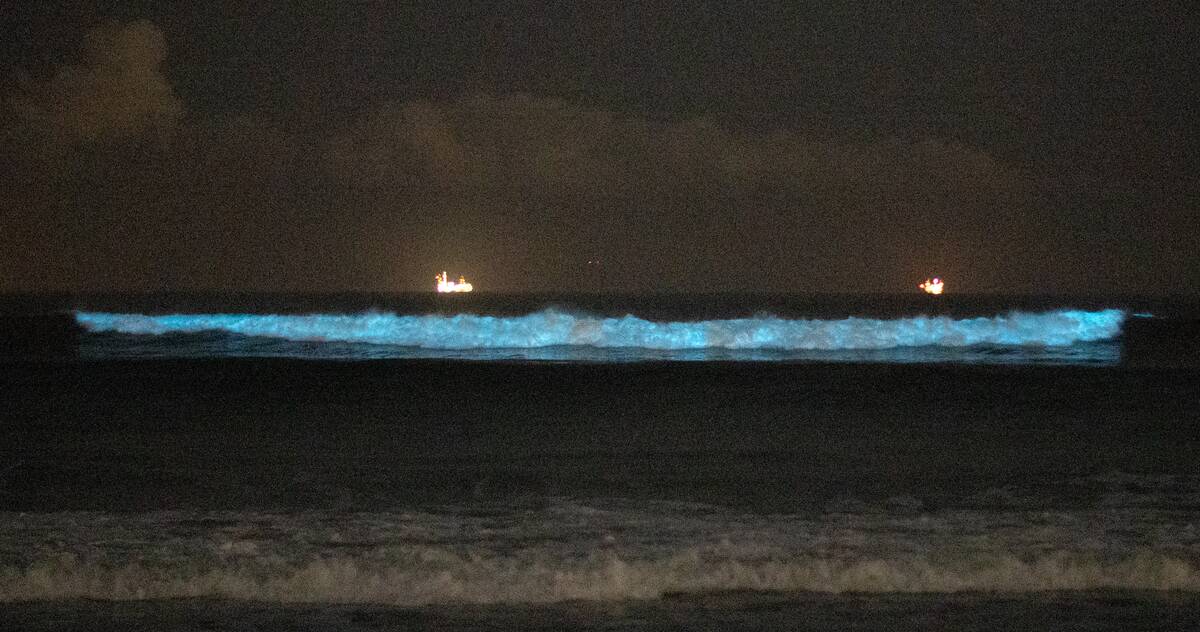
Beneath the ocean waves lies a mysterious realm that remains largely unexplored. The deep-sea environment is characterized by high pressure, frigid temperatures, and complete darkness. Despite these harsh conditions, life thrives in extraordinary ways.
Bioluminescent organisms illuminate the dark waters, creating an otherworldly spectacle that has captivated scientists and explorers alike. This enigmatic world continues to surprise us with its hidden wonders and peculiar inhabitants.
A Glimpse into Prehistoric Times
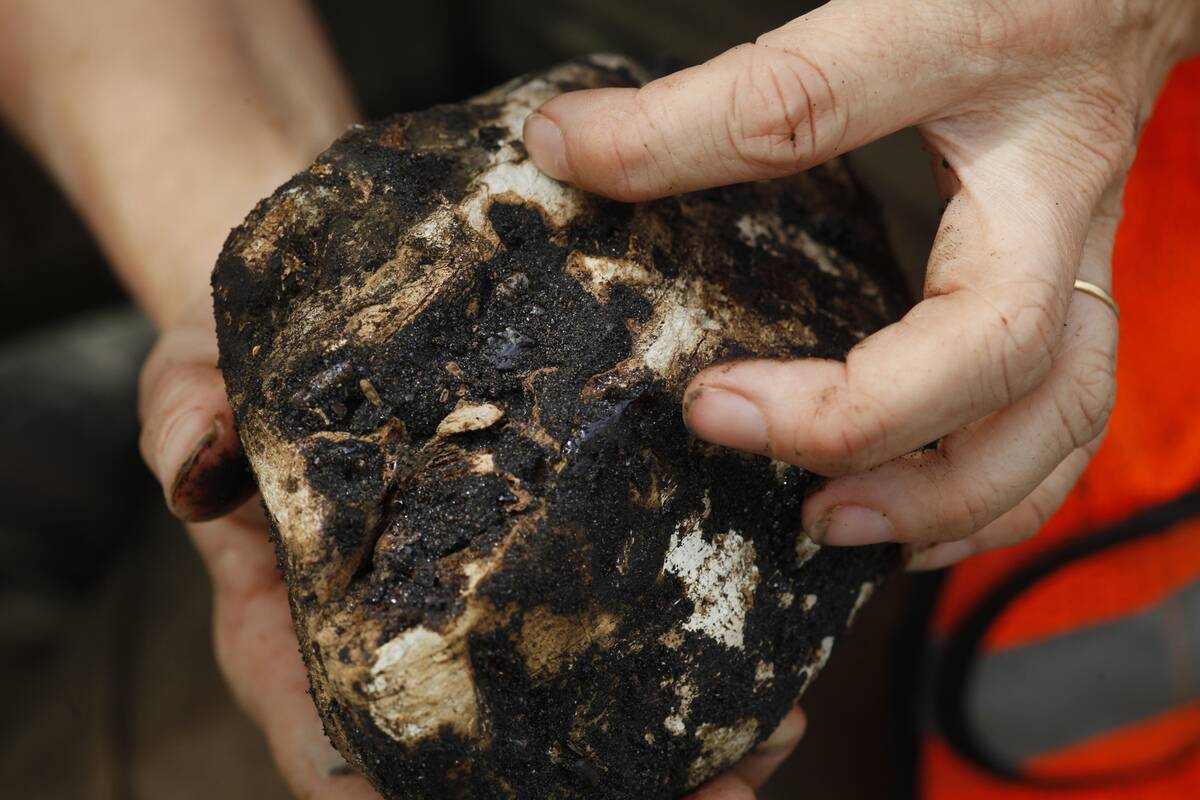
Exploring the deep sea is like stepping into a time machine that takes us back millions of years. Many species found in these depths are remarkably similar to their prehistoric ancestors.
Fossils from ancient seas reveal striking similarities to modern-day deep-sea creatures, providing a living window into the Earth’s distant past. This connection to prehistoric times makes the study of deep-sea life an exciting journey through our planet’s evolutionary history.
Meet the Coelacanth: A Living Fossil
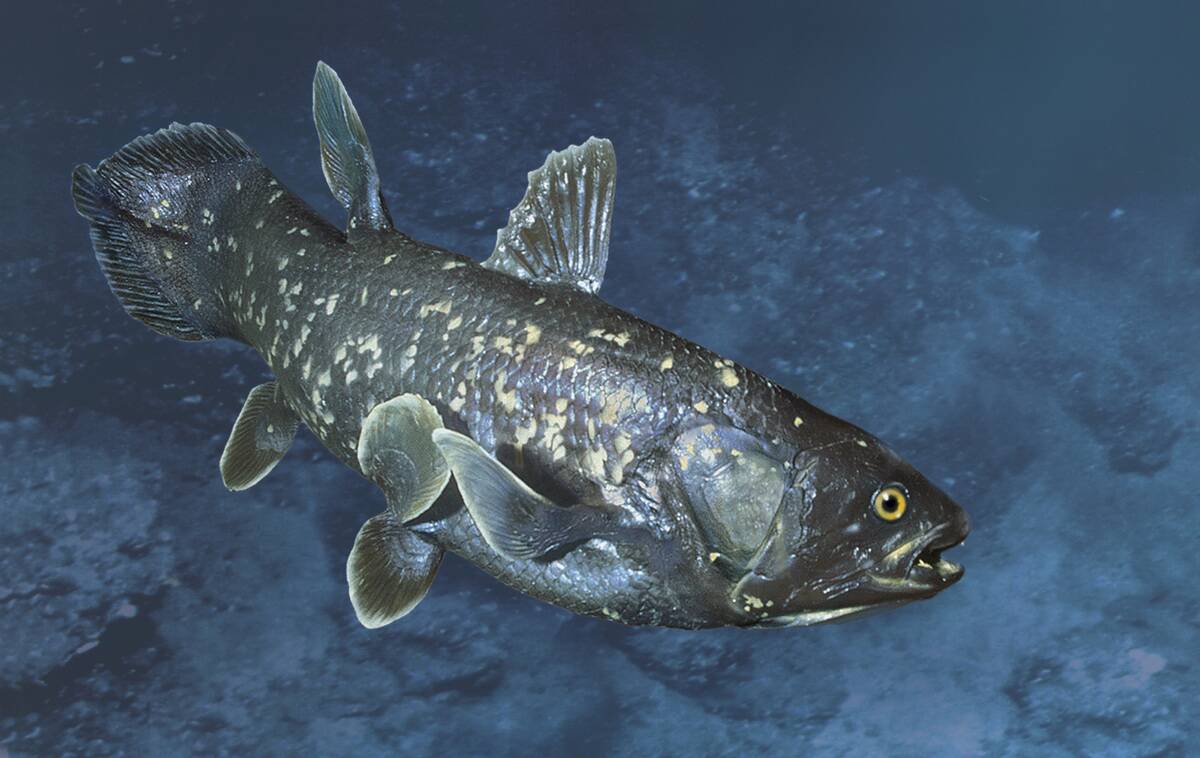
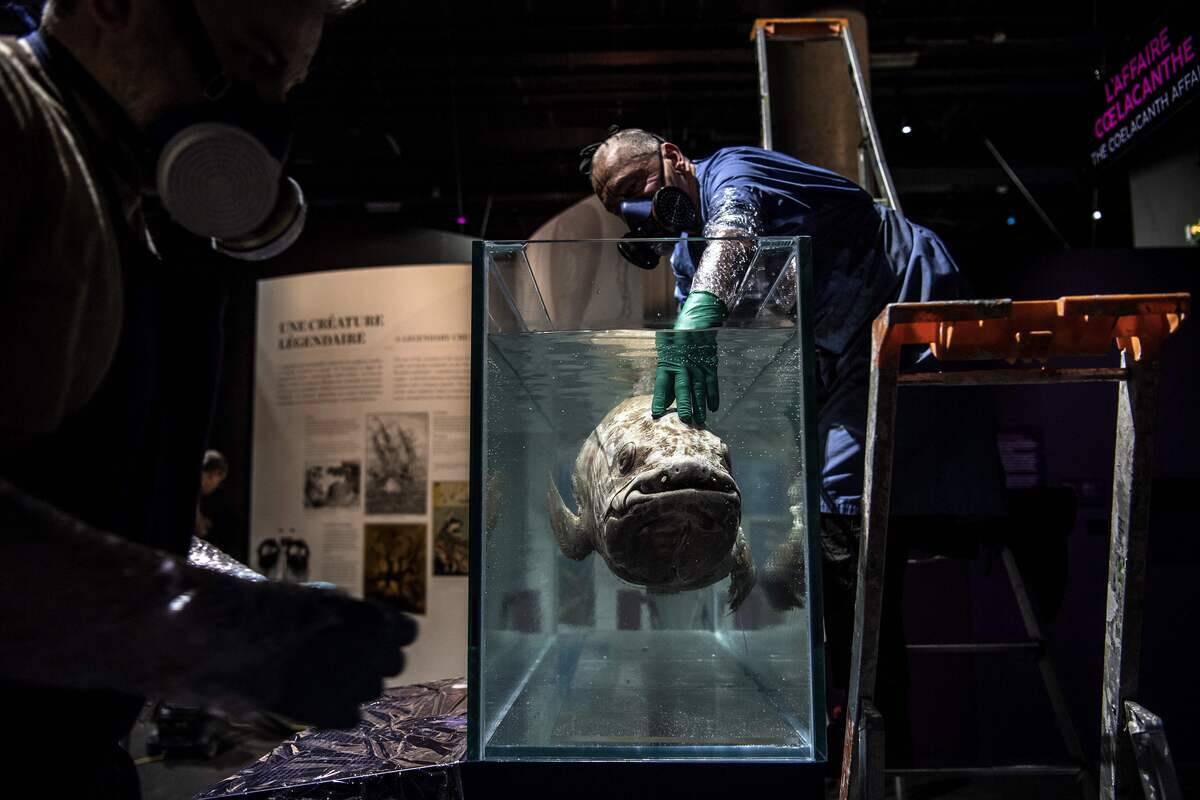
The coelacanth is often called a ‘living fossil’ due to its striking resemblance to fossilized specimens over 400 million years old. Thought to be extinct until its rediscovery in 1938, the coelacanth has captivated scientists with its unique anatomy and evolutionary significance.
This enigmatic fish possesses lobed fins that resemble the limbs of terrestrial vertebrates, offering crucial insights into the transition from sea to land in vertebrate evolution.
The Resilient Hagfish: Nature’s Vacuum Cleaner

Hagfish, often dubbed nature’s vacuum cleaners, play a crucial role in the ocean’s ecosystem. These eel-like creatures feed on dead and dying fish, helping to recycle nutrients back into the marine environment.
Despite their slimy appearance, hagfish are incredibly resilient, with the ability to survive in low-oxygen environments. Their evolutionary lineage dates back over 300 million years, making them one of the oldest known vertebrates.
Lanternfish: Tiny Beacons of the Deep
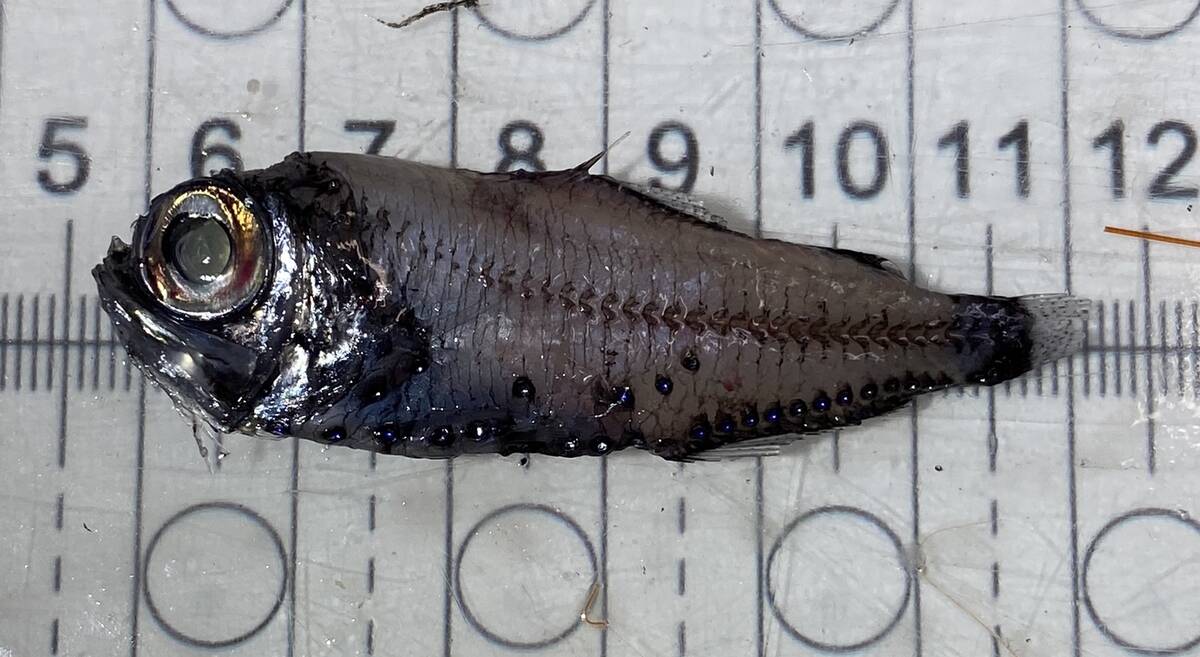
Lanternfish are small, yet they are among the most abundant vertebrates in the ocean. These tiny beacons of the deep possess bioluminescent organs that emit light, creating a mesmerizing glow in the dark waters.
Lanternfish play a significant role in the marine food chain, serving as a primary food source for many larger predators. Their vast numbers and widespread distribution make them essential to the health and stability of ocean ecosystems.
The Timeless Allure of the Frilled Shark
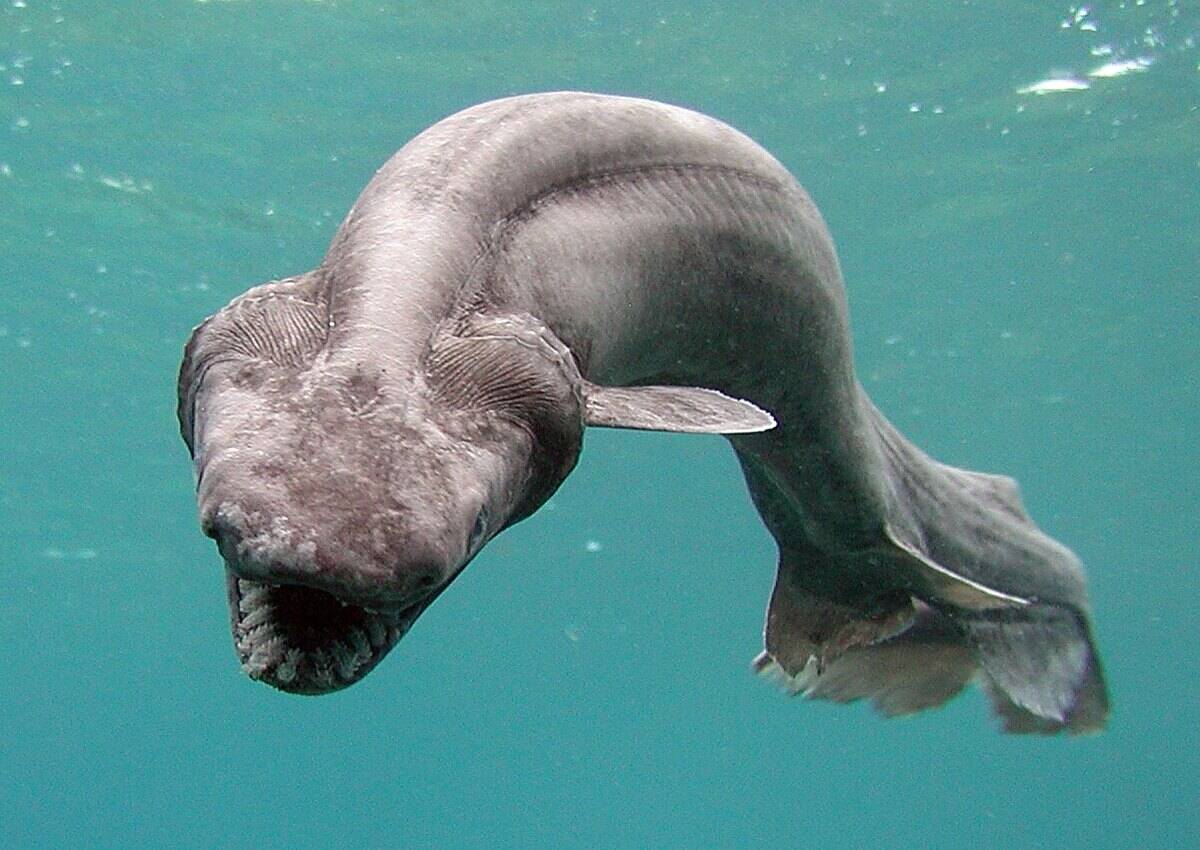
The frilled shark, with its eerie, prehistoric appearance, has been dubbed a ‘living fossil’ by scientists. Its lineage dates back at least 80 million years, and it resides in the deep sea, often at depths exceeding 1,200 meters.
The frilled shark’s snake-like body and rows of needle-like teeth suggest a creature straight out of a marine horror story. Yet, this mysterious shark is a fascinating study of evolutionary survival in the ocean’s depths.
Sturgeon: Ancient Giants of the Sea
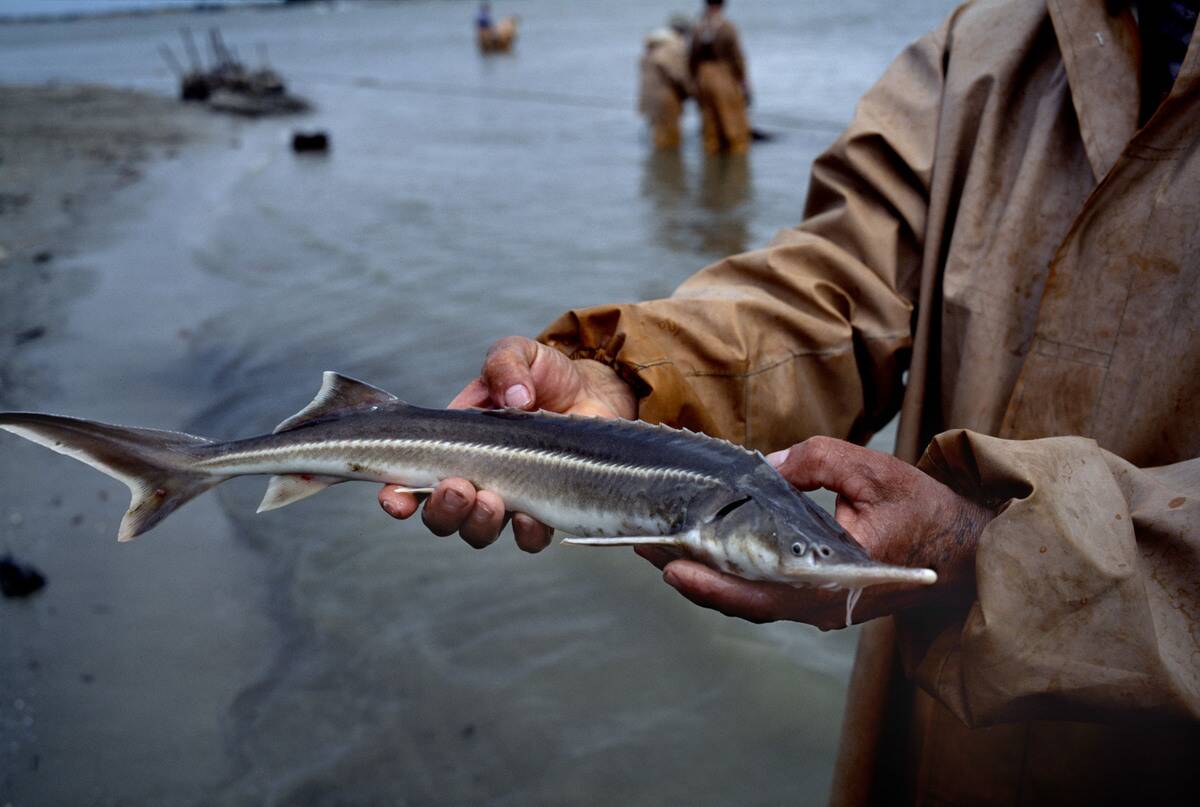
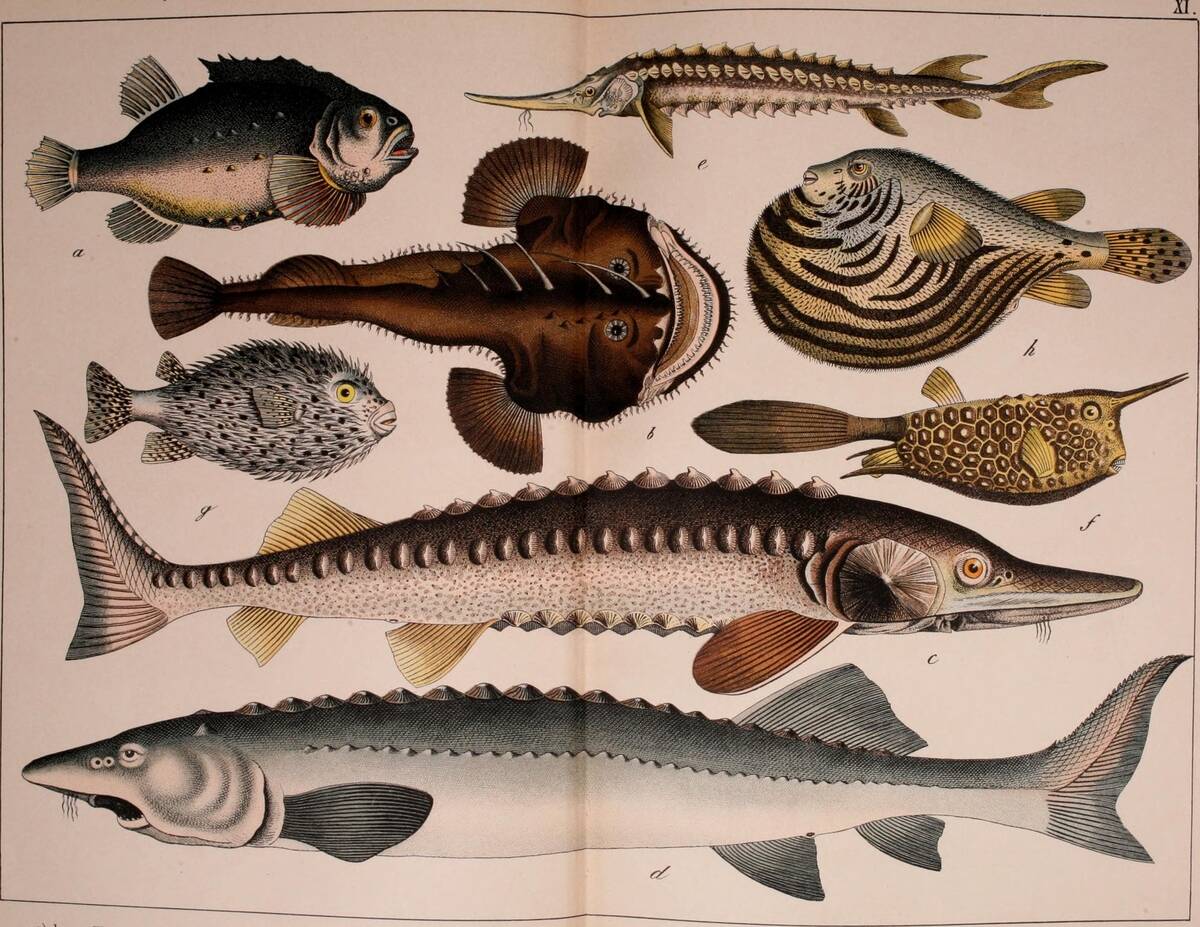
Sturgeons are often referred to as ancient giants due to their impressive size and long evolutionary history. Some species can grow up to 18 feet long, living for more than a century.
These bony fish have been around for over 200 million years, playing a crucial role in freshwater and estuarine ecosystems. Their cartilaginous skeleton and distinctive scutes make them easily recognizable and a subject of fascination for both scientists and anglers.
The Bizarre Beauty of the Fangtooth
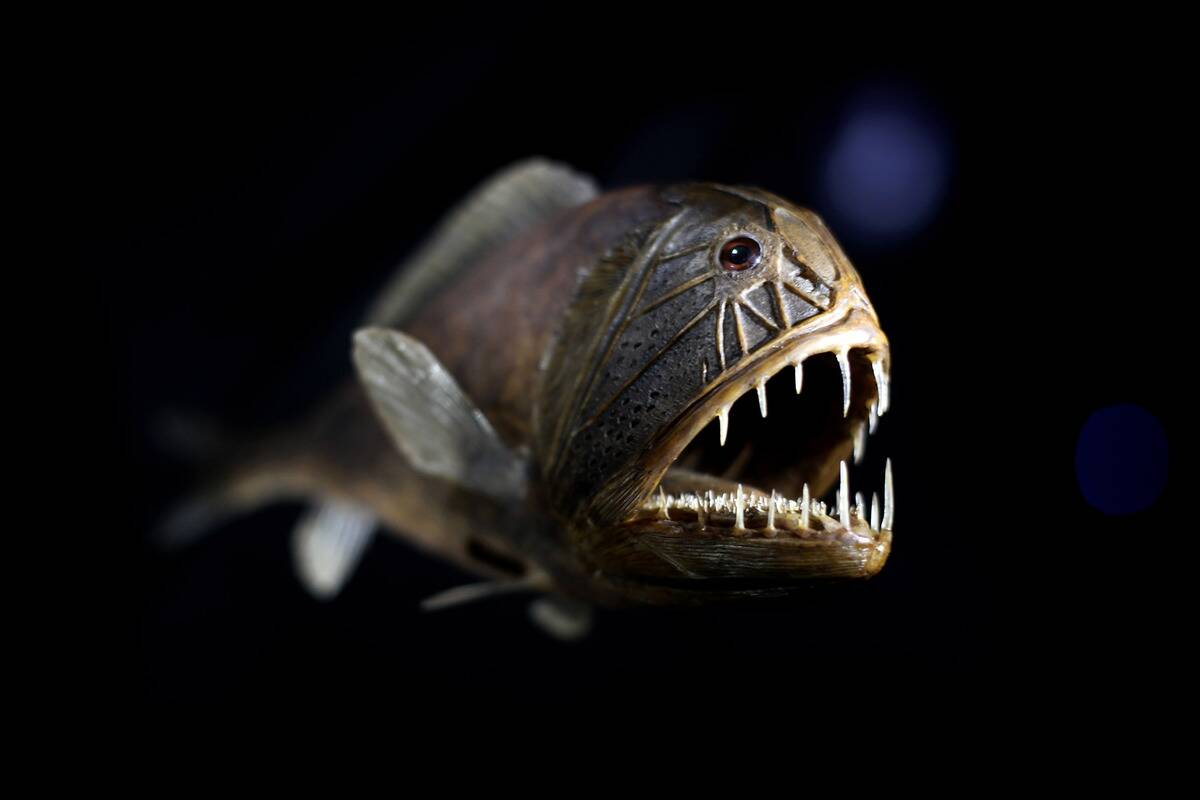
The fangtooth fish is a prime example of deep-sea adaptations gone wild. Despite its small size, the fangtooth boasts the largest teeth of any fish relative to its body size, giving it a fearsome appearance.
These fish inhabit the deep ocean, found at deep as 5,000 meters, where food is scarce. Their ability to survive in extreme conditions makes the fangtooth a fascinating subject of study in understanding deep-sea life.
Goblin Sharks: Monsters from the Past
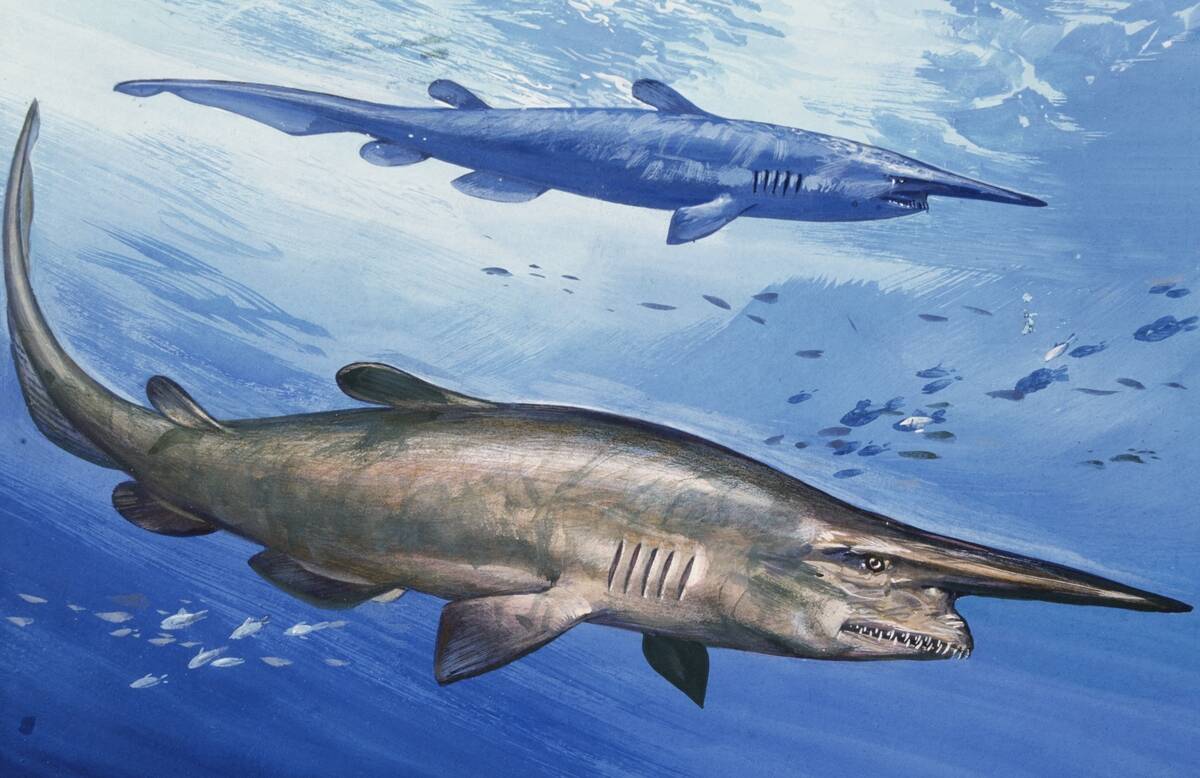
Goblin sharks are often described as ‘living fossils’ due to their ancient lineage and bizarre appearance. With their elongated snouts and protruding jaws, these deep-sea dwellers look like creatures from a long-lost era.
Goblin sharks can be found at depths of over 1,200 meters, and their unusual feeding mechanism allows them to snatch prey with lightning speed. Despite their fearsome looks, they are harmless to humans and remain a rare and intriguing sight.
Why Some Fish Stay the Same
Some fish have retained their ancient characteristics for millions of years due to the stability of their deep-sea habitats. These environments are less prone to the rapid changes seen on the ocean’s surface, allowing species to maintain their ancestral traits.
This ecological stability provides a window into the evolutionary history of marine life, offering clues about how ancient species adapted to their environments and survived through the ages.
Survival Strategies Through Eons
Ancient fish have developed ingenious strategies to survive the harsh conditions of the deep sea. Many possess bioluminescent features to attract prey or mates, while others have developed highly sensitive sensory organs to detect movement in the darkness.
Some species, like the hagfish, excrete slime to deter predators, while others, such as the coelacanth, rely on slow reproduction rates to maintain their populations. These survival strategies highlight the remarkable adaptability of deep-sea life.
Threats to These Marine Relics
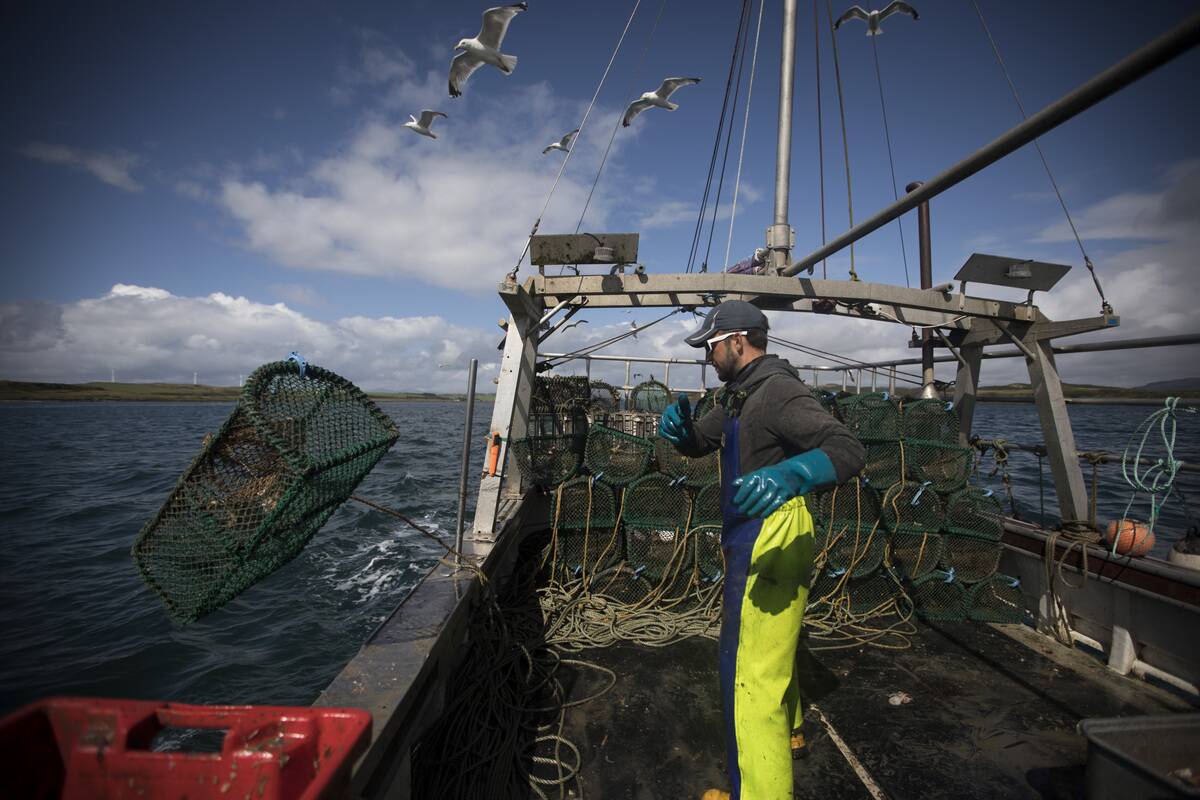
Despite their resilience, ancient deep-sea species face numerous threats from human activities. Overfishing, pollution, and climate change pose significant risks to these fragile ecosystems.
The slow reproductive rates and specialized habitats of many deep-sea organisms make them particularly vulnerable to disturbances. Protecting these ancient species requires global conservation efforts and a commitment to sustainable practices that minimize human impact on the ocean’s depths.