Little-known facts and origins of our favorite holidays

Holidays are the perfect excuse to take a break from our daily routines and indulge in celebrations that bring joy and togetherness. Whether it’s exchanging gifts, enjoying festive meals, or simply spending time with loved ones, holidays offer a chance to create lasting memories. They also provide an opportunity to reflect on traditions and values that have been passed down through generations, making each celebration uniquely special.
The Origins of Christmas: From Pagan Roots to Modern Celebrations
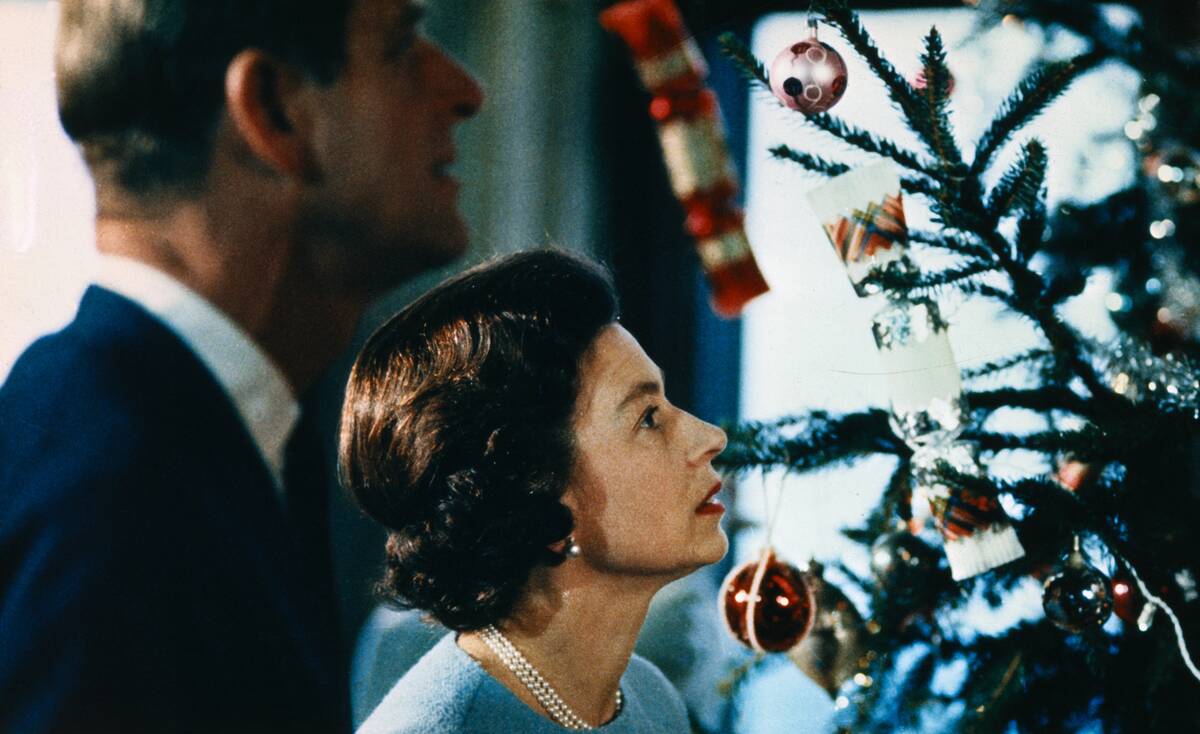
Christmas, celebrated on December 25th, is often associated with the birth of Jesus Christ, but its roots extend into ancient pagan festivals. The Roman holiday Saturnalia, marked by feasting and gift-giving, is one such precursor. Over time, Christmas evolved to incorporate both religious elements and secular customs like Santa Claus and Christmas trees, creating a holiday that’s celebrated worldwide with diverse traditions.
Thanksgiving: A Harvest Festival with a Rich History
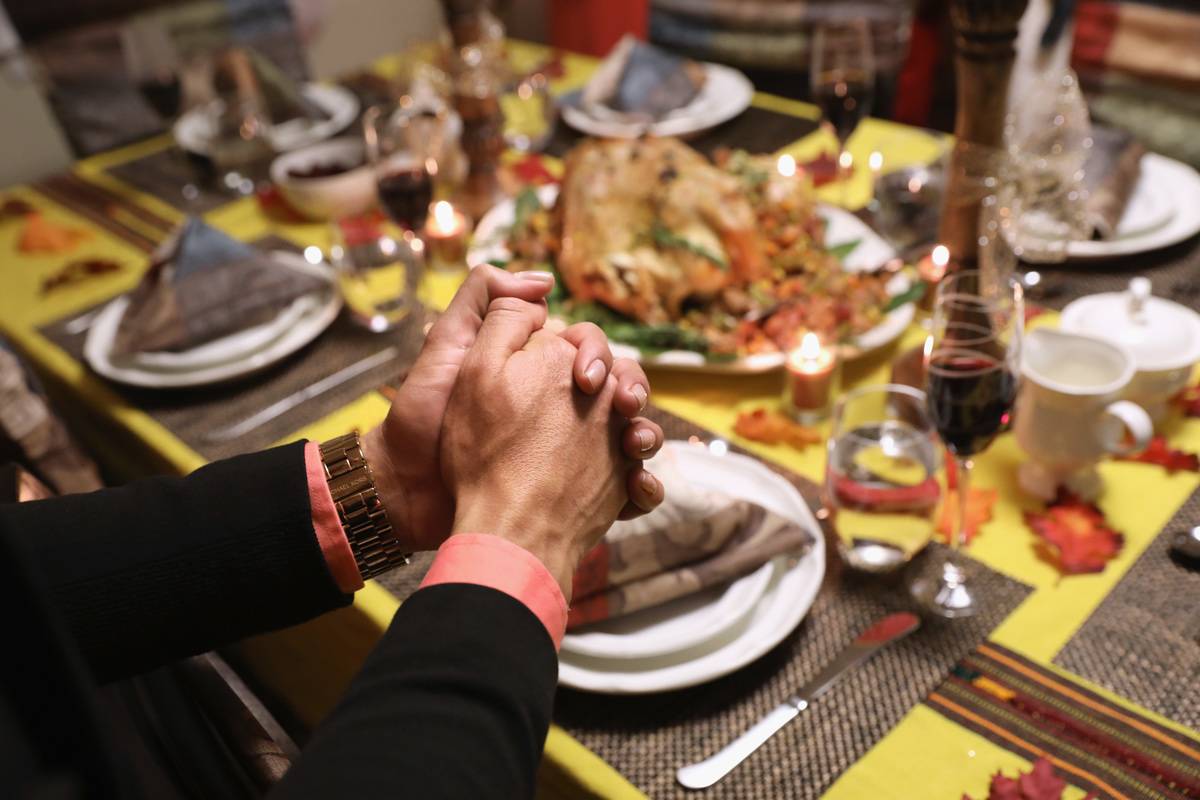
Thanksgiving is a beloved American holiday that traces its origins to the early 17th century. The Pilgrims and Native Americans are famously known for sharing a feast in 1621, which is often considered the first Thanksgiving. Today, it’s a time for families to gather and express gratitude while indulging in turkey, stuffing, and pumpkin pie, a feast that echoes the harvest celebrations of centuries past.
Halloween: From Ancient Celtic Traditions to Trick-or-Treating

Halloween’s spooky origins date back to the ancient Celtic festival of Samhain, marking the end of harvest and the start of winter. The Celts believed that on October 31st, the boundary between the living and the dead blurred. Today, Halloween is synonymous with costumes, jack-o’-lanterns, and trick-or-treating, blending ancient beliefs with modern fun in a celebration that delights all ages.
Valentine’s Day: The Story Behind the Day of Love
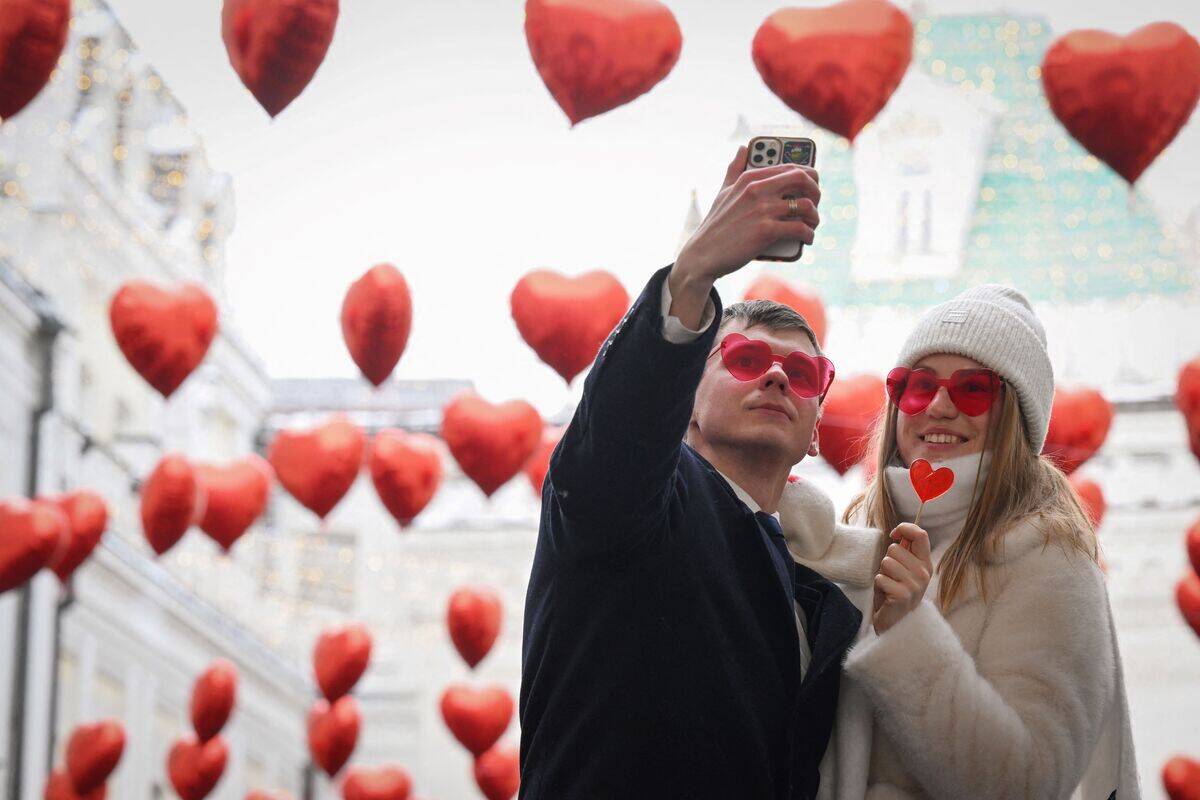
Valentine’s Day is celebrated on February 14th, inspired by the legend of St. Valentine, a third-century Roman saint. While its origins are shrouded in mystery, it’s widely viewed as a day to express love and affection. Modern celebrations often include exchanging cards, chocolates, and flowers, making it a cherished occasion for romantic partners and friends alike.
Independence Day: Celebrating Freedom and Fireworks
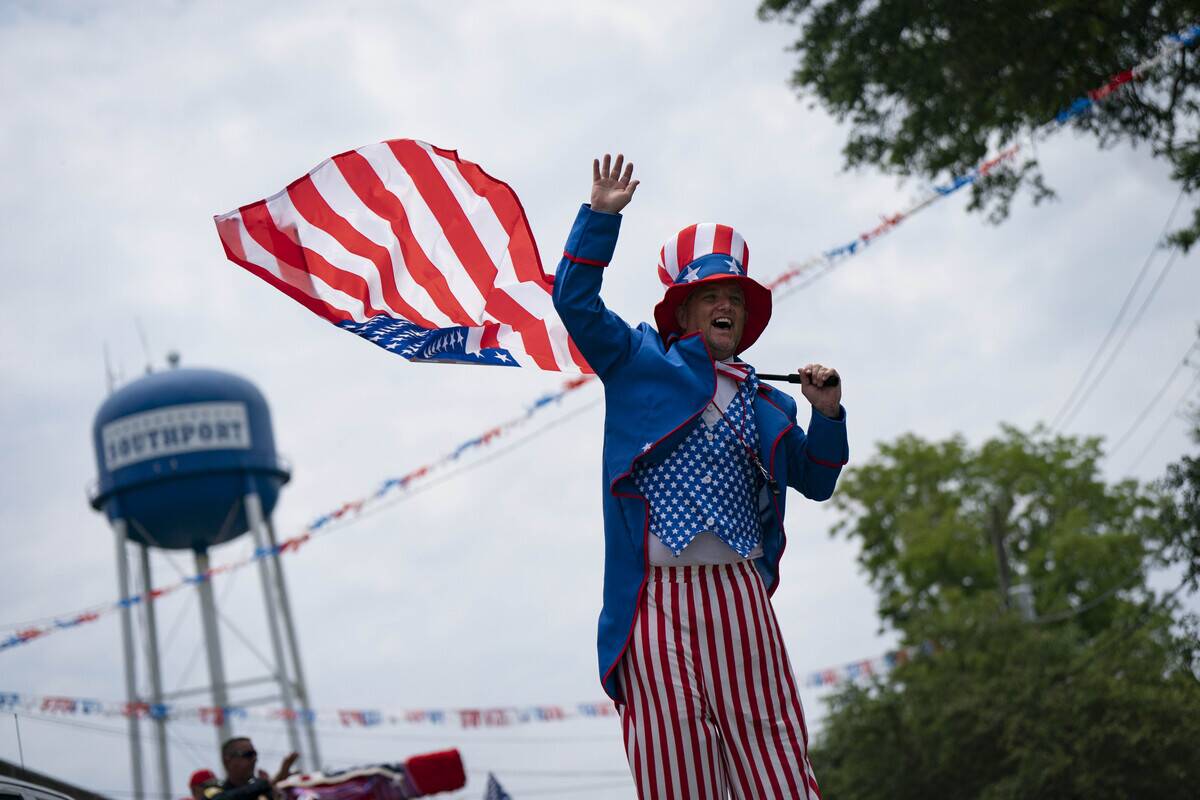
Every July 4th, Americans celebrate Independence Day, marking the adoption of the Declaration of Independence in 1776. The day is filled with patriotic displays, parades, and fireworks, embodying the spirit of freedom and democracy. It’s a time to reflect on the nation’s history while enjoying barbecues and gatherings with family and friends, celebrating what it means to be free.
New Year’s Eve: Ringing in the New Year Around the World
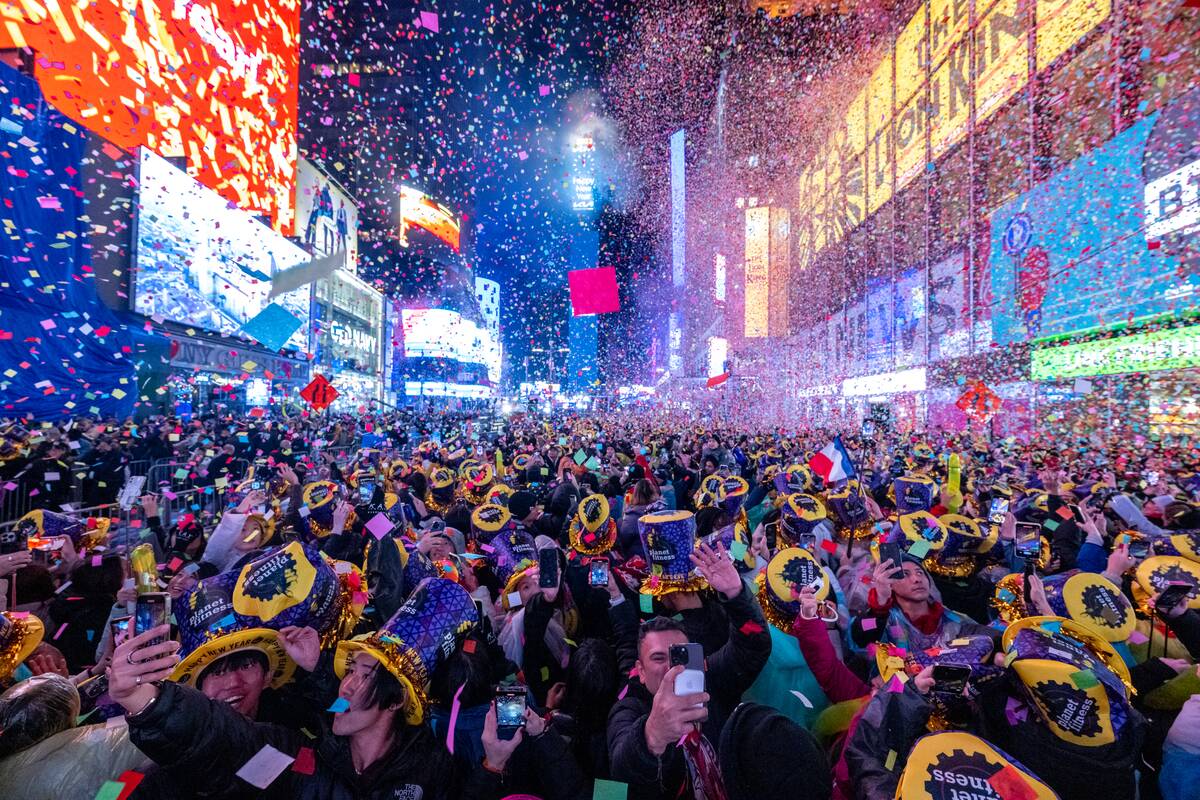
New Year’s Eve is celebrated globally on December 31st, with each culture adding its unique twist. From the iconic ball drop in Times Square to fireworks over Sydney Harbour, the celebrations are diverse yet united in welcoming the new year. Traditions such as making resolutions and toasting at midnight make it a time for reflection and anticipation of what lies ahead.
St. Patrick’s Day: The Legend of Ireland’s Patron Saint
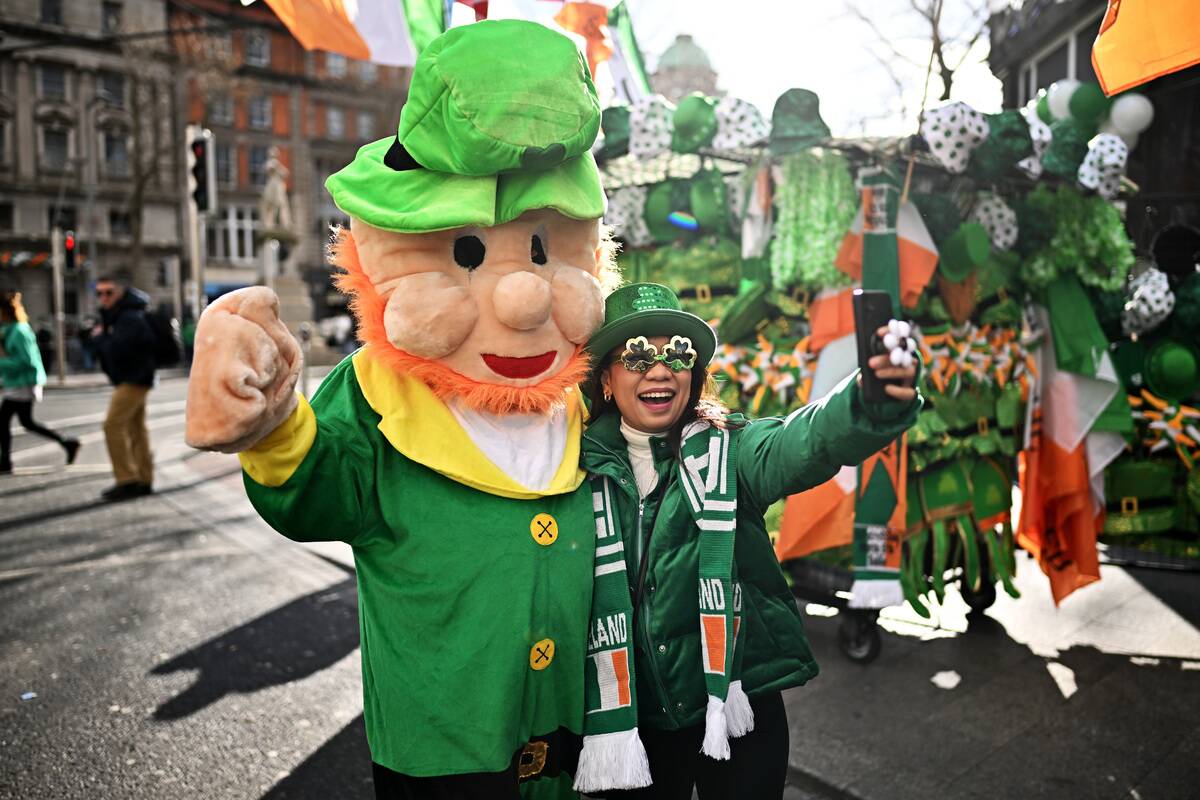
St. Patrick’s Day, celebrated on March 17th, honors Ireland’s patron saint, who is credited with bringing Christianity to the island. The holiday has evolved from a religious observance to a global celebration of Irish culture, marked by parades, wearing green, and enjoying traditional Irish music and dance. It’s a day when everyone can feel a bit Irish, regardless of their heritage.
Hanukkah: The Festival of Lights and Its Miraculous Story
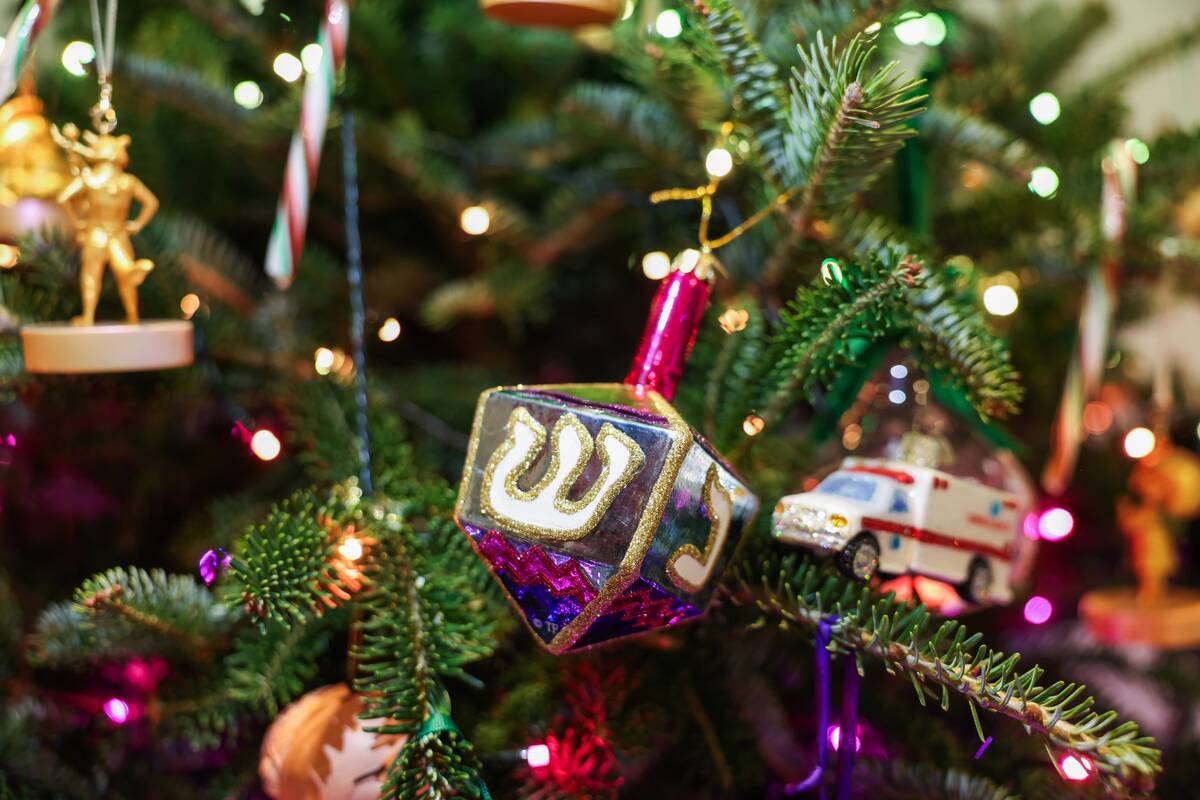
Hanukkah, the Jewish Festival of Lights, commemorates the rededication of the Second Temple in Jerusalem. The story tells of a miraculous event where a small amount of oil, enough for one day, burned for eight days. This is celebrated by lighting the menorah each night, playing games like dreidel, and enjoying foods fried in oil, such as latkes and sufganiyot.
Diwali: The Vibrant Festival of Lights in Hindu Tradition
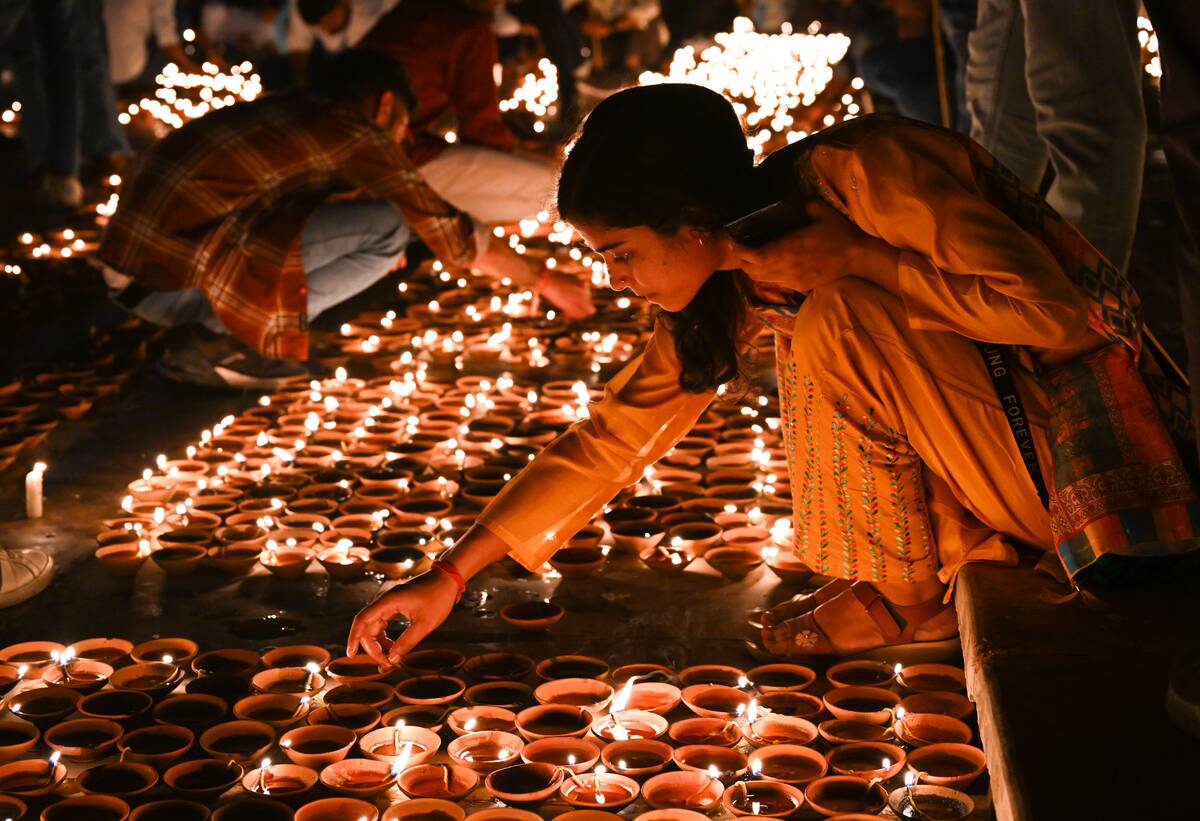
Diwali, known as the Festival of Lights, is celebrated by Hindus, Sikhs, Jains, and Buddhists. It symbolizes the victory of light over darkness and good over evil. Homes are adorned with lamps and rangoli designs, and fireworks illuminate the night sky. The festival is marked by feasting and the exchange of gifts, creating a joyful atmosphere that brings families together.
Chinese New Year: An Ancient Celebration of New Beginnings
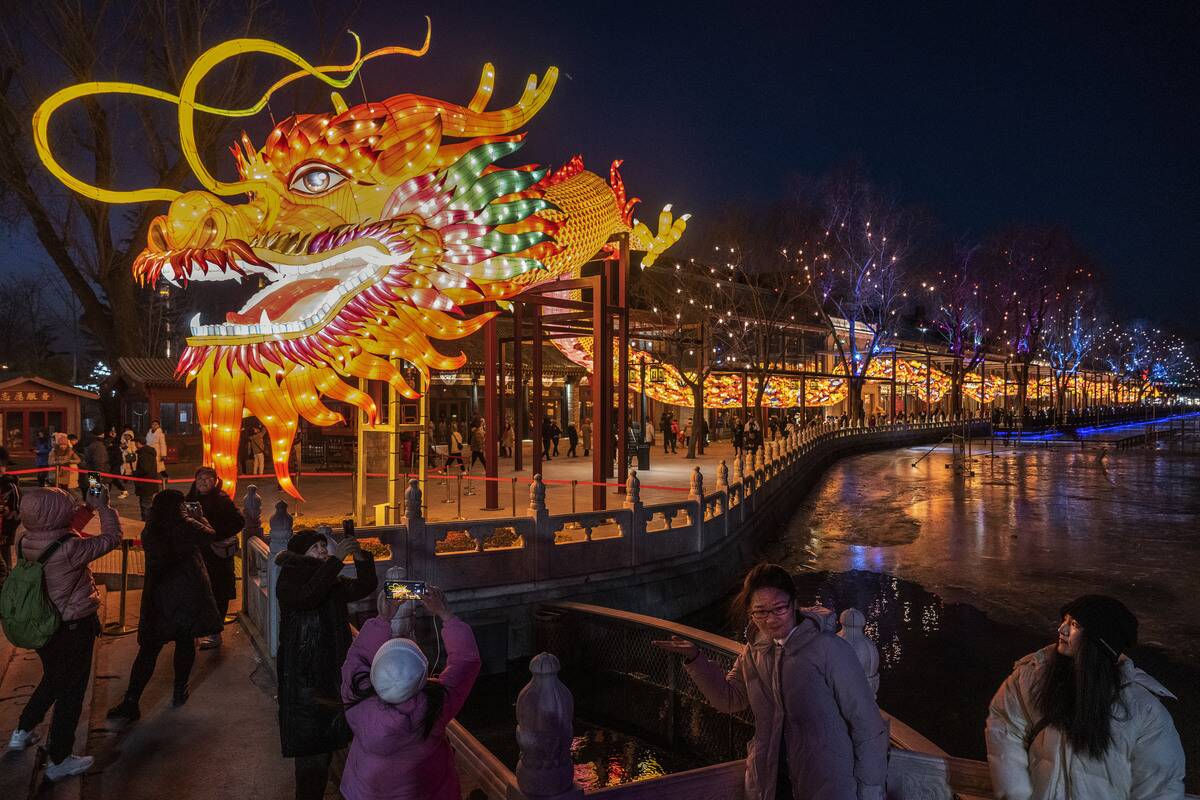
Chinese New Year, also known as the Spring Festival, is a major holiday marked by family reunions, feasting, and the color red. It begins on the first day of the lunar calendar, with celebrations lasting up to 15 days. Traditions include giving red envelopes with money, dragon and lion dances, and fireworks, all aimed at bringing luck and prosperity for the coming year.
Mardi Gras: The Festive Carnival Before Lent
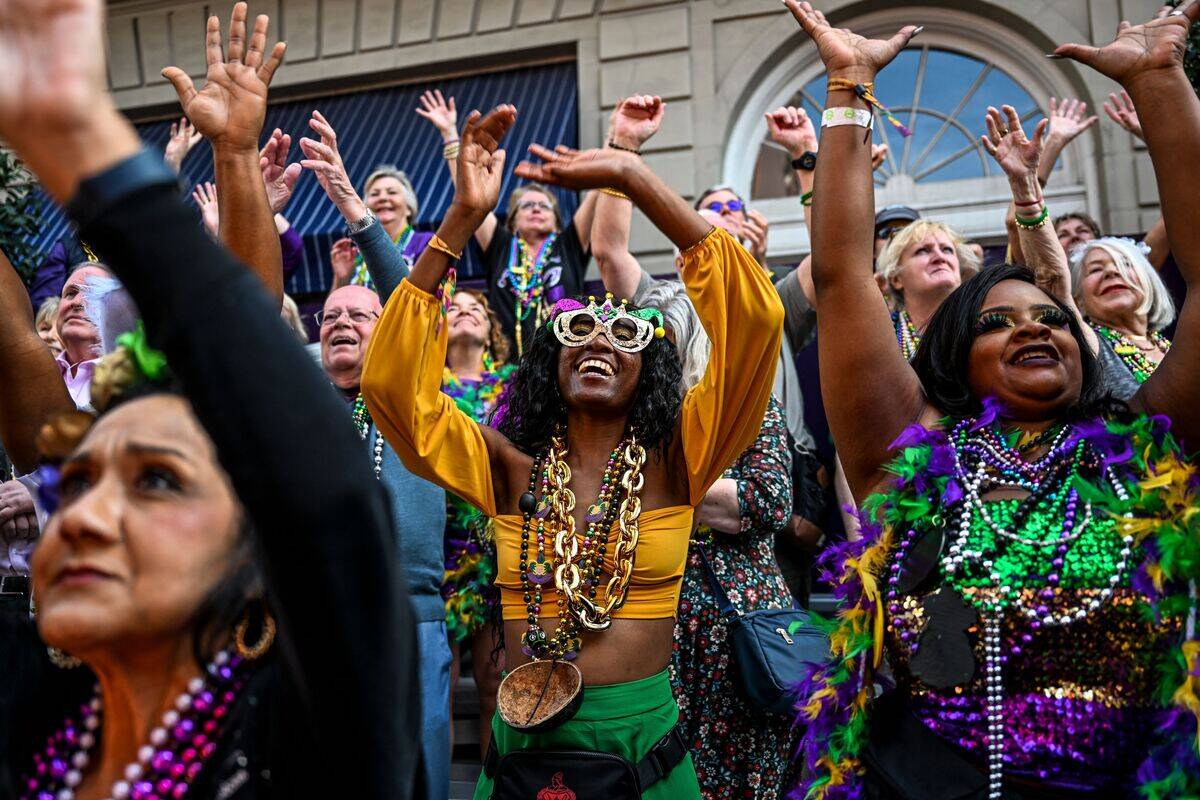
Mardi Gras, or Fat Tuesday, is celebrated the day before Ash Wednesday, marking the start of Lent. Known for its colorful parades and masquerade balls, it has roots in French Catholic tradition. In the U.S., New Orleans is famous for its vibrant Mardi Gras celebrations, where revelers enjoy music, costumes, and king cake, a sweet treat with a surprise hidden inside.
Cinco de Mayo: The Celebration of Mexican Heritage and Pride
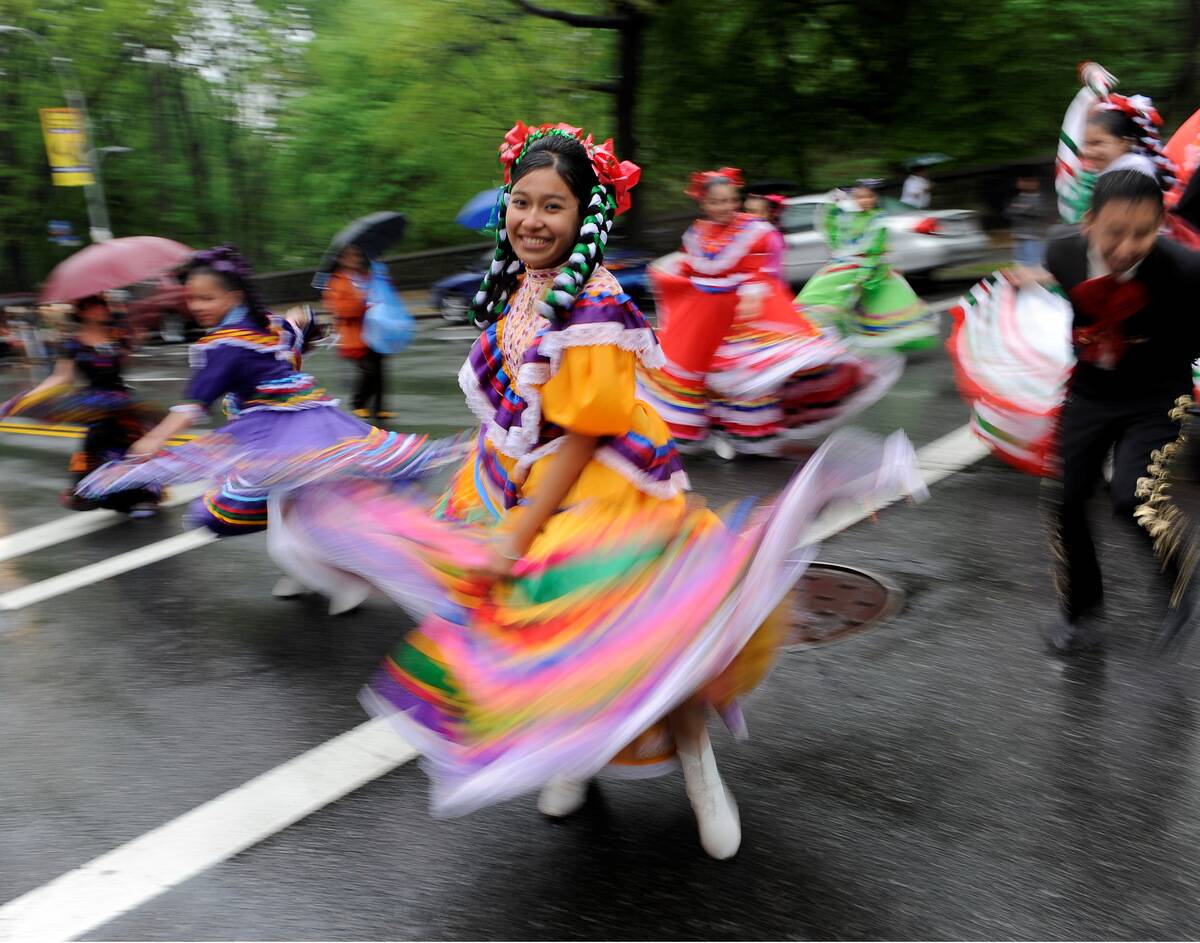
Cinco de Mayo commemorates the Mexican army’s victory over the French at the Battle of Puebla in 1862. While it’s a relatively minor holiday in Mexico, it has become a celebration of Mexican culture and heritage in the United States. Festivities include parades, mariachi music, traditional foods, and dances, providing an opportunity to honor Mexican history and traditions.
Oktoberfest: Germany’s Iconic Beer Festival and Its Origins
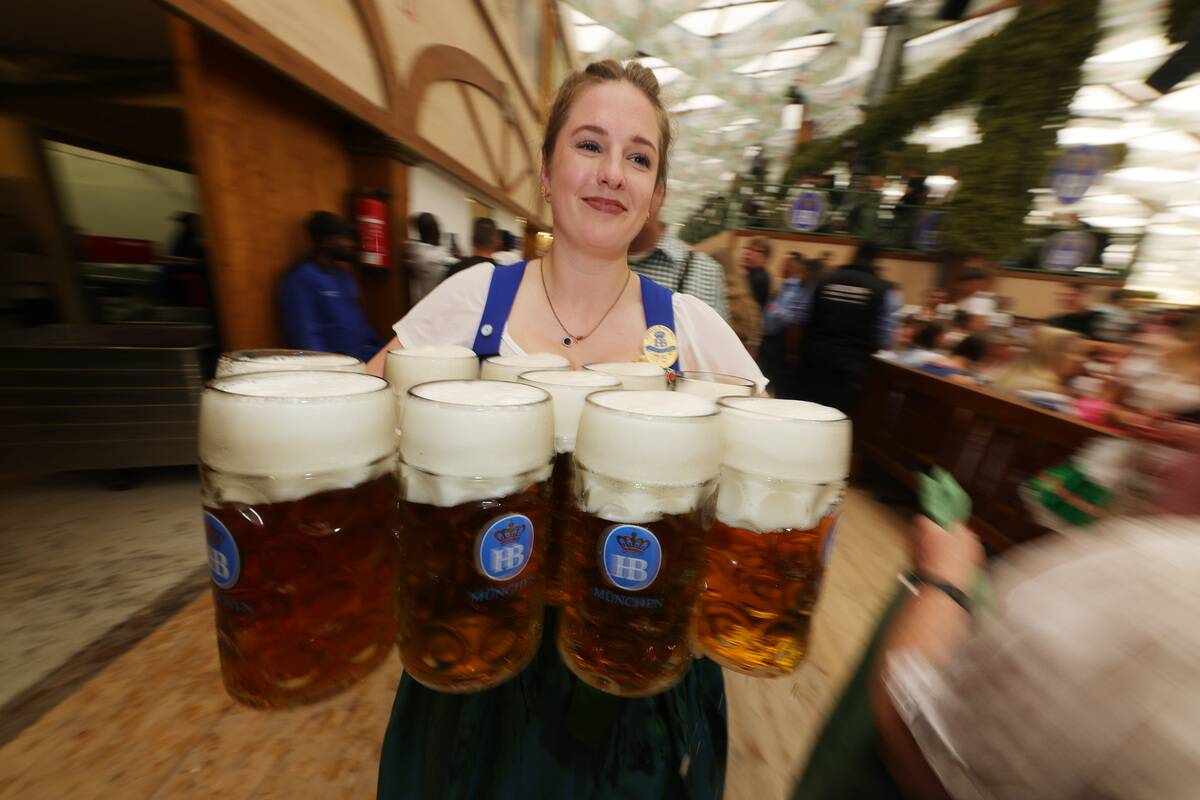
Oktoberfest originated in Munich in 1810, celebrating the marriage of Crown Prince Ludwig to Princess Therese. Today, it’s the world’s largest beer festival, attracting millions of visitors who enjoy Bavarian beer, food, and music. The festival lasts 16-18 days, starting in September, and is known for its lively atmosphere, traditional attire, and of course, the famous beer tents.
Earth Day: Raising Environmental Awareness Worldwide
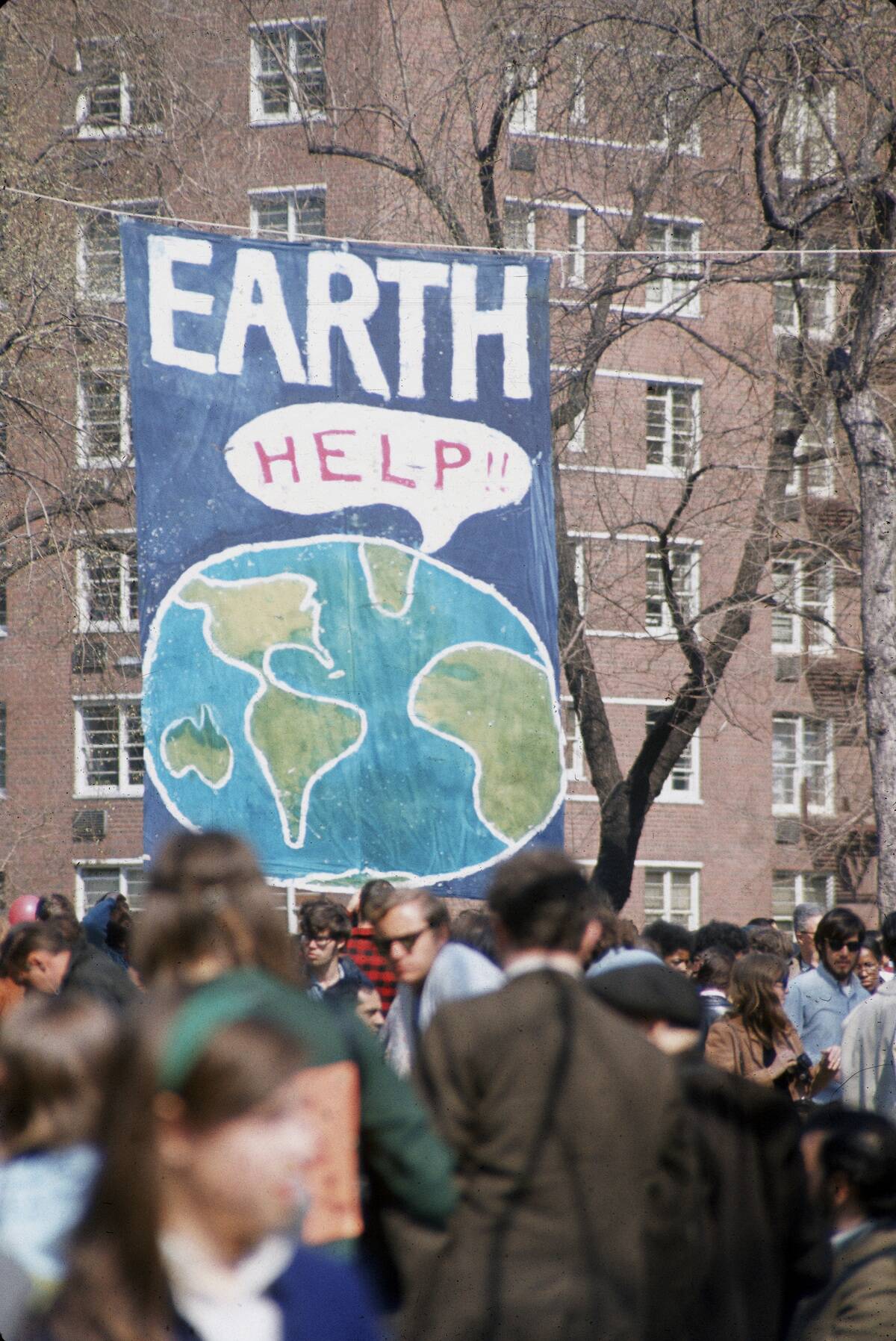
Earth Day, observed on April 22nd, aims to raise awareness and encourage action for environmental protection. It began in 1970, sparked by growing concern over pollution and environmental degradation. Today, over a billion people in 193 countries participate in Earth Day activities, such as tree planting, clean-ups, and educational events, promoting a sustainable future for our planet.
Mother’s Day: Honoring the Women Who Raised Us

Mother’s Day, celebrated on various dates worldwide, is a day to honor and appreciate mothers and mother figures. In the United States, it falls on the second Sunday in May, inspired by Anna Jarvis’s efforts to recognize her own mother’s contributions. It has become a time for giving flowers, cards, and spending quality time with the women who have nurtured and supported us.
Father’s Day: A Day Dedicated to Dads Everywhere
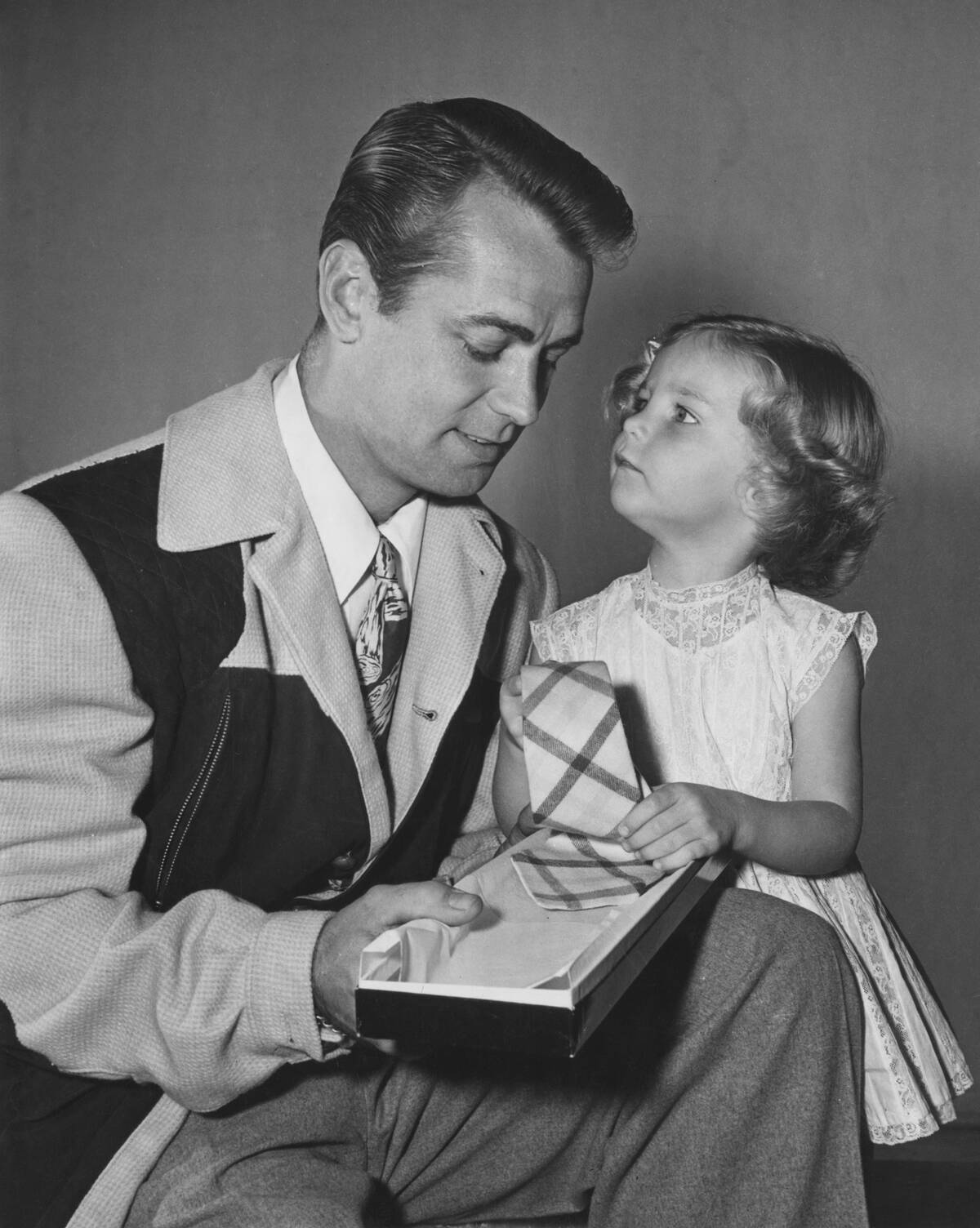
Father’s Day celebrates fatherhood and paternal bonds, observed on the third Sunday in June in many countries. Its origins date back to the early 20th century in the United States, initiated by Sonora Smart Dodd. The day is marked by giving gifts, enjoying shared activities, and expressing gratitude to fathers and father figures who play a vital role in our lives.
Labor Day: Recognizing the Contributions of Workers

Labor Day, celebrated on the first Monday in September in the United States, honors the achievements of American workers. It originated in the late 19th century amid the labor movement’s push for better working conditions. Today, it’s both a tribute to workers’ contributions and a signal of summer’s unofficial end, often marked by parades, barbecues, and relaxation.
Veterans Day: Honoring Those Who Have Served

Veterans Day, observed annually on November 11th, honors military veterans who have served in the United States Armed Forces. The date marks the armistice ending World War I in 1918. Ceremonies, parades, and moments of silence are held across the nation, providing an opportunity to recognize and thank veterans for their bravery and service to their country.
Easter: A Blend of Religious Significance and Springtime Joy
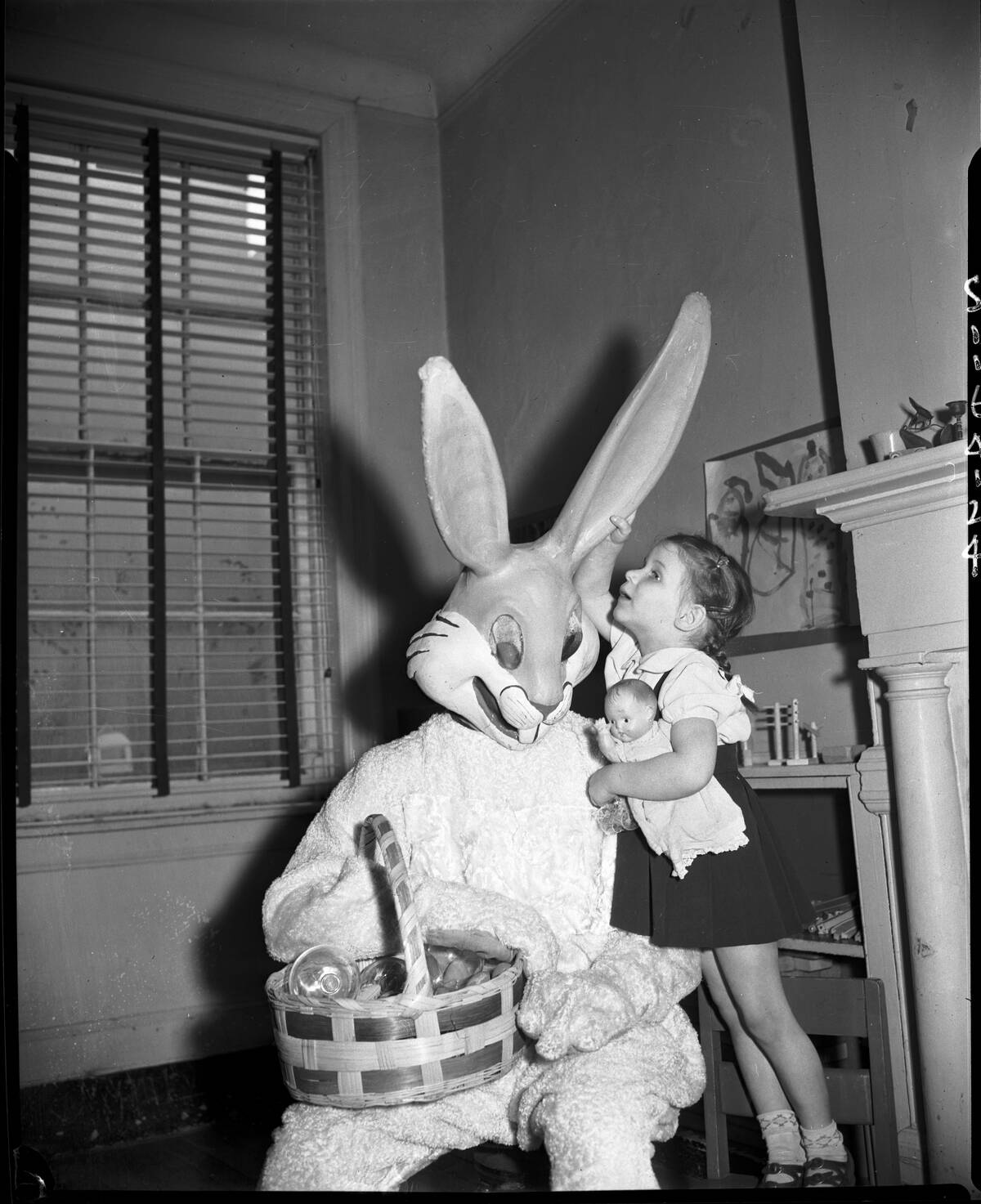
Easter commemorates the resurrection of Jesus Christ, a cornerstone of Christian faith. However, it also incorporates elements of springtime renewal, symbolized by eggs and bunnies. The timing of Easter varies each year, as it falls on the first Sunday after the full moon following the vernal equinox, blending religious observance with the joy of spring’s arrival.