How some creatures use electricity to capture prey

Trending Now
When it comes to the animal kingdom, some predators have developed truly electrifying methods to hunt their prey. These creatures are equipped with the ability to generate electricity and use it for hunting and self-defense.
It’s a fascinating adaptation that highlights the incredible diversity of life. From freshwater rivers in South America to coastal and ocean environments, these electrifying predators have carved a niche for themselves in their respective ecosystems.
The Science Behind Electric Hunting

Electric hunting involves the use of specialized cells called electrocytes, capable of generating an electric charge. This ability has evolved independently in various species, demonstrating convergent evolution.
Electric fields are used by these predators to navigate, communicate, and hunt. The science behind it is complex, yet it underscores the sophistication of evolutionary biology. Understanding how these bioelectrical systems work is a key area of research in aquatic biology.
Meet the Electric Eel: Nature’s High-Voltage Hunter
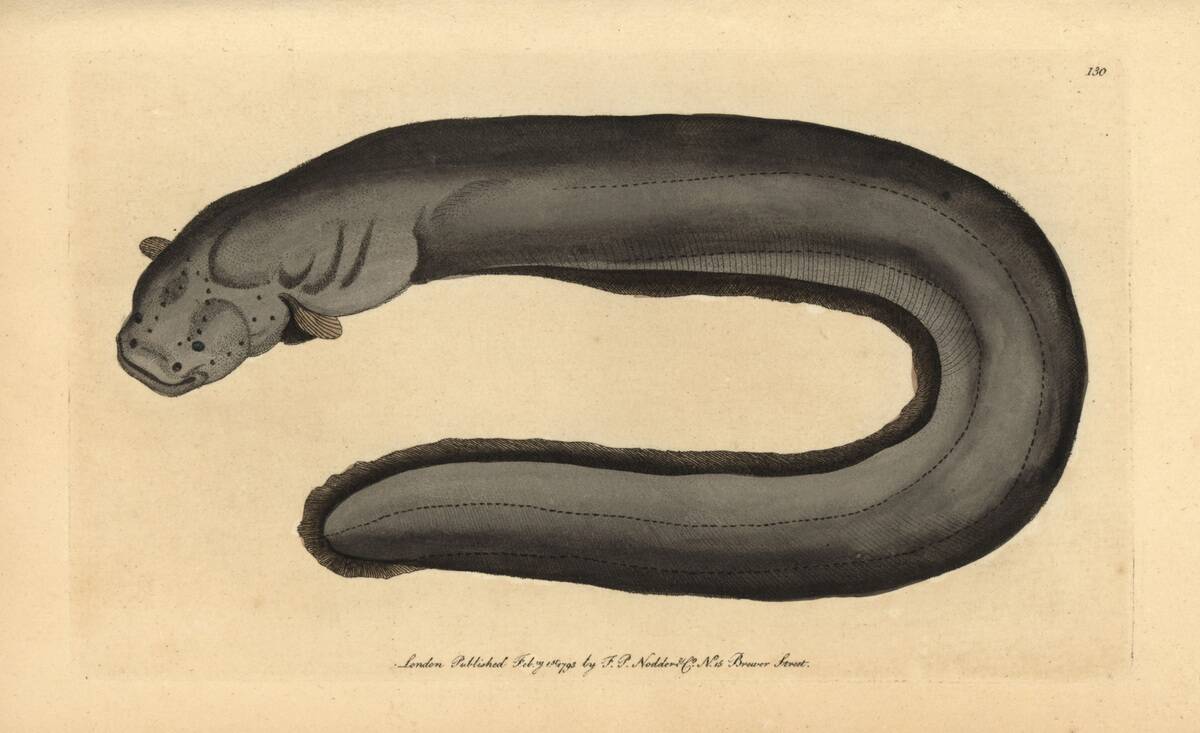
The electric eel, a resident of the murky waters of the Amazon and Orinoco basins, is a legendary high-voltage hunter. Despite its name, the electric eel is more closely related to catfish than to true eels.
It can generate up to 600 volts of electricity, enough to stun large prey or deter predators. This shocking ability makes it one of the most formidable predators in its habitat, using electricity for navigation, communication, and subduing prey.
How Electric Eels Generate Their Shocking Power
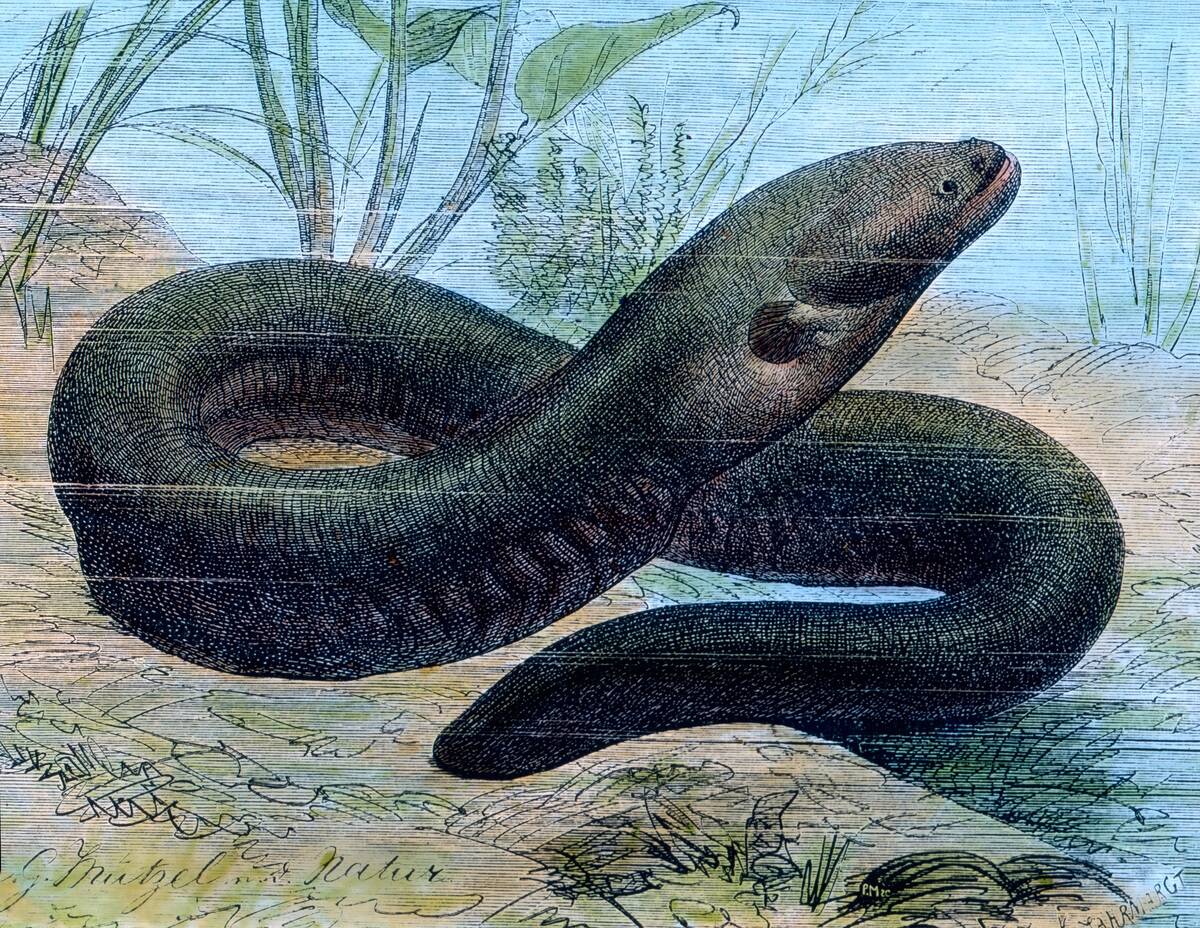
Electric eels have specialized cells called electrocytes that work like tiny batteries. When these cells are triggered, they create a sudden voltage difference, resulting in an electric shock.
The eel’s body is lined with thousands of these electrocytes, arranged in series to amplify the voltage. This biological circuitry allows electric eels to generate their powerful electric discharges, making them unique among aquatic predators.
Electric Rays: The Underwater Ambush Experts
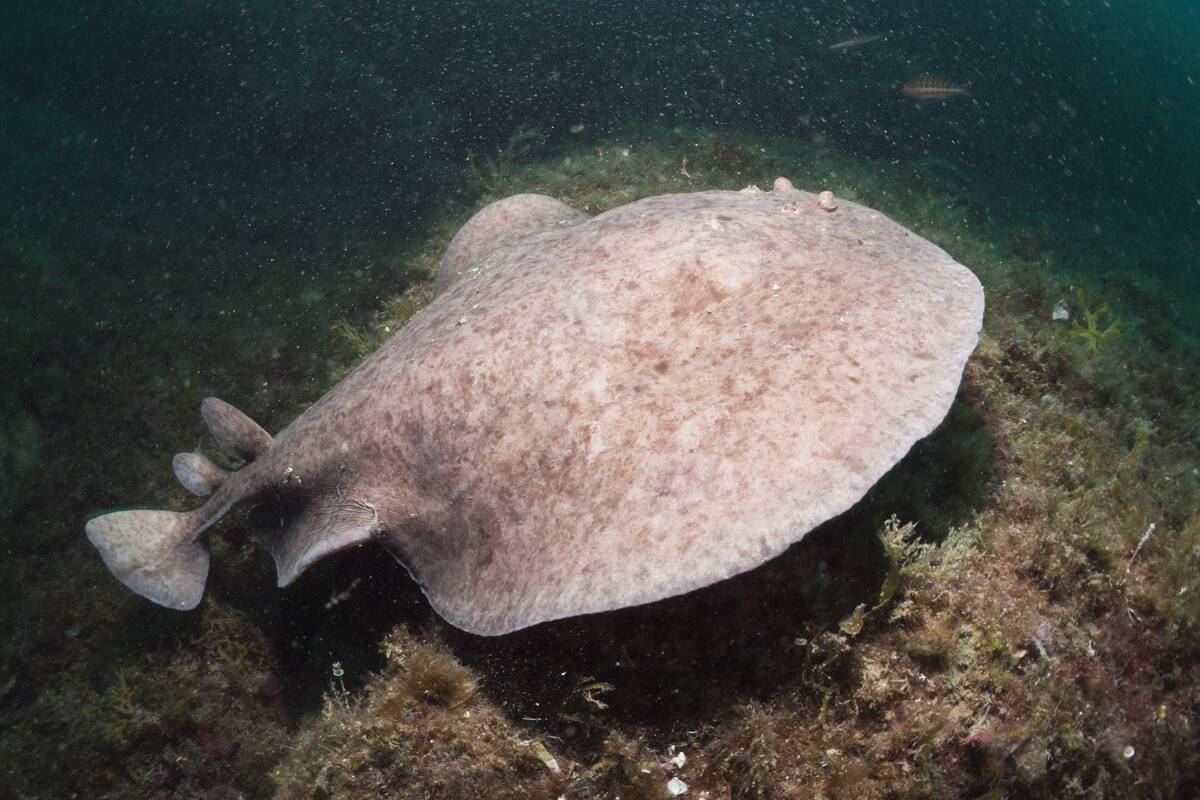
Electric rays, often found in coastal and deep waters, are masters of the ambush. With their flat, disc-shaped bodies, they lie camouflaged on the ocean floor, waiting for unsuspecting prey.
These rays can deliver a strong electric shock to stun and immobilize their targets. Their ability to generate electricity makes them both daunting predators and fascinating subjects for marine biologists.
How Electric Rays Use Electricity to Stun Prey
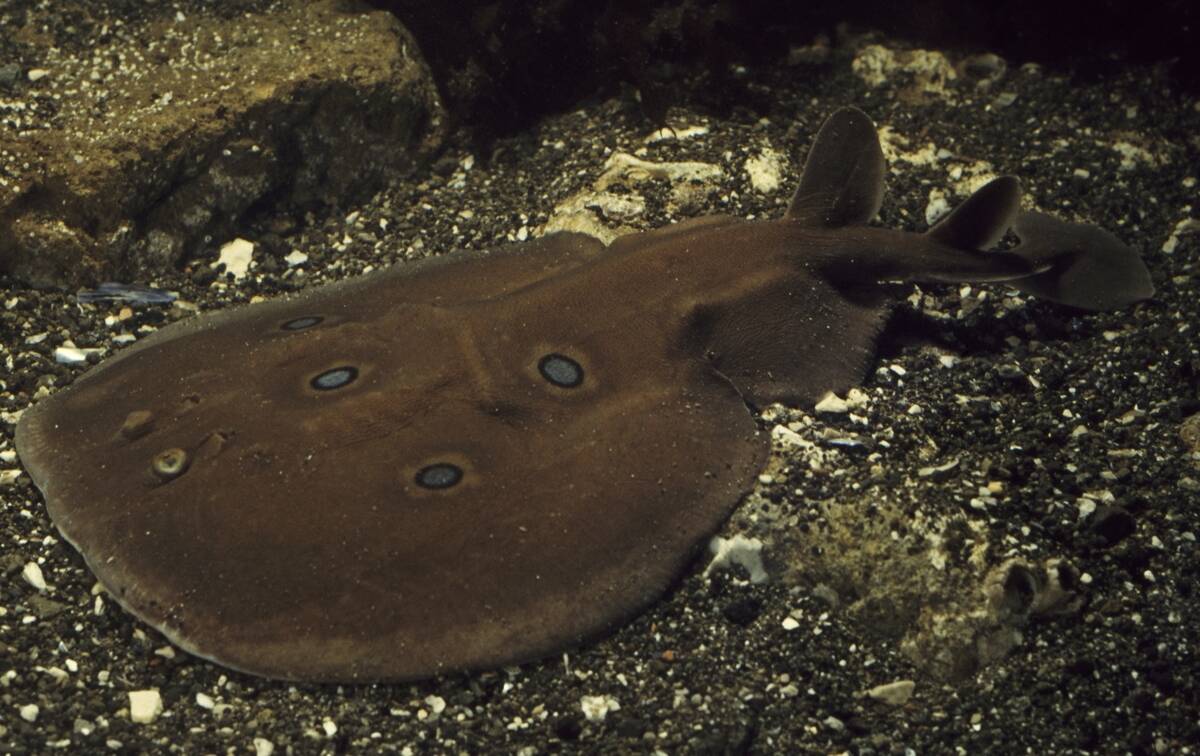
Electric rays have large, kidney-shaped electric organs on either side of their heads. These organs are made up of electrocytes and can produce a powerful electric discharge. When prey comes close, they unleash this shock to incapacitate it.
This adaptation is not only useful for hunting but also serves as a defense mechanism against potential threats, showcasing the dual utility of their electric capabilities.
The Lesser-Known Electric Catfish: Africa’s Shocking Fisherman
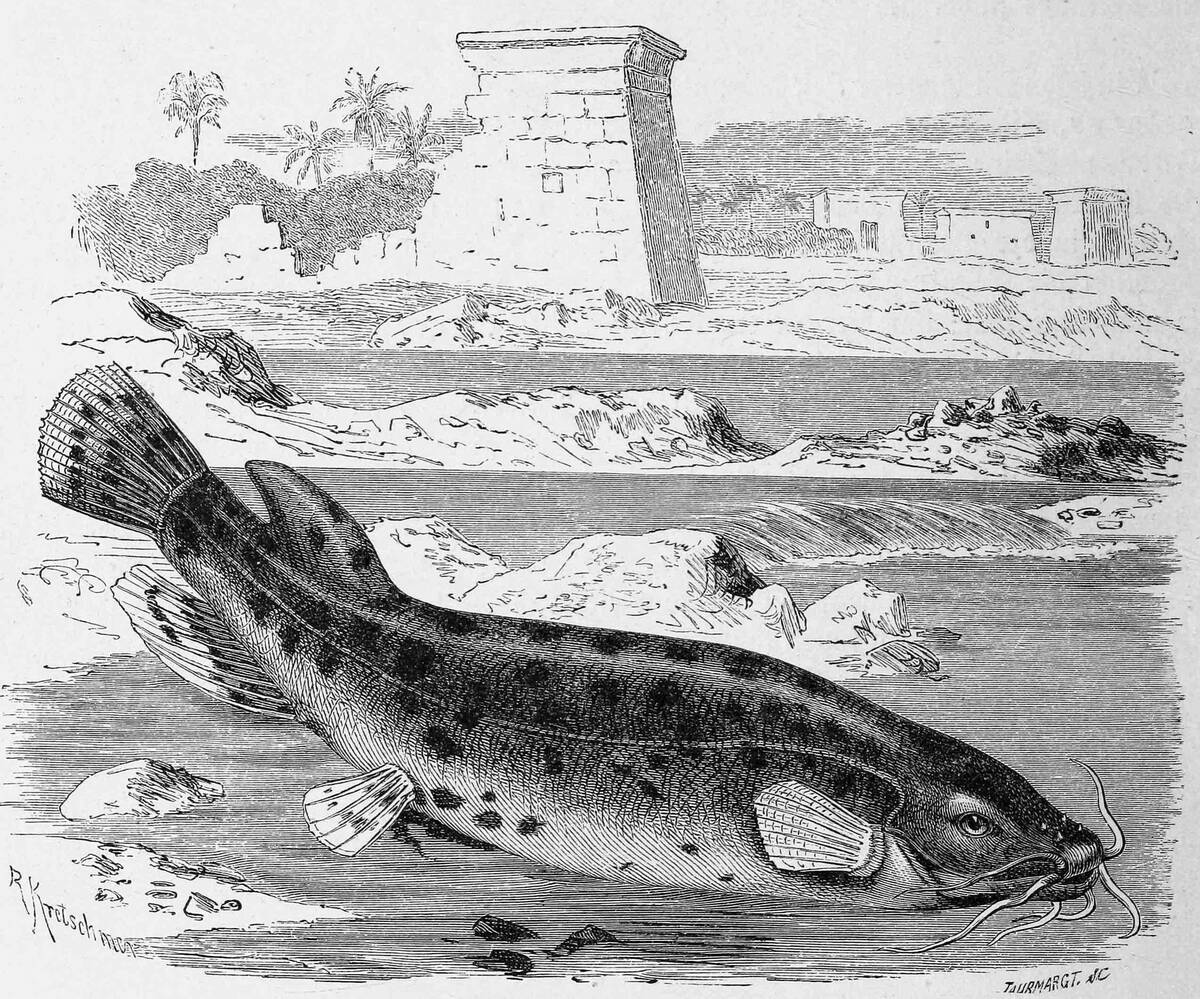
The electric catfish, found in the freshwater rivers of Africa, is a lesser-known yet fascinating predator. These catfish can generate up to 350 volts of electricity, which they use to stun prey.
Unlike electric eels, they aren’t as aggressive but have been known to use their shocks defensively. Their ability to generate electricity with such efficiency makes them an intriguing subject of study in the world of aquatic wildlife.
Electric Catfish Hunting Techniques and Their Electric Organs
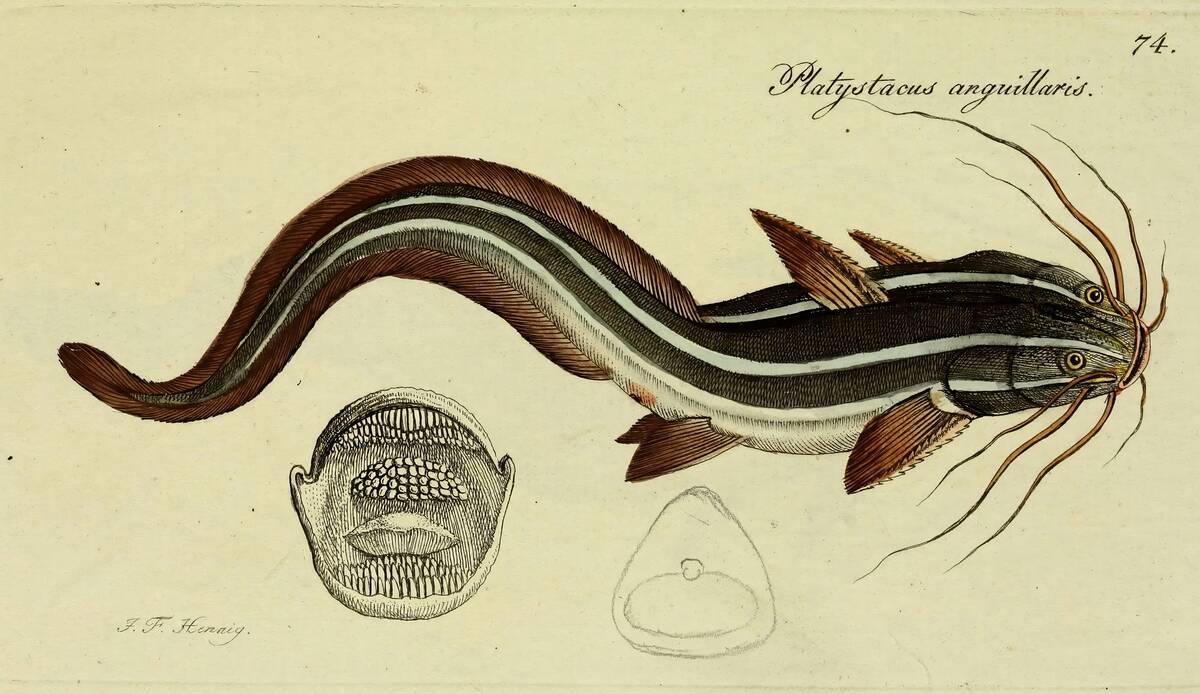
Electric catfish possess a unique set of electric organs that run along the length of their bodies. These organs are composed of specialized cells that can quickly discharge electricity. While they use this electricity primarily for defense, they’re also skilled hunters.
By delivering a shock, they can disorient prey, making it easier to capture. This method not only aids in hunting but also ensures they remain safe from predators.
The Mysterious Stargazer Fish and Its Electric Lure
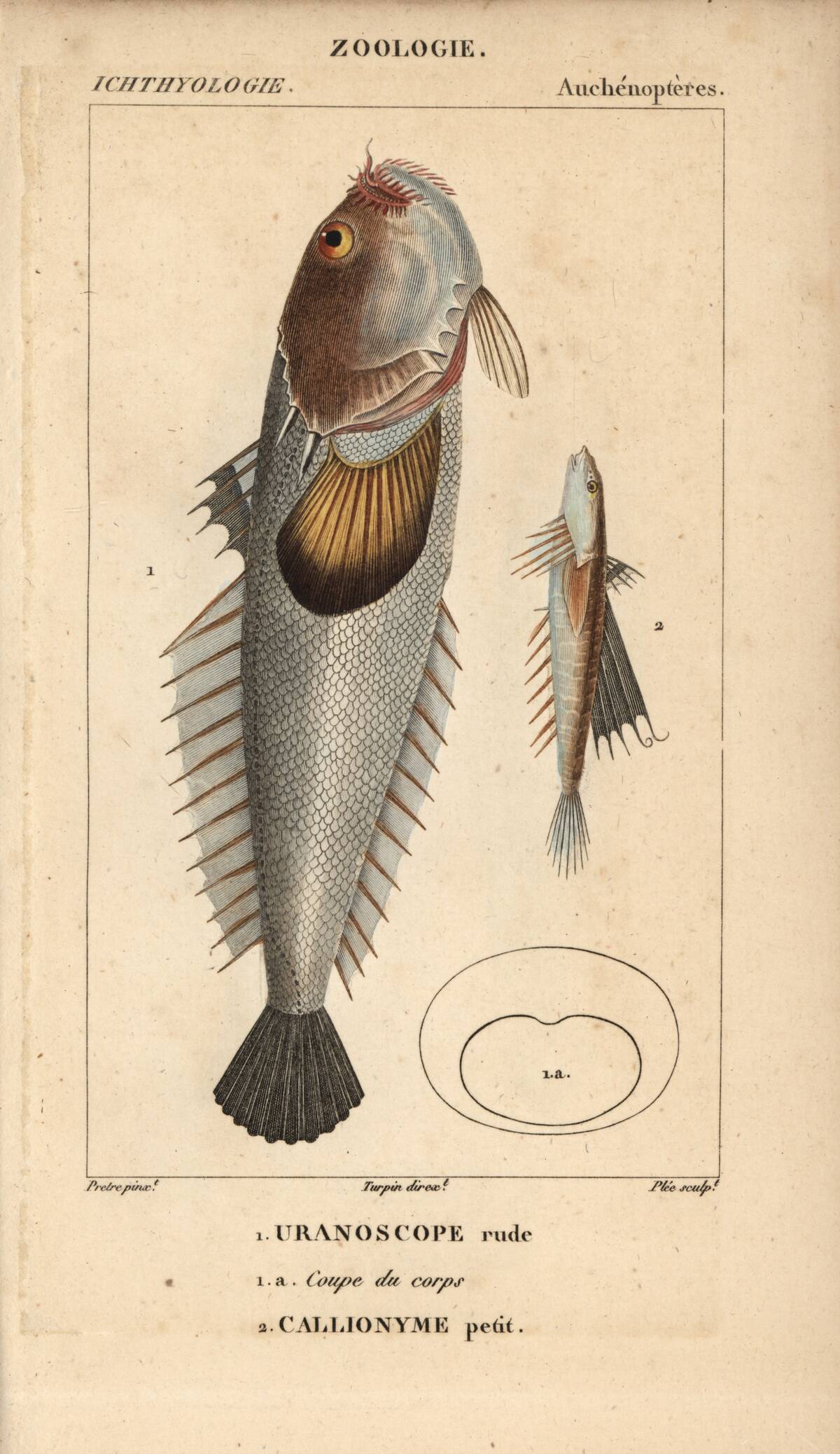
The stargazer fish, a peculiar predator, has a unique way of using electricity to lure in prey. Found in shallow waters, it buries itself in sand, with only its eyes visible.
The fish is equipped with electric organs located behind its eyes, which it uses to deliver shocks. This capability, combined with its camouflaging behavior, makes it a mysterious and effective hunter in the marine world.
The Electric Knifefish: A South American River Predator
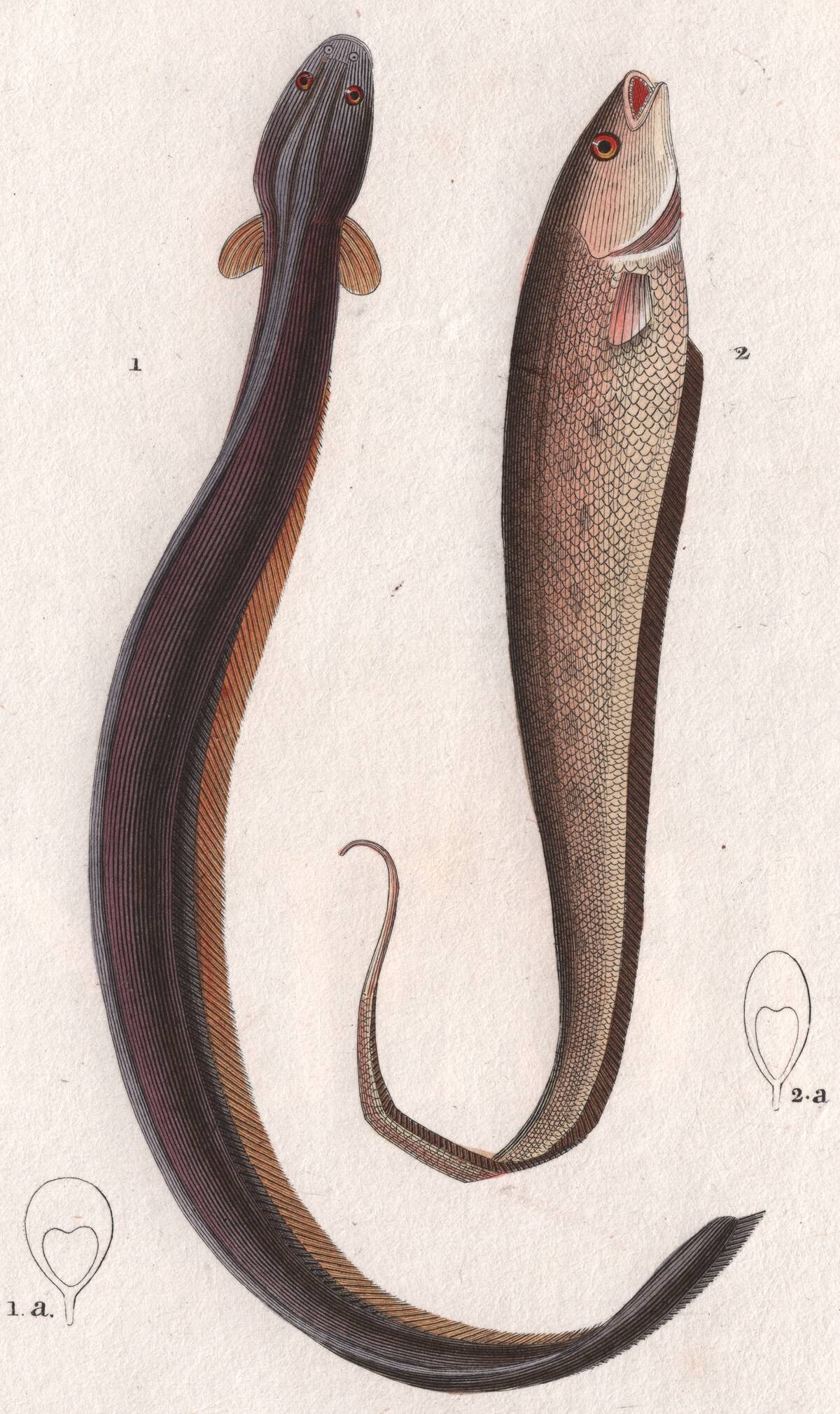
Electric knifefish, native to South American rivers, are nocturnal predators known for their slender, knife-like bodies. These fish generate electric fields to navigate and hunt in the dark, murky waters.
Unlike their high-voltage relatives, they use weak electric fields for communication and locating prey. This makes them fascinating subjects for understanding the diversity of electric field usage in aquatic environments.
The Surprising Use of Electricity by Sharks: Ampullae of Lorenzini
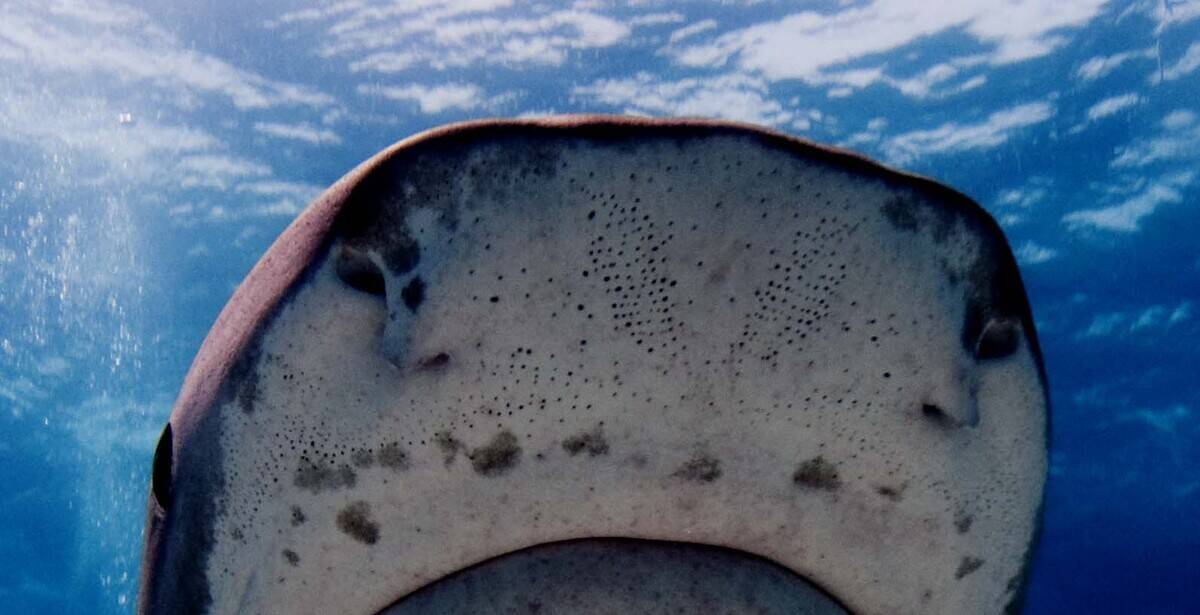
Sharks, known for their fearsome reputation, also have a surprising electrical sense. They possess specialized sensory organs called ampullae of Lorenzini.
These jelly-filled pores are located on their snouts and help them detect electric fields produced by other animals. This capability allows sharks to locate hidden prey, even in complete darkness, showcasing the versatility of electric field detection in the animal kingdom.
How Sharks Detect Electric Fields to Locate Prey

Sharks use their ampullae of Lorenzini to pick up on the weak electric fields generated by the muscle contractions and heartbeats of nearby prey. This ability allows them to detect animals buried in sand or obscured by murky water.
It’s an essential hunting tool, providing sharks with a significant advantage in the vast and often challenging marine environment. This sophisticated sensory system is a testament to the evolutionary success of sharks.
Fascinating Facts About Electric Field Detection in Marine Life
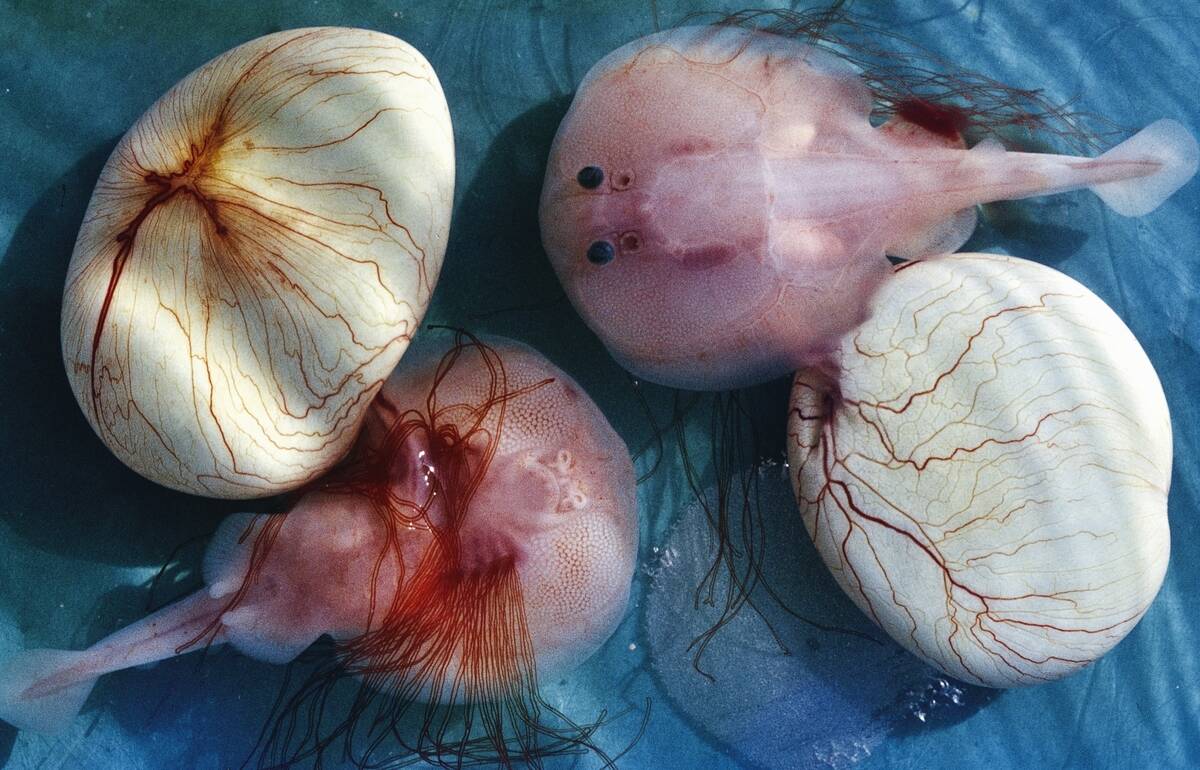
Electric field detection is not limited to predators; many marine species possess this ability. For example, some fish use electric fields for communication and mating rituals. Others, like certain species of rays and skates, use it to sense changes in water currents.
This widespread adaptation underscores its importance in the marine environment, where visibility is often limited, making electroreception a vital sensory tool.