10 photos of deserts that bloom after rare rains

Trending Now
Have you ever heard of the miraculous blooming deserts? It’s an awe-inspiring phenomenon where arid landscapes burst into vibrant carpets of flowers almost overnight.
This spectacle transforms the barren terrains into colorful wonderlands, captivating all who witness it. Such events remind us of nature’s resilience and beauty, providing a stark contrast to the harsh conditions typically associated with deserts.
The Science Behind Desert Blooms
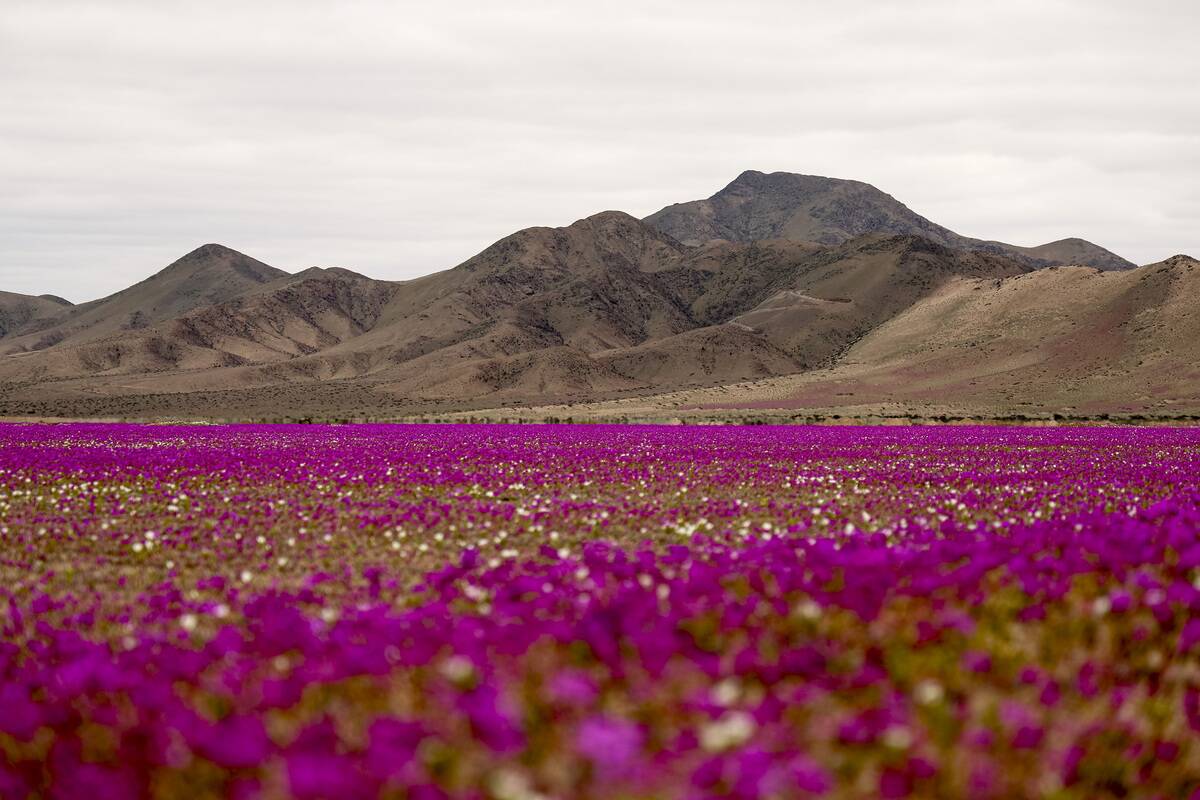
Desert blooms occur due to a combination of specific environmental triggers and plant adaptations. Seeds lie dormant in the soil, waiting for the perfect mix of rainfall and temperature to begin germination.
Once these conditions are met, plants rapidly grow, bloom, and seed, often completing their life cycle in just a few weeks. This quick response is a survival strategy in the unpredictable desert climate.
Deserts Known for Spectacular Flower Blooms
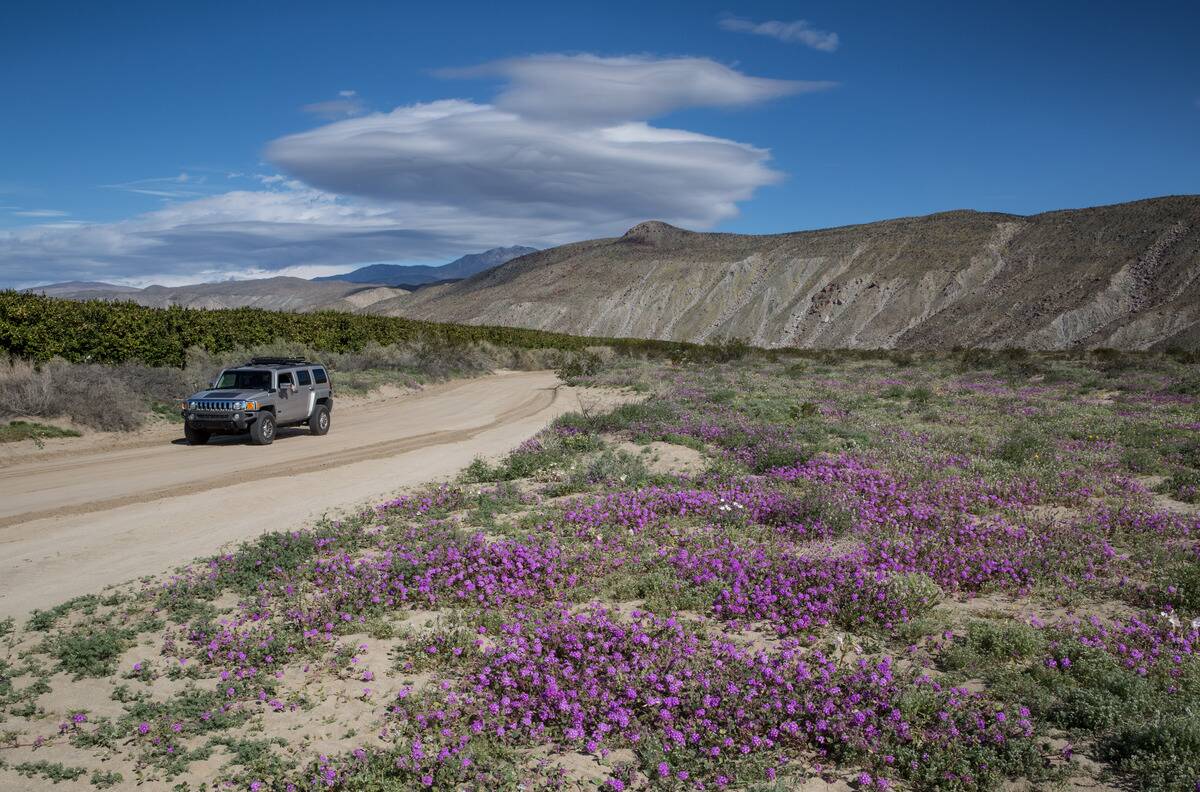
Some deserts are famous for their breathtaking floral displays. The Atacama Desert in Chile, often one of the driest places on Earth, can explode into a sea of color following rare rainfalls.
Similarly, California’s Anza-Borrego Desert State Park is renowned for its springtime wildflower displays, attracting visitors from all over the world seeking to witness this natural marvel.
The Role of Rain in Triggering Desert Blooms
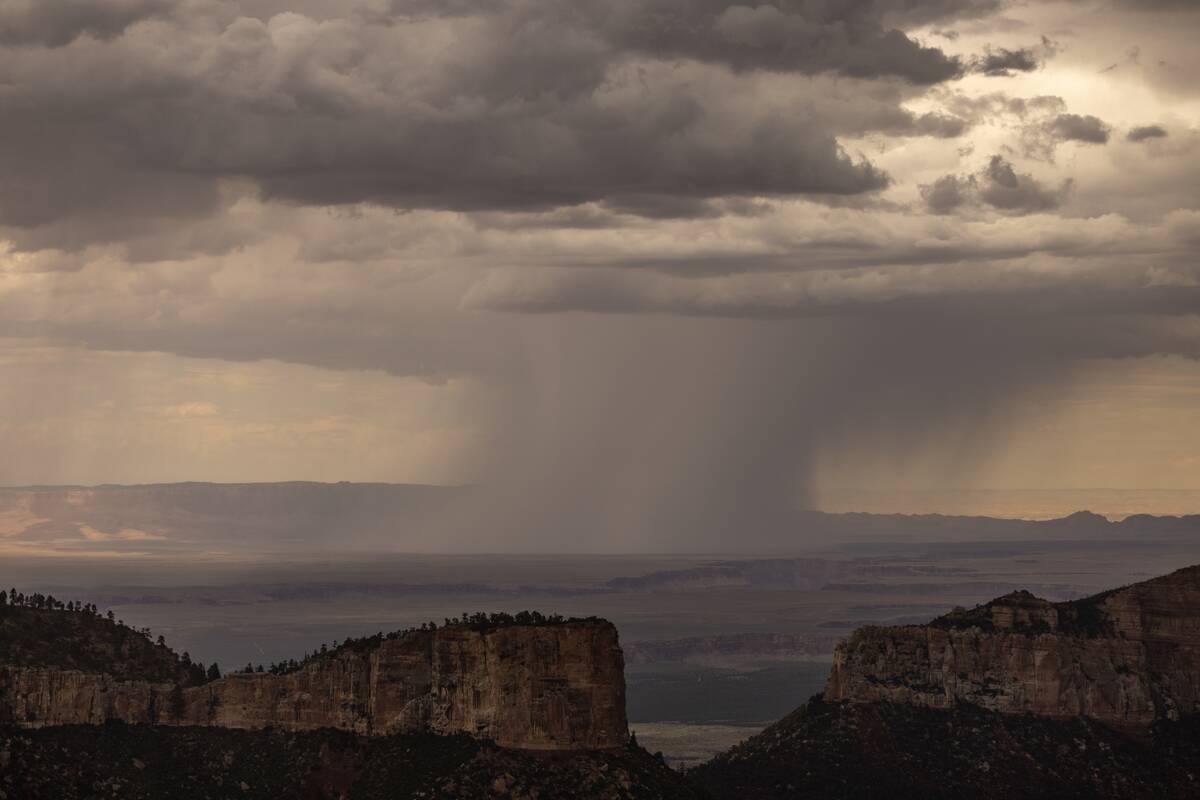
Rain is the crucial catalyst for desert blooms, providing the necessary water for dormant seeds to awaken. In deserts, rainfall is often unpredictable and can vary greatly from year to year.
When a significant amount of rain falls within a short period, it creates the perfect condition for seeds to germinate and mature rapidly, resulting in a spectacular floral display.
Timing: When Do Deserts Typically Bloom?
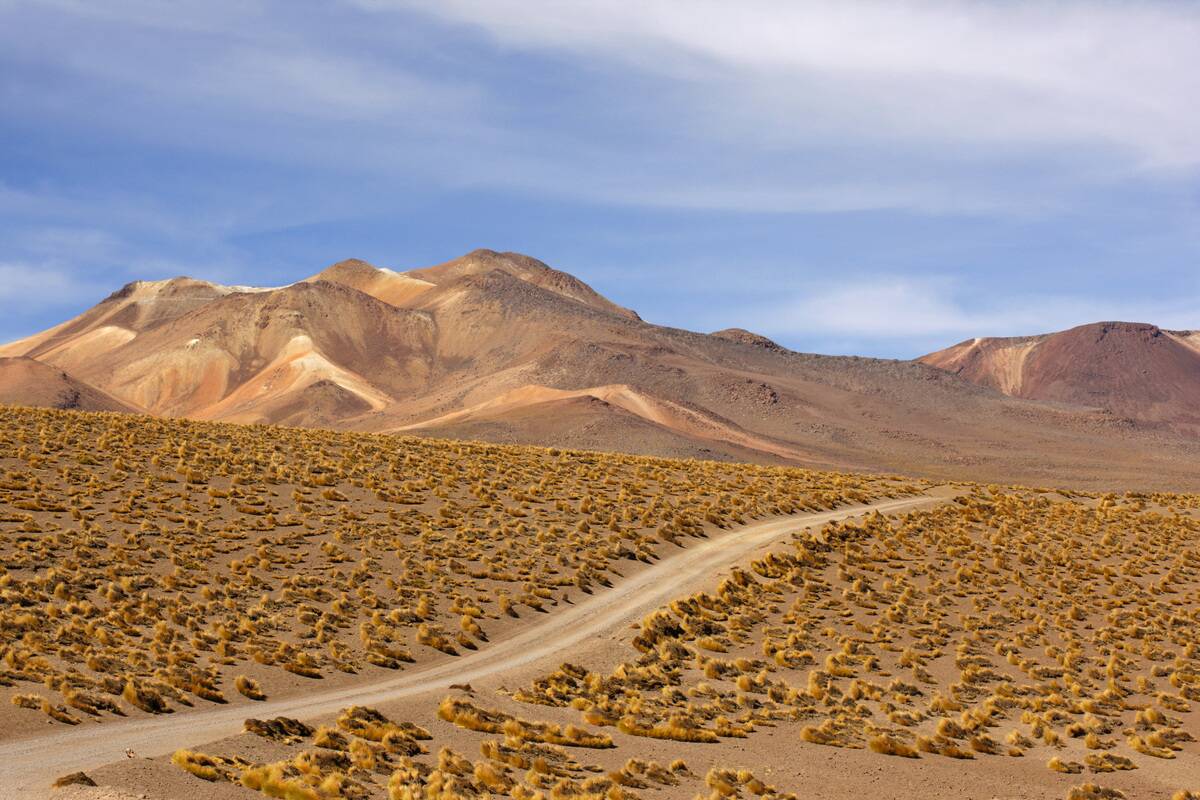
The timing of desert blooms can vary based on geographic location and climatic conditions. In the Northern Hemisphere, spring is the most common blooming period as temperatures rise and rainfall becomes more frequent.
However, some deserts may experience blooms in the fall, depending on seasonal rainfall patterns. These blooms are often fleeting, so catching them at the right moment is key.
The Super Bloom: A Rare Natural Event
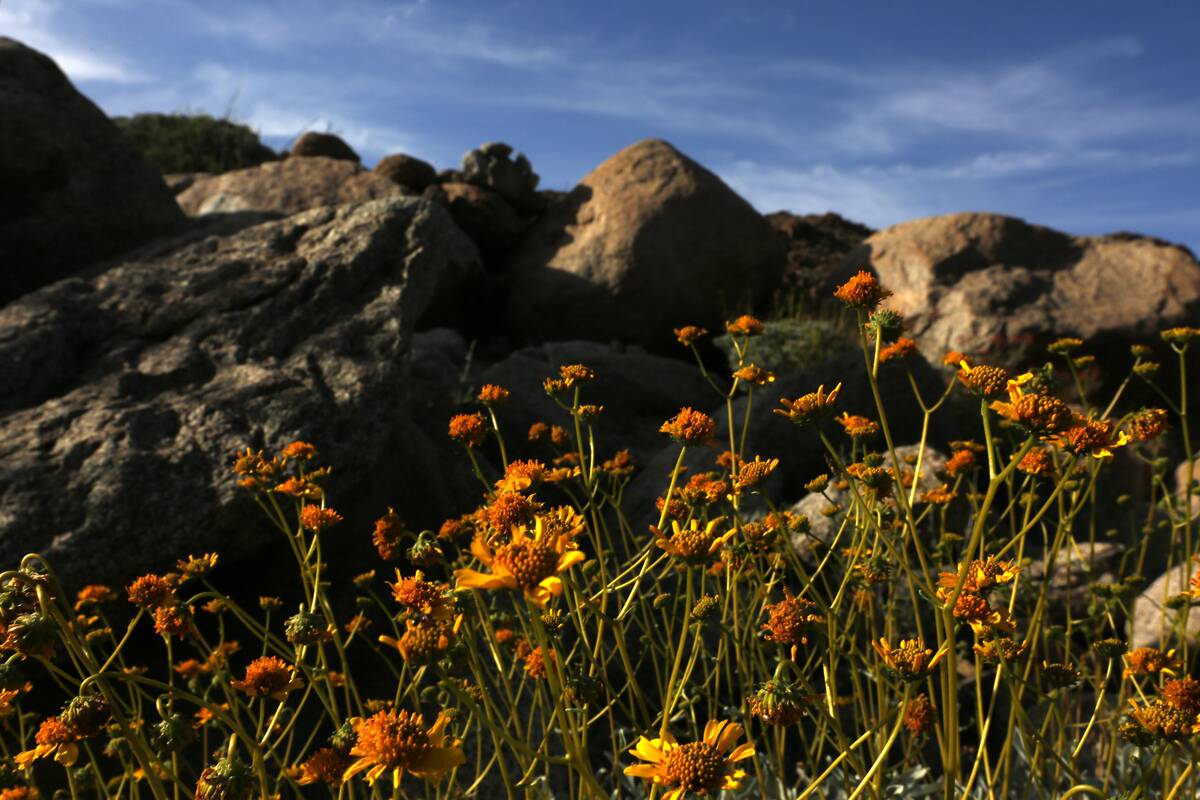
Super blooms are extraordinary, infrequent events where deserts experience an explosion of flowers far beyond the usual bloom.
These typically occur after an exceptionally wet rainy season, leading to an abundance of water available for plant growth. Super blooms are a feast for the senses, drawing large crowds eager to witness the unusually dense and colorful wildflower displays.
Types of Flowers Found in Blooming Deserts
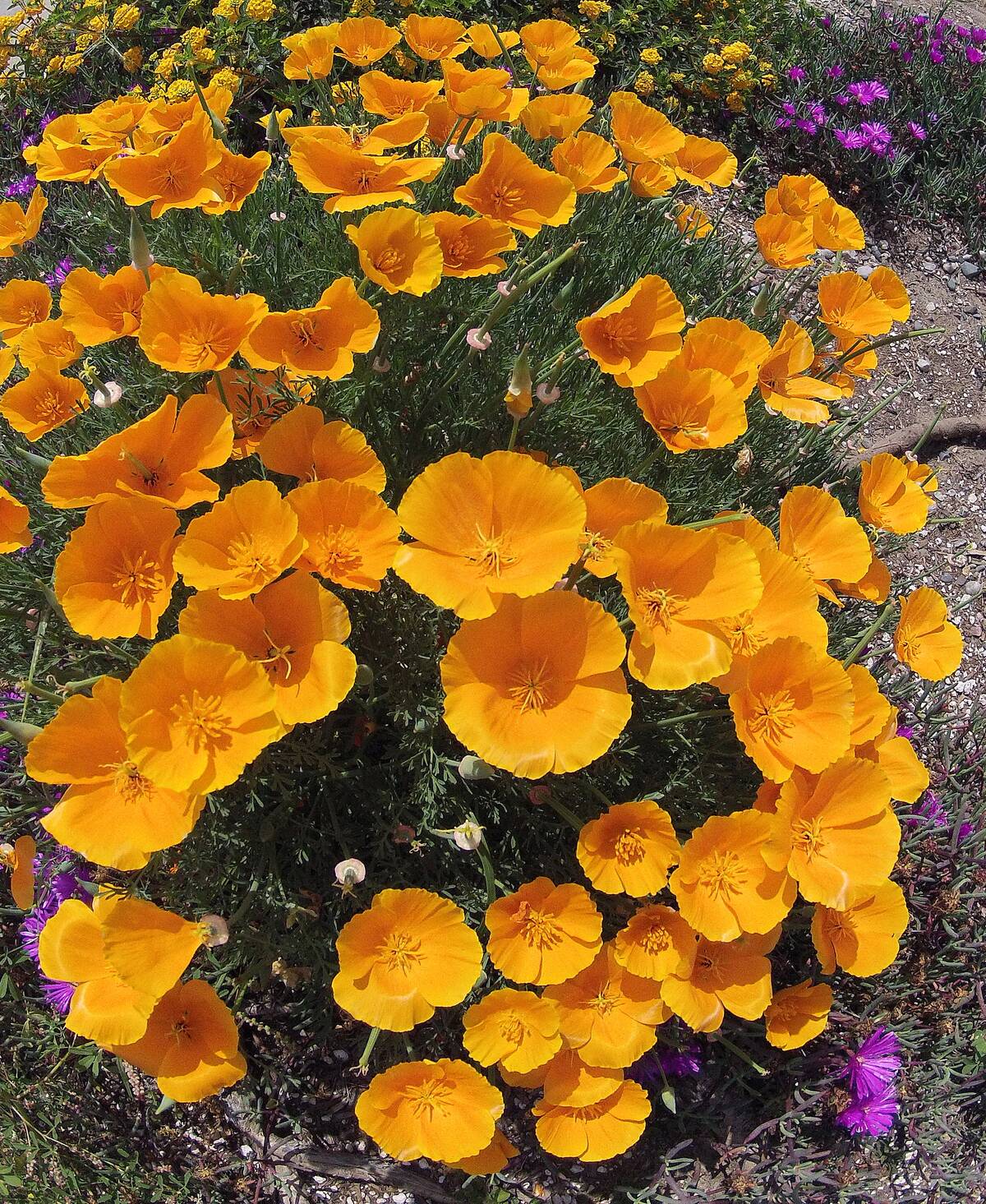
Desert blooms feature a diverse array of flowers, each adapted to thrive in arid conditions. In the Sonoran Desert, you’ll find the vibrant blooms of the California poppy and the delicate desert lily.
Meanwhile, in the Mojave Desert, the beavertail cactus boasts striking magenta flowers. These hardy plants have evolved to make the most of the short blooming season, showcasing nature’s ingenuity.
How Desert Blooms Support Local Wildlife
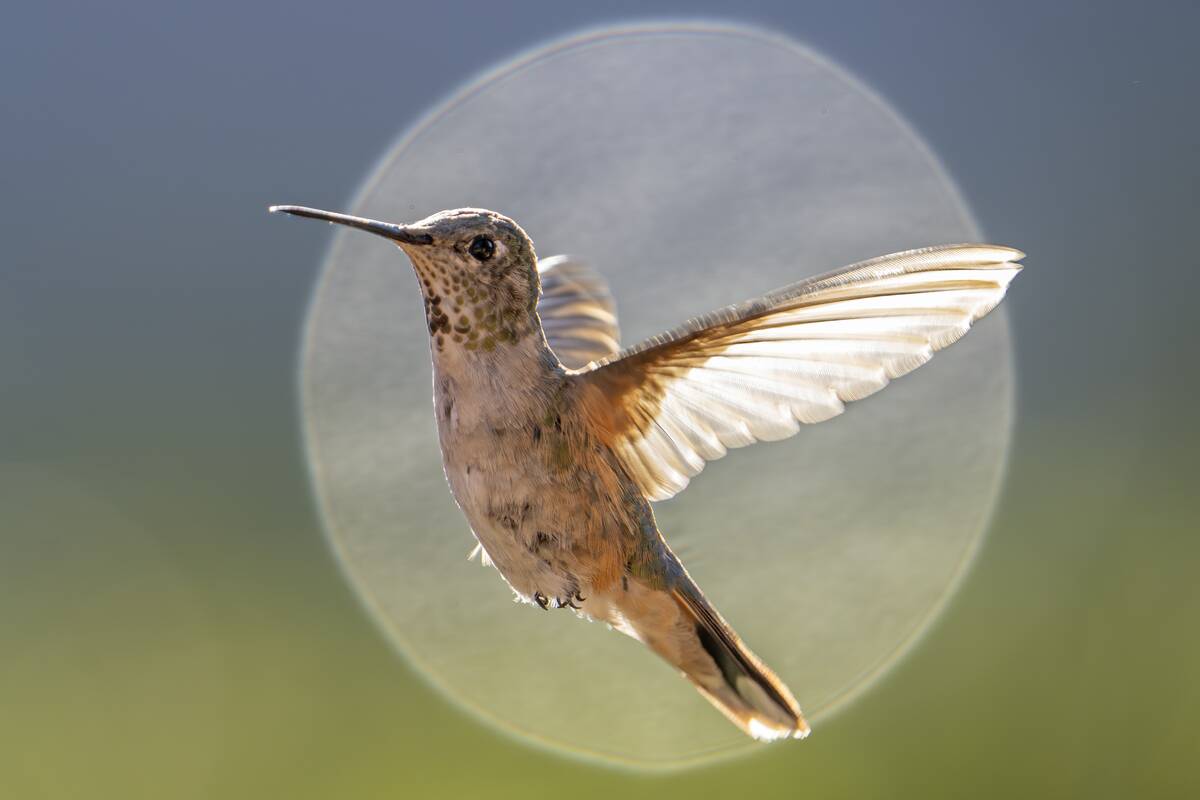
When deserts burst into bloom, they become a critical resource hub for local wildlife. Pollinators flock to the flowers, ensuring plant reproduction while gaining nourishment.
Similarly, herbivores, such as desert tortoises and jackrabbits, benefit from the sudden availability of fresh foliage. This surge in plant life temporarily boosts food supply, supporting the survival of various desert species.
Popular Destinations for Viewing Desert Blooms
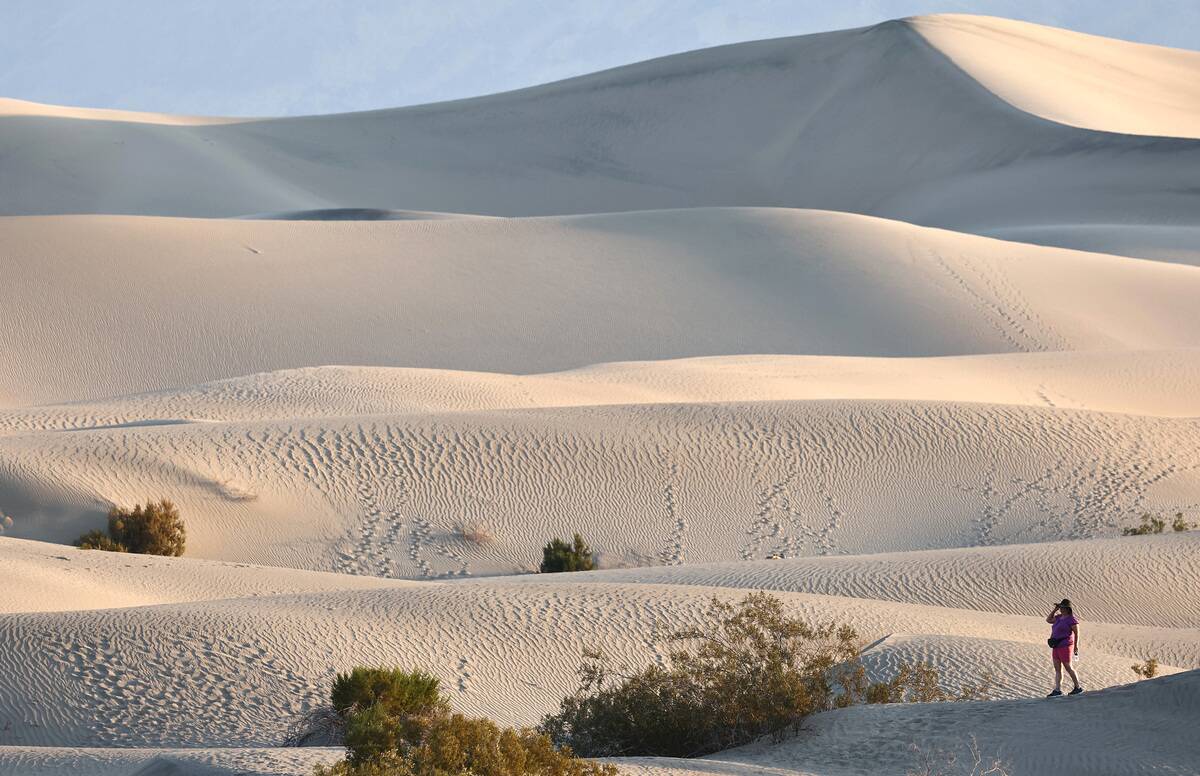
For those eager to witness the magic of desert blooms, certain destinations offer prime viewing opportunities. California’s Anza-Borrego Desert State Park and Arizona’s Sonoran Desert are popular spots in the United States.
Internationally, the Namaqualand in South Africa and the Negev Desert in Israel are known for their spectacular displays. These locations attract nature enthusiasts and photographers alike during bloom season.
Desert Blooms and Climate Change: What’s the Connection?
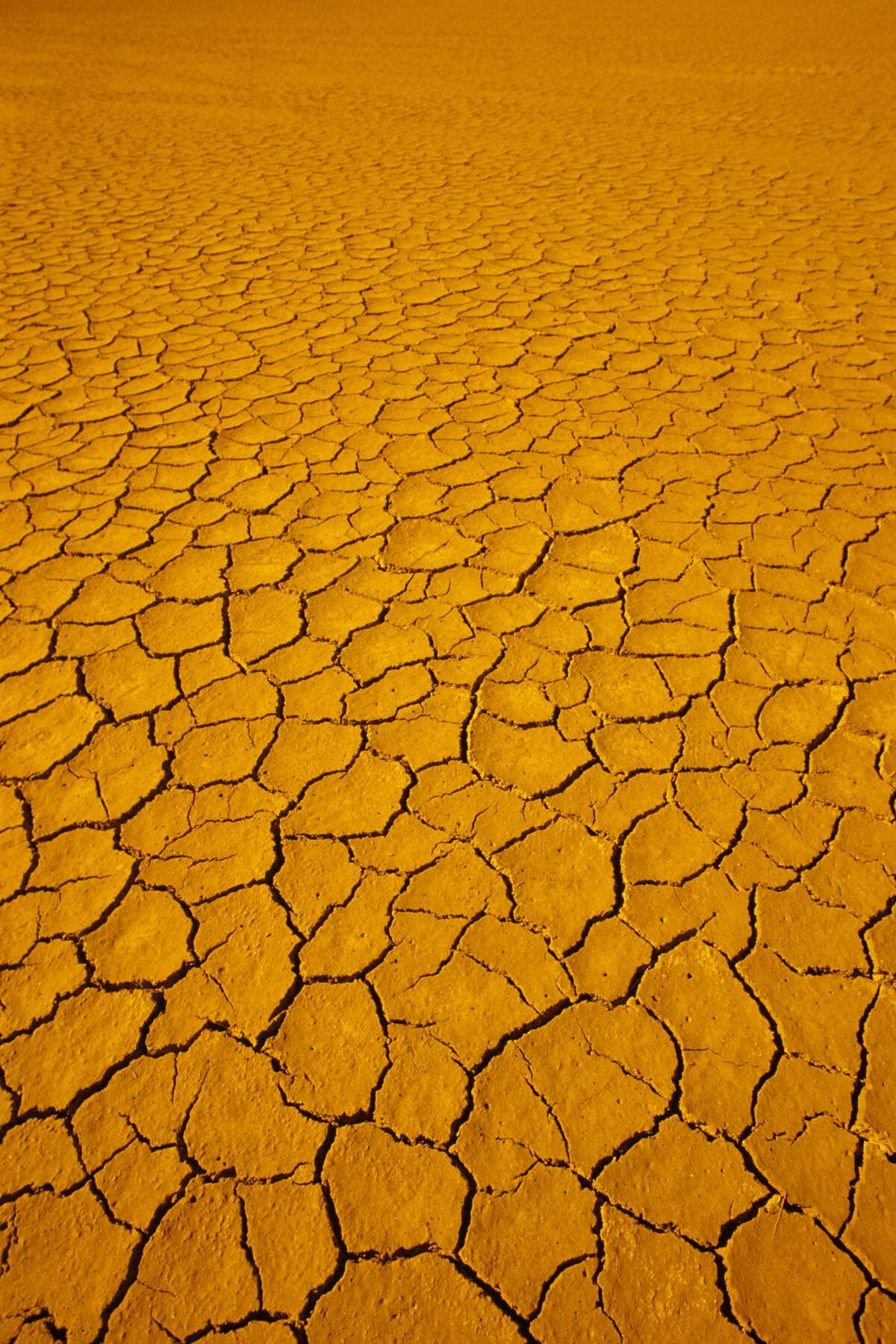
Climate change is impacting the frequency and intensity of desert blooms. Changes in rainfall patterns and temperature fluctuations can affect the conditions necessary for blooming. While some areas may experience more frequent blooms, others might see a decline, threatening the delicate balance of desert ecosystems. Understanding these changes is crucial for predicting future bloom occurrences and preserving these natural wonders.
Conservation Efforts to Protect Blooming Deserts
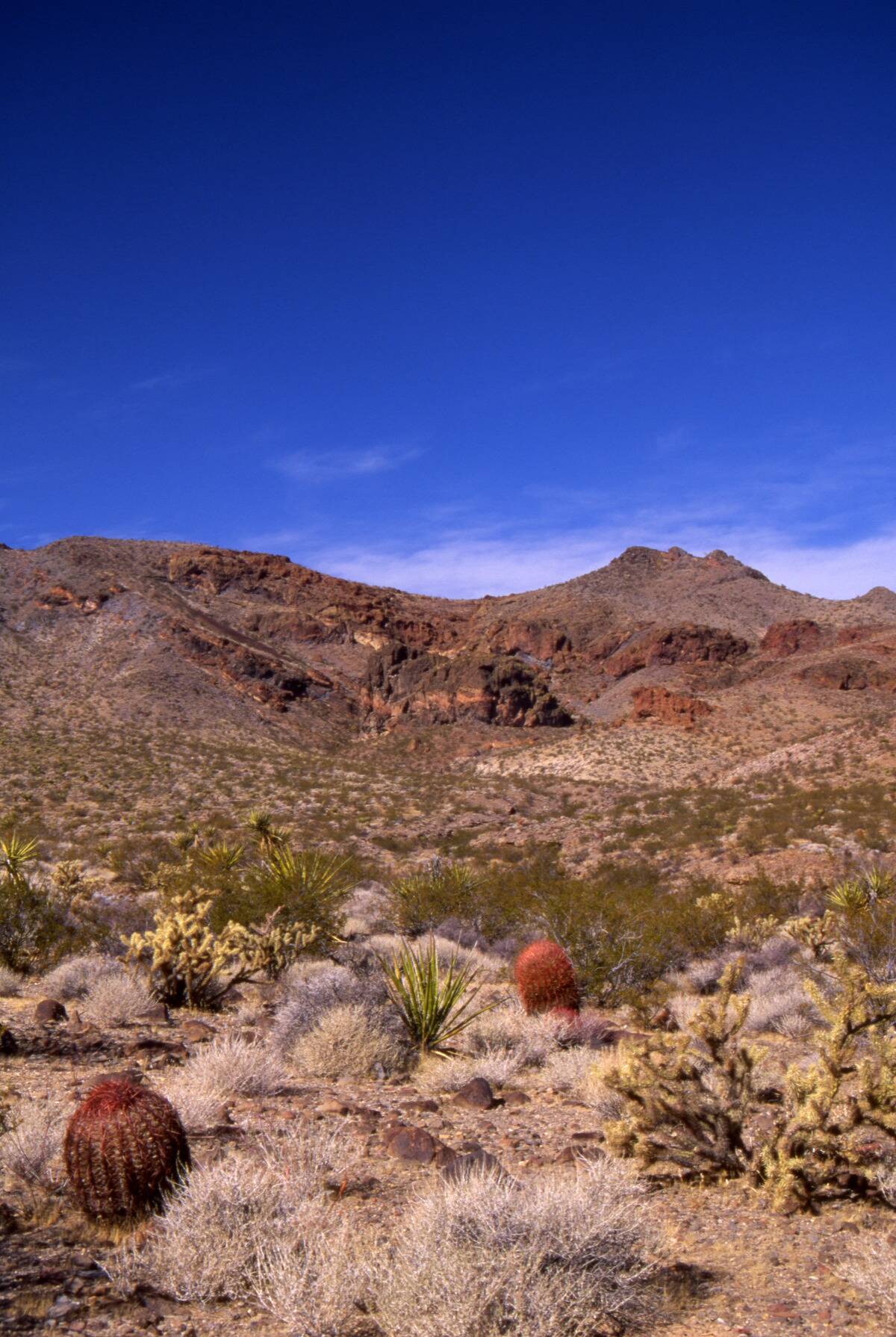
Conservation efforts are essential to protect blooming deserts and their ecosystems. Organizations and governments are working to preserve these fragile environments through measures like habitat restoration and limiting human interference during bloom seasons.
Public awareness and education are also key, emphasizing the importance of respecting and preserving these natural spectacles for future generations to enjoy.