Fungi that manipulate the minds of insects

Trending Now
Mind-controlling fungi might sound like the stuff of science fiction or horror movies, but they’re very real. These fascinating organisms possess the ability to manipulate the behavior of their host insects in ways that boggle the mind.
While the idea of a fungus taking over an insect’s brain might seem far-fetched, it is a well-documented phenomenon that continues to intrigue scientists and nature enthusiasts alike.
The Mysterious World of Fungi

Fungi are neither plants nor animals; they belong to their own unique kingdom. With over 144,000 known species, they play essential roles in ecosystems worldwide.
From decomposing organic matter to forming symbiotic relationships with plants, fungi are vital to maintaining ecological balance. However, some species have evolved extraordinary methods of survival, including the ability to control the minds of insects.
How Fungi Interact with Insects
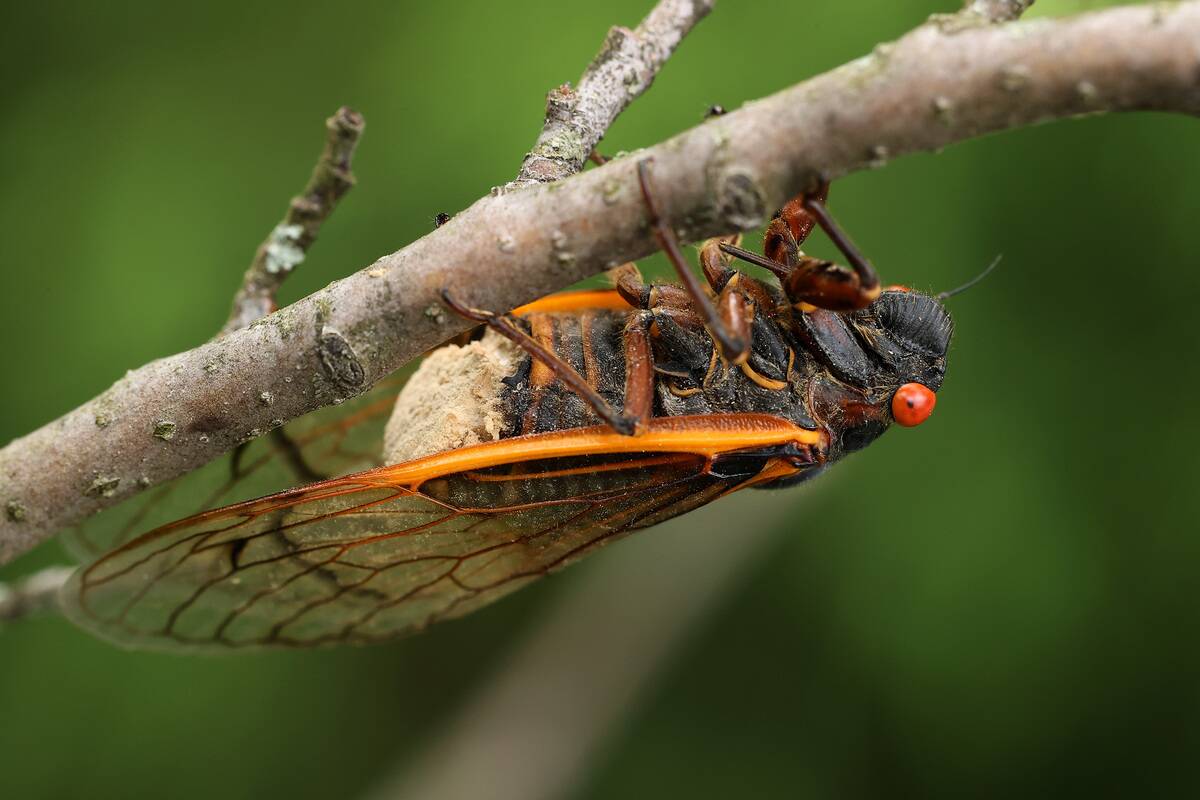
The relationship between fungi and insects is as ancient as it is complex. Fungi can infect insects through various means, often by spores that attach to the host.
Once inside, the fungus can begin to manipulate the insect’s behavior to suit its needs. This interaction is not one-sided; some insects have developed strategies to defend against fungal infections, leading to a fascinating evolutionary arms race.
The Famous Cordyceps Fungus
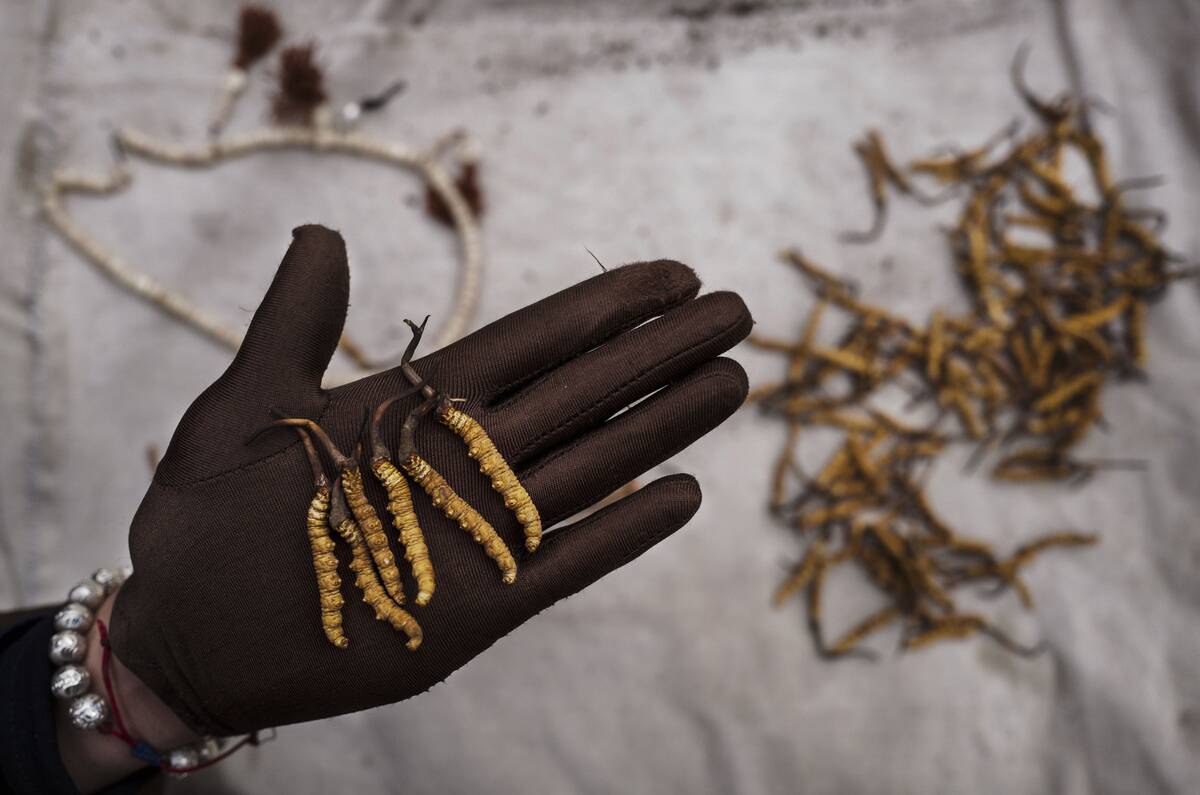
Cordyceps is perhaps the most famous genus of mind-controlling fungi. Found predominantly in humid forests, these fungi are known for their dramatic life cycle. They infect insects like ants and caterpillars, ultimately killing them to propagate their spores.
Cordyceps have also garnered attention for their potential medicinal properties, being used in traditional medicine for centuries, particularly in Asia.
A Look at Ophiocordyceps Unilateralis
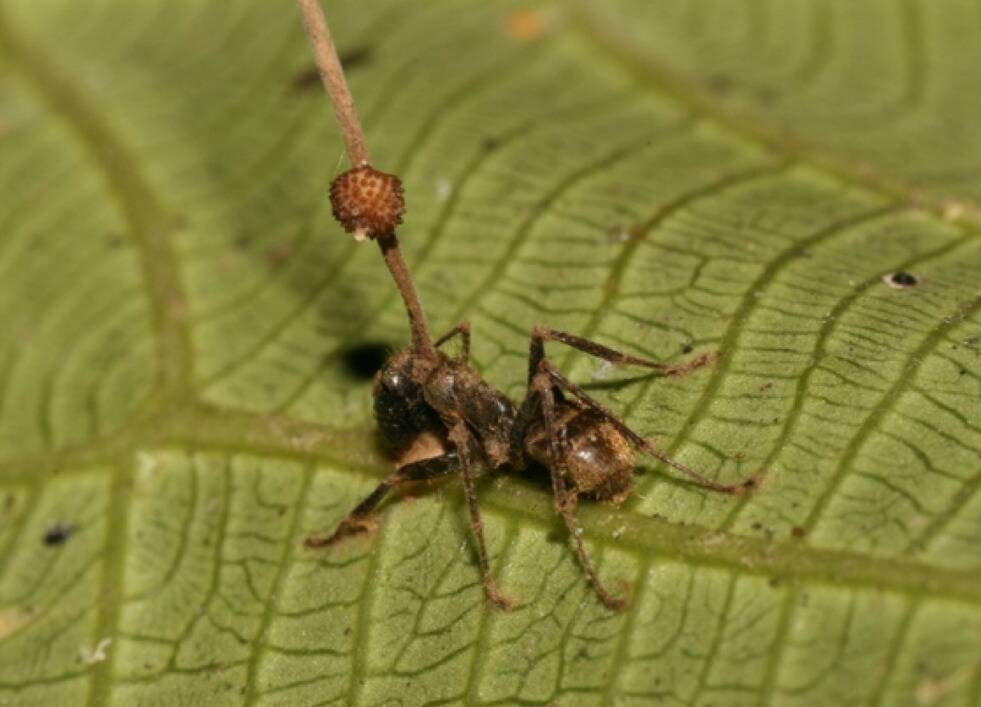
Ophiocordyceps unilateralis is a particular species of Cordyceps that targets ants, commonly known as “zombie ants.” This fungus infiltrates the ant’s body and manipulates it to leave the safety of its colony. The infected ant climbs vegetation and secures itself in a prime position for the fungus to release its spores, a process often referred to as the “death grip.”
The Zombie Ant Phenomenon
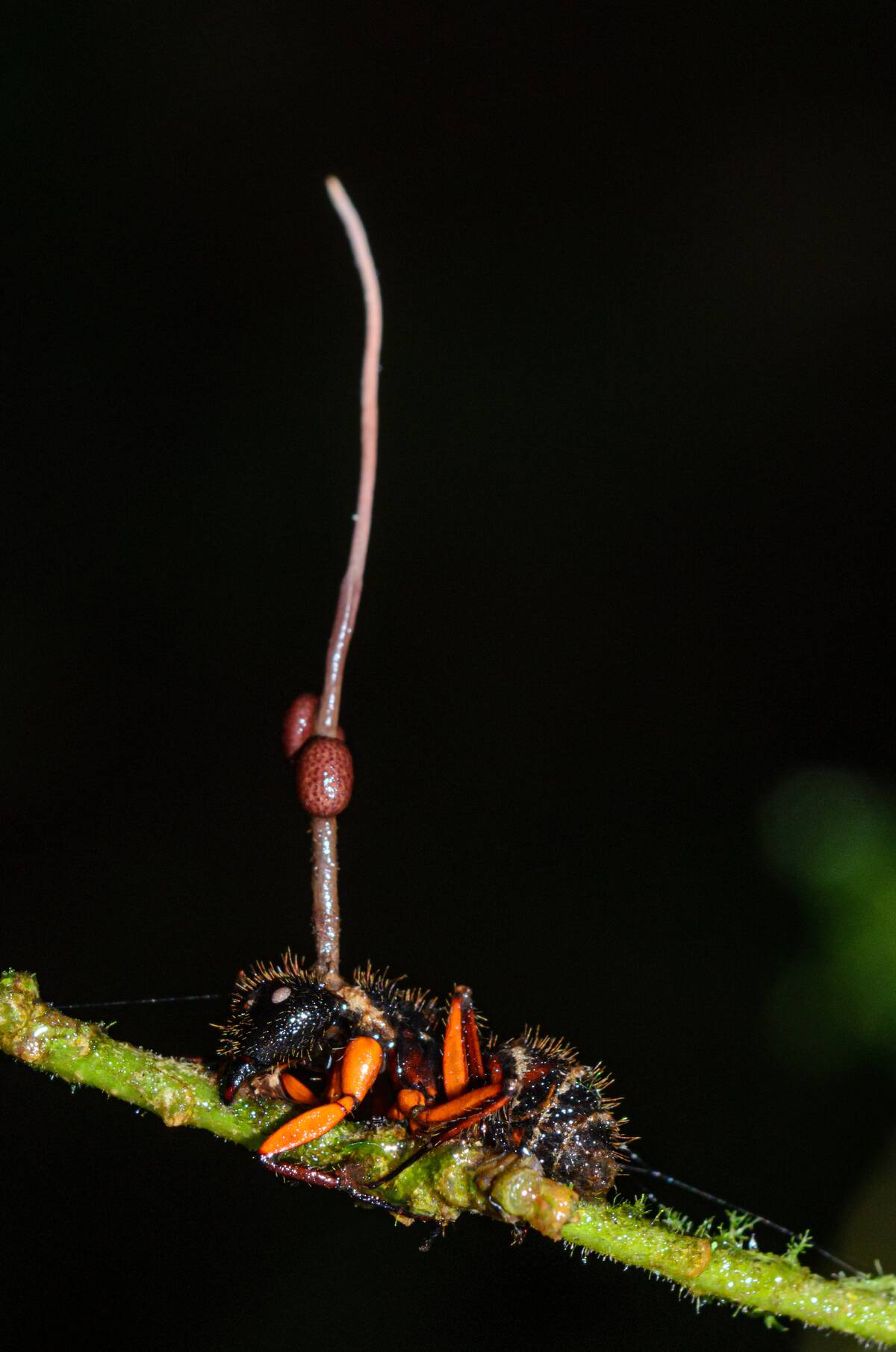
The term “zombie ant” describes the eerie transformation of ants infected by fungi like Ophiocordyceps unilateralis. These ants exhibit unnaturally altered behaviors, such as climbing to elevated areas and biting onto vegetation.
The fungus orchestrates this behavior to maximize the spread of its spores, ensuring new hosts are infected. This phenomenon has captured the imagination of scientists and storytellers alike, highlighting the intricate complexities of nature.
How Fungi Hijack Insect Brains
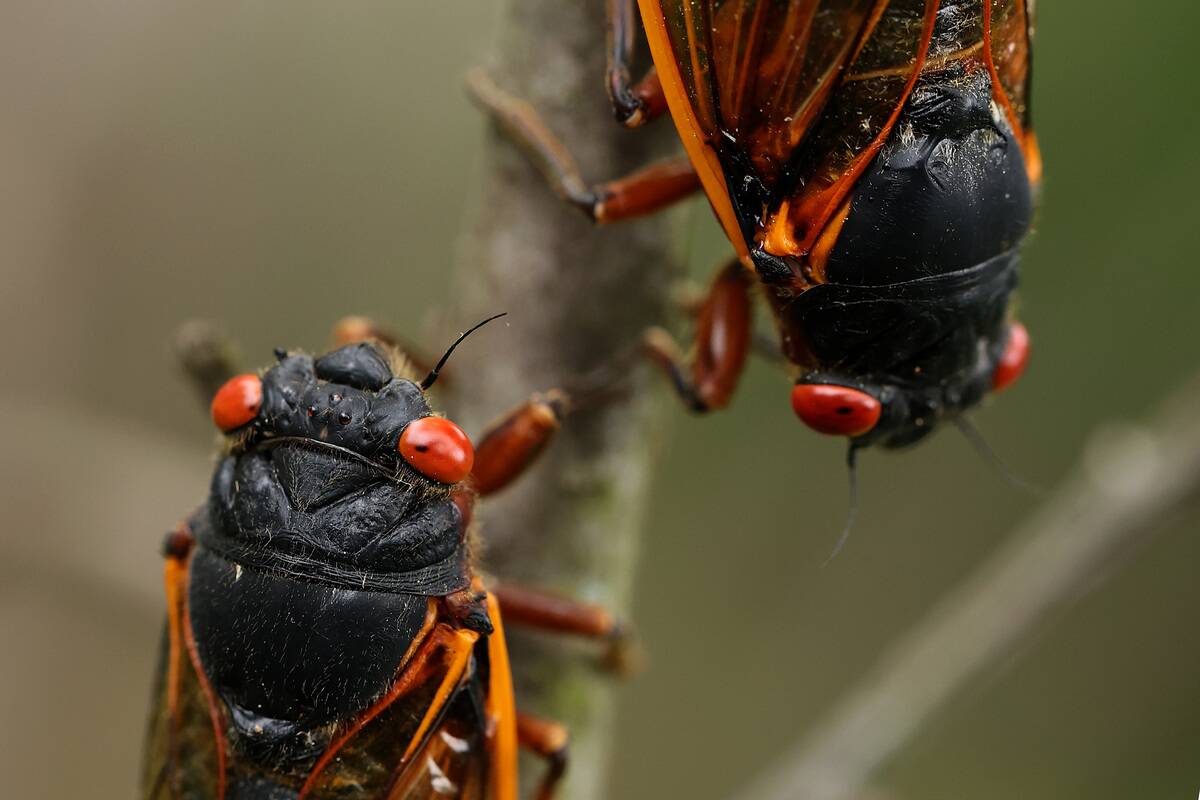
Fungi hijack insect behavior through a combination of chemical signals and physical growth within the host’s body. Once inside, the fungus releases compounds that affect the insect’s nervous system, altering its behavior.
Rather than directly invading the brain, some fungi spread throughout the body and influence muscle function and signaling pathways that ultimately affect behavior. This manipulation allows fungi to guide their hosts to environments conducive to spore dispersal, illustrating a remarkable example of nature’s ingenuity.
Fungi and Their Chemical Arsenal

Mind-controlling fungi use a complex arsenal of biochemical compounds to infect and manipulate their hosts. These include enzymes that break down the host’s outer defenses and metabolites that interfere with normal physiological processes.
Some compounds may influence the insect’s nervous system, altering the host’s behavior in ways that benefit the fungus. The complexity of these chemical interactions is a focal point for researchers, offering insights into potential applications in medicine and biological pest control.
Mind Control in Beetles and Wasps
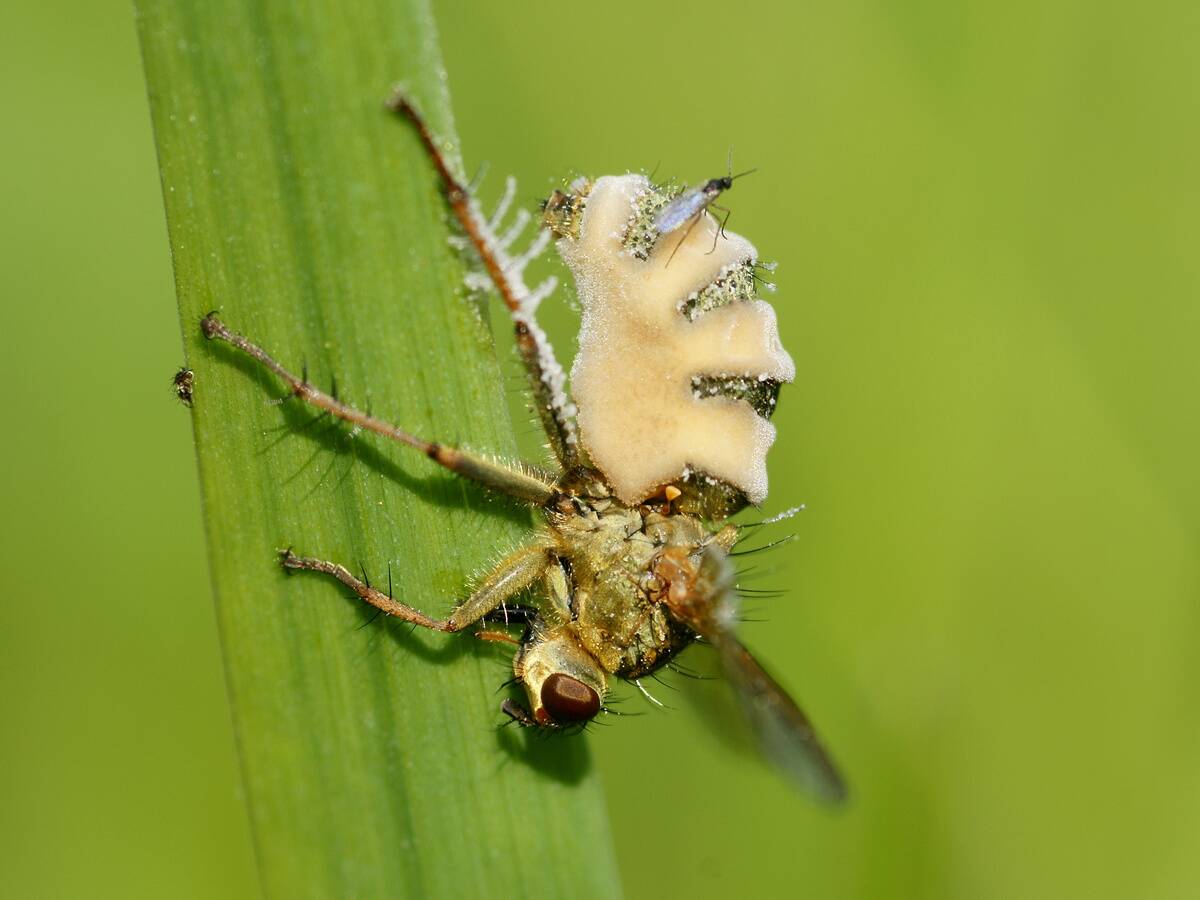
Beyond ants, some fungi have adapted to manipulate a variety of insects. For instance, certain Entomophthora species infect flies and occasionally beetles, causing them to exhibit unusual behaviors.
These fungi manipulate their hosts to climb to elevated positions before dying, ensuring optimal spore dispersal. Such strategies highlight the diverse methods fungi have evolved to control their insect hosts and spread their spores effectively.
The Role of Environment in Fungal Behavior
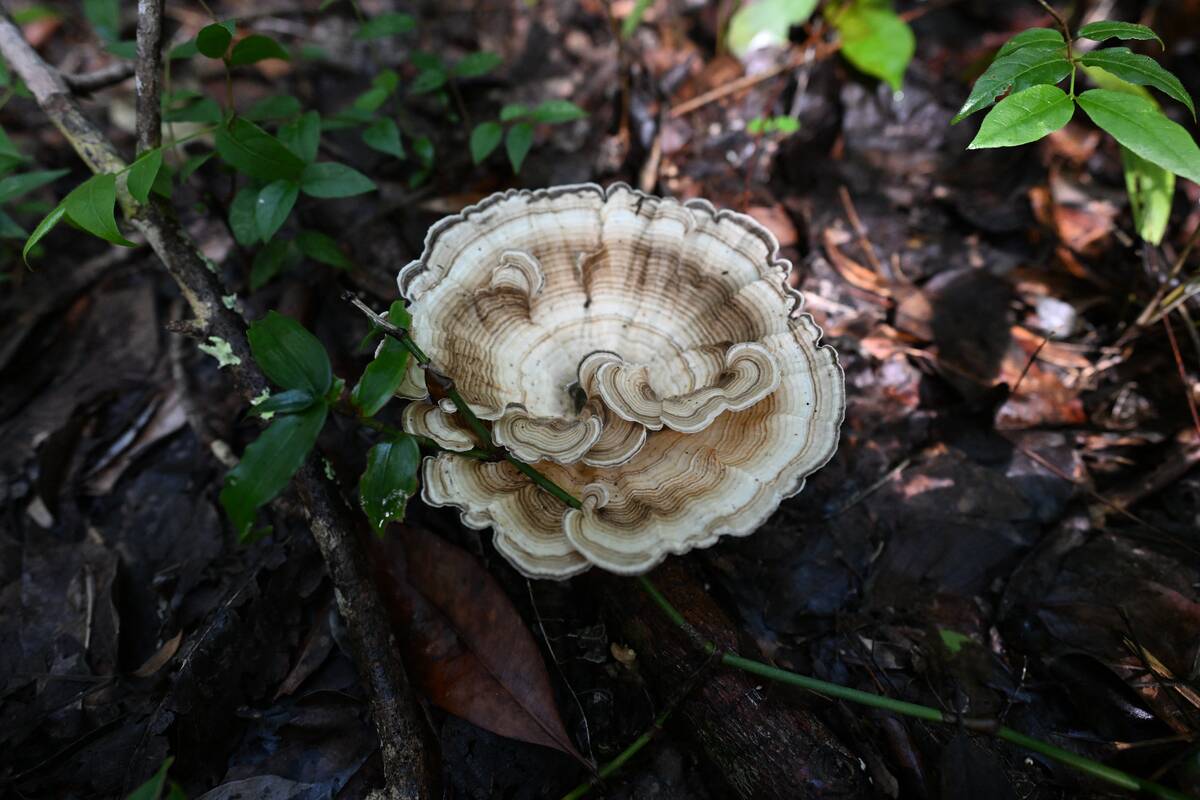
The environment plays a crucial role in the behavior of mind-controlling fungi. Factors such as temperature, humidity, and availability of suitable hosts can influence fungal growth and spore dispersal.
Some fungi are highly specialized, thriving only in specific ecological conditions. This reliance on environmental factors underscores the importance of habitat preservation in understanding and conserving these fascinating organisms.
How Insects Defend Against Fungal Invaders
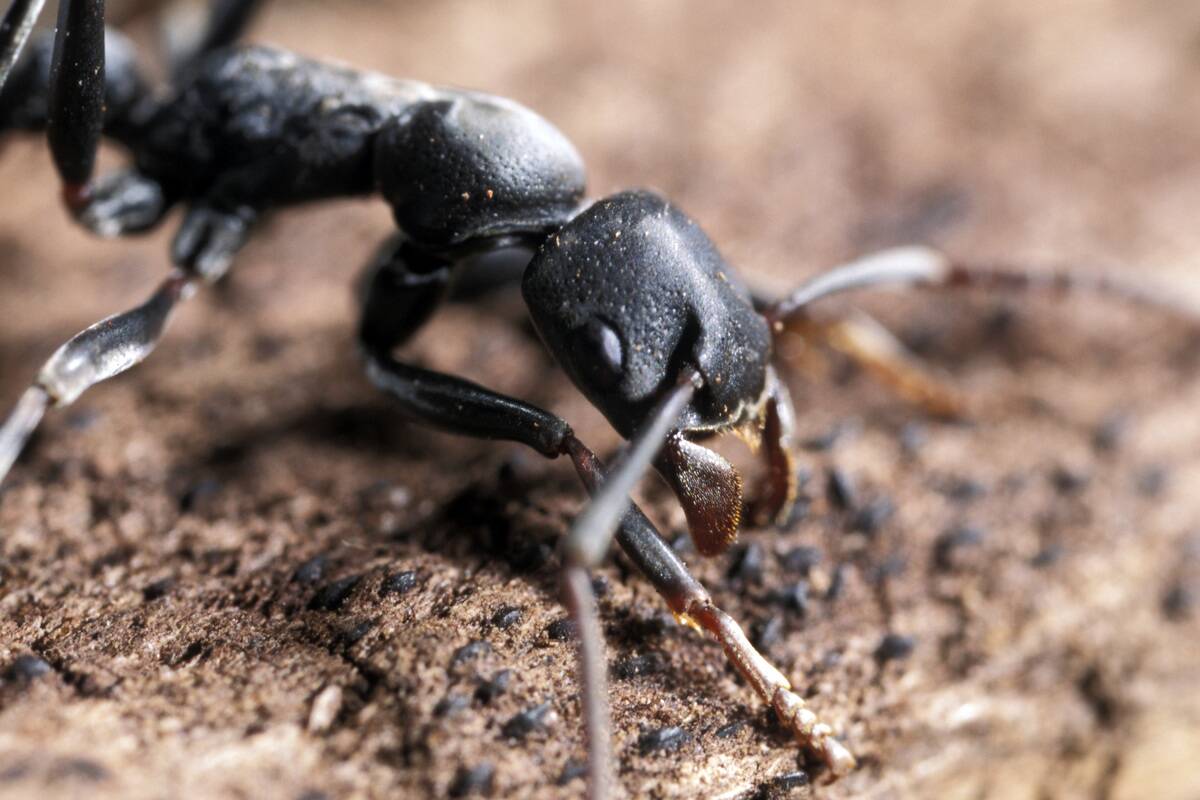
Insects are not defenseless against fungal invaders. Many have evolved strategies to detect and avoid fungal spores, such as grooming behaviors and immune responses. Some ants, for instance, use antifungal secretions to protect their colonies.
These defense mechanisms highlight the ongoing evolutionary arms race between fungi and their insect hosts, driving adaptations on both sides and contributing to the complexity of this interaction.
Real-Life Examples of Fungus-Insect Interactions
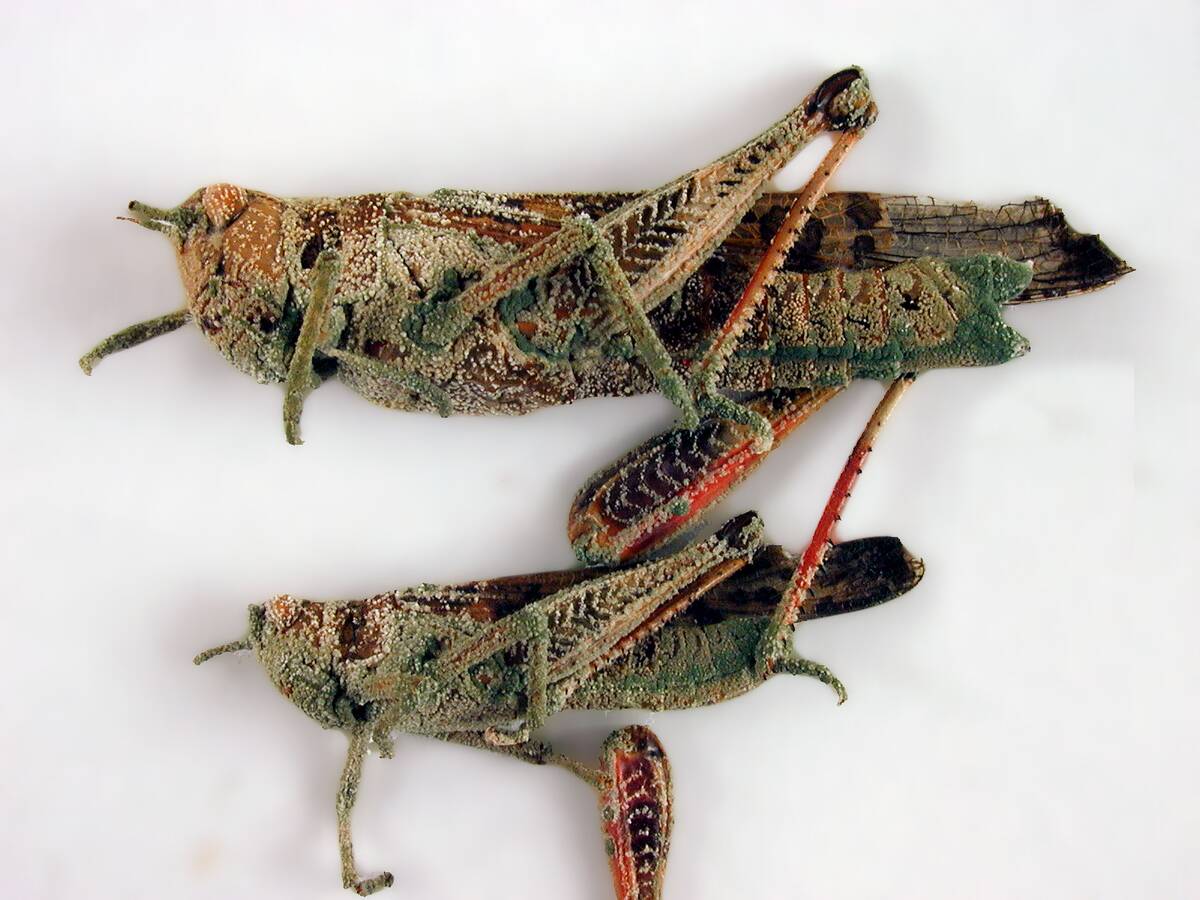
Real-life examples of fungus-insect interactions abound, offering a glimpse into nature’s complexity. The entomopathogenic fungus Metarhizium, for instance, targets a variety of insects, from locusts to termites.
These fungi paralyze and eventually kill their hosts, with spores erupting from the carcass to infect new victims. Such interactions illustrate the diverse strategies fungi employ to survive and thrive in ecosystems around the world.
Fungi in Popular Culture: From Documentaries to Horror Stories
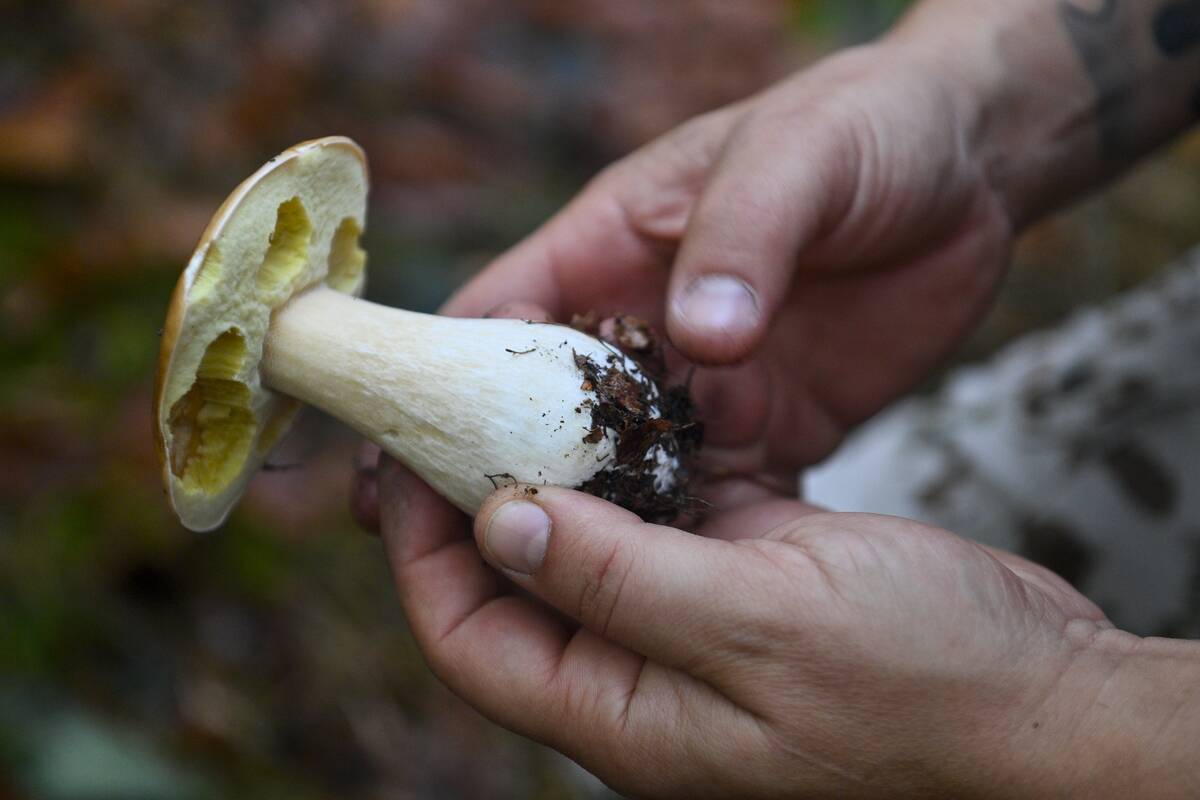
Fungi have captured the public’s imagination, appearing in documentaries and horror stories alike. The “zombie ant” phenomenon, in particular, has inspired numerous media portrayals, from nature documentaries to science fiction films.
These narratives often blur the line between fact and fiction, drawing on the real-life capabilities of fungi to create compelling stories. Such portrayals reflect our fascination with the natural world and its mysterious inhabitants.
The Future of Fungi Research in Mind Control

The future of fungi research in mind control is promising, with advances in technology paving the way for new discoveries. Scientists are exploring the genetic and molecular basis of fungal manipulation, with potential applications in biotechnology and medicine, such as novel bioactive compounds or pest management strategies.
As research progresses, we may unlock new insights into the complex interactions between fungi and their hosts, offering innovative solutions to global challenges. The journey of understanding these mysterious organisms is just beginning.