Insects that create art-like structures

Trending Now
Imagine a world where the tiniest creatures are the greatest artists. Insects, often overlooked, are architects of astounding natural wonders. From perfectly symmetrical webs to intricate tunnels, they create structures that showcase both beauty and functionality.
These tiny artists use instinct and environmental resources to craft masterpieces that not only serve their survival but also inspire awe in the human eye. Let’s dive into this captivating universe and explore the artistry of insects.
The Tiny Architects: Termites and Their Towering Mounds
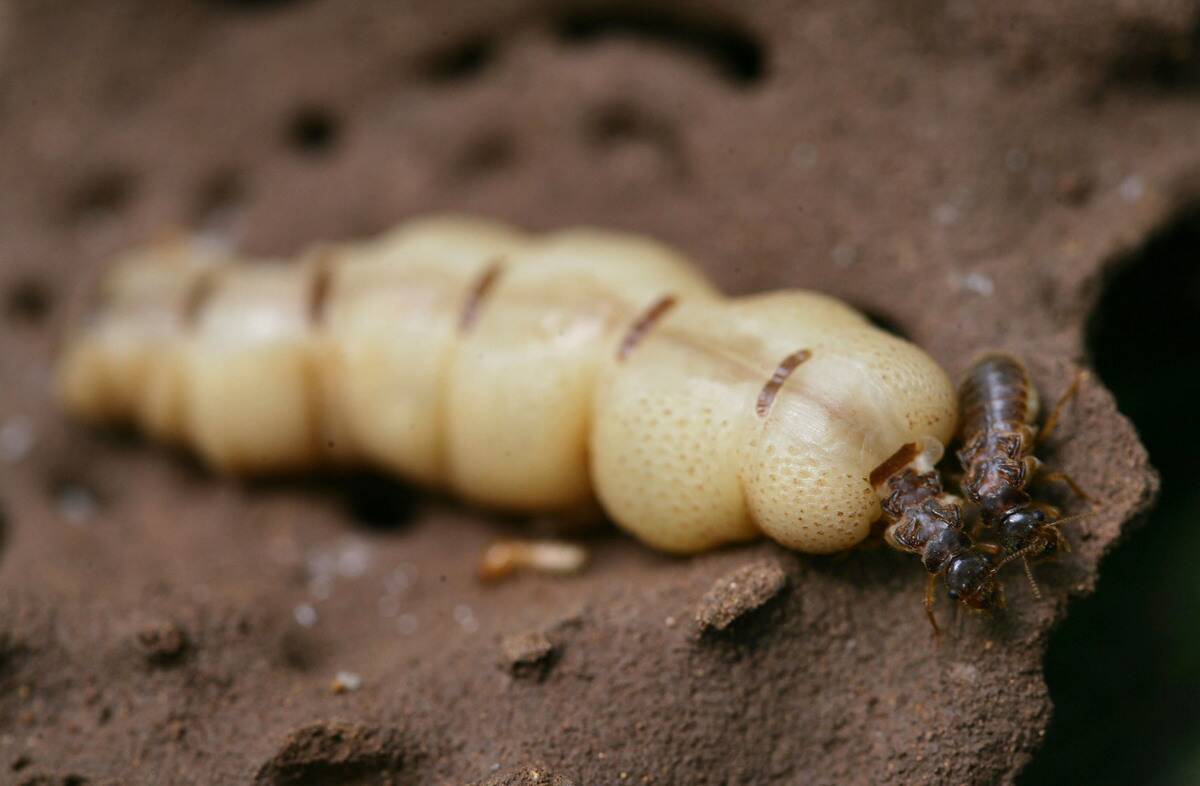
Termites are the unsung engineers of the insect world, constructing mounds that can reach up to 30 feet in height. These towering structures are equipped with sophisticated ventilation systems to regulate temperature and humidity.
Despite their small size, termites work collectively to move tons of soil, creating a fortress that protects them from predators and environmental extremes. Their mounds are marvels of engineering, demonstrating the incredible capabilities of these tiny architects.
Nature’s Engineers: Ants and Their Underground Cities

Ants are truly nature’s engineers, building complex underground cities that can extend over 10 feet deep and house millions of individuals. These subterranean networks feature specialized chambers for nurseries, food storage, and even waste disposal.
Ant colonies are highly organized, with each ant playing a specific role in maintaining their community. The intricate structures they create are not only functional but also a testament to the cooperative spirit of these industrious insects.
The Mathematical Precision of Honeybee Honeycombs
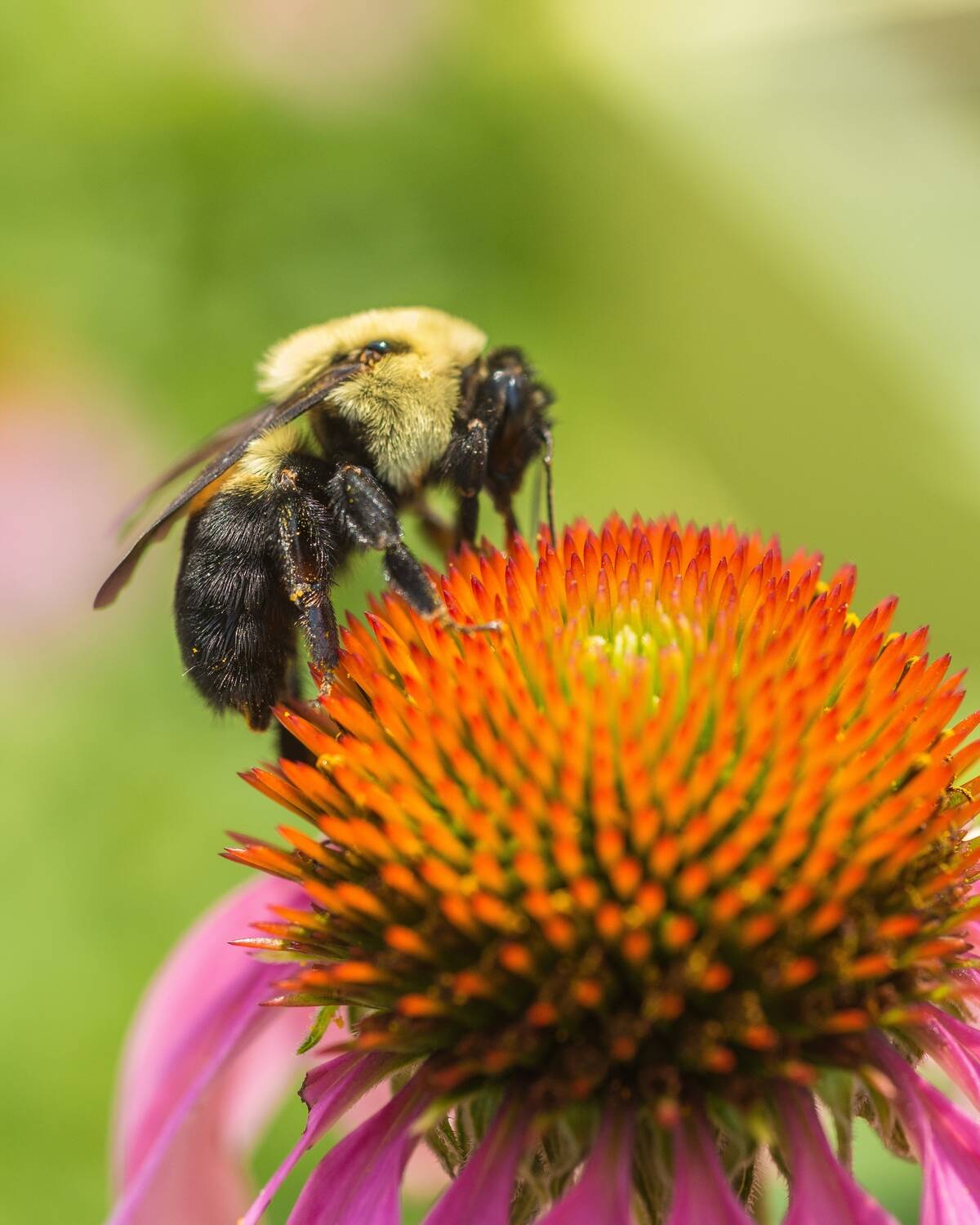
Honeybees construct honeycombs with remarkable precision, each hexagonal cell a perfect piece of natural engineering. The hexagon shape is not only efficient for storage but also uses the least amount of wax to build.
This design allows honeybees to store large quantities of honey and pollen while providing a sturdy nursery for new bees. The mathematical precision of honeycombs showcases the innate ability of bees to create structures that are both beautiful and practical.
Weaver Ants: Masters of the Leaf Nest
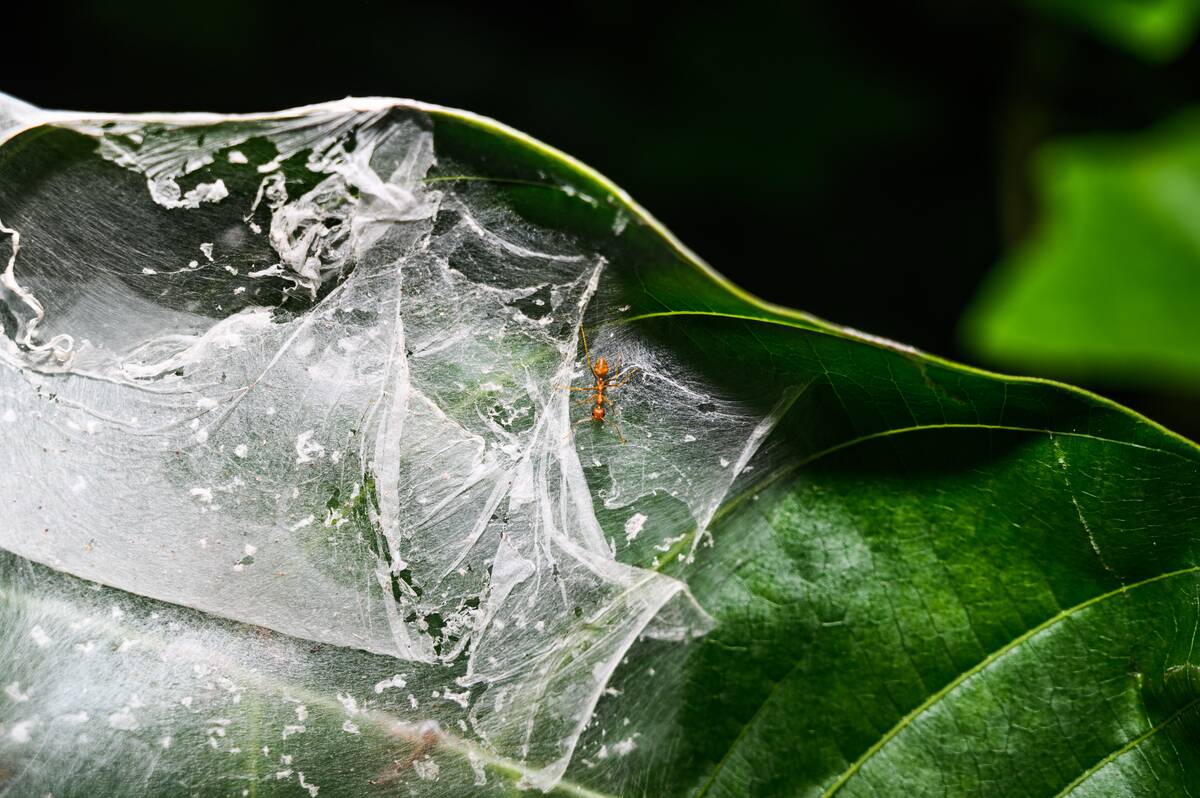
Weaver ants are renowned for their unique ability to construct leaf nests high in the trees. Using silk produced by their larvae, they stitch together living leaves to create a cozy and secure habitat.
This impressive feat requires teamwork and coordination, as workers pull leaves together while others ferry larvae to produce silk. Weaver ants display remarkable problem-solving skills and dexterity, making them true masters of their leafy domain.
Artistic Webs: The Symmetrical Designs of Spiders
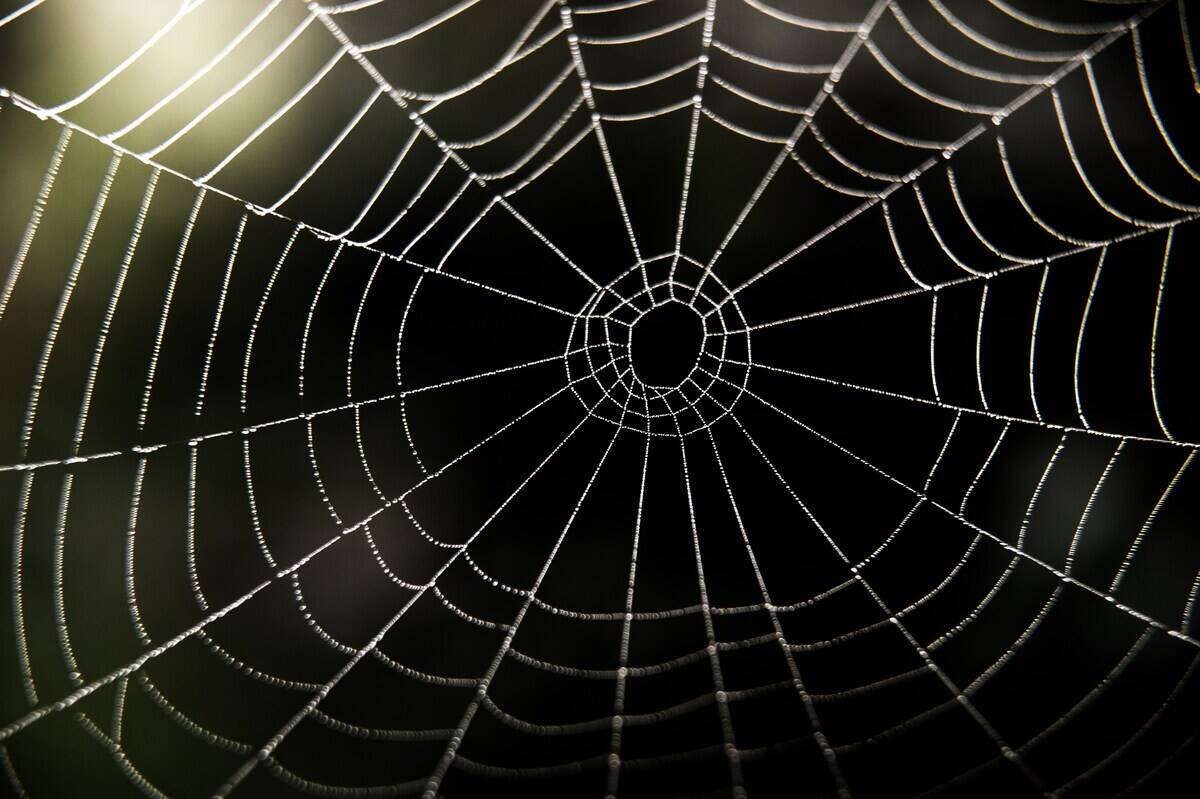
Spiders are the quintessential artists of the arachnids realm, spinning webs that are both functional and visually stunning. Orb-weaver spiders, for instance, create perfectly symmetrical webs with intricate patterns designed to catch prey.
These webs are marvels of engineering, balancing strength and flexibility. Spiders use their silk to craft a variety of web types, each adapted to their hunting strategy, proving that artistry and survival go hand in hand in the natural world.
The Intricate Tunnels of Bark Beetles
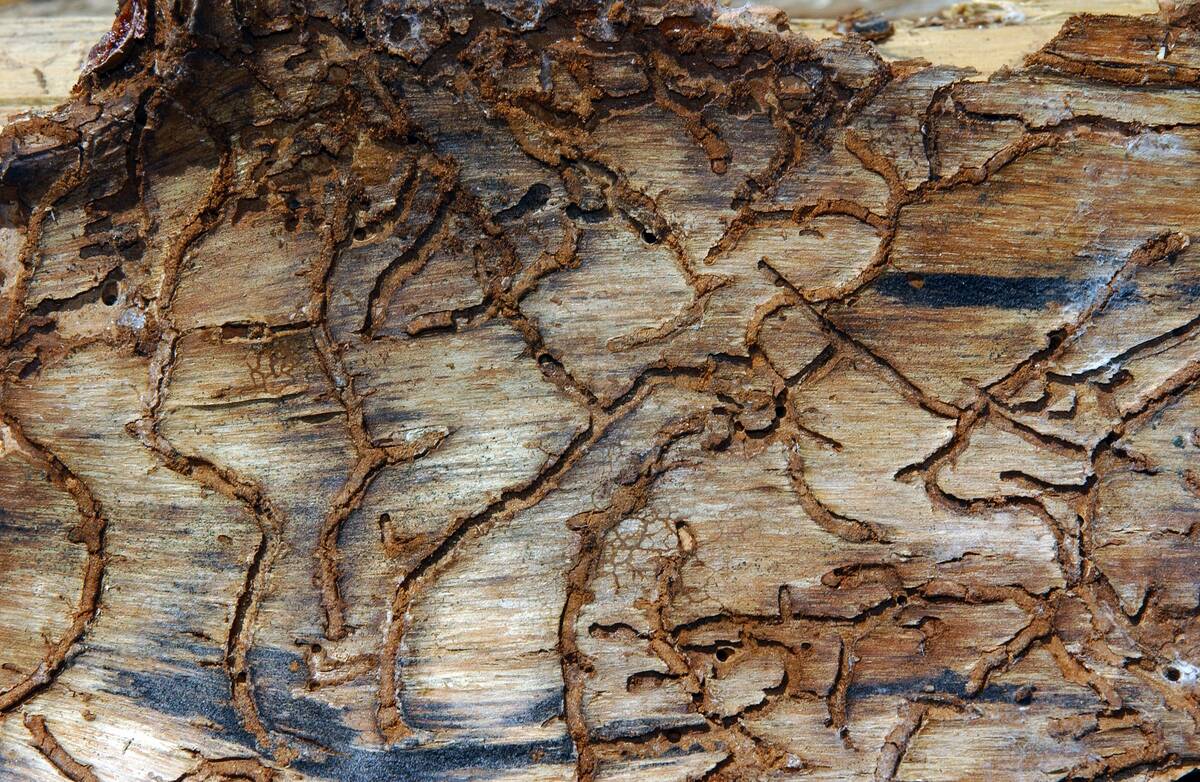
Bark beetles are tiny artists that leave behind intricate tunnel systems beneath tree bark. These tunnels, known as galleries, follow distinct patterns that vary by species. While these beetles are often seen as pests, their galleries are artwork in their own right, showcasing patterns that are both unique and complex.
The tunnels serve as homes and breeding grounds, demonstrating how these beetles ingeniously utilize their environment for survival.
Silk Spinners: The Cozy Cocoons of Moths and Butterflies
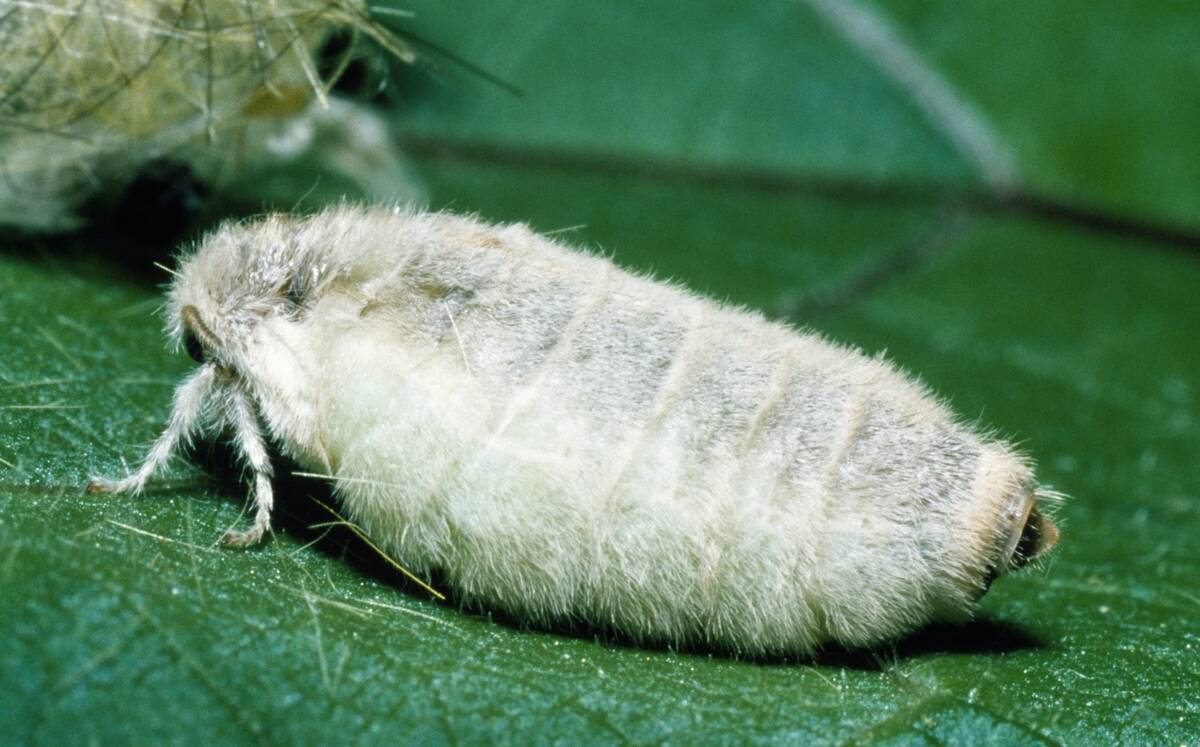
Moths and butterflies are master silk spinners, creating cocoons that serve as protective sanctuaries during their metamorphosis. Each species spins a cocoon with distinct characteristics, using silk produced from their salivary glands.
These cocoons vary in texture and color, providing camouflage from predators. The process of spinning a cocoon is a remarkable transformation in itself, as these creatures prepare for their incredible journey into adulthood.
Leafcutter Ants: The Gardeners of the Insect World
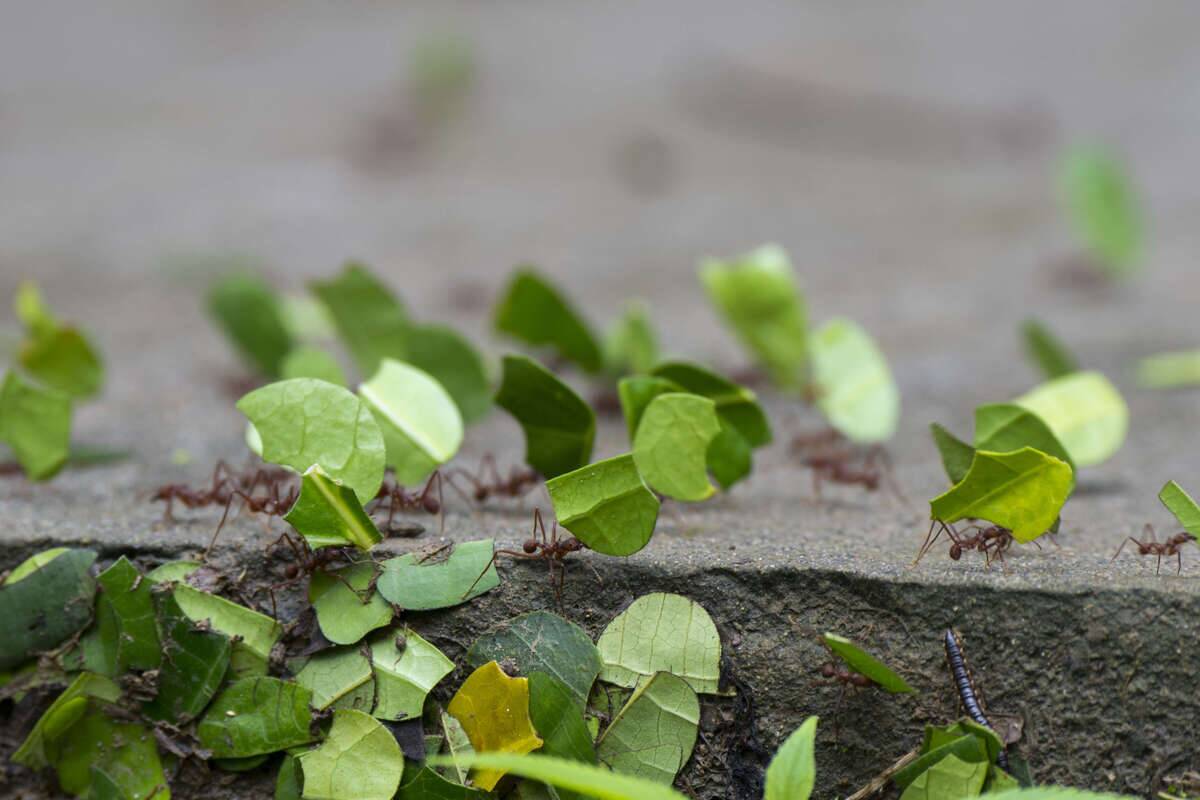
Leafcutter ants are the gardeners of the insect world, known for their unique practice of cultivating fungus. They meticulously cut leaves and transport them back to their nests to serve as a substrate for their fungal gardens.
This symbiotic relationship provides them with a reliable food source. The ants’ farming techniques demonstrate a sophisticated level of agricultural knowledge, proving that even the smallest creatures can master the art of cultivation.
The Sculptural Nests of Paper Wasps
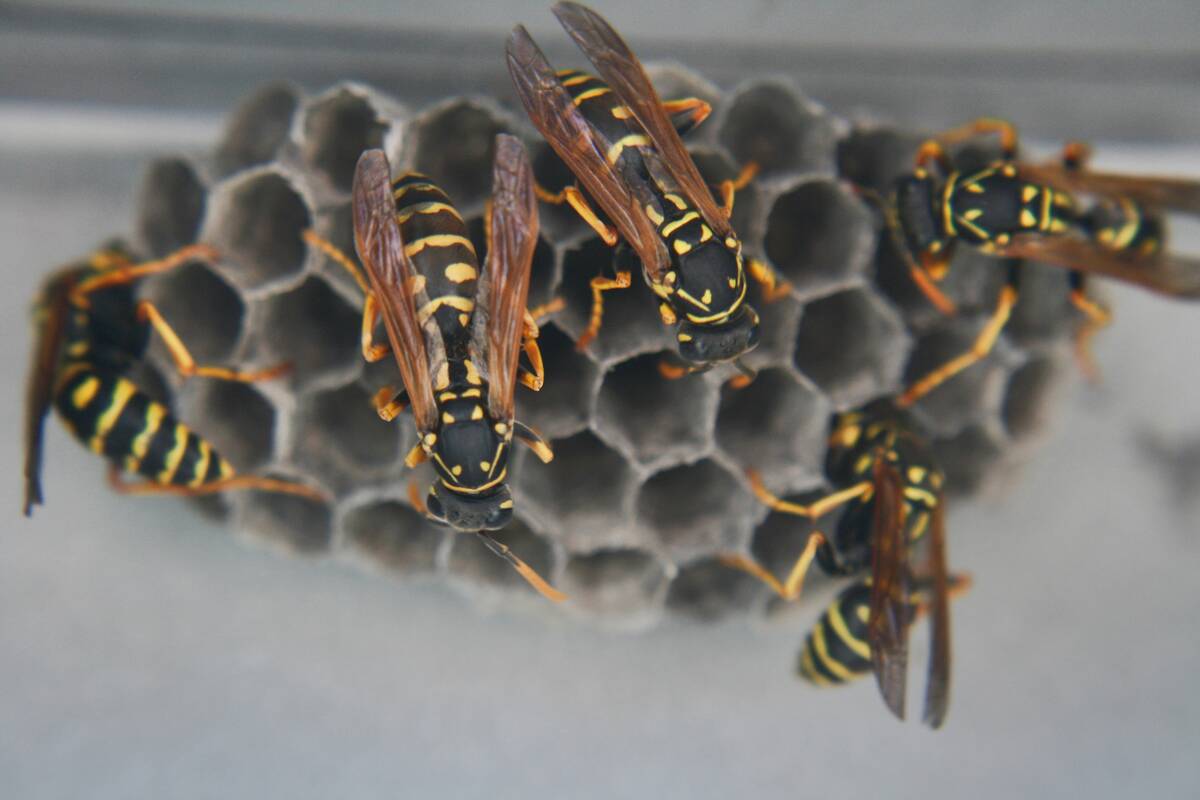
Paper wasps are skilled architects, crafting nests that resemble delicate sculptures. Using chewed wood fibers mixed with saliva, they construct paper-like cells arranged in a honeycomb pattern.
These nests are often suspended from tree branches or eaves, providing a safe haven for the wasp colony. The artistry of paper wasp nests lies in their lightweight yet durable design, showcasing the wasps’ ability to create beauty and function from simple materials.
Gall Wasps: Creating Plant Sculptures
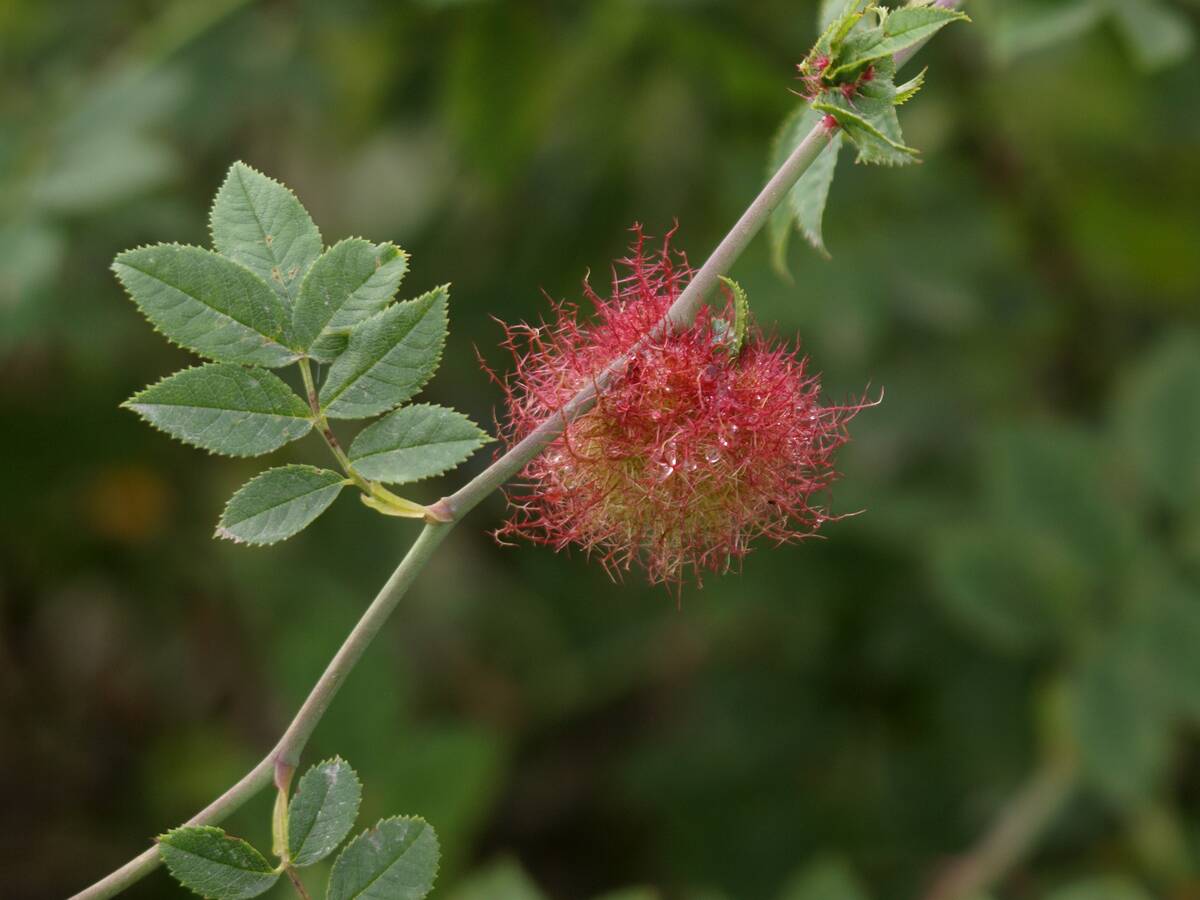
Gall wasps are unique artists that manipulate plants to create intricate growths known as galls. By injecting chemicals into plant tissues, they induce the plant to form a protective structure around their larvae.
These galls come in a variety of shapes and sizes, often resembling flowers or fruits. While they may seem like plant deformities, galls are actually complex ecosystems, providing nourishment and protection for developing wasp larvae.
The Mud Dauber Wasps and Their Clay Pot Nests
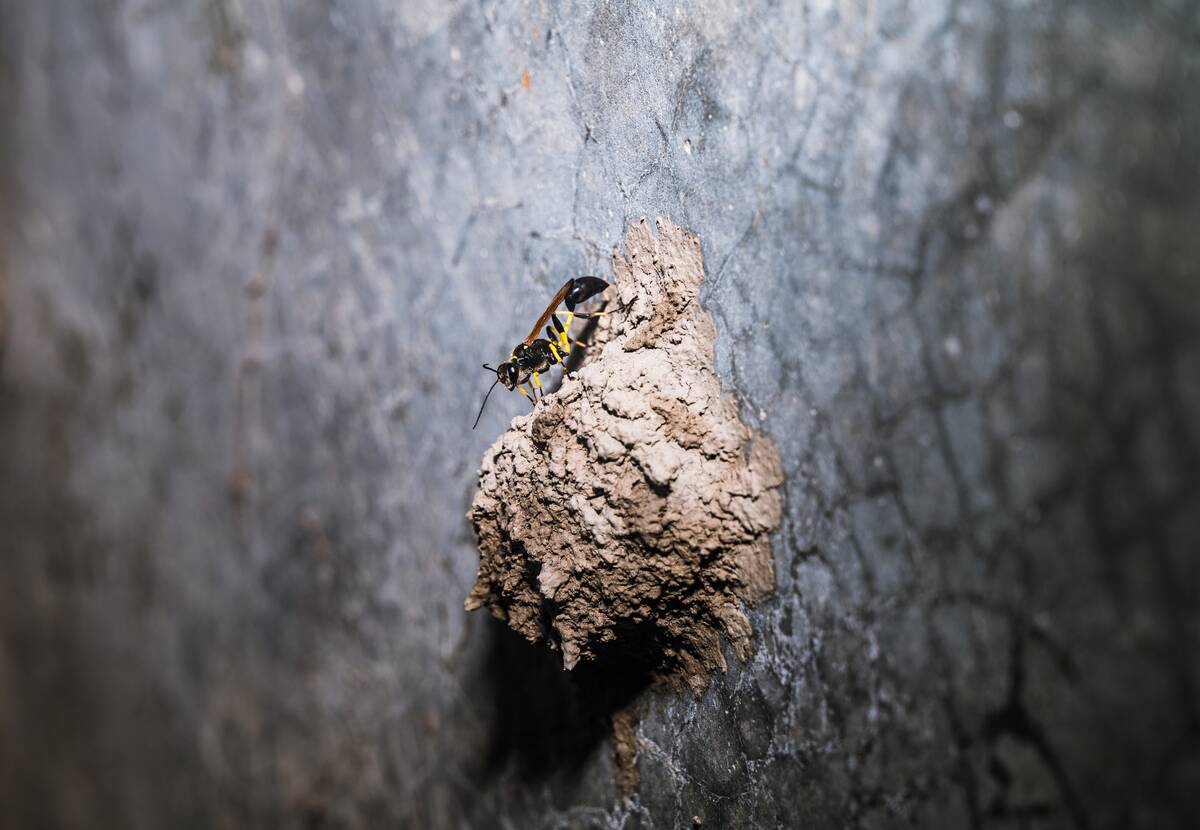
Mud dauber wasps are remarkable builders, crafting nests that resemble miniature clay pots. They gather mud and shape it into tubular structures, often attached to sheltered surfaces.
Each cell within the nest houses a single egg, along with a paralyzed spider or insect to serve as food for the larva. These clay pot nests are not only functional but also showcase the wasps’ skill in manipulating natural materials to create protective homes for their offspring.
Nature’s Origami: The Leaf Rolling Skills of Caterpillars
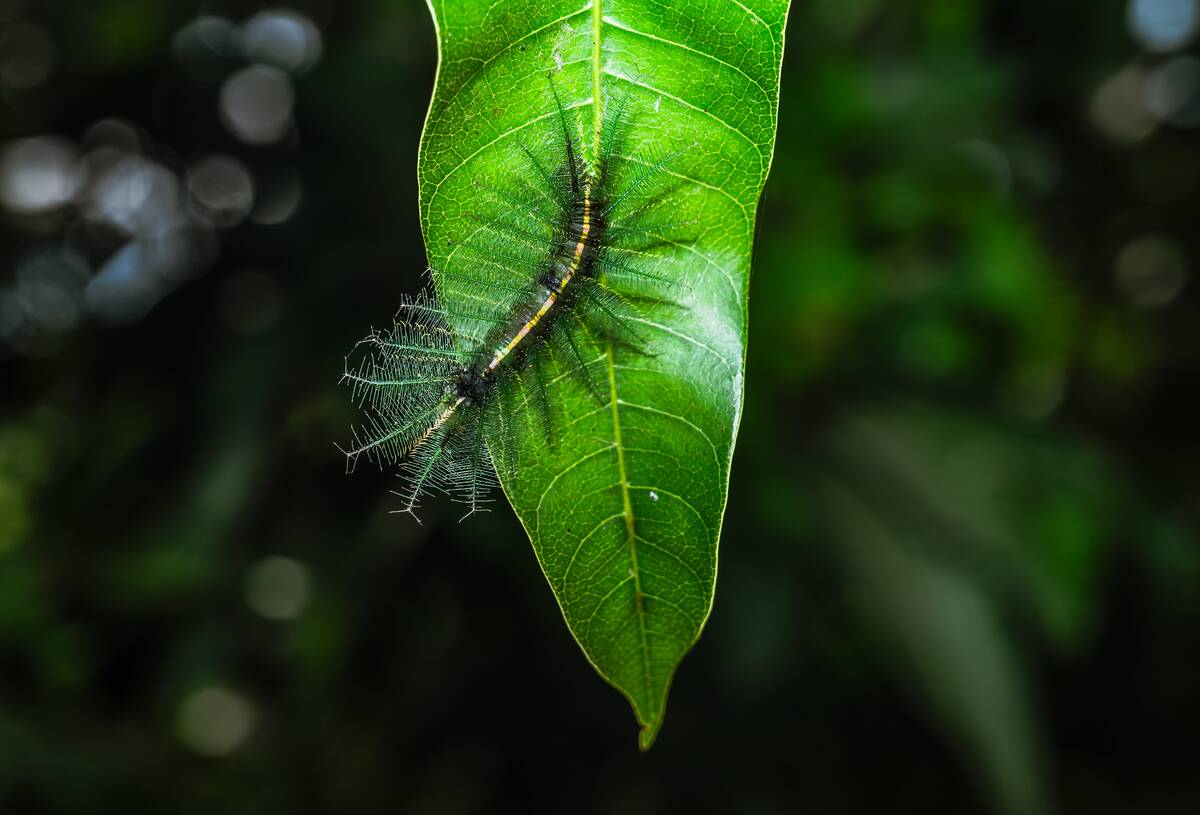
Caterpillars are nature’s origami artists, expertly rolling leaves to create shelters. Using silk threads, they bind leaves into secure hideaways, protecting themselves from predators and environmental hazards.
This behavior varies among species, with some caterpillars crafting simple rolls while others create elaborate structures. The leaf-rolling technique highlights the caterpillars’ adaptability and resourcefulness, showcasing their ability to modify their environment for survival.
Beetle Art: Bark Carvings by Ambrosia Beetles
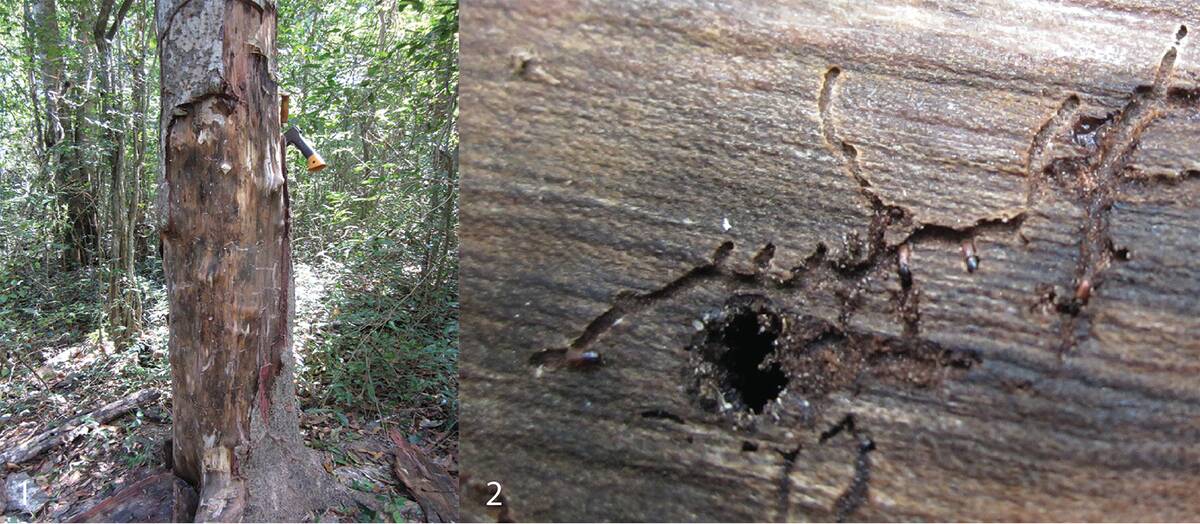
Ambrosia beetles are nature’s woodcarvers, etching intricate patterns into tree bark. These beetles bore into trees, creating galleries where they cultivate symbiotic fungi as a food source.
The resulting carvings are both functional and artistic, displaying a variety of patterns unique to each species. While their activities can be destructive to trees, the beetles’ bark carvings are a testament to their complex relationship with their environment and their role in the ecosystem.
The Aesthetic Ambitions of the Caddisfly Larvae
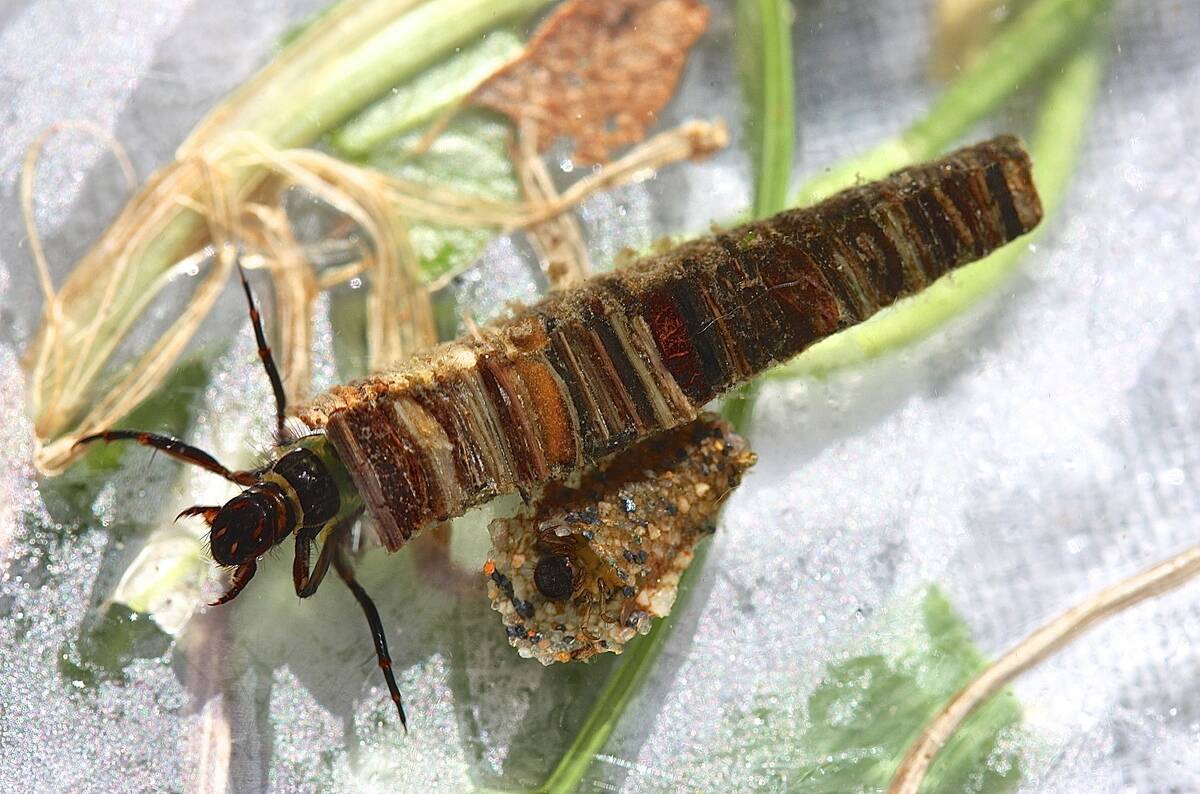
Caddisfly larvae are underwater architects, constructing protective cases from materials found in their aquatic environment. Using silk, they bind together sand, pebbles, and plant debris to form a portable home.
These cases are not only functional but also vary in style and material, reflecting the available environmental materials The caddisfly’s case-building showcases its remarkable ability to adapt and thrive in diverse habitats, turning survival into an art form.
Artistry in Ambush: Trapdoor Spider Burrows
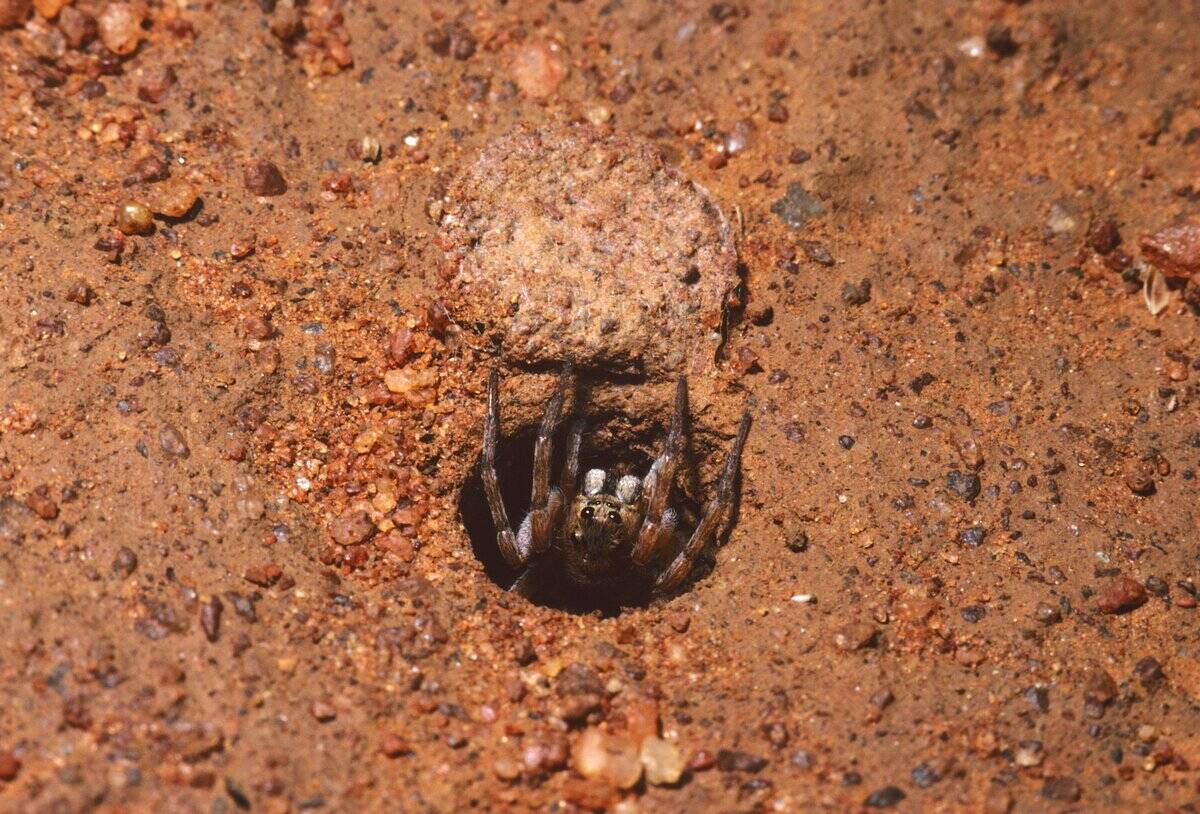
Trapdoor spiders are stealthy artists, crafting burrows with camouflaged lids that blend seamlessly into their surroundings. These clever spiders construct trapdoors from soil, vegetation, and silk, creating a perfect hideout from which to ambush unsuspecting prey.
The artistry of their burrows lies in their precision and concealment, allowing trapdoor spiders to live undetected. Their ingenious designs highlight the spiders’ mastery of both engineering and the art of ambush.
The Creative Construction of Bees’ Brood Cells
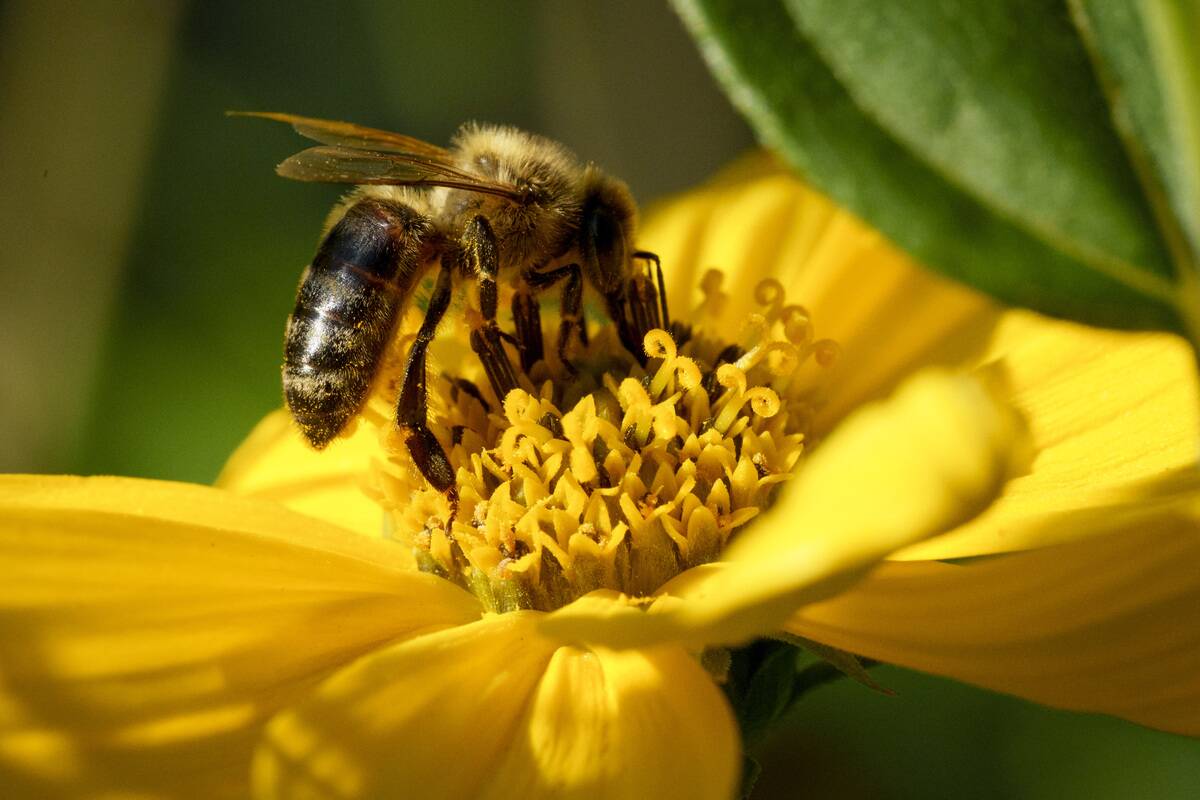
Solitary bees are creative constructors, crafting individual brood cells for their offspring. Using a variety of materials such as mud, plant fibers, and resin, they build secure chambers in which to lay their eggs.
Each brood cell is carefully provisioned with pollen and nectar, ensuring the larvae have all they need to develop. The creativity in bees’ brood cell construction reflects their adaptability and resourcefulness, demonstrating that even solitary insects can be master builders.