Stars that end in spectacular supernovas

Trending Now
Welcome to the mesmerizing world of supernovas, the universe’s most spectacular fireworks! These stellar explosions captivate astronomers and stargazers alike as they light up the cosmos with their brilliance.
Supernovas are powerful explosions that occur during the final stages of certain stars’ life cycles. From the formation of elements to the dispersal of energy, these celestial events are not just fascinating to observe but are also vital to our understanding of the universe.
What Exactly is a Supernova?
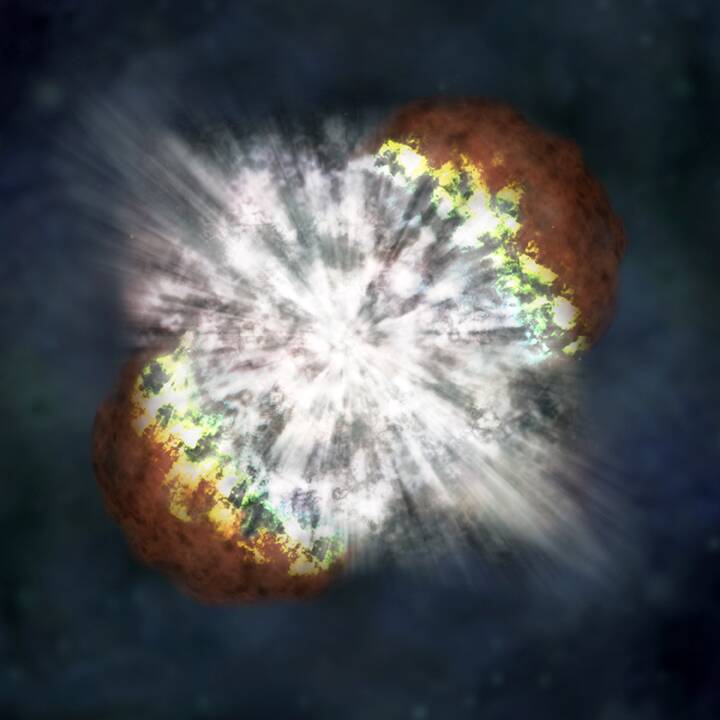
A supernova is a powerful and luminous explosion that marks the end of a star’s life cycle. When a star exhausts its nuclear fuel, it can no longer support its own gravity, leading to a catastrophic collapse. This results in an explosion that can briefly outshine entire galaxies.
Supernovas are primarily classified based on their spectral features and light curves, with different types associated with distinct progenitor systems. They are essential for dispersing elements throughout the universe.
The Life Cycle of a Star: From Birth to Explosion
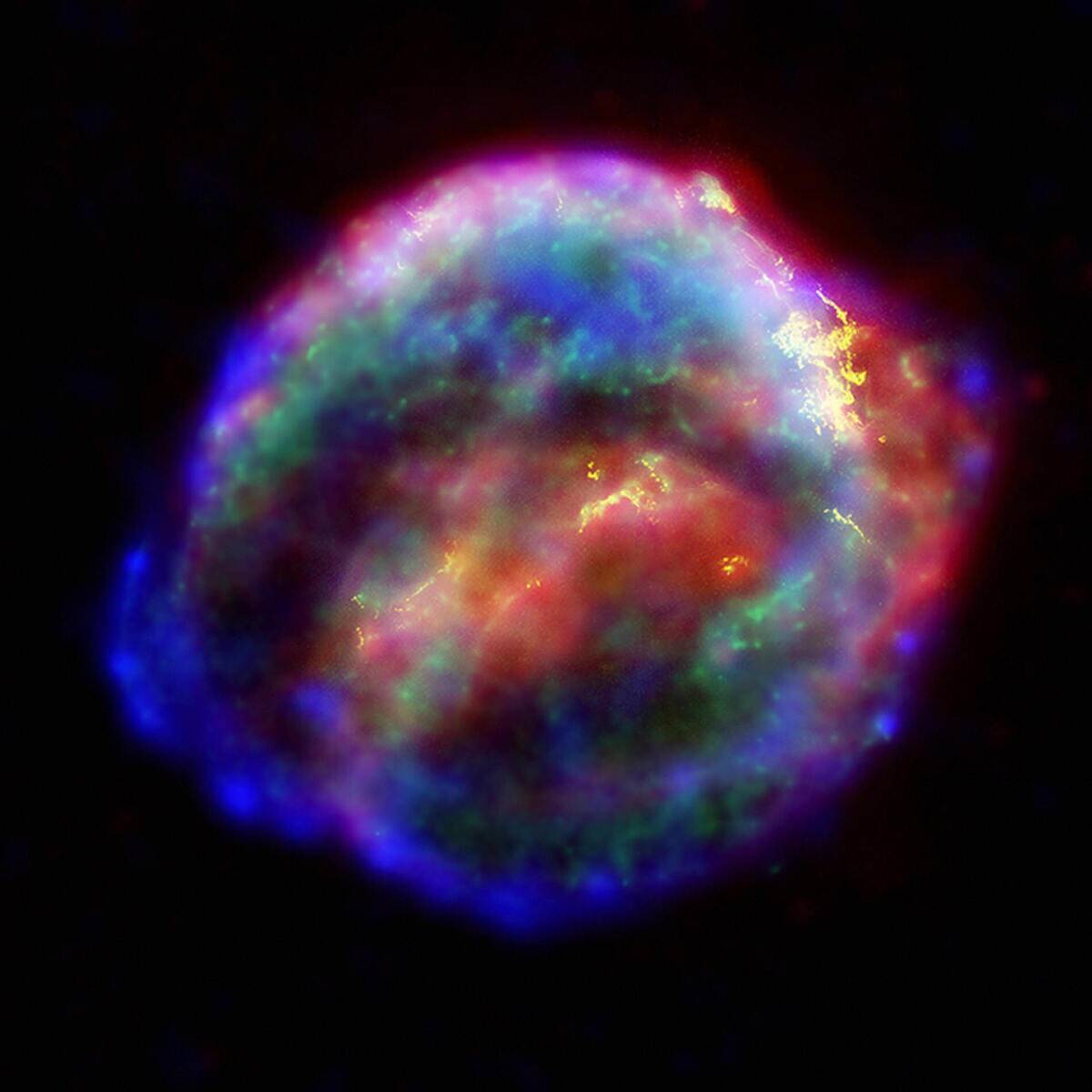
Stars are born in stellar nurseries, vast clouds of gas and dust, where gravity pulls material together to form a protostar. As the protostar contracts, nuclear fusion ignites, and a star is born. Over millions or billions of years, stars burn their nuclear fuel, shining brightly.
When a sufficiently massive star exhausts its nuclear fuel, it can undergo core collapse and explode as a supernova, while lower-mass stars evolve into white dwarfs without such explosions. This explosive end is not just a finale but the beginning of new star formation, spreading elements across the cosmos.
The Mighty Role of Gravity in Supernova Formation
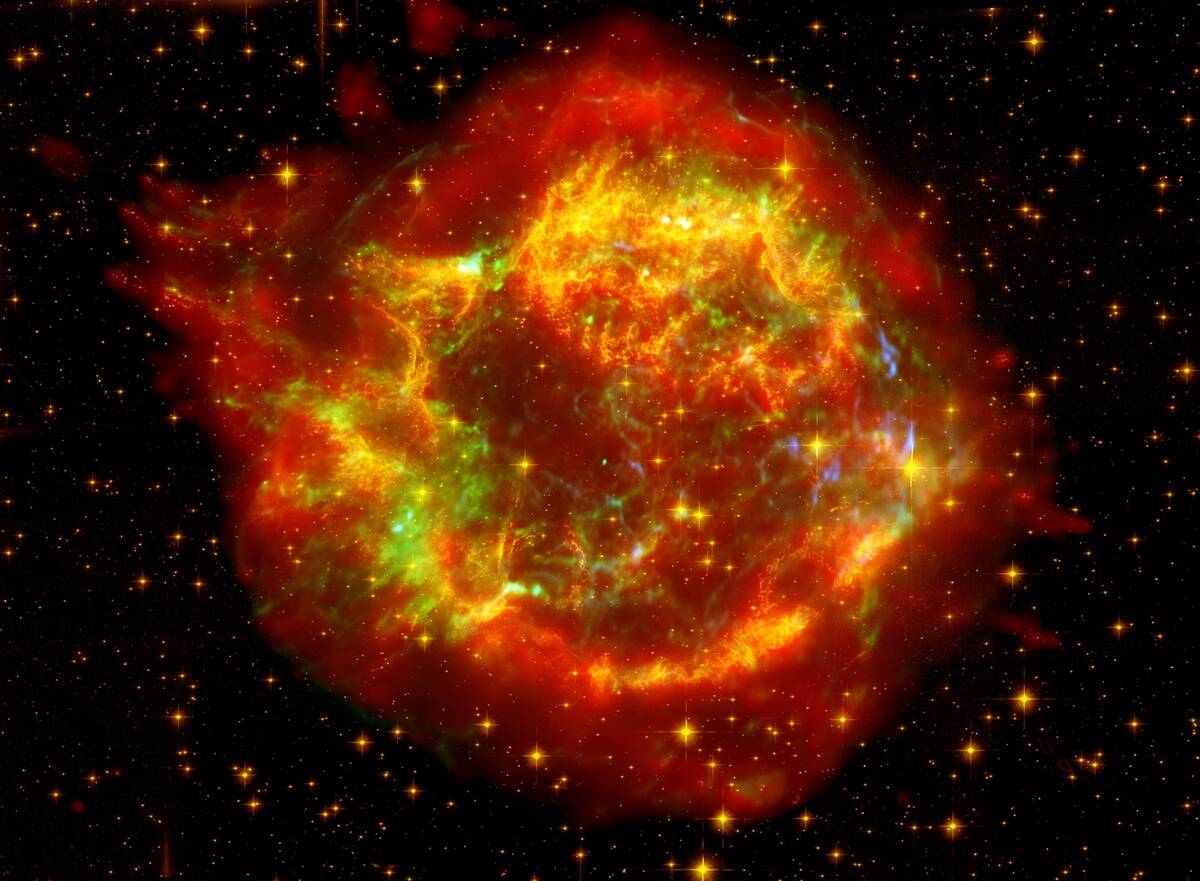
Gravity is the invisible hand that shapes the fate of stars. It dictates their formation, life, and eventual death. In the life of a star, gravity maintains the delicate balance against the outward pressure from nuclear fusion.
When nuclear fusion in the core can no longer generate sufficient outward pressure, gravity causes the core to collapse. In sufficiently massive stars, this core collapse can trigger a supernova explosion, releasing vast amounts of energy. Gravity’s relentless pull is both the creator and destroyer in the cosmic dance of stars.
Types of Supernovas: A Cosmic Classification
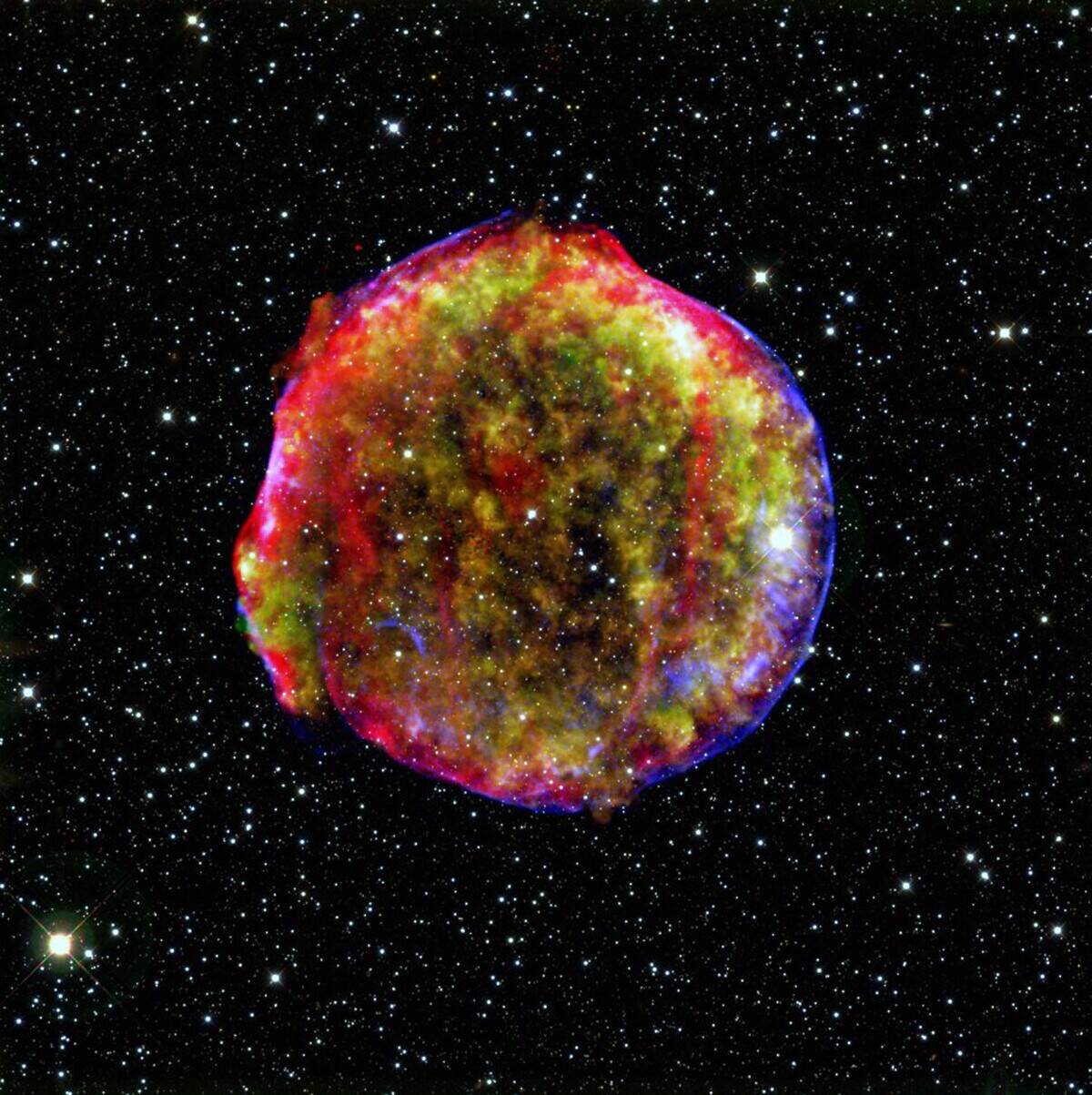
Supernovas are primarily classified into two main types: Type I and Type II. This classification is based on their light curves and spectral characteristics. Type I supernovas lack hydrogen lines in their spectra, while Type II supernovas display prominent hydrogen lines.
Within these categories are further subdivisions, such as Type Ia, Type Ib, and Type Ic, each with distinct properties. Understanding these types helps astronomers unravel the mysteries of stellar evolution and the complex processes driving these explosions.
The Spectacular Type Ia Supernovas: A Celestial Standard Candle

Type Ia supernovas are the universe’s reliable light bulbs. They occur in binary systems where a white dwarf star accretes matter from its companion. Once the white dwarf reaches a critical mass, it undergoes a thermonuclear explosion.
These supernovas have a consistent peak luminosity, making them excellent ‘standard candles’ for measuring cosmic distances. By comparing the apparent brightness of Type Ia supernovas, astronomers can gauge the expansion rate of the universe and explore the mysteries of dark energy.
Type II Supernovas: The Massive Star’s Final Curtain Call
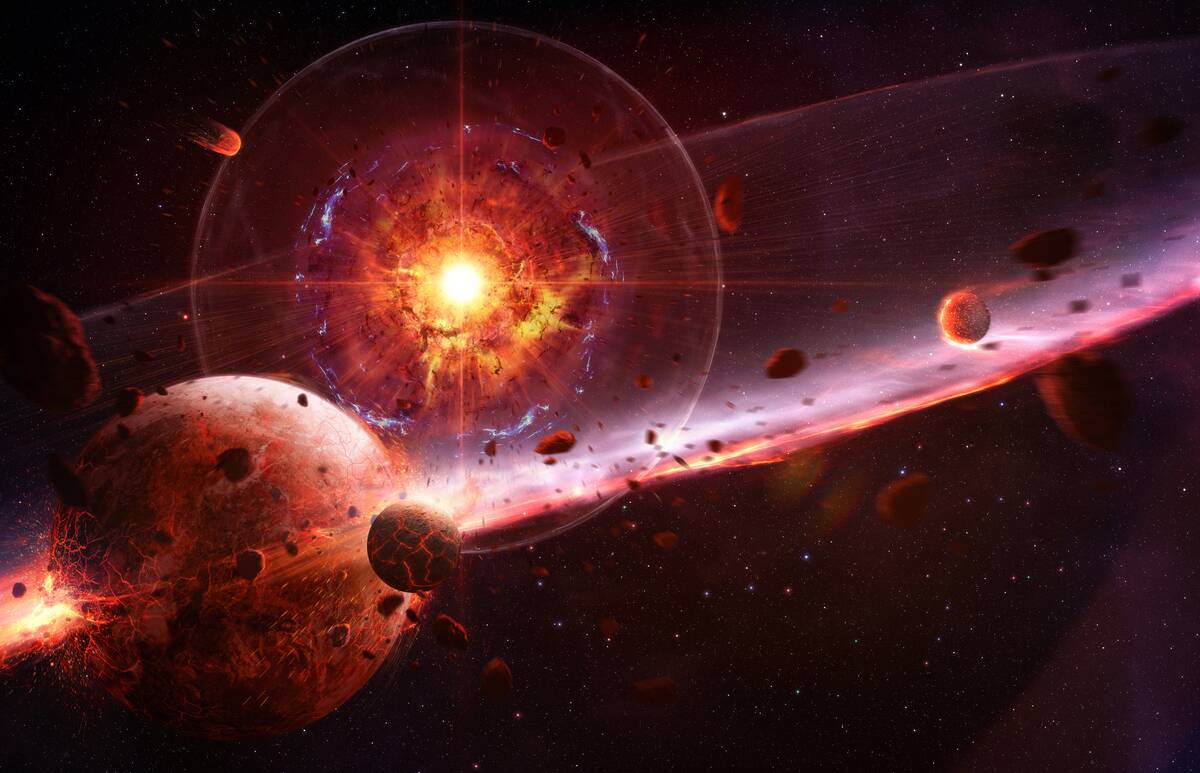
Type II supernovas are the grand finales of massive stars, typically those with eight or more solar masses. As these stars exhaust their nuclear fuel, their cores collapse under gravity, resulting in a rebound shock wave that tears the star apart.
This explosion is characterized by hydrogen lines in its spectrum. Type II supernovas enrich the interstellar medium with heavy elements, seeding future generations of stars and planets. They are essential contributors to the chemical complexity of the universe.
The Rare and Exotic Type Ib and Ic Supernovas
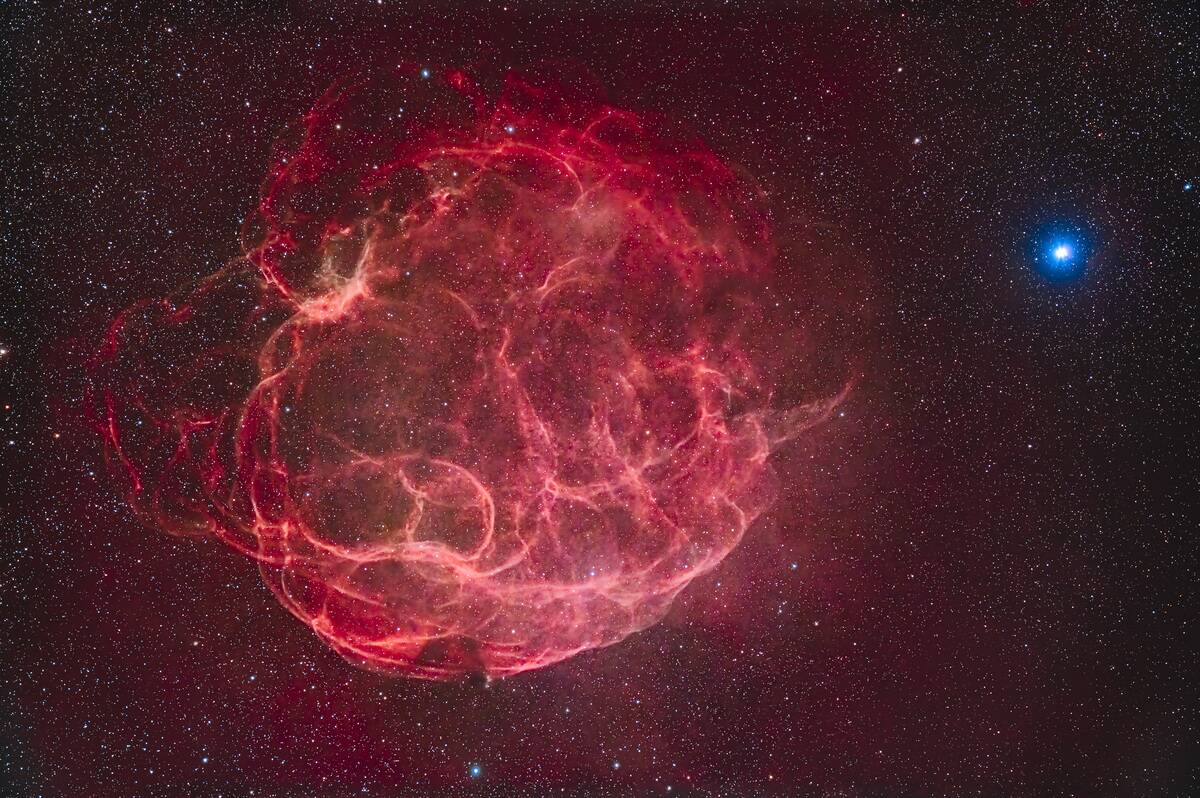
Type Ib and Ic supernovas are intriguing members of the supernova family. They originate from massive stars that have shed their outer hydrogen layers. Type Ib supernovas still retain helium, while Type Ic are devoid of both hydrogen and helium.
These supernovas are less common than their Type II counterparts but provide valuable insights into the late stages of stellar evolution. Studying these rare events helps astronomers understand the complex processes that lead to the shedding of stellar envelopes.
How Bright is Bright? Supernovas Outshine Entire Galaxies
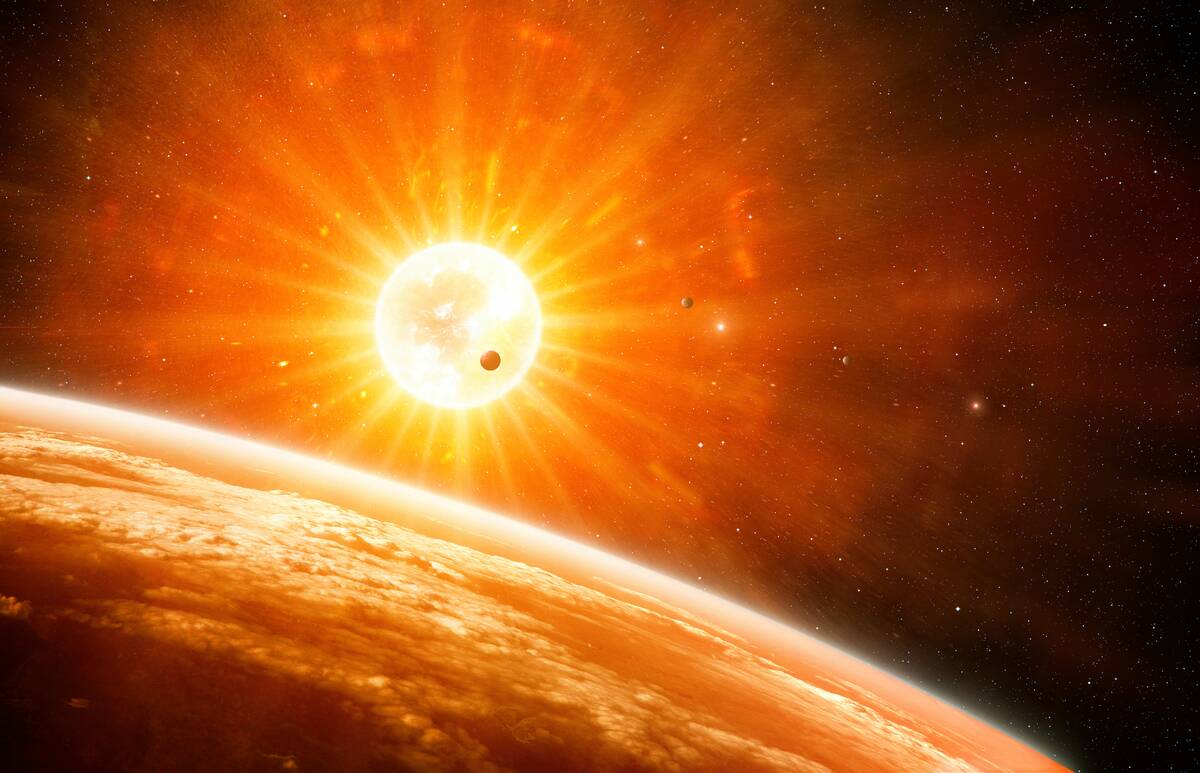
Supernovas are astonishingly bright, often outshining entire galaxies for a brief period. Their luminosity can be equivalent to billions of suns. For instance, the light from a single supernova can be visible across vast cosmic distances, making it detectable even in other galaxies.
This immense brightness results from the release of a colossal amount of energy during the explosion. Such brilliance not only makes supernovas spectacular cosmic events but also vital tools for probing the universe’s vast expanses.
The Chemistry Lab of the Universe: Element Formation in Supernovas
Supernovas are the universe’s alchemical workshops. During the explosive death of a star, the intense temperatures and pressures forge elements heavier than iron. Elements like gold, silver, and uranium are largely formed through supernovae.
The debris from supernovas, rich in newly formed elements, spreads into the surrounding space, contributing to the formation of new stars, planets, and even life. The periodic table is, in a sense, a testament to the creative power of supernovas, making them crucial to cosmic chemistry.
Famous Historical Supernovas: Cosmic Fireworks Through the Ages
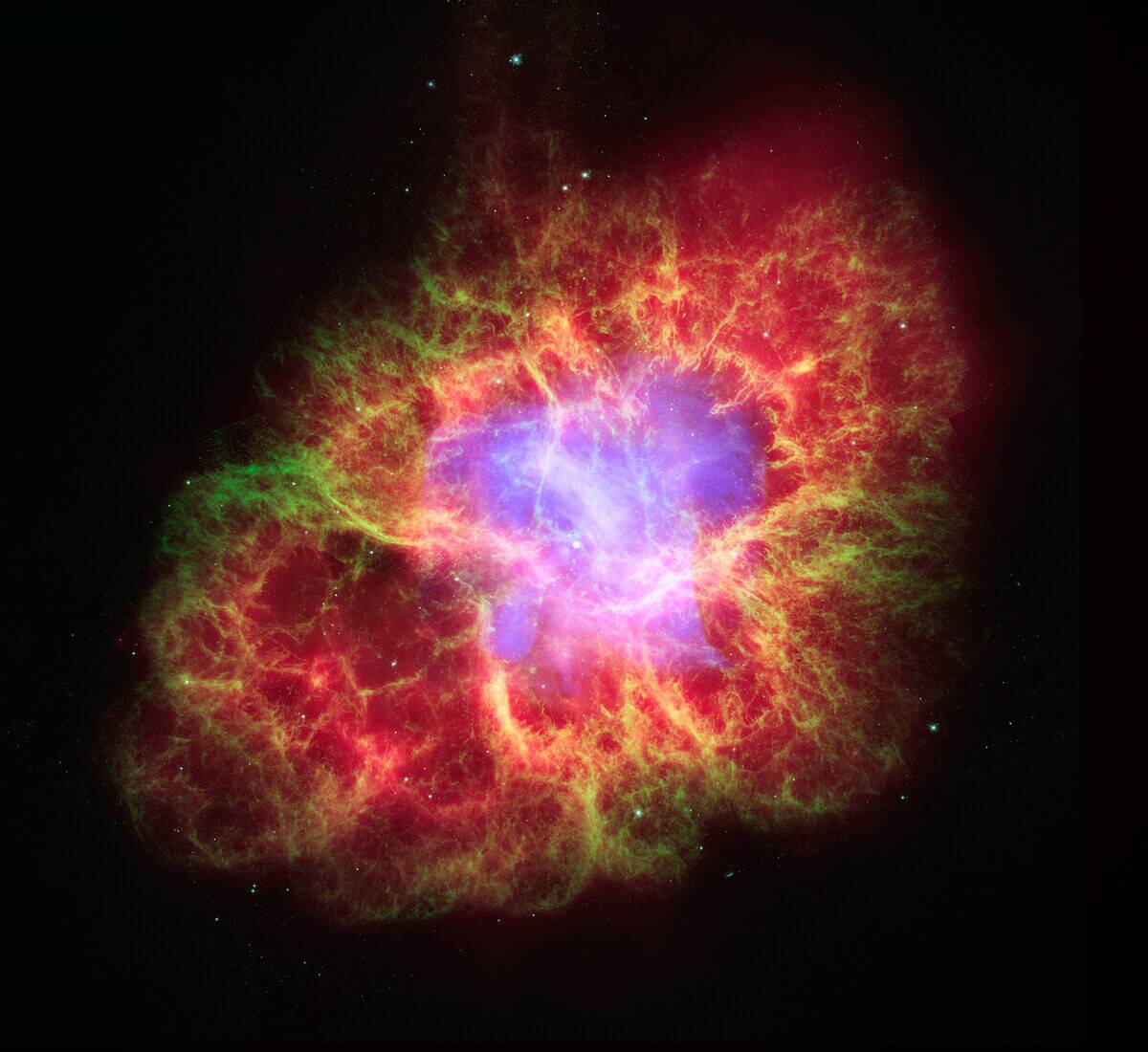
Throughout history, supernovas have captured the human imagination. One of the most famous is Supernova 1054, observed by Chinese astronomers, which created the Crab Nebula. Another notable event is SN 1572, studied by Tycho Brahe, which challenged the belief in an unchanging universe.
These historical supernovas were visible to the naked eye, leaving lasting impressions on those who witnessed them. They serve as reminders of the dynamic and ever-changing nature of the cosmos, inspiring both awe and curiosity.
The Crab Nebula: A Supernova Remnant with a Legendary Tale
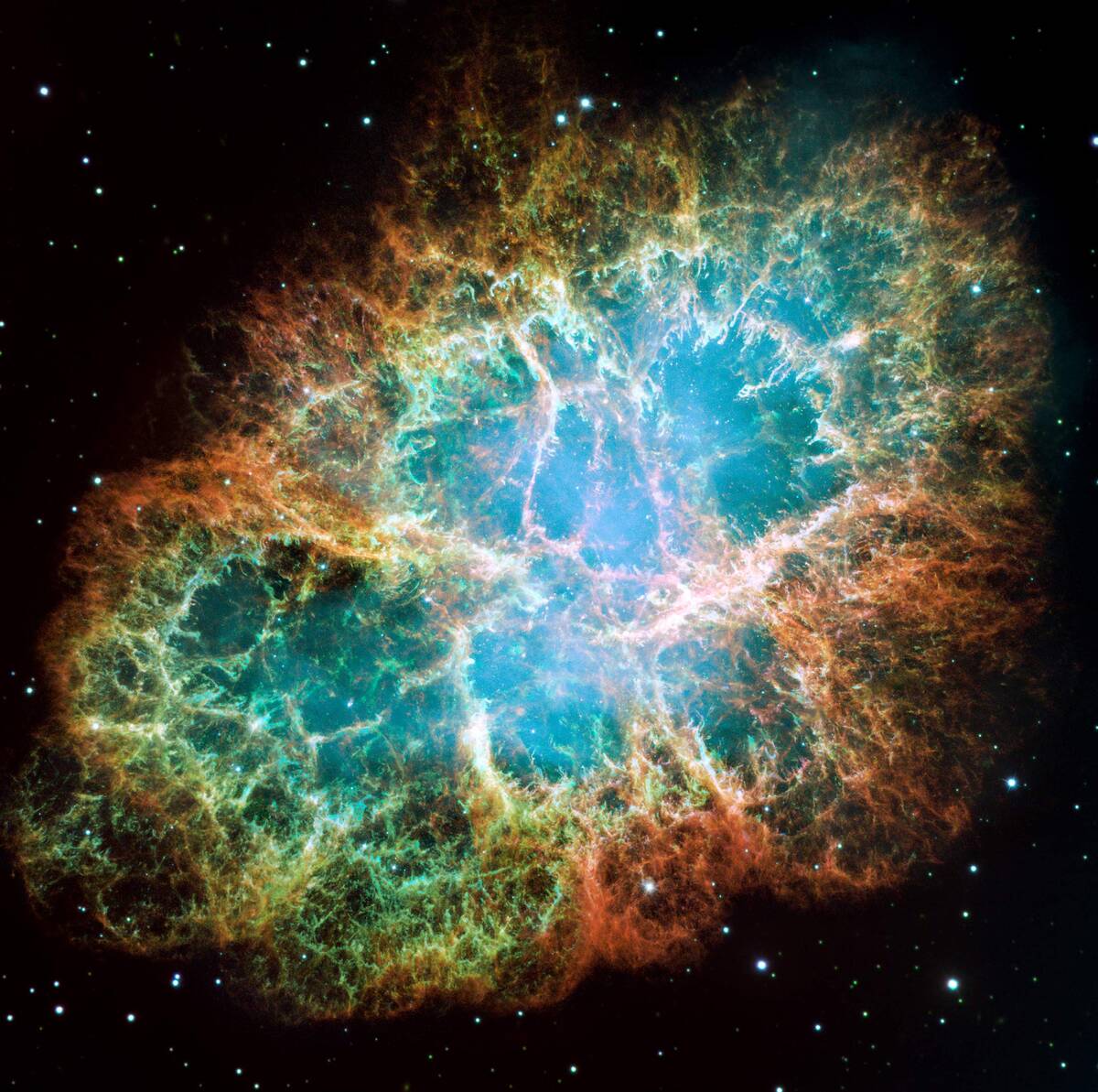
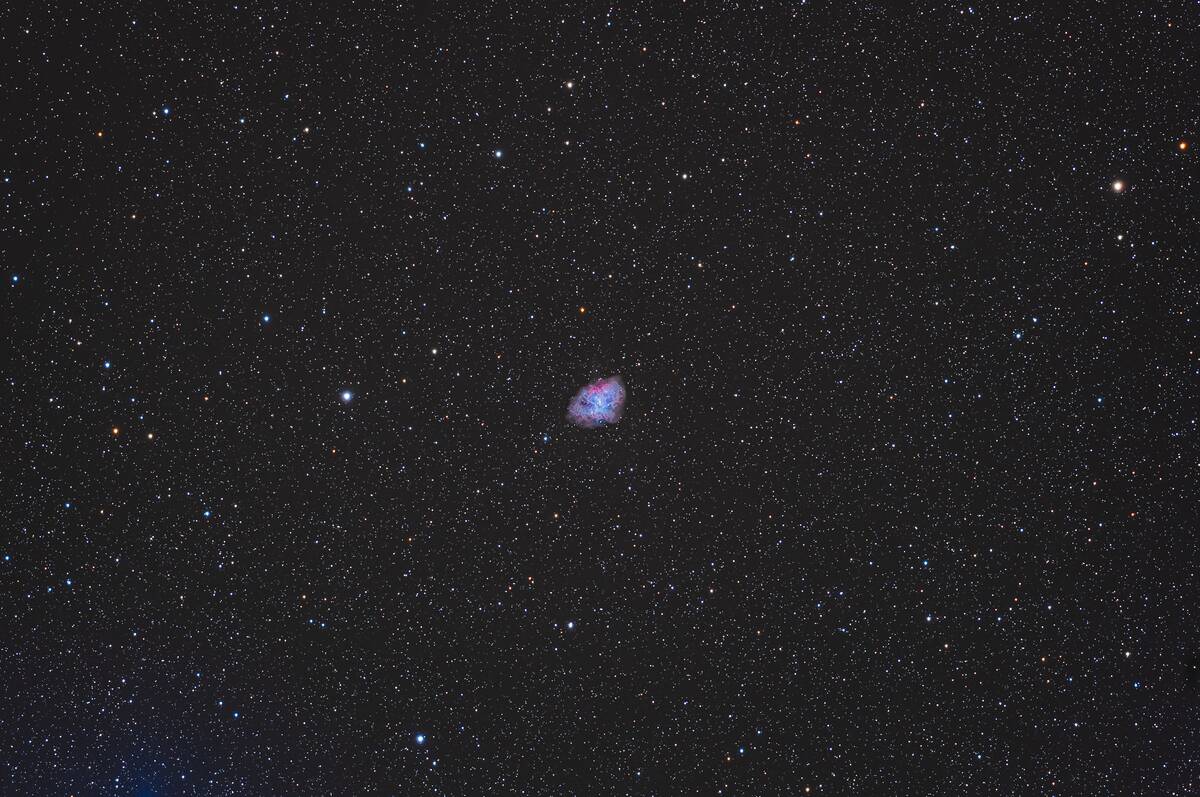
The Crab Nebula is a spectacular remnant of a supernova that exploded in 1054 AD. This celestial object is located in the constellation Taurus and is a favorite among astronomers for study. The explosion was so bright that it was visible in daylight for several weeks.
Today, the Crab Nebula is a complex structure of expanding gas and dust, powered by a rapidly rotating neutron star at its center. It serves as a laboratory for studying the aftermath of supernova explosions and the exotic physics of neutron stars.
Betelgeuse: The Next Big Boom in Our Galactic Neighborhood?
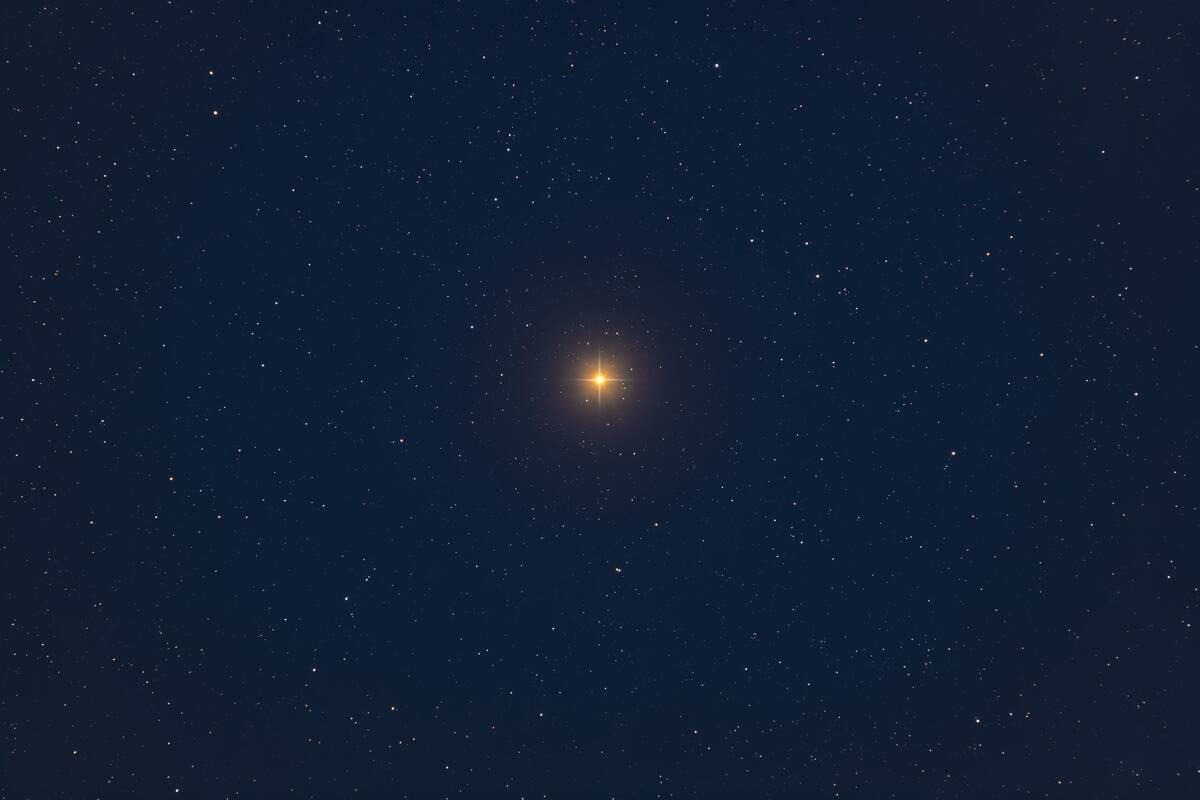
Betelgeuse, a red supergiant in the Orion constellation, has been the subject of much speculation. This star is nearing the end of its life and is expected to go supernova sometime in the next 100,000 years, which is a cosmic blink of an eye.
Betelgeuse exhibited unusual dimming in 2019–2020, which sparked speculation, but studies indicate it was caused by dust and surface activity rather than an imminent explosion. Though it’s unlikely to explode in our lifetime, when it does, it will be a dazzling sight, potentially visible even during the day. Its future supernova will offer a front-row seat to cosmic drama.
How Do Astronomers Detect and Study Supernovas?
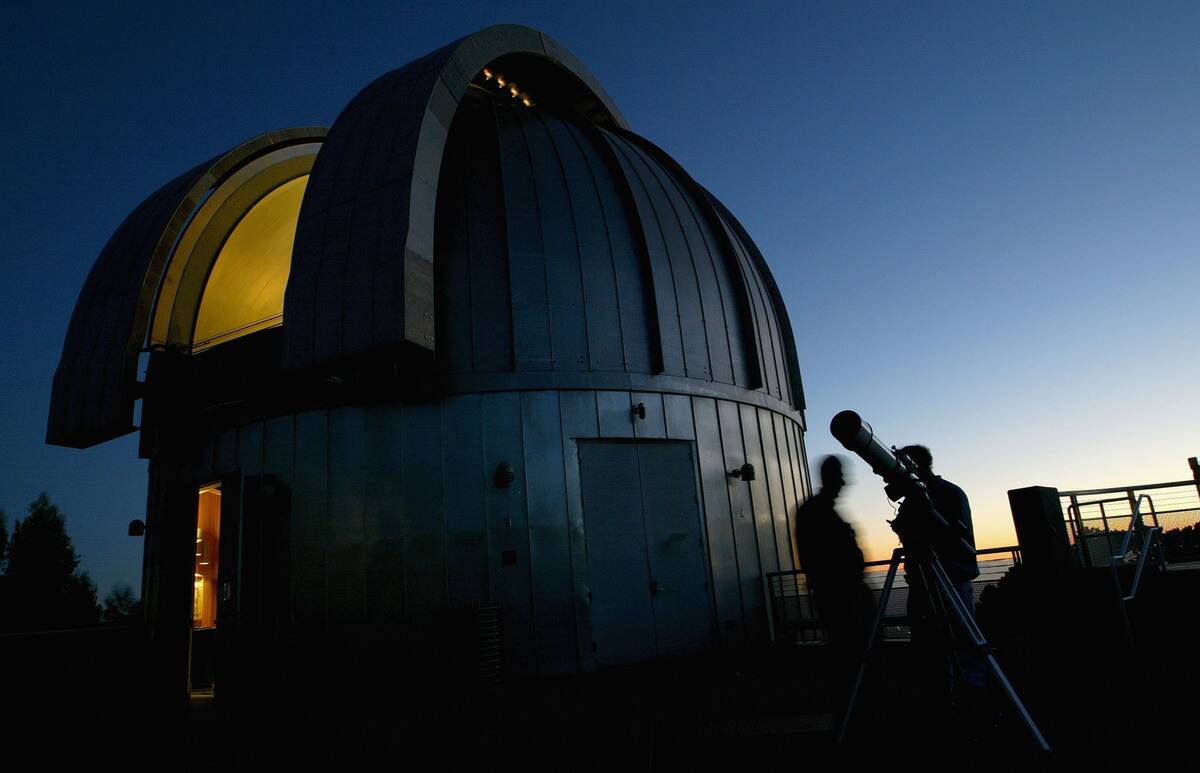
Astronomers use a variety of methods to detect and study supernovas. Telescopes equipped with sensitive cameras scan the night sky for sudden brightening of stars, a telltale sign of a supernova.
Once detected, follow-up observations using different wavelengths, from radio to X-rays, provide detailed information about the explosion. Spectroscopy helps determine the composition of the ejected material. With advances in technology, astronomers can now detect supernovas in distant galaxies, expanding our understanding of these cosmic events.
The Importance of Supernovas in Understanding the Universe
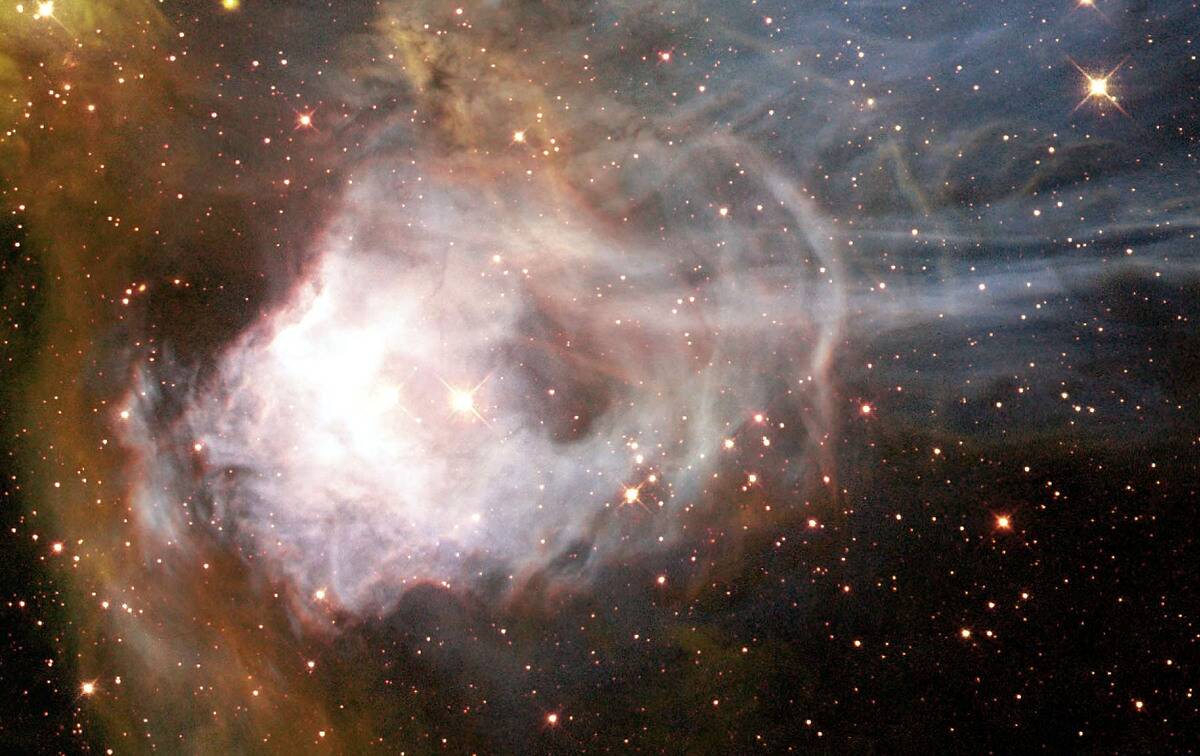
Supernovas are not just dazzling displays; they’re vital to our understanding of the universe. They help astronomers map cosmic distances and study the expansion rate of the universe. The elements formed in supernovas contribute to the cosmic cycle of matter, influencing star formation and the development of planets.
By studying supernovas, scientists gain insights into fundamental processes such as stellar evolution, nucleosynthesis, and the dynamics of galaxies. These cosmic explosions are essential pieces in the puzzle of our universe’s history and future.
Supernova Sightings and Discoveries: A Starry Treasure Hunt
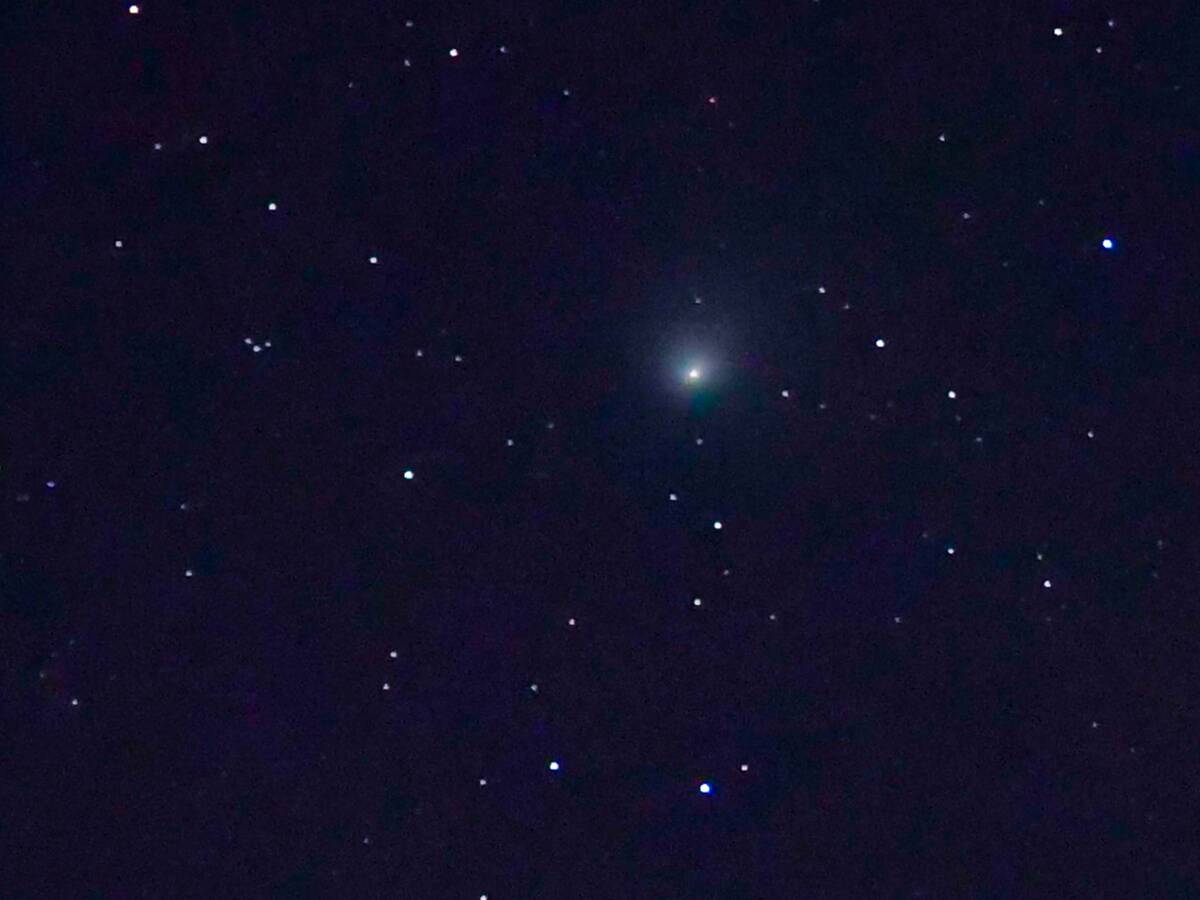
The discovery of supernovas is akin to a cosmic treasure hunt. Amateur astronomers play a significant role in spotting these stellar explosions, often contributing to professional observations. With the advent of automated sky surveys, the rate of supernova discoveries has increased dramatically.
Projects like the Zwicky Transient Facility scan the sky nightly, capturing transient events like supernovas. Each discovery adds to our understanding of these phenomena, enriching the tapestry of cosmic knowledge and bringing us closer to unraveling the universe’s mysteries.
Can Supernovas Affect Earth? Cosmic Explosions and Their Impact
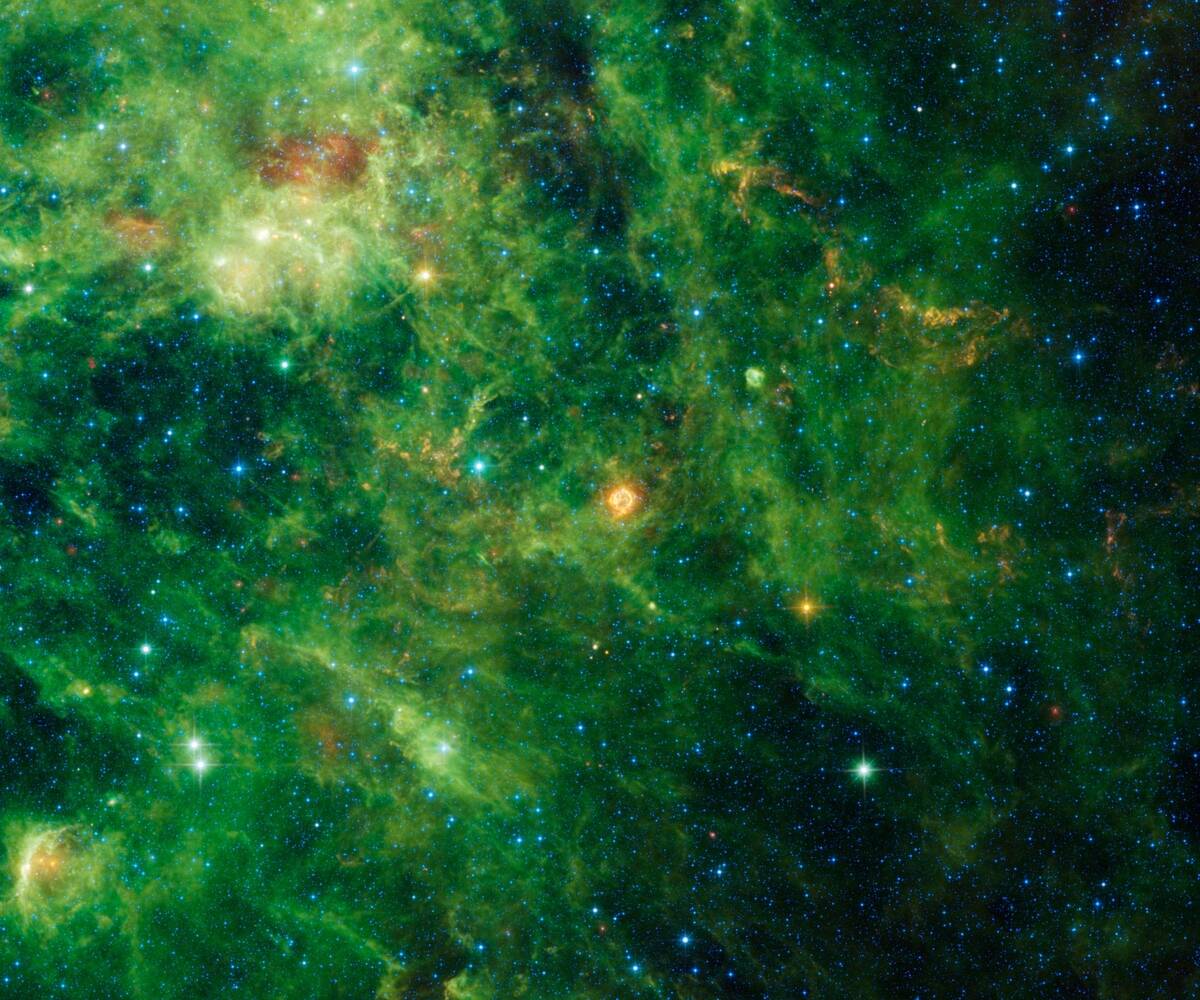
While supernovas are distant cosmic events, they can still impact Earth in subtle ways. A nearby supernova could potentially affect our planet by increasing cosmic radiation levels, which might impact the ozone layer and climate.
However, such events are extremely rare. The closest known potential supernova candidate, Betelgeuse, is far enough away to pose no threat. On a more positive note, the elements from past supernovas have enriched our solar system, contributing to the very building blocks of life on Earth.
The Philosophical Ponderings of Stellar Death
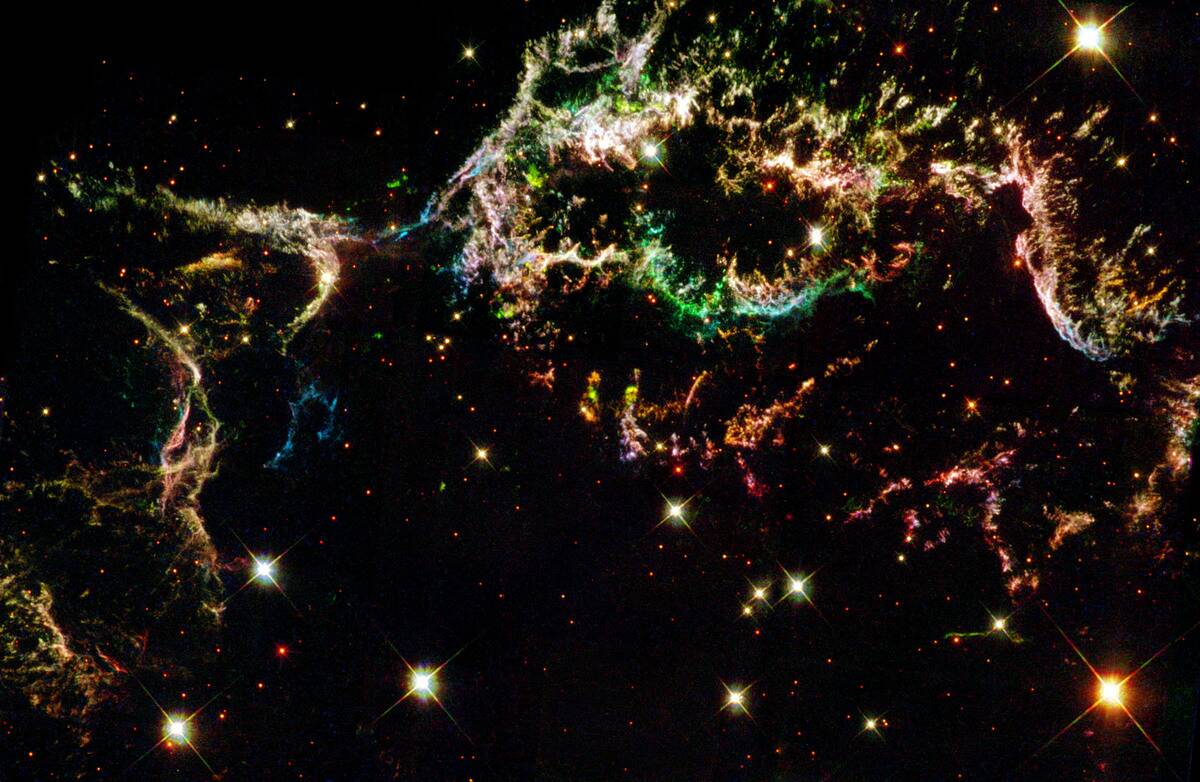
The death of stars through supernovas evokes profound philosophical questions. These cosmic events remind us of the impermanence and cyclical nature of the universe. They highlight the interconnectedness of all cosmic entities, as the death of one star seeds the birth of new stars and planets.
Supernovas challenge us to ponder our place in the universe and the transient nature of existence. Despite their cataclysmic nature, they are essential to the cosmic order, teaching us about renewal, transformation, and the beauty of the cosmos.