How stars create animal-shaped nebulae

Trending Now
The universe is a vast canvas, and nebulae are its exquisite brushstrokes. These celestial clouds of gas and dust are not just spectacular to behold but also serve as fascinating subjects for both amateur and professional astronomers.
Nebulae captivate our imaginations with their vibrant colors and peculiar shapes. From the ethereal glow of the Orion Nebula to the intricate patterns of the Eagle Nebula, these formations are true cosmic masterpieces.
What Are Nebulae? A Cosmic Paint Palette
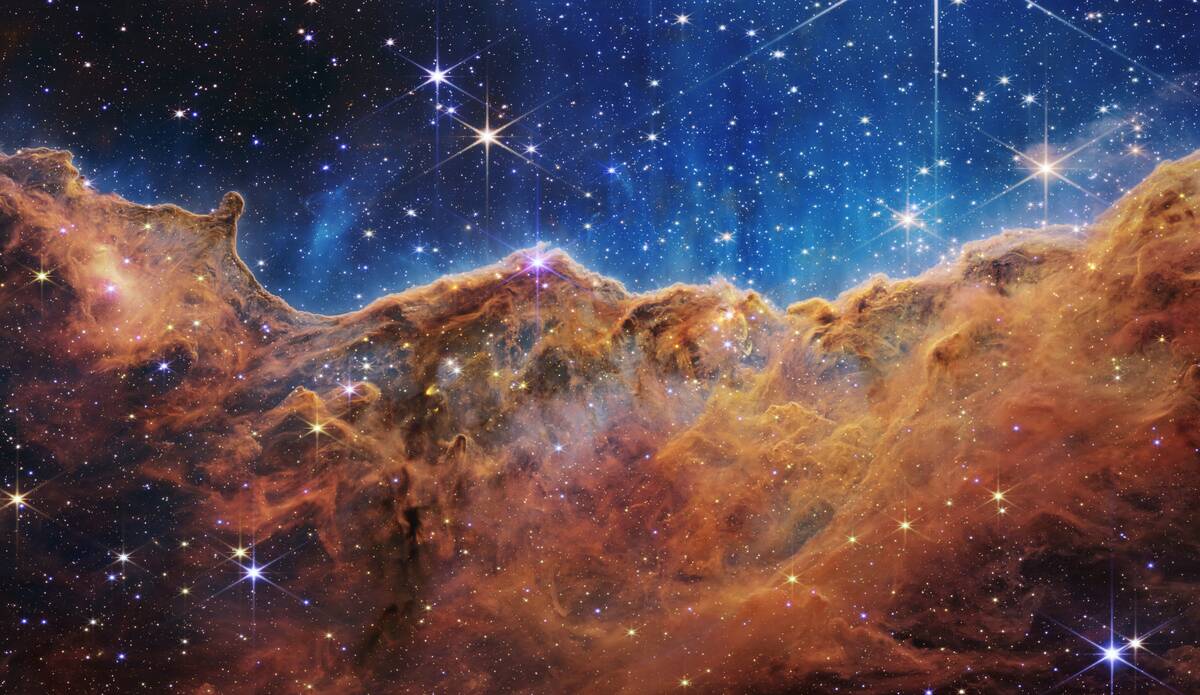
Nebulae are interstellar clouds composed of hydrogen, helium, and other ionized gases. They serve as both the birthplace and graveyard for stars, making them integral to the life cycle of the cosmos.
One type, emission nebulae, glows brightly due to the ionization of the gas, while reflection nebulae shine by reflecting the light of nearby stars. Dark nebulae, on the other hand, obscure the light behind them, creating dramatic silhouettes against the luminous backdrop.
How Do Stars Form Nebulae?
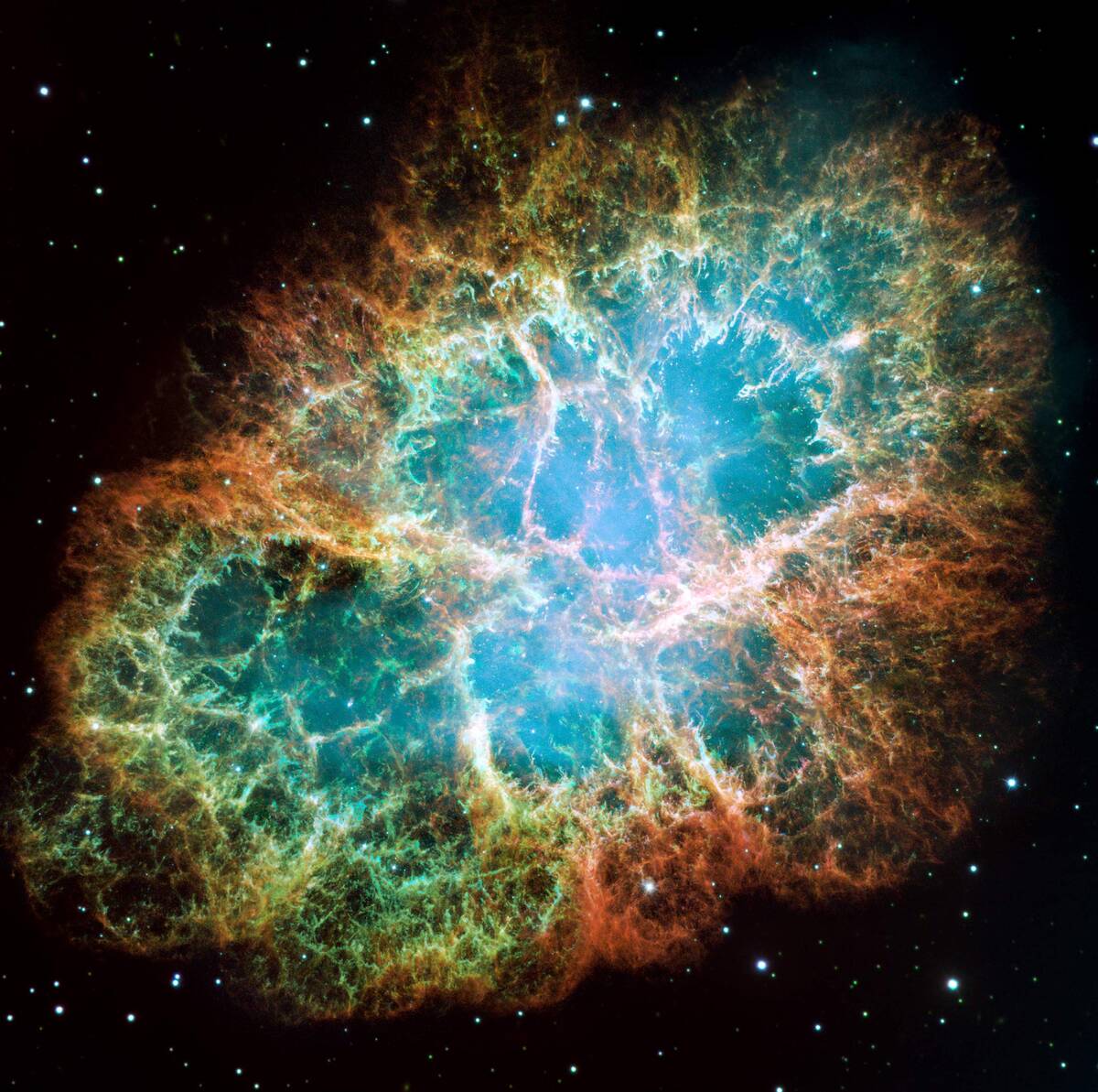
Stars form in dense regions of nebulae where gas and dust collapse into protostars and eventually ignite nuclear fusion.
Much later, when certain stars near the end of their life shed their outer layers, they create a planetary nebula surrounding the remaining white dwarf. Thus, nebulae are both cradles and remnants of stellar evolution.
The Role of Gravity in Nebula Formation
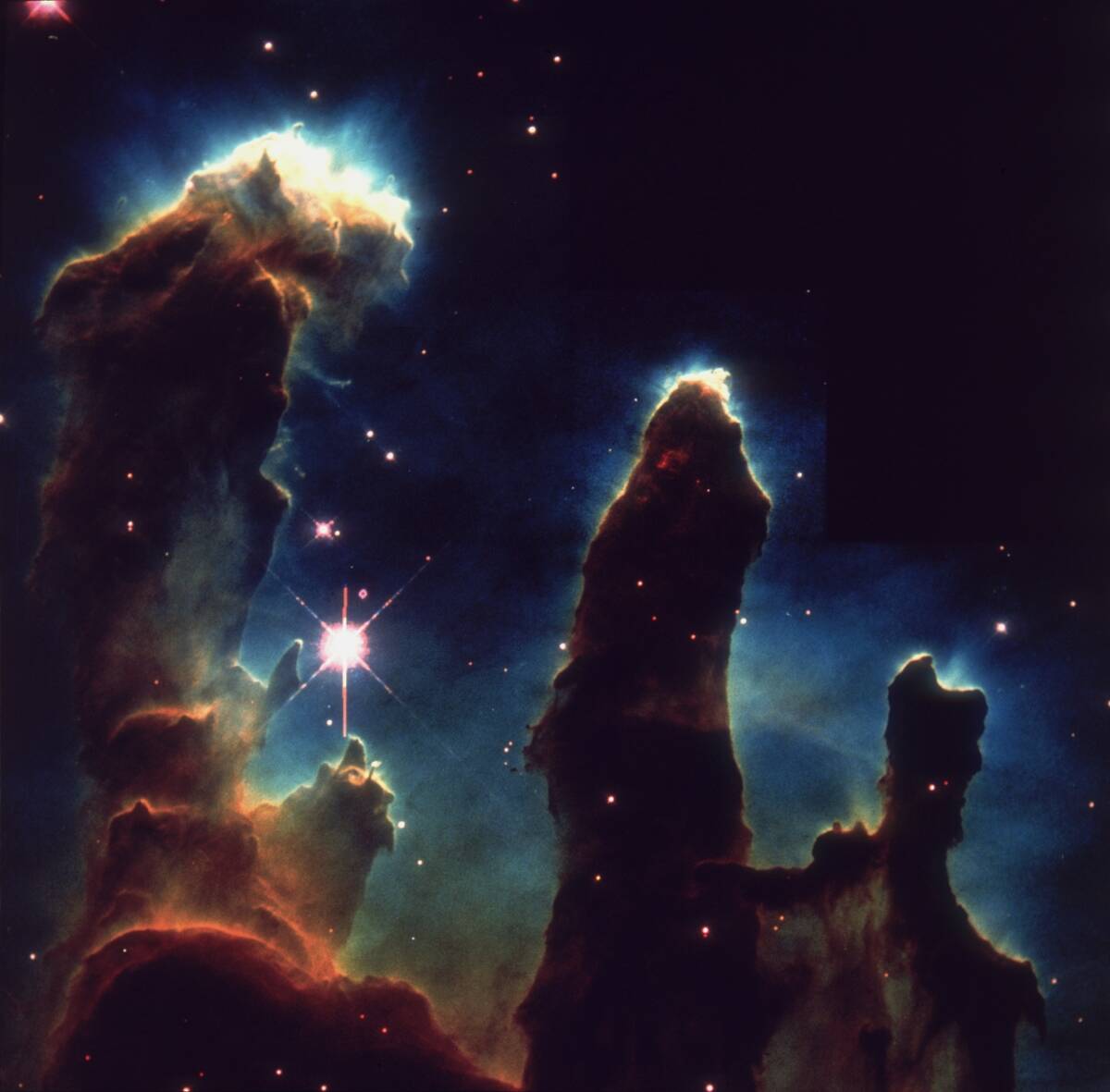
Gravity plays a crucial role in shaping nebulae. It causes the gas and dust within these clouds to clump together, initiating the formation of stars. As a nebula contracts under gravitational forces, it can fragment into smaller regions, each potentially forming new stars.
This process is particularly evident in star-forming regions like the Eagle Nebula’s Pillars of Creation, where gravity sculpts dense columns of gas and dust housing budding stars.
Nebulae and Their Stunning Animal Shapes
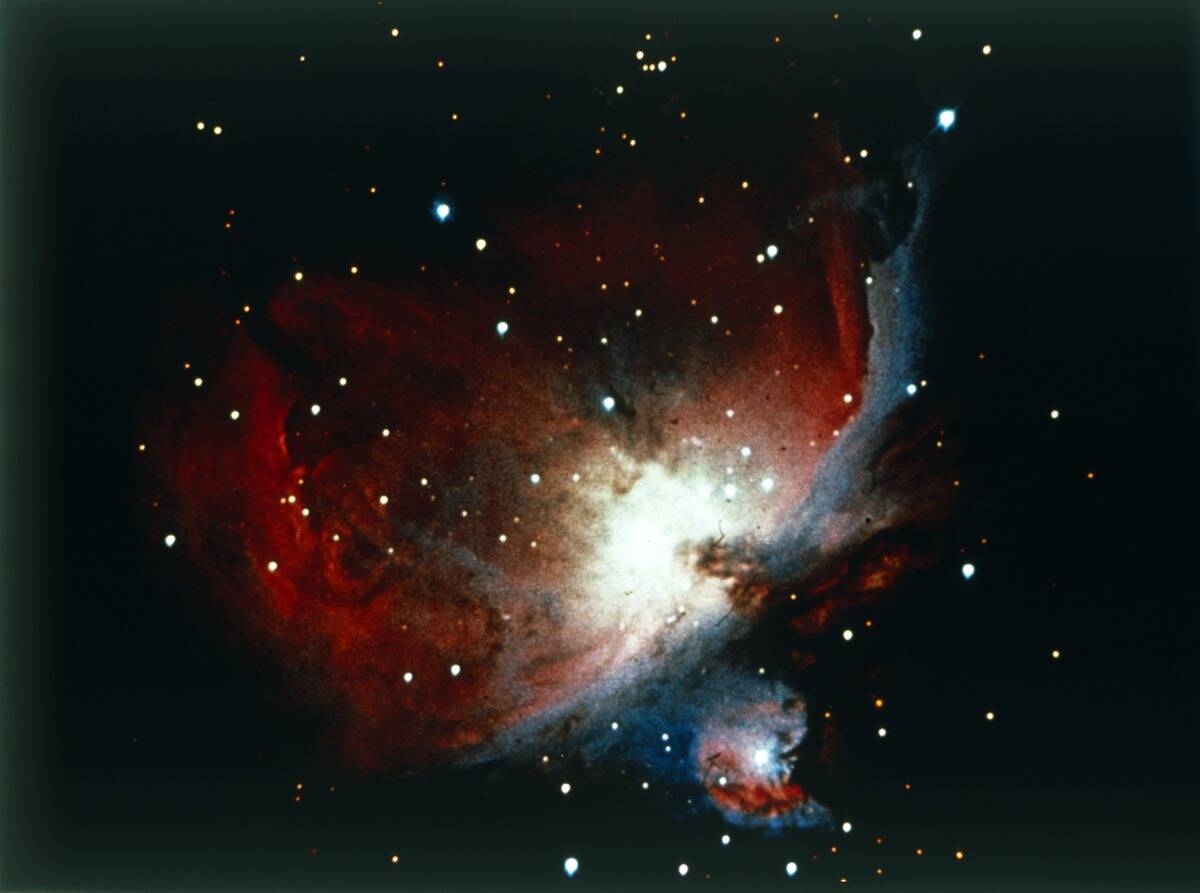
Interestingly, many nebulae bear striking resemblances to animals, captivating both astronomers and art enthusiasts alike. These shapes, known as pareidolia, occur when our brains attempt to recognize familiar patterns in random data.
From horses to cats, and even elephants, these cosmic animals are not only delightful to observe but also provide unique identifiers for nebulae in the vast universe. Each one tells a story, blending science with imagination.
The Eagle Nebula: Soaring Through Space
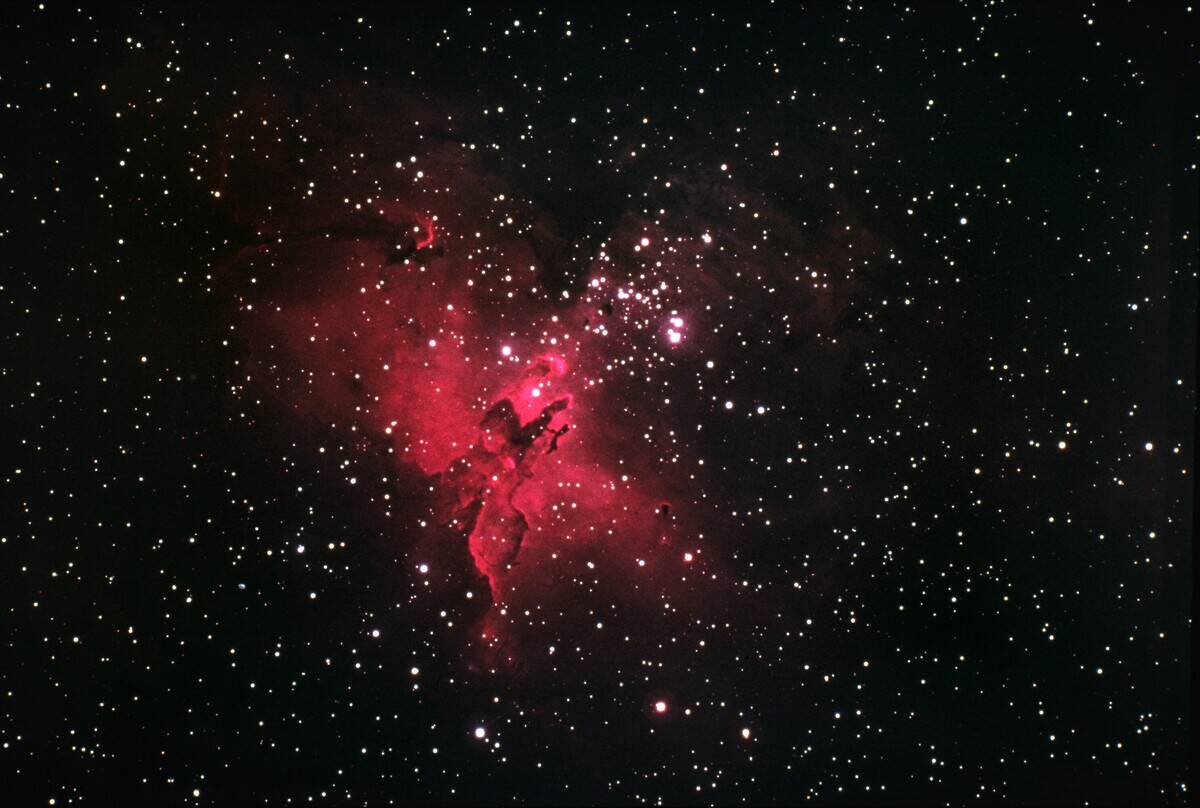
The Eagle Nebula, located in the constellation Serpens, is home to the famous Pillars of Creation. These towering columns of gas and dust resemble an eagle in flight, earning the nebula its avian moniker.
Discovered by Swiss astronomer Jean-Philippe Loys de Chéseaux in 1745, this nebula is a stellar nursery where new stars are born. Its breathtaking beauty was captured by the Hubble Space Telescope, inspiring awe and wonder across the globe.
The Cat’s Paw Nebula: A Feline Footprint in the Cosmos
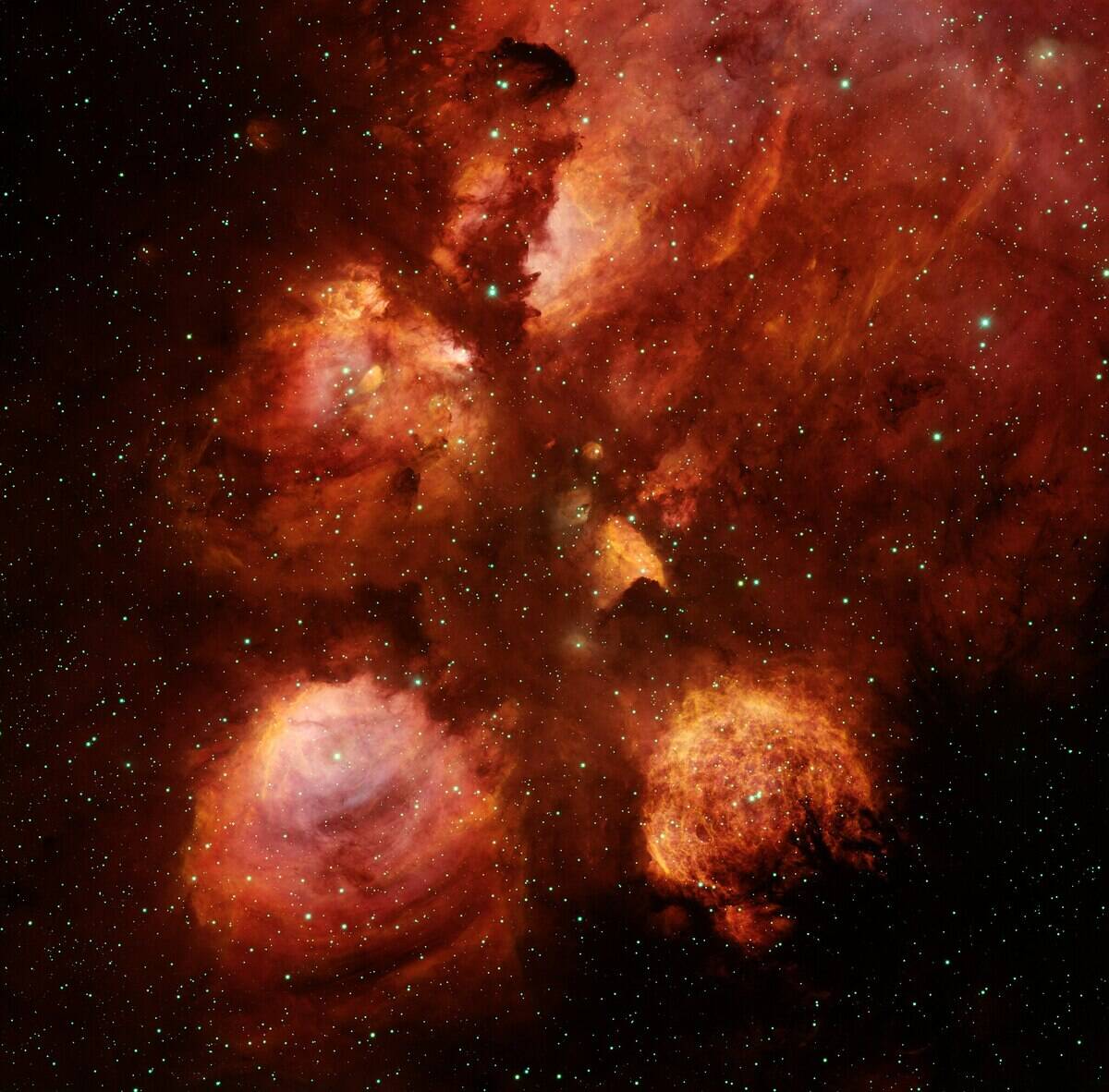
The Cat’s Paw Nebula, also known as NGC 6334, is a star-forming region located in the constellation Scorpius. Its name comes from the distinctive paw-like shape created by the nebula’s glowing clouds.
This emission nebula is one of the most active star-forming regions in our galaxy, containing massive stars that emit intense ultraviolet radiation. This causes the surrounding gas to glow, highlighting the nebula’s intricate feline features.
The Horsehead Nebula: Galloping Through the Universe
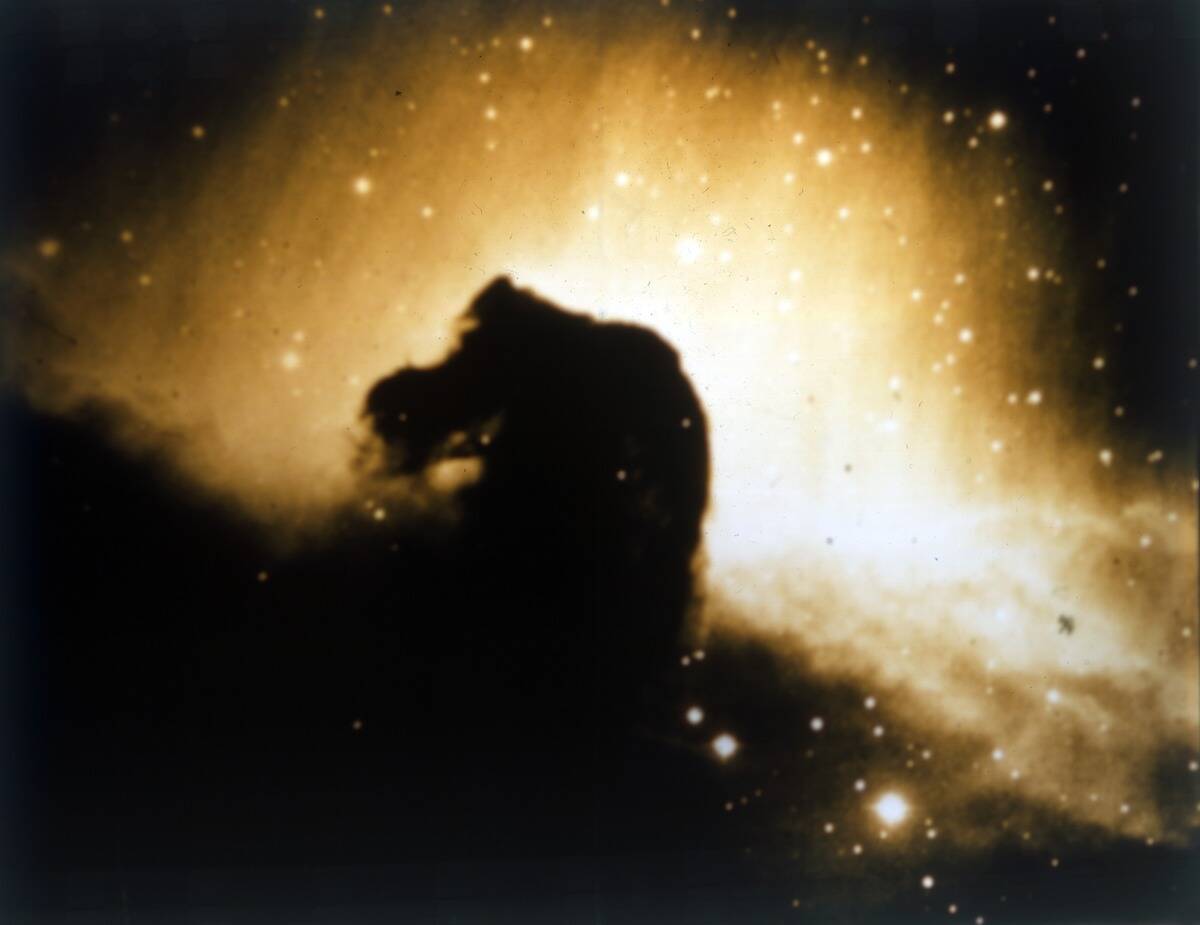
Nestled in the constellation Orion, the Horsehead Nebula is a dark nebula that resembles a horse’s head rearing up against a vibrant backdrop of stars. First discovered in 1888 by Scottish astronomer Williamina Fleming, this nebula is part of the larger Orion Molecular Cloud Complex.
The iconic shape is due to a dense cloud of dust and gas blocking the light from the bright emission nebula behind it, creating a striking silhouette.
The Butterfly Nebula: A Delicate Cosmic Insect
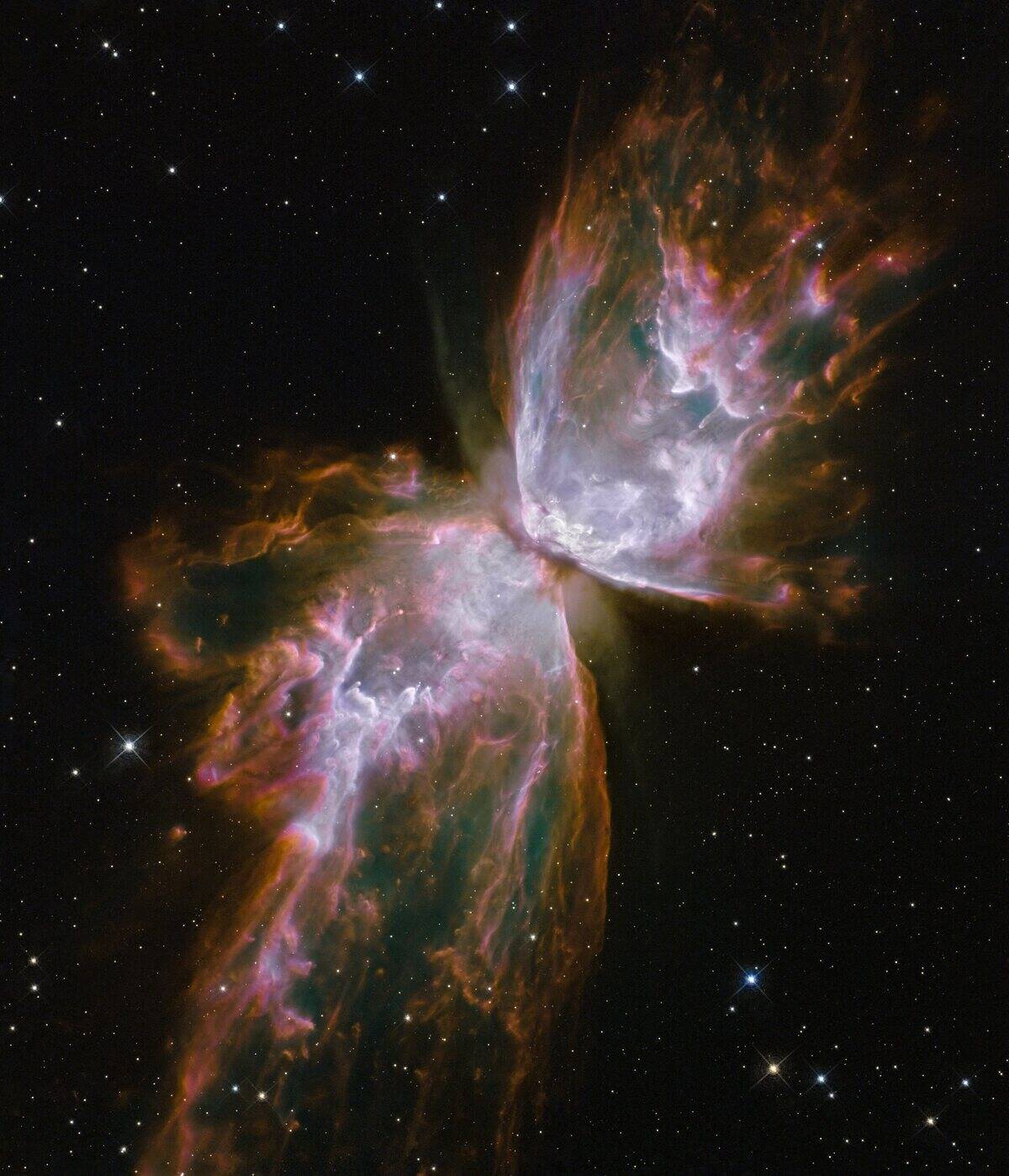
The Butterfly Nebula, or NGC 6302, is a planetary nebula located in the constellation Scorpius. Its symmetrical wings of glowing gas extend across two light-years, resembling a butterfly in flight.
This stunning structure results from the violent ejection of material from a dying star at its center. The central star is one of the hottest known in the galaxy, with a surface temperature of over 200,000 degrees Celsius, contributing to the nebula’s radiant colors.
The Elephant’s Trunk Nebula: A Gentle Giant of the Sky
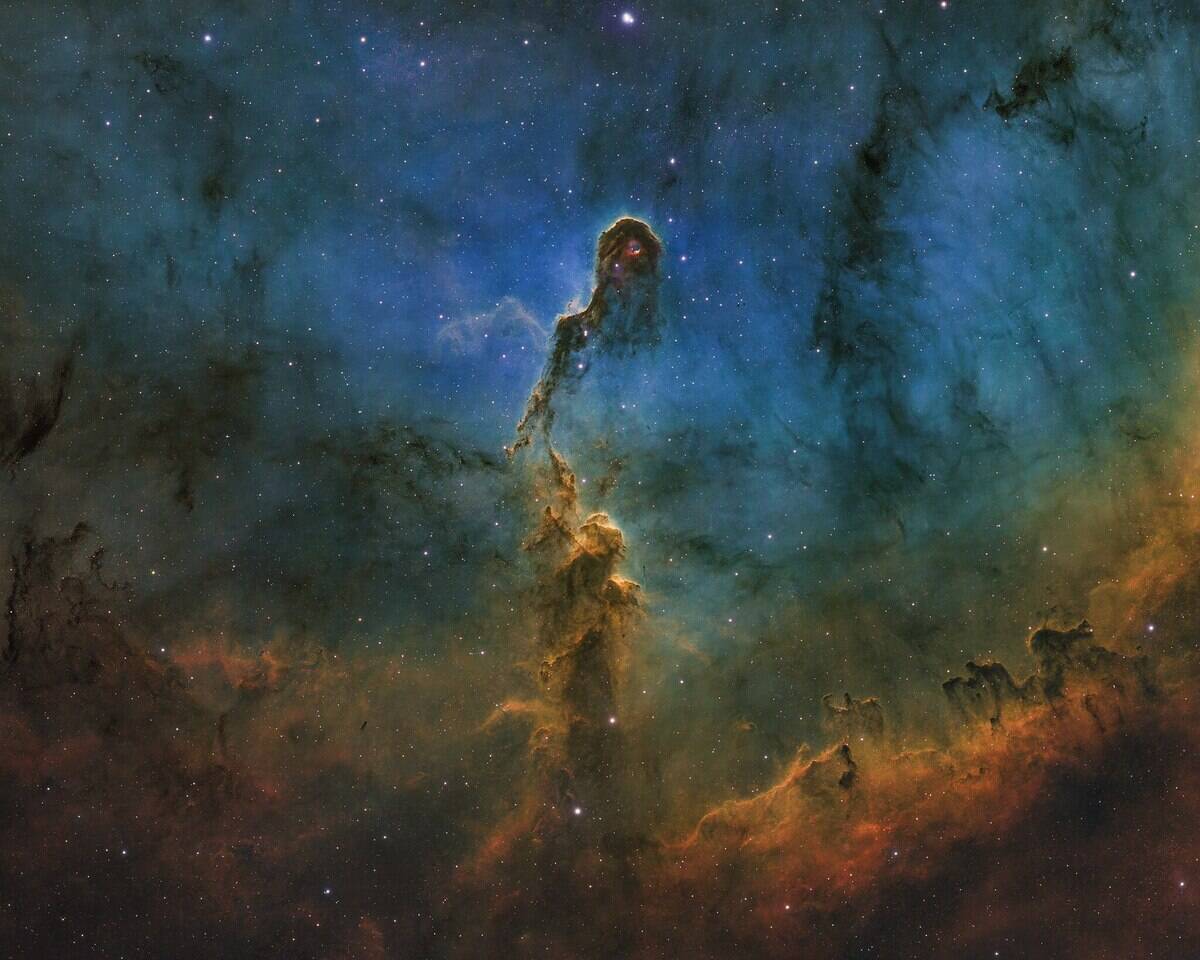
Located in the constellation Cepheus, the Elephant’s Trunk Nebula is part of a larger region known as IC 1396. Its elongated shape resembles the trunk of an elephant, winding through space over 20 light-years long.
This dense region of gas and dust is a site of ongoing star formation, with young stars illuminating its features. The nebula’s striking appearance and active stellar nursery make it a popular target for astrophotographers and astronomers alike.
The Pelican Nebula: A Feathered Wonder in the Stars
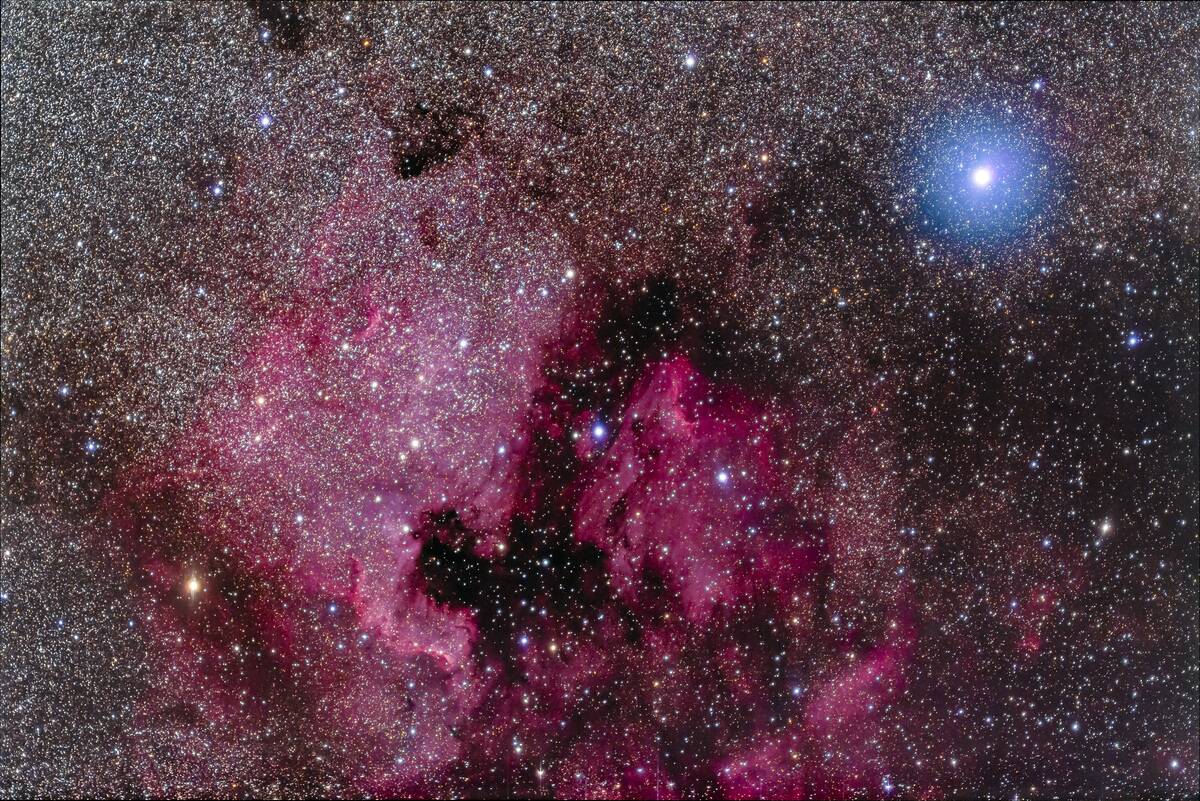
The Pelican Nebula, located in the constellation Cygnus, is a large emission nebula that resembles the profile of a pelican. Its complex structure is shaped by the ultraviolet light from nearby massive stars, which ionizes the gas and causes it to glow.
This nebula is part of a larger star-forming region and is actively studied by astronomers seeking to understand the processes that lead to the birth of new stars and planetary systems.
The Owl Nebula: A Celestial Night Bird
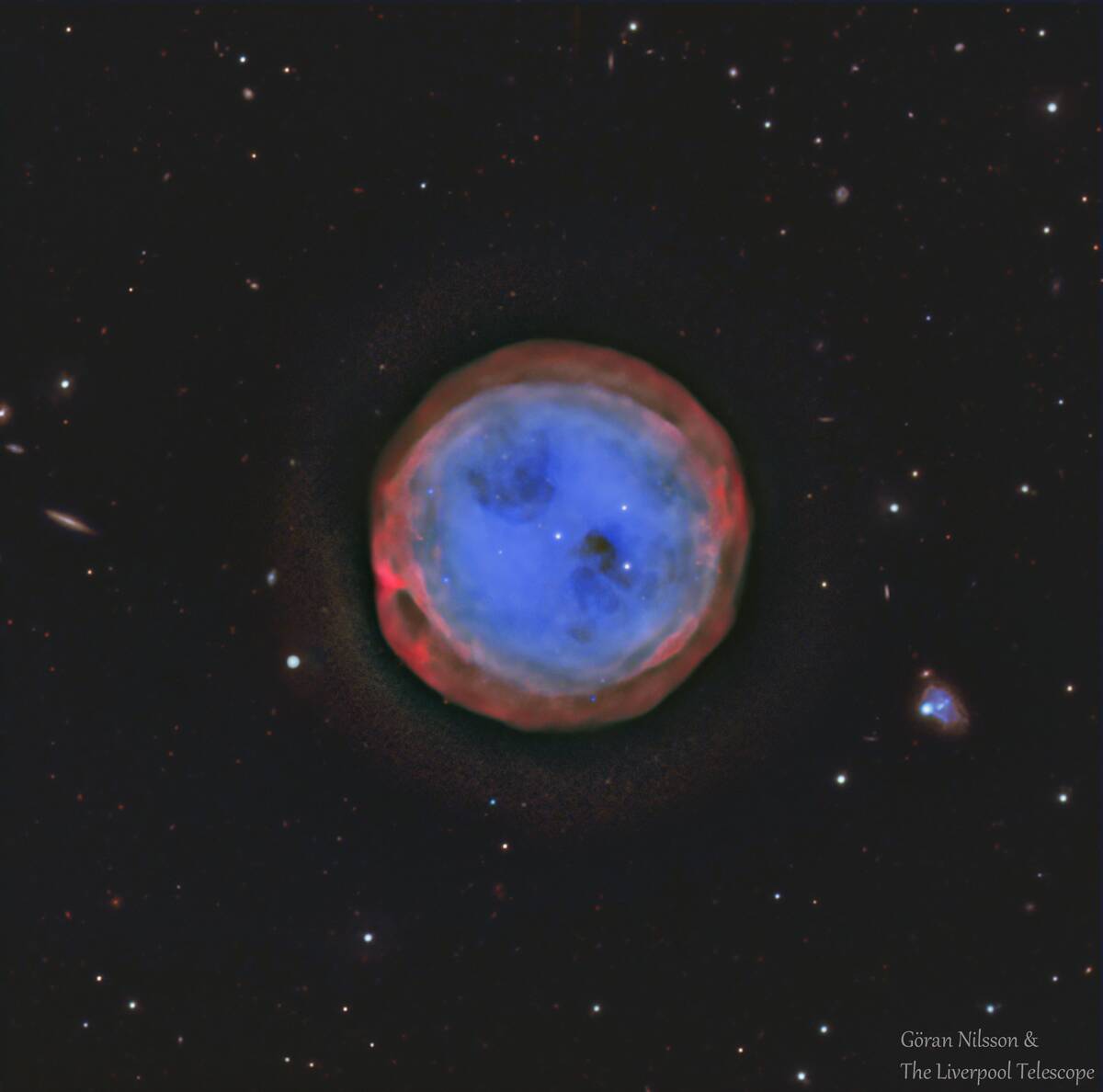
The Owl Nebula, or M97, is a planetary nebula located in the constellation Ursa Major. Its round shape and dark patches resemble the face of an owl, giving it its avian name. This nebula was discovered by French astronomer Pierre Méchain in 1781.
The central star of the Owl Nebula is a white dwarf, the remnant of a star that has shed its outer layers, creating the nebula’s ghostly appearance in the night sky.
The Dolphin Head Nebula: Swimming Among the Stars
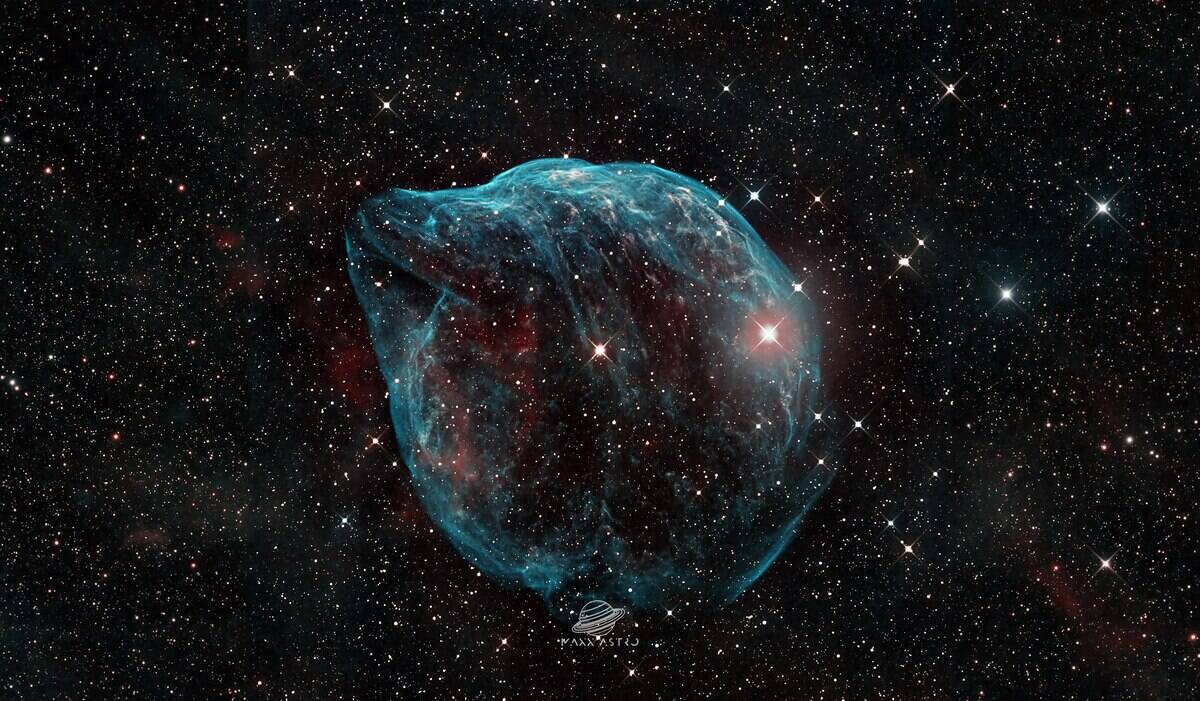
The Dolphin Head Nebula, also known as Sharpless 308, is a Wolf–Rayet bubble located in the constellation Canis Major. Its shape resembles the head of a dolphin swimming through the cosmos.
This nebula is formed by the wind from a massive Wolf-Rayet star interacting with the surrounding interstellar medium. The resulting bubble-like structure spans about 60 light-years, making it a remarkable example of the intricate interactions between stars and their environment.
The Fox Fur Nebula: A Cosmic Canine Coat
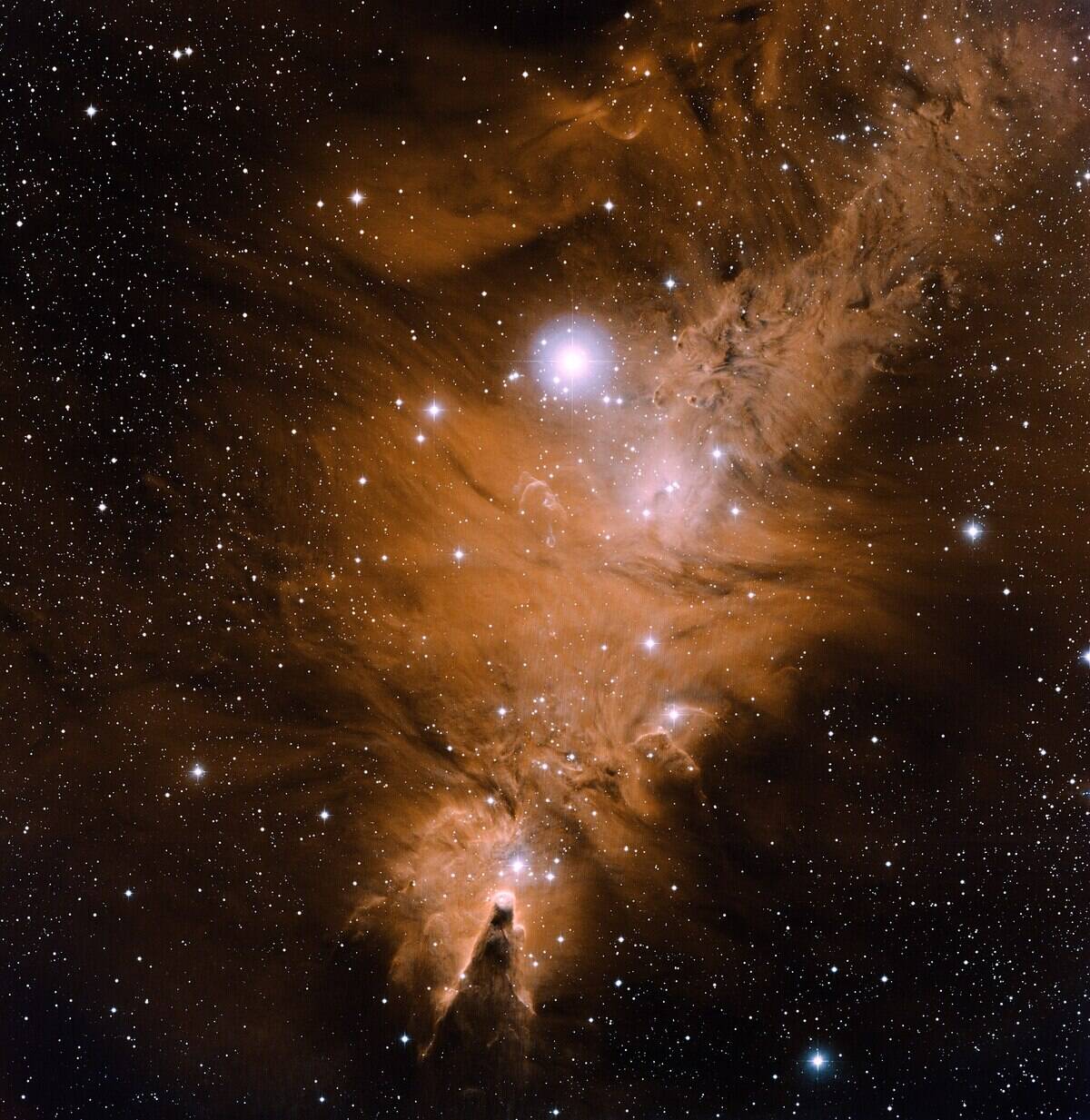
The Fox Fur Nebula, located in the constellation Monoceros, is a reflection and emission nebula associated with the star-forming region around NGC 2264, near the Cone Nebula and the Christmas Tree Cluster. Its fluffy appearance and reddish hue give it the likeness of a fox’s fur.
This nebula is a complex region of gas and dust, with star formation occurring within its depths. The intricate patterns seen in the nebula are sculpted by the radiation and winds from young, hot stars, creating a celestial tapestry reminiscent of a fox’s coat.
How Do Astronomers Capture These Stunning Images?
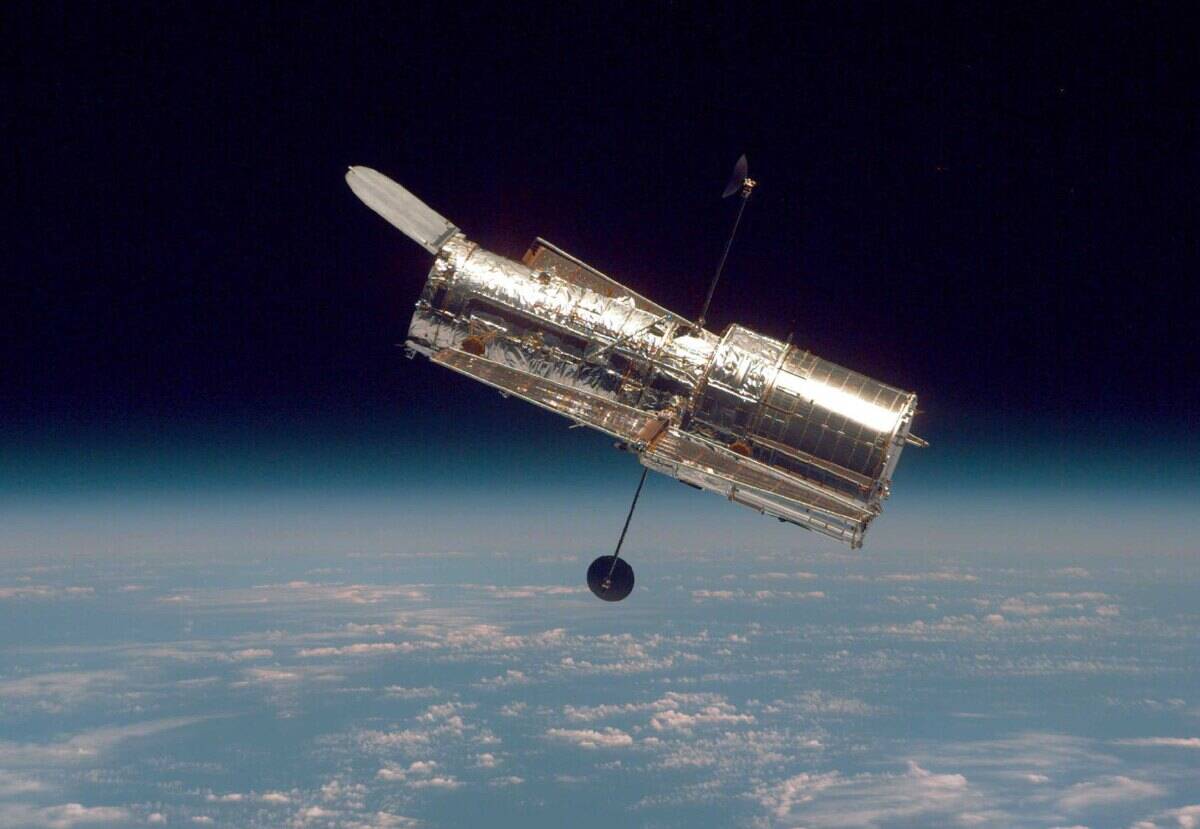
Astronomers use powerful telescopes equipped with advanced cameras to capture images of nebulae. Instruments like the Hubble Space Telescope and ground-based observatories employ various filters to isolate different wavelengths of light.
This process reveals the nebulae’s vivid colors and intricate structures. Additionally, long exposure times are used to collect enough light from these faint objects, resulting in the breathtaking images that grace astronomy journals and inspire stargazers worldwide.
Tips for Stargazing: Spotting Nebulae That Resemble Animals
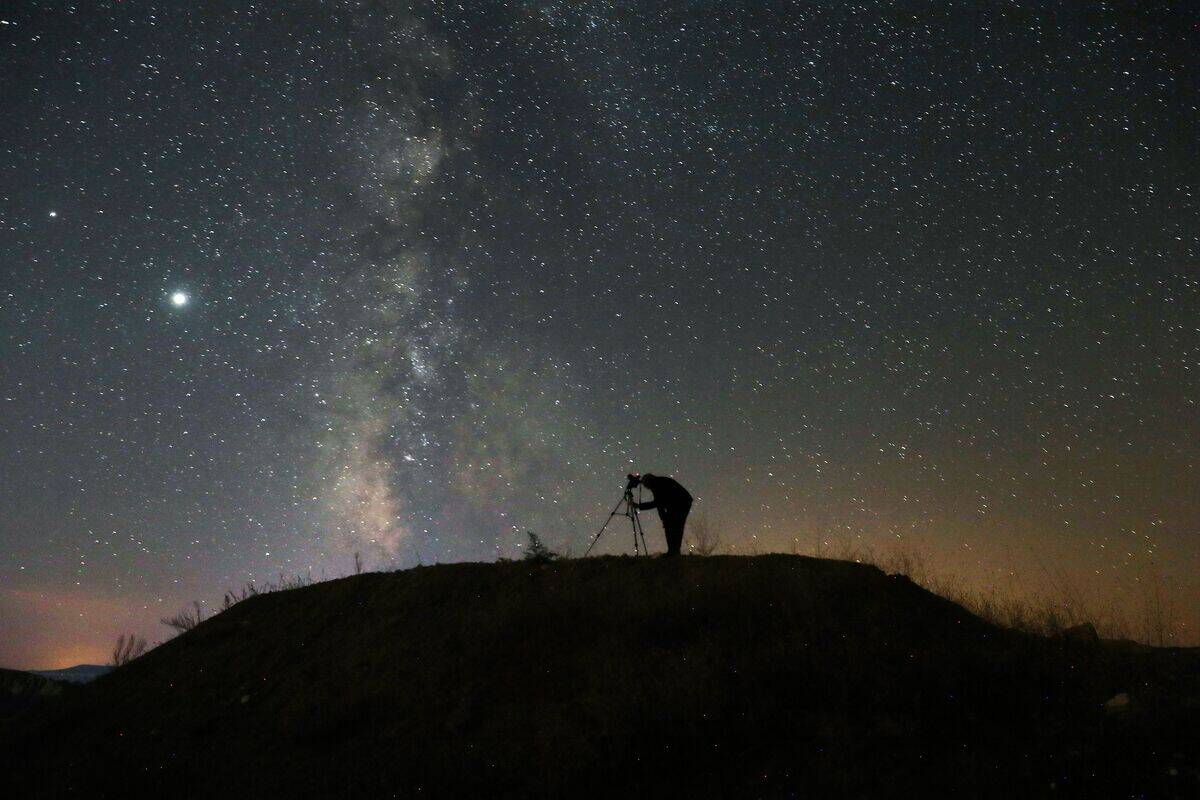
To spot some of the brighter nebulaes, one of the best tools is a small telescope or a pair of binoculars under dark skies. Start by identifying constellations that host these nebulae, such as Orion and Scorpius.
Use a star chart or a stargazing app to navigate the night sky, and be patient, as these faint objects require careful observation. Remember, the joy of stargazing lies in the journey of discovery and the stories that unfold with each celestial sighting.