Fascinating facts about dogs even animal lovers don’t know

Dogs have earned the title “man’s best friend” for thousands of years—and it’s easy to see why. Once prized mainly for guarding and hunting skills, dogs have evolved from working animals into beloved family members.
Today, they occupy a unique place in countless homes and hearts, bringing unwavering loyalty, affection, and endless tail wags. These captivating dog facts will give you even more reasons to love these amazing four-legged companions.
Dogs Aren’t Colorblind
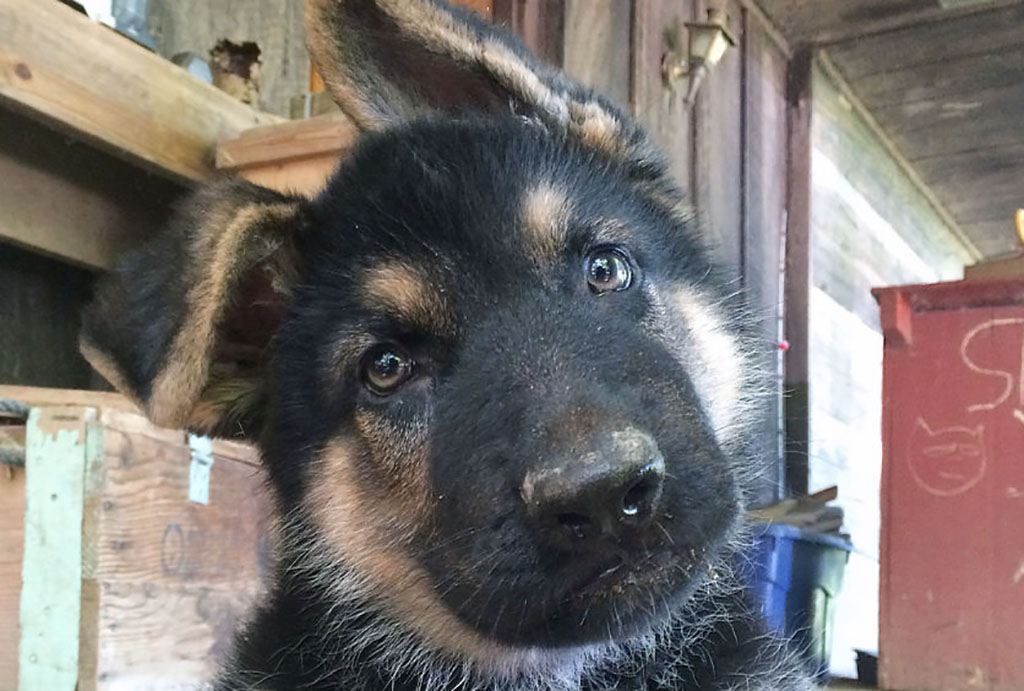
Contrary to popular belief, dogs aren’t totally colorblind. They do see colors, but not as vividly or across as broad a spectrum as humans do. Their color vision is often likened to how a colorblind person or someone in dim light might see.
Where dogs really shine is in low-light environments. Thanks to a reflective layer behind their retinas called the tapetum lucidum, they can capture and bounce back more light. This gives them a major edge when it comes to seeing clearly in the dark—something humans just can’t match.
Your Dog Can Smell Your Feelings
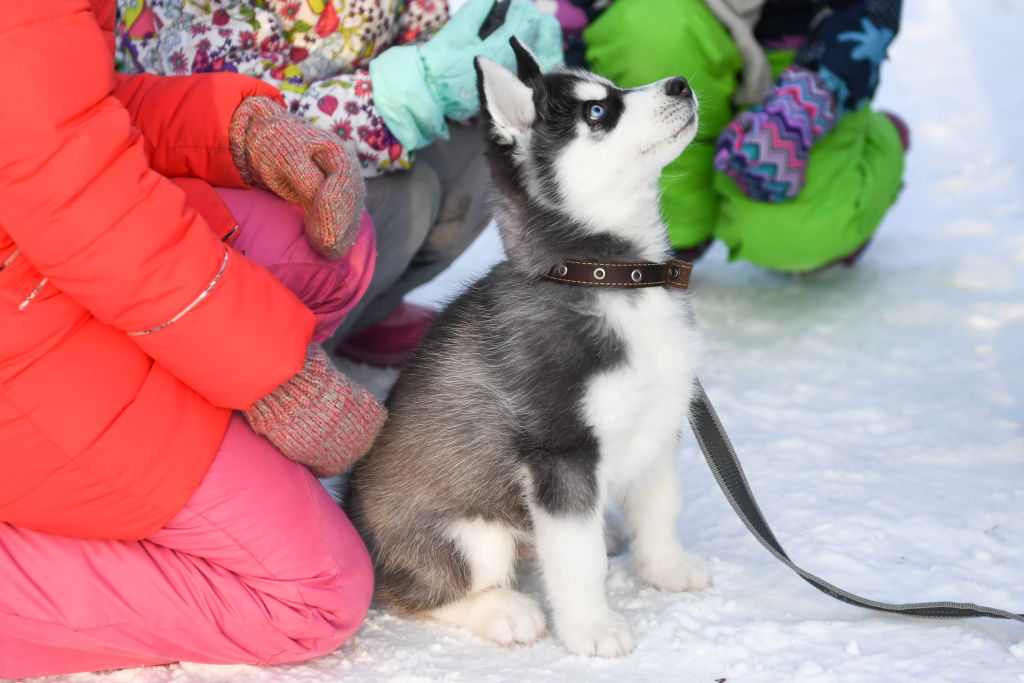
Dogs are famous for their powerful noses, but their sense of smell is far more remarkable than many realize. They don’t just detect scents invisible to humans—they can also notice subtle shifts in a person’s natural odor, including changes tied to emotions.
When you’re anxious or scared, your body chemistry shifts, and dogs pick up on those changes through your sweat. That influences how they react to you in the moment. Even more incredible, dogs have been known to detect illnesses in their owners and sometimes sense pregnancies in household members—all thanks to their extraordinary sense of smell.
They Have Interesting Ancestors
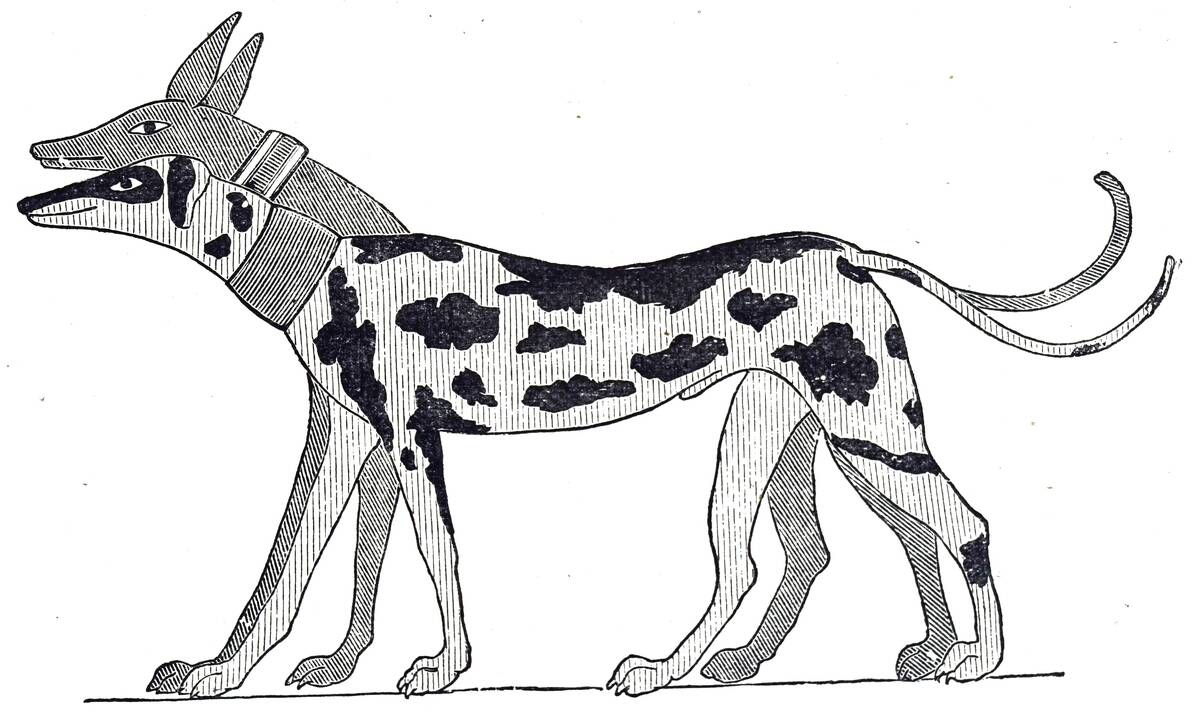
While there are countless dog breeds today, all dogs trace their roots back around 40 million years to the now-extinct Miacis. This carnivorous, weasel-like creature lived both in trees and dens.
The Miacis first appeared during the late Paleocene period and persisted into the Eocene. Over time, it evolved into the Tomarctus, which directly gave rise to the Canis genus—the group that includes wolves, jackals, and today’s domestic dogs.
Their Whiskers Help Them See In The Dark
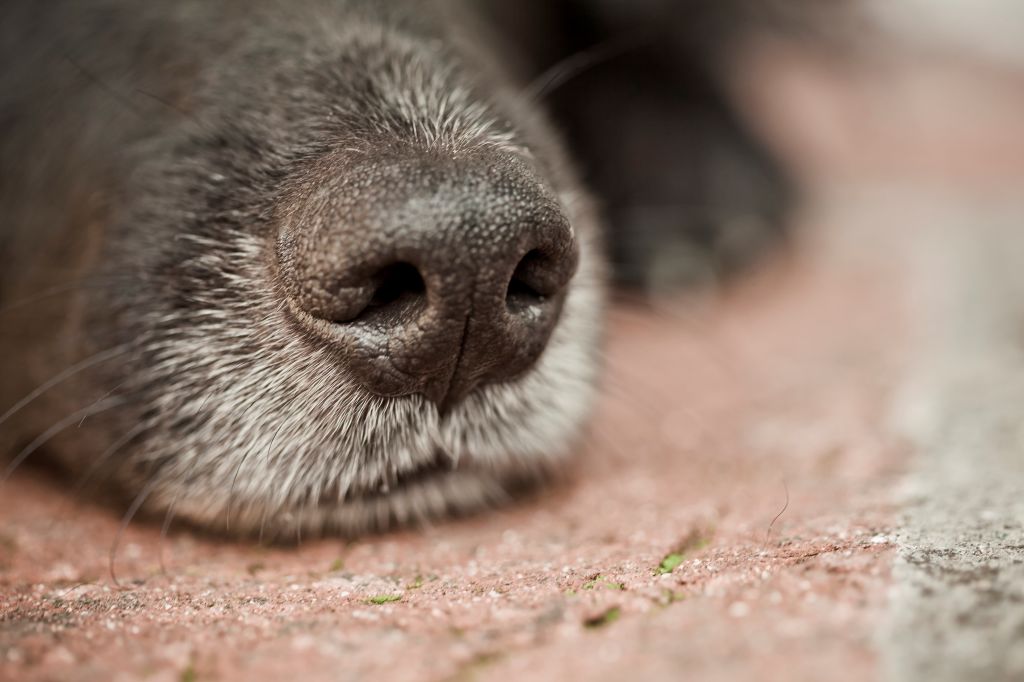
A dog’s whiskers—technically called vibrissae—are located on their muzzle and are highly sensitive hairs that detect changes in airflow. This helps dogs navigate their surroundings, especially in the dark.
While vibrissae don’t grant dogs the ability to see clearly at night, sensing subtle shifts in air currents allows them to gauge the size, shape, and movement of nearby objects, giving them an extra edge when visibility is low.
Stray Dogs Have Learned To Use The Subway In Russia
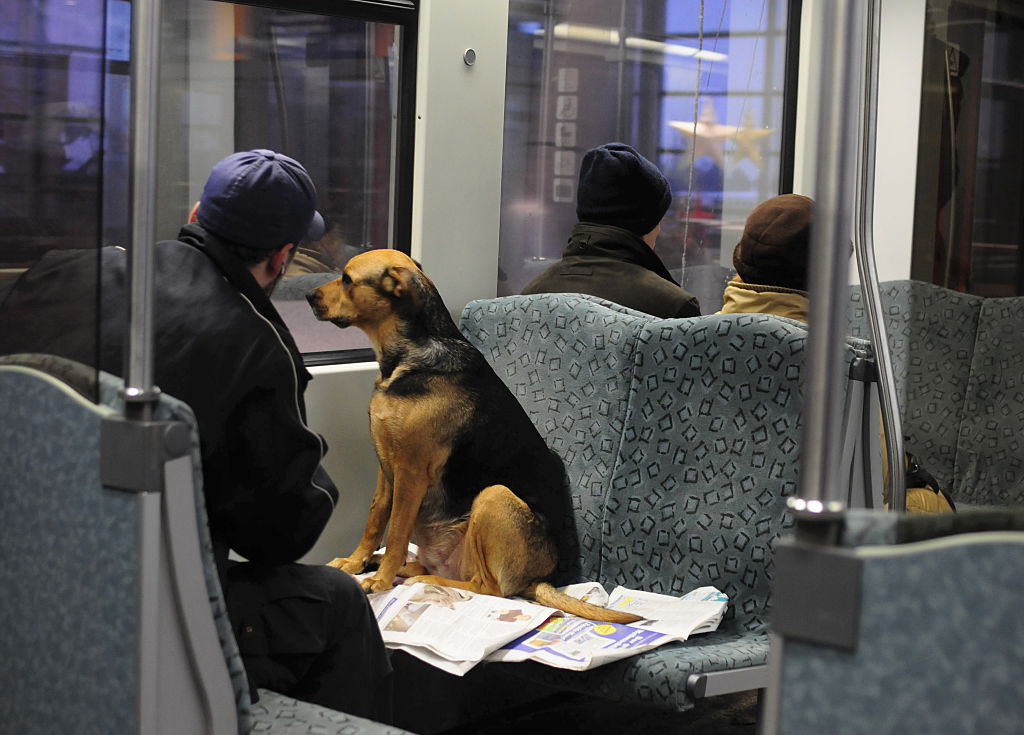
In Russia, it’s not unusual to spot stray dogs riding the subway. These clever pups have learned to use the trains to travel around the city. Moscow is home to as many as 35,000 stray dogs, and while not all use the subway, those that do tend to hop on and off at familiar stops in search of food.
What’s especially fascinating is how well they navigate the crowded cars, constant movement, and loud noises—often handling it all better than many pet dogs would.
They Have Been Used In The Military Throughout History

Just like modern-day police and military dogs, canines were also a part of medieval warfare. Breeds like Great Danes and Mastiffs were sometimes outfitted with armor and spikes, charging into battle alongside human soldiers.
When not fighting on the front lines, these dogs served as guardians for supply caravans. Their loud barks made for excellent alarms, and their strength and aggression made them formidable opponents that few dared to challenge.
Spiked Collars Go All The Way Back To Ancient Greece
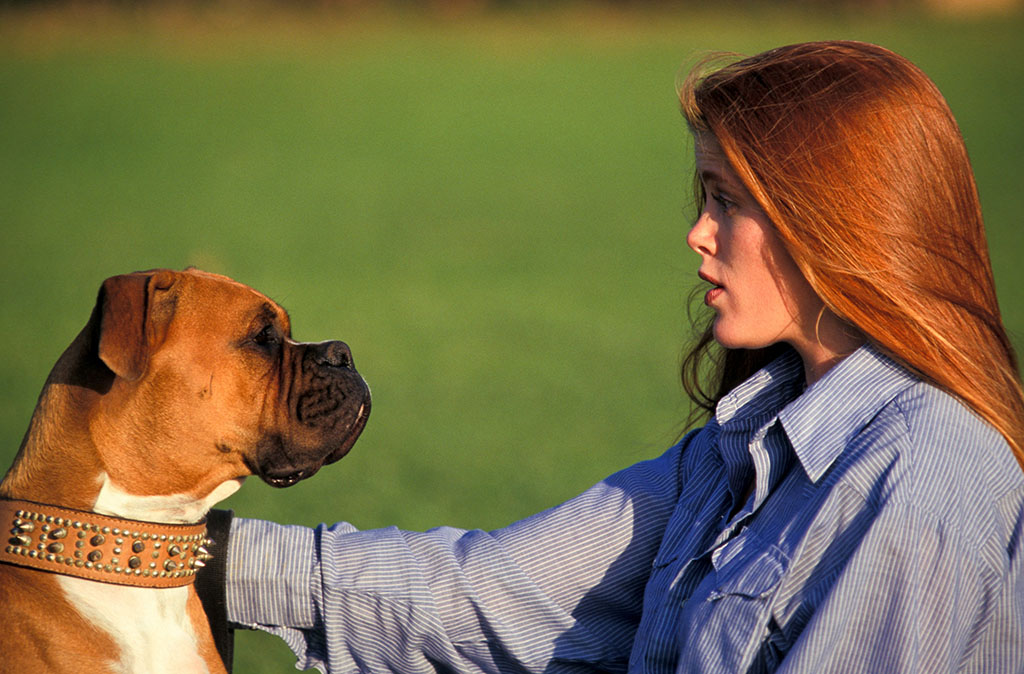
Though today, some pet owners might use spiked collars for fashion or to give their dog a tougher appearance, the origins of this style trace back to ancient Greece.
In those times, the Greeks valued dogs just as much as we do today. To shield them from wolves and other predators, they created spiked collars designed to protect their dogs’ throats in the event of an attack.
They Can Get Jealous
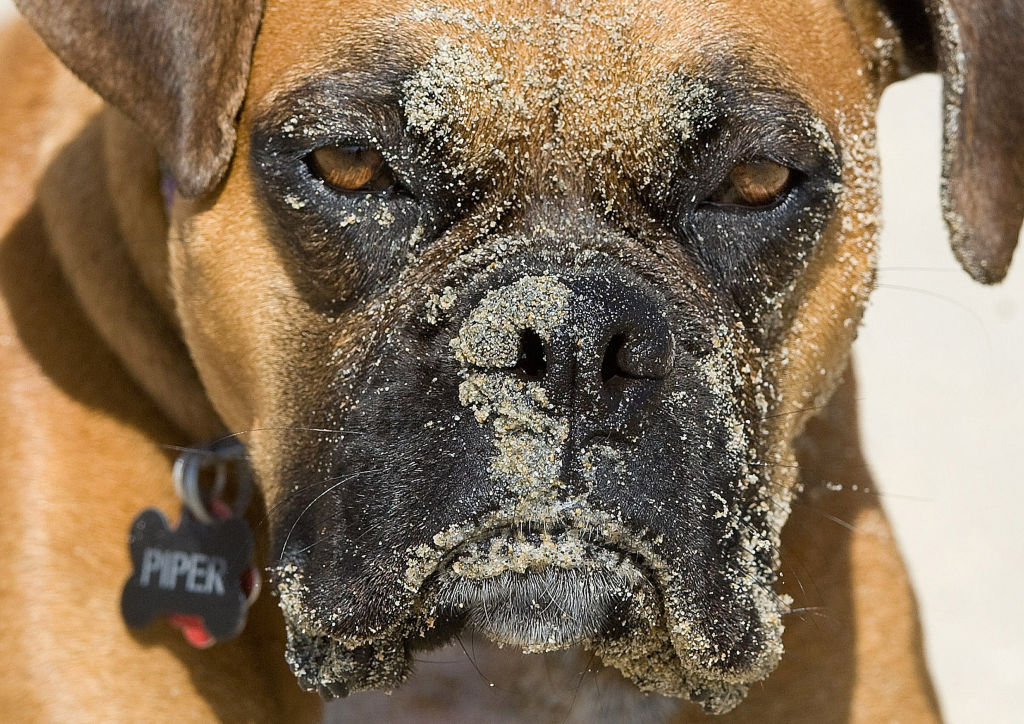
A study from the University of California, San Diego confirmed what many dog owners have long suspected — dogs can feel jealousy. In the experiment, dog owners interacted with three different objects in front of their pets: a book, a jack-o-lantern, and a realistic stuffed dog that barked and wagged its tail.
When owners focused on the stuffed dog, their real dogs reacted noticeably — showing more attention-seeking behavior and even trying to physically get between their owner and the fake pup. These reactions were far more intense than when the owners interacted with the other objects, suggesting that dogs really do get jealous when they think they’re being replaced.
The First Known Dog Is Really, Really Old
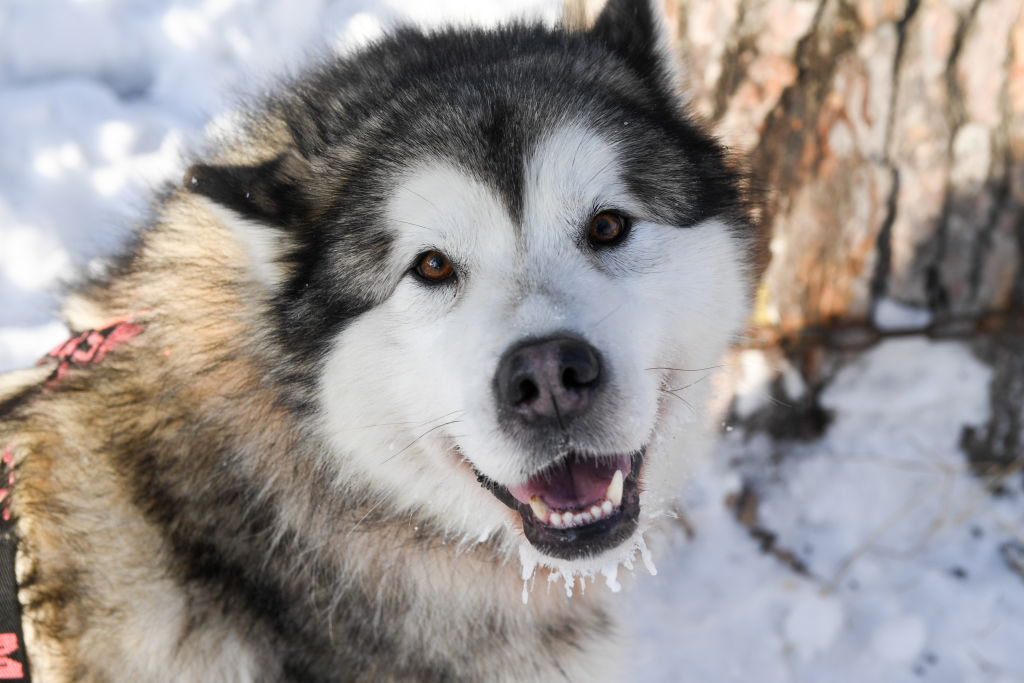
Based on fossil evidence discovered in Russia, scientists once believed that the earliest domesticated dogs lived around 14,000 years ago. But that timeline shifted dramatically after a surprising find in 2008.
Archaeologists unearthed the remains of a prehistoric canine in Belgium that dated back approximately 31,700 years. This remarkable discovery suggests that dogs may have been domesticated much earlier than previously thought — possibly by the Aurignacian people of Upper Paleolithic Europe. The ancient dog is believed to have resembled a large Siberian husky and likely survived on a diet of horse, musk ox, and reindeer.
They Lift Their Leg To Appear Bigger
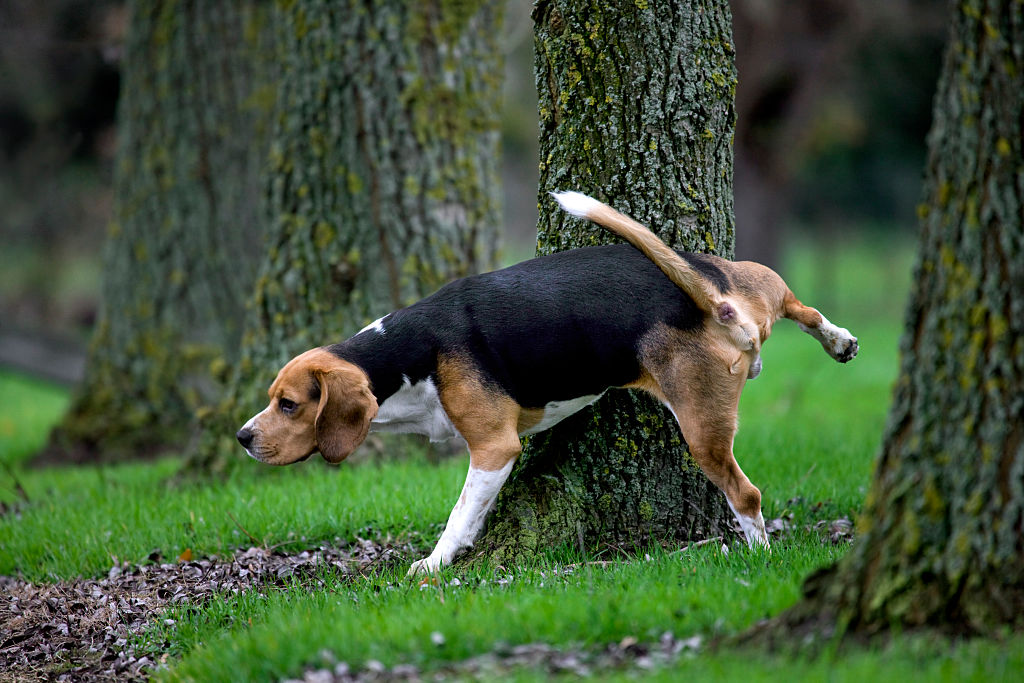
When a male dog urinates, it’s common to see him lift his leg and aim for a vertical surface like a tree, pole, or wall. This behavior isn’t random — it’s actually a clever way of sending a message.
By getting their urine as high as possible, dogs are trying to make themselves seem larger and more intimidating to other dogs who come across the scent. In some parts of Africa, dogs have even been seen running up tree trunks to mark higher and leave an even more impressive “calling card” for any passersby in the animal kingdom.
More Than Half Of US Presidents Have Had Dogs
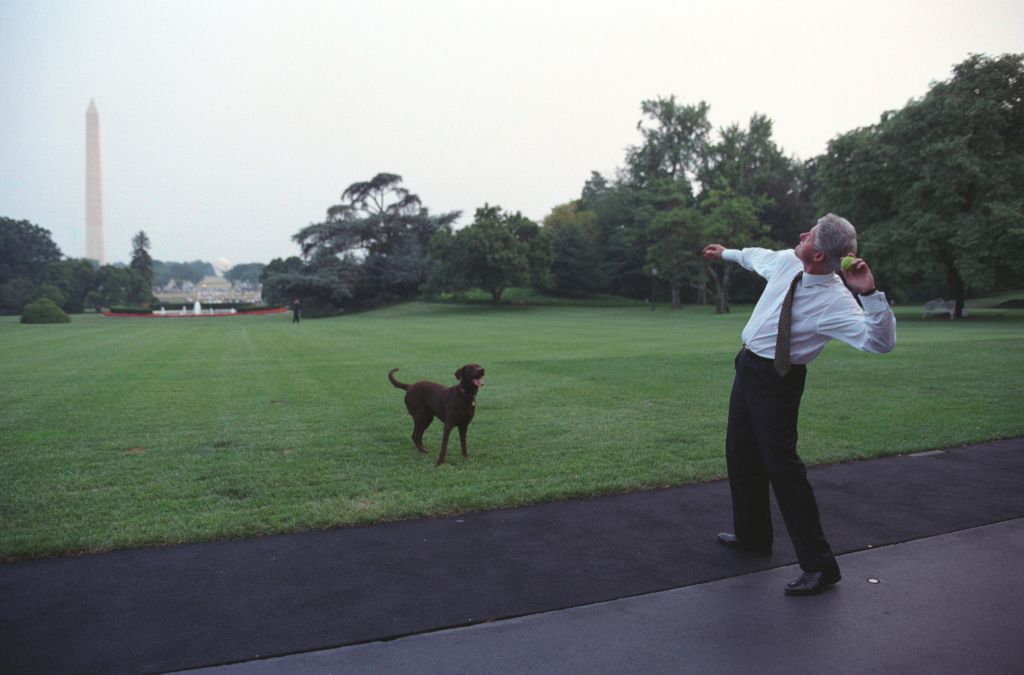
With pet dogs having the highest population in the United States, it’s no wonder that over half of the United States presidents have owned dogs while in office. In fact, 33 out of 45 US presidents have owned a dog during their stay in the White House.
George Washington even had seven dogs. He had three American Staghounds named Sweet Lips, Scentwell, and Vulcan, as well as four Black and Tan Coonhounds named Drunkard, Taster, Tipler, and Tipsy.
Dogs Are About As Smart As A Two-Year-Old
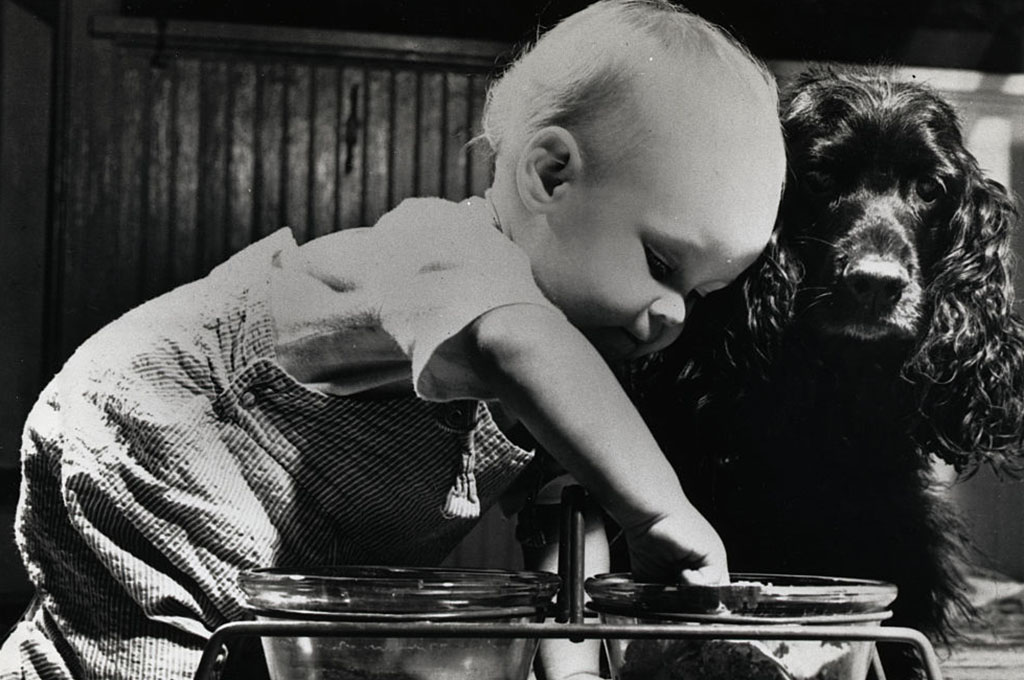
Have you ever wondered why dogs and little children sometimes have such a deep connection? Well, it’s because they are essentially on the same frequency. After years of research, it has been assumed that dogs have the intelligence relative to a two-year-old child.
While they may differ emotionally, each is capable of recognizing around the same amount of words and gestures. While this estimate may seem like it’s underestimating your dog’s intelligence, it’s important to remember that toddlers are much smarter than most people realize.
Yawning Is Contagious Among Them
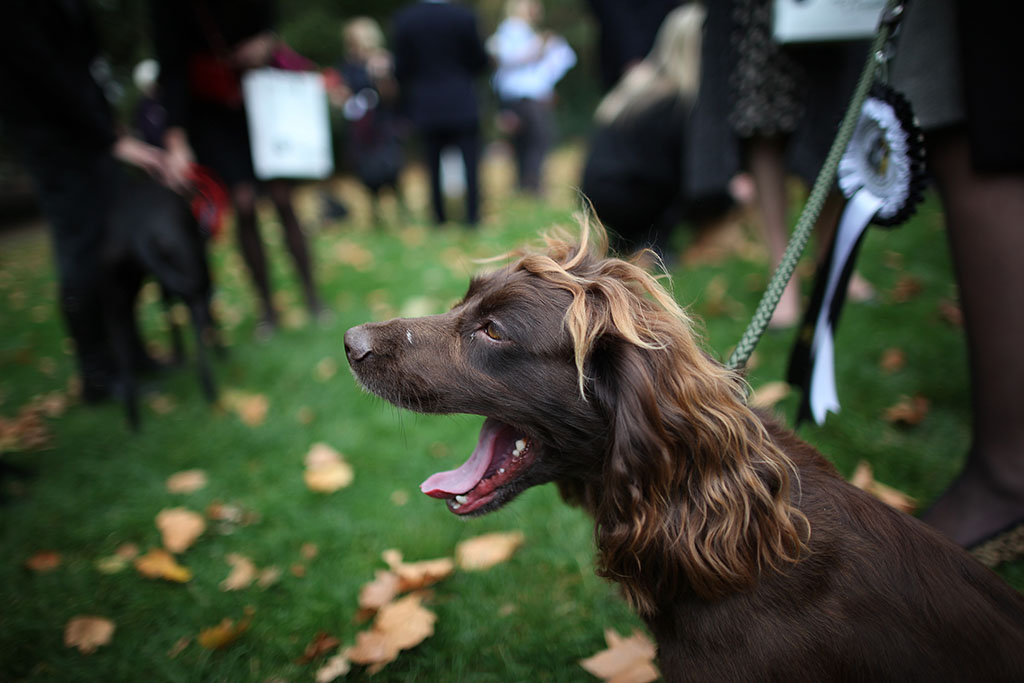
Just like humans, yawning is contagious among dogs. If they see or hear a human yawn, it can trigger the dog to do the same. In a study by psychologist Ramiro Joly-Mascheroni and colleagues from the University of London, 21 out of 29 dogs responded to someone yawning by doing the same.
However, interestingly enough, a dog is four times more likely to yawn if they see someone they know like such as their owner yawn first.
Dogs Actually Have A Very Good Sense Of Time, Which Means They Know How Long You’ve Been Gone
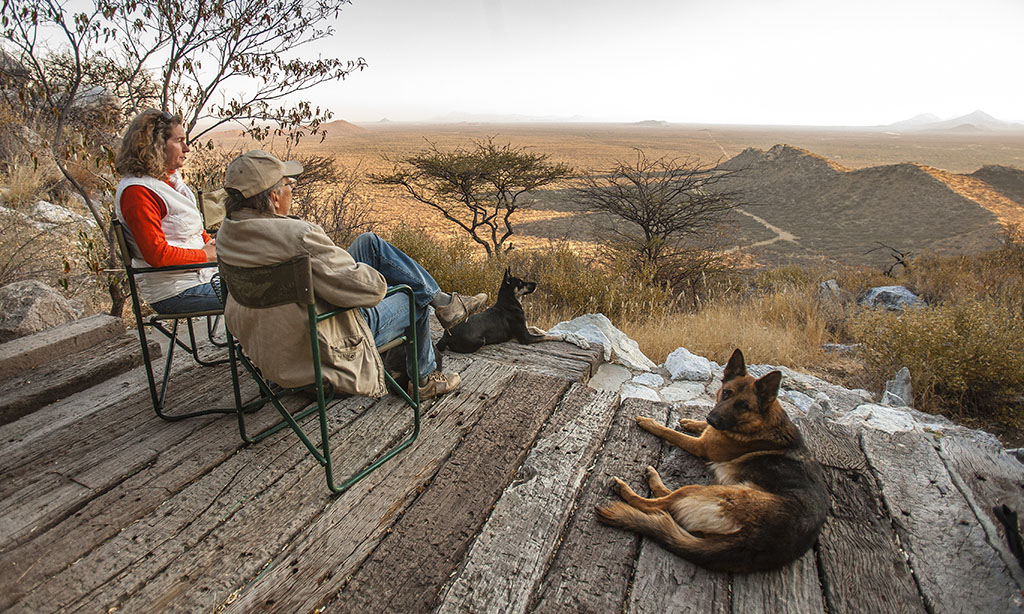
If you think that your dog lives out their days with no real idea what time it is or how much time has passed, you’re sadly mistaken. It’s actually quite the opposite. Dogs pick up on their owner’s routines and habits and form their own routines around them.
Ever notice how your dog knows exactly when it’s time for dinner or their daily walk? It’s because they’re aware of what time of the day it is. Although it’s sad to hear, they also know how long you’ve been gone for when you leave them.
The United States Has The Highest Dog Population
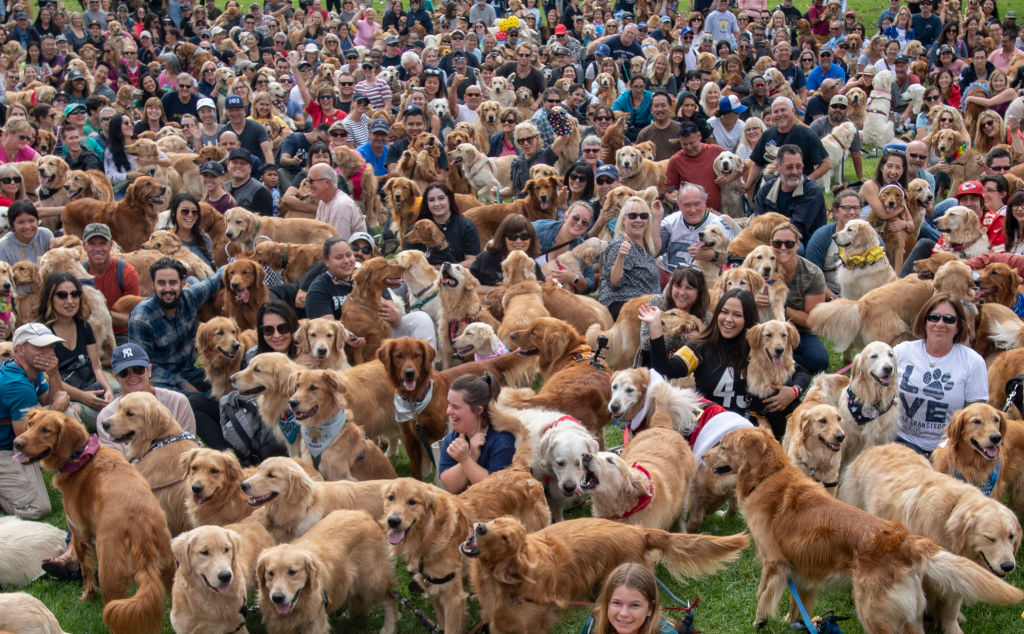
Unsurprisingly, the United States has the highest population of pet dogs in the world, approximately 75.8 million. Now that’s a lot of dogs. Due to the massive population of dogs, numerous laws have been passed both state-specific and country-wide regarding the treatment of dogs, selling of dogs, breeding of dogs, and more.
In addition, out of necessity, dog parks, grooming parlors, and pet stores have been springing up all over the place, especially in major cities or heavily populated areas.
Dogs Have Sweat Glands, But Not Like Humans

Dogs don’t sweat like humans, but they do sweat. They have two types of sweat glands; merocrine and apocrine glands. While the merocrine glands function similar to human sweat glands, they are located in a dog’s paw pads. This is why you might see damp paw prints on the ground on a hot day.
Instead of sweating like humans, in order to regulate their body temperature, they rely on panting. The action evaporates moisture from their tongues and their lungs, which cools them off as the air passes over their tissue.
The Legend Of The Werewolf

After the fall of Rome, human survival once again became more important than breeding, owning, or taking care of dogs. Although dogs were popular in ancient Roman culture, many people were forced to leave their animals behind as they were no longer capable of caring for them.
During this time, legends of werewolves began to spread although they were just packs of stray dogs that harassed the people and livestock in the struggling villages and towns.
Why They Curl Up In A Ball
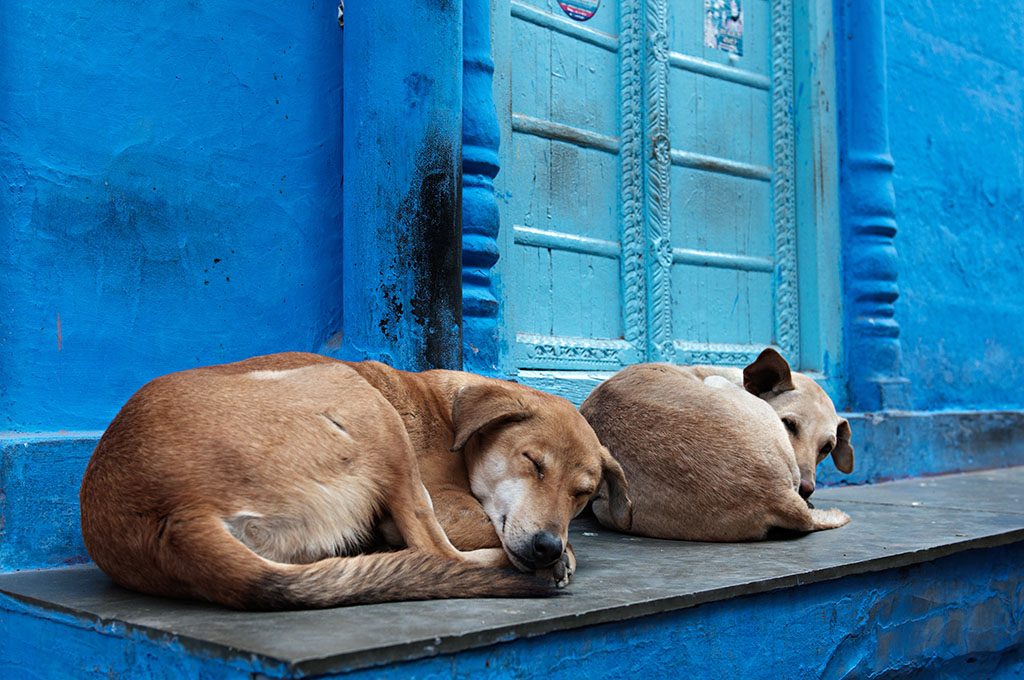
Although they may not do it all of the time, while they’re sleeping, most dogs will curl up into a ball. This is an instinct that has been passed down to them from their ancestors who would curl up to protect their vital organs while they slept in the wild.
In addition, it is a way for them to stay warm. Tucking their nose under their tail while in a ball conserves body heat, which is what many dogs sleeping outside will do.
Why Their Noses Are Wet

We all know the sensation of a dog’s wet nose brushing against our skin, but have you ever wondered why their noses are always moist? The reason is that dogs continuously produce a thin layer of mucus on their noses.
This moisture, along with frequent nose licking, helps them capture scent molecules. Additionally, their wet noses play a role in regulating body temperature, working alongside panting and sweat through their paws to keep them cool.
Dogs Can Hear Four Times As Far As Humans
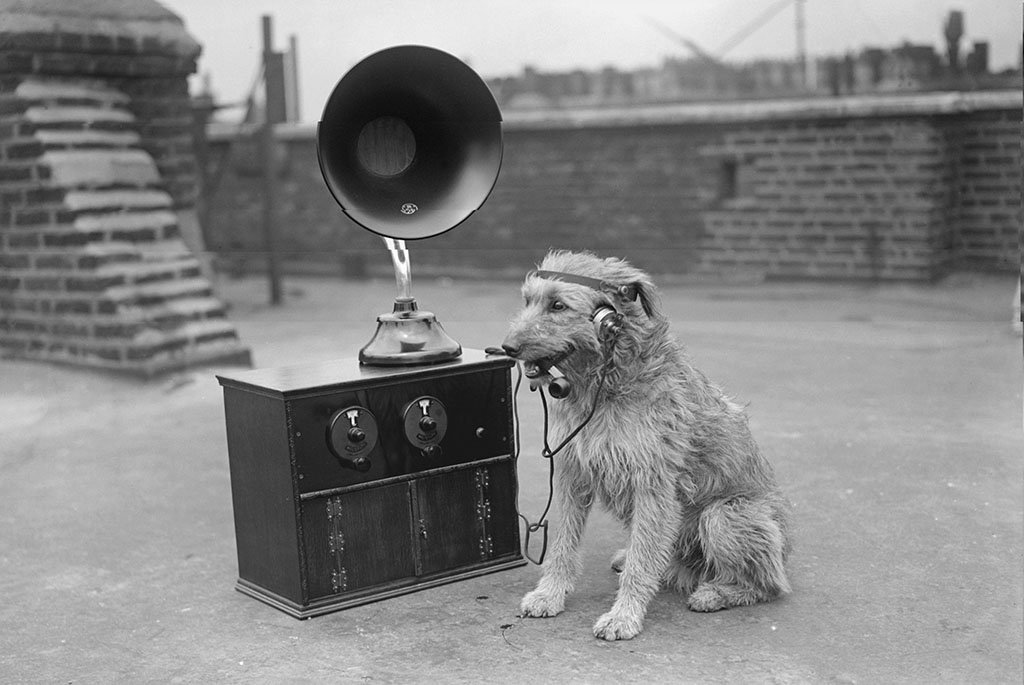
Puppies are born both blind and deaf, but their hearing develops rapidly and eventually surpasses human capabilities. Not only can dogs hear sounds from greater distances, but they can also pick up frequencies that are inaudible to us.
Dogs can detect sounds in a frequency range of 67 to 45,000 hertz, while humans can only hear between 64 and 23,000 hertz. Additionally, thanks to the unique shape of their ears, dogs can pinpoint the source of a sound in just 6/100ths of a second.