Common traits across human civilizations

Trending Now
Throughout history, human civilization has woven a tapestry of diverse cultures, each with its unique traditions and practices. Yet, beneath these distinct identities lie common threads that connect us all.
These universal elements reflect our shared humanity and reveal how cultures have evolved, influenced one another, and adapted over time. By examining these threads, we gain insight into what it means to be human and how our ancestors shaped the world we know today.
The Universal Language of Storytelling
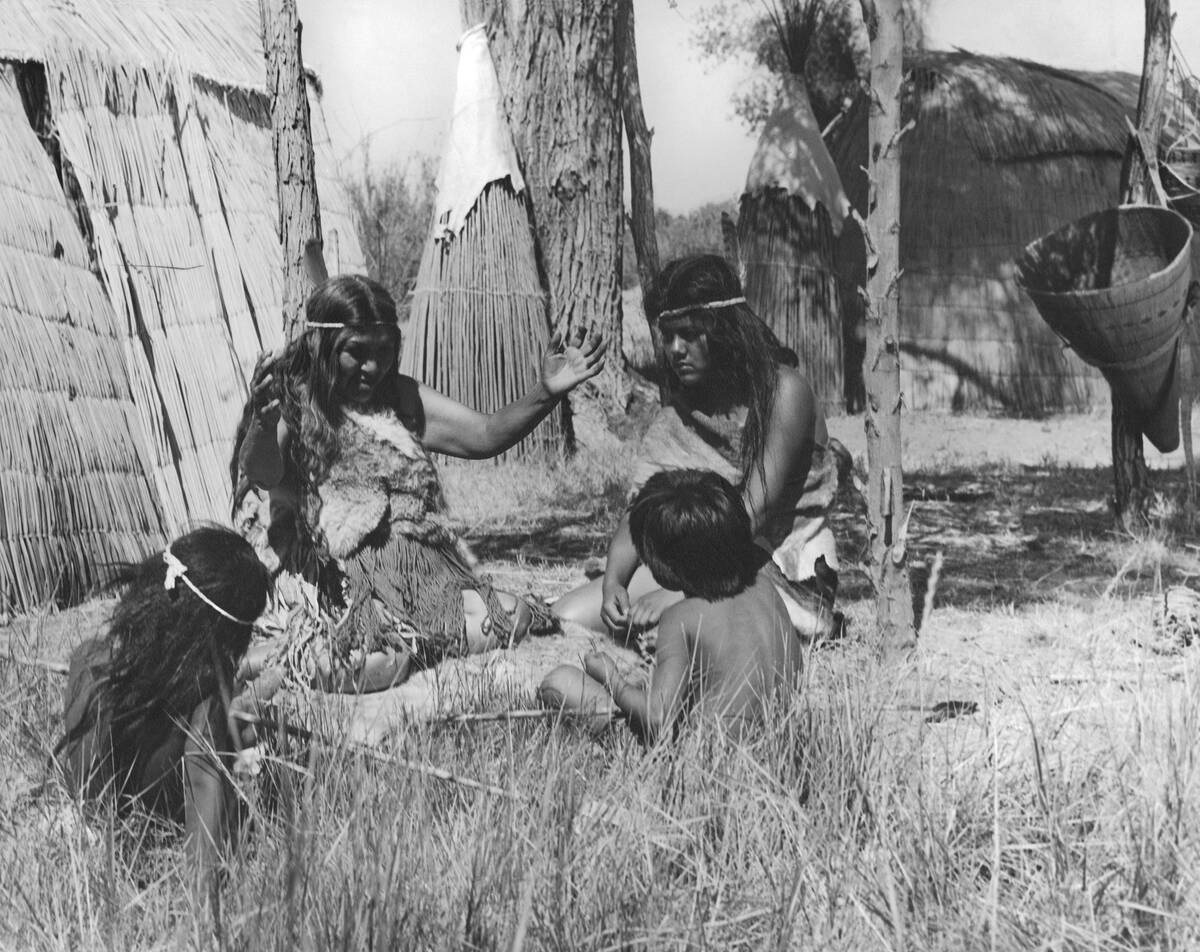
Storytelling is a timeless tradition that transcends geographical and cultural boundaries. From the ancient epics of Homer to modern-day novels, stories have been a means of conveying values, history, and wisdom.
Oral traditions, like those of Indigenous peoples, serve to preserve culture and teach younger generations about their heritage. Stories allow us to explore different perspectives, offering a glimpse into the lives and experiences of others, fostering empathy and understanding.
Music: The Heartbeat of Humanity
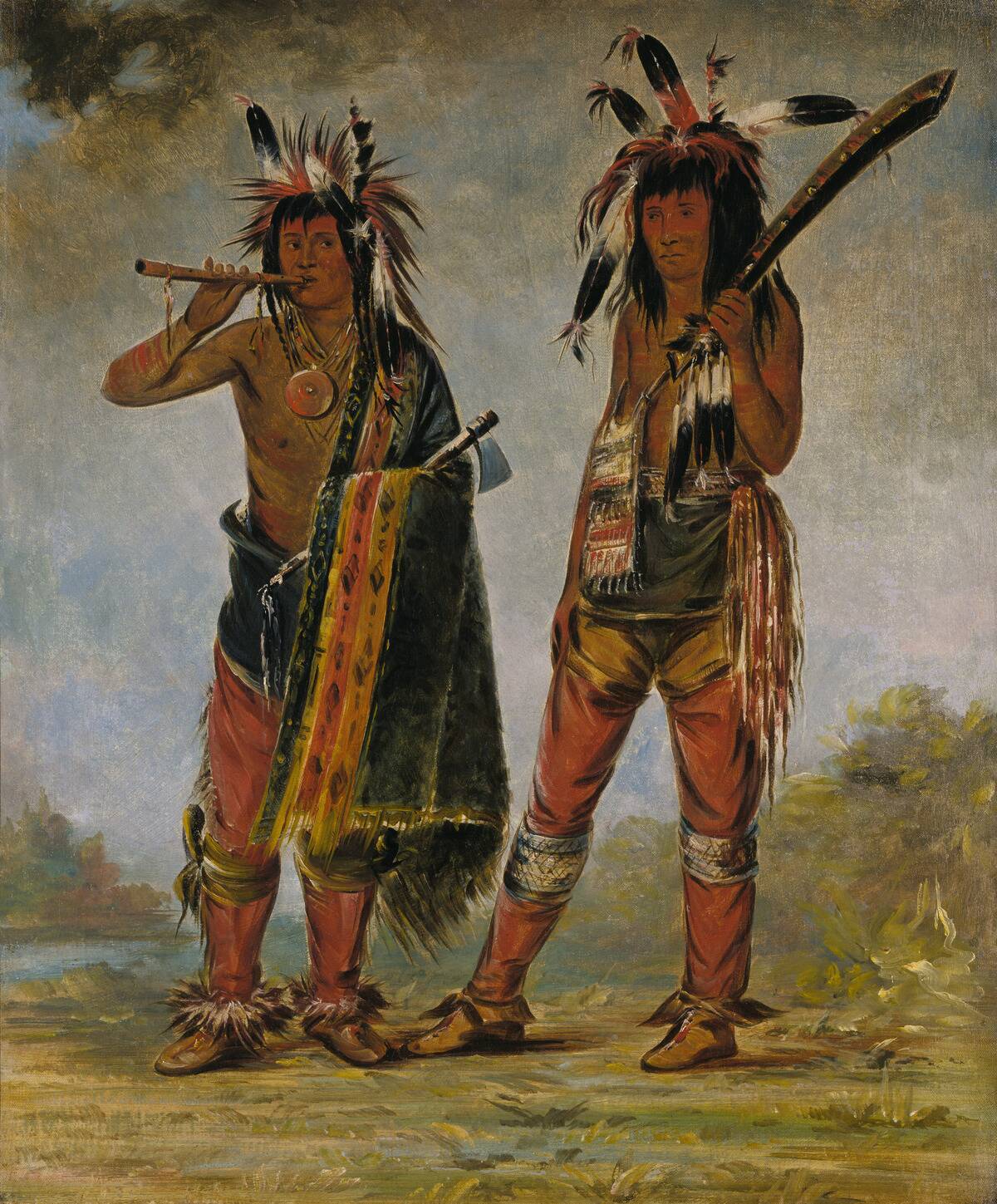
Music is a universal phenomenon that resonates across all cultures, offering a form of expression that words alone cannot capture. From the rhythmic beats of African drums to the melodic strains of a sitar in India, music brings people together, creating a shared experience that transcends language.
Scientific studies have shown that music can affect our emotions, reduce stress, and even improve cognitive function, highlighting its profound impact on our lives.
The Art of Dance: A Global Expression
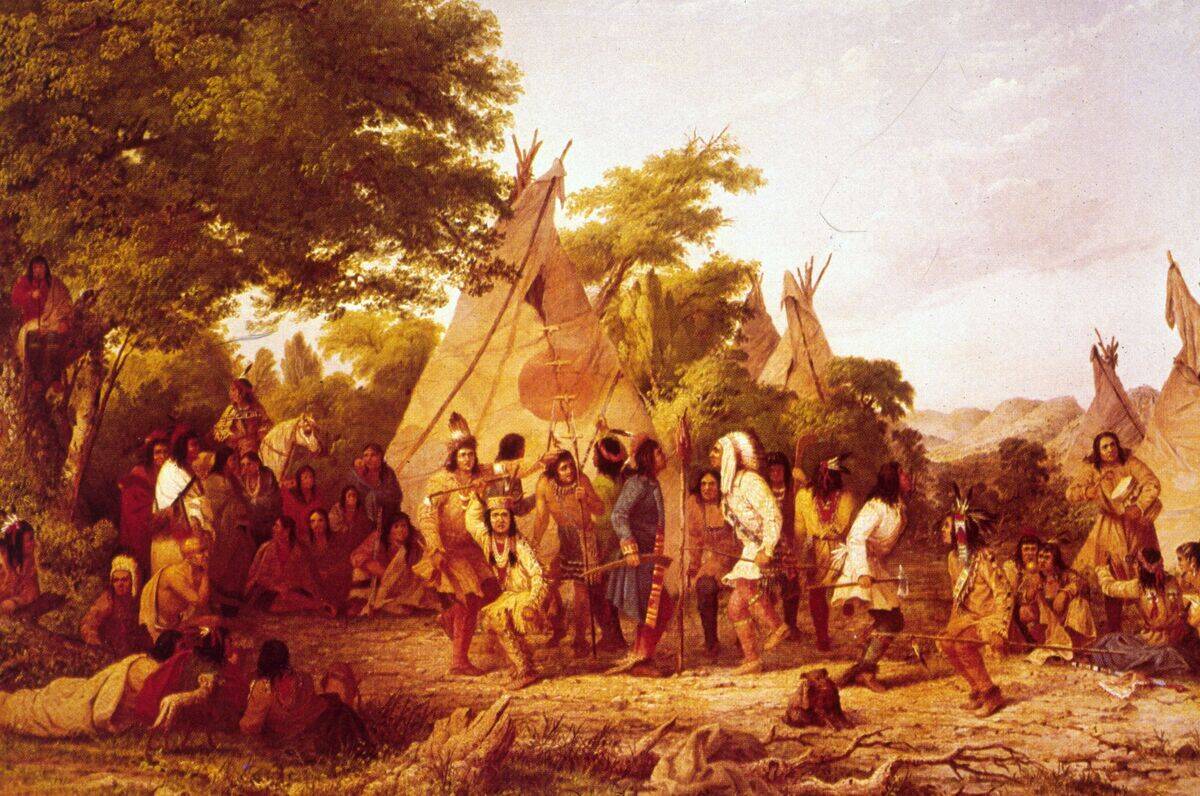
Dance is an ancient art form that has been used for rituals, celebrations, and storytelling across cultures. From the graceful movements of ballet to the lively steps of salsa, dance reflects cultural identities and traditions.
It serves as a powerful medium for expression, allowing individuals to communicate emotions and stories through movement. Dance also fosters community, often bringing people together in social gatherings and festivals to celebrate shared experiences.
Culinary Creations: Food as a Cultural Connector
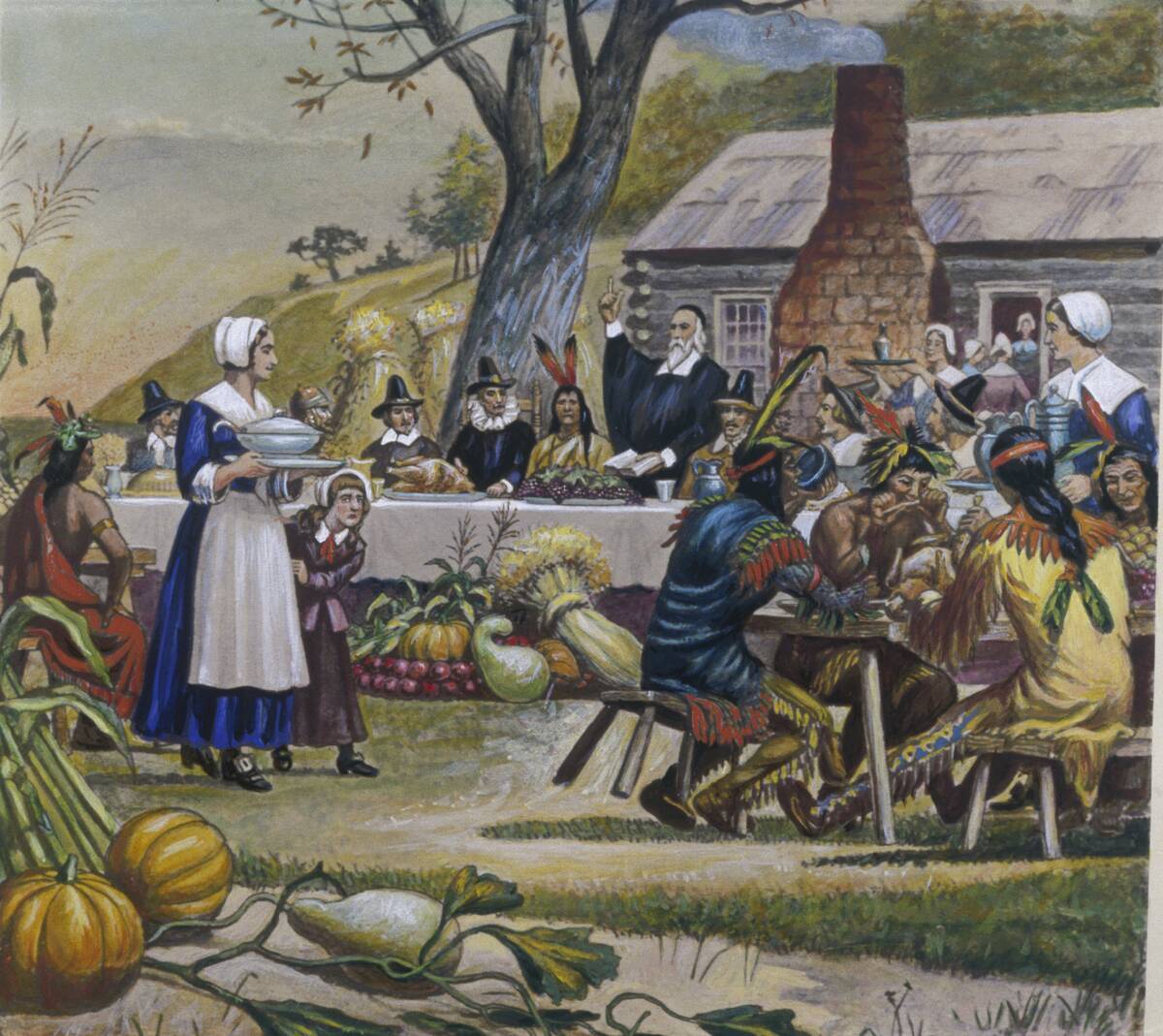
Food is a universal language that connects people across cultures, serving as a window into a society’s traditions and values. The diversity of global cuisines showcases the creativity and resourcefulness of different cultures in utilizing local ingredients.
From the sushi of Japan to Italy’s pasta, each dish tells a story of its origins and cultural significance. Sharing a meal is an act of hospitality and community, often bringing people together to celebrate and bond.
The Evolution of Fashion and Adornment
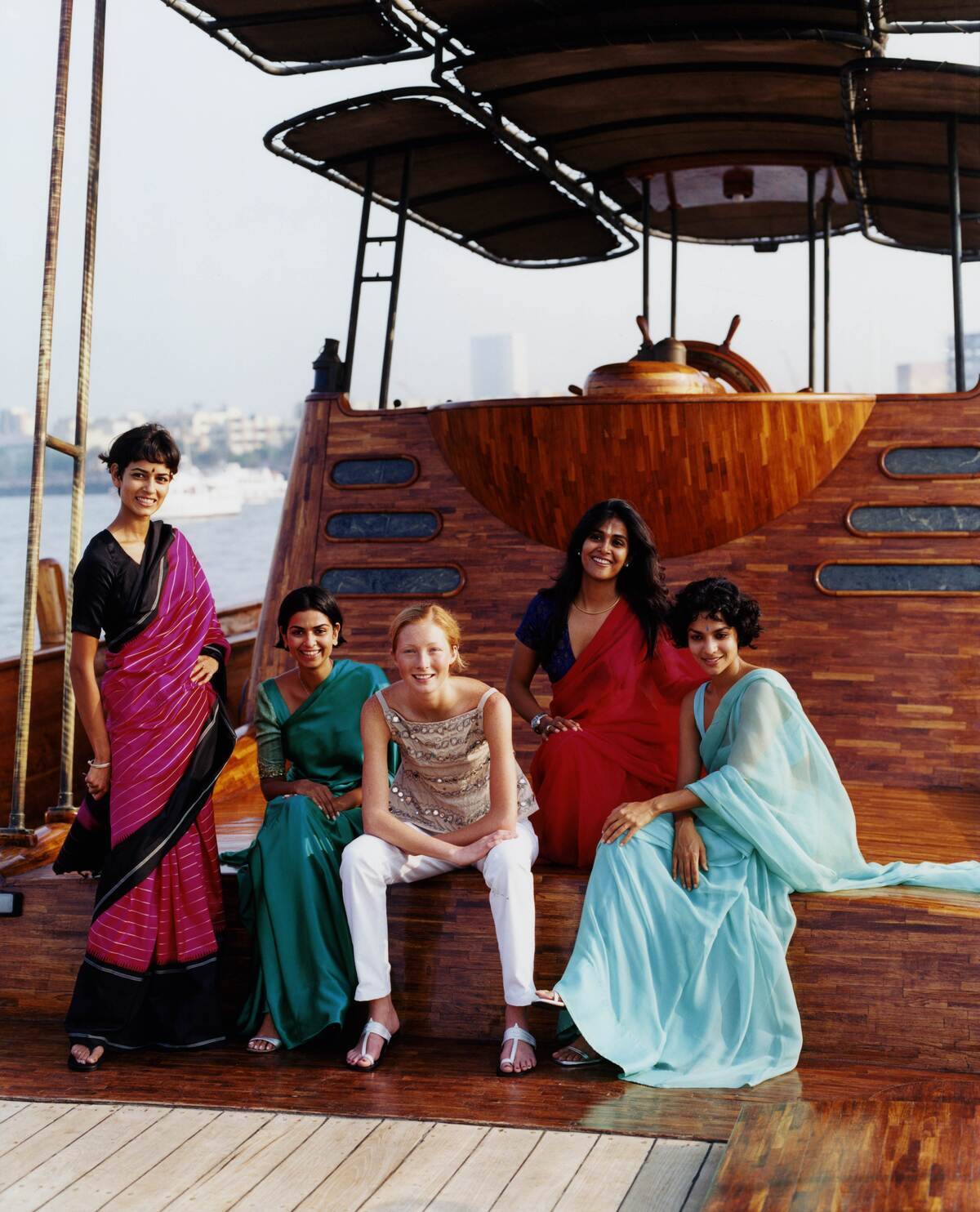
Fashion is a dynamic and ever-evolving aspect of human culture, reflecting changes in society, technology, and individual identity. From the intricate beadwork of African tribes to the high fashion runways of Paris, clothing and adornment serve as a form of self-expression and cultural identity.
Throughout history, fashion has been influenced by trade, conquest, and social movements, illustrating the interconnectedness of global cultures and the universality of personal adornment.
Architecture: Building Blocks of Society

Architecture provides a tangible reflection of a civilization’s values, beliefs, and technological advancements. From the grandeur of ancient pyramids to the sleek lines of modern skyscrapers, buildings tell stories of human achievement and cultural evolution.
Architectural styles are often influenced by geography, climate, and available materials, resulting in diverse structures that define the skylines of cities worldwide. These edifices serve not only as shelters but also as symbols of cultural identity and societal progress.
The Role of Religion and Spirituality
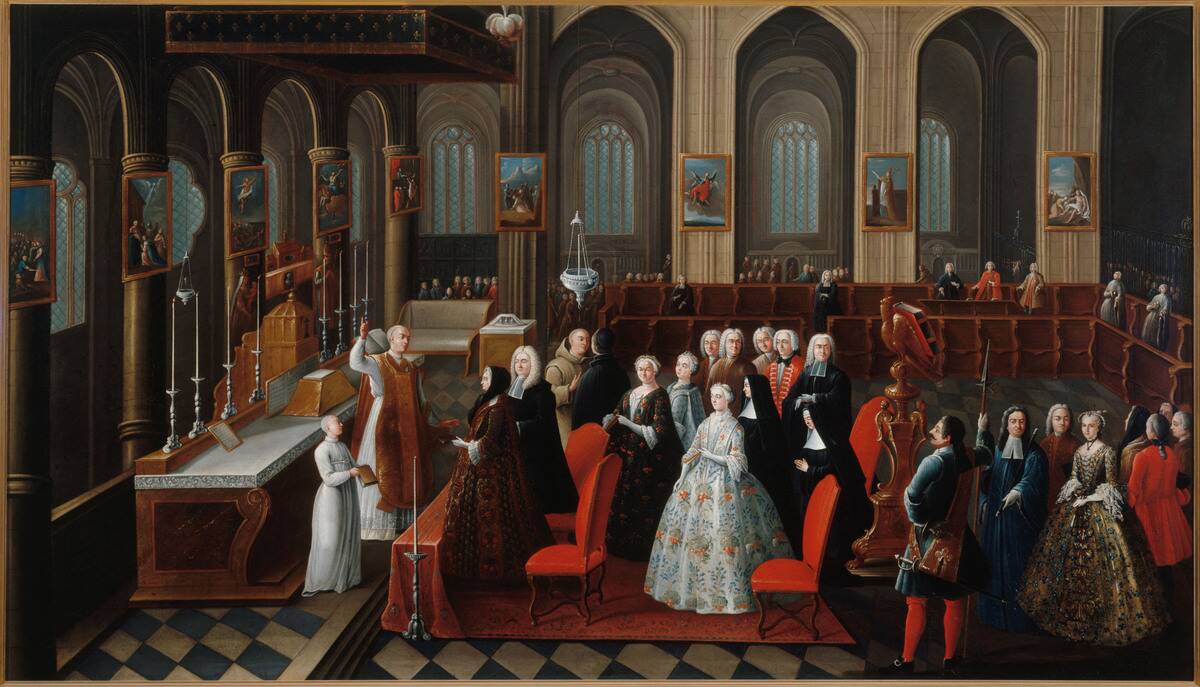
Religion and spirituality have played a significant role in shaping human civilization, guiding moral values, and providing a sense of purpose and community. From the polytheistic beliefs of ancient Greeks to the monotheistic faiths of Christianity and Islam, religious practices and beliefs have influenced art, politics, and social structures.
Spirituality offers individuals a means to explore existential questions and connect with something greater than themselves, fostering a sense of belonging and shared identity.
The Social Structure: Hierarchies and Communities
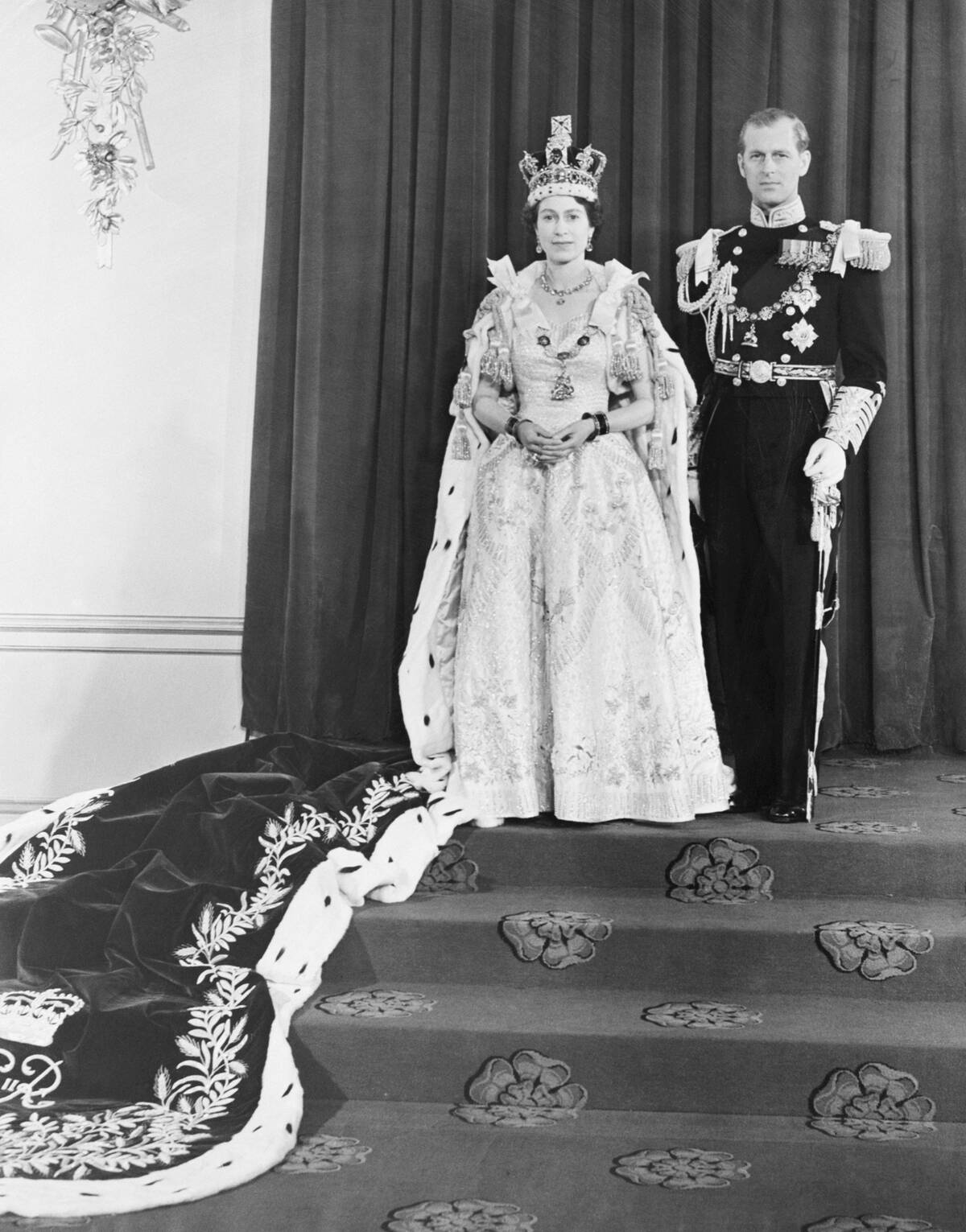
Throughout history, societies have developed complex social structures that organize individuals into various roles and hierarchies. These structures, from tribal communities to modern nation-states, have evolved to meet the needs of their members, providing order and stability.
Social hierarchies often reflect cultural values and economic systems, influencing power dynamics and social mobility. Despite their differences, these structures highlight the human need for community, cooperation, and social cohesion.
The Quest for Knowledge: Education Across Eras
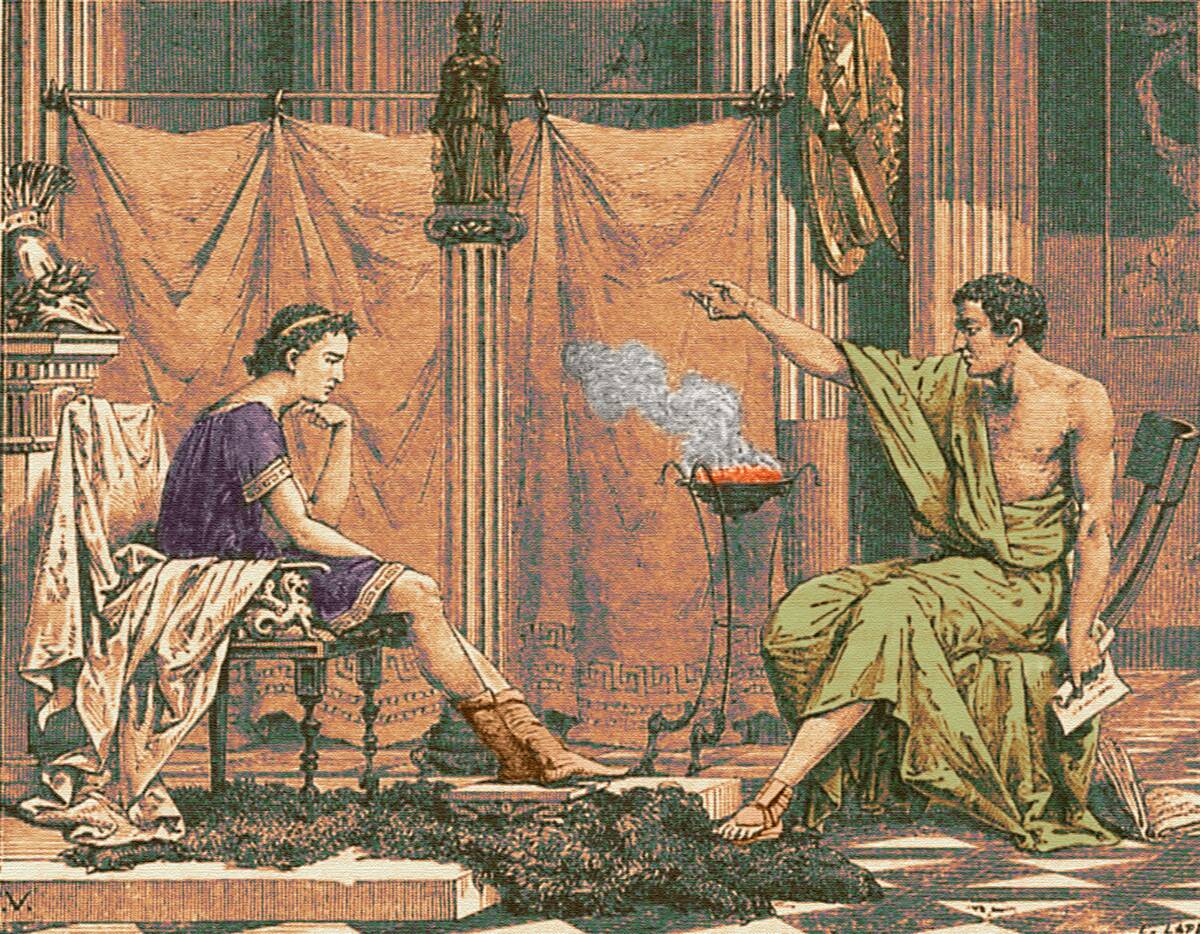
The pursuit of knowledge has been a driving force behind human progress, with education serving as a cornerstone of civilization. From ancient scholars like Aristotle to modern-day universities, the quest for understanding has shaped societies and fueled innovation.
Educational systems vary across cultures, reflecting different values and priorities, yet they all aim to equip individuals with the skills and knowledge necessary to navigate an ever-changing world. This shared commitment to learning underscores our collective desire to explore and understand the universe.
The Development and Use of Tools
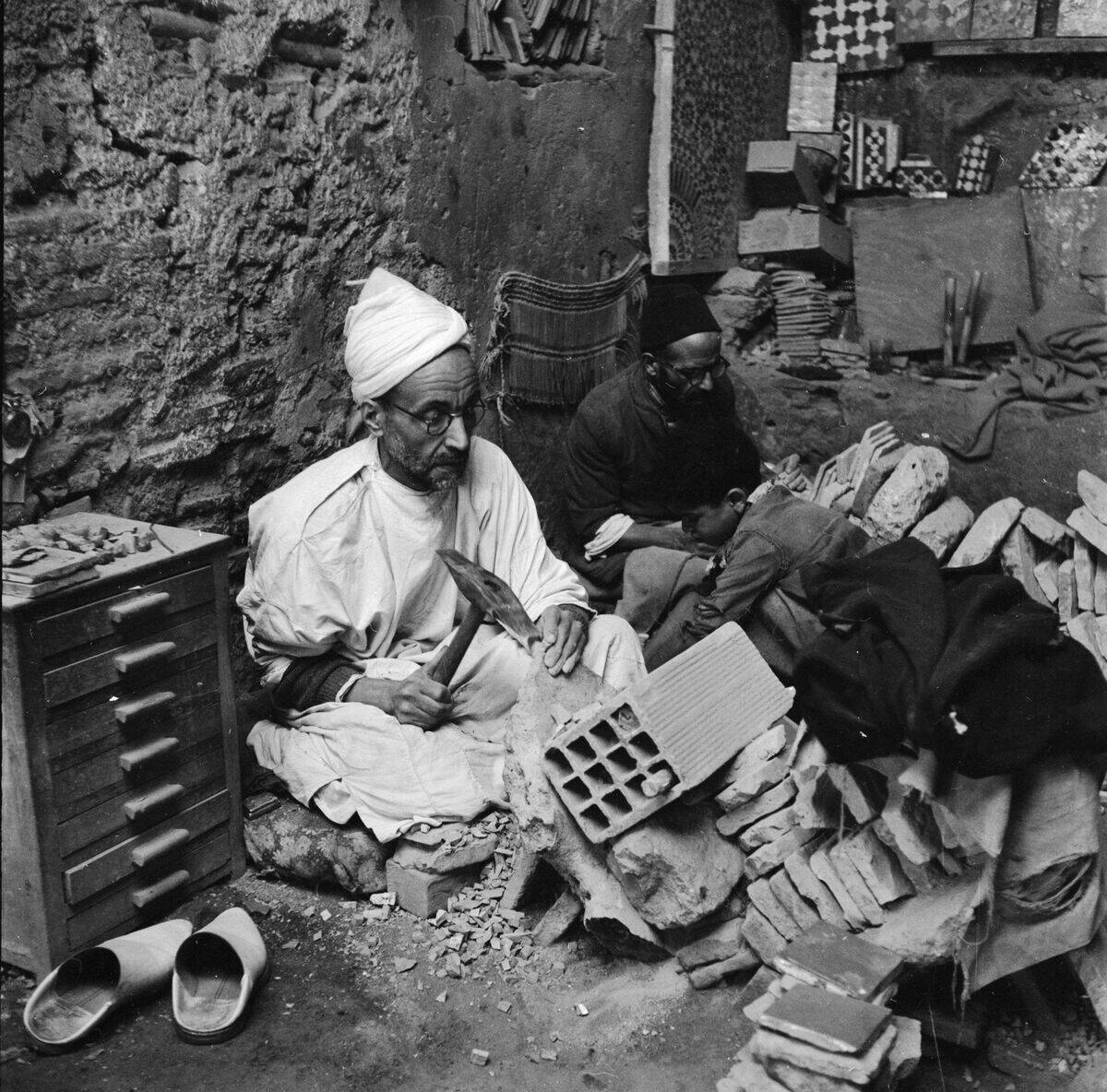
The invention and use of tools have been fundamental to human development, enabling us to manipulate our environment and improve our quality of life. From the simple stone tools of early humans to the complex machinery of the industrial revolution, tools have evolved alongside our understanding of the world.
These innovations have driven societal progress, facilitating advancements in agriculture, industry, and technology, and demonstrating the human capacity for creativity and problem-solving.
The Importance of Trade and Commerce
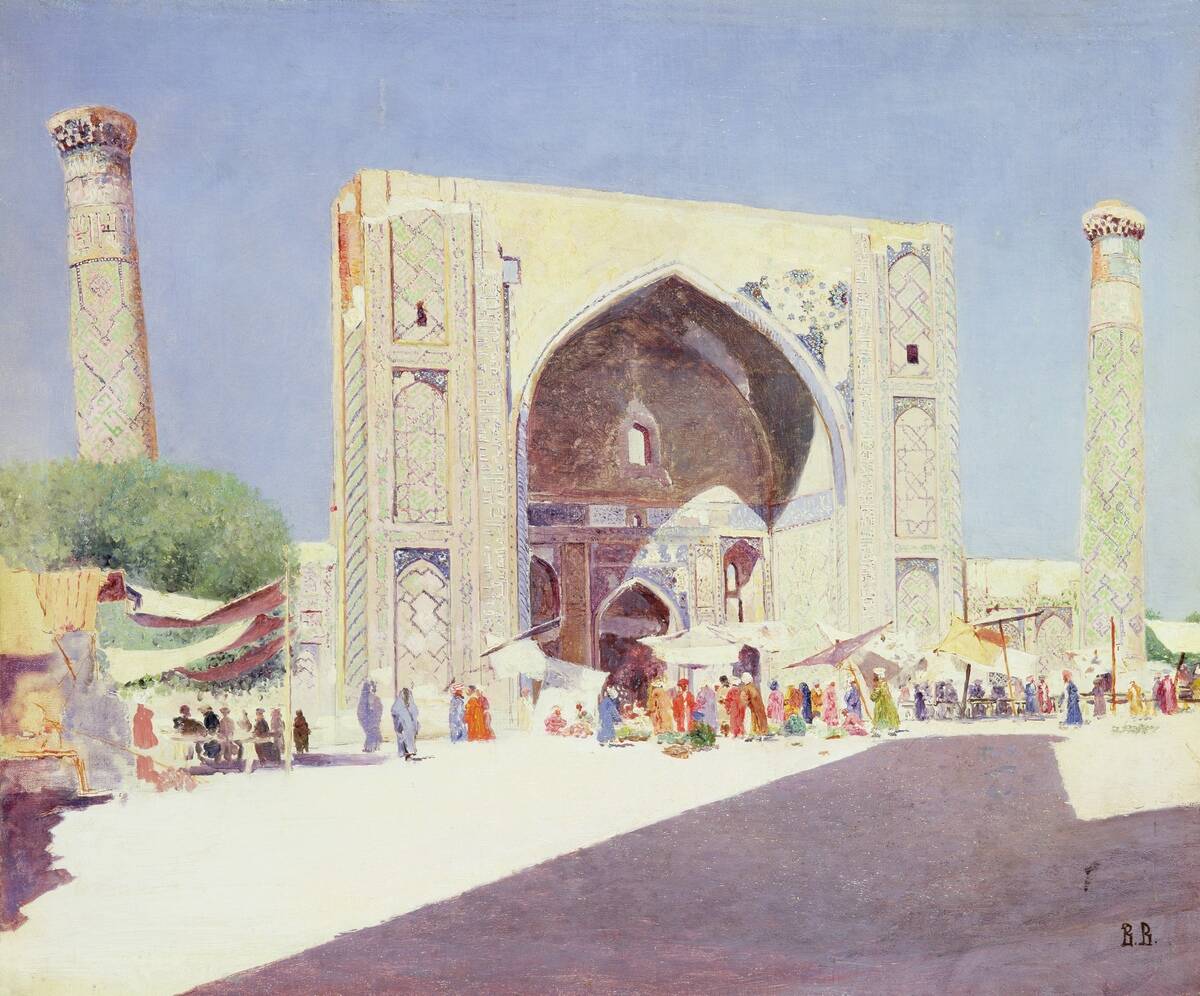
Trade and commerce have been vital components of human civilization, fostering cultural exchange and economic development. From the ancient Silk Road to modern global markets, trade has connected distant cultures, facilitating the exchange of goods, ideas, and technologies.
This interconnectedness has led to increased prosperity and innovation, highlighting the importance of economic cooperation and interdependence. As globalization continues to reshape the world, trade remains a key driver of progress and cultural exchange.
Governance and the Rule of Law
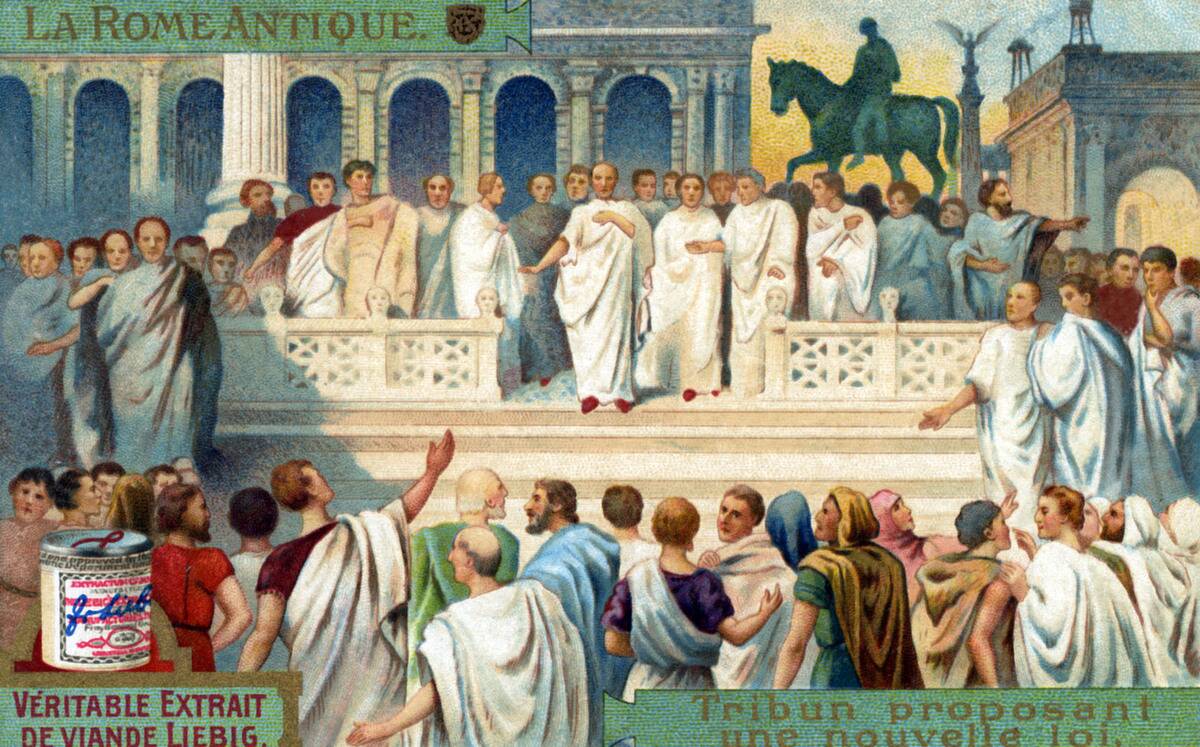
Governance and the rule of law provide the framework for social order and justice, ensuring that societies function smoothly and fairly. From the democratic principles of ancient Athens to modern constitutional governments, systems of governance have evolved to reflect cultural values and societal needs.
The rule of law upholds individual rights and provides mechanisms for resolving disputes, fostering stability and trust within communities. These structures highlight the human desire for order, justice, and collective decision-making.
The Impact of War and Conflict

War and conflict have been recurring themes throughout human history, shaping the course of civilizations and influencing cultural development. While often destructive, conflicts have also led to technological advancements, shifts in power dynamics, and the redrawing of borders.
The impacts of war are far-reaching, affecting economies, societies, and individual lives, yet they also underscore the resilience and adaptability of human beings. Understanding these conflicts provides insight into the complexities of human nature and the pursuit of peace.
The Celebration of Festivals and Traditions
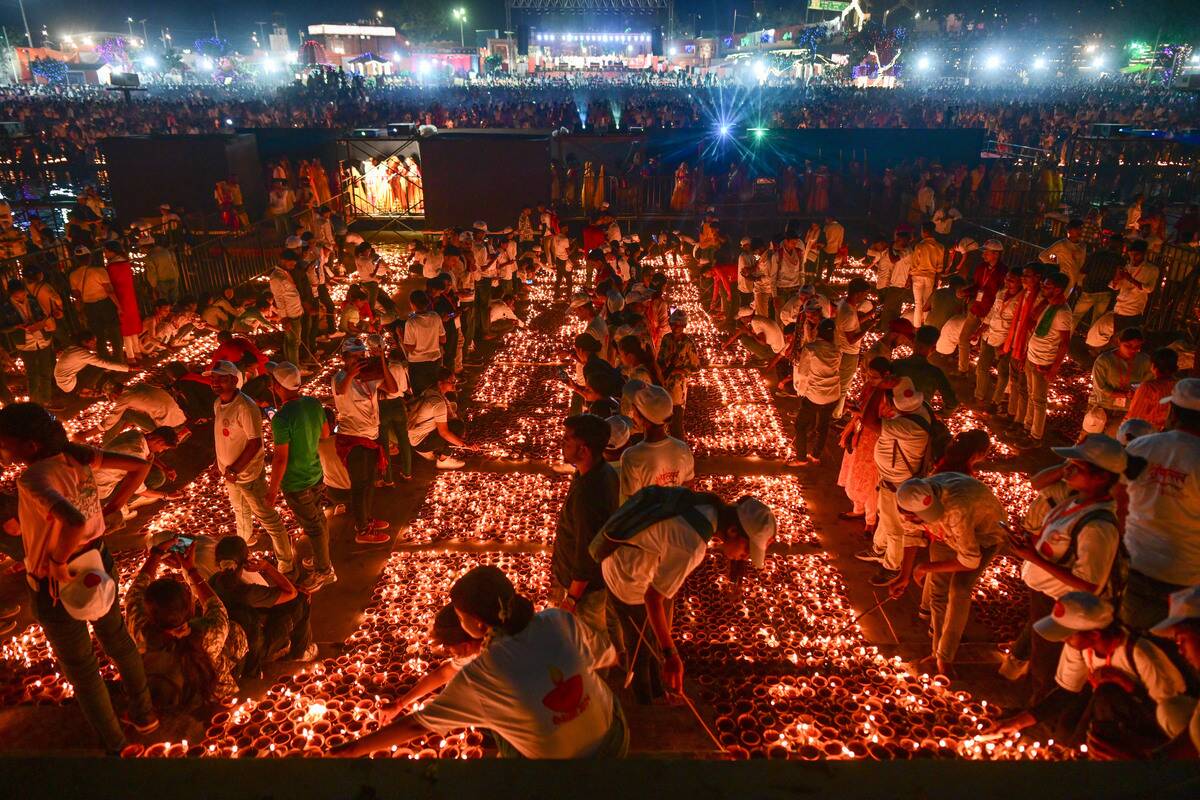
Festivals and traditions are vibrant expressions of cultural identity, celebrating shared values, beliefs, and histories. From the colorful parades of Carnival to the solemn rituals of Diwali, these celebrations bring communities together, fostering a sense of belonging and continuity.
Festivals often mark significant events or transitions, such as harvests, religious observances, or historical anniversaries, providing opportunities for reflection and renewal. These traditions highlight the importance of communal bonds and the joy of shared experiences.
The Use of Symbols and Language

Symbols and language are fundamental components of human communication, allowing us to convey complex ideas, emotions, and cultural values. From ancient hieroglyphs to modern alphabets, written language has evolved to meet the needs of diverse cultures, facilitating the transmission of knowledge across generations.
Symbols, such as flags, religious icons, and artistic motifs, provide visual representations of cultural identity and shared beliefs. Together, language and symbols enable us to connect, understand, and collaborate with one another.
The Significance of Art and Craftsmanship
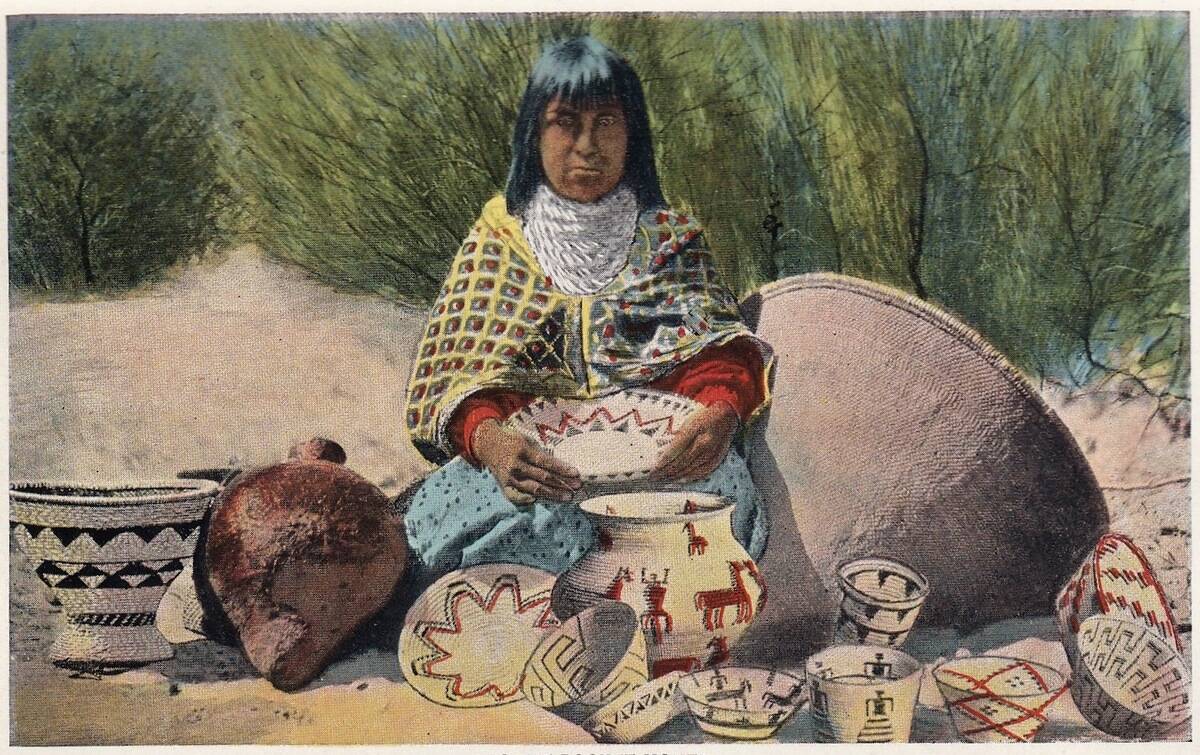
Art and craftsmanship have been integral to human expression, reflecting cultural values and individual creativity. From the intricate pottery of ancient civilizations to contemporary abstract paintings, art serves as a medium for storytelling, exploration, and innovation.
Craftsmanship, whether in textiles, metalwork, or woodworking, showcases the skill and ingenuity of artisans across cultures. These creative endeavors enrich our lives, offering beauty, inspiration, and insight into the human experience.
The Pursuit of Leisure and Entertainment
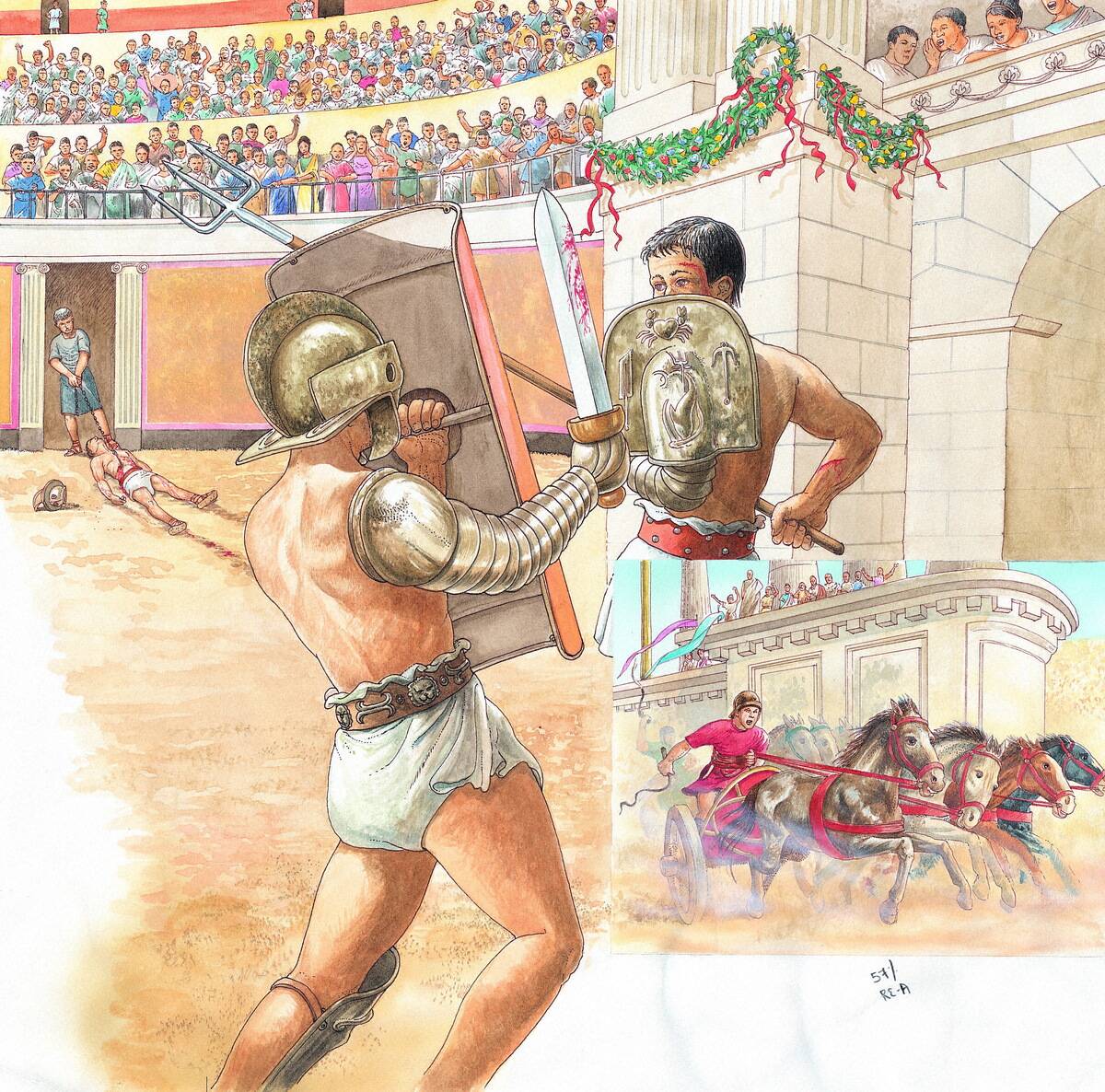
Leisure and entertainment have been essential aspects of human life, providing balance, relaxation, and enjoyment. From ancient Roman gladiatorial games to modern-day sports and cinema, entertainment reflects societal values and technological advancements.
Leisure activities, such as music, dance, and storytelling, foster social connections and cultural exchange, highlighting the importance of play and creativity in human development. These pursuits offer a respite from daily routines, enriching our lives and enhancing our well-being.
The Role of Family and Kinship
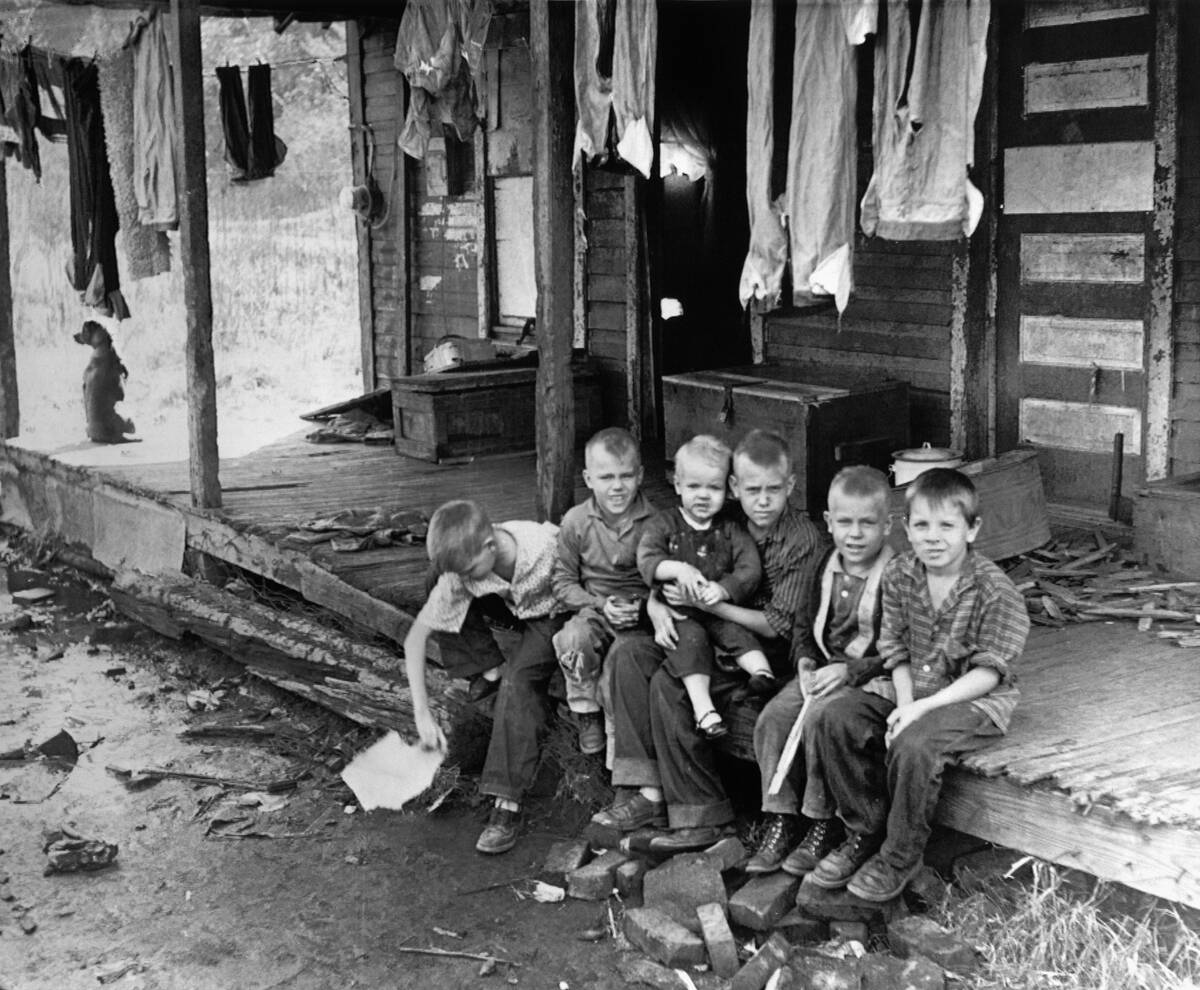
Family and kinship are foundational elements of human society, providing support, identity, and continuity. Across cultures, family structures vary, reflecting diverse social norms and values, yet they all serve to nurture and guide individuals throughout their lives.
Kinship ties extend beyond immediate family, creating networks of relationships that foster cooperation, resource sharing, and social cohesion. These bonds highlight the importance of connection and community in shaping our experiences and identities.
Mythology and Legends: Shared Narratives Across Cultures

Mythology and legends are rich narratives that have captivated human imagination for centuries, offering explanations for natural phenomena, moral lessons, and cultural origins. From the Norse tales of gods and giants to the epic narratives of Hindu mythology, these stories reflect the values and beliefs of their respective cultures.
Despite their diverse origins, many myths share common themes and archetypes, illustrating the universal nature of storytelling and our shared quest to understand the world around us.