How animals detect earthquakes before humans

Trending Now
Animals have long captivated humans with their extraordinary abilities, particularly their instincts. From birds migrating thousands of miles to turtles returning to the exact beach where they were born, these natural wonders stir our imagination.
Among these intriguing behaviors is the ability of animals to sense earthquakes before they occur. With tales of animals acting strangely before seismic events, it’s worth exploring how these creatures might perceive the world differently than we do.
Historical Anecdotes: Animals and Earthquake Predictions
Throughout history, there have been numerous accounts of animals behaving unusually before earthquakes. In 373 BC, historians recorded that animals, including rats and snakes, fled the city of Helike days before a devastating quake.
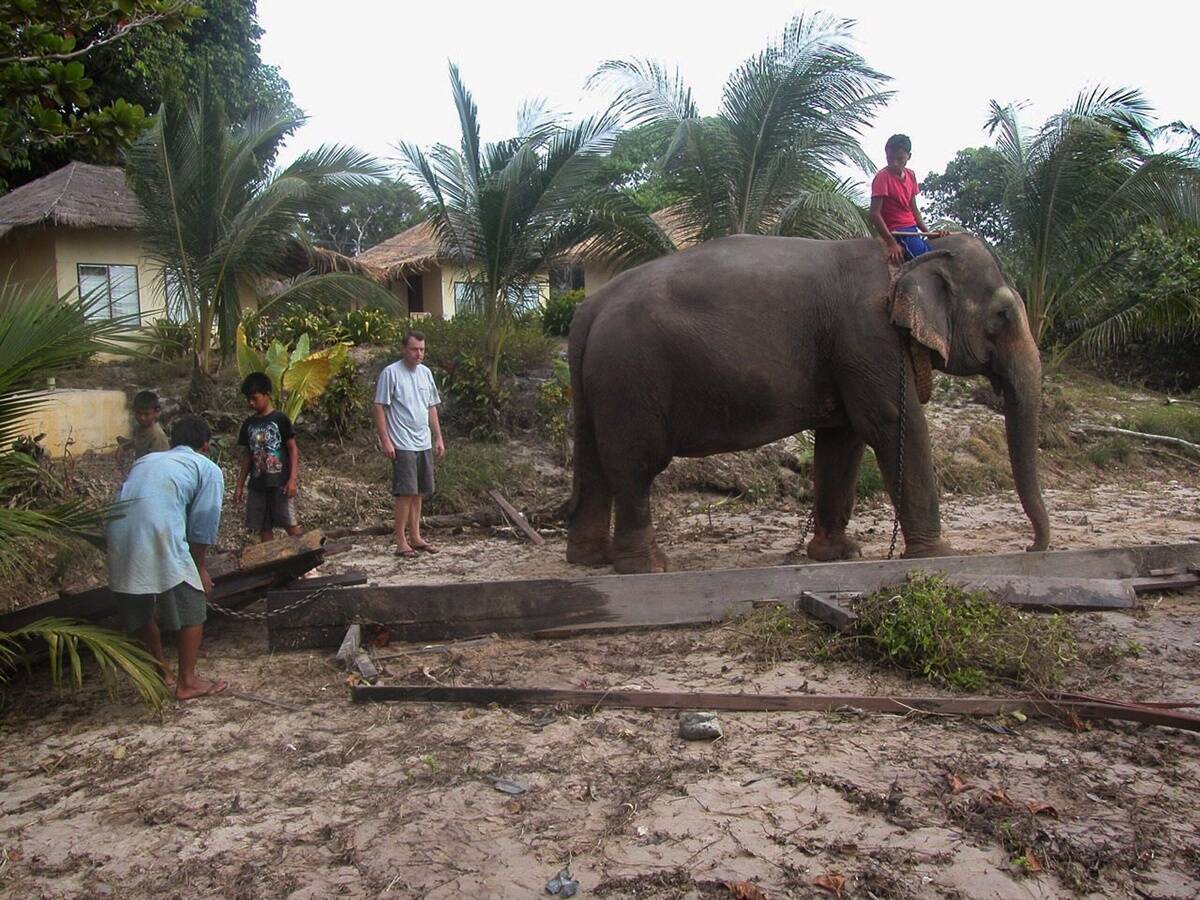
More recently, anecdotal reports from the 2004 Indian Ocean tsunami noted elephants moving to higher ground before the waves hit. These stories fuel the belief that animals may sense impending disasters.
Understanding Earthquakes: A Quick Overview

Earthquakes occur when there is a sudden release of energy in the Earth’s lithosphere, causing seismic waves. This release often results from tectonic plates shifting and can lead to significant ground shaking.
The most common way to measure an earthquake’s magnitude is the Richter scale, which quantifies the energy released. Understanding these basics helps us appreciate the challenges in predicting such natural events and why animal behavior might play a role.
Sensing the Unsensed: How Animals Perceive Earthquake Precursors

Animals are equipped with sensory abilities that can detect changes in their environment, often unnoticed by humans. These abilities include heightened senses of smell, hearing, and even electromagnetic field detection.
Such capabilities might allow them to perceive precursors to earthquakes, like subtle ground vibrations or changes in air pressure. While the exact mechanisms are still being studied, these perceptions offer valuable insights into the natural warning systems of animals.
Vibrations and Tremors: Early Warnings from the Animal Kingdom

Many animals can sense vibrations and tremors through the ground, a gift that often alerts them to earthquakes. For instance, elephants communicate over long distances using low-frequency sounds that travel through the ground.
This sensitivity may help them detect the early tremors of an earthquake. Such sensitivity to ground vibrations is not unique to elephants, as many animals seem to react to these early warnings, potentially offering humans clues about impending quakes.
The Role of Infrasound: Hearing What Humans Cannot

Infrasound, sound waves with frequencies below the lower limit of human audibility, can be detected by some animals. Elephants and dogs are known to perceive these low-frequency sounds (if not necessarily by hearing them), which may occur before an earthquake.
This ability may allow them to react to seismic activities well before humans can, but conclusive research is still pending. The study of infrasound and its detection by animals continues to provide fascinating insights into how the animal kingdom perceives natural phenomena.
Chemical Changes in the Environment: A Trigger for Animals?

Before an earthquake, chemical changes can occur in the environment, such as the release of gases from underground. Some animals, like dogs, have an acute sense of smell that may allow them to detect these changes.
These chemical cues could explain the unusual behavior observed in animals before seismic events. Researchers are delving into how these changes might serve as natural warning signals, potentially offering new ways to predict earthquakes.
Electromagnetic Field Variations: A Possible Animal Detector

Some studies suggest that animals might sense changes in the Earth’s electromagnetic fields before an earthquake. Certain animals, such as birds and fish, are believed to navigate using the Earth’s magnetic fields.
Variations in these fields could cause disorientation or stress, leading to unusual behavior. While this theory is still under investigation, it provides an intriguing possibility for how animals might predict seismic activity, expanding our understanding of animal capabilities.
The Curious Case of Dogs: Loyal Earthquake Predictors

Dogs are often cited in stories of earthquake prediction, with reports of them barking excessively or acting anxious before a quake. Their keen senses, particularly smell and hearing, might allow them to detect precursors to seismic activity.
Studies have shown that dogs can hear frequencies beyond human range, which might help them pick up early warning signs. While not all dogs exhibit this behavior, and there’s no conclusive evidence that dogs can actually predict earthquakes, their reactions provide an interesting area for research into animal prediction.
Cats and Their Mysterious Earthquake Behaviors

Cats are known for their mysterious and often unpredictable behavior, which sometimes includes reacting strangely before earthquakes. Some cat owners report increased agitation or hiding behavior prior to seismic events.
With their acute senses and sensitive whiskers that detect vibrations, cats might pick up on subtle environmental changes. While not scientifically proven, these feline responses add to the mystique of animal instincts and their potential for earthquake prediction.
Birds on the Move: Avian Reactions to Seismic Activity

Birds, with their ability to sense the Earth’s magnetic fields, sometimes exhibit unusual flight patterns before earthquakes. Instances of birds leaving their nesting areas or flying erratically have been documented before seismic events.
This behavior might be linked to changes in electromagnetic fields or atmospheric pressures. The study of avian reactions to such changes continues to intrigue scientists, offering potential insights into how these creatures might sense impending natural disasters.
Rodents and Reptiles: Underground and Ground-Dwelling Sentinels

Rodents and reptiles, with their ground-dwelling habits, often show signs of distress before earthquakes. There have been reports of rodents leaving their burrows en masse ahead of seismic events, potentially due to detecting vibrations or changes in the Earth’s crust.
Similarly, reptiles like snakes might surface or exhibit unusual behavior. These observations suggest that ground-dwelling creatures could have an innate ability to perceive early earthquake warnings.
Insects: Tiny Creatures with an Earthquake Sensing Edge

Even the smallest creatures, like insects, might have the ability to sense earthquakes before they occur. Ants, for instance, have been observed to change their behavior or leave their nests before seismic activity.
These tiny creatures are sensitive to environmental changes, perhaps detecting shifts in the Earth’s magnetic fields or chemical signals. While research into insect behavior and earthquakes is still emerging, it highlights the vast potential of animal instinct.
The Science Behind Animal Prediction: What Researchers Say

Researchers are actively studying the phenomenon of animal earthquake prediction to understand potential mechanisms. While no definitive scientific evidence links animal behavior to accurate earthquake prediction, the patterns observed warrant further investigation.
Scientists are exploring various factors, such as vibrational, electromagnetic, and chemical changes, to determine how animals might serve as natural sensors. This research is crucial as it could enhance our understanding of both animal behavior and earthquake forecasting.