How bats and dolphins use echolocation

Trending Now
Echo location is like nature’s very own sonar system, allowing animals to navigate and hunt using sound waves. This incredible ability is observed in various species, notably bats and dolphins.
By emitting sounds and listening for the echoes bouncing back from objects, these animals can determine the size, shape, speed, and even texture of objects around them. It’s a fascinating process that showcases the wonders of evolution and adaptation in the animal kingdom.
The Basics of Echo Location: A Quick Overview

At its core, echo location involves the emission of sound waves that travel until they hit an object and bounce back. The time it takes for the echo to return helps the animal calculate the distance of the object.
This method is crucial for navigation and hunting, especially in environments where vision might be limited, such as the dark caves for bats or murky ocean waters for dolphins.
Bats: The Nocturnal Navigators
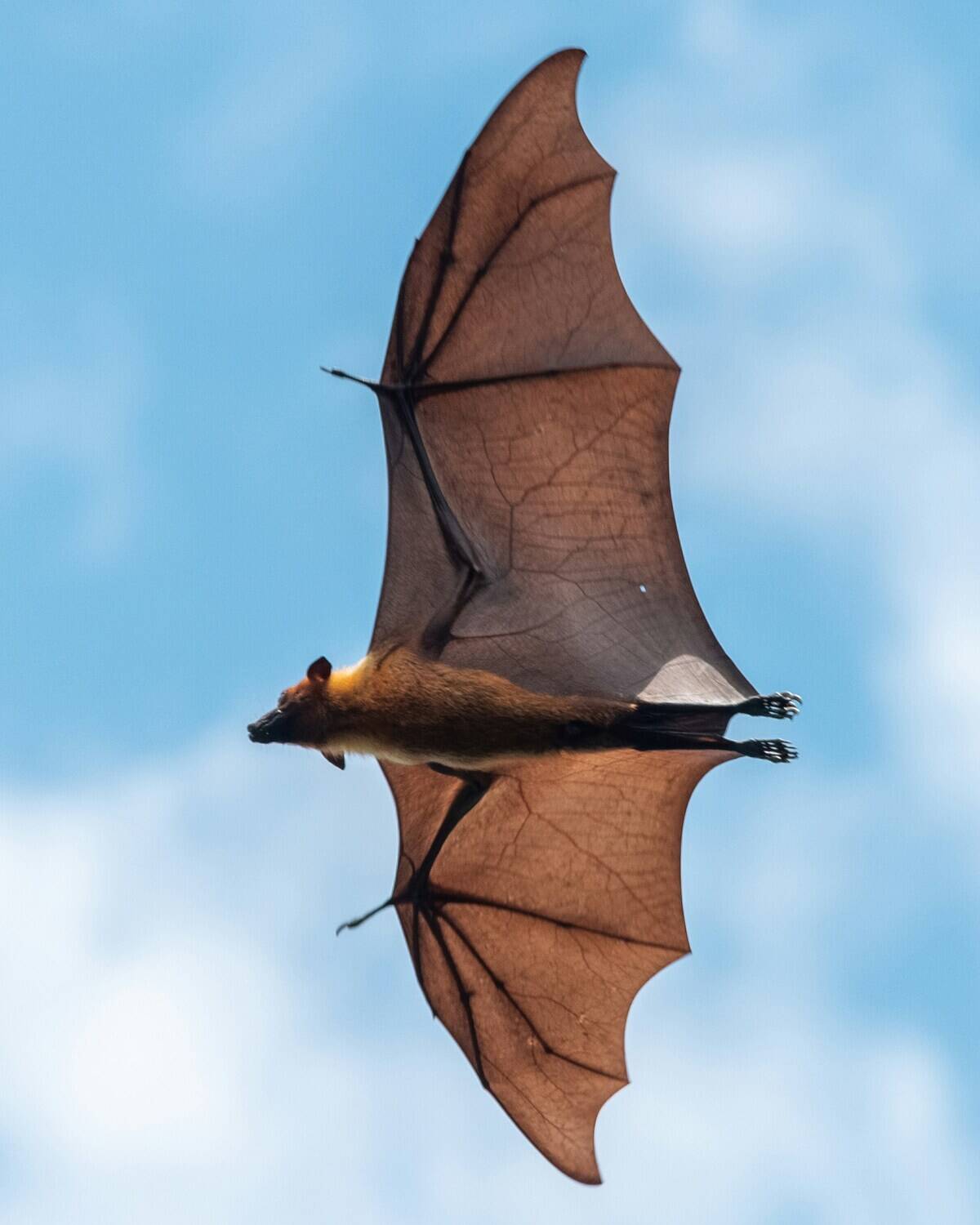
At its core, echo location involves the emission of sound waves that travel until they hit an object and bounce back. The time it takes for the echo to return helps the animal calculate the distance of the object.
This method is crucial for navigation and hunting, especially in environments where vision might be limited, such as the dark caves for bats or murky ocean waters for dolphins.
Dolphins: The Ocean’s Acrobatic Communicators

Dolphins, on the other hand, use echo location to navigate the vast and often murky ocean waters. They produce a series of clicks that travel through water and bounce off objects.
By interpreting the returning echoes, dolphins can discern the location and even the shape of objects, including potential prey. This ability not only aids in hunting but also plays a role in their social interactions and communication.
Echo Location: A Tale of Two Species

While both bats and dolphins use echo location, their evolutionary paths have led to different adaptations. Bats primarily use it for nighttime hunting, while dolphins rely on it for underwater navigation and communication.
Despite these differences, the fundamental principle remains the same: using sound to perceive the world. This parallel evolution highlights the versatility and effectiveness of echo location in different environments.
How Do Bats Use Echo Location?

Bats emit sound waves through their mouth or nose, often in short bursts. These calls can be as high as 140 decibels, louder than a rock concert!
The returning echoes are processed by the bat’s brain, providing real-time feedback about the environment. This ability allows bats to catch prey with remarkable precision, even in complete darkness.
How Do Dolphins Use Echo Location?

Dolphins produce clicks using their nasal sacs, and the sound waves are focused through a structure called the melon, which acts like an acoustic lens.
When these sound waves hit an object, they bounce back and are received by the dolphin’s lower jaw, which conducts the sound to the inner ear. This system enables dolphins to detect objects over 200 meters away, even in murky waters.
The Science Behind Echo Location
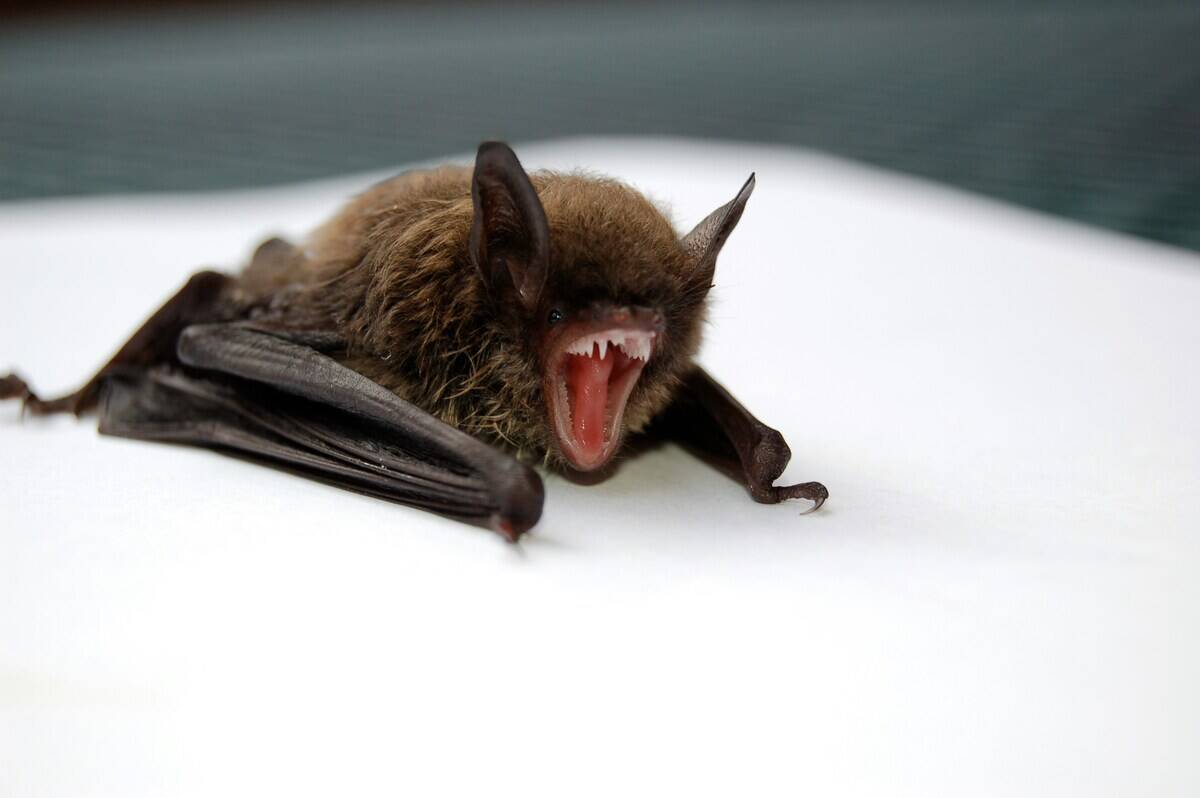
Echo location is a sophisticated biological process that involves precise timing and frequency modulation. The brain of the animal plays a critical role in processing the echoes to form a coherent image of the surroundings.
Studies have shown that bats and dolphins can adjust the frequency and intensity of their calls based on the environment and the task at hand, showcasing their adaptability and intelligence.
Anatomy of a Bat’s Echo Location System
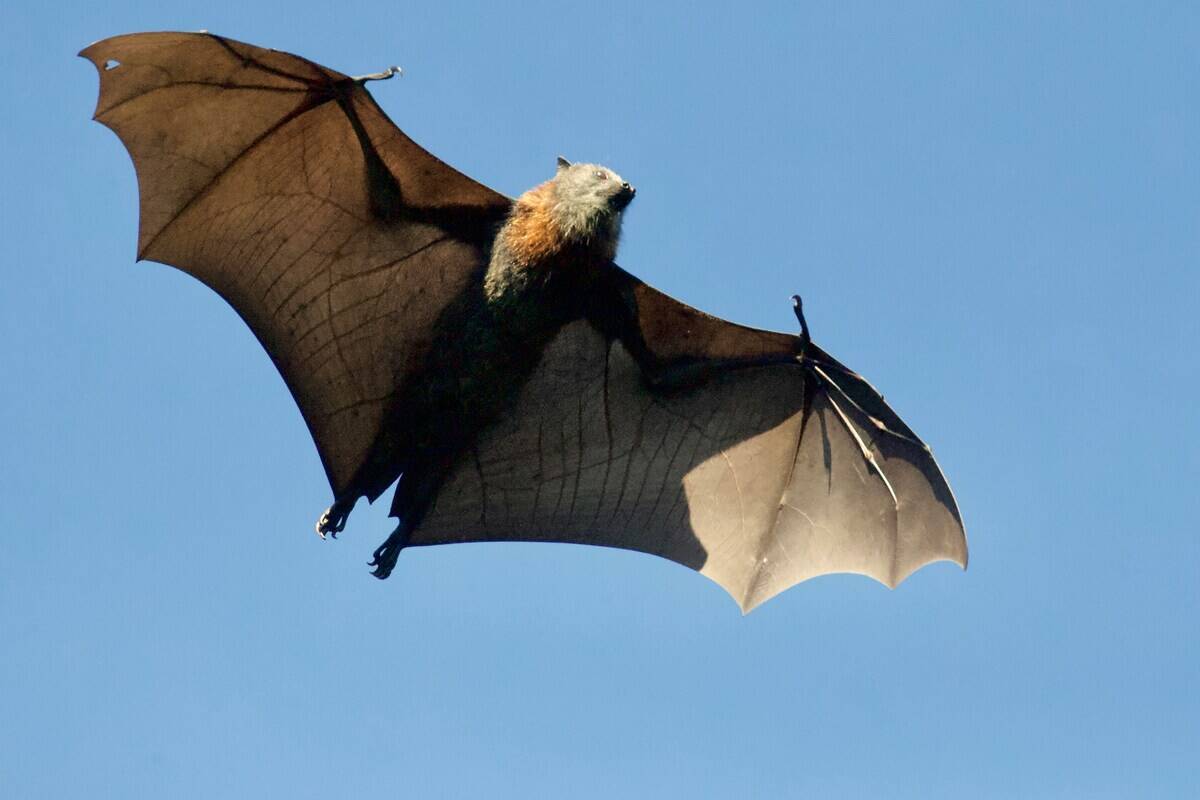
A bat’s echo location system is a marvel of evolution, featuring specialized structures like the tragus, a small projection in the ear that helps with sound localization.
The bat’s brain is equipped with an auditory cortex that is highly developed for processing ultrasonic frequencies. This allows them to distinguish between different objects and track fast-moving prey with incredible accuracy.
Anatomy of a Dolphin’s Echo Location System

Dolphins possess a unique anatomy that facilitates their echo location ability. The melon, a fatty organ in the forehead, focuses outgoing sound waves into a beam.
Their lower jaw, filled with a lipid-rich substance, receives the returning echoes and transmits them to the inner ear. This efficient system enables dolphins to detect even the slightest movements underwater, aiding in both hunting and social interaction.
Echo Location’s Role in Hunting and Feeding

For both bats and dolphins, echo location is a critical tool for hunting and feeding. Bats can detect the fluttering of an insect’s wings, allowing them to snatch their prey mid-flight.
Dolphins use echo location to locate schools of fish, even coordinating their efforts in groups to herd fish together for easier catch. This technique ensures they can efficiently find food even in challenging conditions.
The Benefits of Echo Location in the Wild

Echo location offers significant survival advantages, particularly in environments where visibility is limited. For bats, it means thriving in darkness where competition for food is less intense.
Dolphins benefit by efficiently navigating and hunting in waters where sight alone would be insufficient. This ability reduces their reliance on vision and allows them to exploit ecological niches that other predators cannot.
Echo Location and Social Interaction Among Bats

While primarily used for navigation and hunting, echo location also plays a role in social interactions among bats. Certain species use unique calls to communicate with each other, whether for mating or foraging.
Researchers have found that these calls can convey specific information about identity and intent, indicating that bats may have a more complex social structure than previously thought.
Dolphins and Their Echo Location Conversations

Dolphins are known for their complex social behaviors, and echo location is a key part of their interactions. They use a variety of clicks and whistles, not only for navigation but also to communicate with other dolphins.
These sounds can convey messages about social structure, individual identity, and even emotional states, making echo location a vital component of their social life.
Challenges and Limitations of Echo Location

Despite its advantages, echo location is not without challenges. Environmental noise, such as wind or water currents, can interfere with the accuracy of echo location. Additionally, in densely populated areas, too many echoes can become confusing.
Furthermore, some prey species have evolved countermeasures, such as erratic flight patterns or the ability to hear and avoid the call frequencies of their predators.
Human Technology Inspired by Echo Location
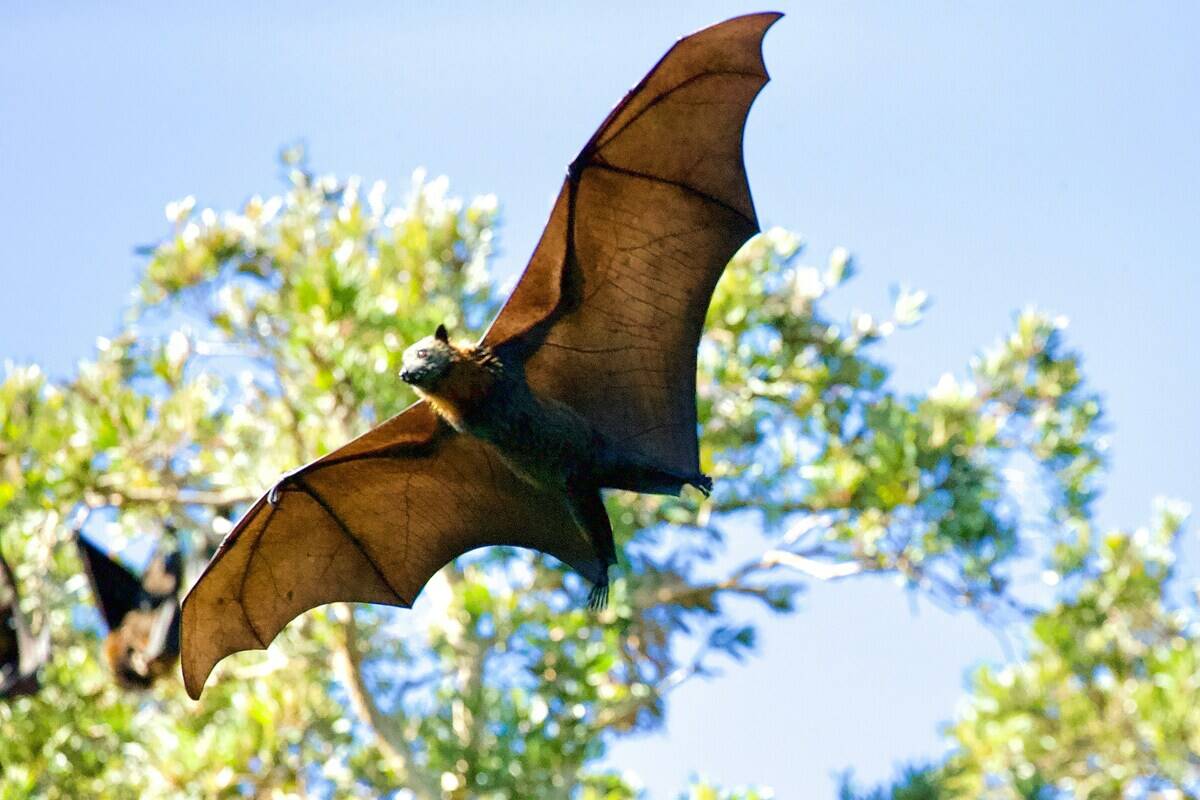
Echo location has inspired numerous technological advancements, particularly in the field of sonar and ultrasound imaging.
Sonar systems in submarines mimic the way dolphins navigate underwater, while medical ultrasound uses sound waves to create images of internal organs, similar to how bats visualize their surroundings. These technologies demonstrate how studying nature can lead to innovative solutions in human technology.
Myths and Misconceptions About Echo Location
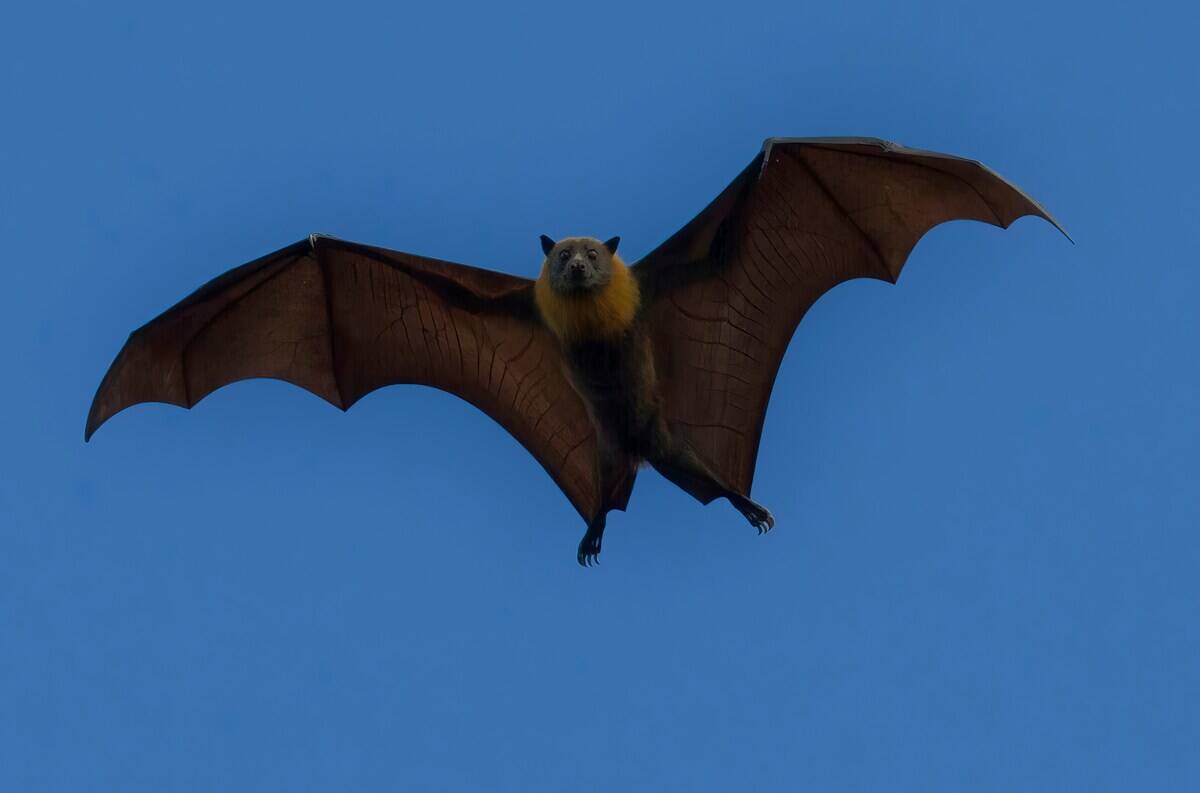
One common myth is that all bats are blind, relying solely on echo location for navigation. In reality, most bats have good eyesight, which they use alongside echo location.
Similarly, some believe dolphins only use echo location for hunting, but it’s also crucial for social interactions. Understanding these misconceptions helps to appreciate the full scope of echo location’s role in these animals’ lives.