The impact of light pollution on sleep patterns

Trending Now
Light pollution, though often overlooked, plays a significant role in disrupting our sleep patterns. It refers to the excessive or misdirected artificial light that brightens the night sky, interfering with our natural ability to sleep.
This issue is increasingly common in urban areas where bright lights are prevalent. Understanding light pollution is crucial, as it affects not only human sleep but also the environment and wildlife. By delving into this topic, we can uncover ways to mitigate its impact.
The Science Behind Sleep Cycles

Our sleep cycles are governed by the body’s internal clock, known as the circadian rhythm. This rhythm is influenced by natural light-dark cycles, which help regulate when we feel alert or sleepy.
Sleep cycles consist of various stages, including REM and non-REM sleep, each playing a vital role in overall rest. Disruptions to these cycles, often caused by artificial light, can lead to sleep disorders and affect our overall health. Understanding these cycles helps us appreciate the importance of maintaining a natural sleep pattern.
What Is Light Pollution?
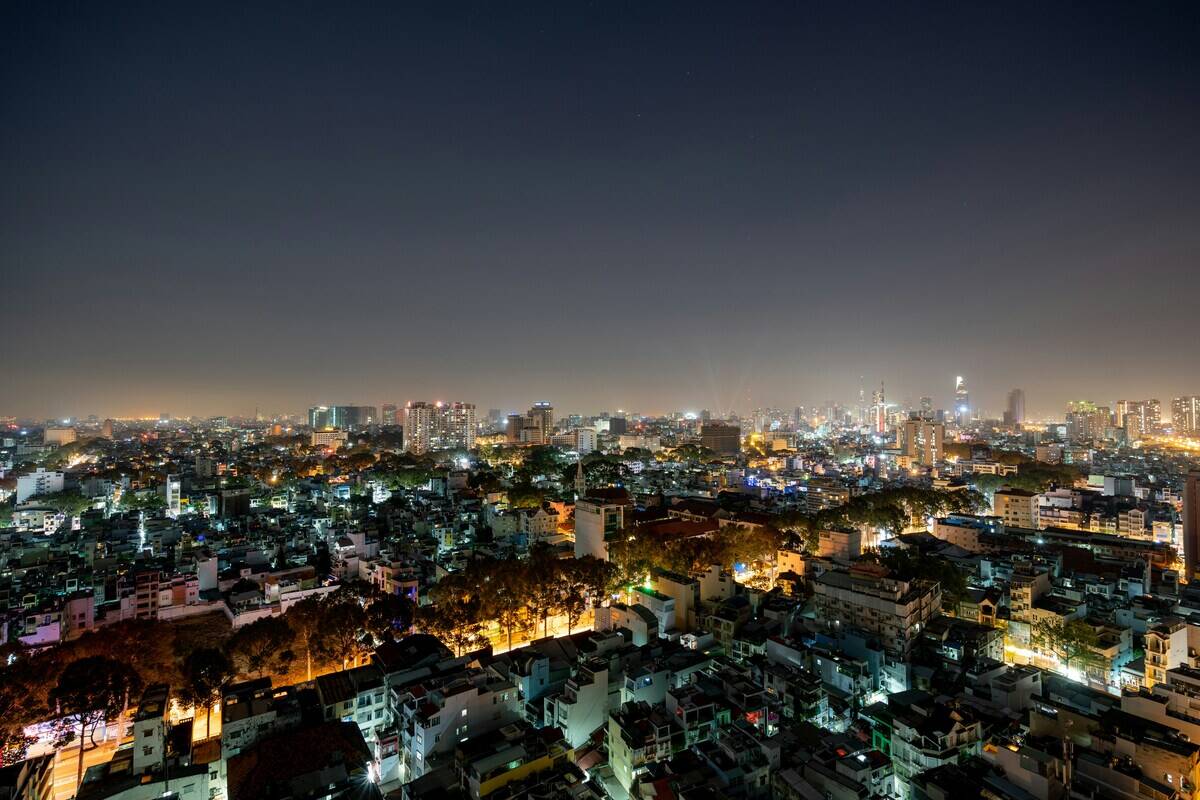
Light pollution is the introduction of artificial light into the environment by human activities, leading to adverse effects on natural conditions. It includes several forms, such as skyglow, which brightens the night sky over populated areas, and glare, which causes discomfort and visibility issues.
This pollution stems from streetlights, buildings, and advertising, among other sources. Light pollution not only affects astronomical observations but also disrupts ecosystems and human health, making it an issue of growing concern.
Types of Light Pollution: Glare, Clutter, and Skyglow
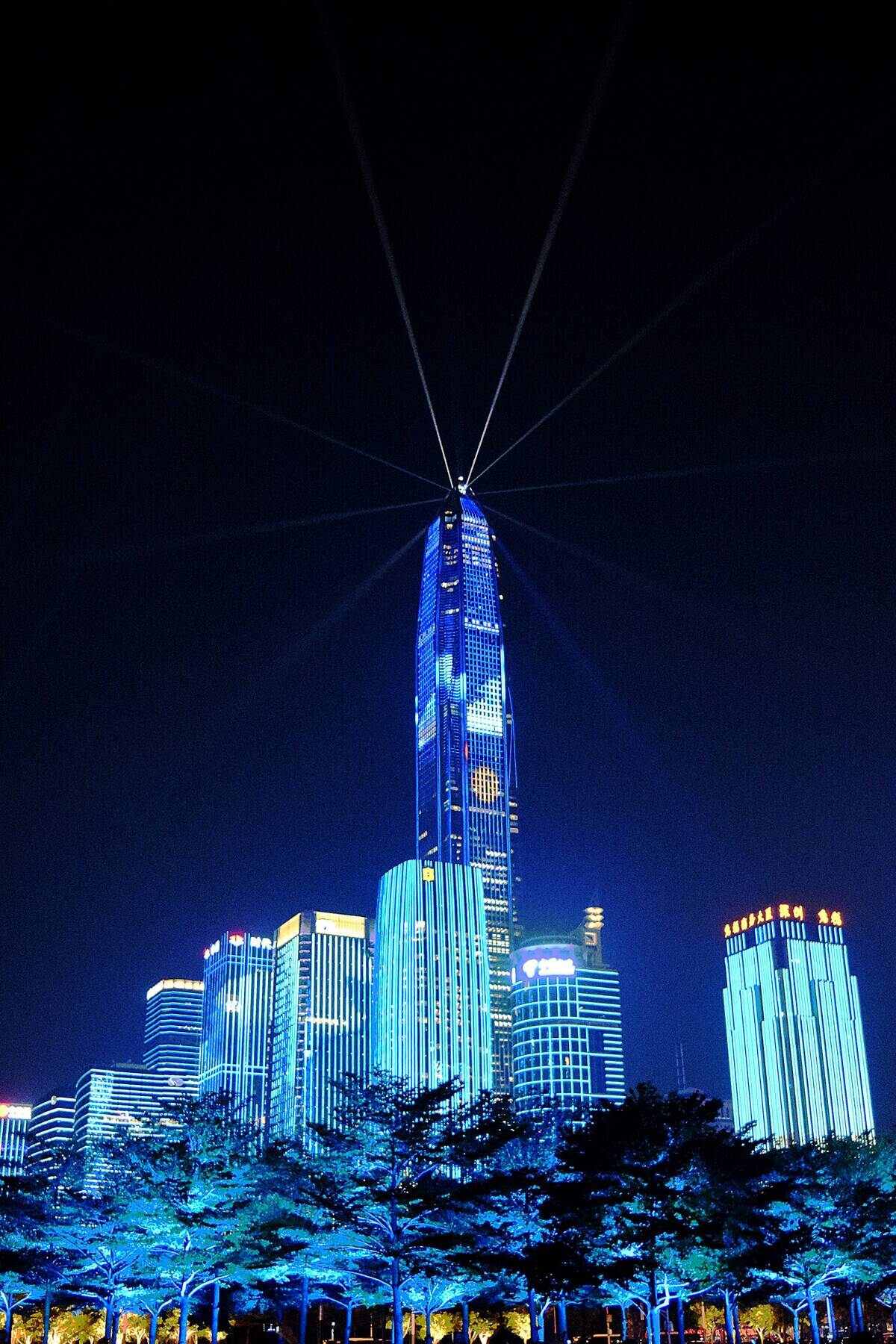
Light pollution can be categorized into several types, each with distinct characteristics. Glare refers to excessive brightness that causes visual discomfort, often from unshielded streetlights. Clutter involves bright, confusing light sources often seen in urban areas with excessive signage.
Skyglow is the brightening of the night sky over cities, obscuring stars and affecting nocturnal wildlife. Each type of light pollution contributes to the overall issue, requiring specific solutions for mitigation. Addressing these types can lead to improved human health and environmental conditions.
The Role of Melatonin in Sleep

Melatonin, a hormone produced by the pineal gland, plays a crucial role in regulating sleep-wake cycles. Its production is influenced by light exposure, with levels rising in response to darkness, signaling the body that it’s time to sleep.
Melatonin helps maintain circadian rhythms, ensuring restful sleep and overall well-being. Disruptions in melatonin production can lead to sleep disorders and health issues, highlighting the importance of minimizing light exposure before bedtime. Understanding melatonin’s role can help us take steps to improve sleep quality.
How Artificial Light Affects Melatonin Production
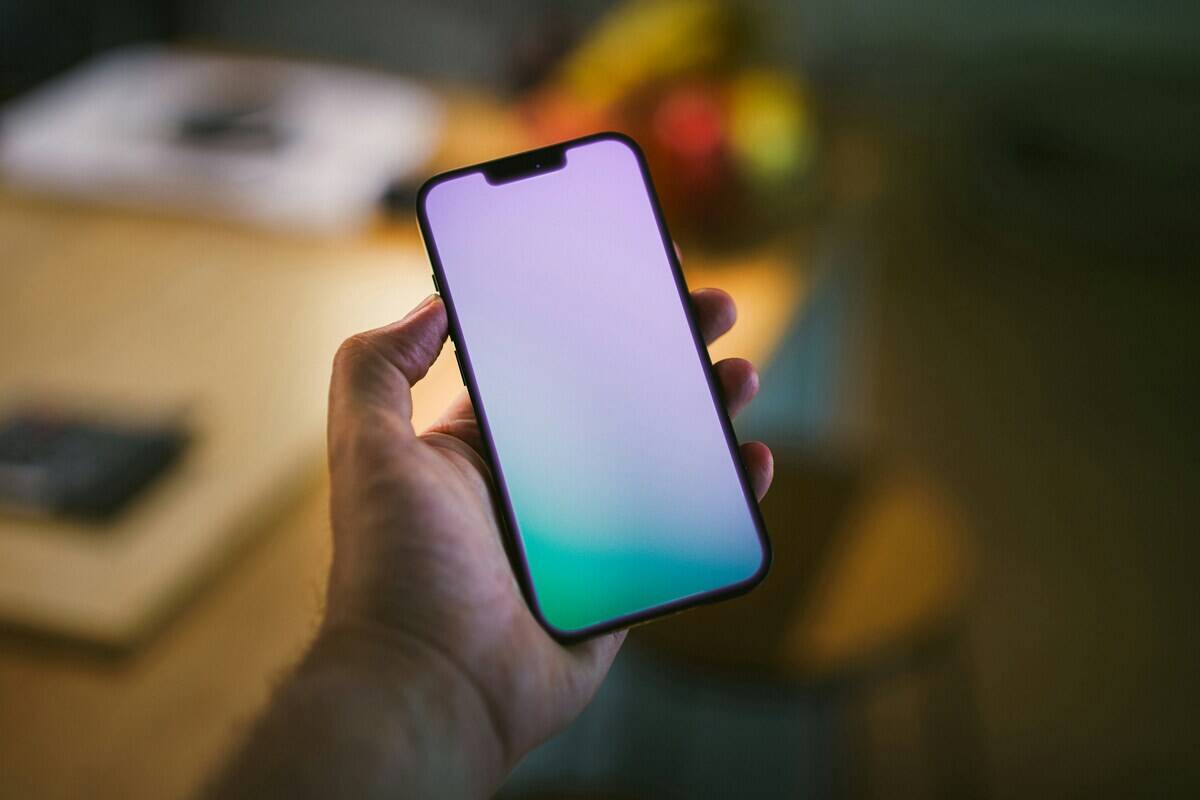
Exposure to artificial light, particularly at night, significantly affects melatonin production. Blue light emitted by screens and LEDs is particularly disruptive, as it mimics daylight, tricking the brain into delaying melatonin release.
This delay can lead to difficulty falling asleep, reduced sleep quality, and even long-term health issues. By reducing exposure to artificial light in the evening, especially blue light, we can promote healthier melatonin levels and improve our sleep patterns. This highlights the importance of managing light exposure for better health.
The Connection Between Light Pollution and Insomnia

Light pollution has been linked to an increase in insomnia, a common sleep disorder characterized by difficulty falling or staying asleep. The constant exposure to artificial light, especially in urban areas, disrupts the natural sleep-wake cycle.
This interference can lead to sleep deprivation, impacting mood, cognitive function, and overall health. Addressing light pollution by reducing unnecessary lighting and implementing better design can help alleviate insomnia and improve sleep quality. Understanding this connection is key to promoting healthier sleep environments.
Circadian Rhythms: Nature’s Sleep Regulator
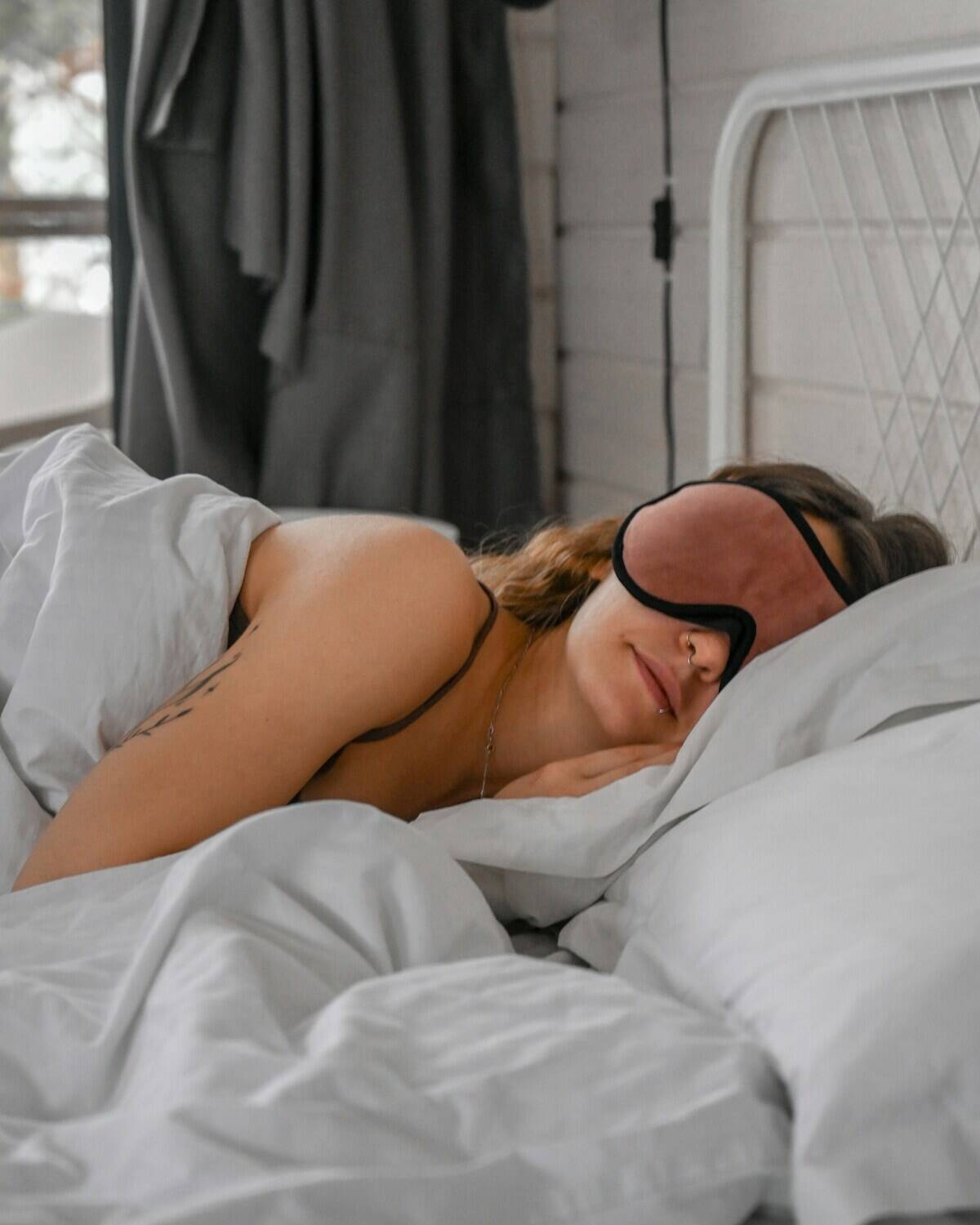
Circadian rhythms are the body’s internal clock, regulating sleep and other physiological processes over a 24-hour cycle. These rhythms are synchronized with natural light-dark cycles, influencing when we feel awake or sleepy.
Disruptions to circadian rhythms, often caused by artificial light, can lead to various health issues, including sleep disorders. Maintaining a consistent sleep schedule and minimizing light exposure at night can help keep circadian rhythms in balance. Understanding these rhythms is crucial for optimizing sleep and overall health.
How Blue Light from Screens Disrupts Sleep Cycles
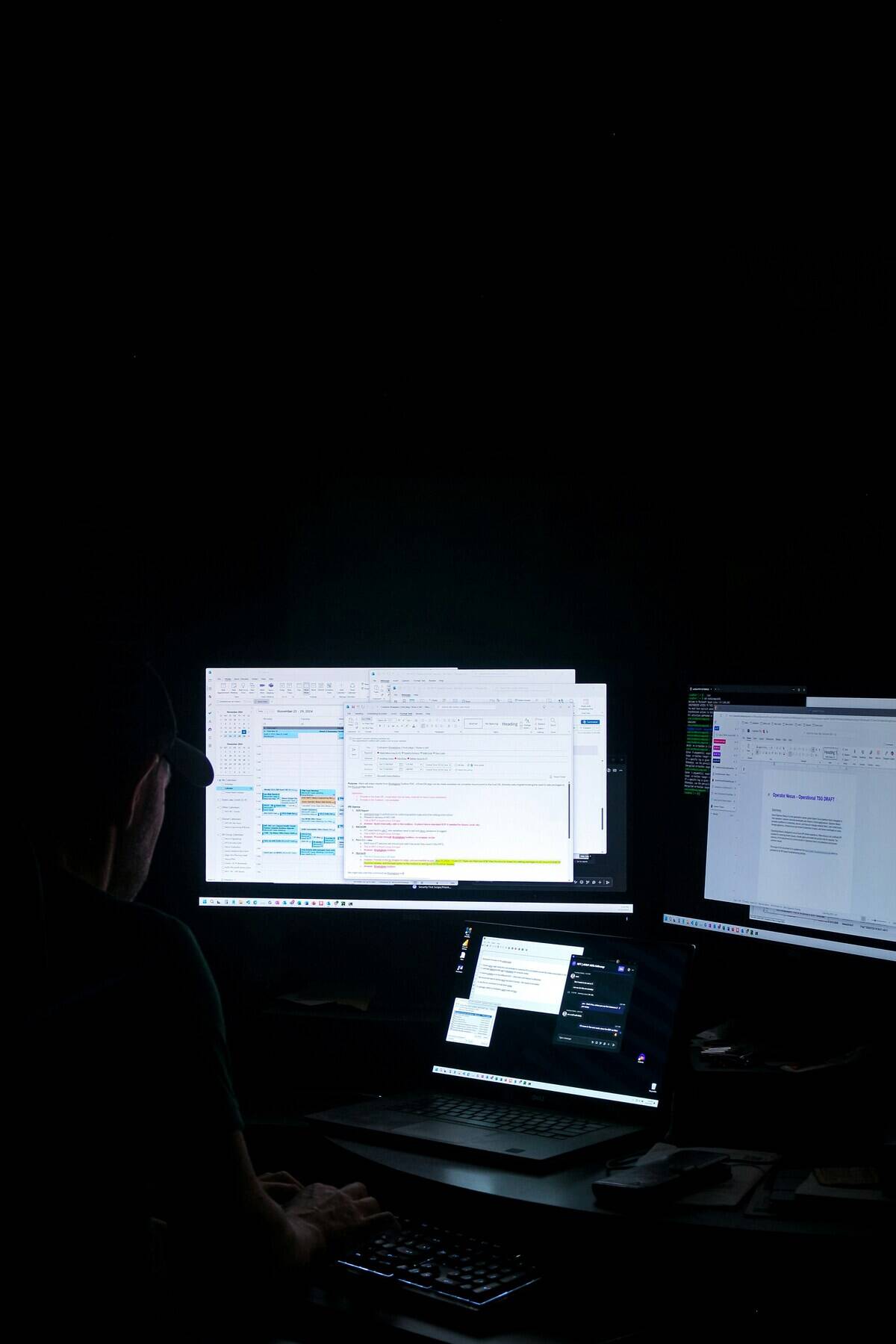
Blue light emitted by screens from phones, tablets, and computers is notorious for disrupting sleep cycles. This type of light interferes with melatonin production, making it difficult for the body to prepare for sleep. Using screens before bedtime can lead to delayed sleep onset and reduced sleep quality.
To combat this, it’s recommended to limit screen time in the evening and use blue light filters or apps that adjust screen color. These steps can help minimize the impact of blue light on sleep, promoting better rest.
The Role of Urbanization in Increasing Light Pollution
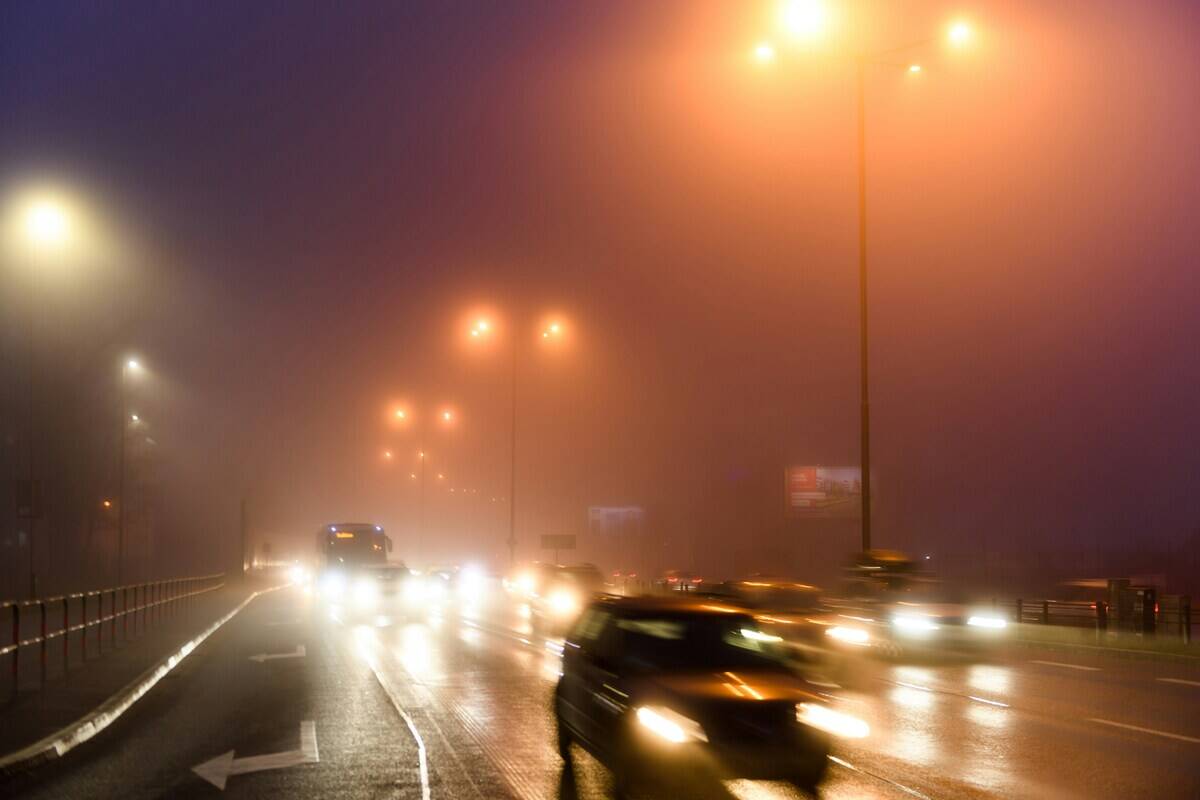
Urbanization is a significant contributor to light pollution, as cities grow and expand, increasing the demand for artificial lighting. Streetlights, commercial signage, and building illumination contribute to skyglow and other forms of light pollution.
This urban lightscape not only affects human sleep but also disrupts wildlife and obscures the night sky. Addressing light pollution in urban areas involves better planning and design, such as using shielded lighting and reducing unnecessary illumination. Urbanization’s role in light pollution underscores the need for sustainable lighting solutions.
Streetlights and Their Impact on Nighttime Darkness
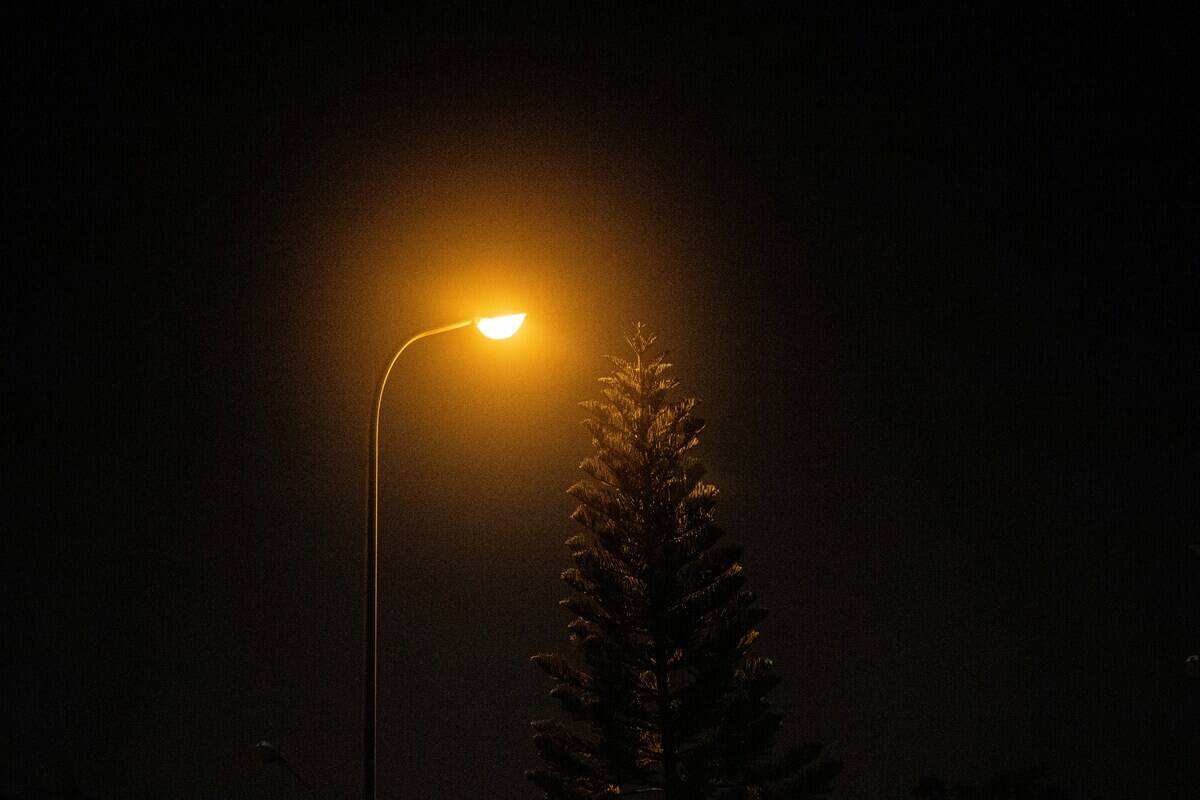
Streetlights, while essential for safety and navigation, are major contributors to light pollution. Often, these lights are unshielded or excessively bright, causing glare and skyglow. This artificial lighting disrupts the natural darkness of the night, impacting human sleep and wildlife behavior.
Solutions include installing shielded streetlights, using lower-intensity bulbs, and implementing smart lighting systems that adjust based on need. By addressing the impact of streetlights, we can reduce light pollution and preserve nighttime darkness, benefiting both humans and the environment.
The Effects of Light Pollution on Mental Health

Light pollution not only affects sleep but also has implications for mental health. Disrupted sleep patterns can lead to mood disorders, anxiety, and depression. The constant exposure to artificial light, particularly at night, can exacerbate these mental health issues by interfering with the body’s natural rhythms.
By reducing light pollution through better lighting design and minimizing nighttime light exposure, we can promote better mental health and overall well-being. Understanding these effects highlights the importance of addressing light pollution for holistic health.
Light Pollution and Its Impact on Wildlife Sleep Patterns

Wildlife is not immune to the effects of light pollution, which can significantly alter their sleep patterns and behavior. Many species rely on natural light cues for foraging, mating, and migration. Artificial light can disrupt these activities, leading to ecological imbalances and affecting biodiversity.
For instance, sea turtles and migratory birds are known to be particularly vulnerable. By implementing wildlife-friendly lighting practices, such as dimming lights and using specific wavelengths, we can mitigate the impact of light pollution on wildlife and preserve ecosystems.
Practical Tips to Minimize Light Pollution in Your Environment

Minimizing light pollution starts with small, practical steps in our own environments. Using blackout curtains can help block external light sources, promoting better sleep. Opting for lower-intensity bulbs and installing dimmers can reduce unnecessary indoor lighting.
Outdoors, using shielded fixtures and motion sensors can prevent light spillover. Additionally, limiting screen time before bed can minimize the impact of blue light. These simple changes can create a more sleep-friendly environment, benefiting both personal health and the wider ecosystem.
The Benefits of Reducing Light Exposure Before Bed
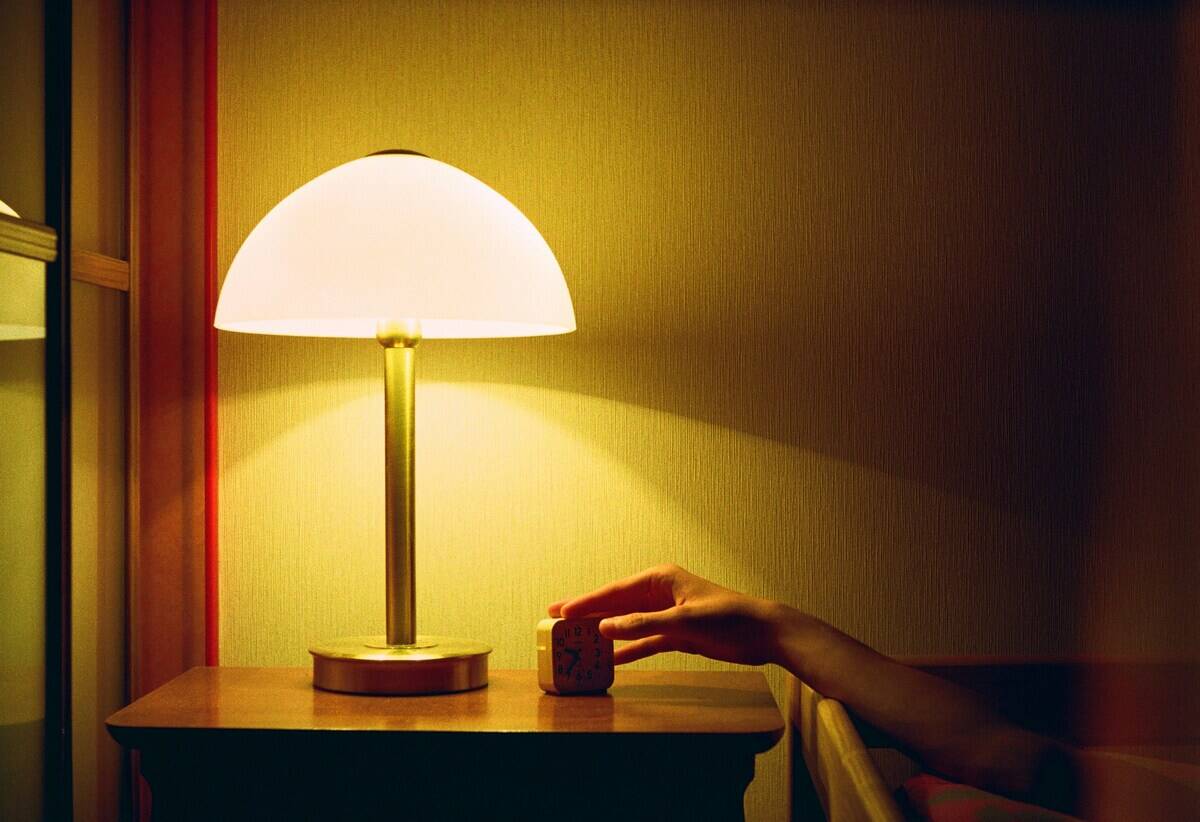
Reducing light exposure before bed offers numerous benefits for sleep and overall health. Dimming lights and avoiding screens in the evening can help the body produce melatonin, preparing it for restful sleep.
This can lead to improved sleep quality, better mood, and enhanced cognitive function. It also aligns with natural circadian rhythms, promoting a healthier sleep-wake cycle. By incorporating these habits into our routines, we can enjoy more restorative sleep and greater well-being, underscoring the importance of light management.
How to Create a Sleep-Friendly Bedroom Environment
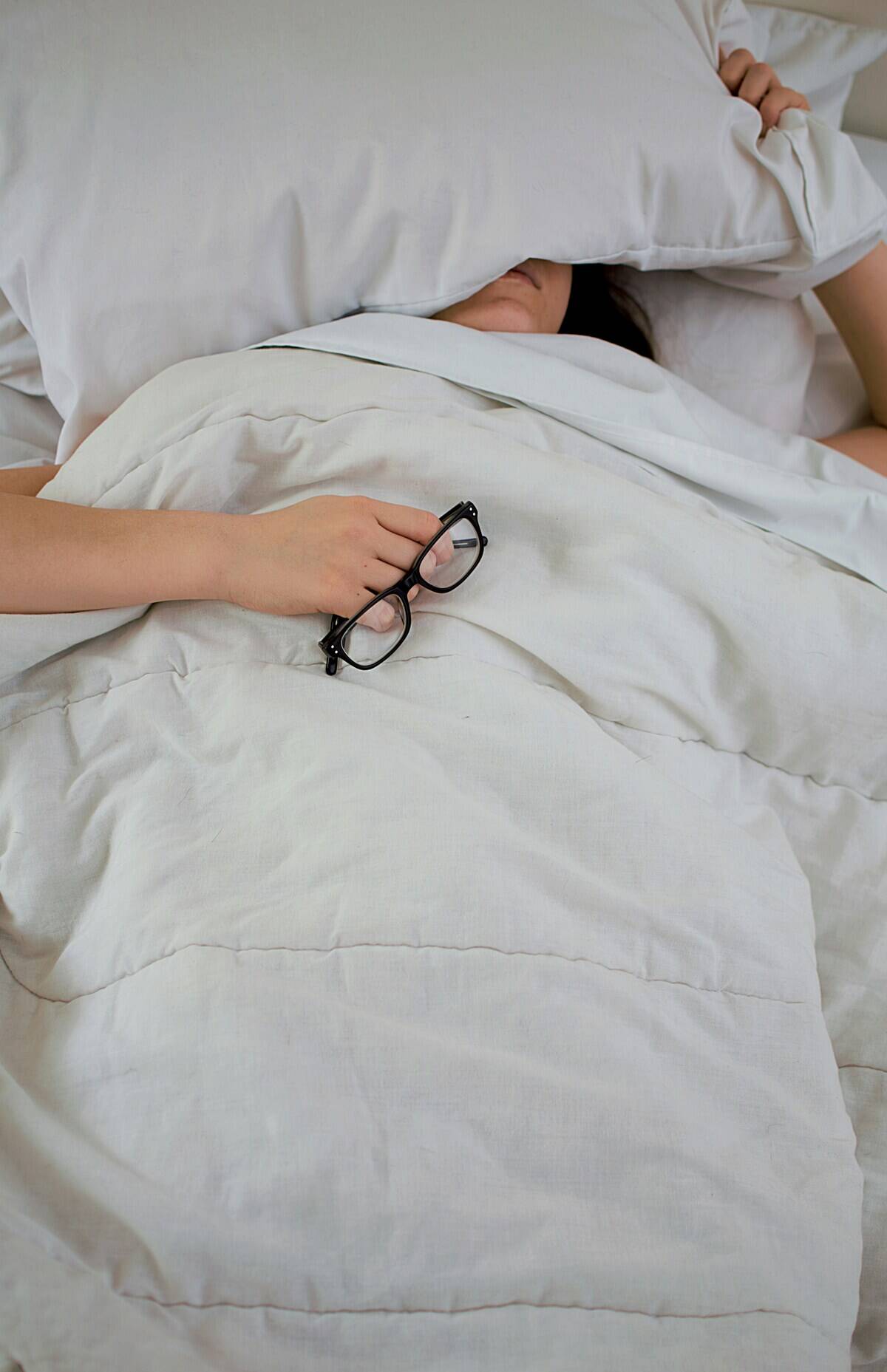
Creating a sleep-friendly bedroom environment involves optimizing lighting, temperature, and comfort. Start by using blackout curtains or blinds to block external light sources. Choose warm, dim lighting for bedside lamps to create a relaxing atmosphere.
Keeping the room cool and clutter-free can also enhance sleep quality. Consider investing in a quality mattress and pillows for added comfort. Additionally, establishing a bedtime routine can signal to the body that it’s time to unwind. These steps can transform your bedroom into a sanctuary for restful sleep.