The effects of loneliness on the brain

Trending Now
Loneliness is a universal human experience that touches everyone at some point. It’s not just about being alone; it’s a deeper sense of disconnection from others. This feeling can creep in even when surrounded by people, making it a complex emotional state.
Modern society, with its fast-paced life and digital interactions, often amplifies this sensation, leaving many seeking meaningful connections.
Understanding the Feeling: What is Loneliness?

Loneliness is the distressing feeling that arises when there is a gap between desired and actual social interaction. While everyone experiences it differently, common emotions include sadness and isolation.
Importantly, loneliness is subjective; one person might feel lonely in a crowd, while another might feel content in solitude. Recognizing this distinction is key to understanding and addressing loneliness effectively.
The Science Behind Loneliness and the Brain

Research shows that loneliness is not just a psychological state but also has profound effects on the brain. It activates brain areas related to distress and anxiety, akin to physical pain.
Neuroscientists have discovered that chronic loneliness can alter brain functions, impacting mental and physical health. Understanding these changes helps in developing strategies to mitigate loneliness’s adverse effects.
How Loneliness Affects Brain Chemistry

Loneliness triggers the release of stress hormones like cortisol, affecting brain chemistry. Elevated cortisol levels can disrupt the balance of neurotransmitters, which are crucial for mood regulation.
This biochemical response highlights why loneliness can lead to anxiety and depression. Addressing loneliness involves not just social change but also managing these chemical imbalances.
The Role of Neurotransmitters in Loneliness
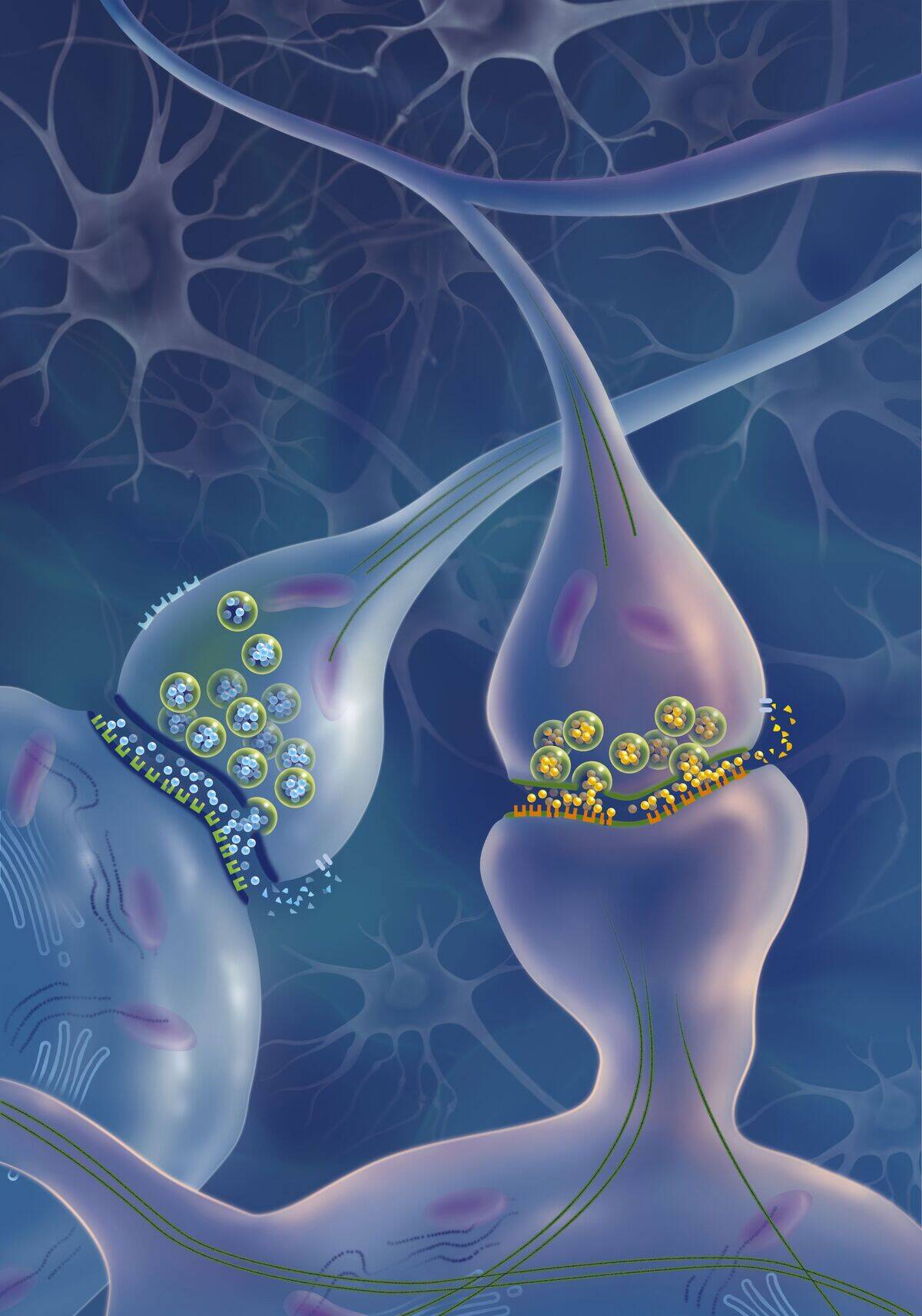
Neurotransmitters like dopamine and serotonin play significant roles in mood and social behavior. Loneliness is associated with changes in how the brain’s reward system responds to social stimuli, including altered dopamine signaling, which can make social interactions feel less rewarding and contribute to the persistence of loneliness.
Understanding this role can aid in developing therapies that target neurotransmitter imbalances.
Changes in Brain Structure Due to Loneliness
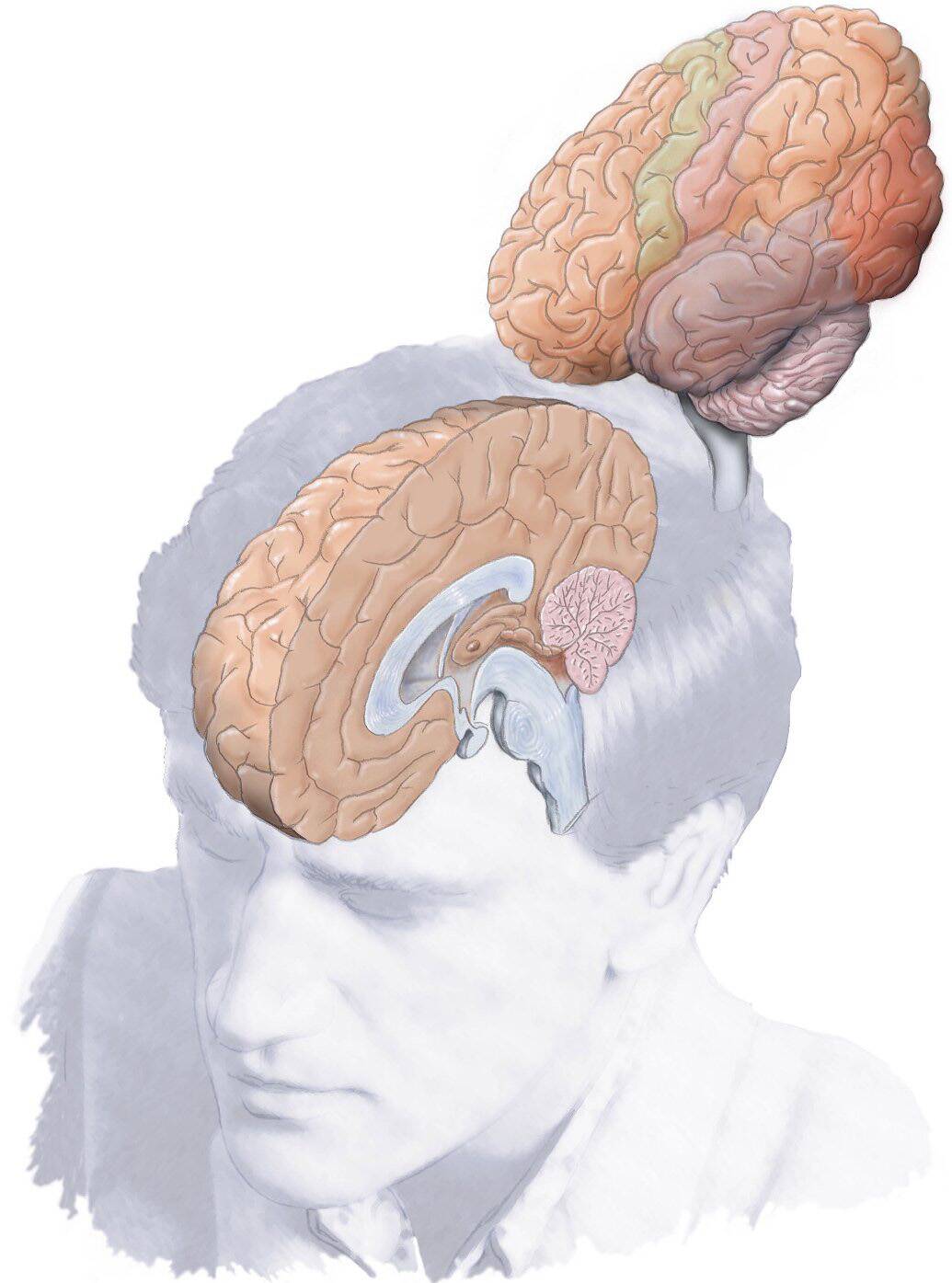
Chronic loneliness can lead to structural changes in the brain, particularly in areas related to social interaction and emotional regulation. Studies have shown reduced gray matter in these regions, which can exacerbate feelings of isolation.
These changes underscore the importance of early intervention to prevent long-term alterations and promote mental well-being.
Loneliness and the Brain’s Reward System
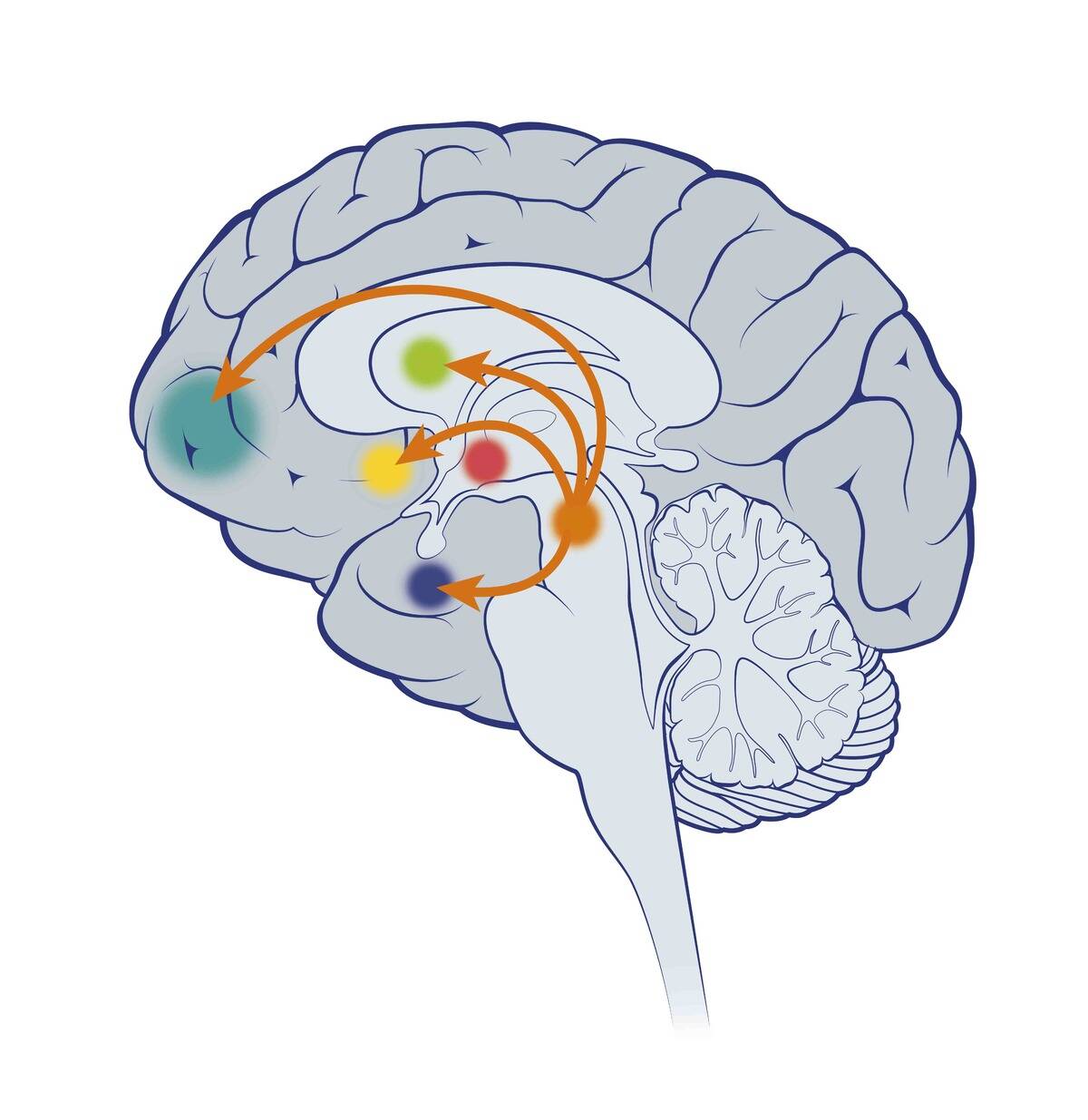
The brain’s reward system is crucial for reinforcing positive social interactions. Loneliness disrupts this system, making it harder to find joy in social activities.
This disruption can lead to a vicious cycle where individuals withdraw further, deepening their sense of loneliness. By understanding this connection, interventions can be designed to reengage the brain’s reward pathways.
The Impact of Loneliness on Memory and Learning

Loneliness can impair cognitive functions such as memory and learning. The stress associated with loneliness affects the hippocampus, a brain area essential for these processes.
Chronic stress can lead to memory problems and difficulty concentrating, which further isolates individuals. Addressing loneliness could help in preserving cognitive health and enhancing learning capabilities.
The Connection Between Loneliness and Stress Response

The body’s stress response is closely linked to loneliness. When feeling isolated, the brain perceives it as a threat, triggering the fight-or-flight response.
This constant state of alertness can wear down the body’s systems, leading to chronic health problems. Understanding this connection highlights why managing stress is crucial in combating loneliness.
Loneliness, Sleep, and Brain Health

Loneliness can significantly affect sleep quality, impacting brain health. Sleep disturbances are common among lonely individuals, leading to fatigue and cognitive decline.
Poor sleep further exacerbates feelings of isolation, as it affects mood and social interactions. Ensuring good sleep hygiene can be a vital step in breaking this cycle and improving overall well-being.
The Brain’s Social Network: How Loneliness Alters Social Perception

Loneliness can distort social perception, making individuals more sensitive to social threats. The brain’s social network, which evaluates social cues, becomes hyper-vigilant, leading to misinterpretations.
This heightened sensitivity can lead to further withdrawal and isolation. Understanding these changes can help in developing strategies to correct these perceptions and foster healthier social connections.
Exploring Loneliness-Induced Brain Inflammation

Chronic loneliness can lead to brain inflammation, which is linked to various mental health disorders. Inflammation affects neurotransmitter function and can exacerbate symptoms of depression and anxiety.
By recognizing the role of inflammation, researchers are exploring anti-inflammatory treatments as potential interventions for loneliness-related issues.
Loneliness and Cognitive Decline: Is There a Link?

Studies suggest a link between loneliness and cognitive decline, with lonely individuals at higher risk for dementia. The stress from loneliness can damage brain cells and accelerate aging.
This connection underscores the importance of social engagement in preserving cognitive function and highlights the need for interventions to support mental health in older populations.
The Role of Genetics in Loneliness and Brain Changes

Genetics may play a role in how individuals experience loneliness and its effects on the brain. Certain genetic predispositions can make people more sensitive to social disconnection.
Understanding these genetic factors can lead to personalized interventions, helping individuals manage loneliness more effectively and reduce its impact on brain health.
Loneliness in the Digital Age: A Modern Brain Challenge

The digital age has transformed how we connect, but it also presents challenges for the brain. While technology facilitates communication, it can also lead to superficial interactions and increased feelings of loneliness.
Navigating this modern landscape requires balancing digital and face-to-face interactions to maintain meaningful connections and support brain health.
Combatting Loneliness: Brain-Friendly Strategies

Addressing loneliness involves strategies that support brain health, such as building social connections and engaging in physical activity.
Mindfulness and cognitive-behavioral therapy can also help in managing negative thought patterns associated with loneliness. These approaches aim to rewire the brain’s response, promoting resilience and well-being.
The Importance of Social Connections for Brain Health

Social connections are vital for maintaining brain health and overall well-being. Engaging in meaningful relationships stimulates the brain, enhancing cognitive function and emotional resilience.
Strong social networks provide support and reduce stress, highlighting the need for nurturing relationships as a key component of a healthy lifestyle.