Why trial by jury almost disappeared in Europe

Trending Now
The jury system in Europe has a long and winding history, filled with intrigue and transformation. Its journey across the continent is not just a tale of legal evolution but also of cultural and political shifts.
While some countries embraced the jury system wholeheartedly, others gradually moved away from it, responding to diverse societal needs and pressures. Today, the jury system remains a topic of great interest, as Europe grapples with its legal identity in a rapidly changing world.
The Historical Roots of Trial by Jury in Europe
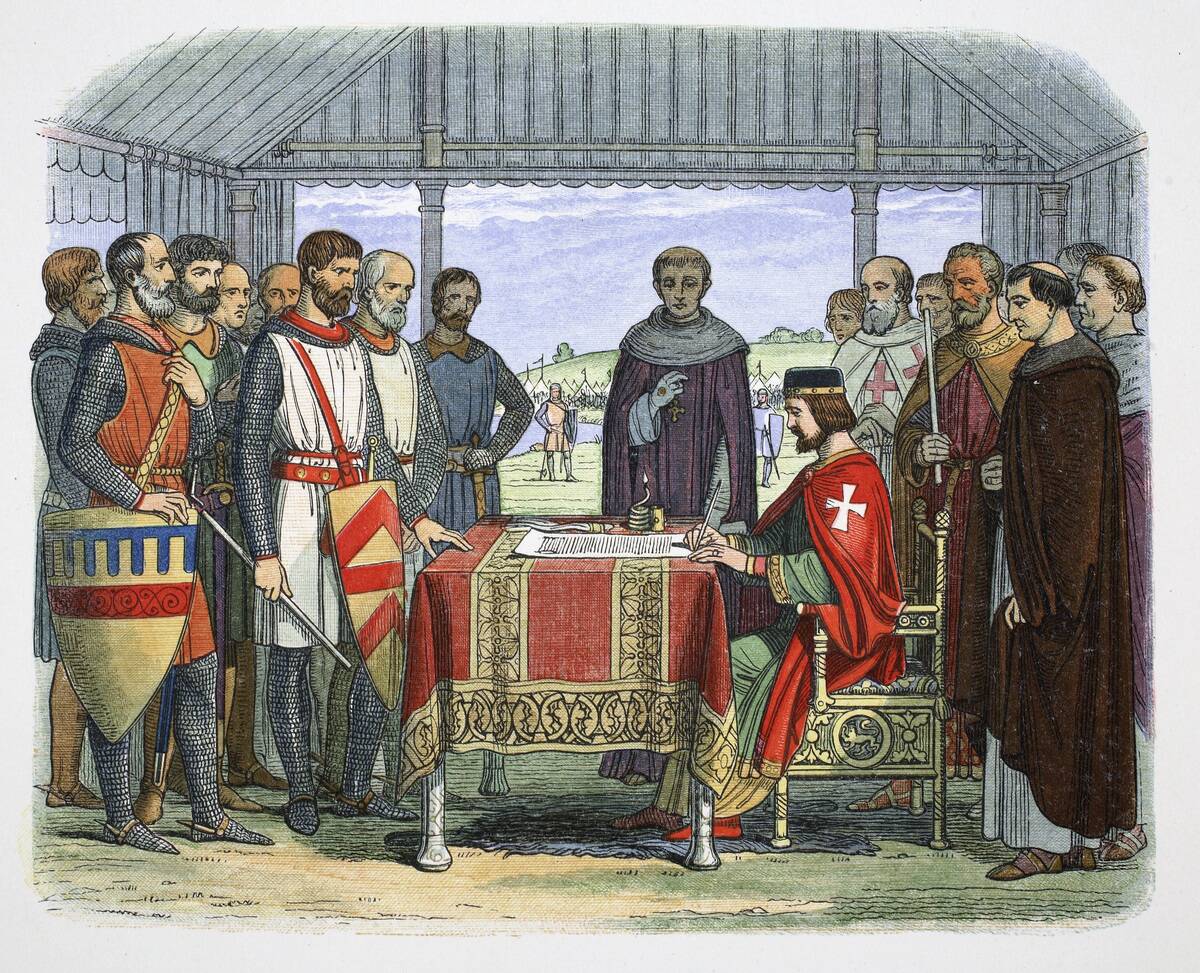
The origins of the jury system in Europe can be traced back to ancient Greece and Rome, where citizens played a role in legal proceedings. However, it was in medieval England where the system truly took root, influenced by the Magna Carta in 1215.
This document laid the foundation for the right to a fair trial by one’s peers. As the system spread across Europe, it adapted to local customs and laws, creating a diverse legal landscape.
Trial by Jury: A Pillar of Medieval European Justice
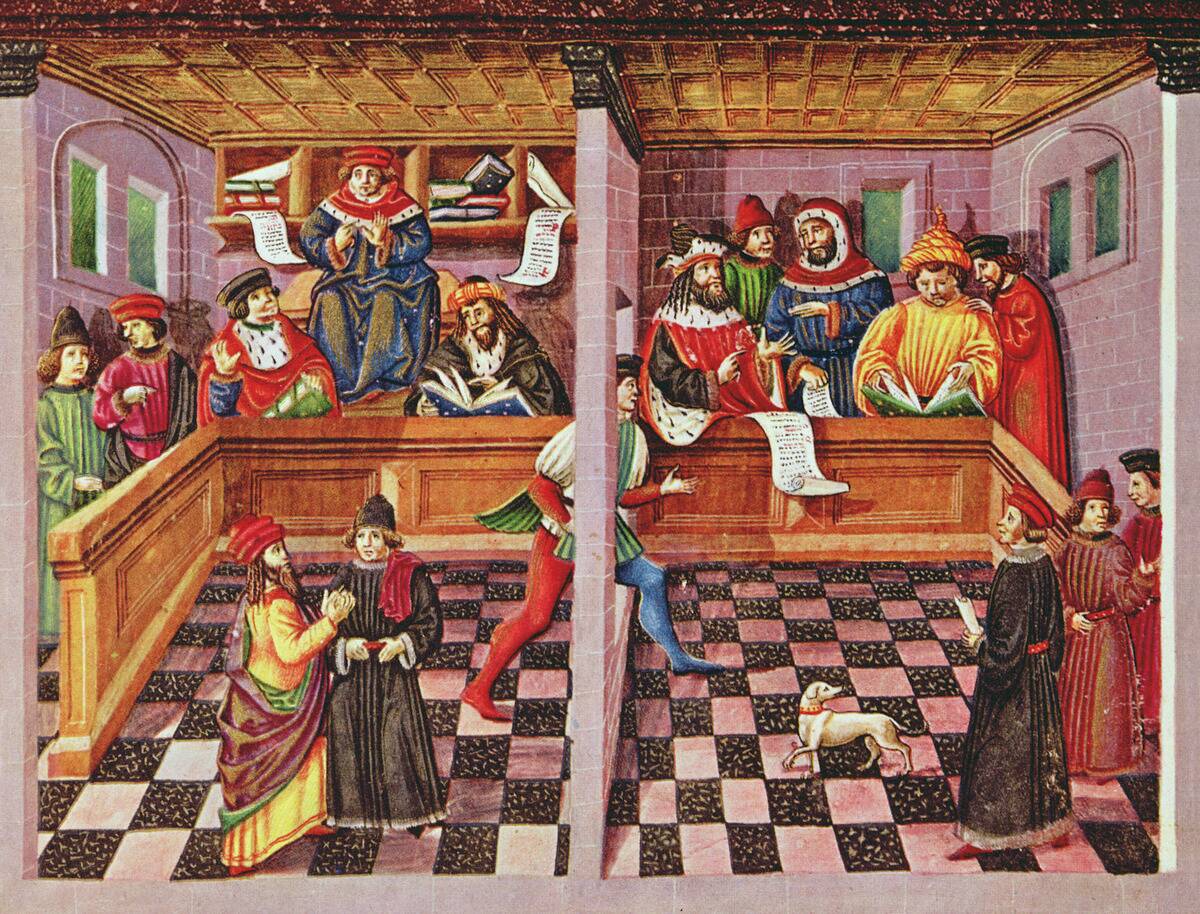
In medieval Europe, trial by jury became a cornerstone of justice, reflecting the communal approach to law and order. The jury was seen as a safeguard against arbitrary rule, providing a voice for ordinary citizens in the legal process.
This period saw the development of the jury as a body that could assess evidence and deliver verdicts based on community standards. The system’s reliance on local knowledge made it both effective and popular among the populace.
The Evolution of Jury Systems in Different European Countries
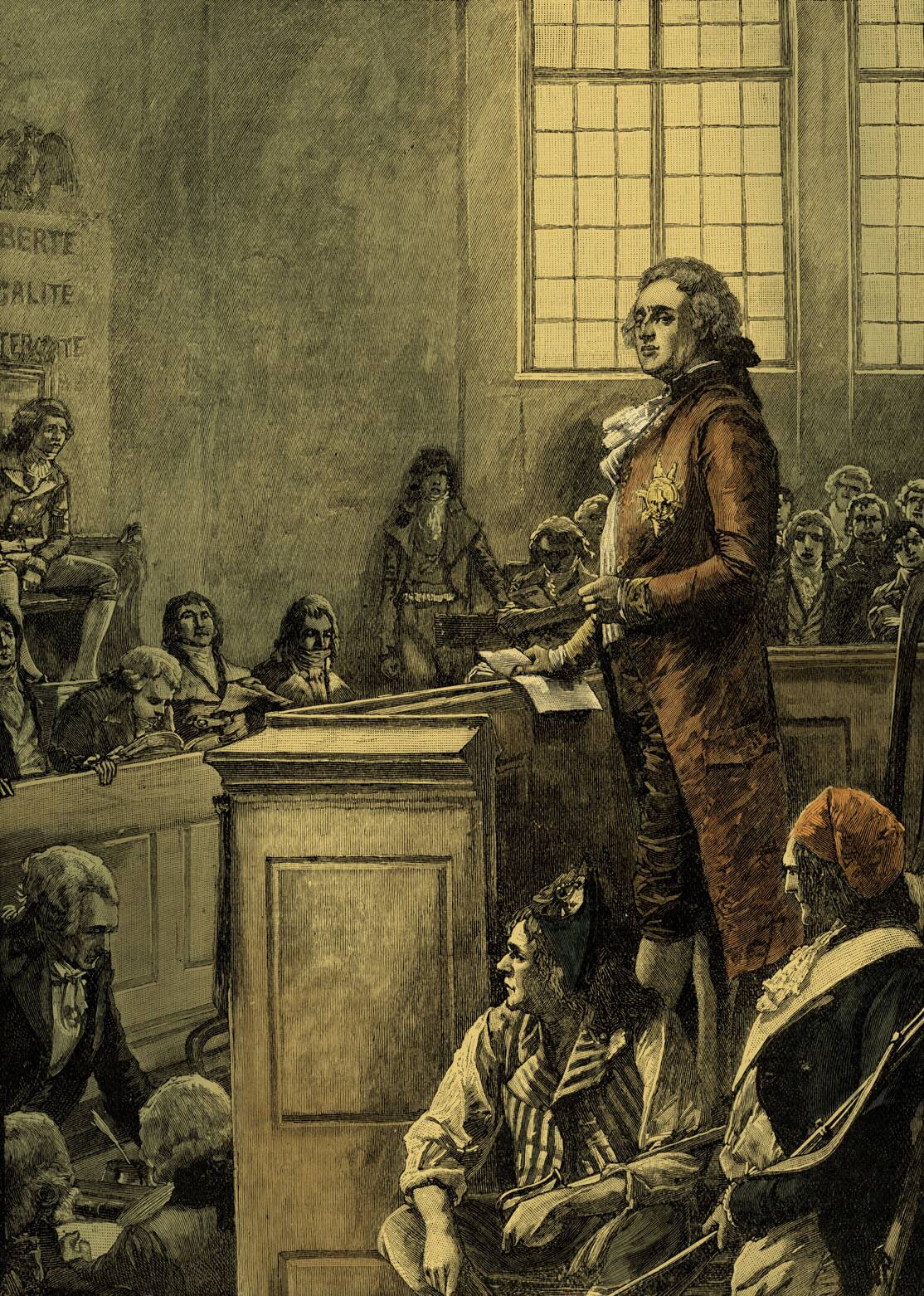
As the jury system spread across Europe, it evolved uniquely in each country. According to Yale Law School, the system was influenced by England’s jury system. In Germany, jury trials are frequently abolished after cultural shifts introduce them, and they haven’t been a regular part of the German legal system since 1924.
The Netherlands also does not have jury trials. These variations highlight the adaptability of the jury system, which was molded by historical, cultural, and legal factors in each region.
The Influence of the Enlightenment on Jury Trials
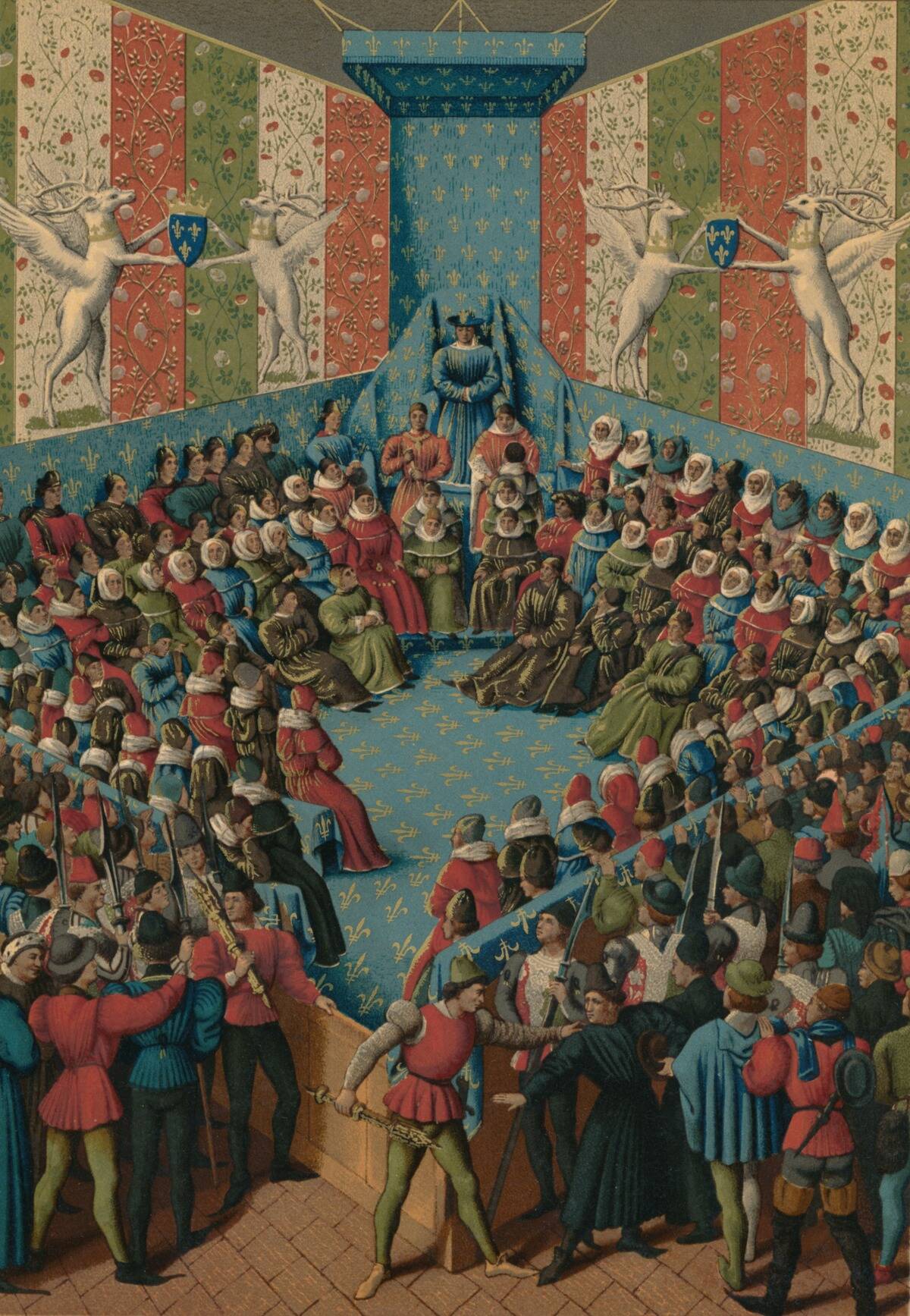
The Enlightenment brought a wave of change to Europe, and the jury system was not immune to its influence. Enlightenment thinkers championed the idea of reason and justice, advocating for fair trials and the protection of individual rights.
This period saw a strengthening of jury systems in many countries, as they were seen as a reflection of democratic principles. The emphasis on rationality and equality resonated with the core values of trial by jury.
The Napoleonic Code and Its Impact on Jury Systems
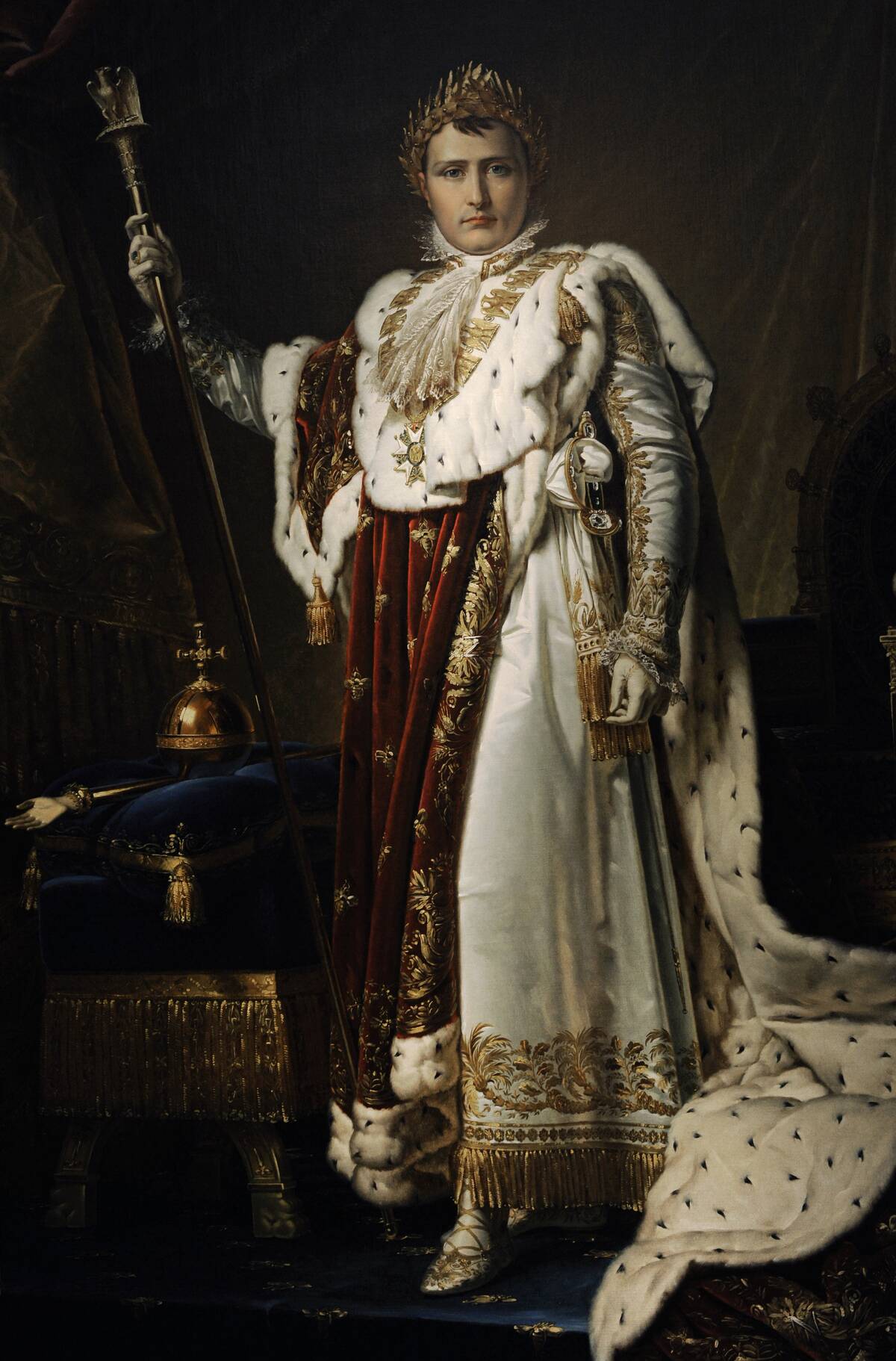
The Napoleonic Code, established in 1804, had a profound impact on legal systems across Europe, including jury trials. While it unified French law, it also introduced a more centralized approach to justice, reducing the role of juries in some cases.
The Code’s influence spread beyond France, affecting legal practices in countries such as Italy and Spain. This shift marked a turning point in the balance between lay participation and professional judiciary in Europe.
The Decline of Jury Trials in the 19th Century
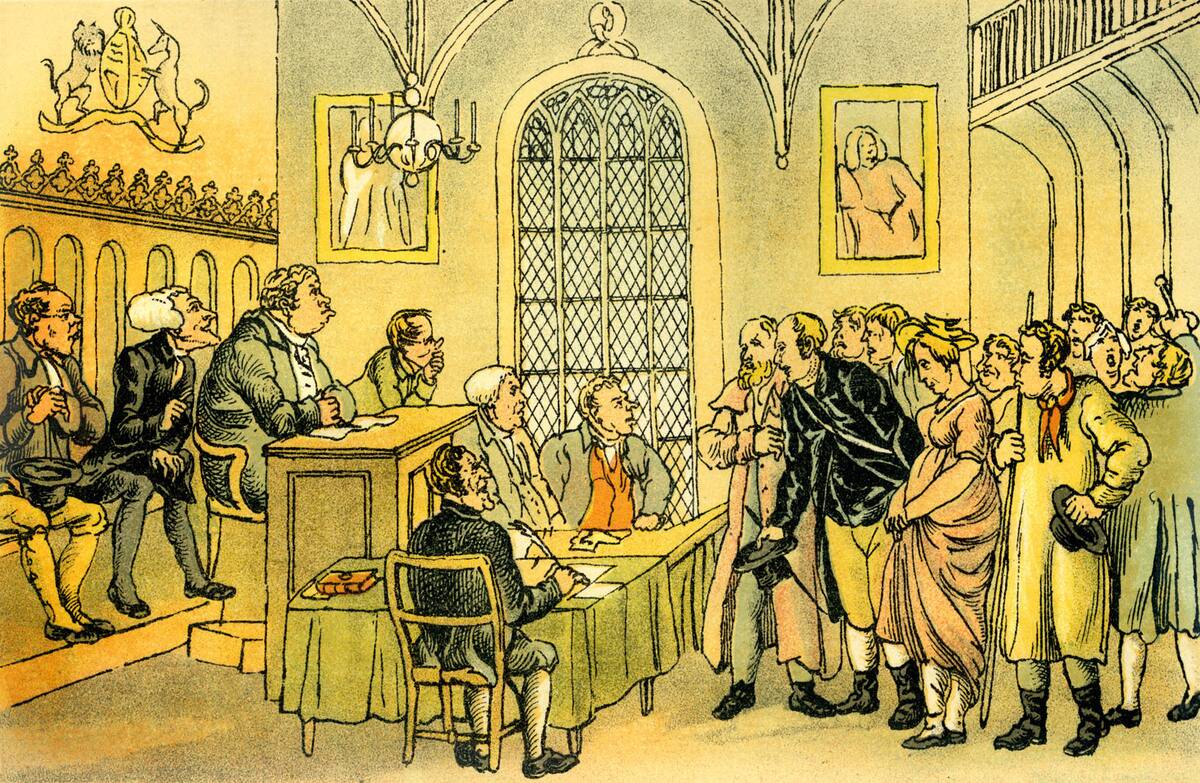
The 19th century witnessed a decline in the use of jury trials across Europe, as countries sought more efficient legal processes. Industrialization and urbanization demanded swifter justice, leading to an increased reliance on professional judges.
The jury system, seen as time-consuming and costly, was gradually phased out in many regions. This period marked a significant transition in the European legal landscape, as practicality often overshadowed tradition.
Political Turmoil and the Rise of Authoritarian Regimes
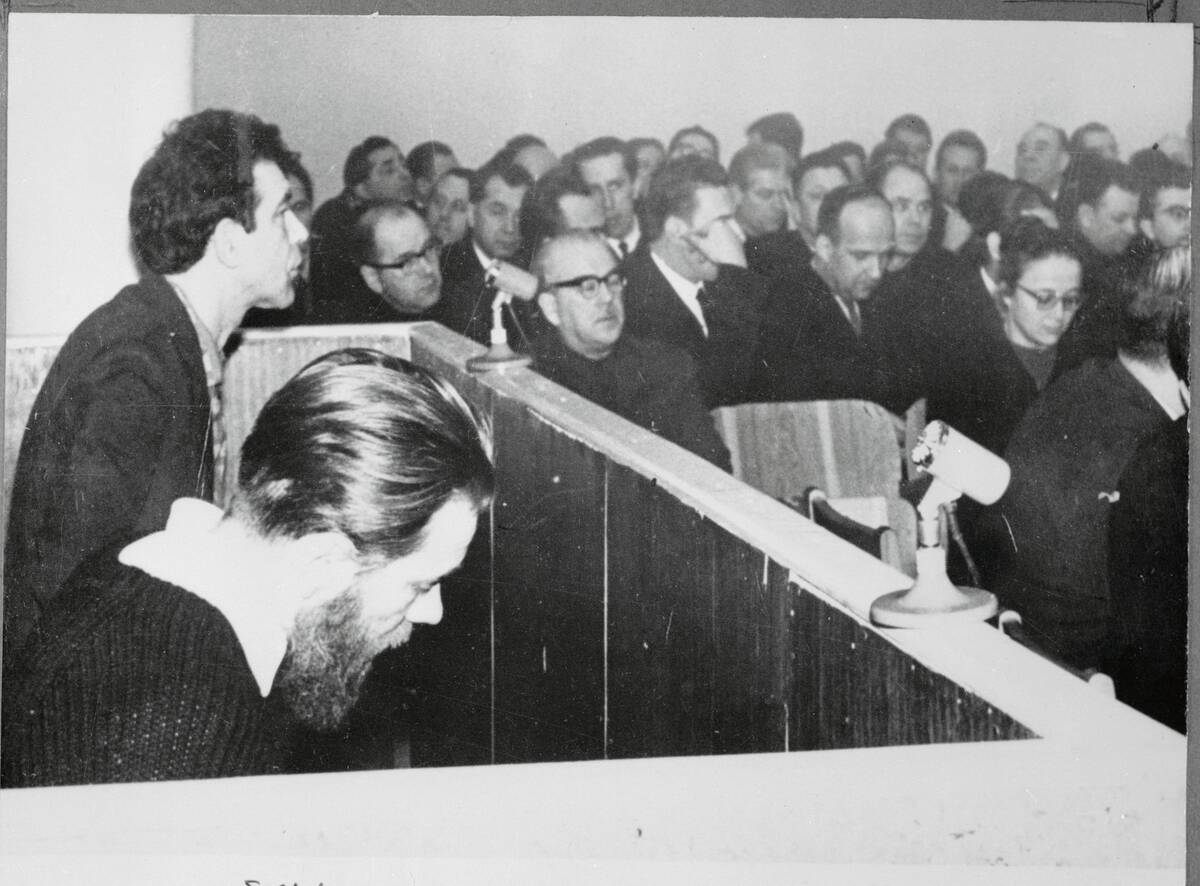
Political instability in the 19th and early 20th centuries contributed to the decline of jury systems in Europe. Authoritarian regimes, such as those in Germany and Russia at the time, preferred centralized control over the judiciary, viewing juries as unpredictable and potentially subversive.
The rise of such regimes often led to the suppression of jury trials, as they sought to consolidate power and limit public participation in the legal process.
The 20th Century: The Continental Drift from Jury Trials
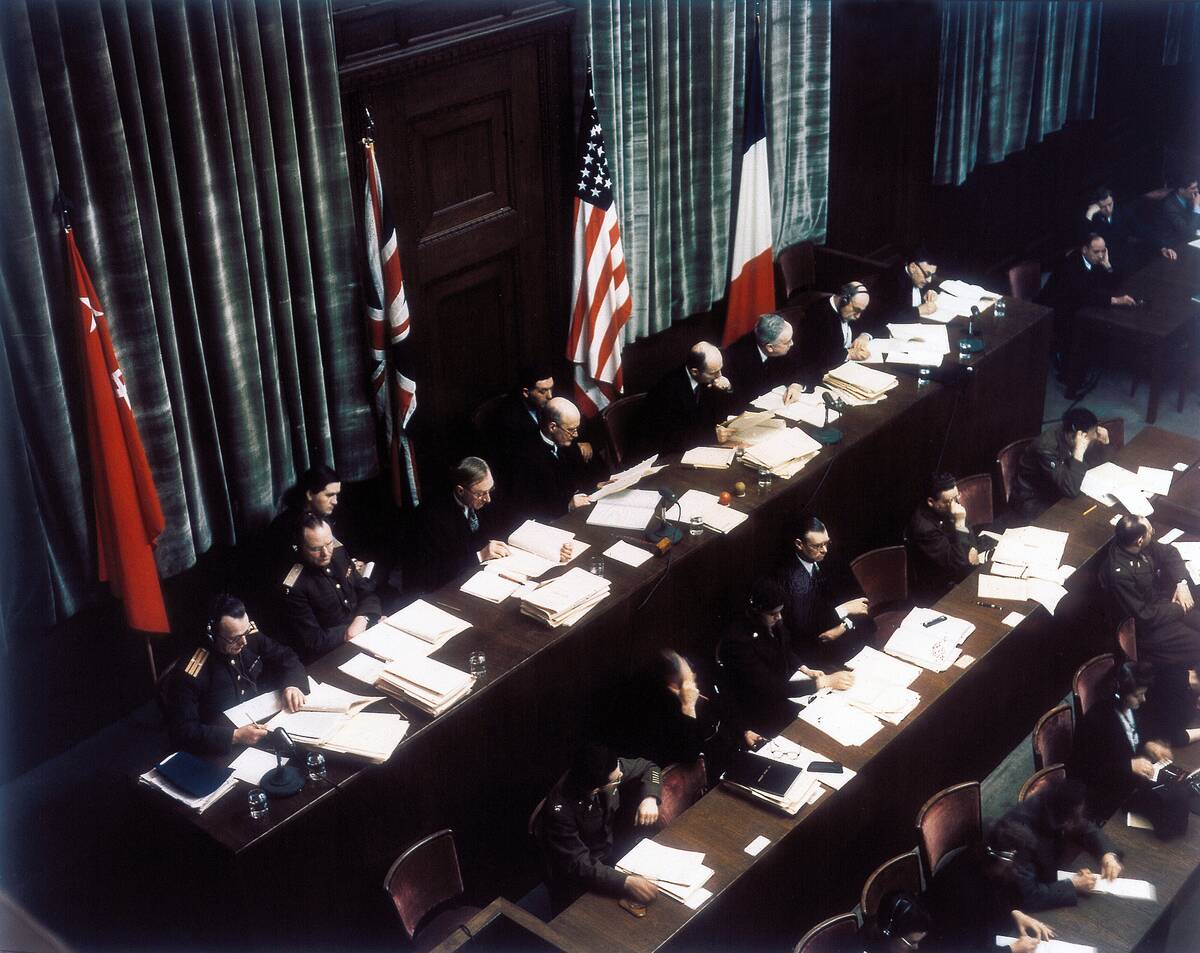
During the 20th century, Europe saw a continued drift from jury trials, with many countries favoring professional judges. This shift was influenced by the desire for consistency and expertise in handling complex cases.
The world wars and the subsequent political realignments further accelerated this trend, as countries sought stability in their legal systems. Despite this drift, some regions retained jury trials for specific cases, reflecting a nuanced approach to justice.
Cultural Factors Contributing to the Disappearance of Jury Systems
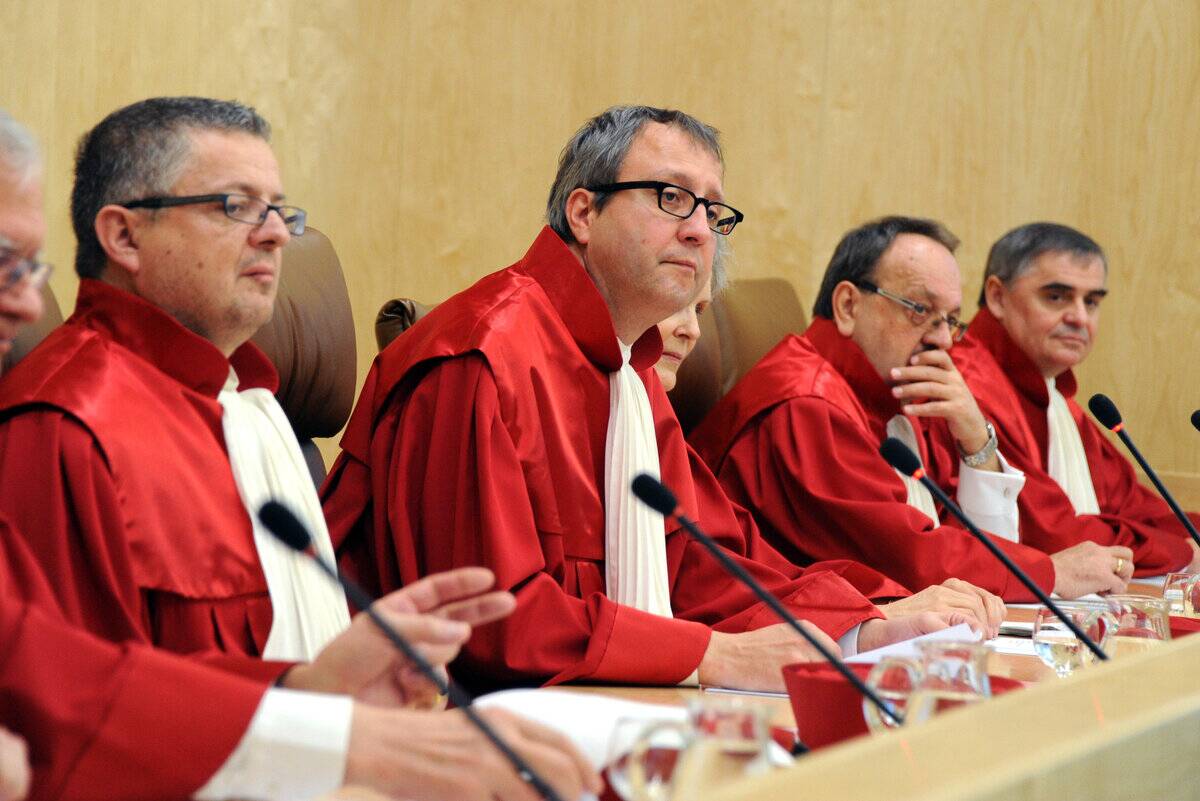
Cultural attitudes have played a significant role in the disappearance of jury systems in parts of Europe. In some countries, there was a perception that juries lacked the expertise needed for complex legal matters.
Additionally, societal trust in professional judges often outweighed the desire for peer-based decision-making. These cultural factors, combined with historical and political influences, contributed to the gradual decline of jury trials in European legal systems.
The Influence of Legal Reforms and Codifications
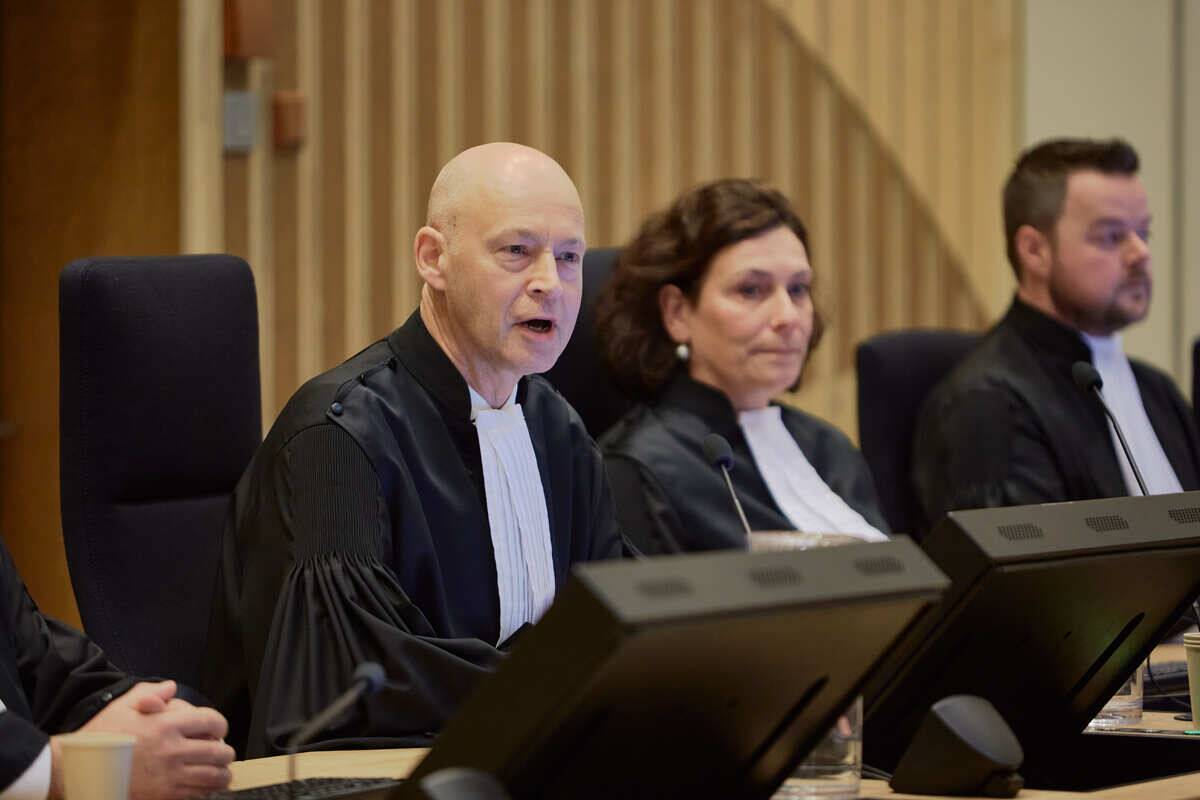
Legal reforms and codifications have significantly influenced the presence of jury trials in Europe. Many countries, seeking to modernize their legal frameworks, opted for codified laws that favored professional judiciary systems.
The trend towards comprehensive legal codes often sidelined jury trials, as they were perceived as relics of a bygone era. Nonetheless, these reforms have also sparked debates about the balance between efficiency and citizen participation in justice.
The Rise of Professional Judges and Their Impact on Jury Trials
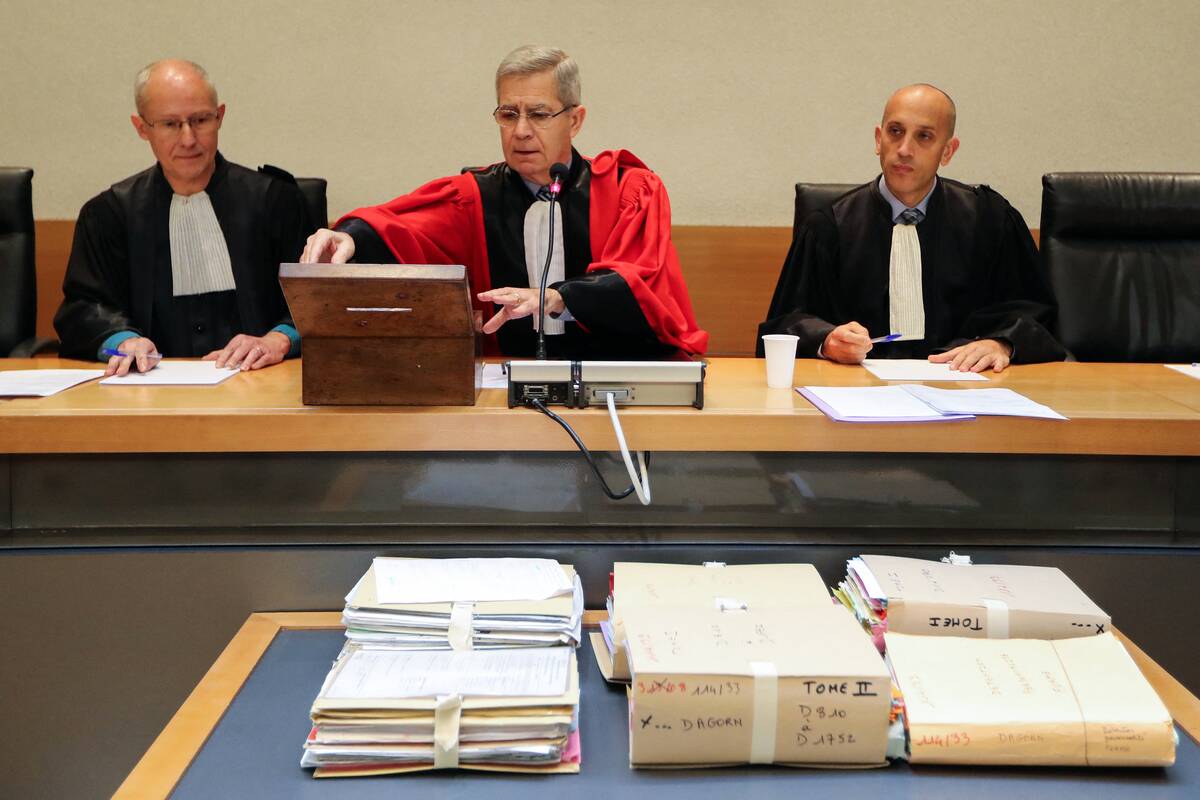
The rise of professional judges has been a defining feature of European legal systems, impacting the role of jury trials. Professional judges bring expertise and consistency, which are highly valued in complex legal matters.
Their ascendancy has often come at the expense of juries, which are viewed as less predictable. This shift highlights the tension between specialized knowledge and community involvement, a balance that continues to shape European justice today.
The European Union and Its Stance on Jury Systems
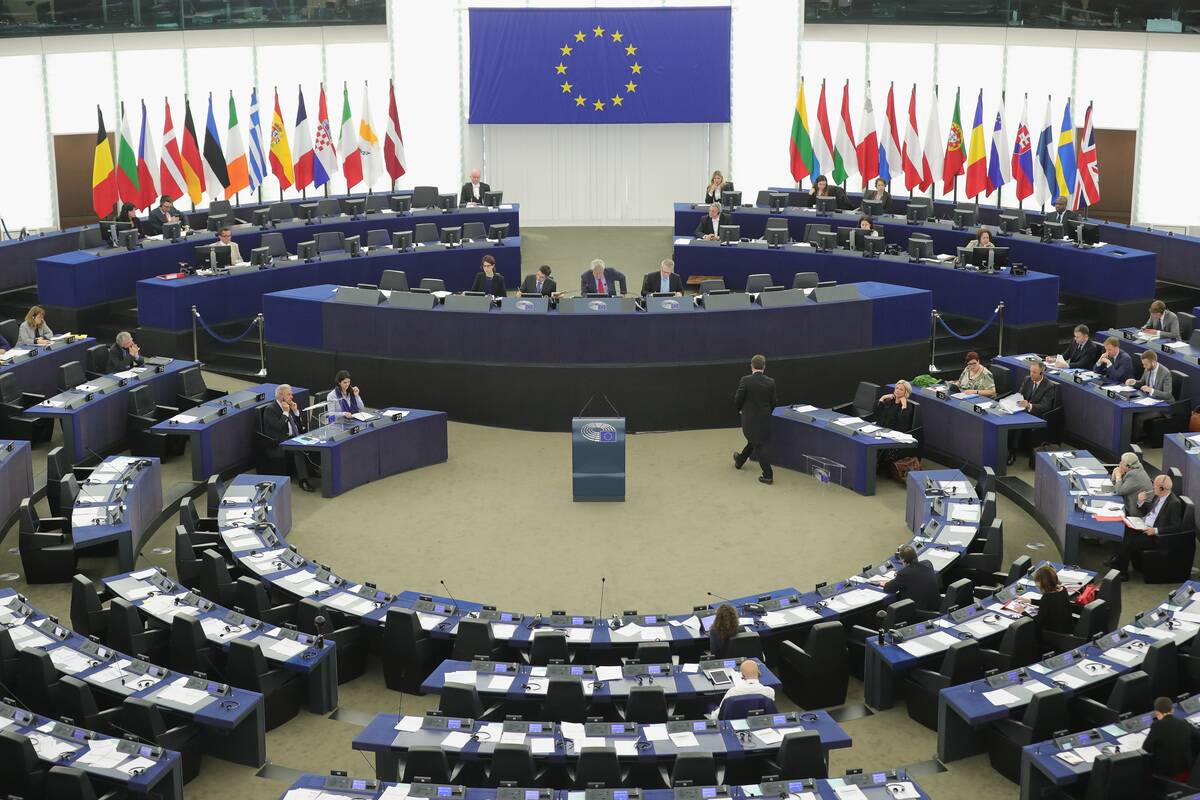
The European Union, while not imposing a uniform legal system, has influenced member states’ approaches to justice, including jury trials. The EU emphasizes the protection of human rights and fair trial standards, which can support the use of juries.
However, the diversity of legal traditions across the EU means that jury systems are not uniformly embraced. The EU’s stance reflects a respect for national sovereignty while promoting overarching principles of justice and fairness.