How wind affects your perception of temperature

Trending Now
Wind chill is that sneaky phenomenon that makes a brisk winter day feel like you’ve been transported to the Arctic. It’s all about the perceived temperature, which is how cold it feels on your skin, not just what the thermometer says.
This is a vital concept when planning your winter wardrobe or deciding whether it’s a good idea to brave the cold for outdoor fun. So, let’s unravel the mysteries behind this chilly concept.
Understanding the Science of Wind Speed

Wind speed is more than just a number; it’s an integral factor in weather conditions. Measured in miles per hour or kilometers per hour, it determines how quickly air moves from one place to another.
The Beaufort scale, for example, helps categorize wind speeds, ranging from calm to hurricane force. Understanding wind speed is crucial in forecasting weather and preparing for its effects on daily life.
How Wind Speed Affects Our Bodies
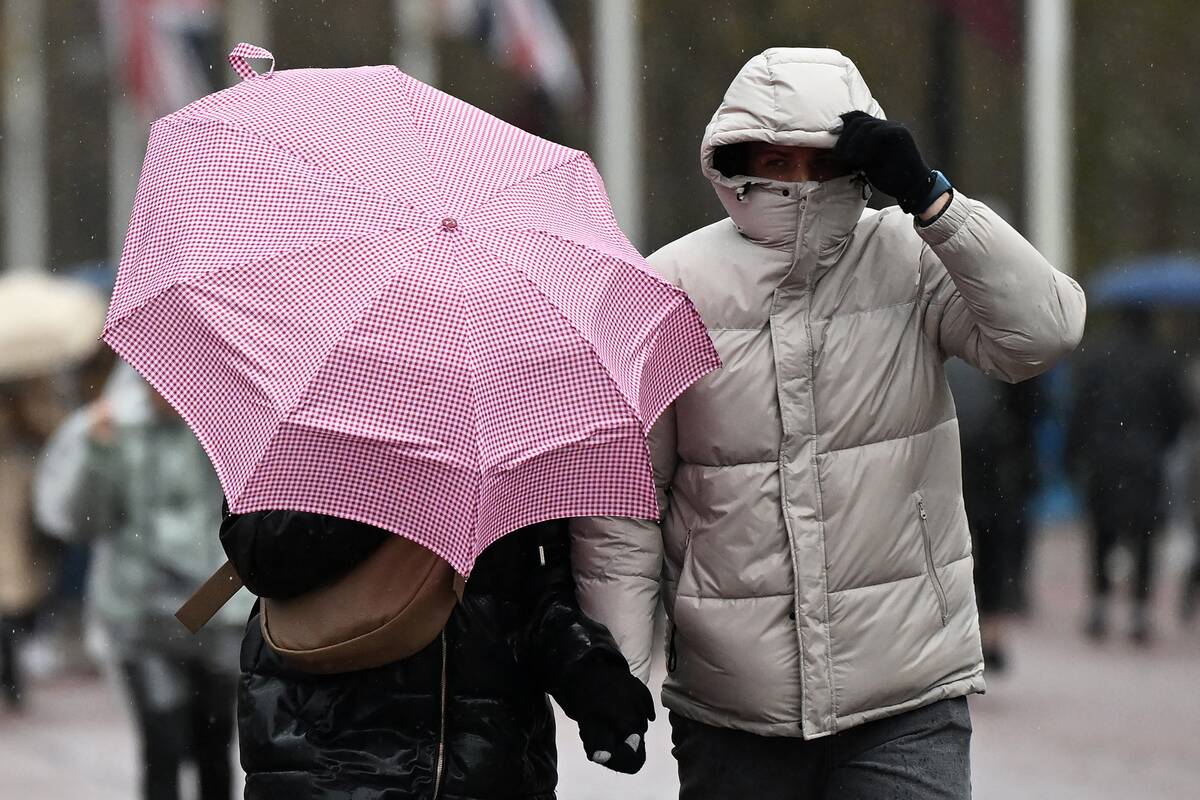
When the wind picks up, it doesn’t just mess up our hair—it impacts our bodies in significant ways. Wind can increase evaporation from our skin, making us lose heat faster.
This process can lead to a rapid drop in body temperature, which is why windy conditions can make you feel colder than the actual air temperature. It’s like nature’s version of air conditioning, whether you want it or not.
The Relationship Between Wind Speed and Heat Loss
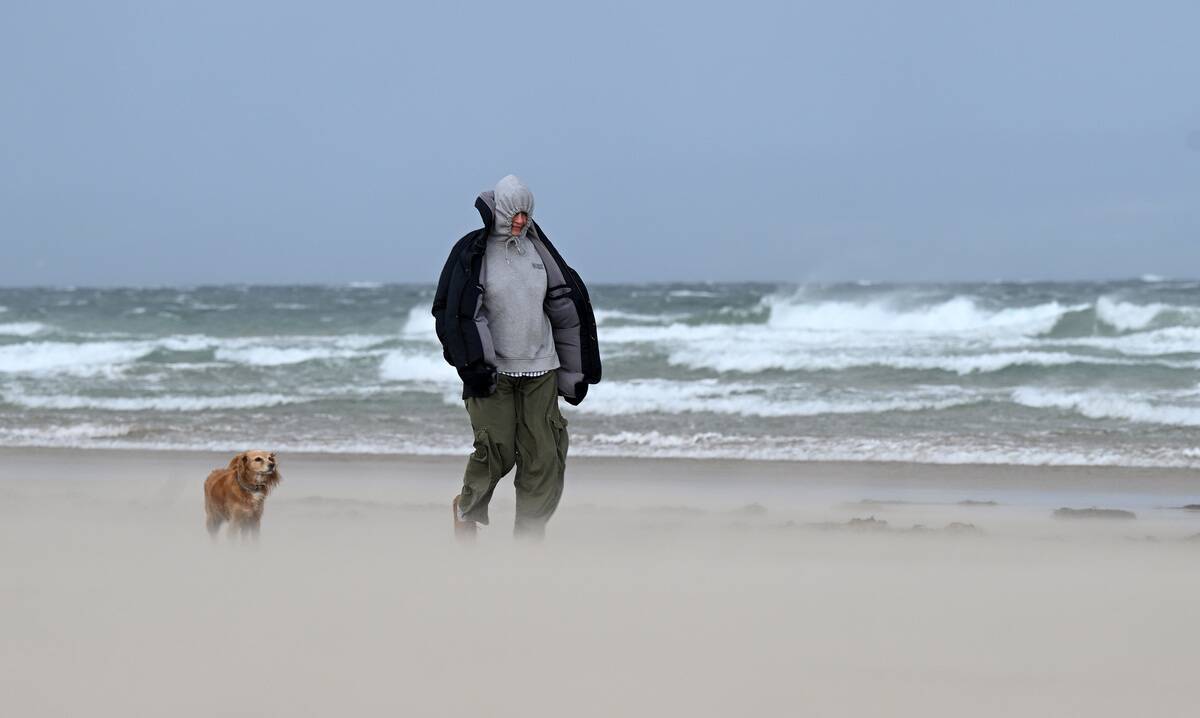
The faster the wind, the quicker our bodies lose heat—it’s a simple yet powerful relationship. Wind removes the warm air that surrounds our skin and replaces it with cooler air, which explains why gusty days can chill us to the bone.
This is why windy conditions can be dangerous, especially if you’re not dressed warmly enough. Understanding this relationship is key to staying warm during blustery weather.
The Basics of the Wind Chill Factor

The wind chill factor combines air temperature and wind speed to estimate the coldness felt on exposed skin. It’s an essential tool for meteorologists to help the public understand potential frostbite risks.
For example, an air temperature of 30°F with a 15 mph wind can feel like 19°F. This factor is particularly useful for outdoor enthusiasts to plan activities and dress appropriately for weather conditions.
Why Wind Speed Can Make Mild Temperatures Feel Freezing

It might be a mild 50°F outside, but add a strong wind, and suddenly it feels like you should be bundled up in your warmest coat. Wind strips away the insulating layer of warm air around your body, intensifying the cold.
This is why wind speed is a critical component in weather forecasts, helping us prepare for conditions that can feel much colder than they appear on the surface.
The Role of Air Movement in Perceived Temperature

Air movement, or wind, plays a pivotal role in how we perceive temperature. When air moves past our skin, it enhances the cooling effect, much like a fan on a hot day. This movement can dramatically change our comfort level, making it feel cooler or warmer depending on the conditions.
Understanding air movement helps us better interpret weather forecasts and prepare for varying outdoor conditions.
Wind Speed and Its Impact on Outdoor Activities

High wind speeds can be a game-changer for outdoor activities. Whether you’re flying a kite, sailing, or just going for a walk, wind affects how we experience outdoor environments. It can make physical activities more challenging or even dangerous if not properly prepared.
Understanding wind patterns can help you plan safer and more enjoyable outdoor adventures, ensuring the wind works with you, not against you.
Comparing Wind Speed Effects in Different Climates
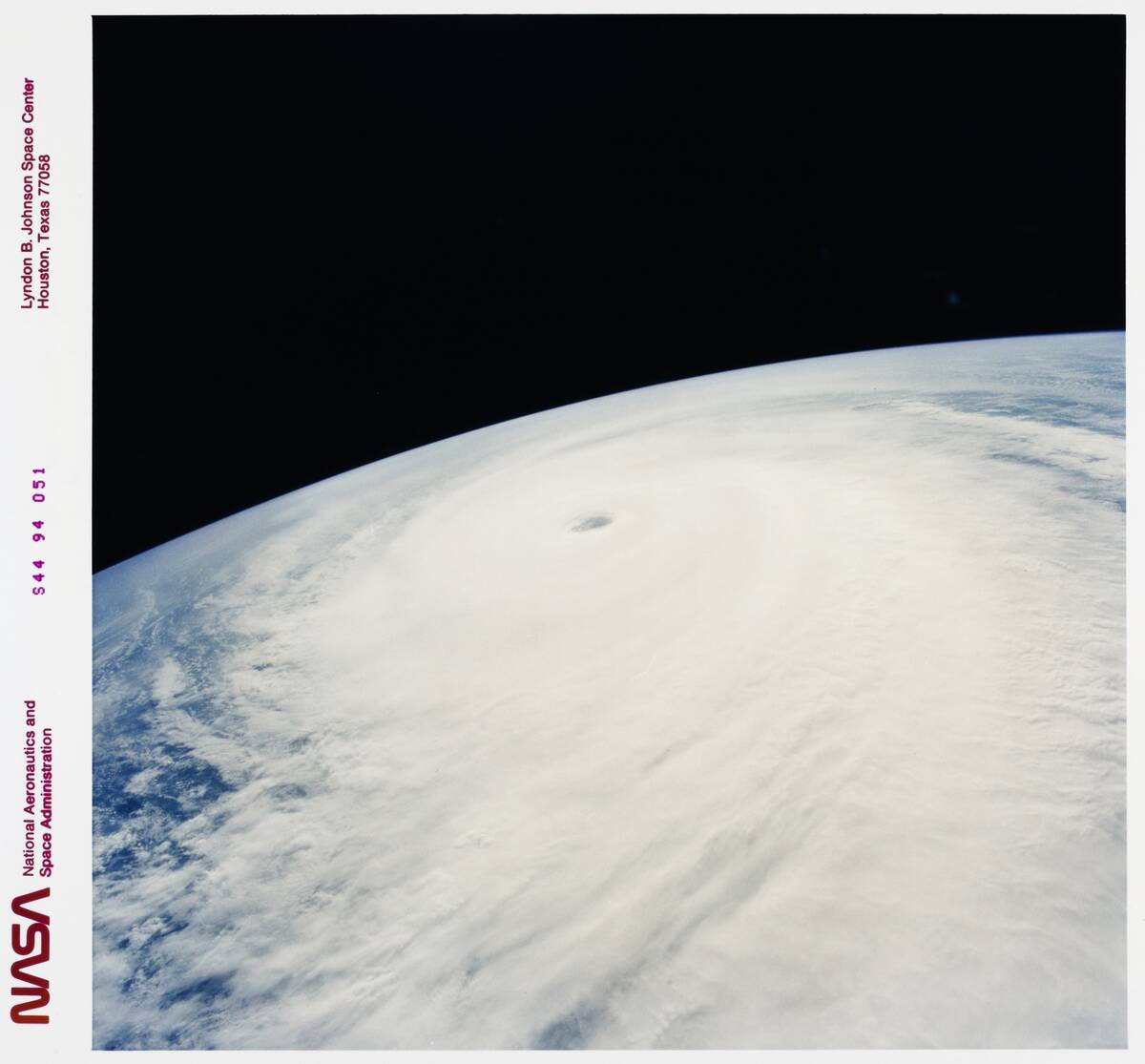
Wind speed impacts climates differently, from the breezy coasts to the windy plains. In coastal areas, wind can moderate temperatures, providing relief from heat, while in desert regions, it can exacerbate conditions by blowing hot, dry air.
Understanding these differences helps us appreciate the unique ways wind influences various environments and how people adapt to these conditions worldwide.
The Psychological Effects of Wind on Temperature Perception

Wind doesn’t just physically alter our temperature perception; it plays psychological tricks, too. The sound and feel of strong winds can make us perceive temperatures as colder than they really are.
This can affect mood and behavior, prompting us to bundle up more than necessary or avoid outdoor activities altogether. Recognizing these psychological effects can help us better manage our responses to windy conditions.
How Meteorologists Measure Wind Chill
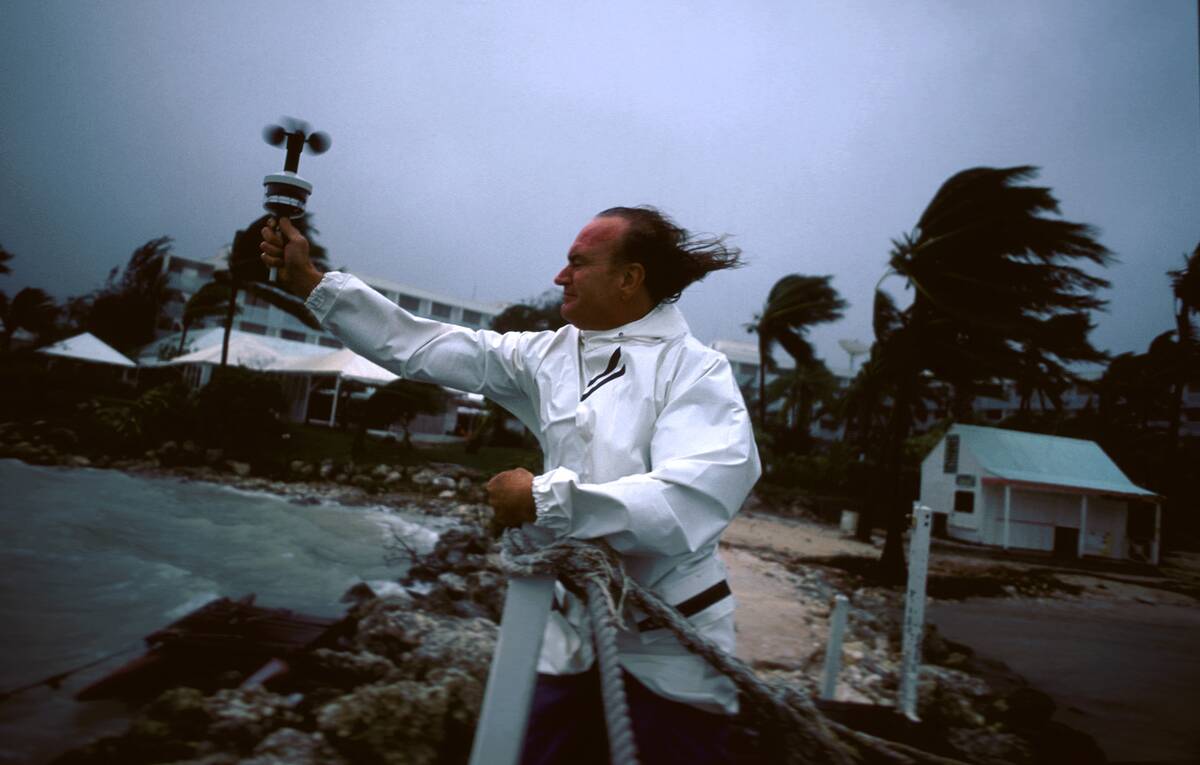
Meteorologists use a combination of instruments and formulas to measure wind chill. Anemometers gauge wind speed, while thermometers record air temperature. These data points are then plugged into a wind chill formula to calculate the perceived temperature.
This measurement is crucial for issuing weather advisories and warnings, helping the public understand potential exposure risks in cold, windy conditions.
Real-Life Examples of Wind Speed Altering Perceived Temperature

Think about a cold winter day in Chicago, where the wind chill can make 20°F feel like it’s below zero. Or consider a football game in Green Bay, where the wind off the lake makes fans feel the cold deep in their bones.
These real-life scenarios highlight how wind speed alters perceived temperature, reminding us to prepare for conditions that are often much colder than the air temperature suggests.
Dressing Right: How to Combat Wind Chill

Layering is your best friend when it comes to combating wind chill. Wearing multiple layers of clothing traps body heat more effectively than a single thick garment. Wind-resistant outer layers can block the wind, preserving the warm air close to your body.
Accessories like hats, gloves, and scarves are essential for covering exposed skin, reducing the risk of frostbite and keeping you cozy during blustery days.
Wind Speed’s Influence on Sporting Events and Competitions

Wind can be a significant factor in sports, affecting everything from ball trajectory in football to ski jump distances. Athletes and coaches must consider wind conditions when planning strategies and training.
For instance, in sailing, wind direction and speed can determine race outcomes, requiring skillful navigation. Wind’s influence on sports showcases the need for adaptability and understanding of weather patterns in competitive settings.
Fun Myths and Facts About Wind and Temperature Perception
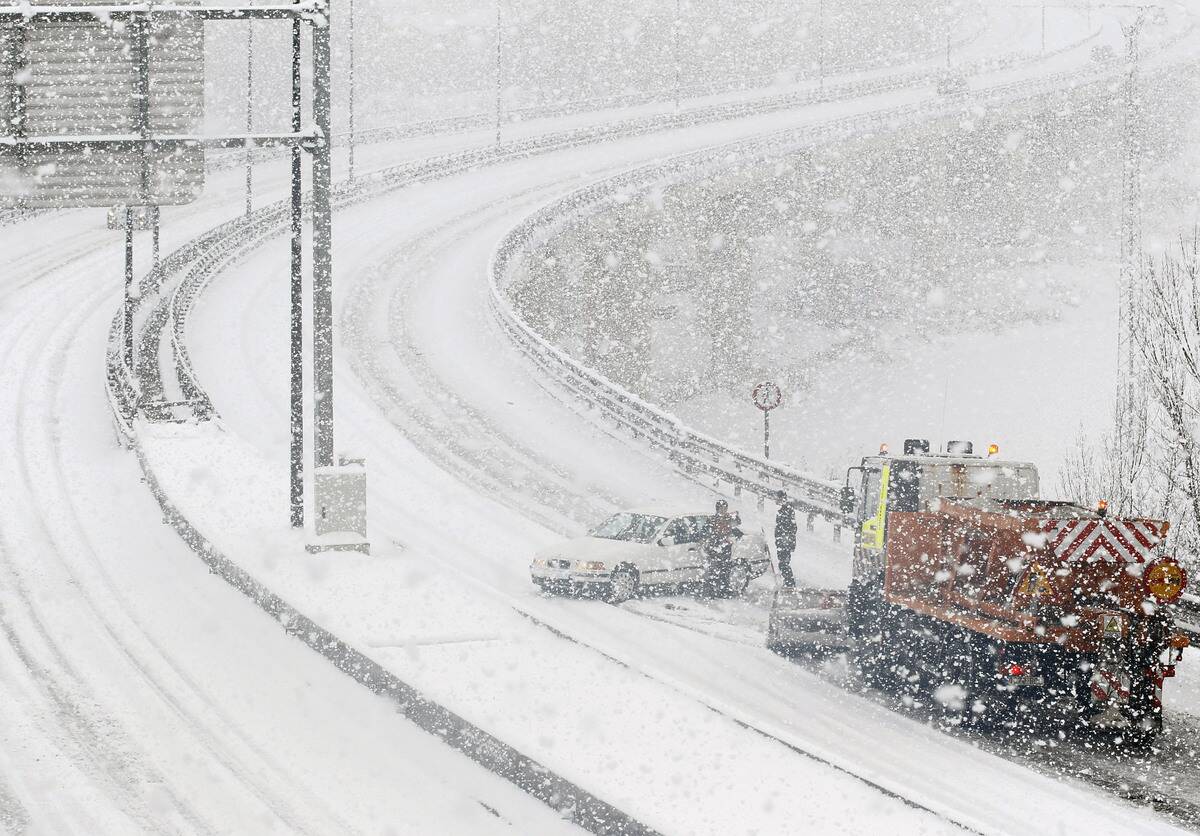
There are many myths about wind and temperature, like the belief that wind chill affects car engines—spoiler: it doesn’t! Wind chill only impacts living skin, not inanimate objects.
However, it’s true that wind can make temperatures feel colder than they are, often leading to the misconception that it lowers the actual air temperature. Understanding these myths and facts can help us better prepare for and enjoy windy weather.
How Animals Adapt to Wind and Cold

Animals have fascinating adaptations to cope with wind and cold. Arctic foxes grow thick fur to insulate against the chill, while birds puff up their feathers to trap heat. Some animals, like penguins, huddle together to conserve warmth in numbers.
These adaptations highlight the incredible ways wildlife has evolved to survive extreme weather, offering inspiring lessons for human strategies in dealing with cold and windy conditions.
The Future of Weather Forecasting: Incorporating Wind Speed
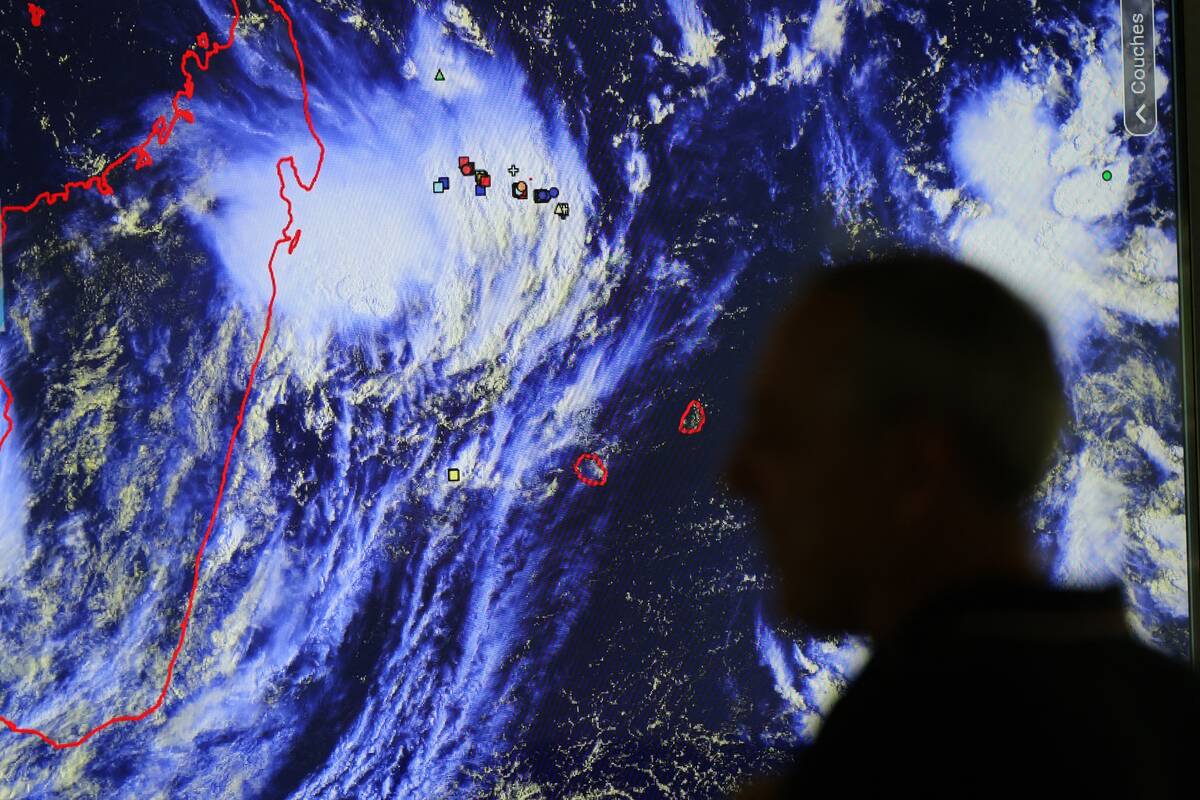
As technology advances, so does the precision of weather forecasting, with wind speed playing a crucial role. Future forecasts may incorporate more detailed wind speed data, improving accuracy in predicting perceived temperatures and weather events.
Enhanced models could lead to better preparedness and response strategies, helping communities adapt to increasingly unpredictable weather patterns and ensuring safety in changing climates.