The most extreme ecosystems on earth

Trending Now
Earth is a planet of contrasts, with environments ranging from scorching deserts to icy realms, each hosting a unique tapestry of life and landscapes. These wild environments not only test the limits of human exploration but also house incredible biodiversity and geological wonders.
Whether it’s the blistering sun of the Sahara or the freezing winds of Antarctica, each location tells its own story of survival and adaptation.
The Scorching Sands of the Sahara Desert
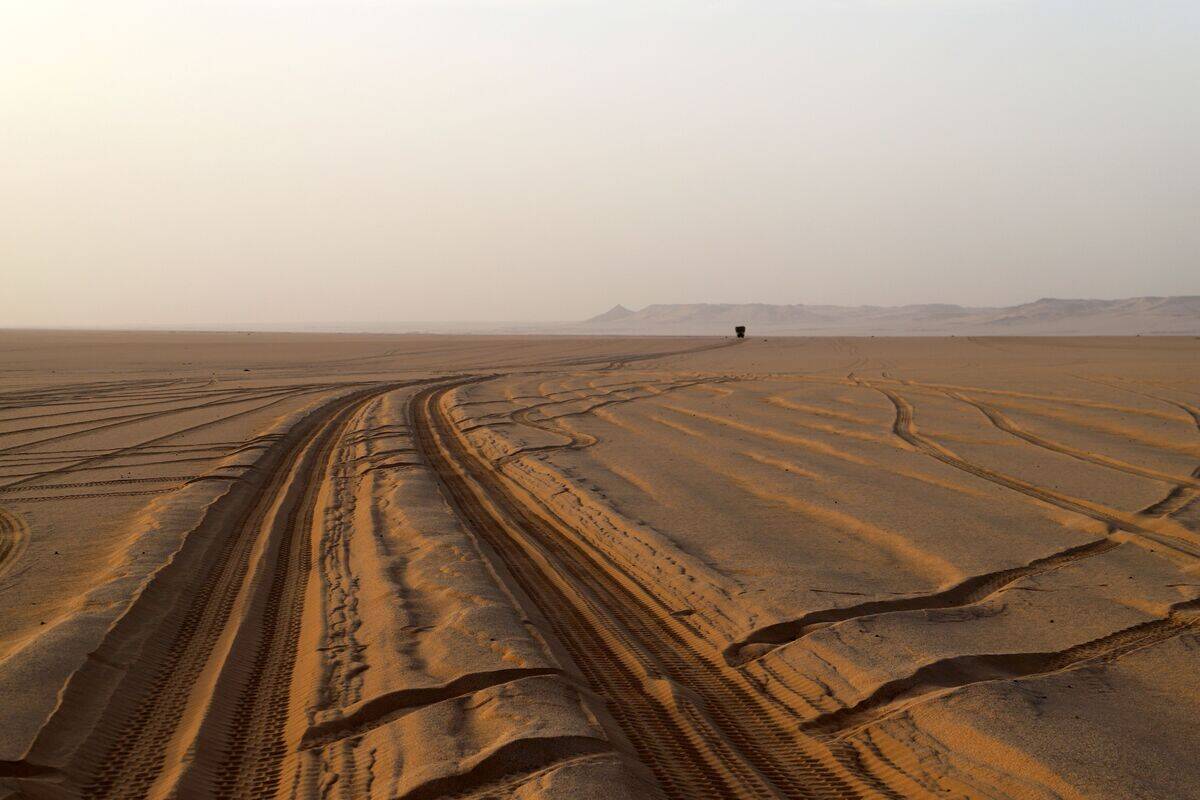
The Sahara Desert is the largest hot desert on our planet, spanning over 9 million square kilometers across North Africa. Despite its harsh conditions, the Sahara is home to a variety of life, including the resilient fennec fox and the Saharan silver ant, which can endure temperatures up to 70 degrees Celsius.
The desert’s vast dunes and occasional oases create a mesmerizing landscape that captures the imagination of adventurers and scientists alike.
Life in the Icy Realms of Antarctica
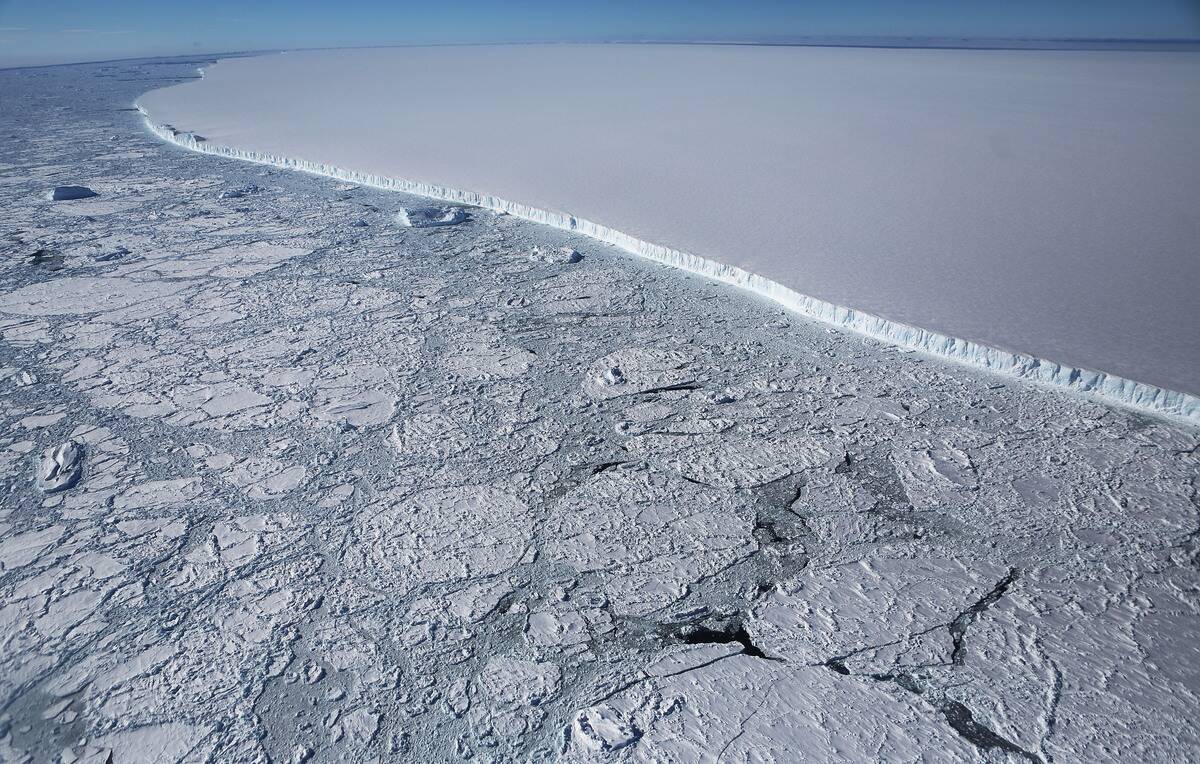
Antarctica, the coldest place on Earth, remains a land of extremes where temperatures can plummet to minus 192. 5 degree farenheit. Despite its frozen facade, Antarctica teems with life, especially in its coastal waters, where penguins, seals, and krill thrive.
The continent is also a crucial site for scientific research, offering insights into climate change and Earth’s history through its ancient ice cores.
The Lush Mysteries of the Amazon Rainforest
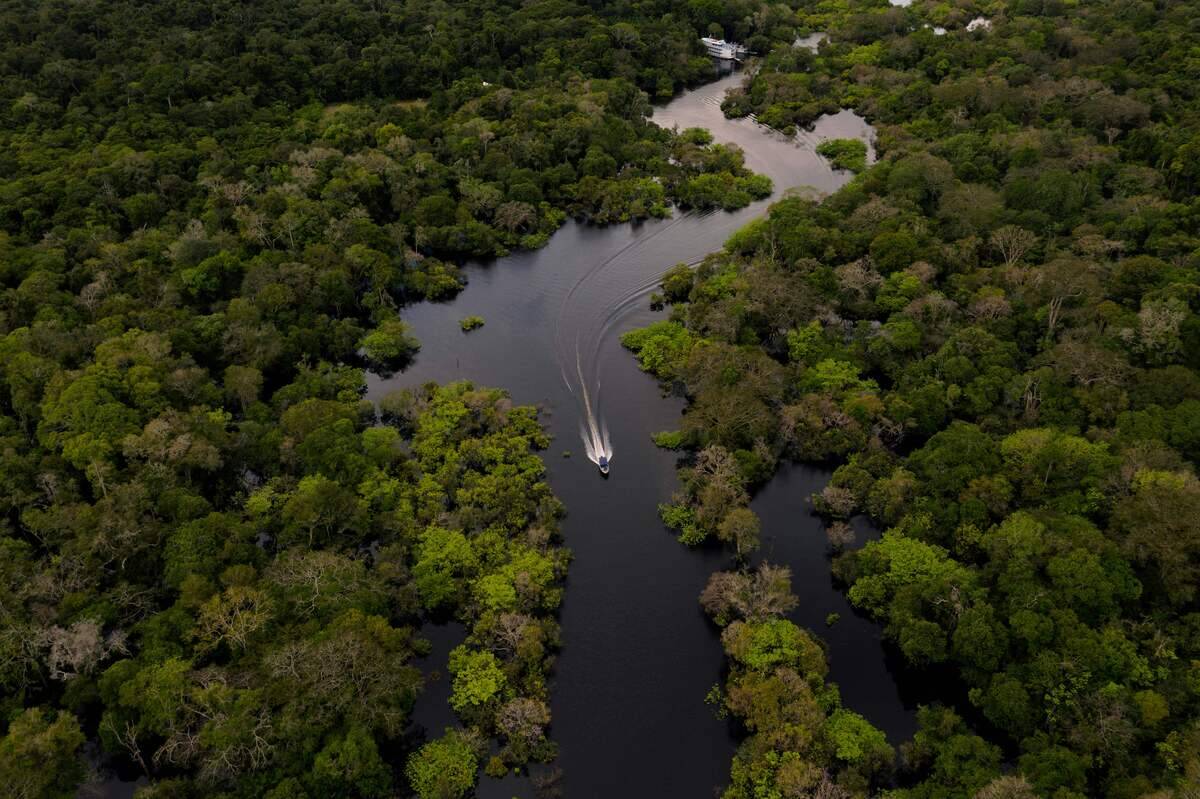
The Amazon Rainforest, often called the ‘lungs of the Earth,’ covers approximately 3.4 million square kilometers. Hosting an estimated 390 billion individual trees, the Amazon is a biodiversity hotspot with countless species yet to be discovered.
From the elusive jaguar to the vibrant poison dart frog, this dense jungle remains a vital ecosystem, supporting both wildlife and indigenous communities.
Surviving the Depths of the Mariana Trench
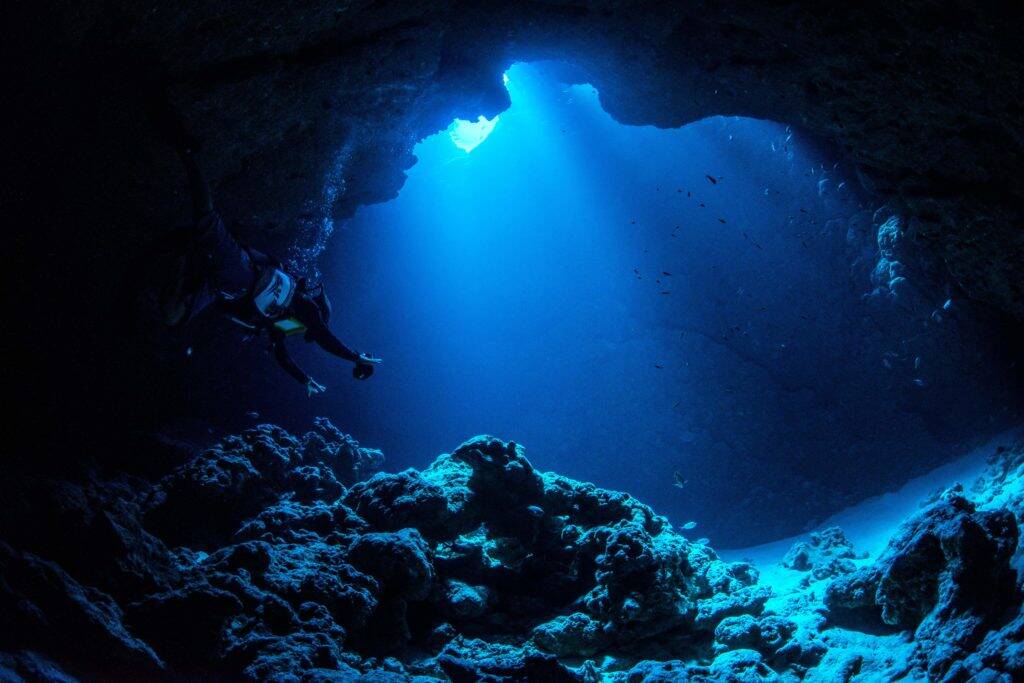
The Mariana Trench, located in the Pacific Ocean, is the deepest oceanic trench, reaching depths of about 36036 feet at the Challenger Deep. This dark and pressure-heavy environment is home to unique organisms like the snailfish, which thrive in extreme conditions.
The trench remains largely unexplored, offering a final frontier for marine scientists seeking to understand life at the ocean’s most inaccessible depths.
The Fiery Landscapes of Hawaii’s Volcanoes
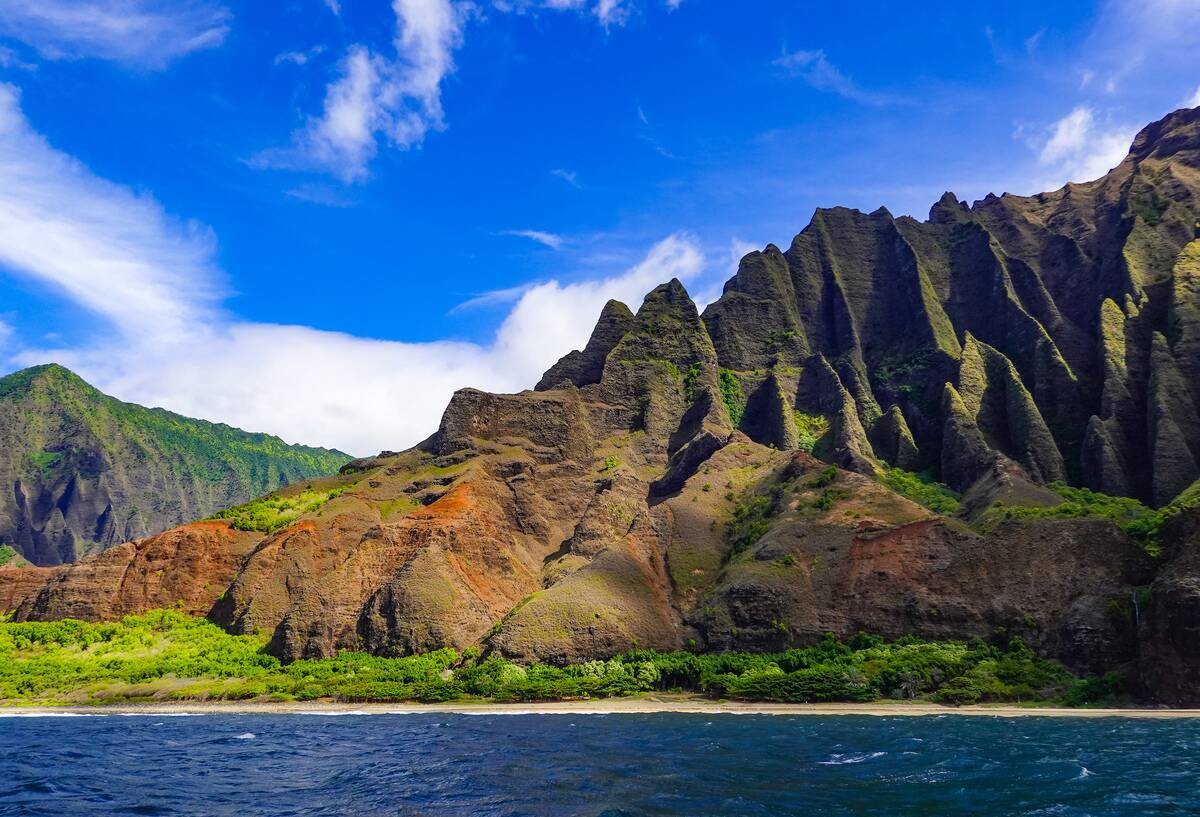
Hawaii is renowned for its volcanic landscapes, particularly Kilauea, one of the most active volcanoes on Earth. These fiery formations not only shape the islands but also create rich soils that support diverse ecosystems.
The ongoing volcanic activity provides a natural laboratory for geologists and a spectacular display for tourists who flock to witness lava flows and eruptions up close.
The Alien Terrain of the Atacama Desert
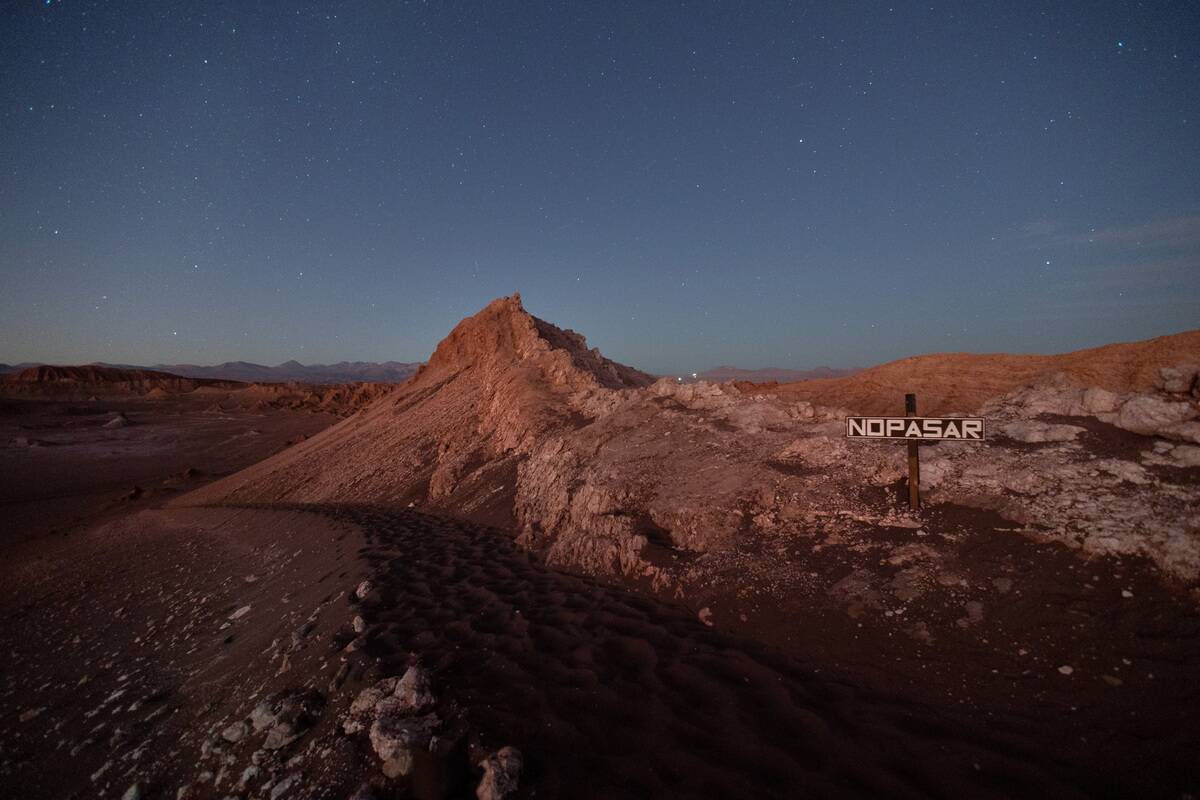
The Atacama Desert in Chile is one of the driest places on Earth, with some areas receiving less than 1 millimeter of rain annually. Despite such arid conditions, the desert supports life, including specialized plants and animals that have adapted to the harsh environment.
Its Mars-like landscape attracts scientists and filmmakers alike, offering a perfect backdrop for studying extreme life forms and simulating Martian expeditions.
The Frozen Wilderness of Siberia

Siberia, a vast region in Russia, is synonymous with extreme cold, with winter temperatures dropping to below minus 50 degrees Celsius. This frozen wilderness encompasses the world’s largest forest, the taiga, which is home to species like the Siberian tiger and reindeer.
Despite its harsh climate, Siberia is a treasure trove for paleontologists, with well-preserved mammoth remains frequently unearthed from the permafrost.
The Breathtaking Altitudes of the Himalayas
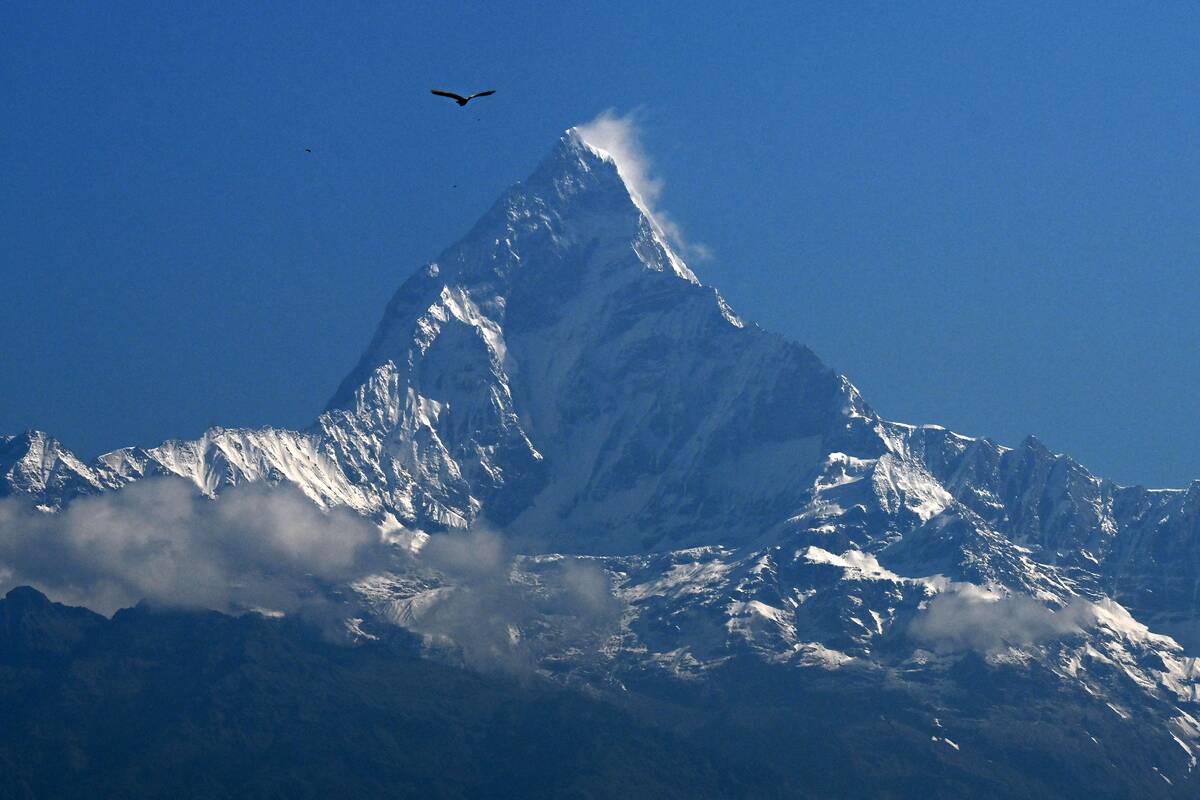
The Himalayas, home to the world’s highest peaks, including Mount Everest, offer breathtaking altitudes that challenge even the most seasoned climbers. This mountain range is not only a climber’s dream but also a vital water source for millions, feeding major rivers like the Ganges and Indus.
The region’s unique climate and elevation support diverse flora and fauna, including the elusive snow leopard and colorful rhododendrons.
The Drenched Ecosystem of the Everglades
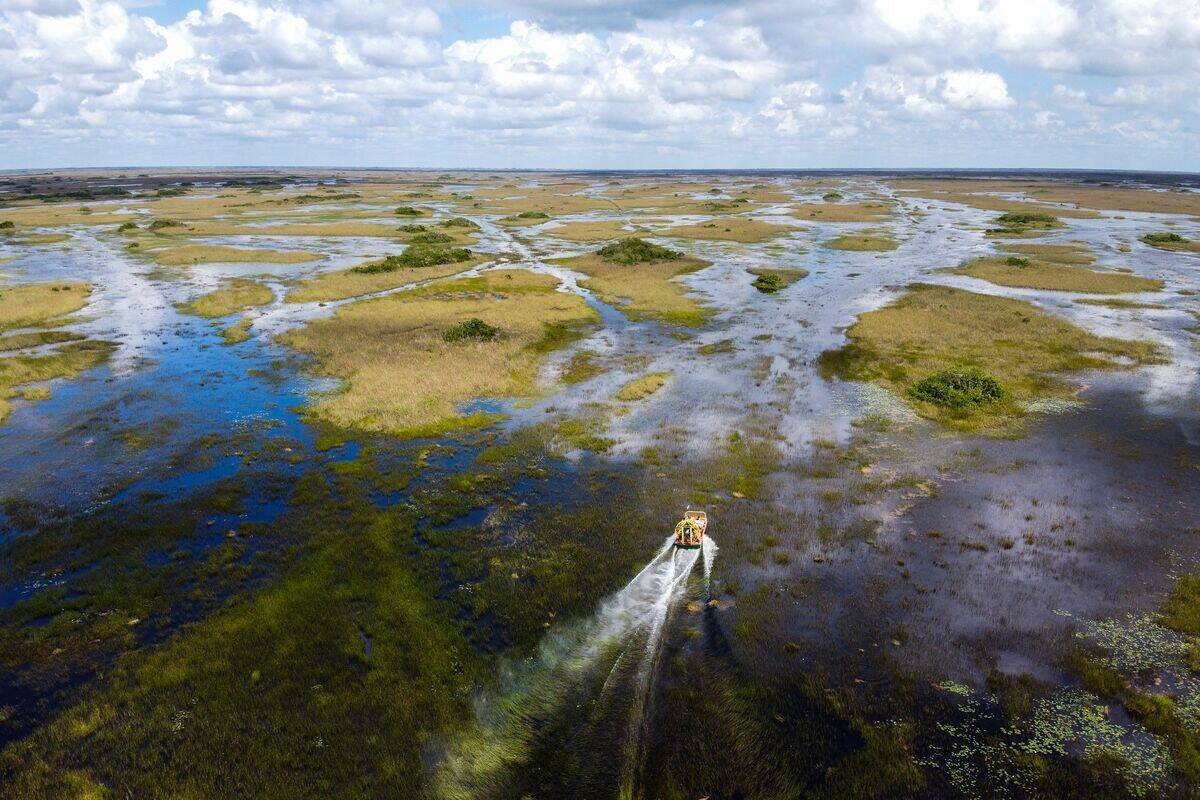
The Everglades, a vast network of wetlands in Florida, is a unique ecosystem that supports a range of wildlife, including alligators, manatees, and the endangered Florida panther. This ‘River of Grass’ is vital for water purification and flood control, making it an ecological treasure.
Efforts to restore and protect the Everglades are crucial for maintaining its biodiversity and the services it provides to both wildlife and humans.
The Barren Beauty of the Gobi Desert
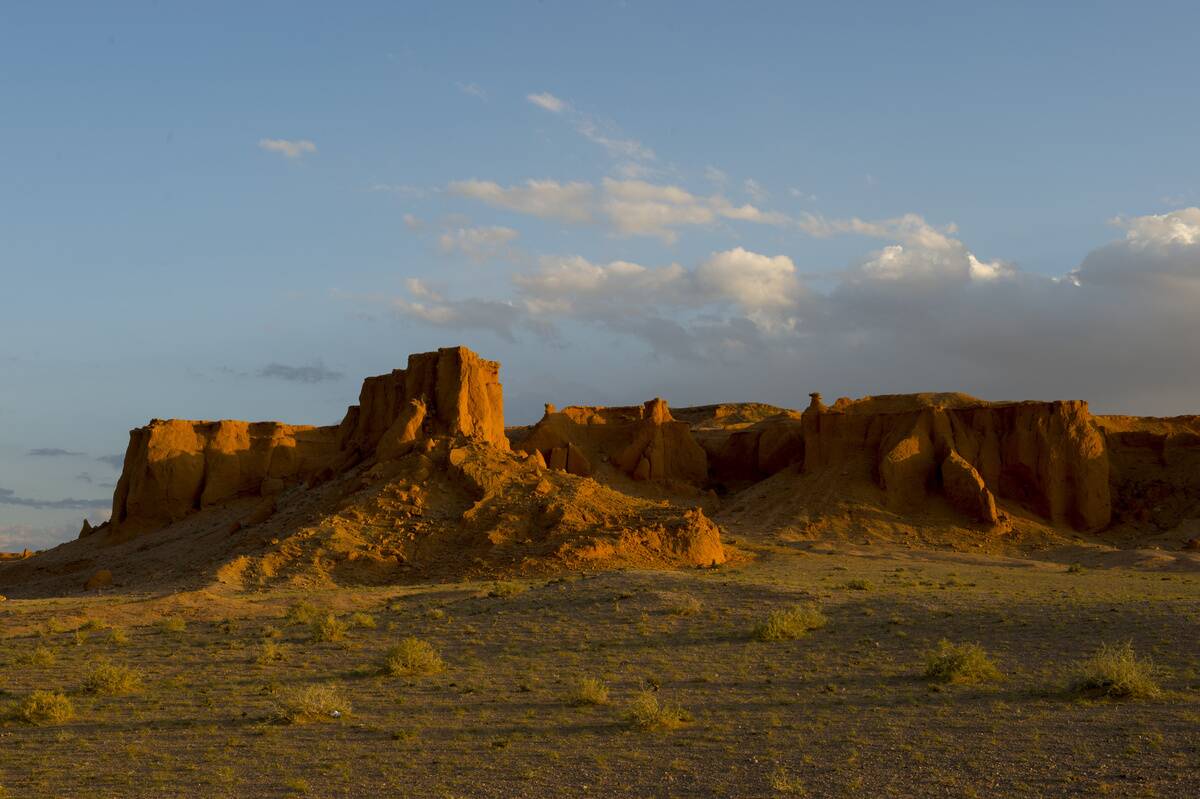
The Gobi Desert, stretching across northern China and southern Mongolia, is renowned for its stark beauty and harsh climate. This cold desert experiences extreme temperatures, from scorching summers to freezing winters.
Despite its barren appearance, the Gobi hosts unique wildlife, such as the Bactrian camel and the elusive snow leopard. Its vast dunes and rugged terrain continue to inspire explorers and nature enthusiasts alike.
The Unique Biodiversity of Madagascar
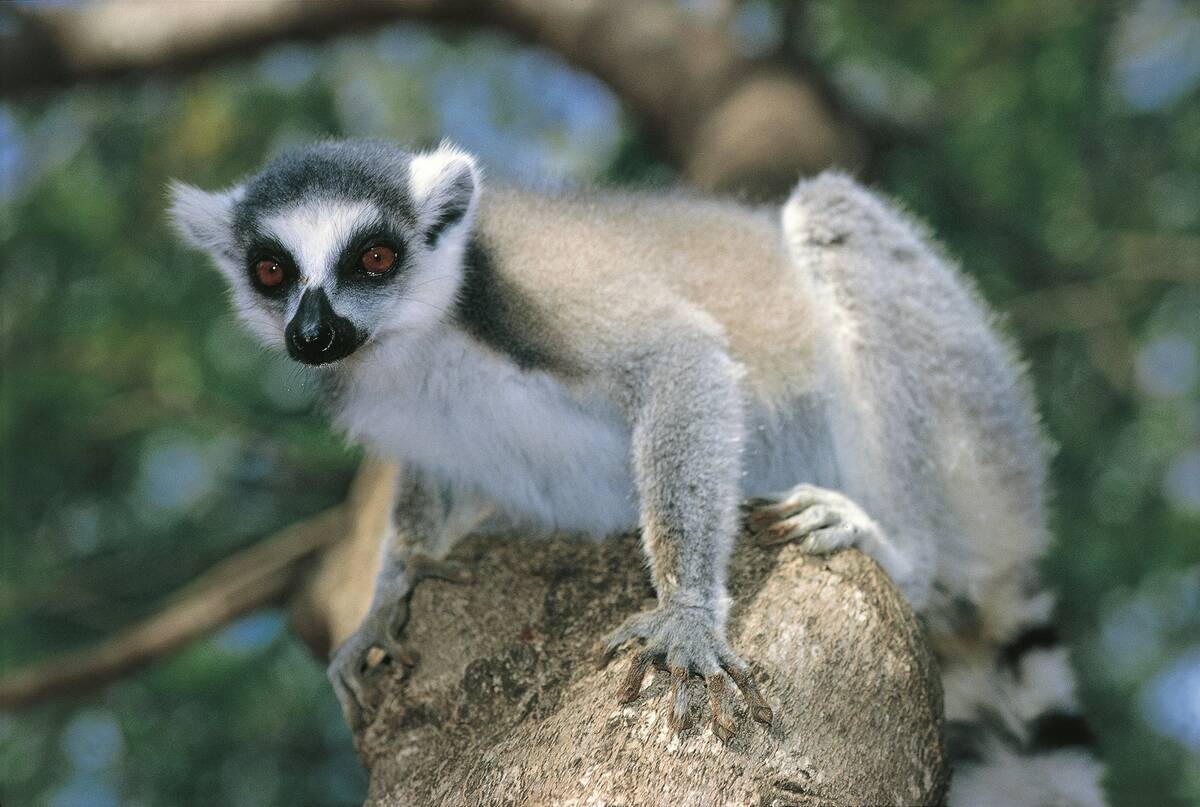
Madagascar, an island nation off Africa’s southeastern coast, is famed for its unique biodiversity, with over 90% of its wildlife found nowhere else on Earth. Lemurs, chameleons, and the iconic baobab trees are just a few of the island’s remarkable inhabitants.
Conservation efforts are critical here, as Madagascar’s forests face threats from deforestation, impacting its rich ecosystems and the species that depend on them.
The Seething Environment of Yellowstone’s Geysers
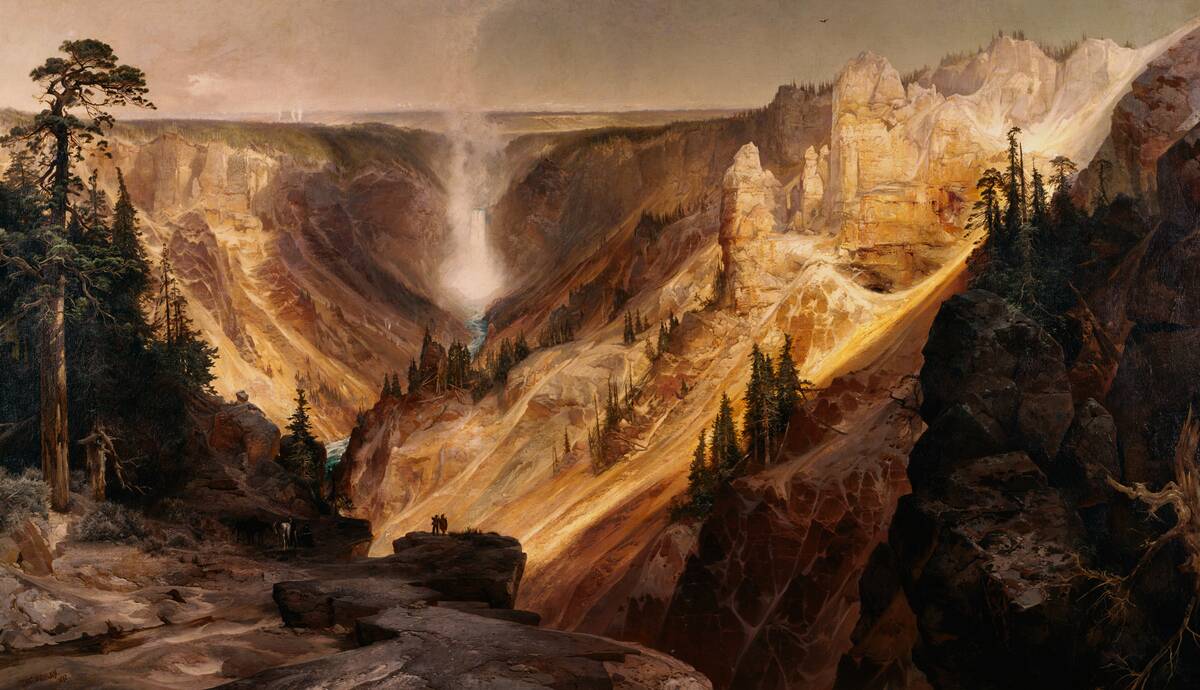
Yellowstone National Park, located in the United States, is a geothermal wonderland, home to more than 500 geysers, including the famous Old Faithful. This seething landscape is a hotbed of geological activity, with volcanic eruptions shaping its terrain over millennia.
The park’s unique geothermal features support a diverse array of life, from heat-loving bacteria to majestic bison, making it a must-visit destination for nature lovers.
The Threatening Beauty of the Australian Outback
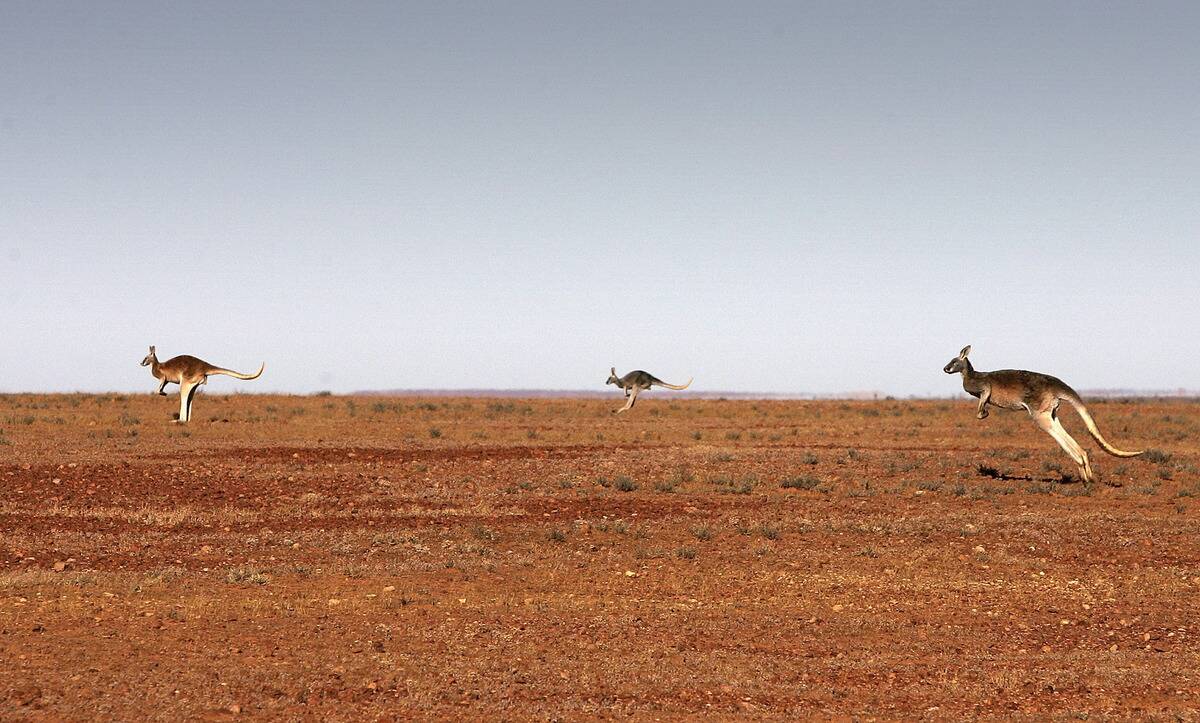
The Australian Outback is a vast, arid region that covers much of the continent’s interior. Known for its rugged beauty and extreme conditions, the Outback is home to unique wildlife like kangaroos, emus, and the thorny devil lizard.
Indigenous cultures have thrived here for thousands of years, adapting to the harsh environment and passing down rich traditions and knowledge about the land and its resources.
The Coastal Extremes of the Great Barrier Reef
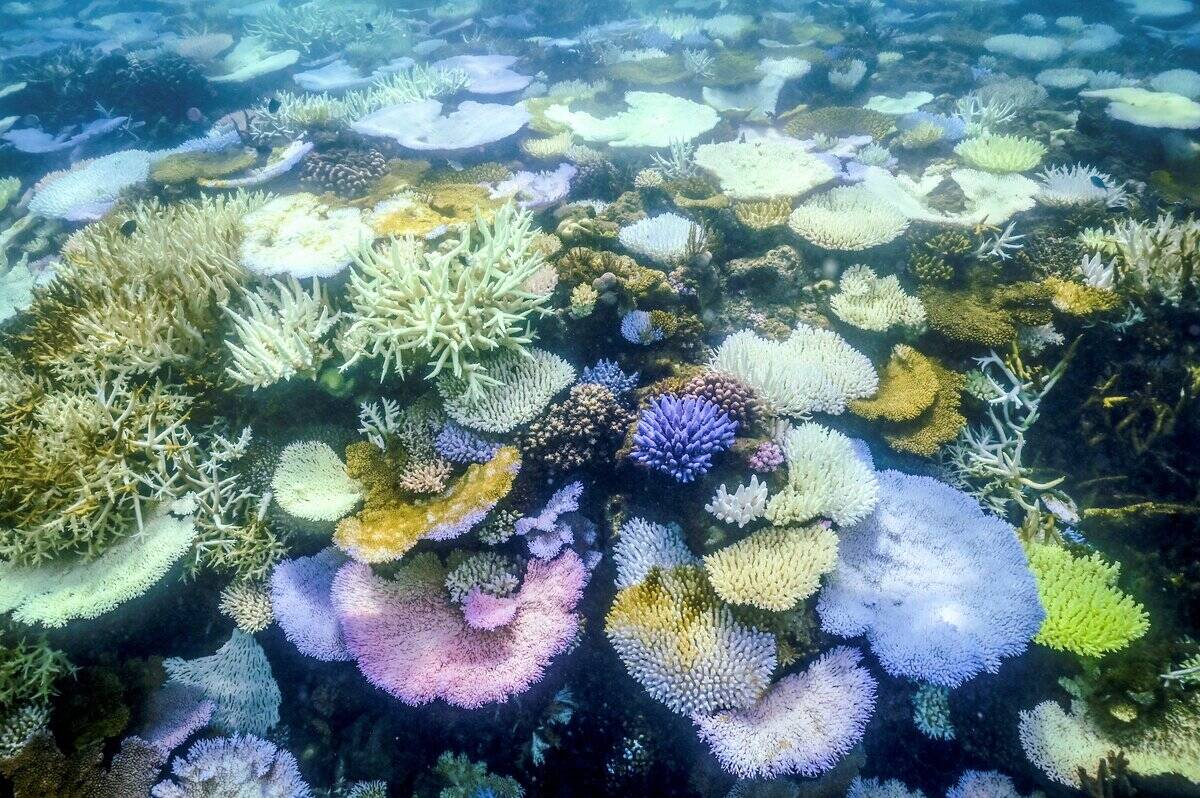
The Great Barrier Reef, the world’s largest coral reef system, stretches over 2,300 kilometers off Australia’s northeastern coast. This marine paradise is home to an astounding array of life, from vibrant corals to sea turtles and clownfish.
Despite its beauty, the reef faces threats from climate change and pollution, prompting global conservation efforts to protect this natural wonder for future generations.
The Isolated Wonder of the Galápagos Islands
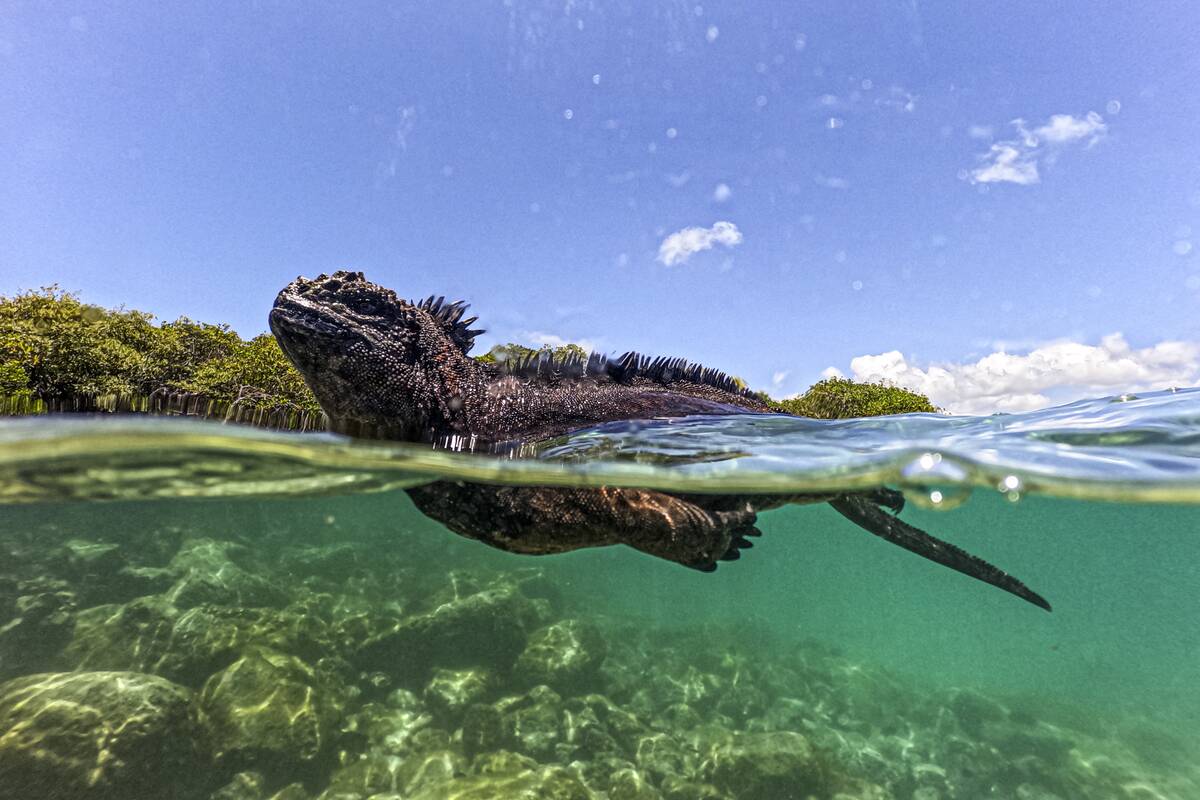
The Galápagos Islands, located in the Pacific Ocean, are a unique archipelago that inspired Charles Darwin’s theory of evolution. These isolated islands host an array of endemic species, such as the giant tortoise and the marine iguana.
The Galápagos’ pristine ecosystems and remarkable biodiversity have made them a UNESCO World Heritage site, attracting scientists and nature enthusiasts from around the world.