Music genres that faded within a decade

Trending Now
Music has always been a reflection of cultural shifts and technological advancements. From vinyl records to digital streaming, each era has its own distinct sound and style that captures the spirit of its time.
This ever-changing landscape ensures that there’s always something fresh on the horizon, but it also means that some genres burn brightly before fading away. Let’s take a journey through some of these fleeting yet impactful musical movements.
The Rise and Fall of Disco Fever
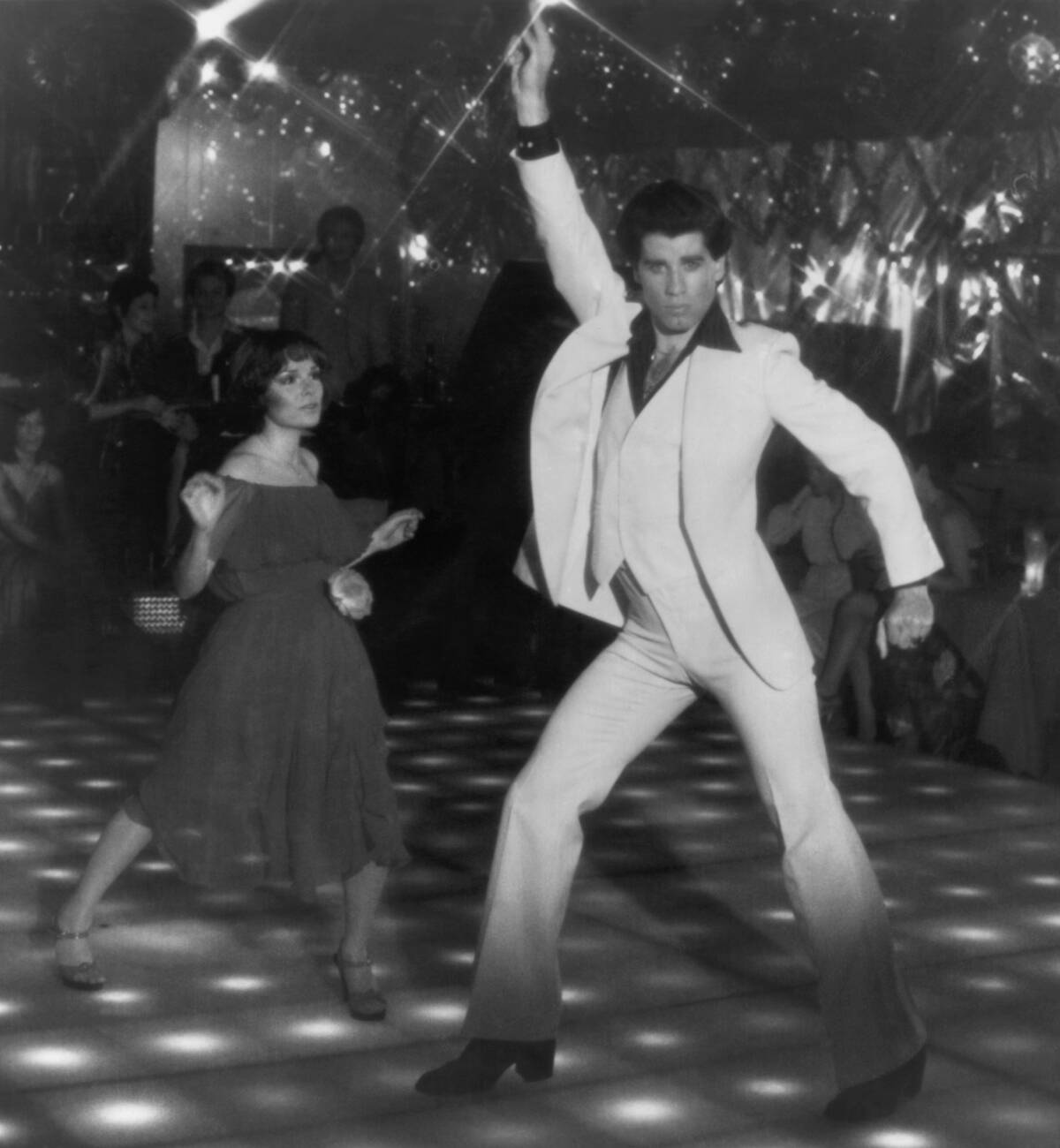
Disco fever took over the 1970s with its pulsating rhythms and vibrant dance culture, epitomized by hits like “Stayin’ Alive” by the Bee Gees. Disco’s influence was felt far beyond the dance floor, permeating fashion and film.
However, by the early 1980s, disco’s mainstream popularity had waned dramatically. Disco Demolition Night in 1979 is often cited as a highly visible symbol of a broader cultural backlash, alongside other factors like industry oversaturation, shifting radio/programming trends, and changing musical tastes.
The Brief Reign of Grunge Music
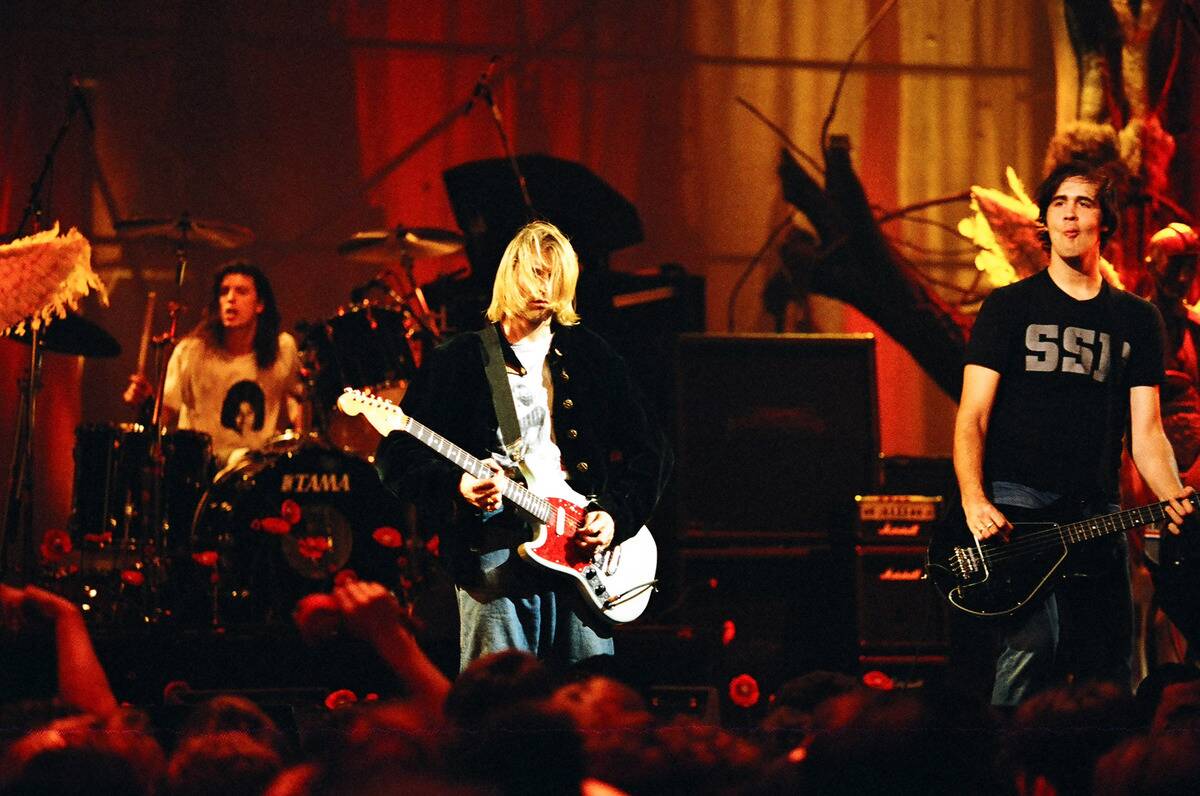
Emerging from Seattle’s underground scene in the late 1980s, grunge music combined the raw energy of punk with heavy metal’s distorted guitars. Bands like Nirvana and Pearl Jam brought grunge to the mainstream, making flannel shirts and angst-ridden lyrics a staple of the early ’90s.
Despite its massive impact, grunge’s popularity quickly declined after the mid-’90s, leaving a lasting influence on rock music.
The Swing Revival of the Late 1990s
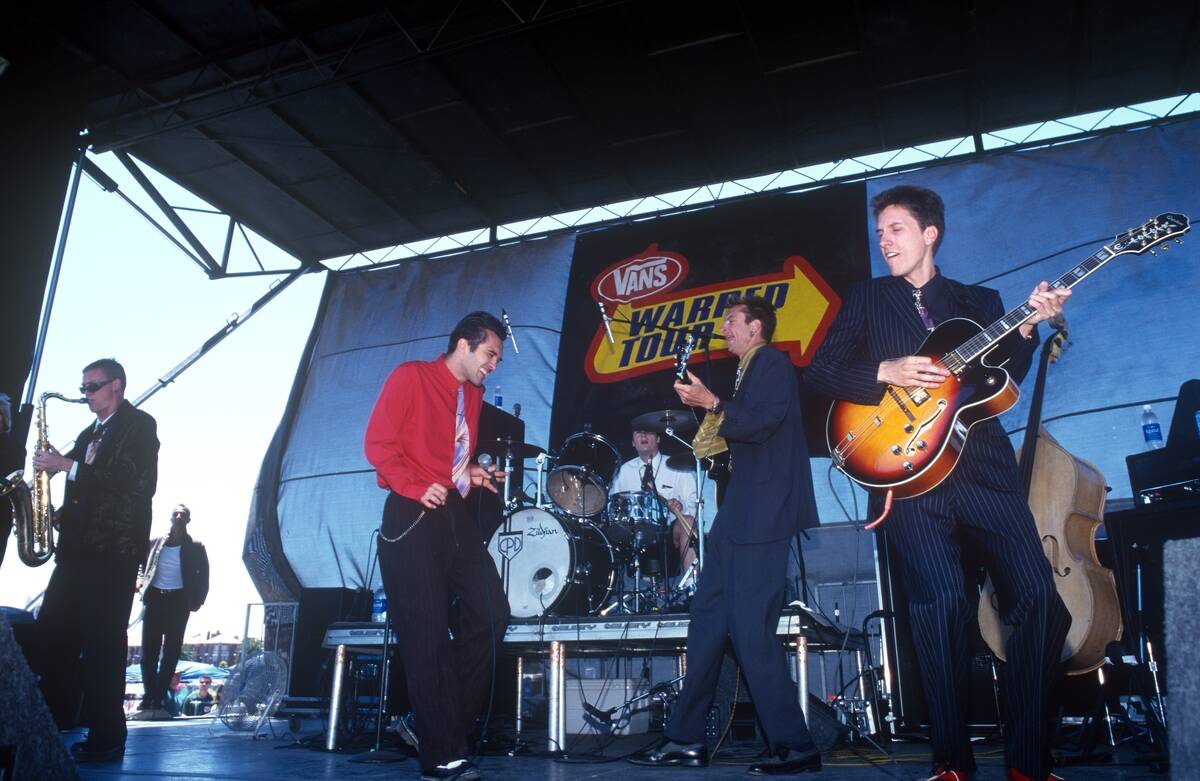
The mid-to-late 1990s saw a surprising resurgence of swing music, with bands like the Cherry Poppin’ Daddies and The Brian Setzer Orchestra leading the charge. This revival brought jive dancing back to nightclubs and even made its way into mainstream media, including movies like “Swingers.”
Despite its energetic appeal, the swing revival was short-lived, as other genres soon reclaimed the spotlight.
New Jack Swing: A Short-Lived Fusion
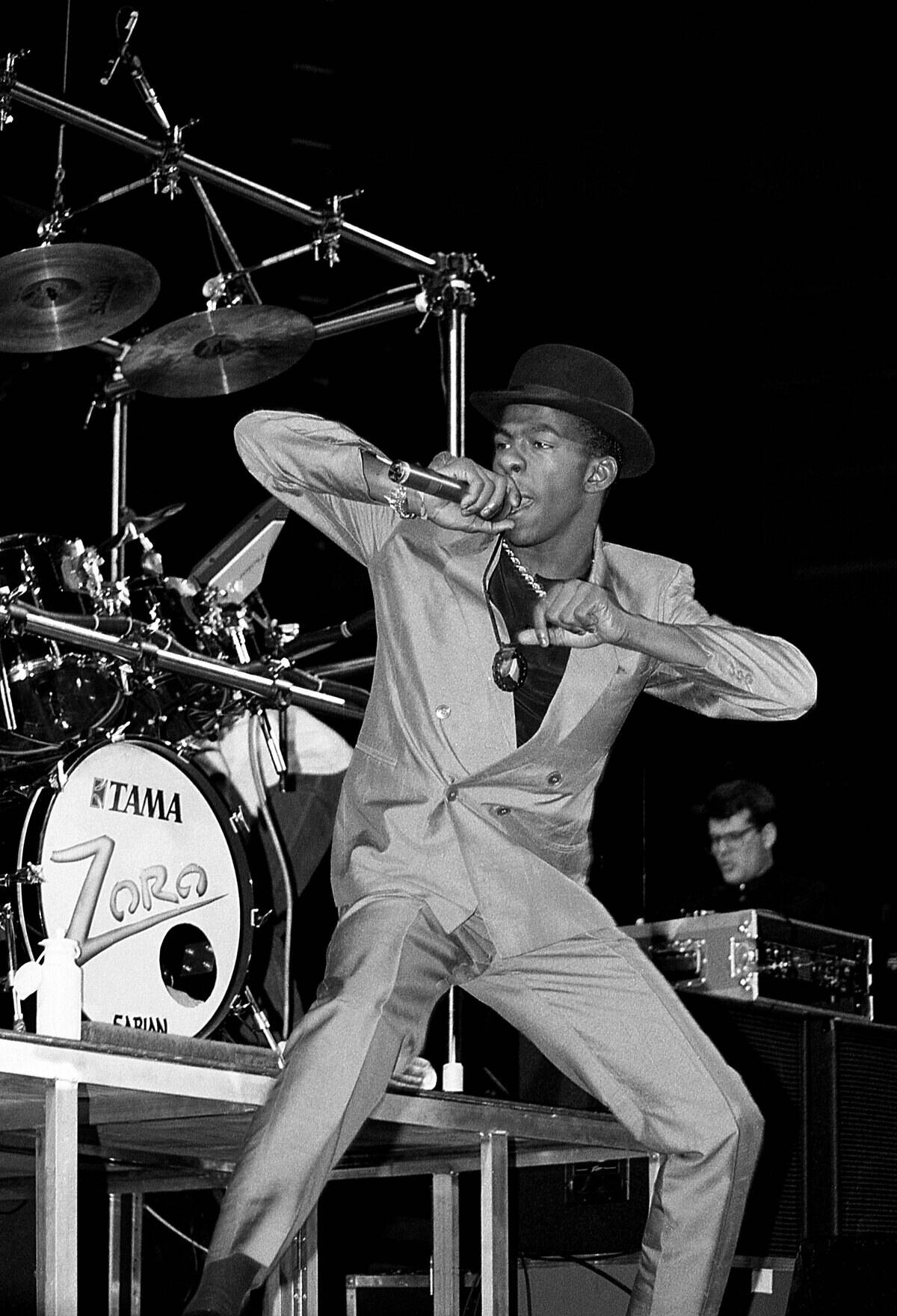
New Jack Swing burst onto the scene in the late 1980s, merging the rhythmic beats of hip hop with the smooth melodies of R&B. Artists like Bobby Brown and Teddy Riley popularized this genre, which dominated the charts and dance floors alike.
However, by the mid-1990s, the music landscape shifted, and New Jack Swing’s popularity faded, though its influence can still be heard in modern R&B and hip hop.
The Ska Punk Explosion
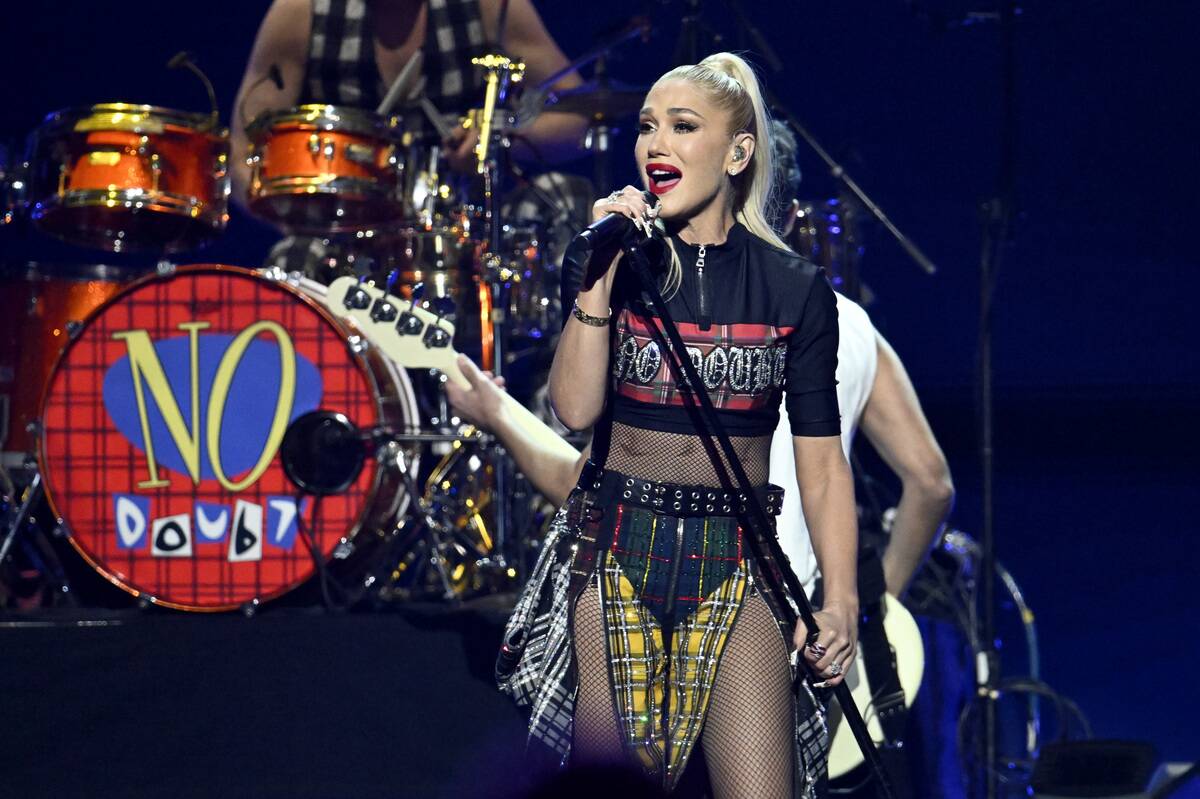
Ska punk, a fusion of ska’s upbeat rhythms with punk rock’s energy, saw a significant surge in the mid-1990s. Bands like No Doubt and Reel Big Fish brought this lively genre into the mainstream, characterized by its catchy horns and fast-paced beats.
Despite its popularity, the ska punk wave peaked quickly, leaving a dedicated fan base but receding from mainstream prominence by the early 2000s.
The Glam Metal Era
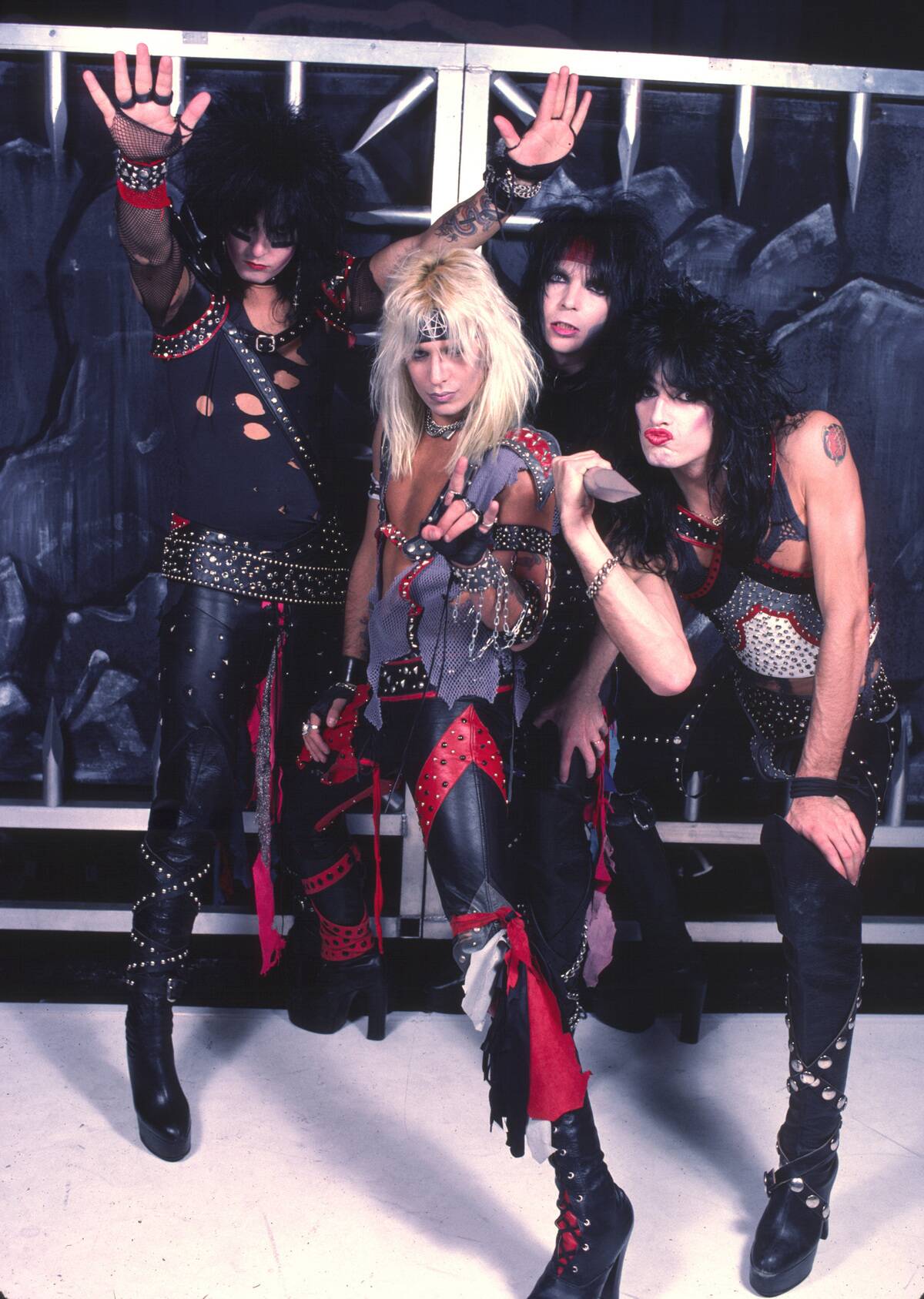
Glam metal, known for its flashy aesthetics and power ballads, dominated the 1980s rock scene. Bands like Mötley Crüe and Poison captivated audiences with their theatrical performances and catchy hooks.
However, the genre’s over-the-top image and formulaic sound led to a decline as grunge and alternative rock took center stage in the early 1990s, marking the end of glam metal’s mainstream era.
Nu Metal: A Brief but Intense Impact
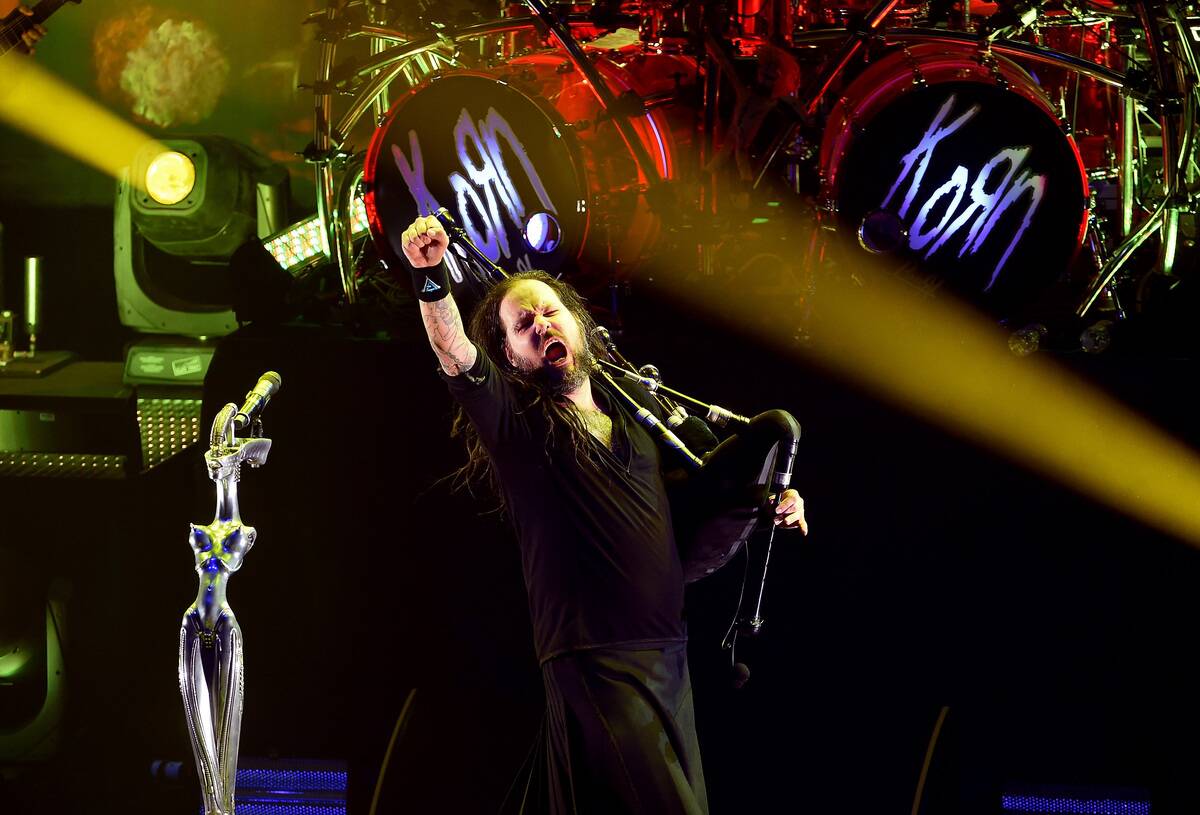
Nu metal emerged in the late 1990s, blending elements of metal with hip hop, funk, and alternative rock. Bands like Korn and Limp Bizkit propelled nu metal to the forefront of the music scene, with aggressive sounds and introspective lyrics.
Despite its initial success, the genre’s popularity waned by the mid-2000s, as the music industry shifted towards other emerging genres and digital trends.
The Britpop Phenomenon
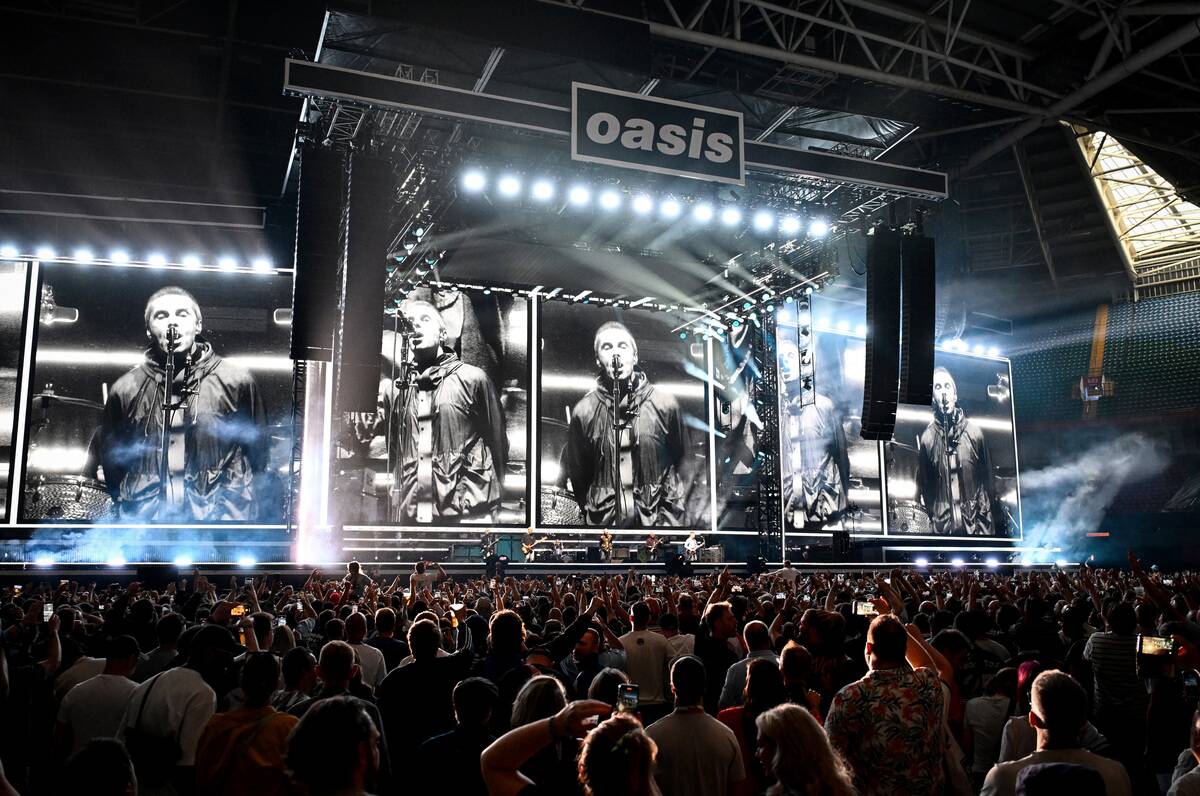
In the mid-1990s, Britpop rivaled American grunge with its distinctly British sound and style. Bands like Oasis and Blur became icons, reviving the spirit of the ’60s British Invasion with modern flair.
Britpop celebrated British identity and culture, but by the late ’90s, the genre’s momentum slowed as musical tastes diversified, leading to its gradual decline on the global stage.
The Psychedelic Rock Revival
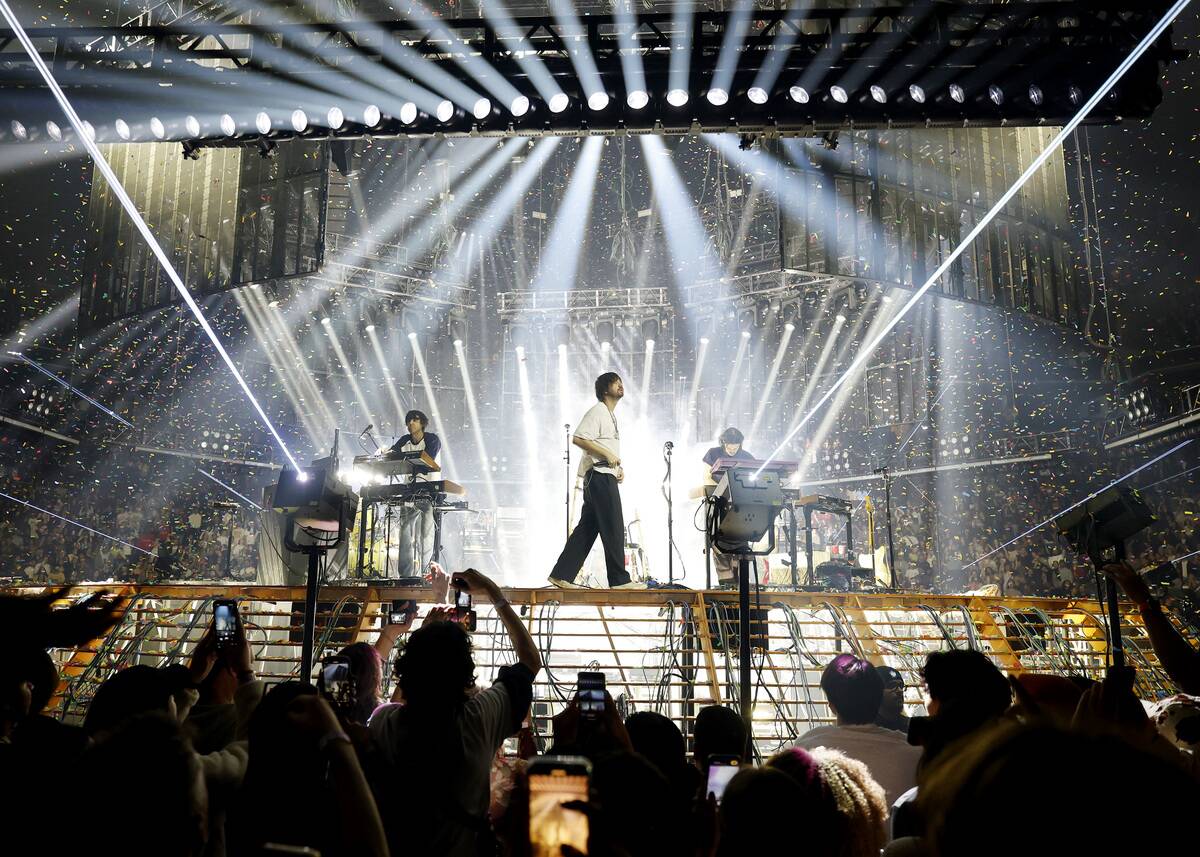
The late 1990s and early 2000s witnessed a revival of psychedelic rock, a genre originally popularized in the 1960s. Bands like The Flaming Lips and Tame Impala embraced lush soundscapes and experimental sounds, capturing the essence of the psychedelic era with a modern twist.
While it never reached the mainstream heights of its predecessor, the revival carved a niche audience and influenced indie and alternative music.
Chillwave: A Genre That Faded Fast
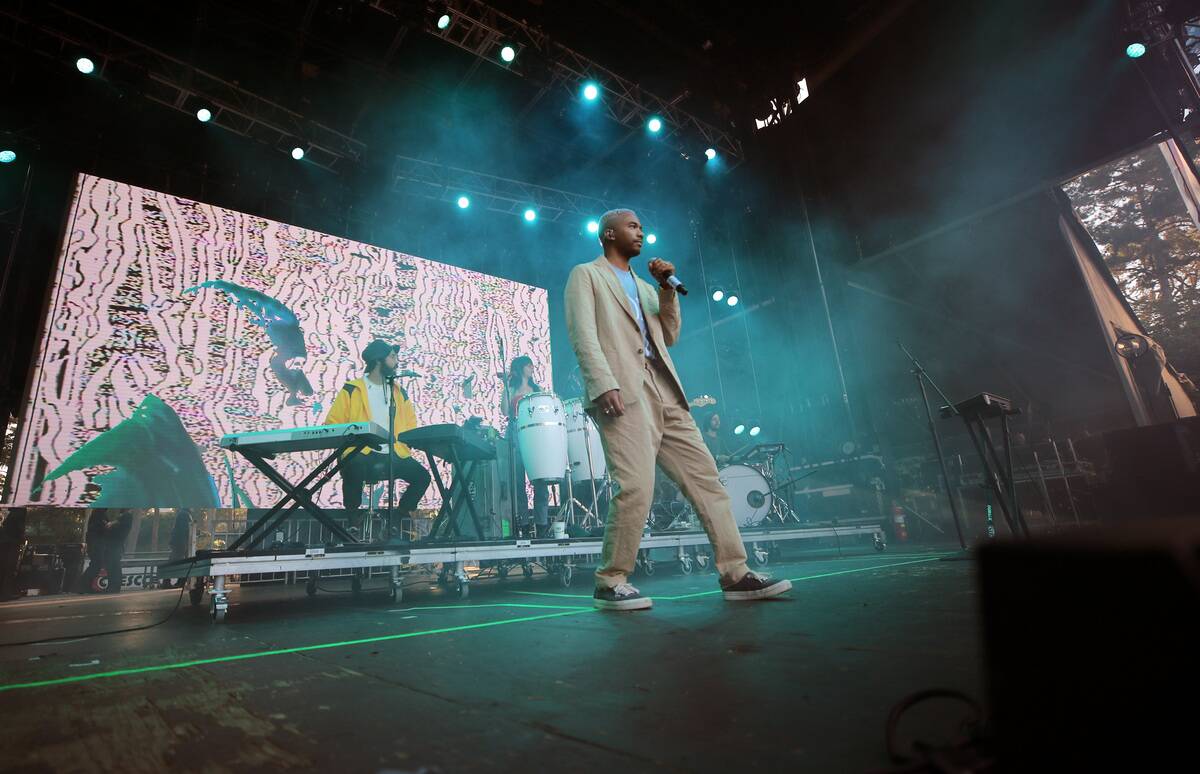
Chillwave, characterized by its dreamy, lo-fi soundscapes, emerged in the late 2000s as a subgenre of indie music. Artists like Washed Out and Toro y Moi pioneered the genre, creating music that evoked nostalgia and relaxation.
Despite its initial buzz and blogosphere popularity, chillwave’s appeal was short-lived, and by the mid-2010s, the genre had largely faded from the music scene, leaving behind a legacy of chill beats.
The Short-Lived Popularity of Dubstep
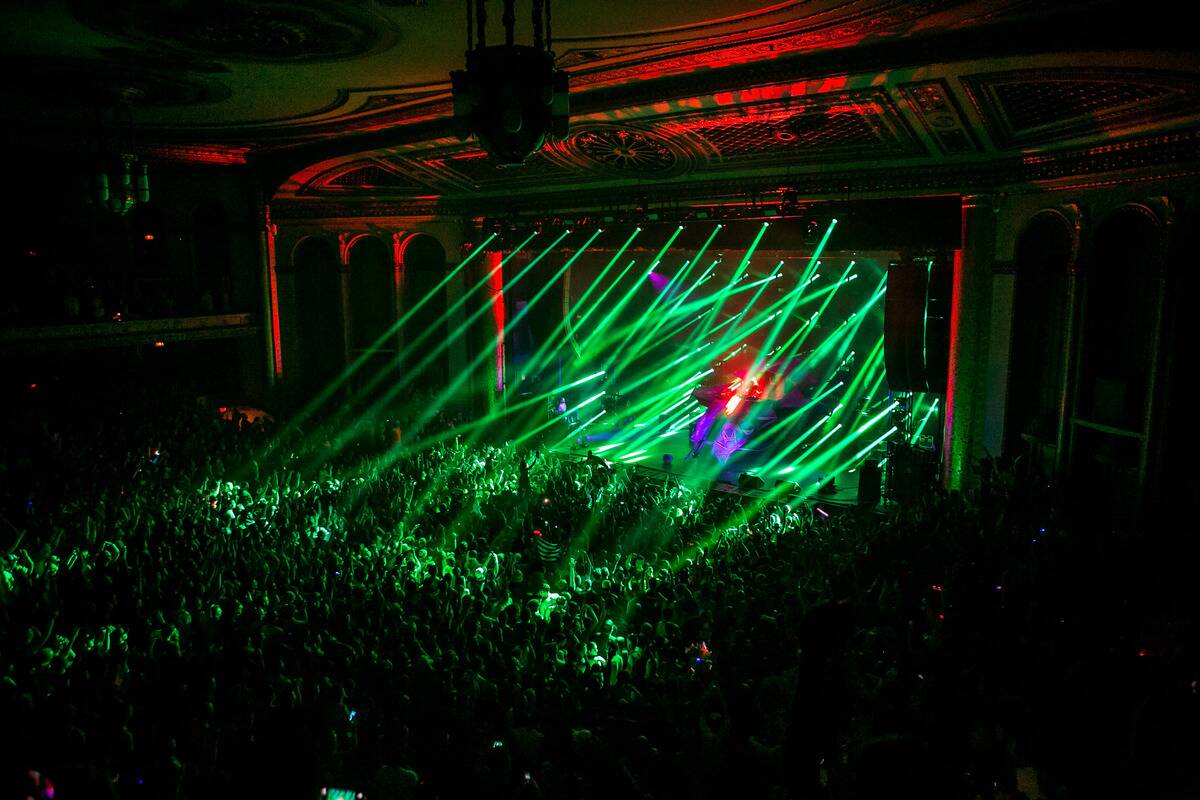
Dubstep, with its distinctive wobble bass and syncopated rhythms, exploded onto the global scene in the late 2000s. Artists like Skrillex and Bassnectar brought this electronic music style to the forefront, dominating clubs and festivals.
However, by the mid-2010s, the genre’s oversaturation and evolving electronic music trends led to a decline in its mainstream popularity, although it still maintains a devoted underground following.
Electroclash: A Flash in the Pan
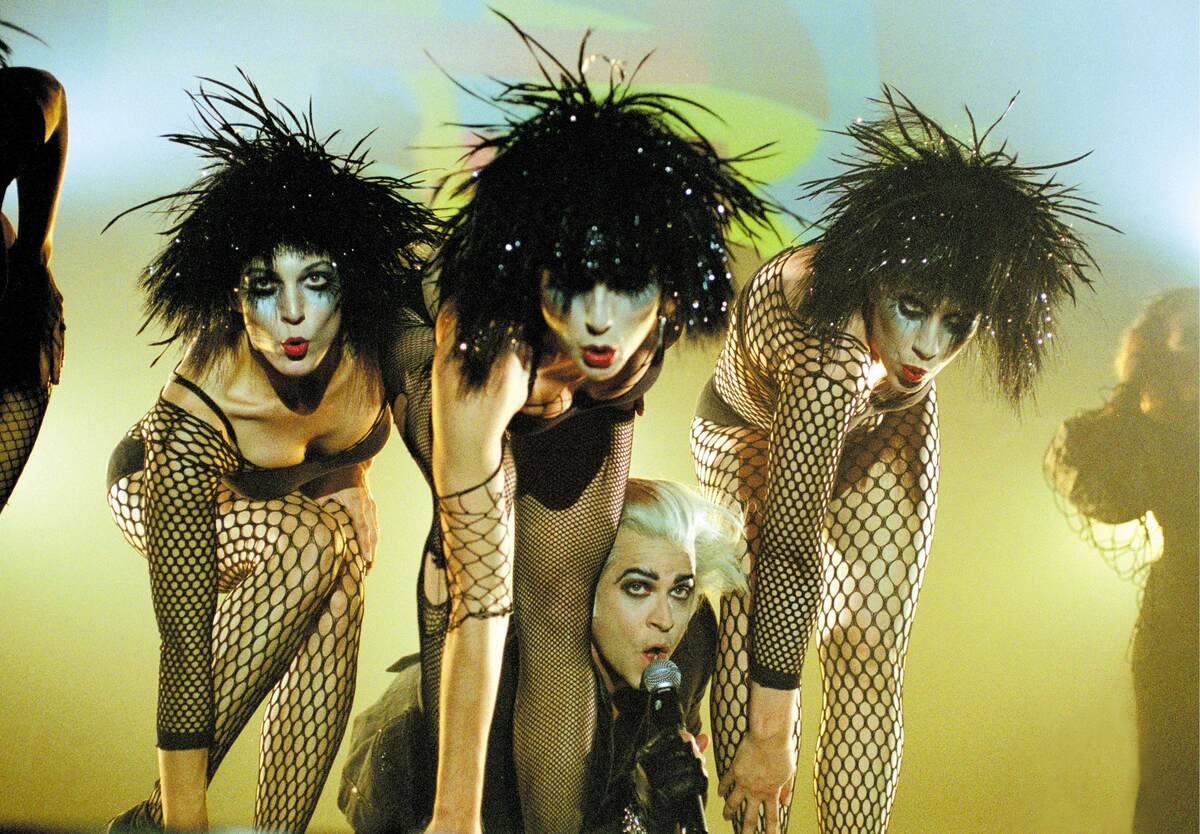
In the early 2000s, electroclash emerged as a fusion of electronic music and new wave, characterized by its retro-futuristic sound and aesthetic. Artists like Fischerspooner and Peaches defined the genre, bringing an edgy, fashion-forward approach to electronic music.
Despite its initial hype, electroclash quickly faded as electronic music evolved, making way for other subgenres to take the spotlight in the electronic dance music scene.
The Pop Punk Boom
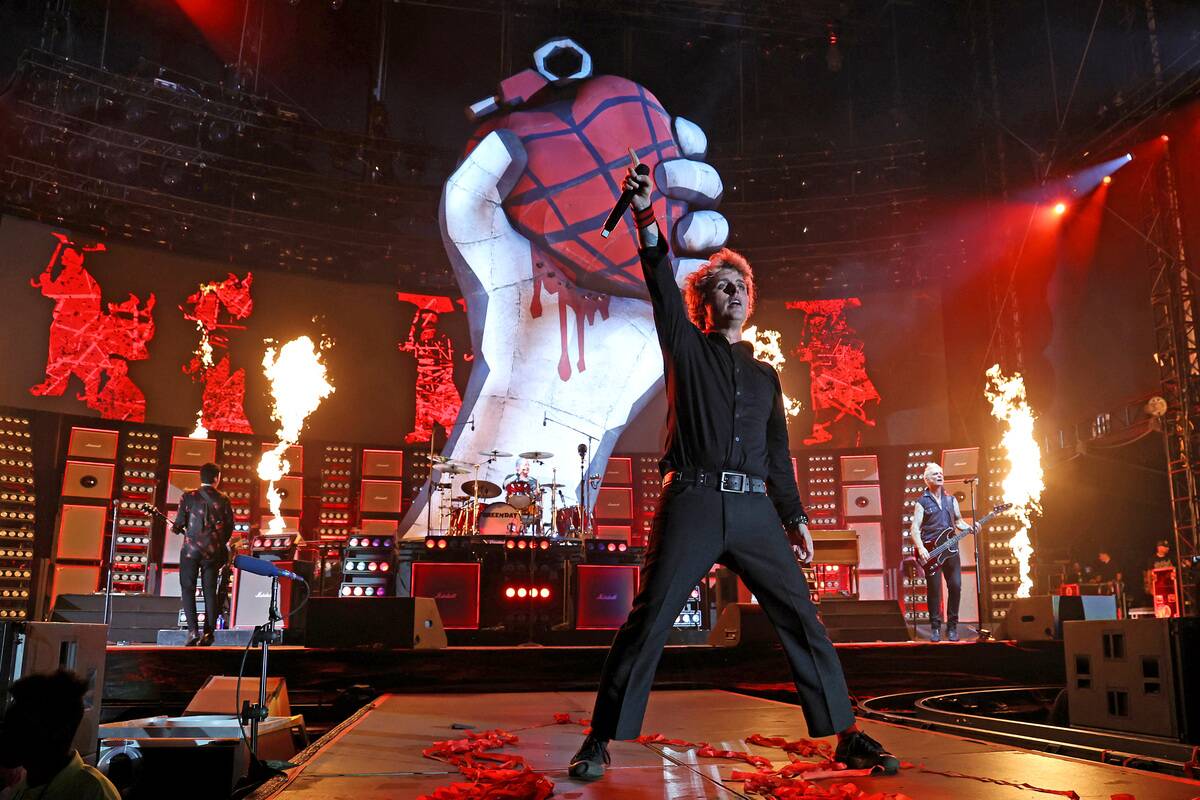
The late 1990s and early 2000s saw the rise of pop punk, a genre combining punk rock’s energy with pop melodies. Bands like Blink-182 and Green Day brought catchy hooks and youthful rebellion to the mainstream, marking a golden era for pop punk.
However, as musical tastes shifted towards more diverse sounds, the genre’s presence in the mainstream faded, although it continues to influence new generations of musicians.
The Bubblegum Pop Craze
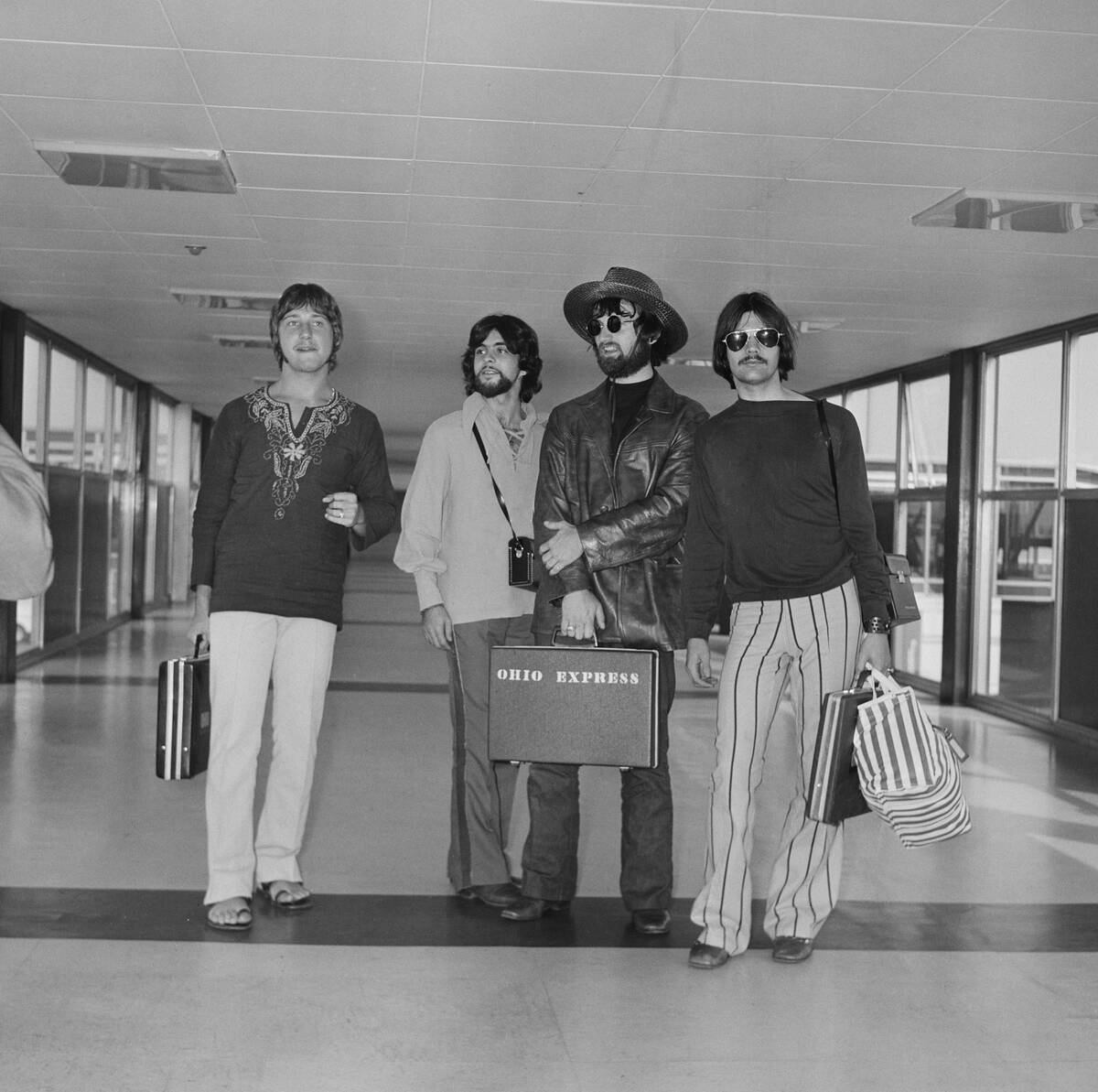
Bubblegum pop, with its sugary melodies and simple lyrics, captivated audiences in the late 1960s and early 1970s. Bands like The Archies and Ohio Express delivered catchy, radio-friendly hits that dominated the airwaves.
Despite its initial success, the genre’s appeal was fleeting, as audiences soon craved more sophisticated and diverse musical experiences, leading to its decline in the mid-1970s.
The Y2K Pop Sensation
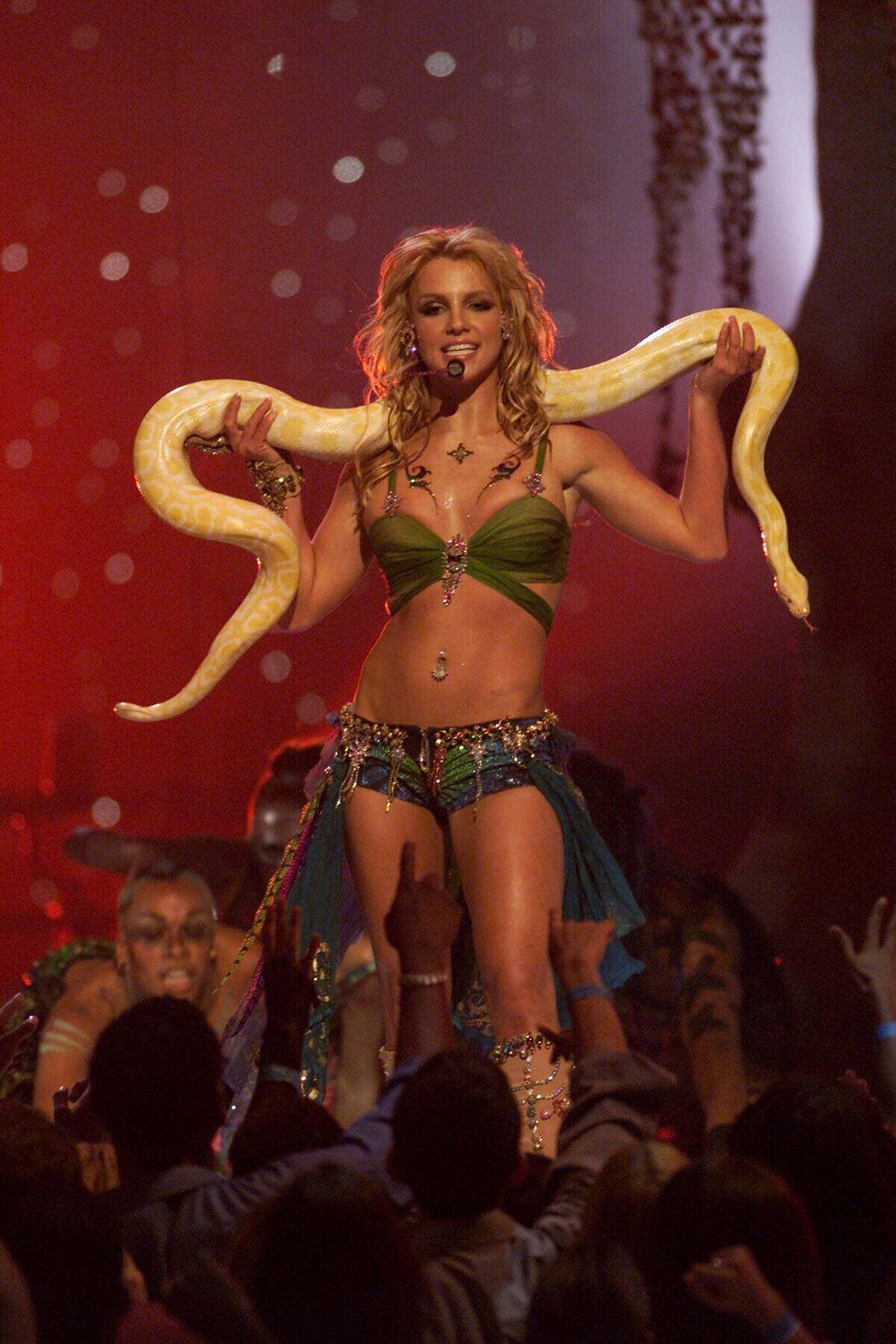
The Y2K era was defined by a surge in catchy pop music, led by artists like Britney Spears and *NSYNC. This time was marked by glossy production and high-energy performances that appealed to a young, global audience.
However, as the 2000s progressed, the music industry evolved with the rise of digital music and new genres, leading to a shift away from the Y2K pop’s polished sound and image.
The Post-Punk Revival
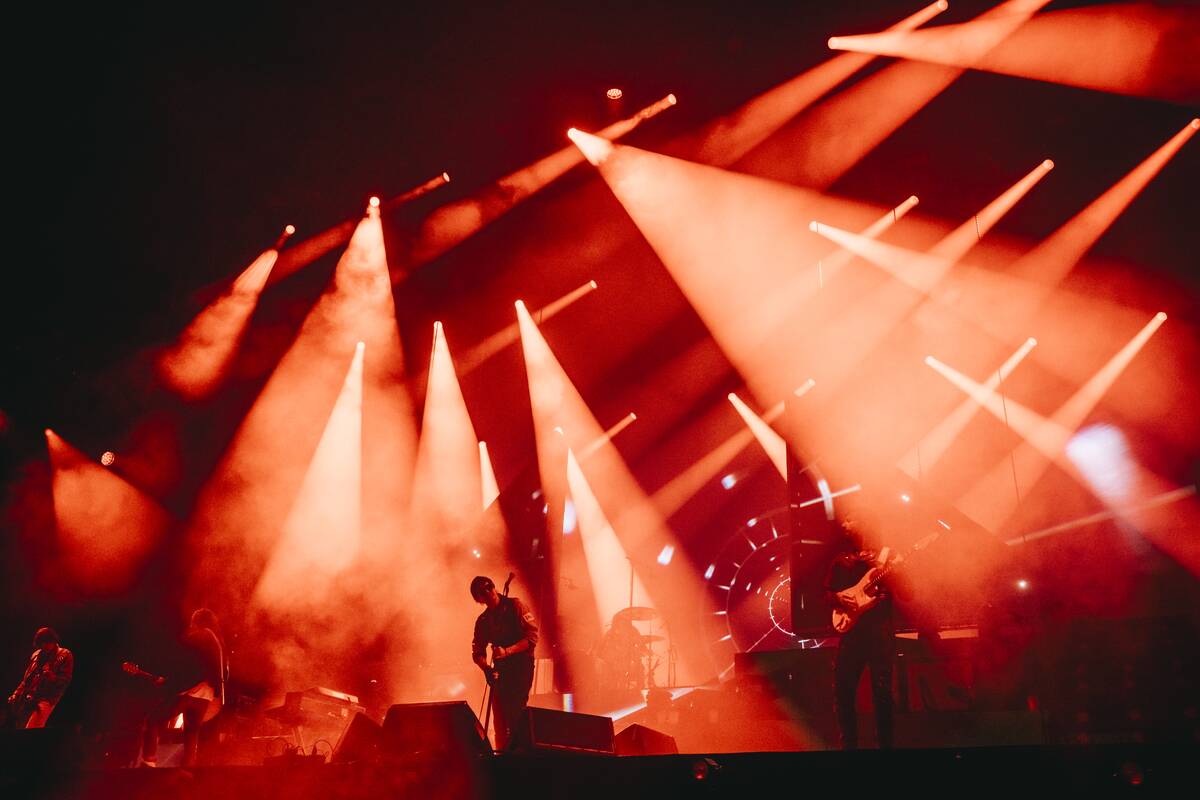
The early 2000s witnessed a post-punk revival, drawing inspiration from the original post-punk bands of the late 1970s and early 1980s. Bands like Interpol and The Strokes brought angular guitars and introspective lyrics back to the forefront, capturing the essence of post-punk with a modern twist.
While the revival had a significant impact on indie music, its mainstream presence was relatively short-lived, giving way to other emerging genres.
The Garage Rock Revival
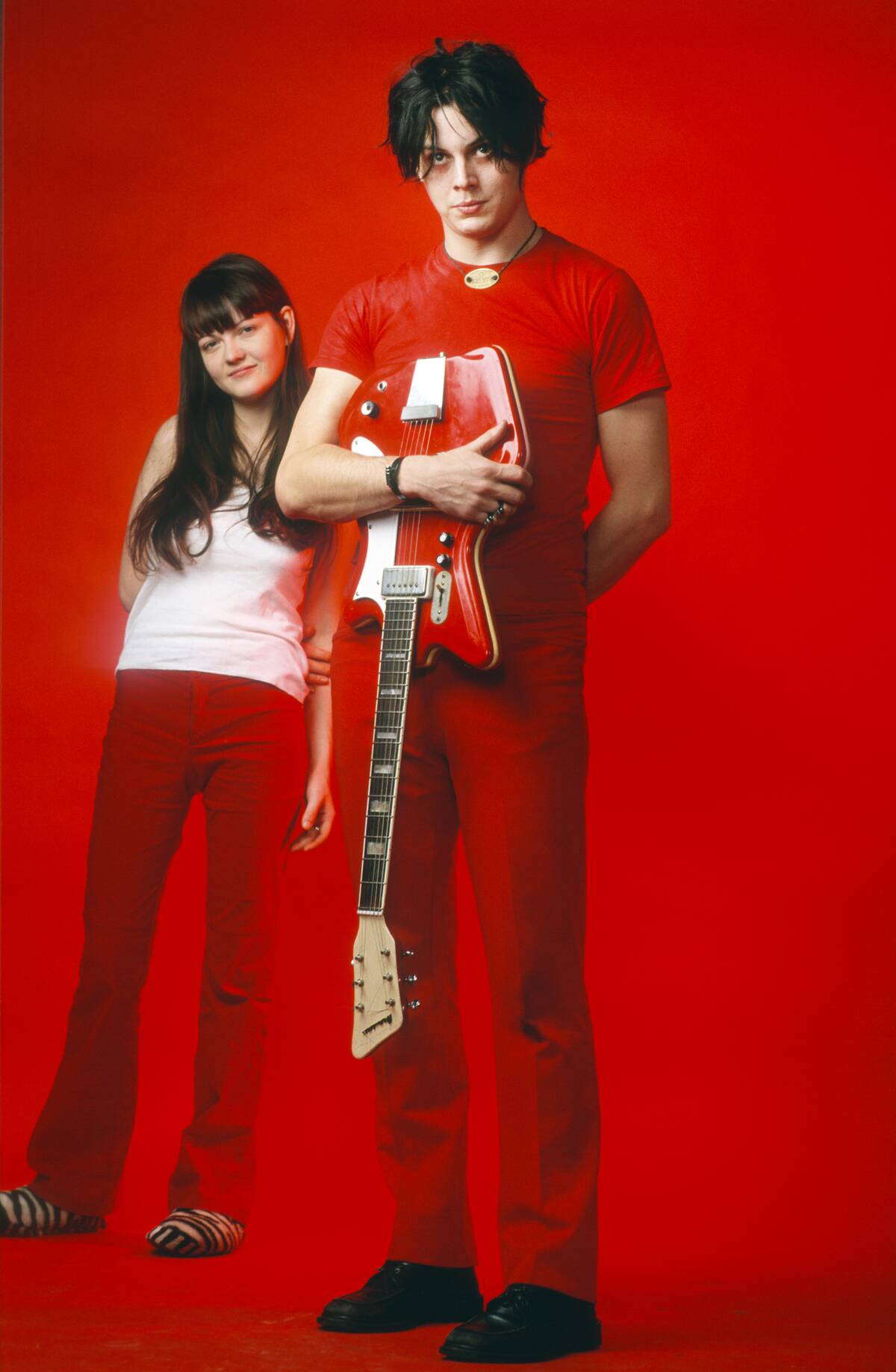
Garage rock made a comeback in the early 2000s, with bands like The White Stripes and The Hives leading the charge. This revival celebrated raw, energetic rock music reminiscent of the 1960s garage bands, with a stripped-down sound and rebellious spirit.
Although it sparked a wave of interest and inspired many new bands, the garage rock revival’s mainstream moment was brief, as musical trends continued to evolve.
The Indie Folk Surge
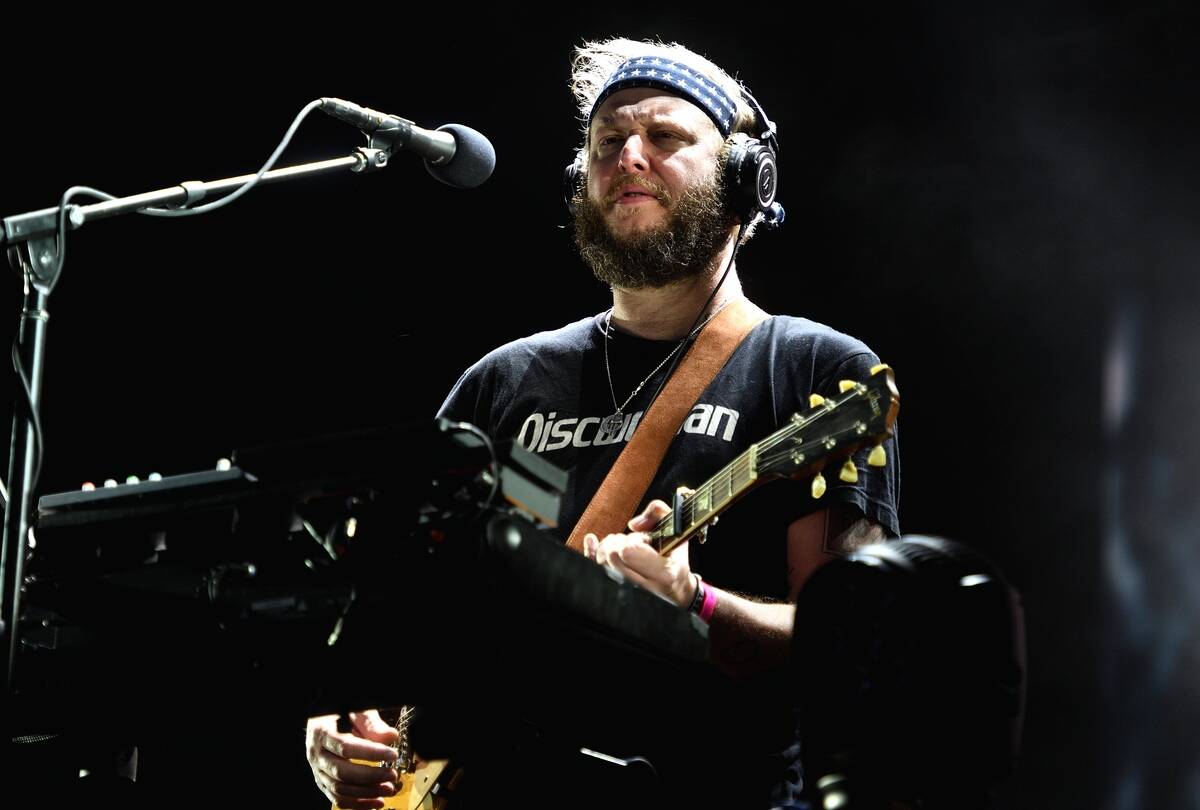
Indie folk gained prominence in the late 2000s, with artists like Fleet Foxes and Bon Iver bringing lush harmonies and acoustic sounds to the forefront. This genre celebrated introspective songwriting and a return to traditional, folk-inspired instrumentation.
While its peak cultural “buzz” eventually cooled, indie folk continued to be influential and commercially visible throughout much of the 2010s and remains beloved among fans
Vaporwave: Internet-Born and Quickly Gone

Vaporwave emerged in the early 2010s as an internet-born genre, characterized by its use of slowed-down samples and nostalgic aesthetics. It gained traction through online communities, with artists like Macintosh Plus creating music that evoked a surreal digital landscape.
Despite its brief moment of fame and viral spread, vaporwave’s novelty quickly subsided, leaving behind a niche community and a lasting influence on internet culture and visual art.