Music trends that faded quickly

Trending Now
Music trends often come and go, leaving behind catchy tunes and nostalgic memories. These trends can skyrocket to fame seemingly overnight, only to fade into obscurity just as quickly.
It’s fascinating how certain genres can capture the cultural zeitgeist for a moment before being replaced by the next big thing. This article dives into some of the most prominent music trends that had their moment in the spotlight, only to vanish into the annals of music history.
The Rise and Fall of Dubstep
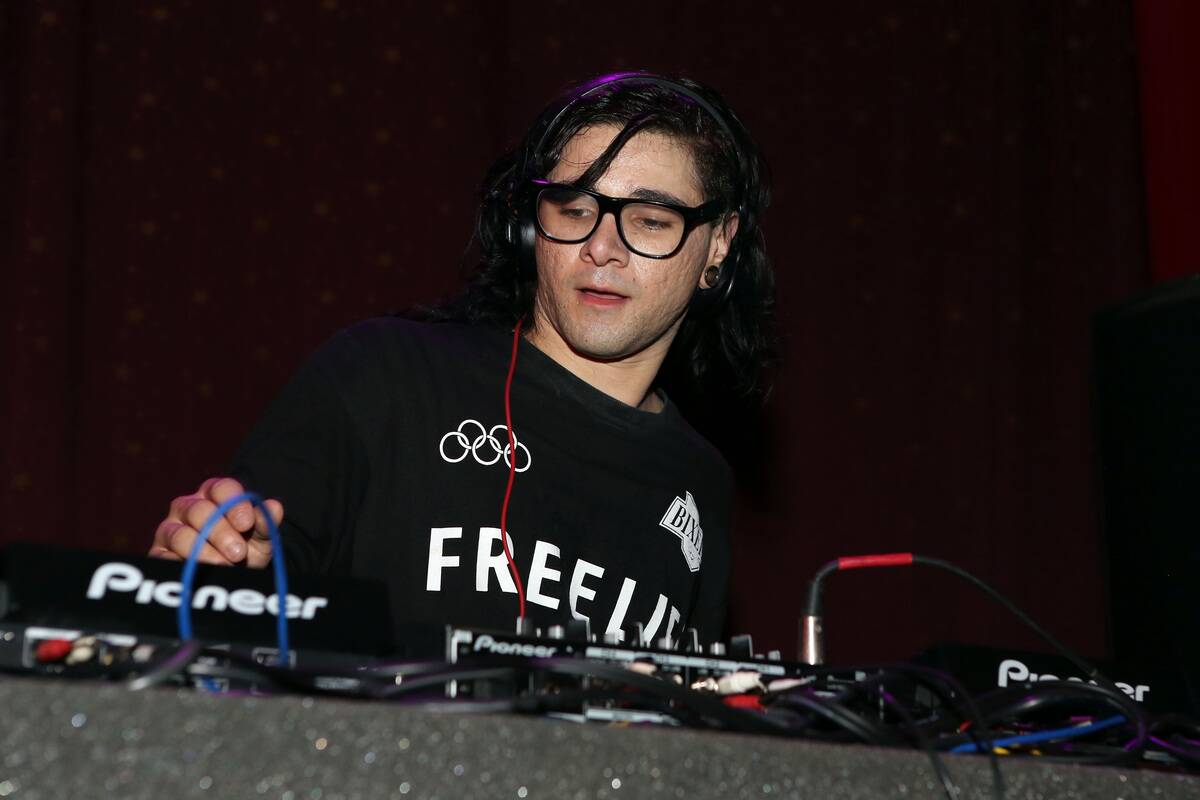
Dubstep emerged from the UK garage scene in 1999, characterized by its heavy bass and syncopated rhythms. The genre peaked around 2010, with artists like Skrillex (pictured) bringing it to mainstream attention.
However, its popularity was short-lived, as the repetitive nature of the sound led to listener fatigue. By the mid-2010s, dubstep’s influence waned (to the point that its references in Deadpool 2 were considered out of date by 2018), though its impact on electronic music remains undeniable.
The Brief Boom of Disco
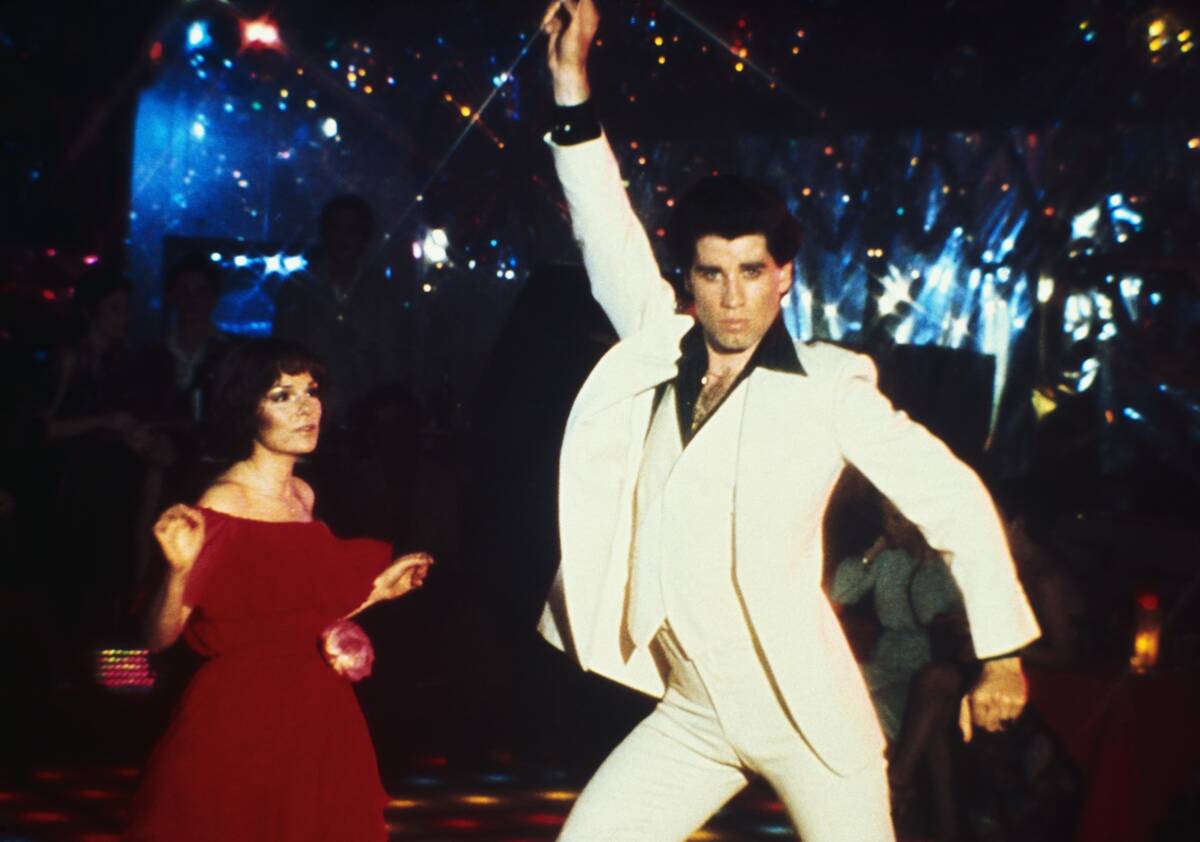
Disco fever took over the world in the 1970s, thanks to its infectious beats and glamorous lifestyle. Iconic acts like Donna Summer and the Bee Gees dominated the charts, with hits that remain dance floor staples.
However, by the early 1980s, the ‘Disco Sucks’ movement that infamously influenced the disastrous Disco Demolition Night of 1979 and the rise of punk rock led to its rapid decline. Despite its brief reign, disco’s legacy is still felt in today’s dance music.
Ska: A Short-Lived Revival

Ska music, with its upbeat tempo and brass sections, originated in Jamaica in the 1960s. The genre saw its second revival in the 1990s with bands like No Doubt and Reel Big Fish (pictured) bringing it to a new audience.
Despite its energetic appeal, ska’s resurgence was fleeting, largely fading into the background by the early 2000s. Still, ska’s lively tunes continue to inspire and entertain niche audiences.
The Quick Fade of Hair Metal
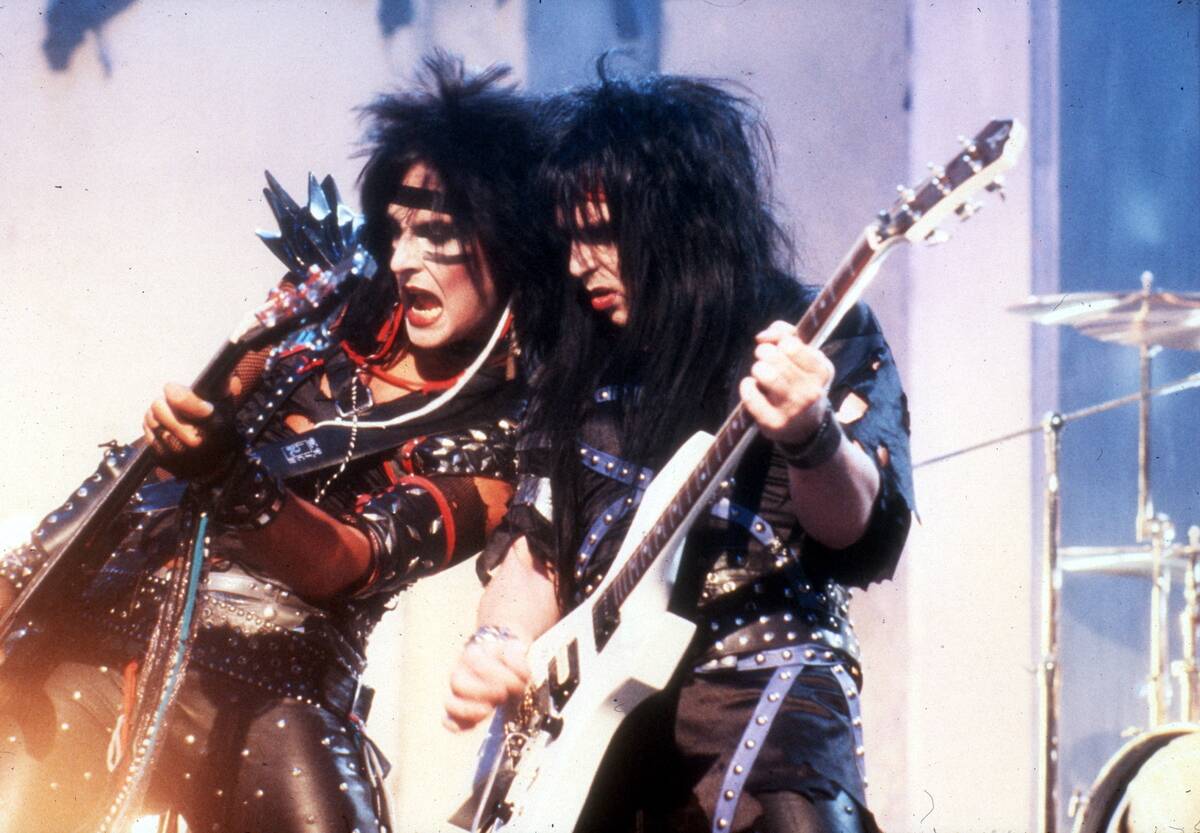
Hair metal, with its flamboyant style and power ballads, dominated the 1980s rock scene. Bands like Mötley Crüe (pictured) and Poison became household names with their over-the-top performances.
However, the rise of grunge in the early 1990s, with its raw and authentic sound, quickly overshadowed hair metal. Despite its fall from grace, the genre’s influence on rock fashion and music is still evident.
Chillwave: Here Today, Gone Tomorrow

Chillwave emerged in the late 2000s as a genre characterized by its dreamy, lo-fi soundscapes. Artists like Washed Out and Toro y Moi (pictured) captured the essence of summer nostalgia with their music.
Despite its initial buzz, chillwave’s lack of evolution led to a rapid decline in the early 2010s. Yet, its influence persists in the ambient and electronic music scenes of today.
The Sudden Silence of Emo Music
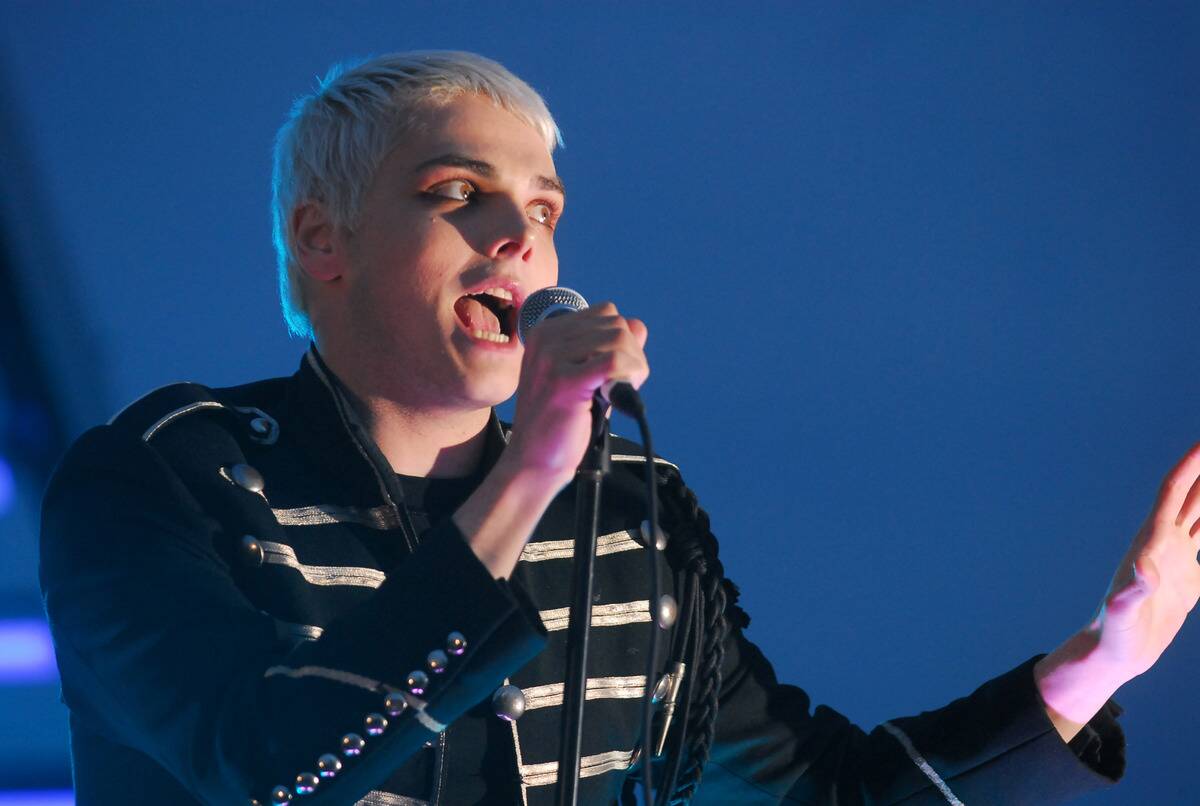
Emo music, with its confessional lyrics and punk roots, gained popularity in the early 2000s. Bands like My Chemical Romance (pictured) and Fall Out Boy became the voice of a generation of angst-ridden teens.
However, as the decade progressed, the genre’s emotional intensity lost its appeal to the mainstream. While its peak has passed, emo continues to thrive in underground scenes and reunions.
The Fading Echoes of Grunge

Grunge exploded from the Pacific Northwest in the early 1990s, with bands like Nirvana (represented here at right by Dave Grohl) and Pearl Jam (represented here at left by Dave Abruzzo) leading the charge. Its raw sound and anti-establishment ethos captivated a global audience.
Yet, by the late 1990s, grunge’s dominance waned as its leading figures disbanded or moved on. Despite this, the genre’s impact is still felt in alternative rock, influencing many modern bands.
Vaporwave: A Mirage of a Trend
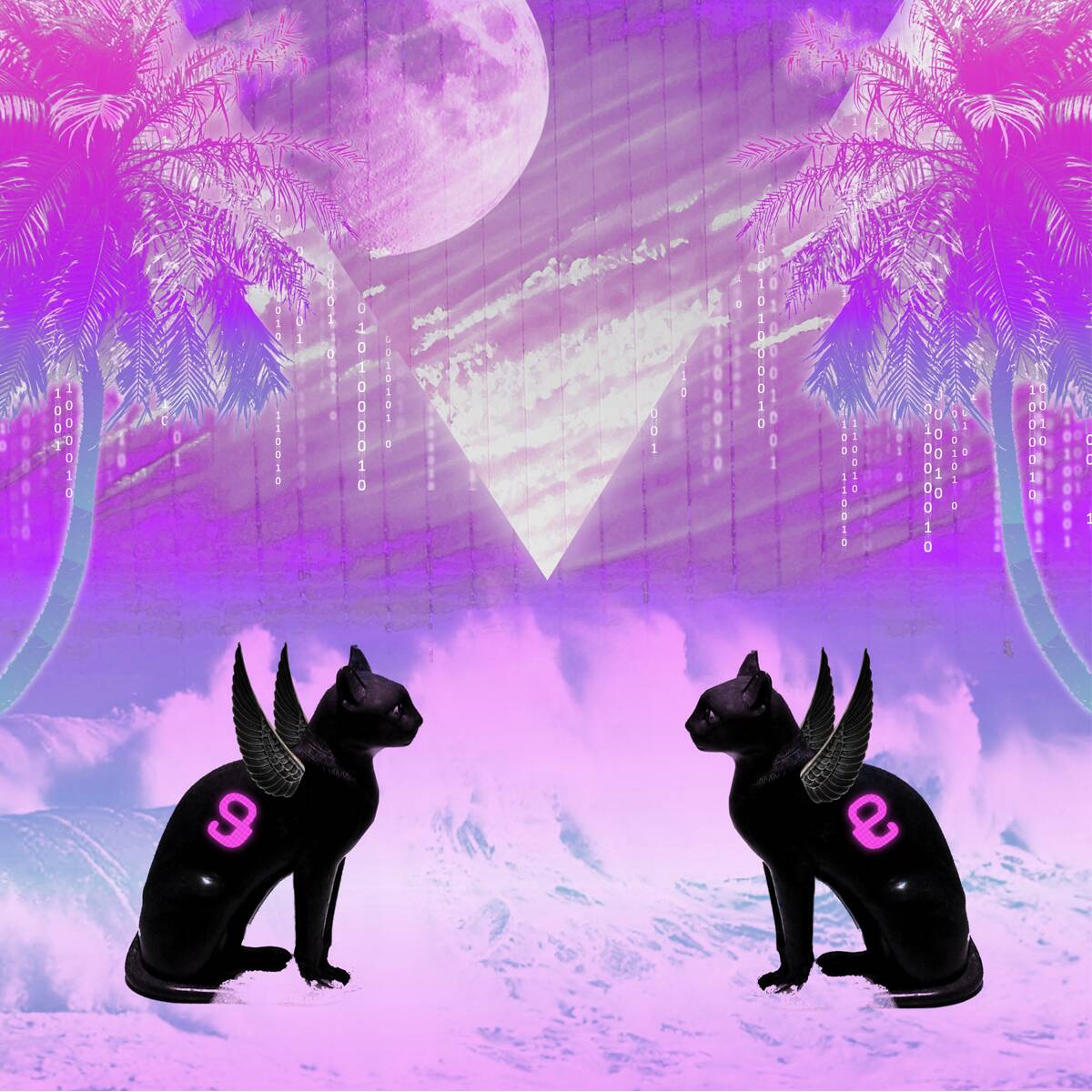
Vaporwave, with its surreal, nostalgic aesthetic, became an internet sensation in the early 2010s. The genre’s use of slowed-down samples and retro visuals captured the imagination of digital audiences.
However, its niche appeal and lack of mainstream crossover led to its quick decline. Despite fading into the digital ether, vaporwave’s aesthetic continues to influence online culture.
Nu Metal’s Not-So-Long Reign
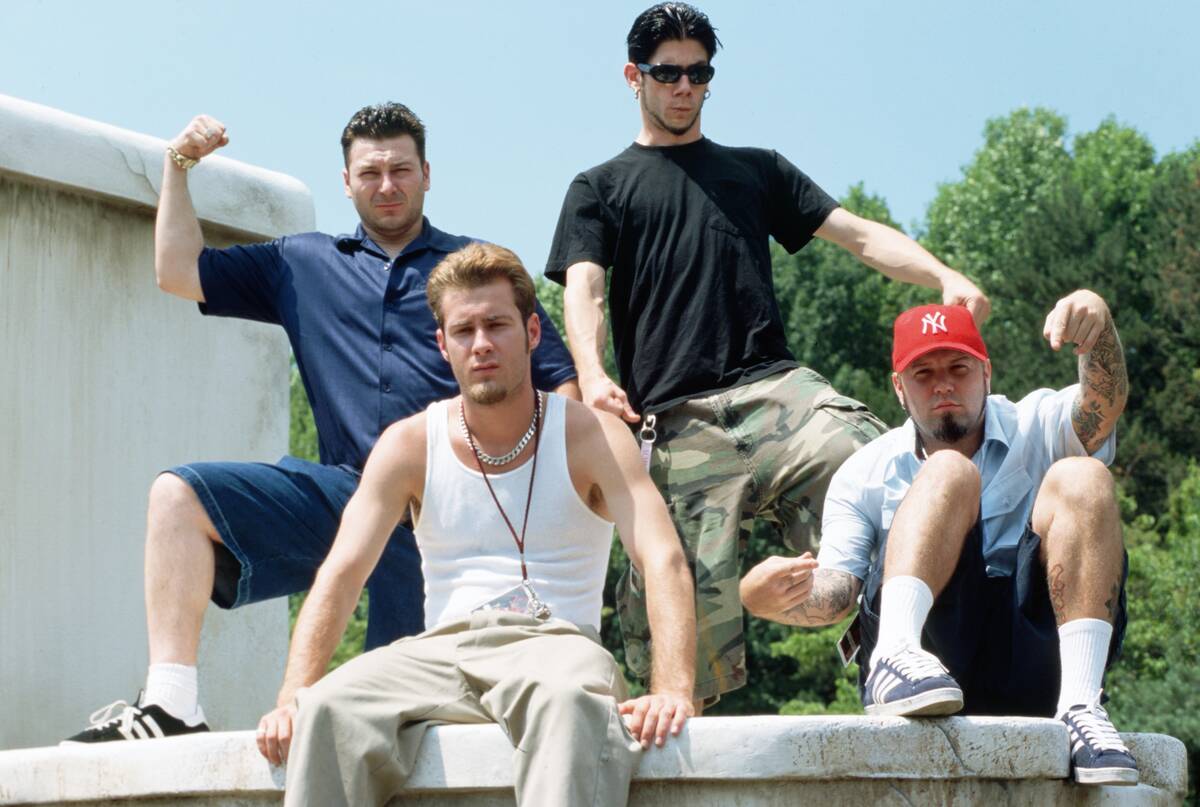
Nu metal, blending hip-hop and heavy metal, stormed the late 1990s and early 2000s. Bands like Limp Bizkit and Linkin Park defined the era with their aggressive sound and angsty lyrics.
However, as tastes shifted towards indie and pop-punk, nu metal’s popularity dwindled. Despite its decline, the genre’s fusion of styles laid the groundwork for future musical experimentation.
The Short-Lived Dance-Punk Revival
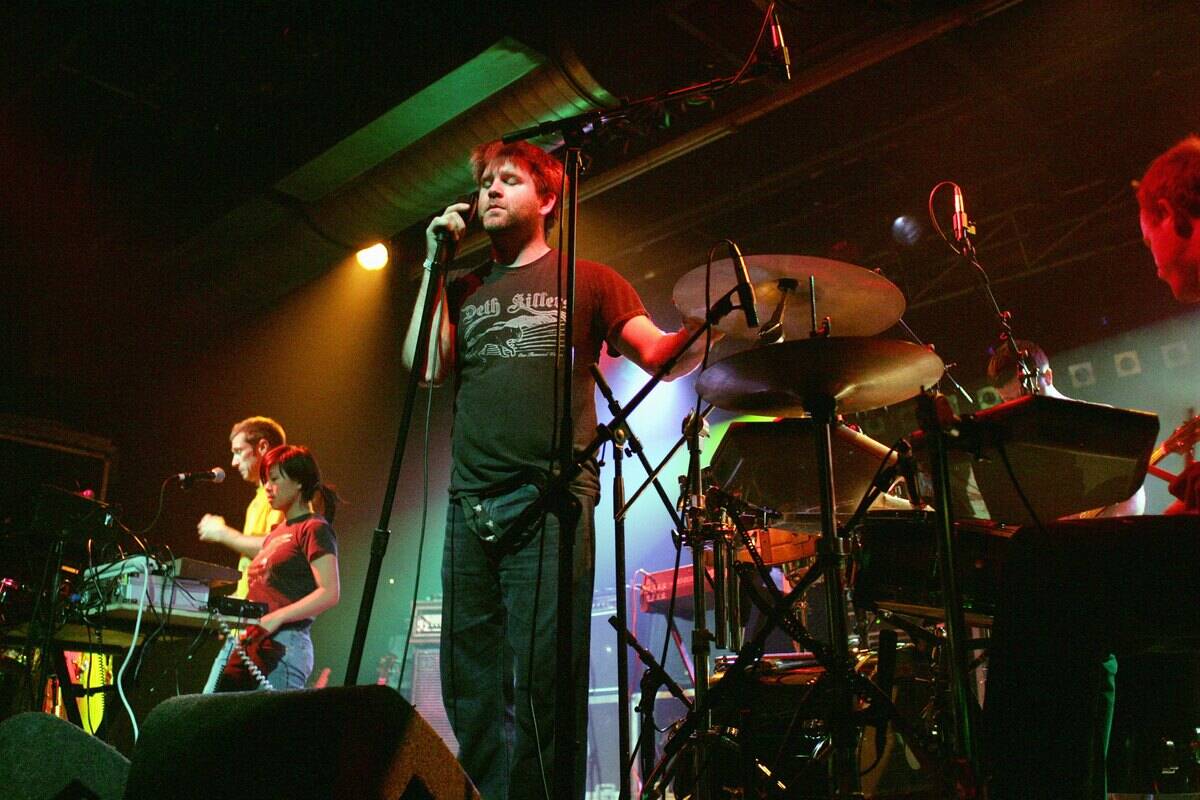
The dance-punk revival, with its high-energy beats and punk attitude, emerged in the early 2000s after the subgenre’s initial wave in the late ’70s. Bands like LCD Soundsystem and The Rapture brought dance floors to life with their infectious rhythms.
However, the genre’s novelty wore off by the late 2000s as indie rock and electronic music evolved. Despite its brief moment, dance-punk’s influence lingers in today’s indie and electronic scenes.
Britpop: A Quick British Invasion
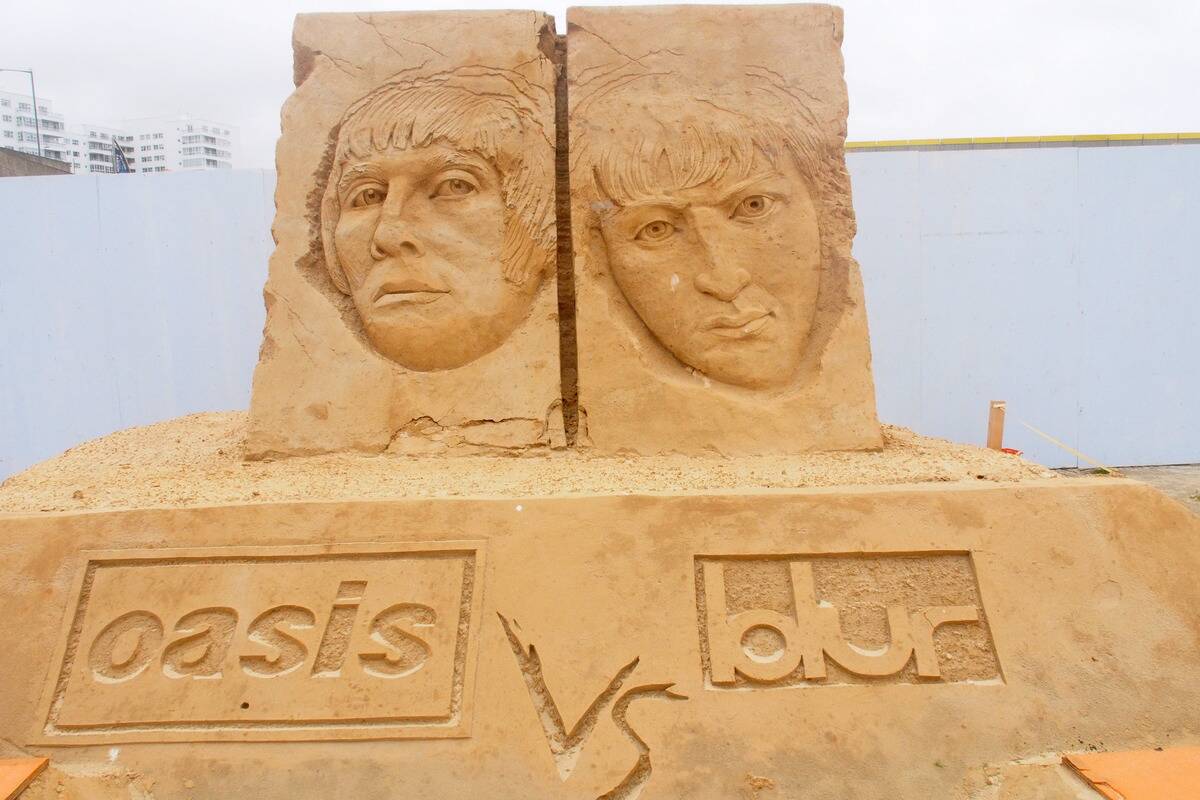
Britpop, characterized by its catchy melodies and British identity, rose to fame in the mid-1990s. Oasis and Blur led the charge, capturing the spirit of British culture and youth.
However, by the late 1990s, the genre’s competitive nature and changing tastes led to its decline. Despite its short-lived peak, Britpop’s impact on British music and culture remains significant.
The Decline of Boy Bands and Girl Groups
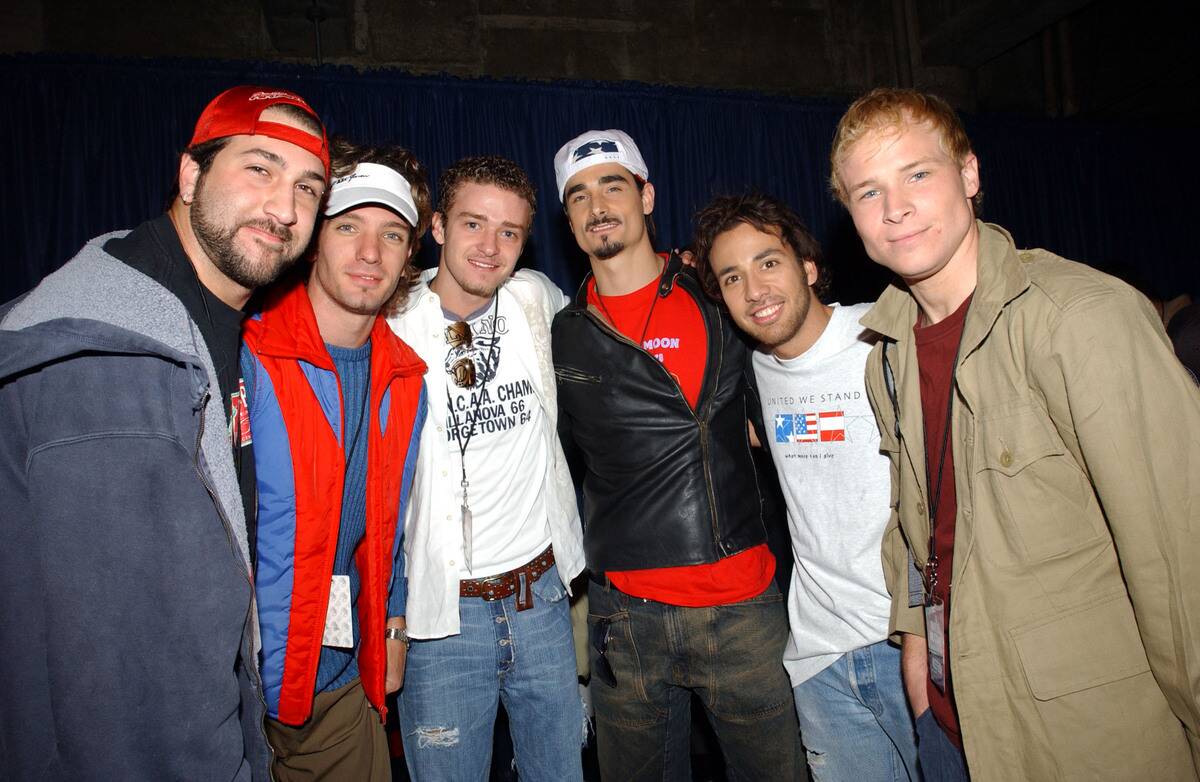
Boy bands and girl groups dominated pop music in the late 1990s and early 2000s. Acts like *NSYNC, The Backstreet Boys (both partially represented here), and The Spice Girls captured the hearts of millions.
However, as the decade progressed, the proliferation of similar acts led to market saturation. By the mid-2000s, many groups disbanded or shifted focus. While no longer at their peak, they paved the way for modern pop acts.
Electroclash: A Flash in the Pan
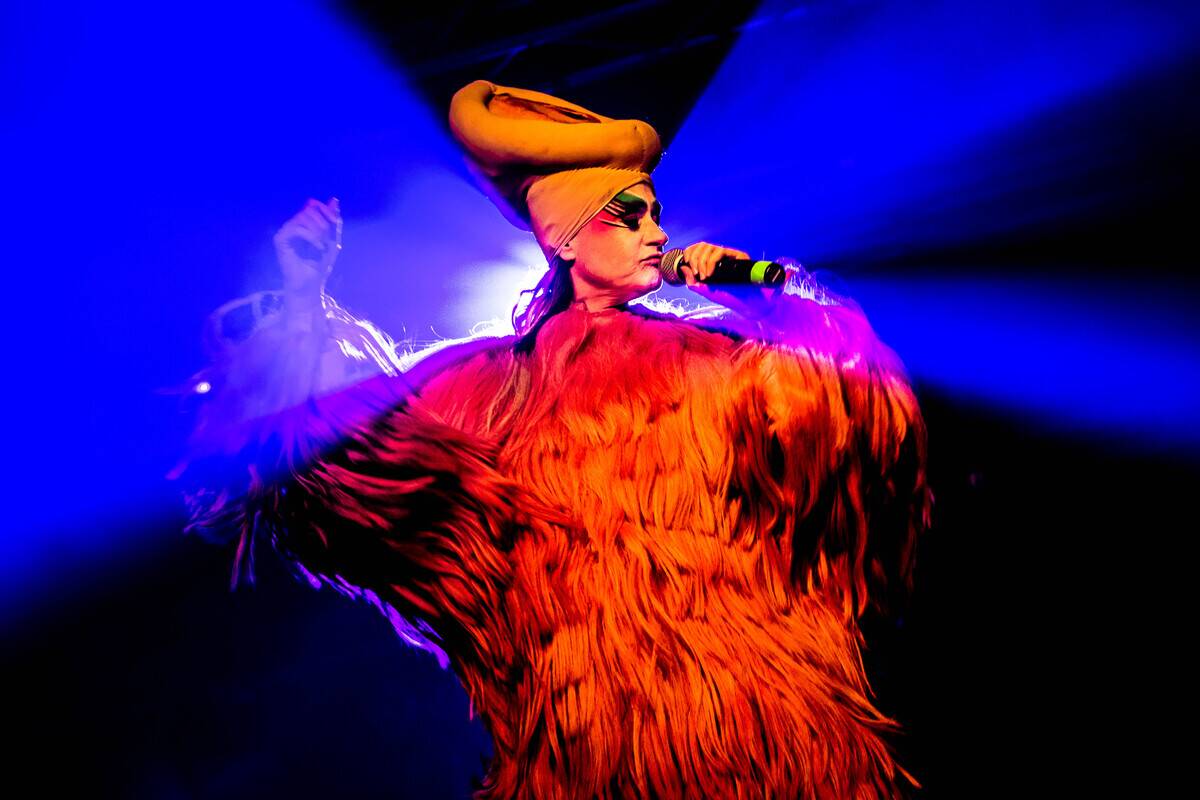
Electroclash, with its blend of new wave and electronic sounds, emerged in the early 2000s. Acts like Fischerspooner and Peaches brought a sense of glamour and irony to the music scene.
However, its reliance on retro aesthetics soon led to predictability, causing its quick fade by the mid-2000s. Despite its brief lifespan, electroclash’s influence can still be seen in modern electronic music.
The Fizzling Out of Mashup Culture
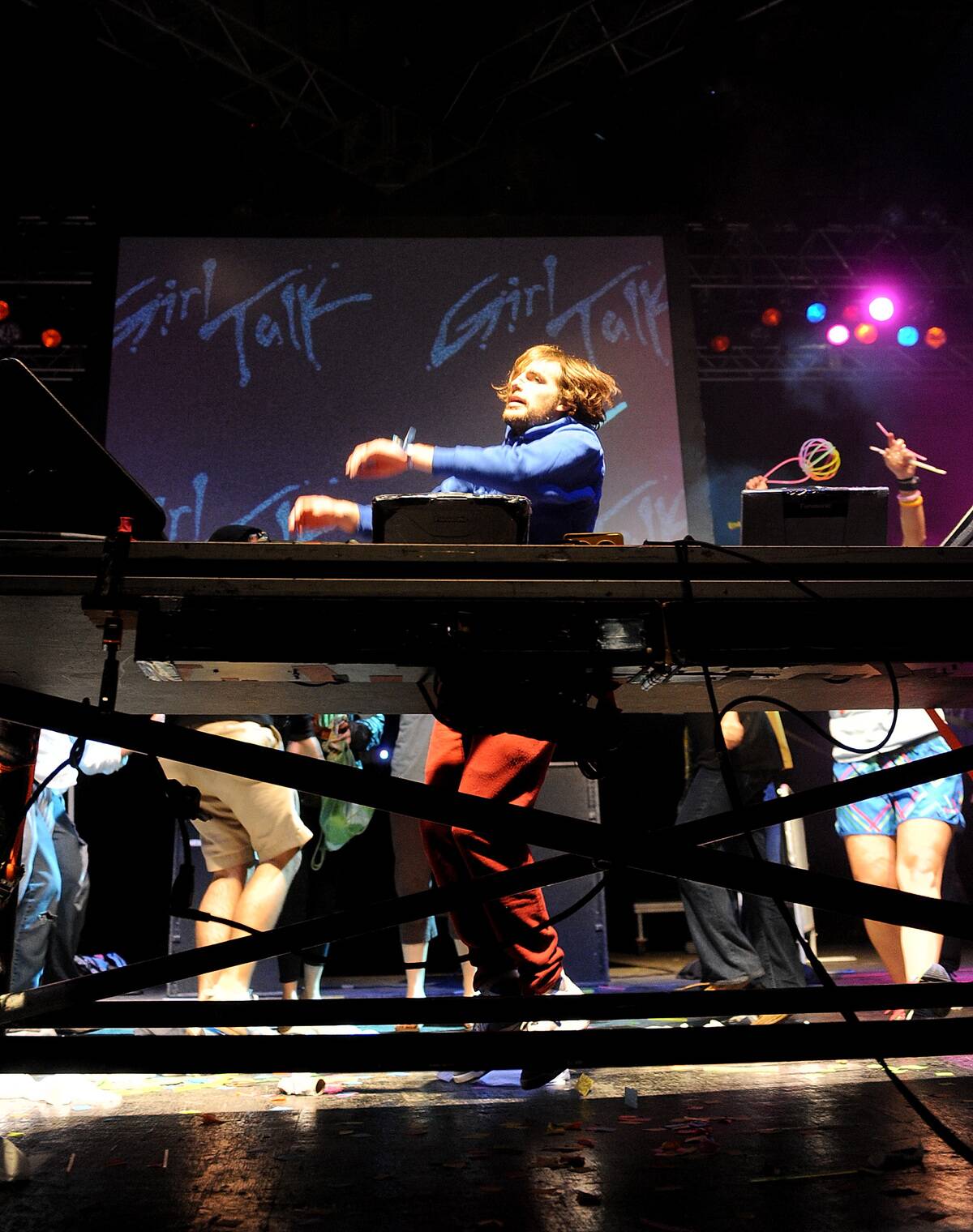
Mashup culture, where DJs combined two or more songs into a single track, started gaining popularity in the early 2000s. Artists like Girl Talk became famous for their seamless blends of diverse genres.
However, the novelty of mashups wore off, and legal issues over copyright infringement contributed to their decline. While its heyday has passed, mashup culture laid the groundwork for remix culture today.