Secrets hidden inside 16 famous works of art

Trending Now
Art has long been a medium through which artists communicate the unspoken. Hidden within the brushstrokes and colors are secrets waiting to be uncovered. From enigmatic smiles to covert symbols, these artistic mysteries invite us to look deeper, beyond the surface. As we embark on this journey, we’ll explore how artists throughout history have embedded rich layers of meaning in their works, transforming each piece into a captivating puzzle.
The Hidden Musical Notes in Leonardo da Vinci’s “The Last Supper”
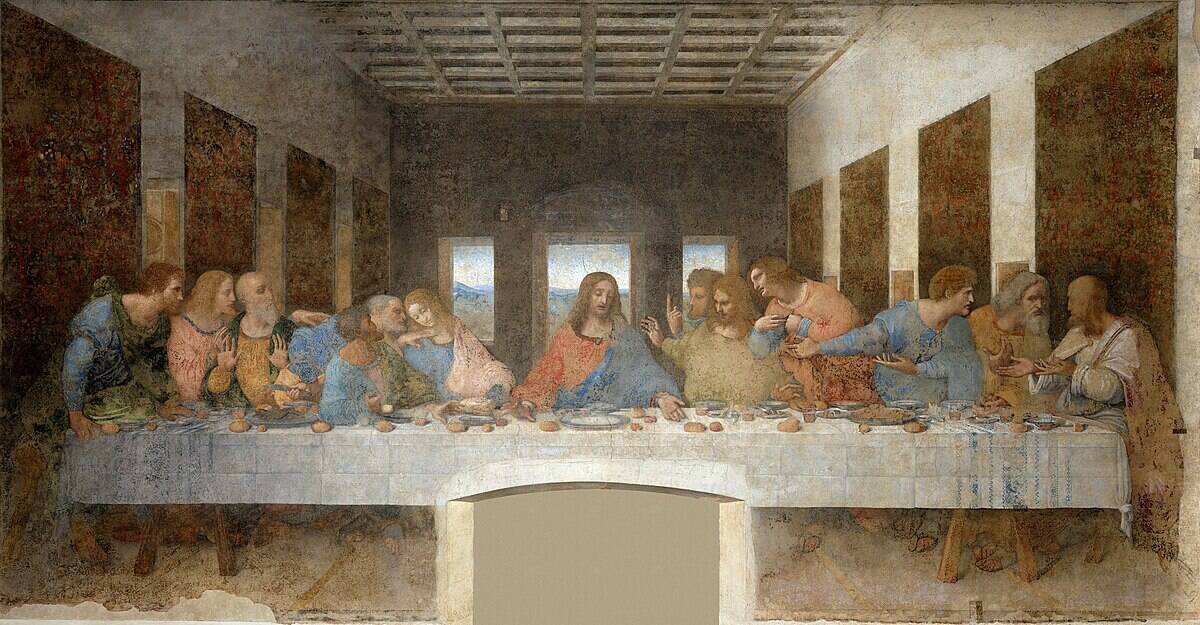
In Leonardo da Vinci’s iconic “The Last Supper,” researchers have discovered what appears to be musical notes hidden within the composition. By interpreting the positions of the apostles’ hands and the loaves of bread on the table as notes on a staff, a 40-second musical composition emerges. This discovery adds a new layer of intrigue to the masterpiece, suggesting that da Vinci’s genius extended beyond painting to a harmonious blend of art and music.
Michelangelo’s Anatomical Secrets in the Sistine Chapel Ceiling
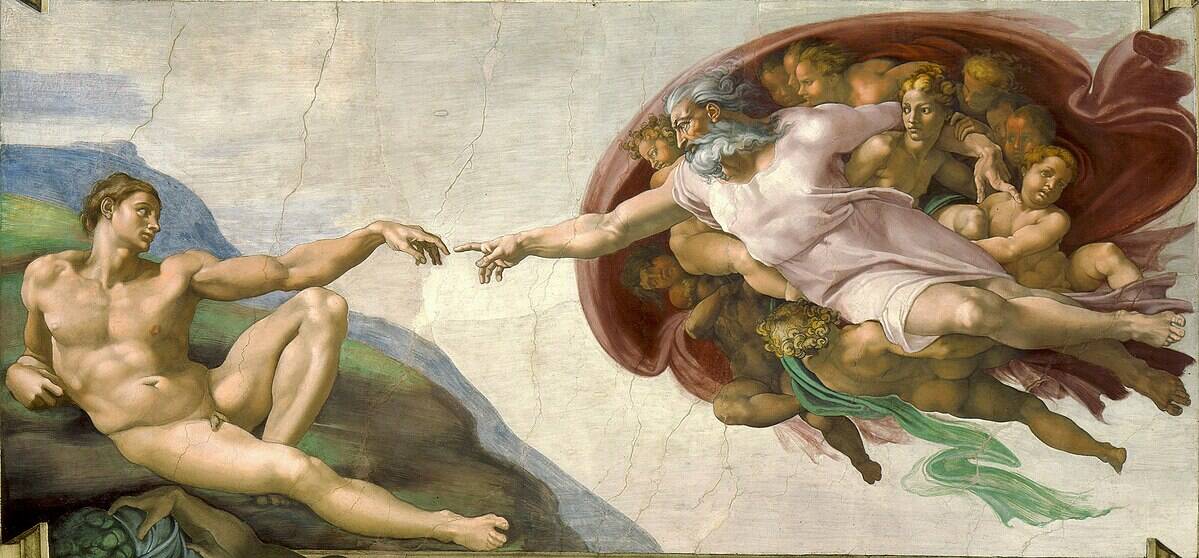
Michelangelo’s work on the Sistine Chapel ceiling is not just a visual marvel but an anatomical lesson. Hidden within the depiction of God in “The Creation of Adam” is what many believe to be a perfect representation of the human brain. Scholars have noted the outlines and folds of the brain cleverly incorporated into the painting, suggesting Michelangelo’s deep understanding of human anatomy. This hidden detail highlights how art and science were intertwined in the Renaissance.
Van Gogh’s “Starry Night” and Its Cosmic Inspirations
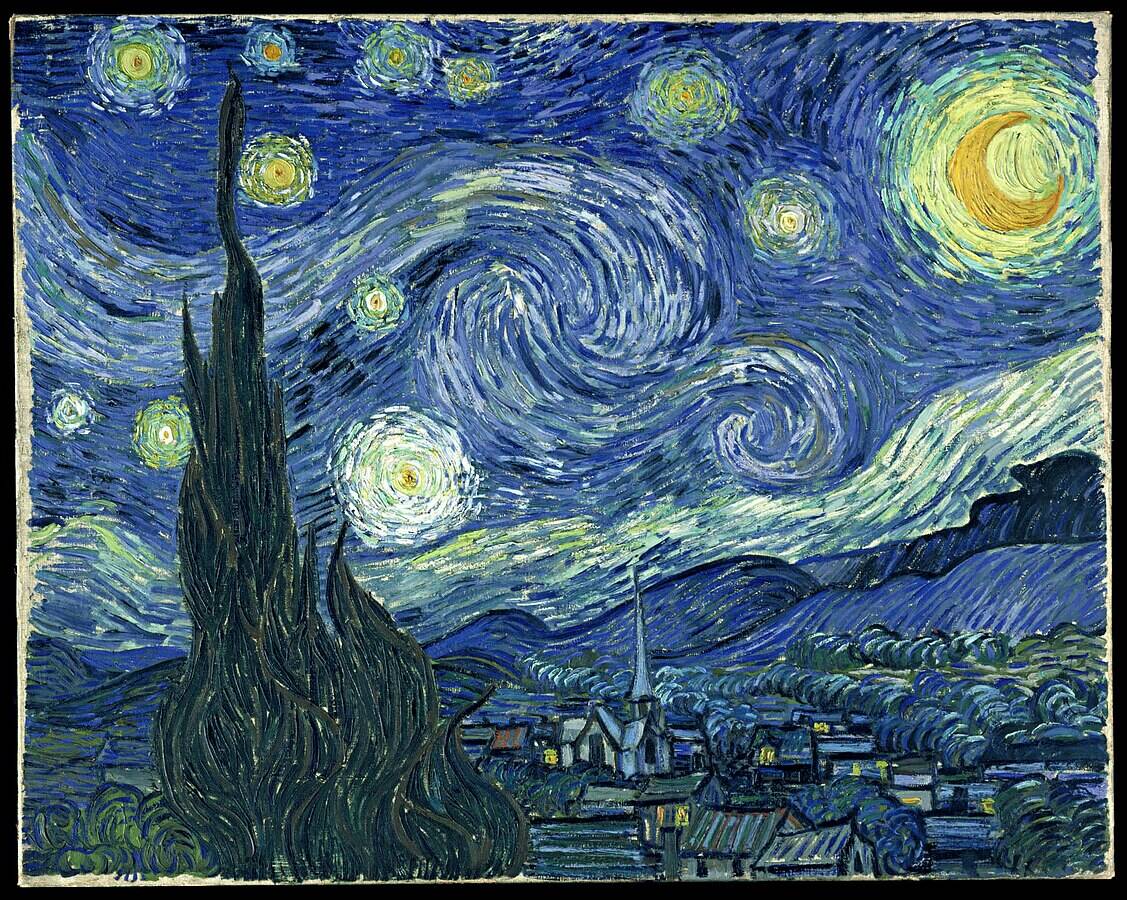
Vincent van Gogh’s “Starry Night” is a swirling masterpiece that many believe was inspired by the cosmos itself. The painting’s dynamic sky reflects van Gogh’s fascination with astronomy, possibly influenced by the Great Comet of 1881 and the swirling patterns visible in the night sky. This celestial connection adds depth to the painting, suggesting that van Gogh saw beyond earthly confines, capturing the universe’s energy and mystery in his vibrant work.
The Symbolic Fruits and Flowers in Botticelli’s “Primavera”
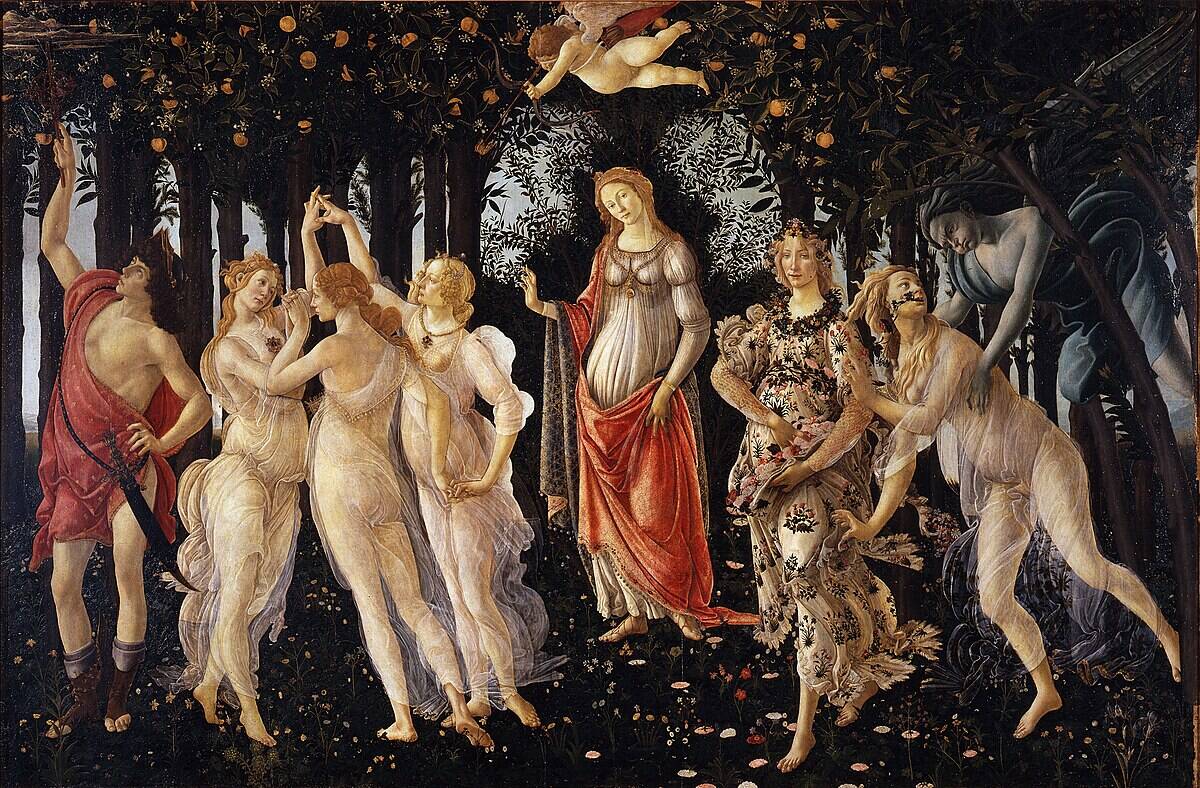
Botticelli’s “Primavera” is a celebration of spring, brimming with symbolism through its depiction of fruits and flowers. Each plant in the painting has been chosen for its specific meaning, such as the orange trees symbolizing marriage and fertility. This botanical symbolism creates layers of interpretation, inviting viewers to explore the interplay between mythological and natural elements. Botticelli’s attention to detail transforms the painting into a rich tapestry of allegorical meaning.
Decoding the Hidden Geometry in Raphael’s “The School of Athens”
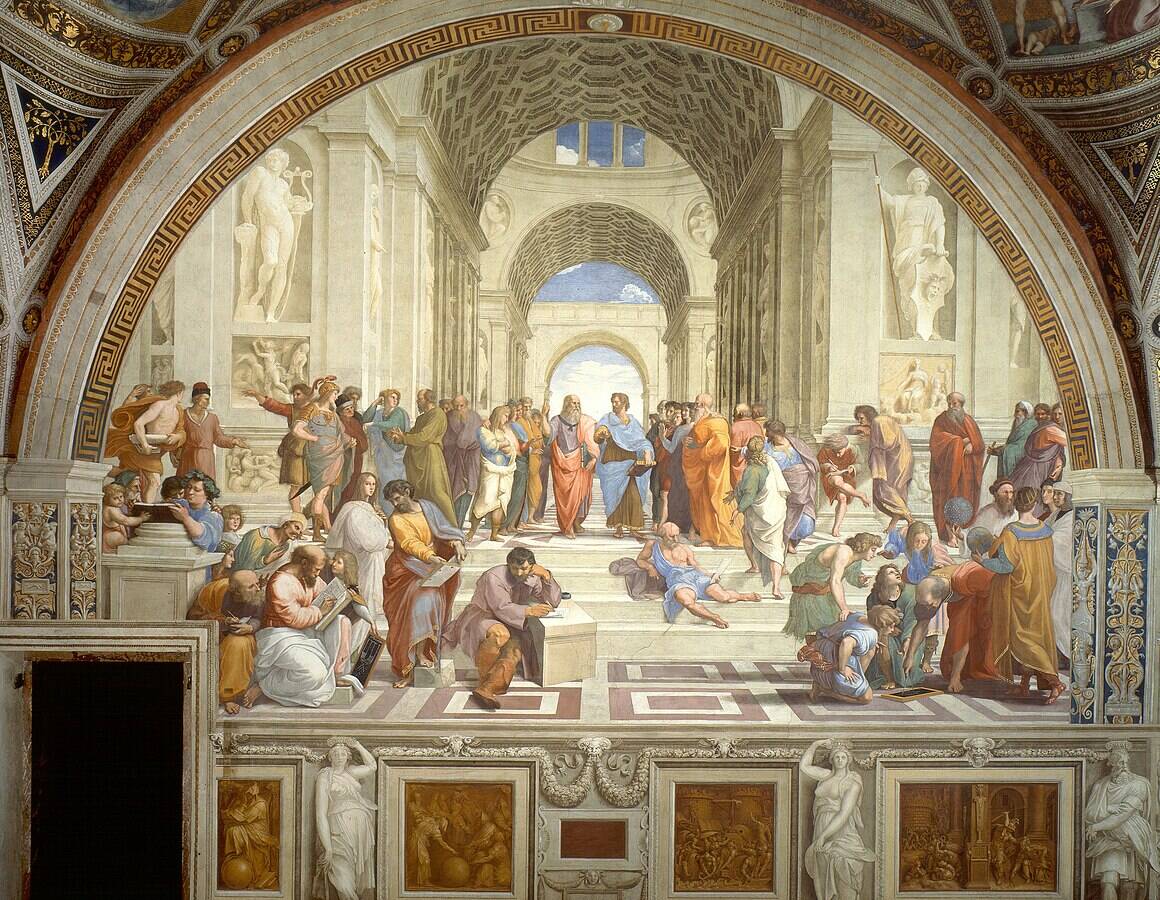
Raphael’s “The School of Athens” is renowned for its depiction of great philosophers, but it also conceals a sophisticated use of geometry. The architectural elements of the painting are arranged in a precise mathematical harmony, reflecting the Renaissance belief in the order of the universe. This hidden geometry underscores the painting’s intellectual theme, illustrating how art can visually embody complex philosophical ideas, and inviting viewers to appreciate the balance between art and science.
Salvador Dalí’s Surreal Easter Eggs in “The Persistence of Memory”
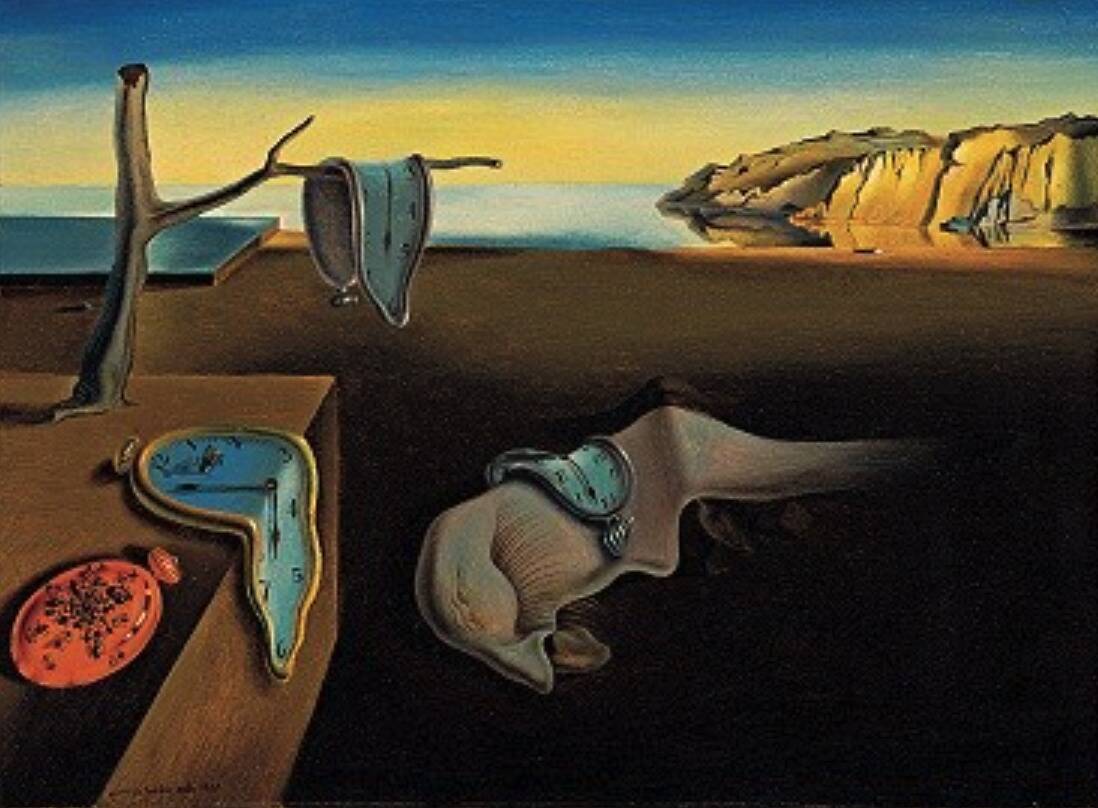
Salvador Dalí’s “The Persistence of Memory” is famous for its melting clocks, but it also includes hidden elements that speak to the artist’s surreal vision. Beyond the distorted timepieces, Dalí incorporates subtle figures and shapes, such as the distorted face that appears as a part of the landscape. These surreal easter eggs invite viewers to question the nature of reality and time, embodying Dalí’s fascination with the subconscious and the fluidity of perception.
Hieronymus Bosch’s Fantastical Creatures and Hidden Meanings
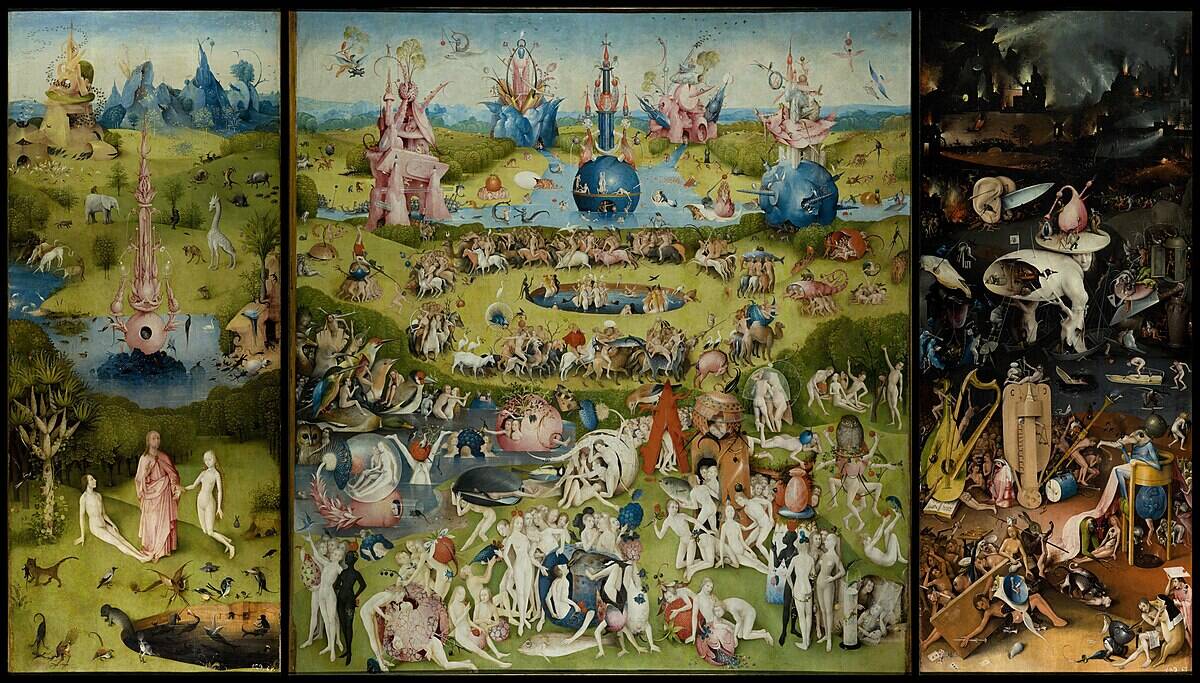
Hieronymus Bosch’s paintings are a labyrinth of fantastical creatures and hidden meanings. In works like “The Garden of Earthly Delights,” Bosch fills the canvas with bizarre figures that blur the line between reality and imagination. Many of these creatures serve as allegories for moral and religious themes, reflecting Bosch’s commentary on human nature. The intricate details invite viewers to explore the depths of Bosch’s vision, where every element holds a potential secret or lesson.
The Secret Portraits in Frida Kahlo’s Self-Reflective Works
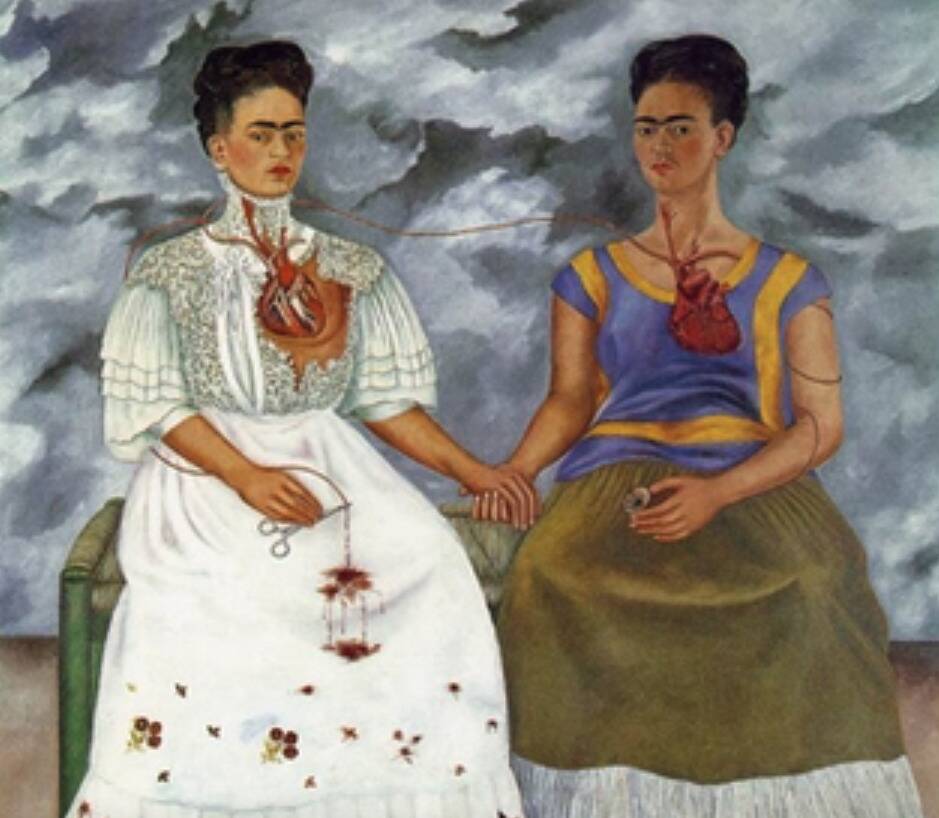
Frida Kahlo’s self-portraits are deeply personal, often containing secret portraits within them. In paintings like “The Two Fridas,” Kahlo uses duality to explore her identity and heritage. She often includes subtle references to loved ones and personal experiences, creating a layered narrative within each piece. These hidden portraits allow Kahlo to communicate her inner world, transforming her art into a diary of her life, emotions, and struggles, offering viewers an intimate glimpse into her soul.
The Layered Meanings in Grant Wood’s “American Gothic”
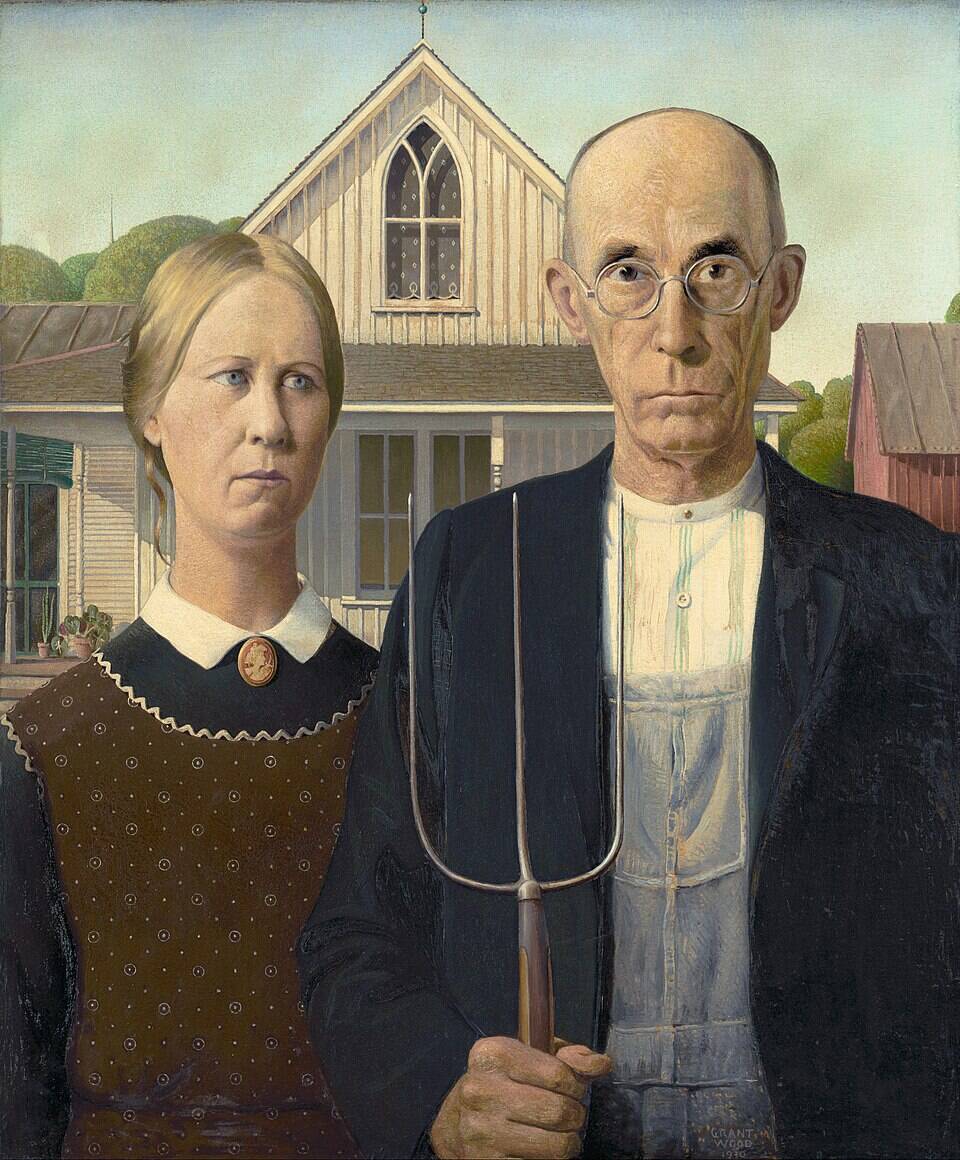
Grant Wood’s “American Gothic” is more than a depiction of rural America; it’s a canvas filled with layered meanings. The stern expressions and pitchfork have sparked various interpretations, from a critique of Midwestern stoicism to a celebration of American resilience. The painting’s background elements, such as the gothic window of the farmhouse, add further depth to its symbolism. Wood’s attention to detail invites viewers to ponder the complexities of American identity and values.
Gustav Klimt’s Use of Gold Leaf and Symbolism in “The Kiss”
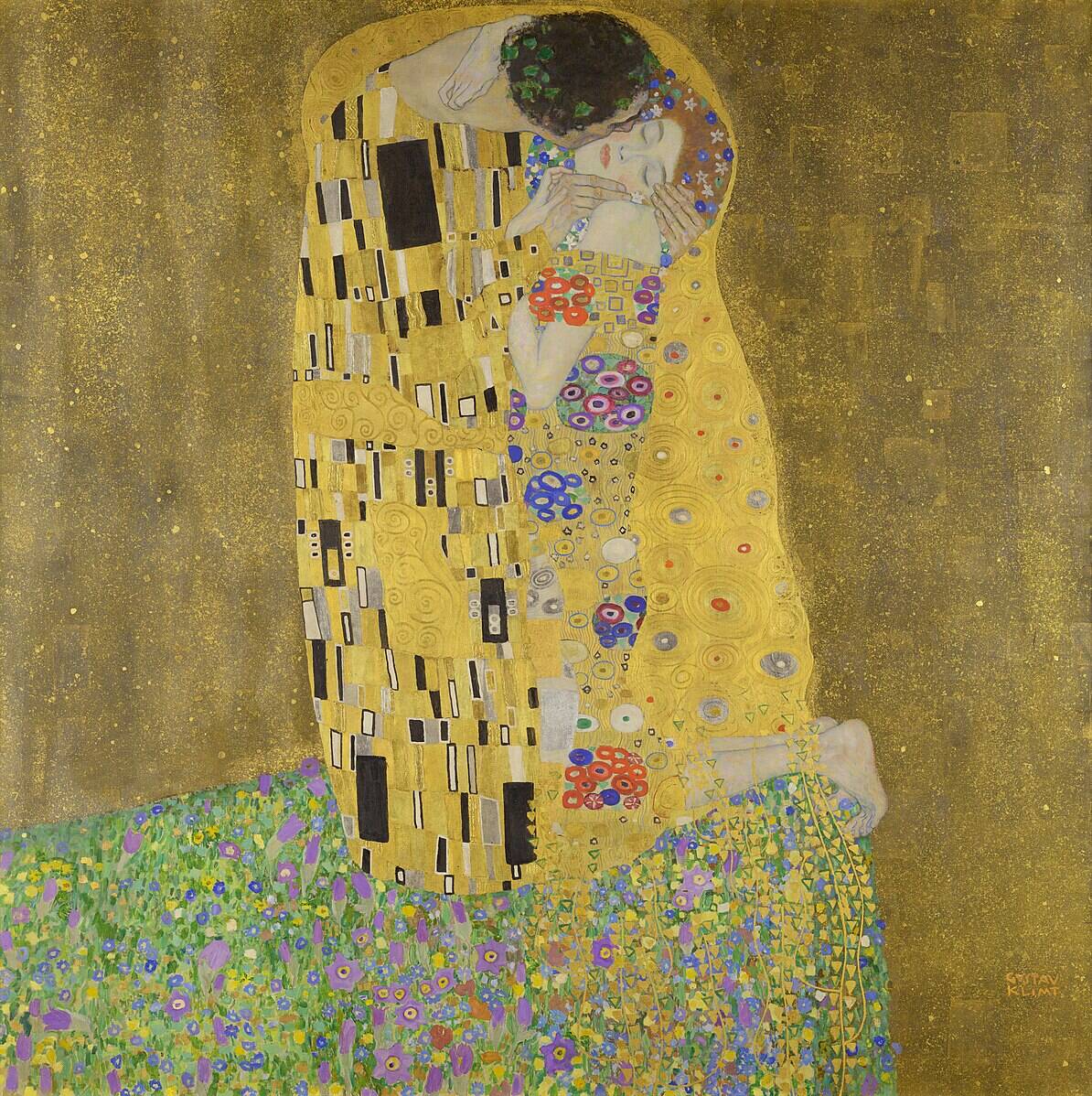
Gustav Klimt’s “The Kiss” is renowned for its opulent use of gold leaf, a technique that adds a luminous quality to the painting. This shimmering effect is not just decorative; it symbolizes the transcendence and divine nature of love. The intricate patterns and symbols surrounding the couple further enrich the painting’s narrative, suggesting themes of unity and eternity. Klimt’s use of gold and symbolism transforms “The Kiss” into a timeless exploration of romantic and spiritual connections.
The Dual Perspectives in Escher’s Mind-Bending Drawings
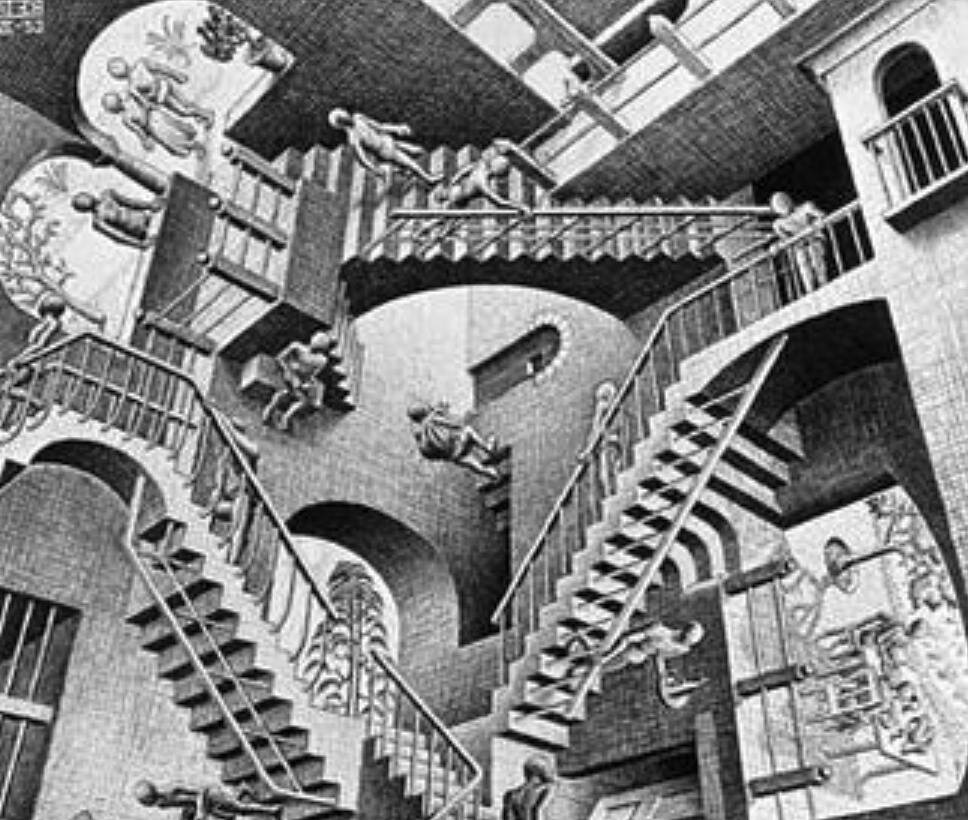
M.C. Escher’s drawings are celebrated for their mind-bending dual perspectives, challenging viewers to question perception. In works like “Relativity,” Escher creates impossible constructions that defy the laws of physics. These optical illusions are crafted with meticulous precision, encouraging viewers to explore the boundaries between reality and imagination. Escher’s art invites a playful engagement with perspective, where the seemingly impossible becomes a visual reality, reflecting his fascination with the mathematical underpinnings of art.
René Magritte’s Playful Use of Text and Image in “The Treachery of Images”
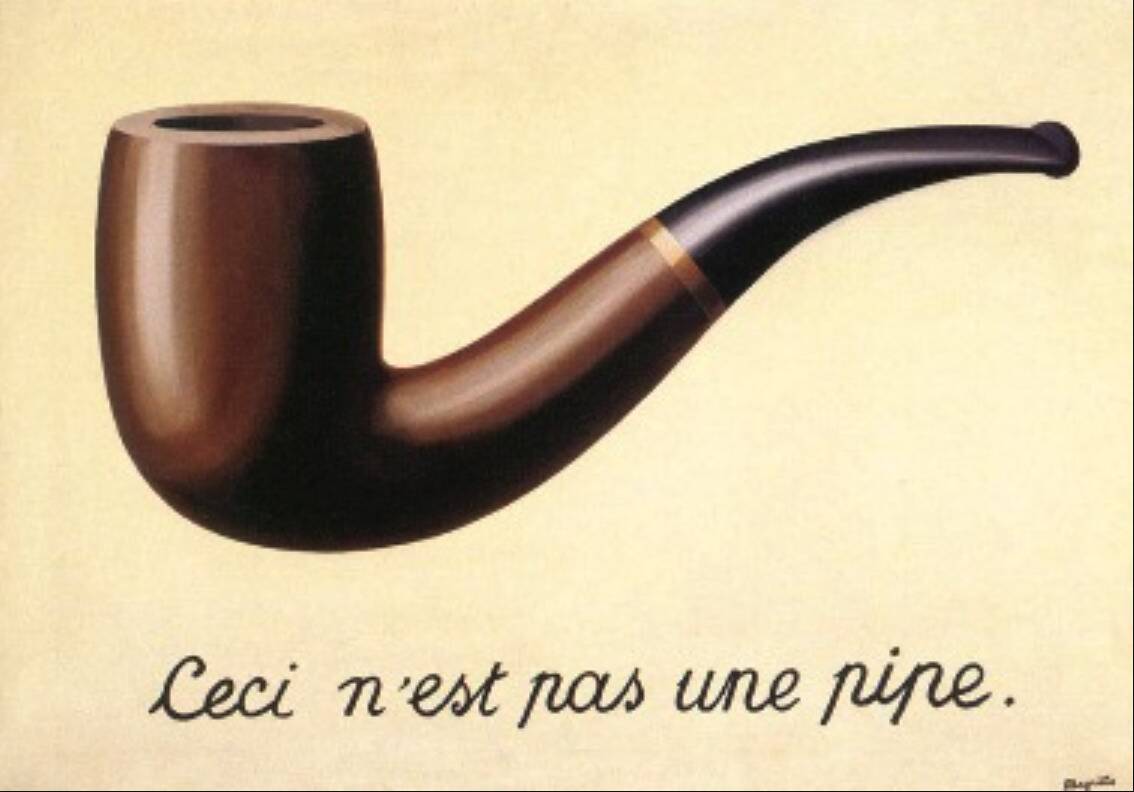
René Magritte’s “The Treachery of Images” is a clever play on text and image, famously declaring, “This is not a pipe.” This paradoxical statement challenges viewers to reconsider the relationship between words and reality. Magritte’s use of text highlights the limitations of language in capturing the essence of objects, inviting a philosophical exploration of representation. This playful approach encourages viewers to question the nature of art and perception, blurring the lines between reality and illusion.
The Symbolic Allusions in Edward Hopper’s Urban Scenes
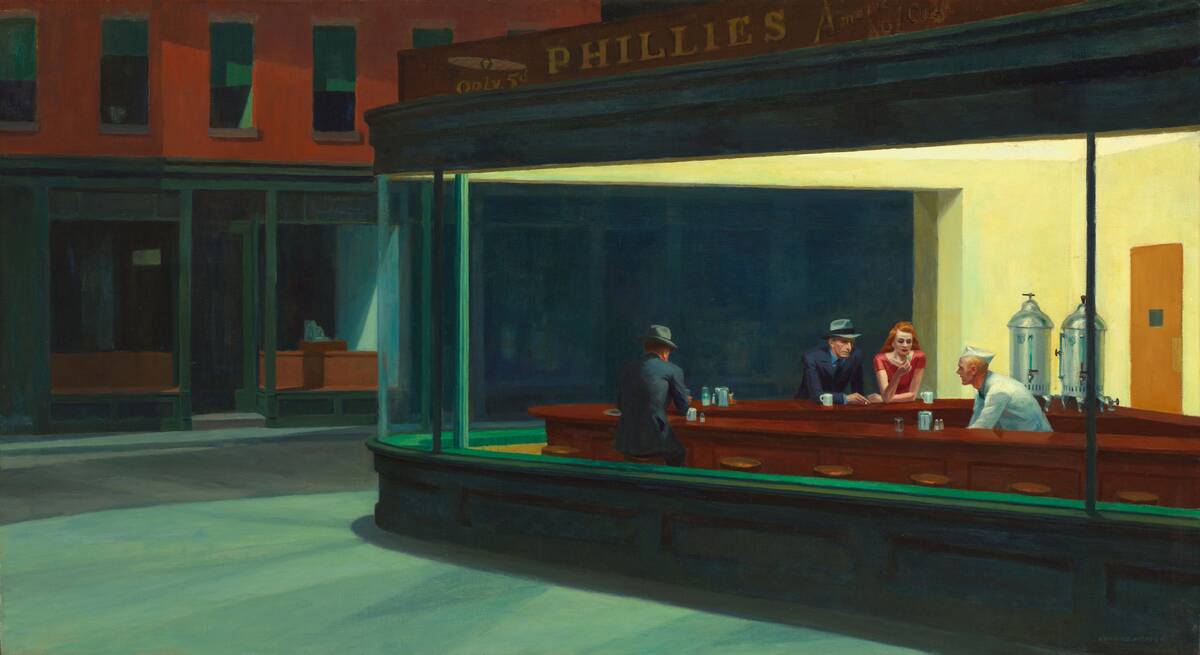
Edward Hopper’s urban scenes are filled with symbolic allusions that capture the essence of modern life. In paintings like “Nighthawks,” Hopper uses light and shadow to convey a sense of isolation and introspection. The empty streets and solitary figures evoke themes of loneliness and contemplation, reflecting the emotional undercurrents of urban existence. Hopper’s attention to detail and composition invites viewers to explore the psychological landscapes within his work, offering a poignant commentary on the human condition.
Unveiling the Layers in Jackson Pollock’s Abstract Masterpieces
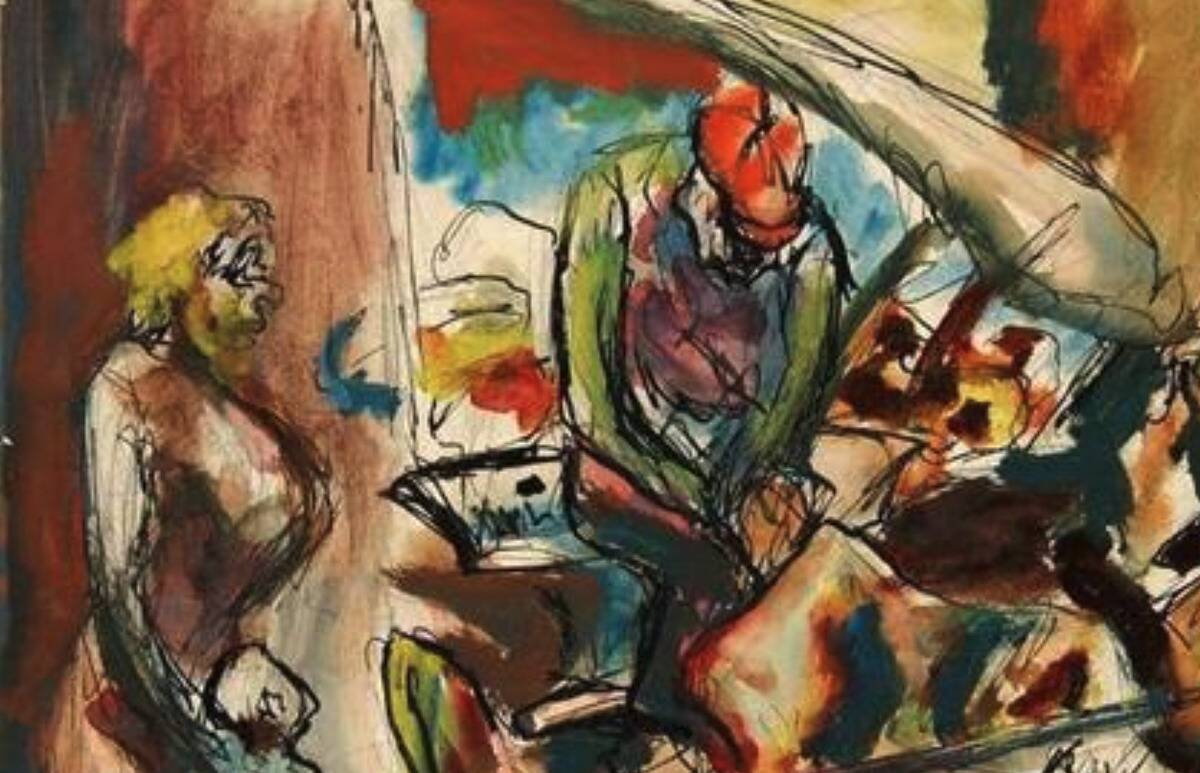
Jackson Pollock’s abstract masterpieces are a study in complexity and spontaneity, with layers of paint that seem to dance across the canvas. His technique, known as “drip painting,” involves an intricate interplay of colors and forms, creating a sense of movement and energy. Pollock’s work invites viewers to lose themselves in the chaos, finding order within the abstract. Each piece is a testament to the power of art to evoke emotion and challenge conventional perceptions of beauty and form.
The Political Underpinnings of Picasso’s “Guernica”
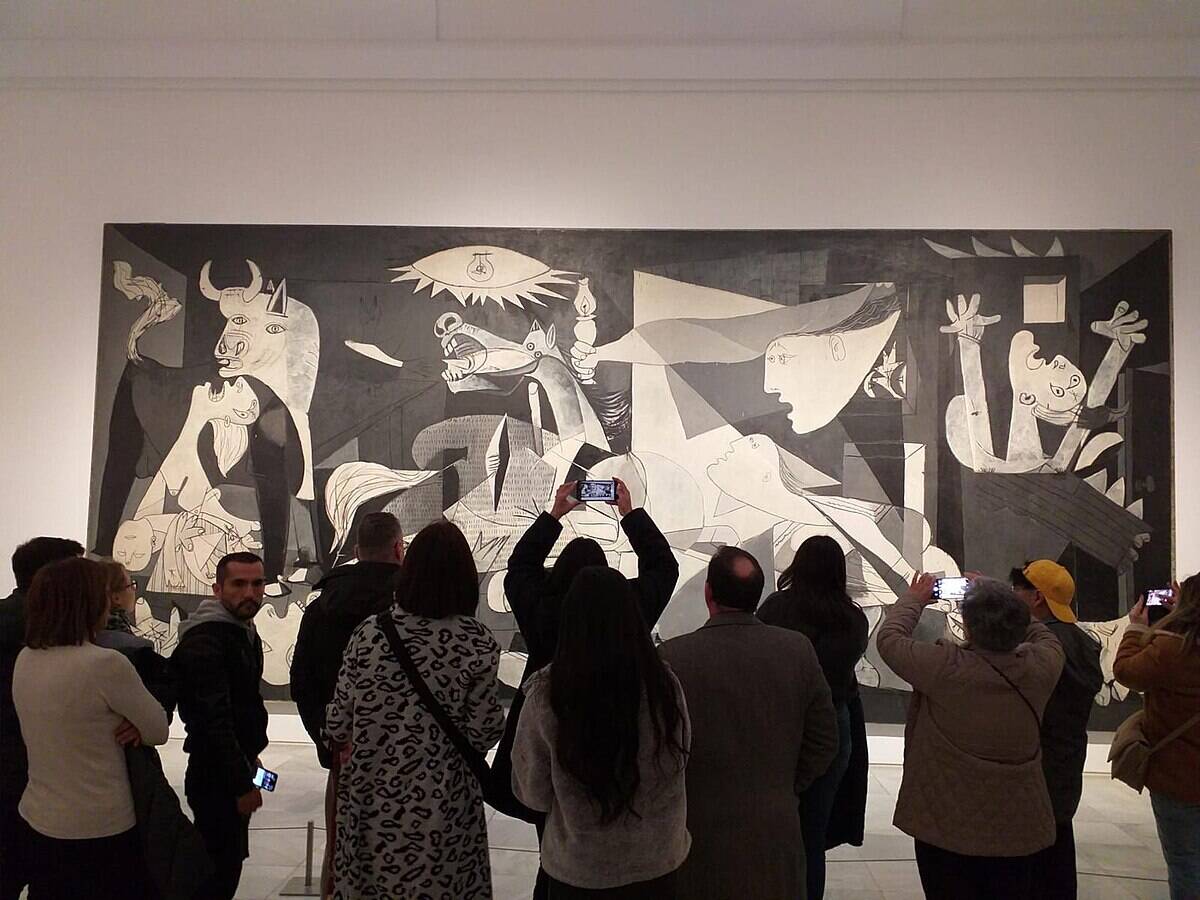
Picasso’s “Guernica” is a powerful political statement, created in response to the bombardment of the Basque town during the Spanish Civil War. The painting’s monochromatic palette and distorted figures convey the chaos and suffering of war. Hidden within the composition are symbols of hope and despair, such as the lightbulb that represents technological advancement and destruction. “Guernica” serves as a timeless reminder of the horrors of conflict, capturing the emotional and political turmoil of its era.
The Mona Lisa’s Enigmatic Smile and Subtle Background Details
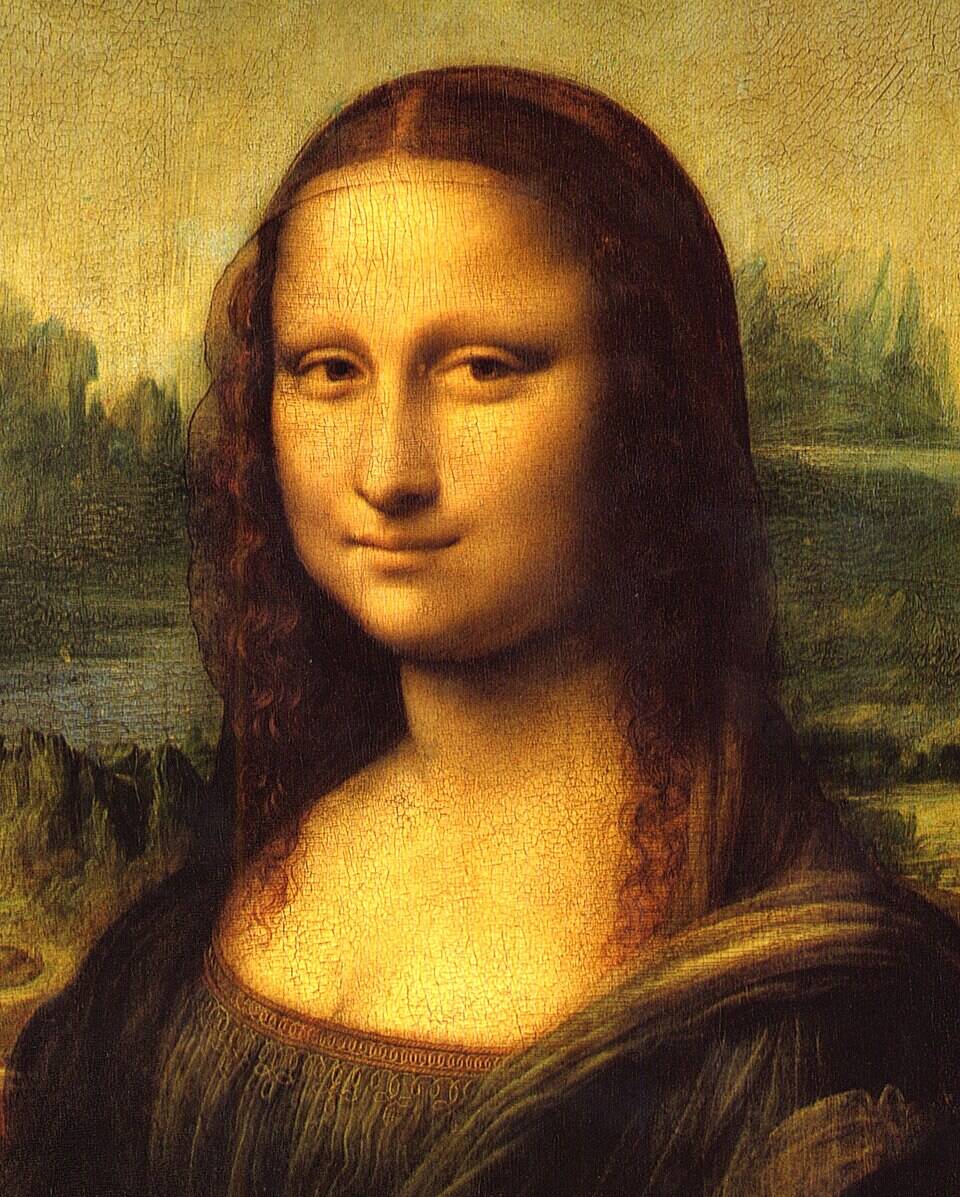
Leonardo da Vinci’s Mona Lisa is famous for her mysterious smile, which seems to change depending on the viewer’s perspective. This optical illusion is achieved through subtle shadowing and an understanding of human anatomy. Beyond her smile, the background holds secrets as well, with winding paths and distant mountains that add to the painting’s allure. These elements, expertly crafted, invite viewers to question the reality of what they see, enhancing the painting’s enigmatic nature.