20 Helpful tips to know about caring for senior dogs

Trending Now
As your dog reaches their senior years, you’ll likely notice both physical and emotional shifts that come with aging. Their needs won’t be quite the same as when they were younger, but with some added care and thoughtful adjustments, your loyal friend can continue to lead a joyful, comfortable life. Here are a few essential things to keep in mind when looking after your aging canine companion.
They Aren’t As Active As They Were
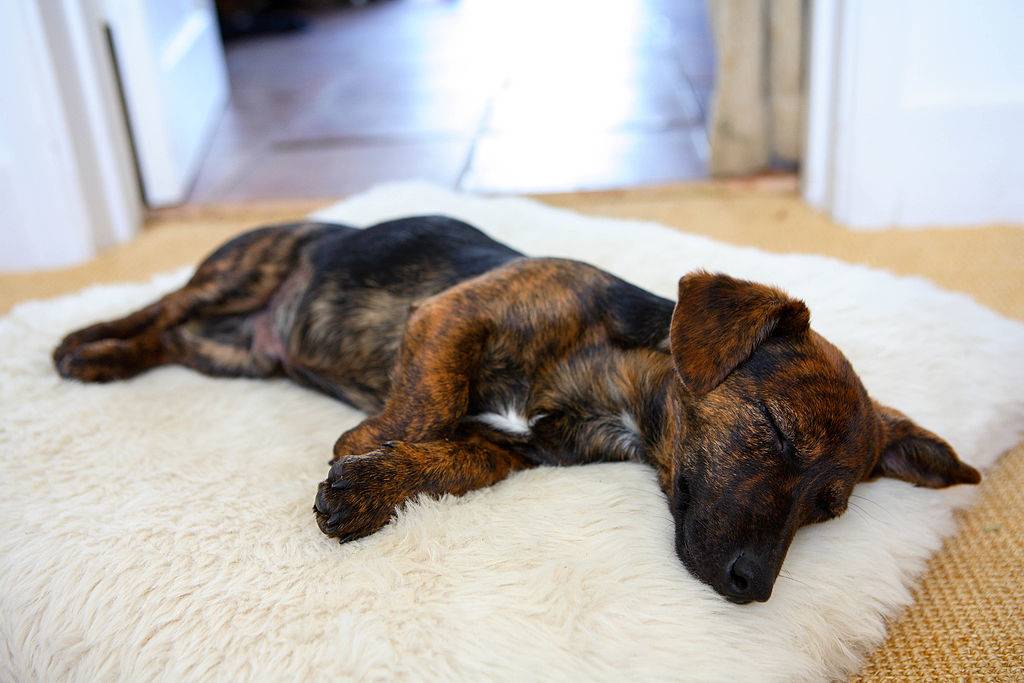
It’s natural to get carried away during playtime, but it’s important to remember that senior dogs typically don’t have the stamina or agility they once did. According to Certified Canine Rehabilitation Therapist Barbara Butler, aging dogs often experience weakening in their back legs and can struggle with paw placement and spatial awareness.
To keep them safe and comfortable, it’s essential to adjust their activities as they grow older. Opt for gentle, low-impact exercises that keep them moving without putting unnecessary strain on their bodies.
They Still Love Outings
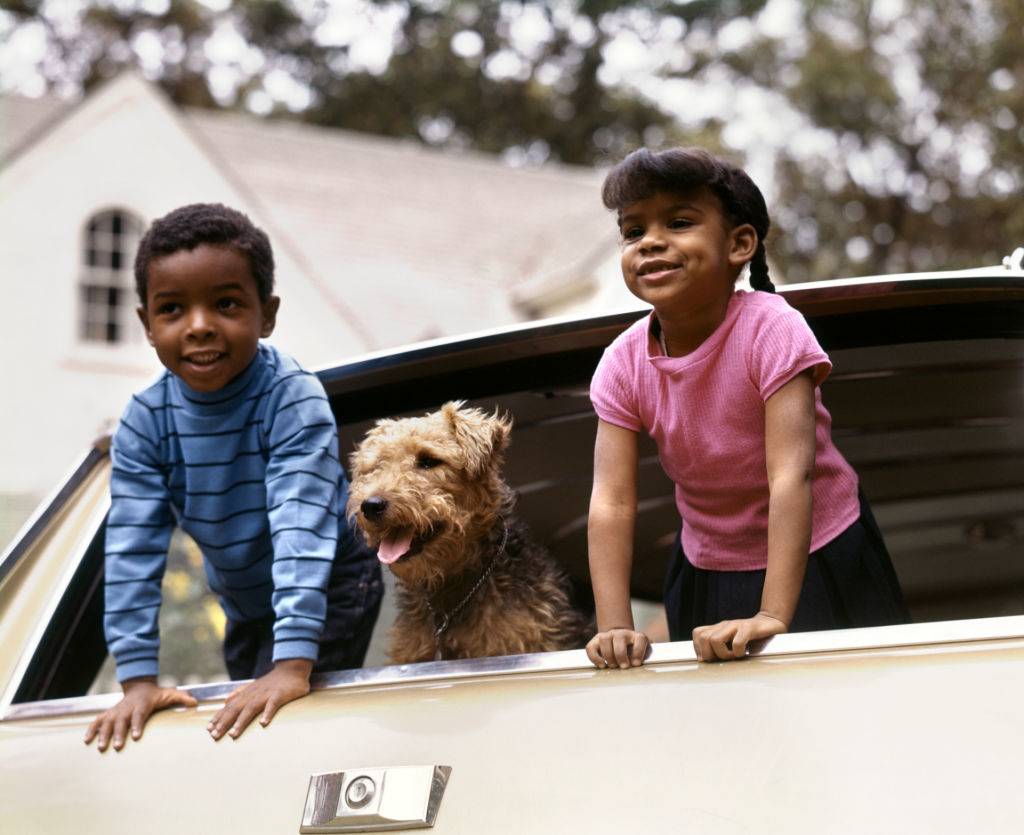
Just because senior dogs have slowed down a bit doesn’t mean they’ve lost interest in the world around them. They still enjoy getting out and about—just on their own terms. Since every dog has a unique personality, it’s important to honor their comfort levels when it comes to socializing with people and other dogs.
Whether your pup is outgoing or prefers a quieter vibe, sticking to familiar social routines can go a long way. These interactions not only lift their spirits but also reinforce that they’re still a valued part of the pack.
They May Start Having Bathroom Difficulties
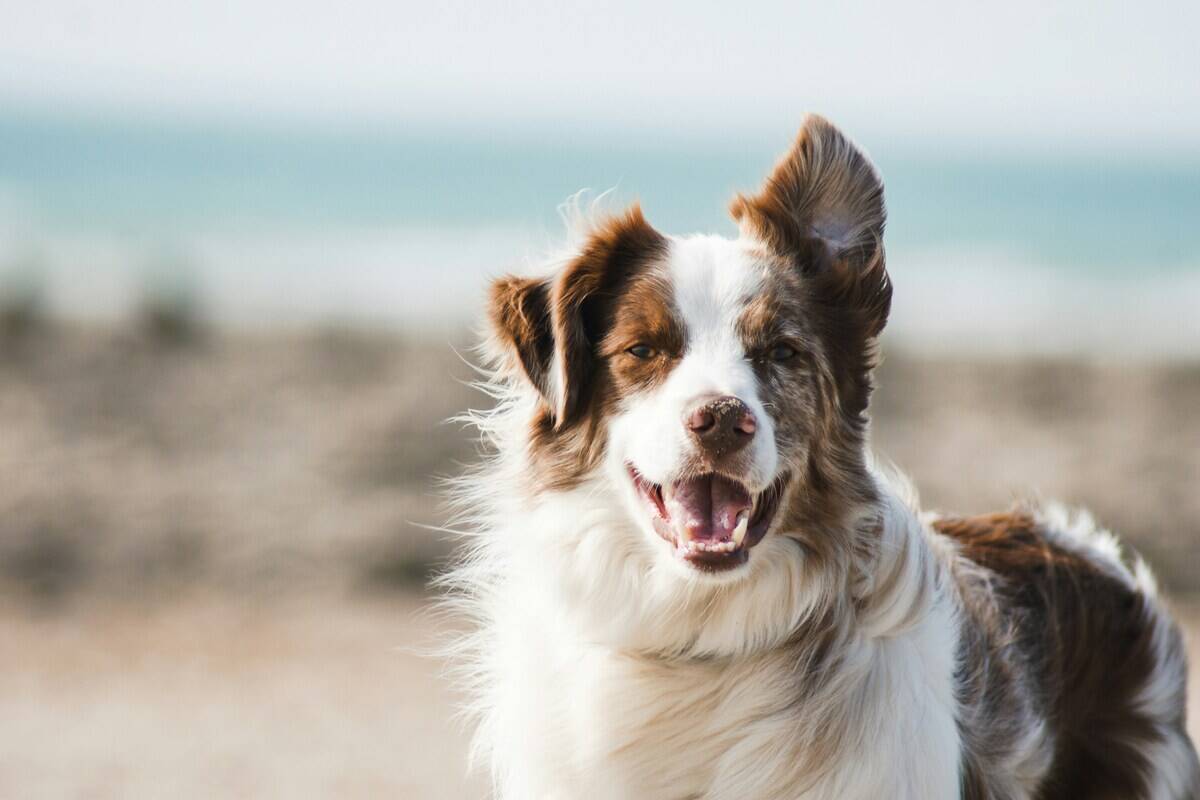
The American Kennel Club highlights that abrupt shifts in an older dog’s bathroom habits can stem from many causes, ranging from neurological problems to weakening muscle control. These issues might appear as unexpected accidents indoors or struggles with elimination.
If you observe any odd behavior, the best move is to consult your vet right away. Identifying the underlying cause is crucial to determining the right approach—whether that involves changing their diet, prescribing medication, or bringing back aids like puppy pads to make things easier.
Massages Can Soothe Their Aching Joints
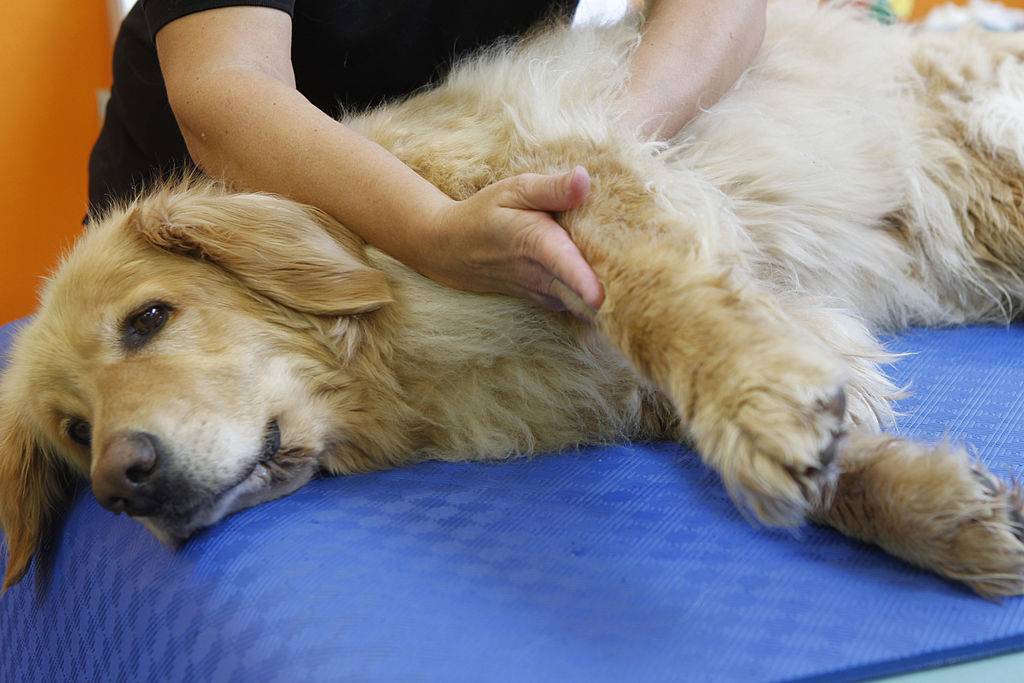
The American Kennel Club recommends massage as an easy, comforting method to ease muscle soreness and joint pain—particularly for senior dogs or those dealing with arthritis. Gentle kneading helps boost circulation, encourages relaxation, and can even reduce anxiety.
The trick is to stay gentle and tuned in to your dog’s reactions. If they flinch, stiffen, or try to pull away, it’s a cue to soften your pressure. A good massage should feel soothing, never painful. Plus, it’s an excellent way to prepare your dog before walks or help them unwind afterward, reducing stiffness and lowering the risk of injury.
They Will Likely Have Weakened Eyesight
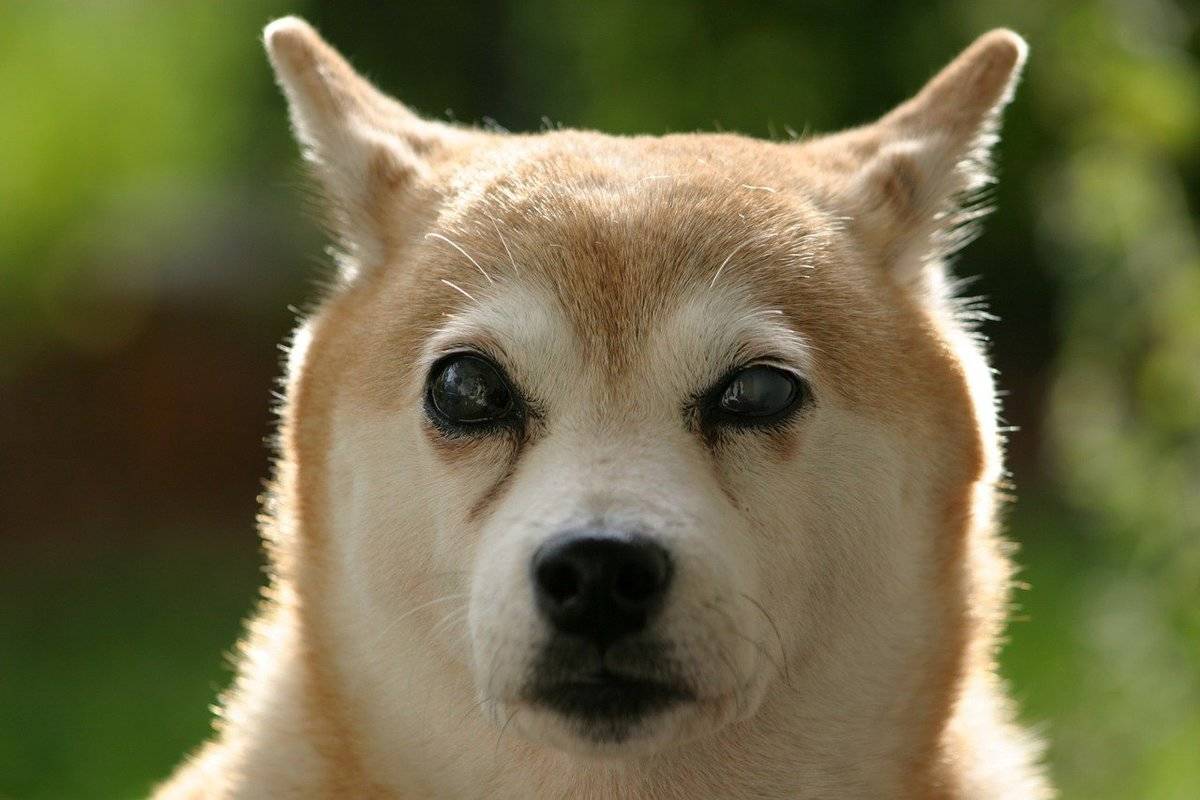
As dogs age, vision issues become more common, though they can be easy to miss at first. Cataracts, which cause a cloudy appearance in the eyes, are a frequent culprit behind blindness in dogs.
Other potential causes include tumors, high blood pressure, untreated infections, and more. The American Kennel Club notes that signs of vision loss are often subtle—like your dog suddenly hesitating to jump onto the couch. Keeping a close eye on any behavioral changes and adjusting activities accordingly can help your dog stay safe and comfortable as their eyesight changes.
They May Need Increased Grooming
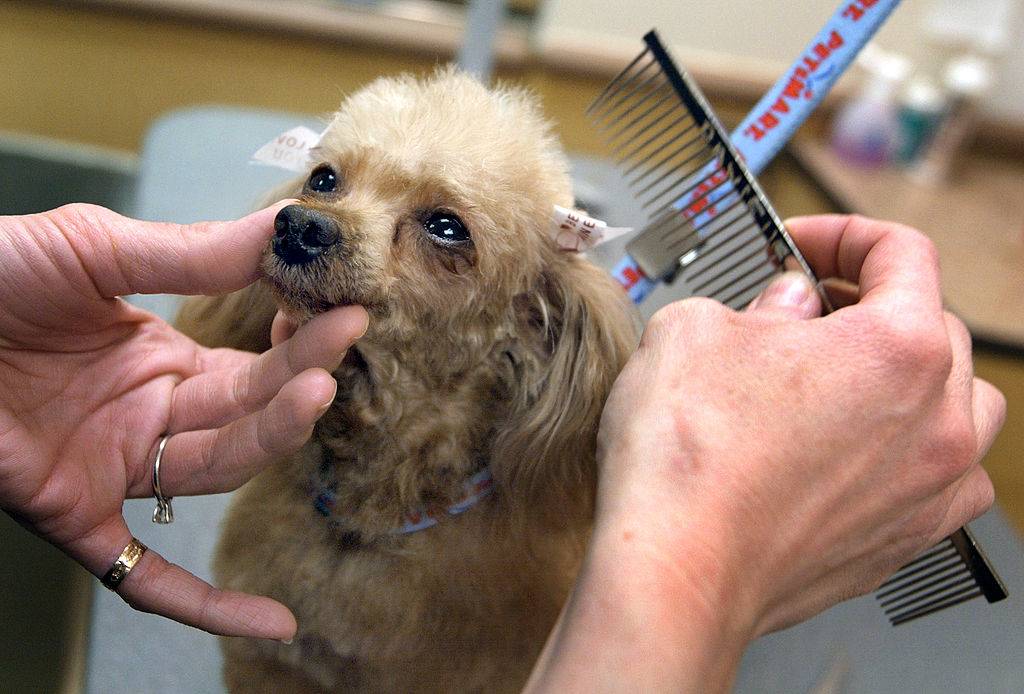
Integrative veterinarian Judy Morgan told Chewy that grooming takes on greater importance as dogs get older. One reason is that aging dogs often lose some of their flexibility, making it harder for them to reach and clean certain parts of their bodies on their own. Additionally, dogs dealing with incontinence may require shorter fur in specific areas to maintain hygiene. Regular grooming also allows owners to monitor their pets closely and spot any unusual lumps or changes that might need medical attention.
Keep An Eye On Their Wounds
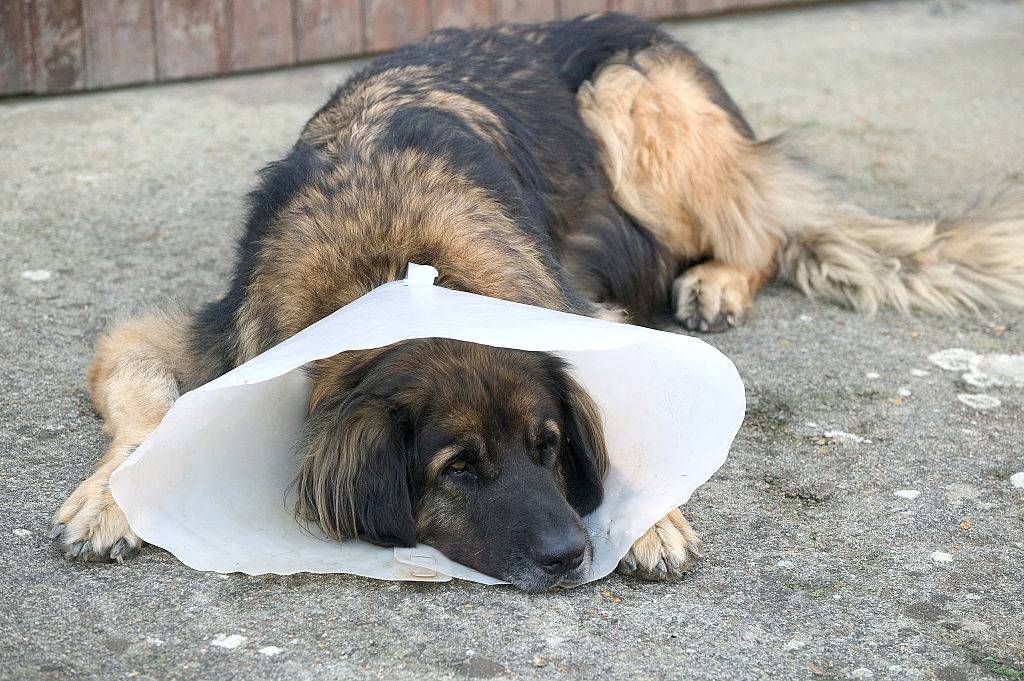
The Merck Veterinary Manual highlights several factors that can delay wound healing in pets, such as malnutrition, anemia, and obesity. Since older dogs are more prone to certain health issues or weakened immune systems, it’s especially important to monitor their wounds closely. If you observe that a wound isn’t healing as it should, don’t hesitate to reach out to your veterinarian. They might recommend tests to check for any underlying conditions that could be affecting the healing process.
Normal Tasks May Become Challenging
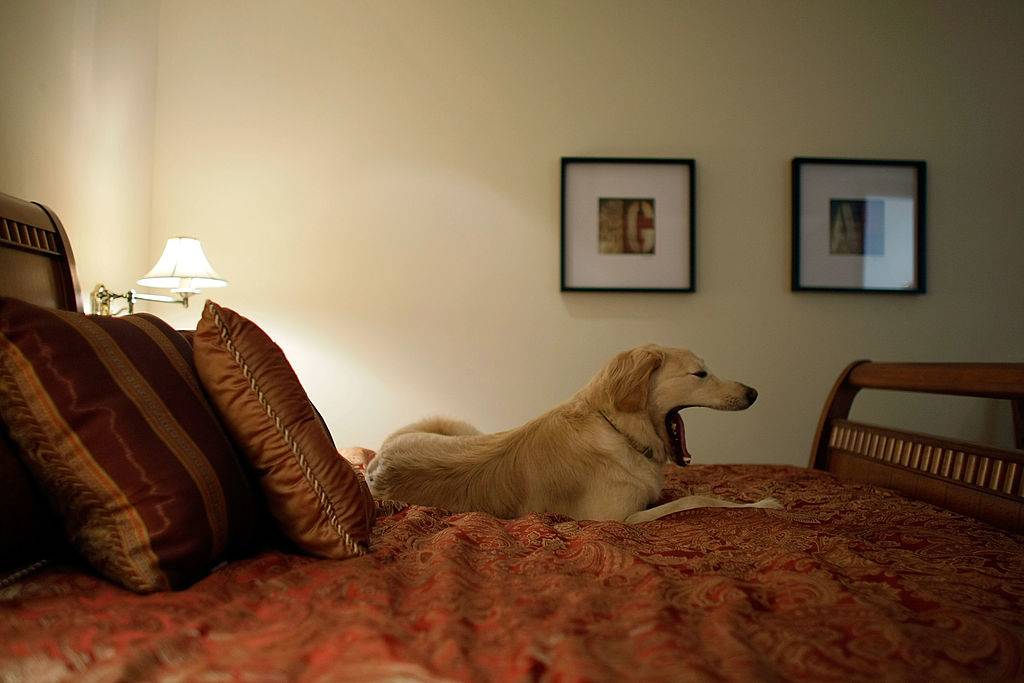
What used to be easy, like jumping onto the bed, can become a real challenge for senior dogs. To make life easier for your aging companion, think about investing in dog steps or a ramp to help them move around more comfortably.
Additionally, make sure you and any visitors stay mindful of your dog’s limited hearing and vision, as this can make it harder for them to avoid getting underfoot. Finally, keep blankets, toys, and other essentials within easy reach so they don’t have to struggle to find them.
They May Need More Dental Attention
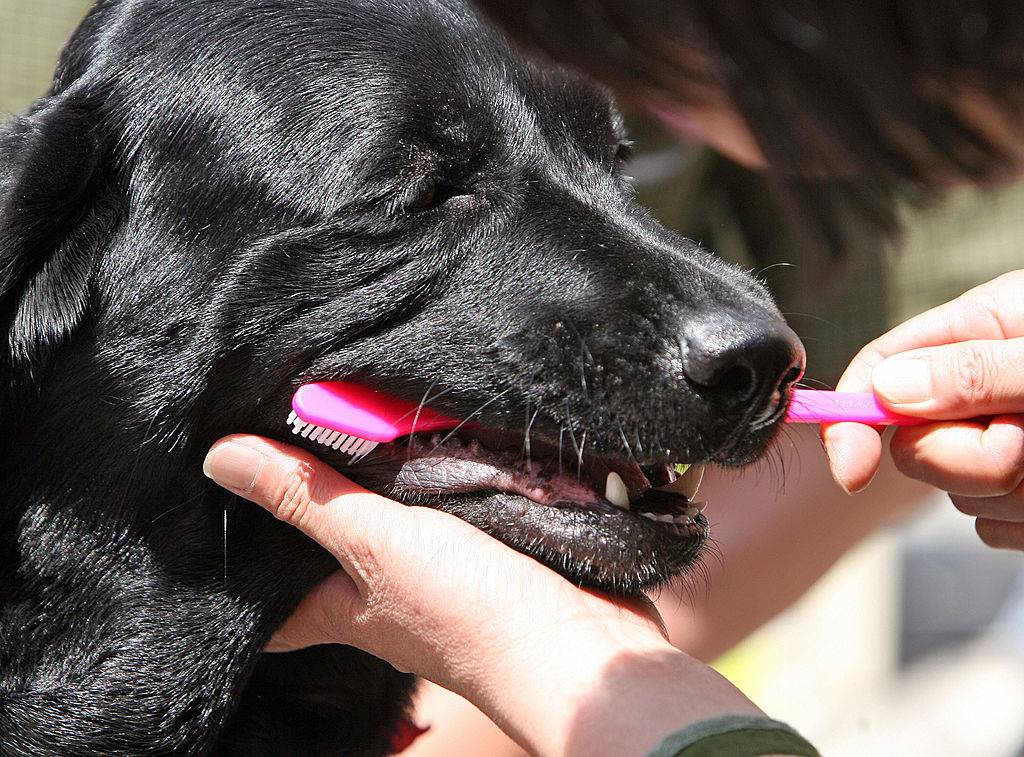
The American Veterinary Dental College reports that by the age of three, most dogs show signs of periodontal disease. Without proper dental care, senior dogs are especially vulnerable to oral infections, discomfort, and other dental problems.
The American Kennel Club also cautions that untreated dental issues can lead to tooth loss, jaw damage, and even heart disease. Along with professional cleanings, the AKC recommends using dental wipes, chews, and brushing your dog’s teeth with toothpaste designed specifically for dogs.
They Greatly Benefit From Mental Games
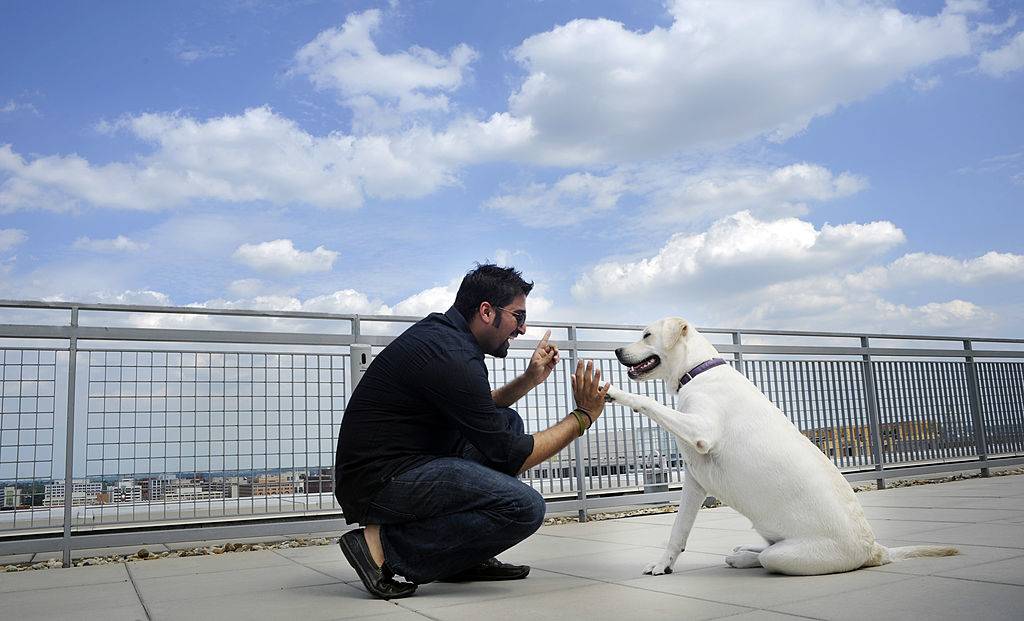
As dogs age, they usually become less active and prefer resting over playing. However, mental stimulation remains just as vital as physical exercise for their well-being.
A simple and enjoyable way to engage your senior dog’s mind is by playing “hide-and-go-treat.” Have your dog stay while you hide treats around the house. When everything’s set, give the command to “find” and watch them use their nose to discover the hidden snacks. This low-impact game keeps them mentally alert and entertained without exhausting them.
They May Become More Susceptible To Infections

If you’ve noticed that your older dog is getting infections more frequently, it could be due to a weakening immune system. Just like with people, older dogs don’t have the same strong immune system they had when they were younger.
That’s why it’s so important to keep their vaccinations and other preventive treatments, like heartworm and flea medications, up to date. Giving your dog supplements and feeding them a high-quality diet can also help keep their immune system strong.
They Can Benefit From Supplements
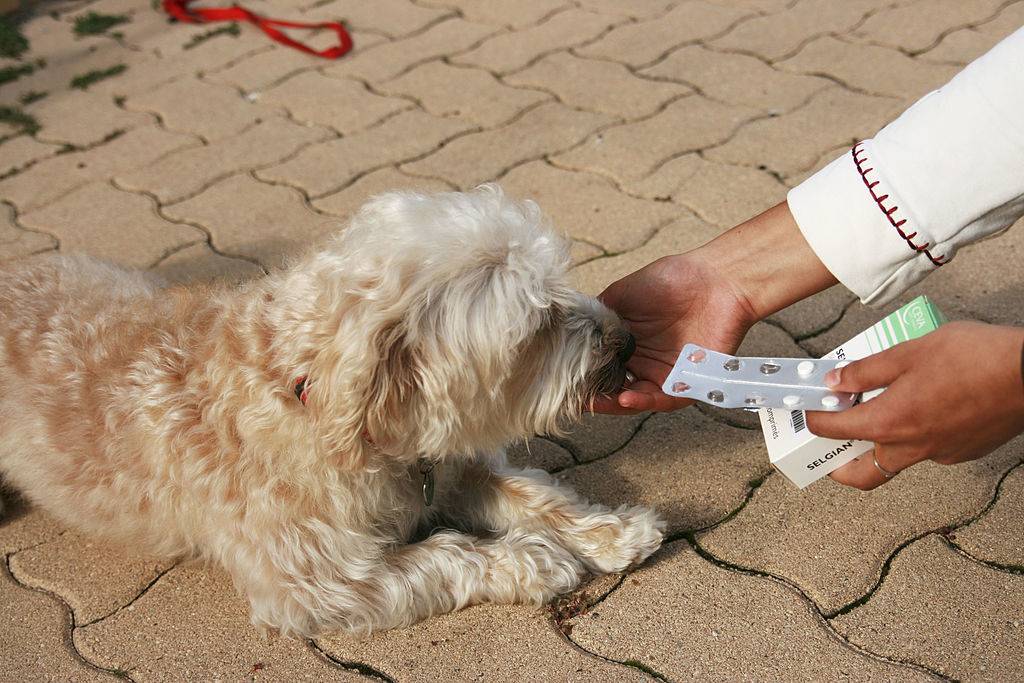
If changes in your dog’s diet prove to be too much of a feat, your vet may suggest adding some supplements to their routine to balance out any nutritional needs. Fish oil is a popular choice for aging dogs since it aids in heart and joint health.
For dogs experiencing bathroom problems, digestive enzymes and probiotics may help restore their GI function. It’s best to discuss these options with your vet to ensure that your canine has the highest quality of life possible.
Their Diet May Need Adjustments
With all of the changes that senior dogs can experience, it should come as no surprise that you may need to alter what they eat. AAHA notes that certain canine medical conditions can be managed by simply feeding your dog a nutrient-specific diet.
Since your vet has both medical training and an awareness of your dog’s unique background, they will be able to advise what to feed your dog. Changing their diet can be an arduous process, but it’s worth it.
They May Become More Sensitive To Temperature
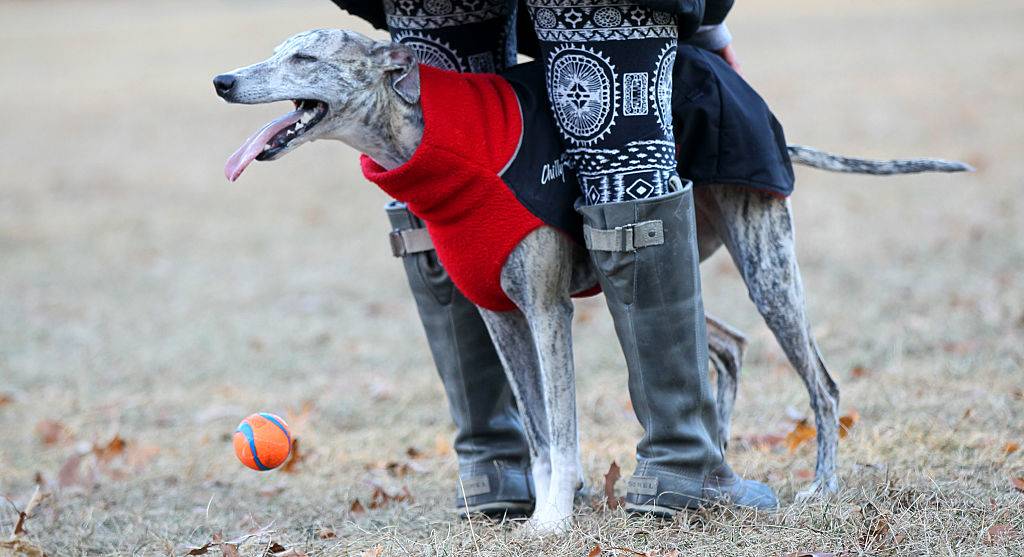
According to PetMD, older dogs are not able to regulate their temperature as well as younger ones. This means that they are at higher risk of things like heat stroke and hypothermia.
To ensure that your senior dog isn’t just healthy, but is also comfortable, be sure to keep them in a cool environment on hot days and bundle them up in the cold. Keep in mind that the temperature tolerance they had a few years ago may not be the same today.
They May Not Hear Your Commands As Well
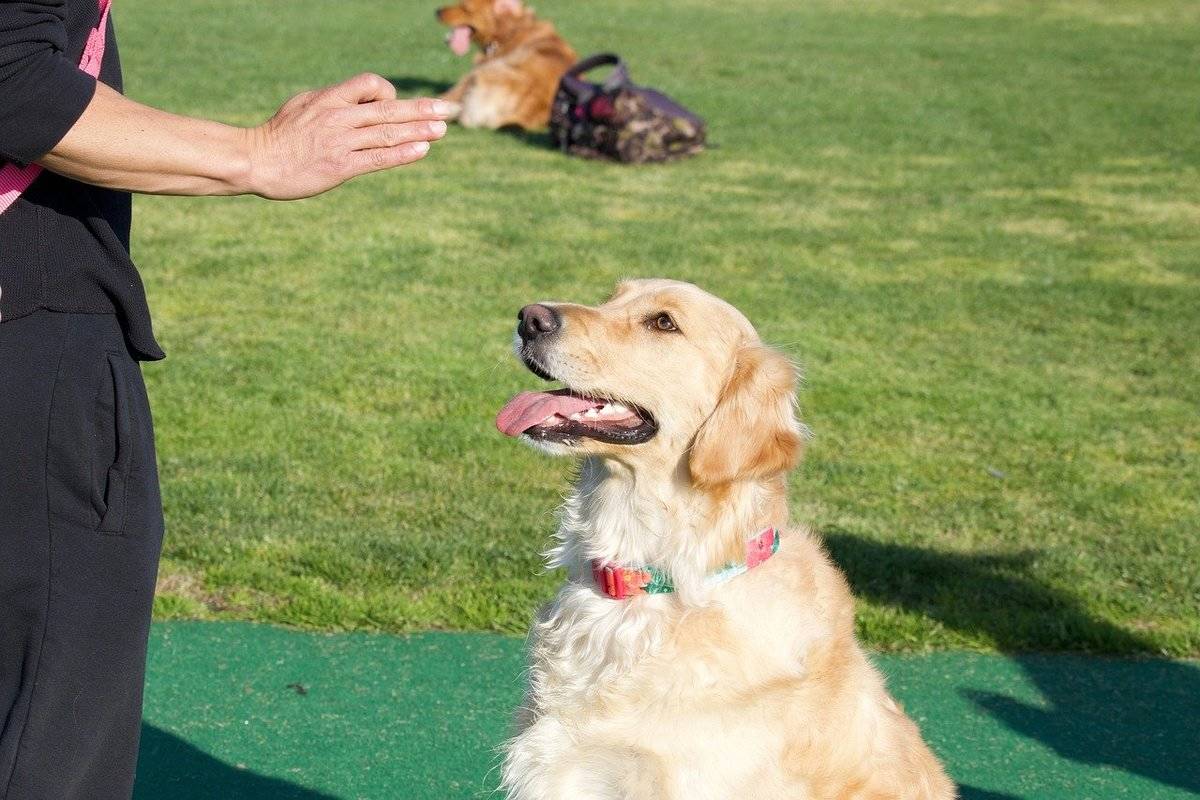
The AKC writes that hearing loss in senior dogs is often caused by degenerative changes in the ear nerves. The first thing you may notice is that your furry friend seems to be ignoring your commands.
Another sign is when noises no longer capture their attention. If these signs arise, it’s important to mention them to your vet. If your dog is losing their hearing, you may become more reliant on hand signals as a form of communication.
Take Notice Of Behavioral Changes
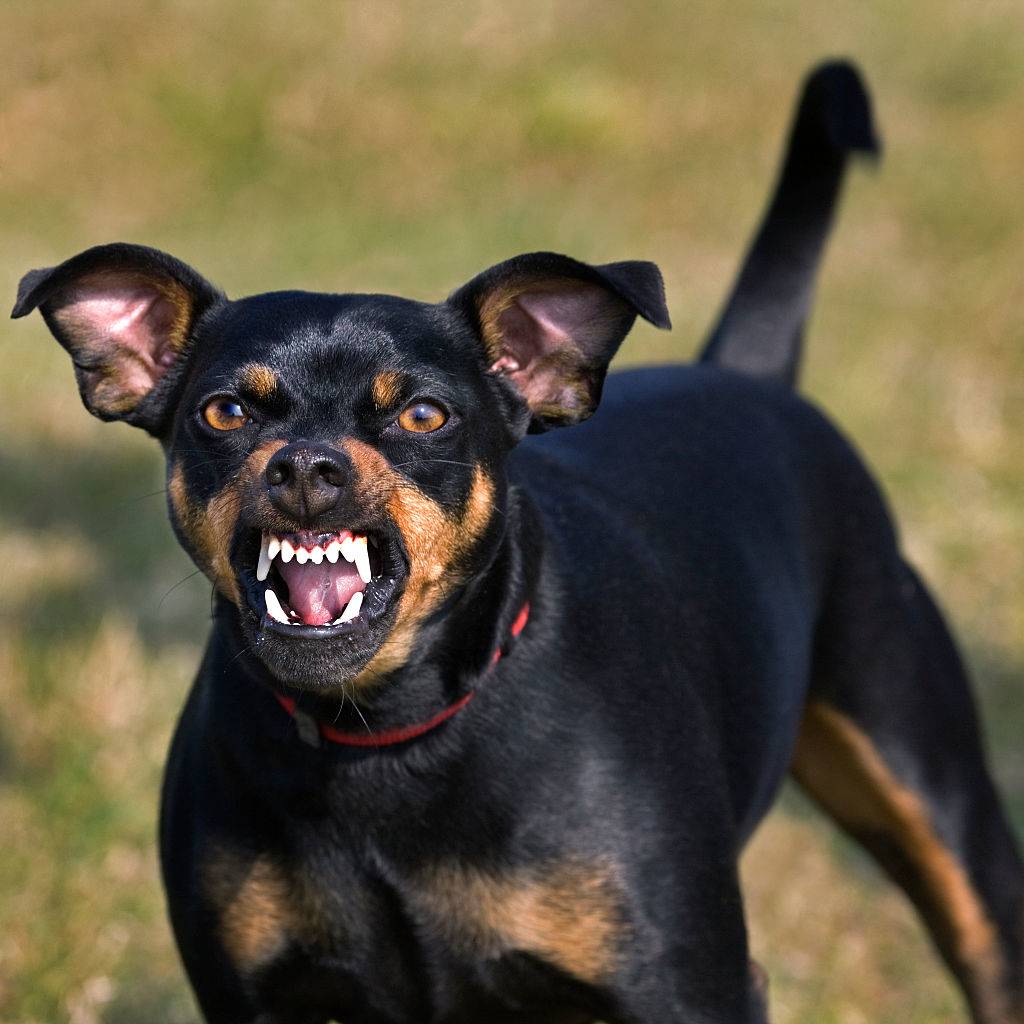
The American Animal Hospital Association encourages pet owners to take notice of their dog’s behavioral changes and bring the topic up at their next wellness check. If your pet seems uncharacteristically grumpy, then there is a reason why.
Your vet can help you uncover what may be causing these behaviors and can suggest a plan of action. Your dog’s change in attitude may stem from pain or discomfort that can be alleviated with early intervention.
They May Become More Easily Confused
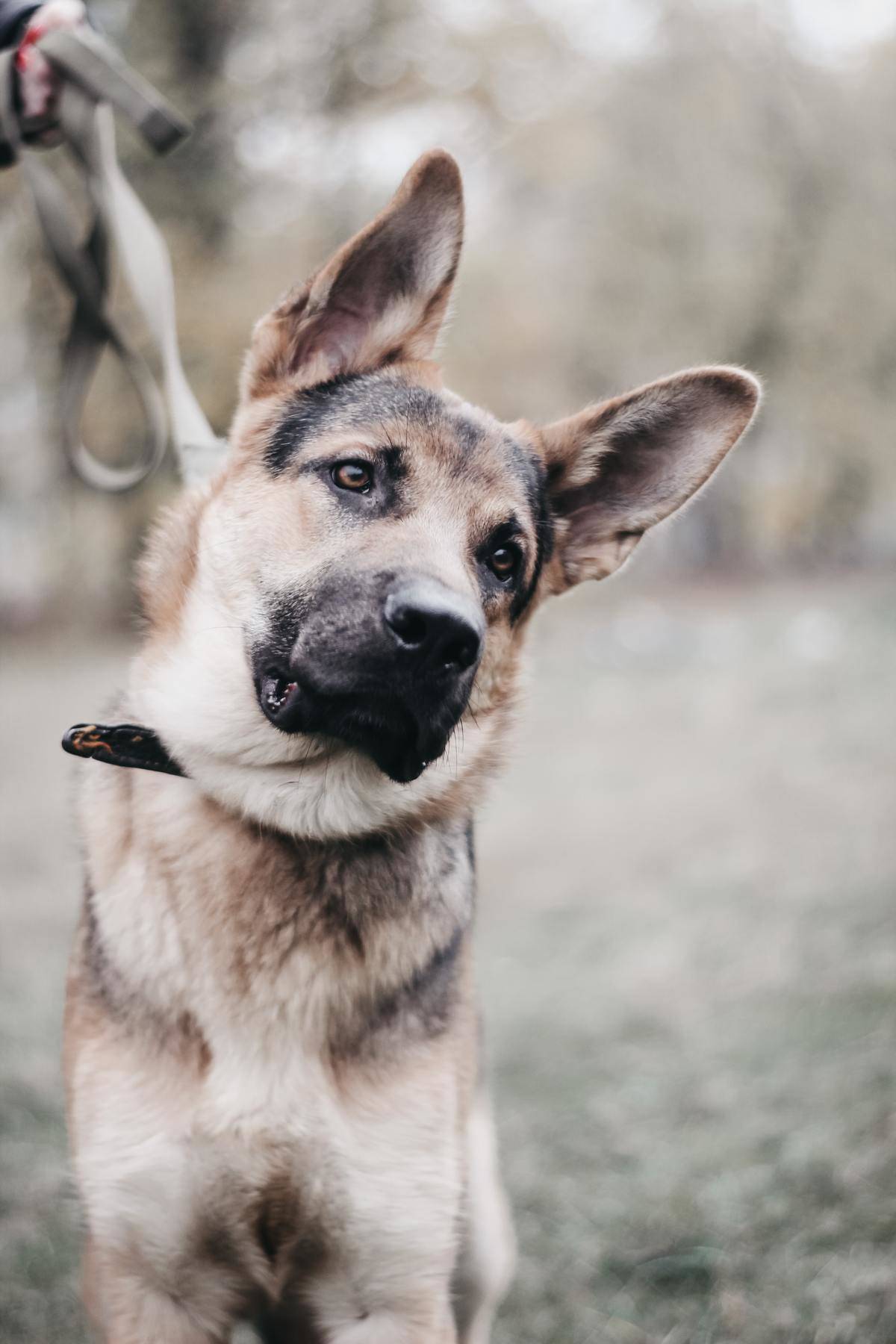
With all of the changes senior dogs may be going through, it’s no wonder they can become confused. From loss of mobility, eyesight, and hearing to cognitive illnesses, canines can become unsure of themselves and their surroundings.
That’s why it’s especially important to keep a close eye on your dog when they are getting old. Additionally, avoid rearranging furniture and consider blocking off the stairwell to prevent your pet from running into something or falling.
They Love Your Love!
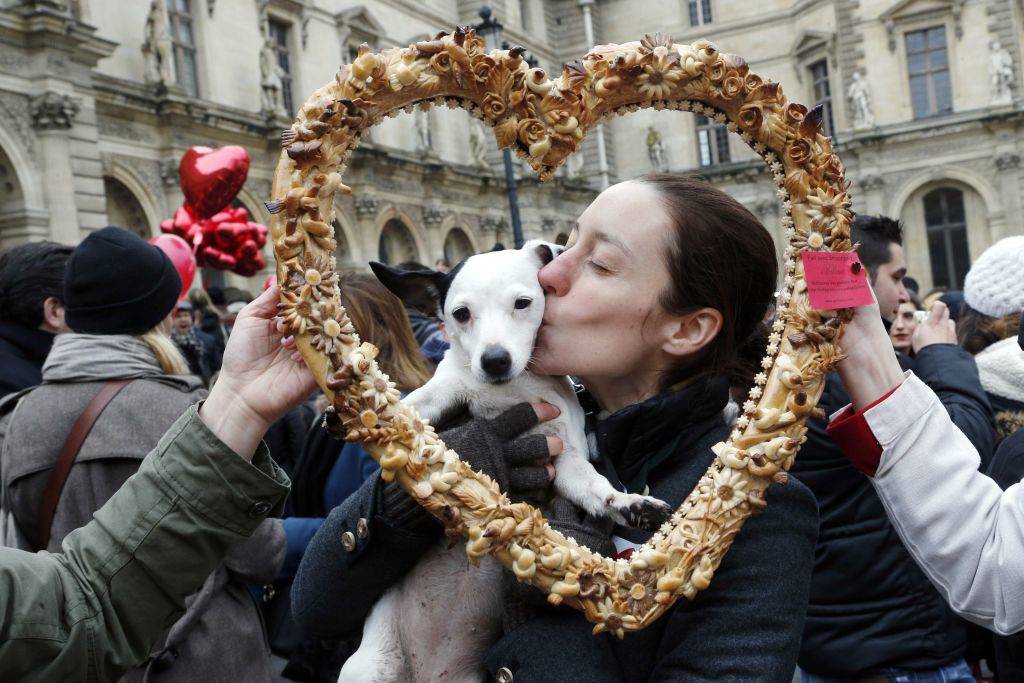
Last but not least, remember that your senior dog still loves your affection as much as they did when they were a puppy. As their abilities gradually fade, they one thing they’ll want to know has remained the same is your love and appreciation.
Include them in as many activities as you can, even if that just means snuggling on the couch every evening. Dogs will stick by your side to the bitter end, so be sure to return the favor.
They May Need Semi-Annual Wellness Checks
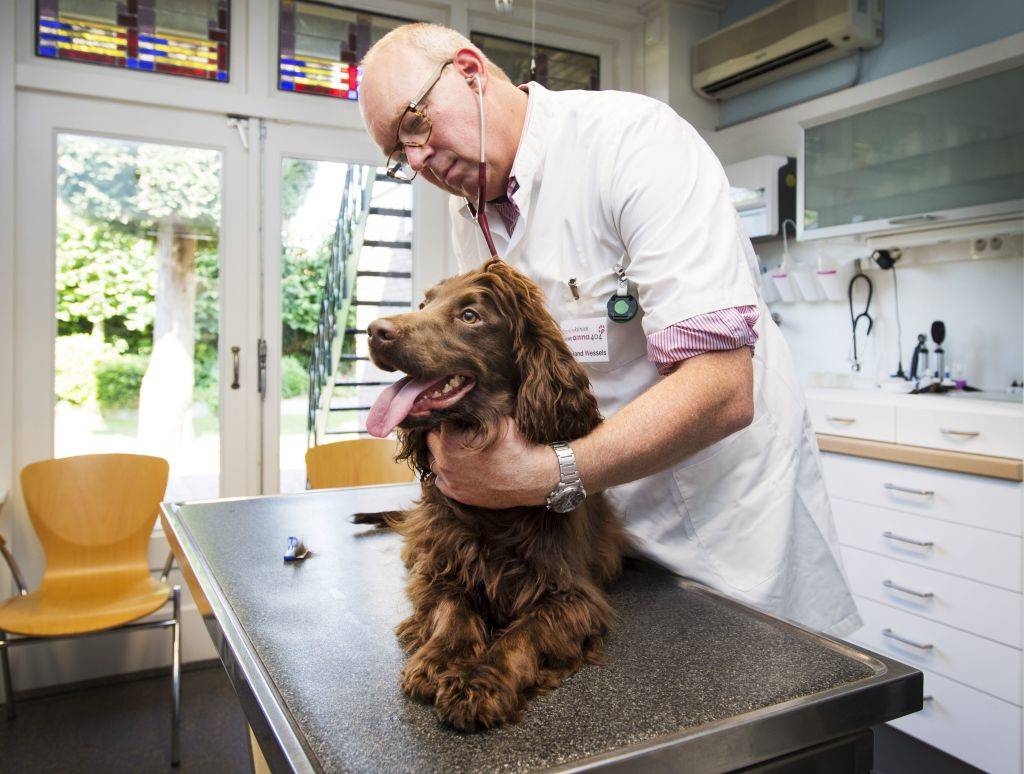
As dogs age, they become more susceptible to health problems, making regular vet visits essential. At the very least, senior dogs should have a yearly checkup, but many vets, including those with the American Animal Hospital Association (AAHA), suggest bringing them in every six months.
These visits usually involve a full physical exam, checking things like temperature and digestive health. It’s also important for pet owners to mention any changes in their dog’s activity or mobility. This helps vets spot age-related issues, like arthritis, early on.
Watch Out For Changes In Their Physique
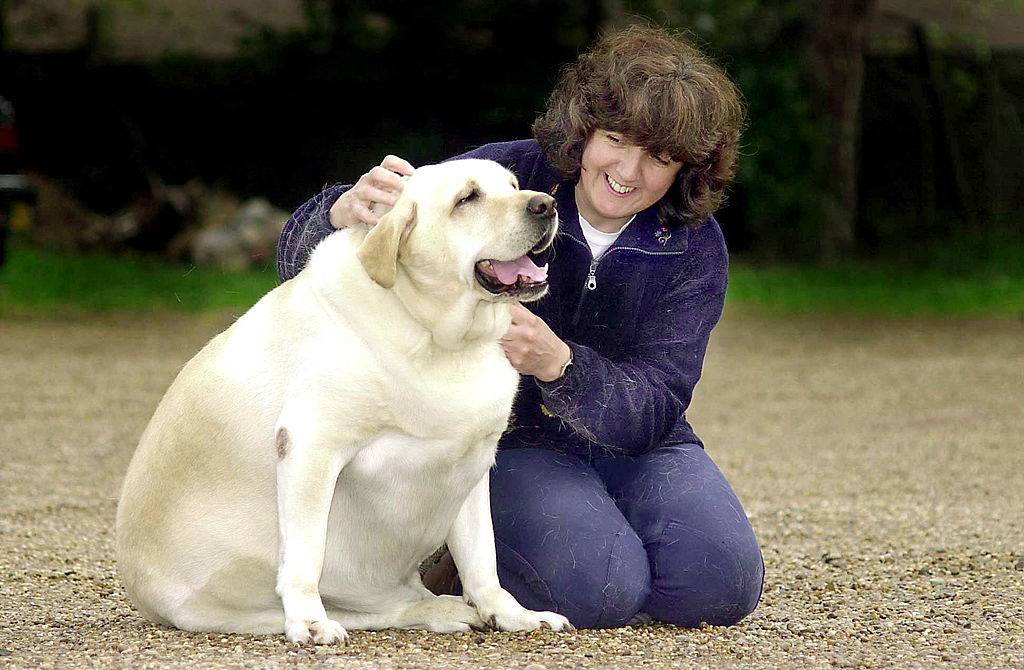
As your dog becomes less active, it’s normal for them to gain a little bit of weight. However, if they gain too much weight it can begin to exacerbate other issues and put a lot of strain on their aging joints.
On the other hand, canines who have suddenly lost a lot of weight may be exhibiting signs of kidney or thyroid disease. In addition to their weight, take notice of any lumps or skin growths that have developed recently and show them to your vet.