The truth about how the brain reacts to danger

Trending Now
Imagine you’re walking in the park and suddenly a dog darts towards you, barking. Instinctively, you jump back. This is your brain’s rapid response to danger, an incredible mechanism honed over millennia.
Our brains are designed to react quickly to potential threats, ensuring our survival in a world that can be unpredictable. This swift response is a marvel of evolution, combining various brain functions to keep us safe and sound.
Understanding the Fight or Flight Response

The fight or flight response is a physiological reaction that occurs in response to perceived harmful events, attacks, or threats to survival. When faced with danger, our body prepares to either confront the threat or flee.
This response involves a cascade of hormonal changes and physiological responses, enabling us to act swiftly. It’s a survival mechanism that dates back to our ancestors, who needed quick reflexes to avoid predators.
The Role of the Amygdala in Perceiving Threats

The amygdala, a small almond-shaped cluster of nuclei located deep within the temporal lobes, plays a crucial role in processing emotions and perceiving threats. It’s the brain’s alarm system, detecting potential dangers and triggering the appropriate response.
When the amygdala senses a threat, it sends signals to other parts of the brain to initiate a rapid response. This process is essential for our survival, allowing us to react to danger before we’re even consciously aware of it.
Brain Chemistry: Neurotransmitters on High Alert
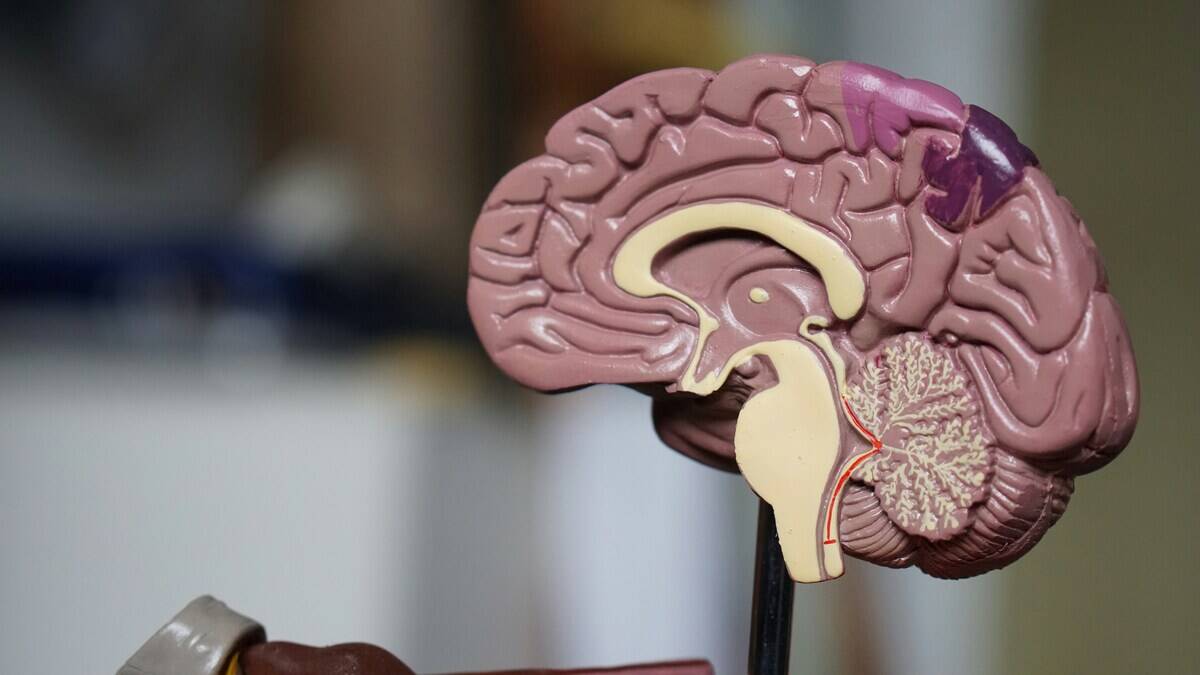
In moments of danger, neurotransmitters in the brain kick into high gear. Chemicals like norepinephrine and dopamine are released, heightening our alertness and focus.
These neurotransmitters help us react quickly, sharpening our senses and preparing our muscles for action. This chemical surge is vital for a swift reaction, ensuring that every part of our body is ready to respond to the threat at hand.
Blink and You’ll Miss It: The Millisecond Reaction

Our brains are capable of processing a threat in milliseconds. This rapid reaction time is crucial, as even a fraction of a second can make a difference in a dangerous situation. Studies have shown that the brain can begin to process visual information in as little as 13 milliseconds.
This speed is impressive, allowing us to react almost instantaneously to sudden changes in our environment.
How Evolution Equipped Our Brains for Survival

Over time, evolution has equipped our brains with the tools needed for survival. The ability to react quickly to threats has been a significant advantage in the wild.
Our ancestors faced numerous dangers, from predators to environmental hazards, and their ability to respond swiftly was key to their survival. This evolutionary pressure has shaped our brain’s response mechanisms, ensuring we can handle threats effectively.
The Speed of Sound vs. Brain Reaction Time

When it comes to speed, the brain’s reaction time is a fascinating topic. While sound travels at approximately 343 meters per second, the brain can process auditory information in just a few hundred milliseconds.
This quick processing time allows us to react to sounds almost as soon as we hear them. Whether it’s the roar of an approaching car or a sudden loud noise, our brains are primed to respond swiftly.
Real-Life Scenarios: When Seconds Matter

In many real-life scenarios, quick brain reactions can be the difference between safety and harm. For instance, drivers rely on rapid responses to avoid accidents on the road. Athletes use quick reflexes to excel in sports.
Even in everyday situations, like catching a falling object, our brain’s ability to react swiftly is put to the test. These scenarios highlight the importance of our brain’s rapid response capabilities.
The Brain’s Network: Communication in Crisis
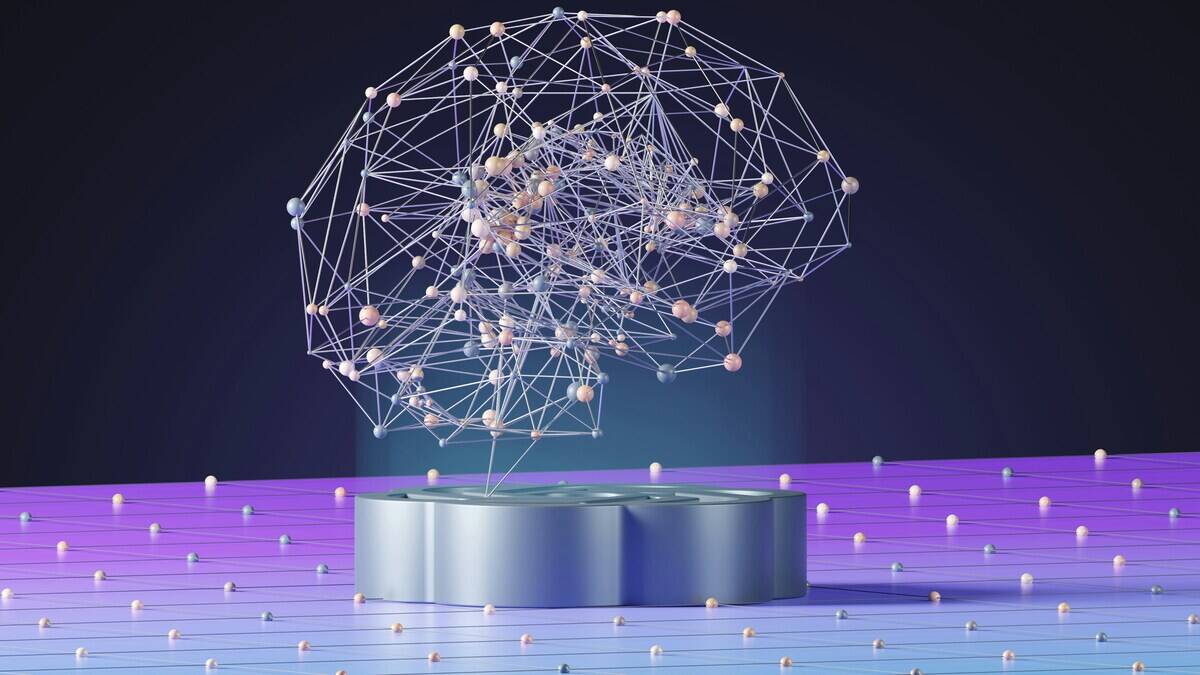
In a crisis, the brain’s network of neurons communicates rapidly to coordinate a response. Different brain regions work together, sharing information and activating the necessary physiological changes.
This communication is essential for a quick and effective reaction, ensuring that every part of the body is prepared to respond. The brain’s ability to coordinate such a complex response in a short time is truly remarkable.
Hormones in Action: Adrenaline’s Role

Adrenaline is often called the “fight or flight” hormone, and for a good reason. When a threat is detected, adrenaline is released into the bloodstream, increasing heart rate and blood flow to muscles.
This hormone prepares the body for immediate action, whether it’s to fight the danger or flee from it. The surge of adrenaline is a crucial component of the body’s rapid response system, enhancing physical capabilities when needed most.
Can We Train Our Brains to React Faster?

The idea of training our brains to react faster is intriguing. While some aspects of reaction time are hardwired, certain activities can improve it. Regular physical exercise, cognitive training, and even playing video games can enhance the brain’s processing speed.
These activities stimulate the brain, encouraging faster communication between neurons and improving overall reaction times. With practice, it’s possible to sharpen our quick-response skills.
The Impact of Stress on Brain Response Time

Stress can have a significant impact on brain response time. While a certain level of stress can enhance alertness and reaction, chronic stress can impair cognitive functions. Prolonged exposure to stress hormones like cortisol can slow down the brain’s processing speed, affecting our ability to react quickly.
Managing stress through relaxation techniques and mindfulness can help maintain optimal brain function and response times.
How Technology Measures the Brain’s Speed
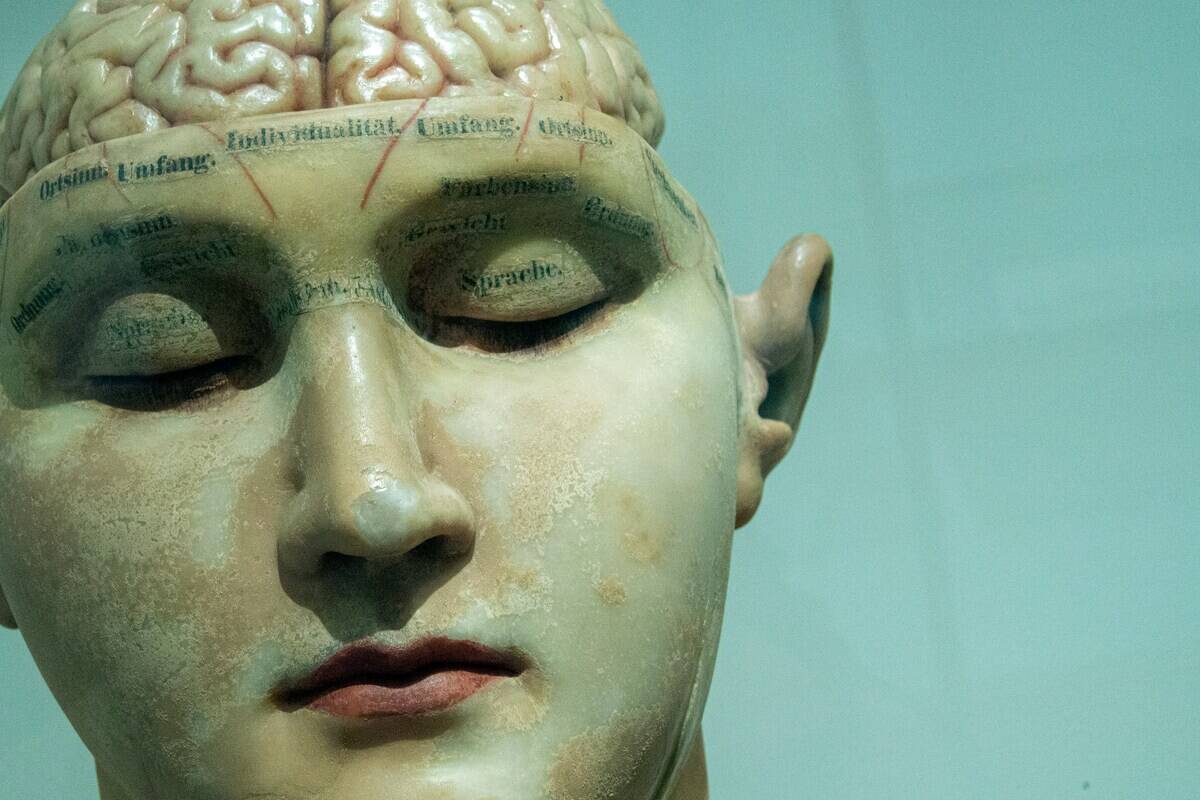
Advances in technology have given us tools to measure the brain’s speed with precision. EEGs and MRIs are used to study brain activity, providing insights into how quickly the brain processes information.
These technologies allow researchers to observe the brain in action, understanding the factors that influence reaction time. With these insights, we can develop strategies to enhance brain performance and response speed.
Comparing Human Reaction Times to Animals

When it comes to reaction times, humans aren’t always the fastest in the animal kingdom. For example, flies have incredibly quick reaction times, allowing them to dodge swats with ease.
Cheetahs, known for their speed, also have rapid reflexes that help them catch prey. While humans may not be the quickest, our reaction times are remarkably adaptable, allowing us to respond effectively to a wide range of situations.
The Balance: Reacting Quickly and Thinking Clearly

Reacting quickly and thinking clearly can sometimes seem at odds, yet both are crucial for effective decision-making. It’s essential to strike a balance between immediate reactions and thoughtful responses.
Training and experience can help improve this balance, enabling individuals to respond swiftly without compromising judgment. By honing both quick reflexes and critical thinking skills, we can navigate complex situations more effectively.
Brain Plasticity and Adapting to New Threats
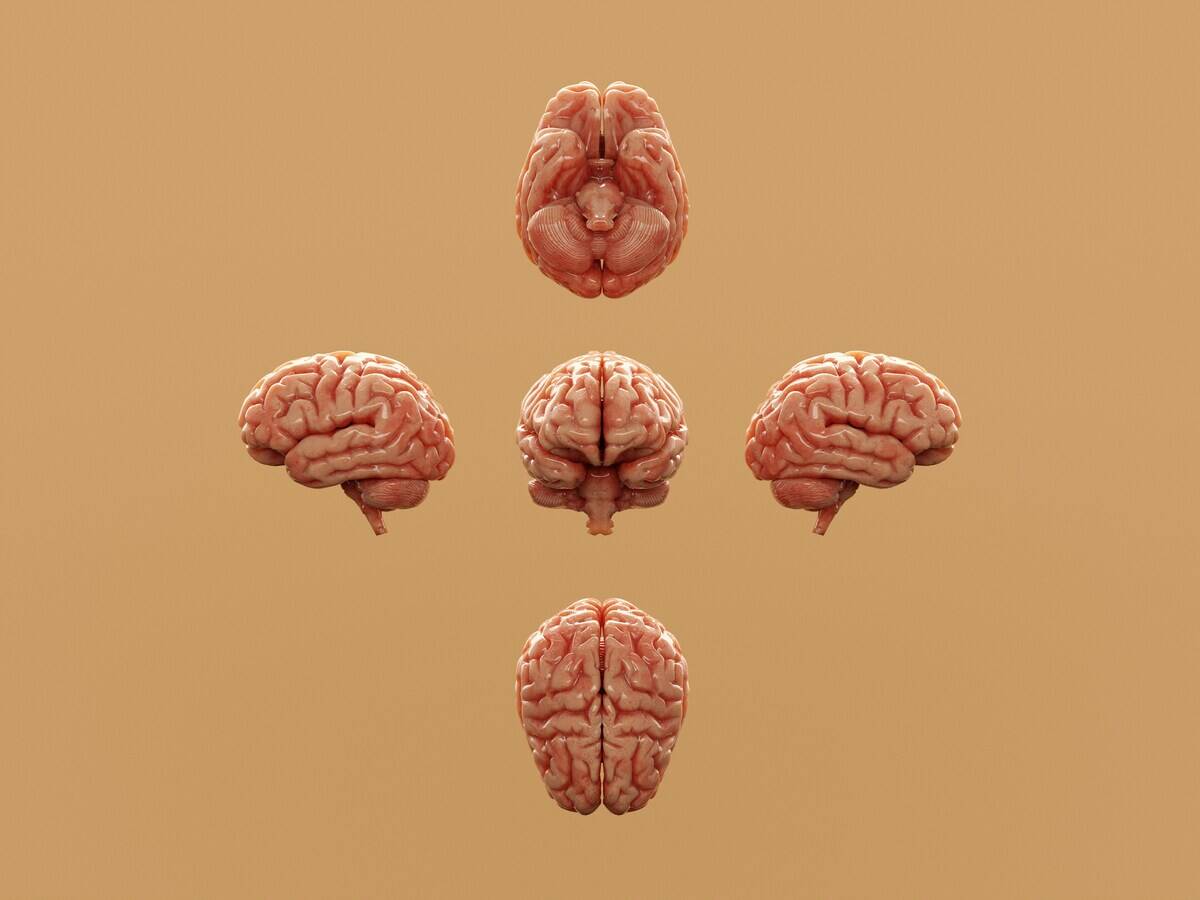
Our brains are incredibly adaptable, thanks to a property known as plasticity. This ability allows the brain to reorganize itself by forming new connections in response to learning or experience.
When faced with new threats, the brain can adapt, improving its response over time. This plasticity is crucial for survival, as it enables us to learn from past experiences and better handle future challenges.
The Influence of Sleep on Quick Brain Reactions

Sleep plays a vital role in maintaining quick brain reactions. During sleep, the brain processes information, consolidates memories, and repairs neural connections. A lack of sleep can slow down cognitive functions, impairing reaction times.
Ensuring adequate rest is essential for keeping the brain sharp and ready to respond. Quality sleep helps maintain optimal brain performance, allowing us to react swiftly when it matters most.
Surprising Factors That Slow Down Brain Response

Several factors can unexpectedly slow down brain response times. Poor nutrition, dehydration, and lack of physical activity can all impair cognitive functions.
Additionally, distractions such as excessive screen time or multitasking can reduce the brain’s efficiency. Being aware of these factors can help us take steps to minimize their impact, ensuring our brains remain responsive and alert.
How Age Affects the Brain’s Reaction Time

As we age, changes in the brain can affect reaction times. Neural processing tends to slow down, and the brain’s ability to form new connections decreases. However, staying mentally and physically active can mitigate these effects.
Engaging in challenging activities, maintaining a healthy lifestyle, and fostering social connections can help preserve cognitive functions and reaction times throughout life.
The Future of Enhancing Our Brain’s Speed
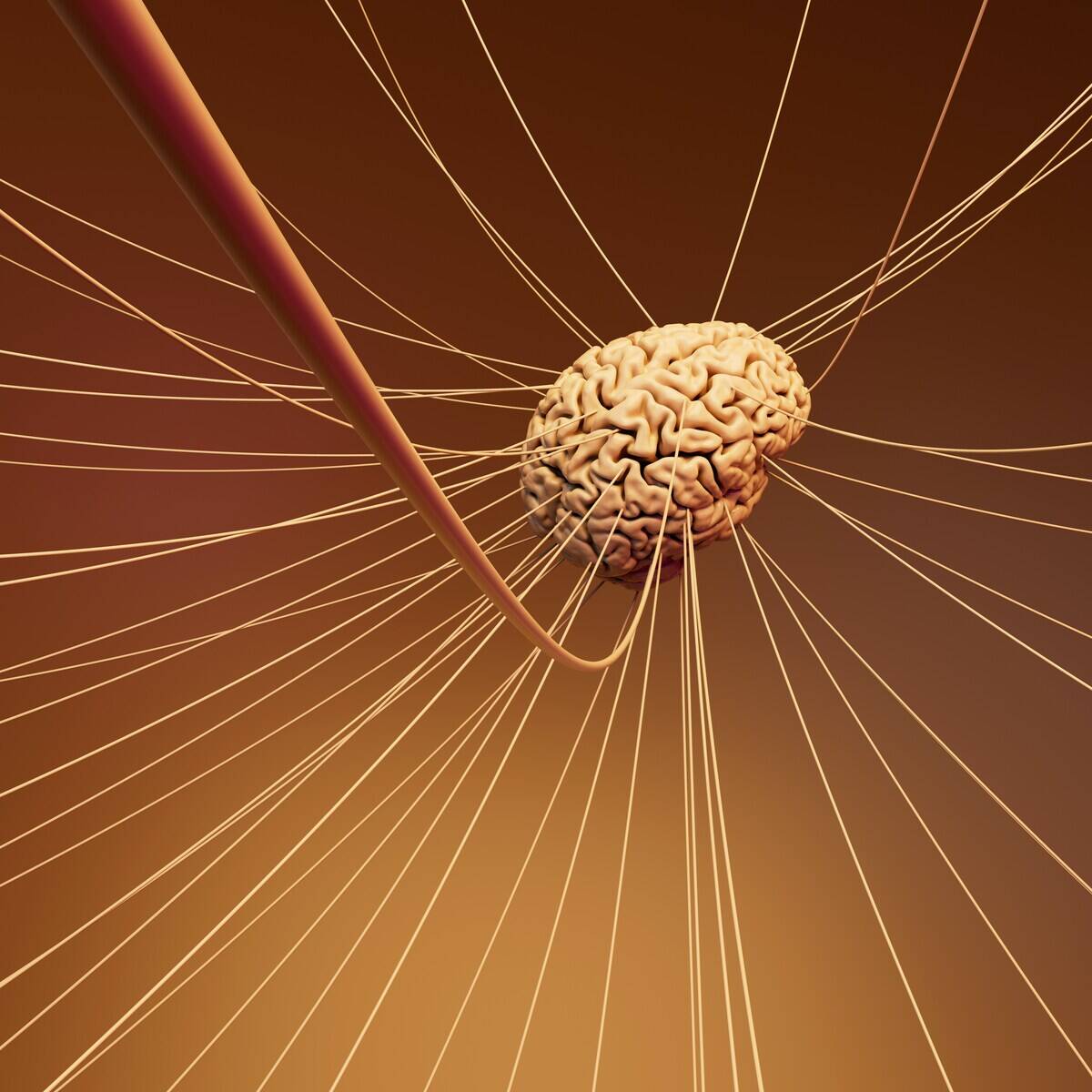
The future holds exciting possibilities for enhancing our brain’s speed. With advancements in neuroscience and technology, we may find new ways to boost cognitive functions and reaction times. Techniques such as neurofeedback, brain-computer interfaces, and cognitive enhancement therapies are being explored.
These innovations could revolutionize how we enhance brain performance, opening new avenues for improving our rapid response capabilities.