Understanding why humans form deep bonds with animals

The human-animal bond is a fascinating and multifaceted relationship that has been cherished across cultures and epochs. It’s more than just companionship; it’s a deep-seated connection that enriches our lives in countless ways.
From the wagging tail of a dog greeting you at the door to the soft purr of a cat curled up on your lap, animals bring a unique kind of joy and comfort that resonates on an emotional level.
A Historical Perspective on Human-Animal Relationships

Throughout history, humans have formed bonds with animals for companionship, work, and survival. Ancient Egyptians revered cats, considering them sacred, while dogs have been loyal hunting partners since prehistoric times.
These bonds were not just practical but also spiritual, as animals featured prominently in mythologies and cultural rituals. The domestication of animals marked a significant shift in human societies, leading to the development of agriculture and settled communities.
The Science Behind Our Love for Animals

Research indicates that the human brain releases oxytocin, the “love hormone,” when interacting with animals, fostering feelings of happiness and bonding. This hormonal response is similar to what occurs during human-human interactions, highlighting our intrinsic connection to animals.
Studies have shown that petting a dog can lower stress levels and reduce blood pressure, offering tangible health benefits. It’s a scientific affirmation of what pet owners have always known: animals make us happier and healthier.
Animals as Companions: A Source of Comfort and Joy

Pets provide unconditional love, companionship, and a sense of purpose, making them invaluable members of our families. The joy of coming home to a pet that’s excited to see you is unmatched, offering solace after a long day.
The routine of caring for an animal also instills a sense of responsibility and structure, which can be particularly beneficial in times of stress or uncertainty. In essence, animals have an innate ability to lift our spirits and brighten our days.
The Role of Pets in Human Mental Health
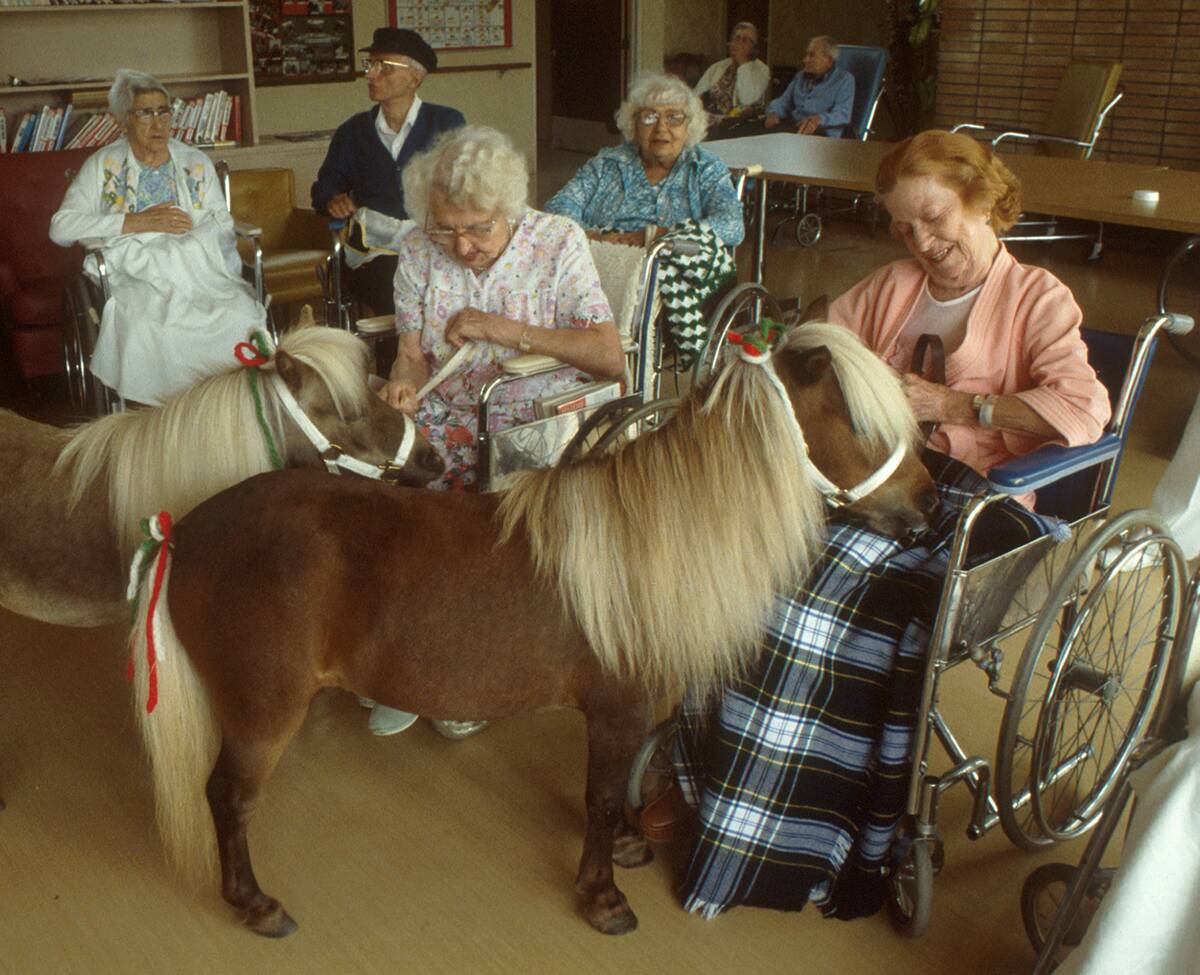
Pets are more than just companions; they serve as natural stress relievers and emotional support systems. Studies have shown that pet owners often experience lower levels of depression and anxiety, thanks to the calming presence of their furry friends.
Interacting with pets can increase dopamine and serotonin levels, neurotransmitters associated with happiness and well-being. This emotional comfort can be especially vital for individuals facing mental health challenges, offering a non-judgmental presence that listens without words.
Animals and the Development of Empathy
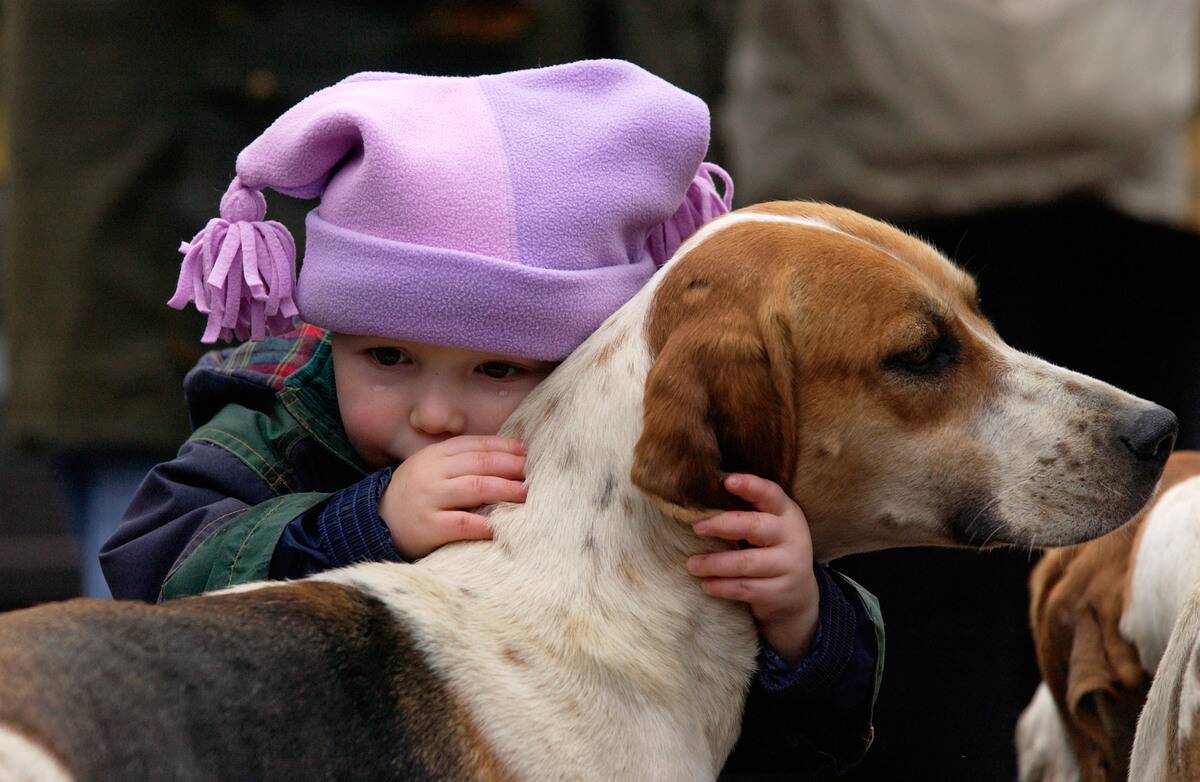
Caring for animals can teach empathy, compassion, and responsibility, especially in children. By observing and responding to an animal’s needs, humans, particularly the young, learn to recognize emotions and develop nurturing behaviors.
Studies have found that children who grow up with pets tend to have higher levels of empathy and social skills. This interaction fosters a sense of stewardship and respect for living beings, laying the foundation for empathetic relationships with humans as well.
The Influence of Culture on Human-Animal Connections

Cultural attitudes towards animals vary widely, influencing how these bonds are formed and perceived. In some cultures, animals are revered and celebrated, while in others, they are primarily seen as resources or tools.
For instance, cows are considered sacred in Hinduism, while in Western cultures, dogs are often viewed as “man’s best friend.” These cultural perspectives shape our interactions with animals and reflect broader societal values and norms.
The Role of Animals in Childhood Development

Interacting with animals can play a crucial role in a child’s growth, aiding in emotional and social development. Pets can help children develop language and communication skills as they talk to and care for their animal companions.
Moreover, the responsibility of caring for a pet can teach important life skills, such as empathy, patience, and respect for living creatures. These early experiences can have a lasting impact, shaping a child’s worldview and interpersonal relationships.
Animal-Assisted Therapy: Healing Through Companionship

Animal-assisted therapy leverages the soothing presence of animals to aid in healing and rehabilitation. This therapeutic approach has been shown to benefit patients with a variety of conditions, from PTSD to autism.
The presence of a therapy animal can reduce stress, lower blood pressure, and improve mood, creating a comforting environment for healing. Whether visiting hospitals, schools, or nursing homes, therapy animals provide invaluable support and relief to those in need.
The Unspoken Language: Communication Between Humans and Animals

Communication with animals goes beyond words, relying on body language, gestures, and tone of voice. Pets are remarkably attuned to human emotions, often responding to our moods and actions with surprising accuracy.
This non-verbal communication forms a unique bond, allowing humans and animals to understand each other in profound ways. Training techniques, such as using hand signals or positive reinforcement, further enhance this connection, demonstrating the depth of our interspecies communication.
How Animals Inspire Creativity and Imagination
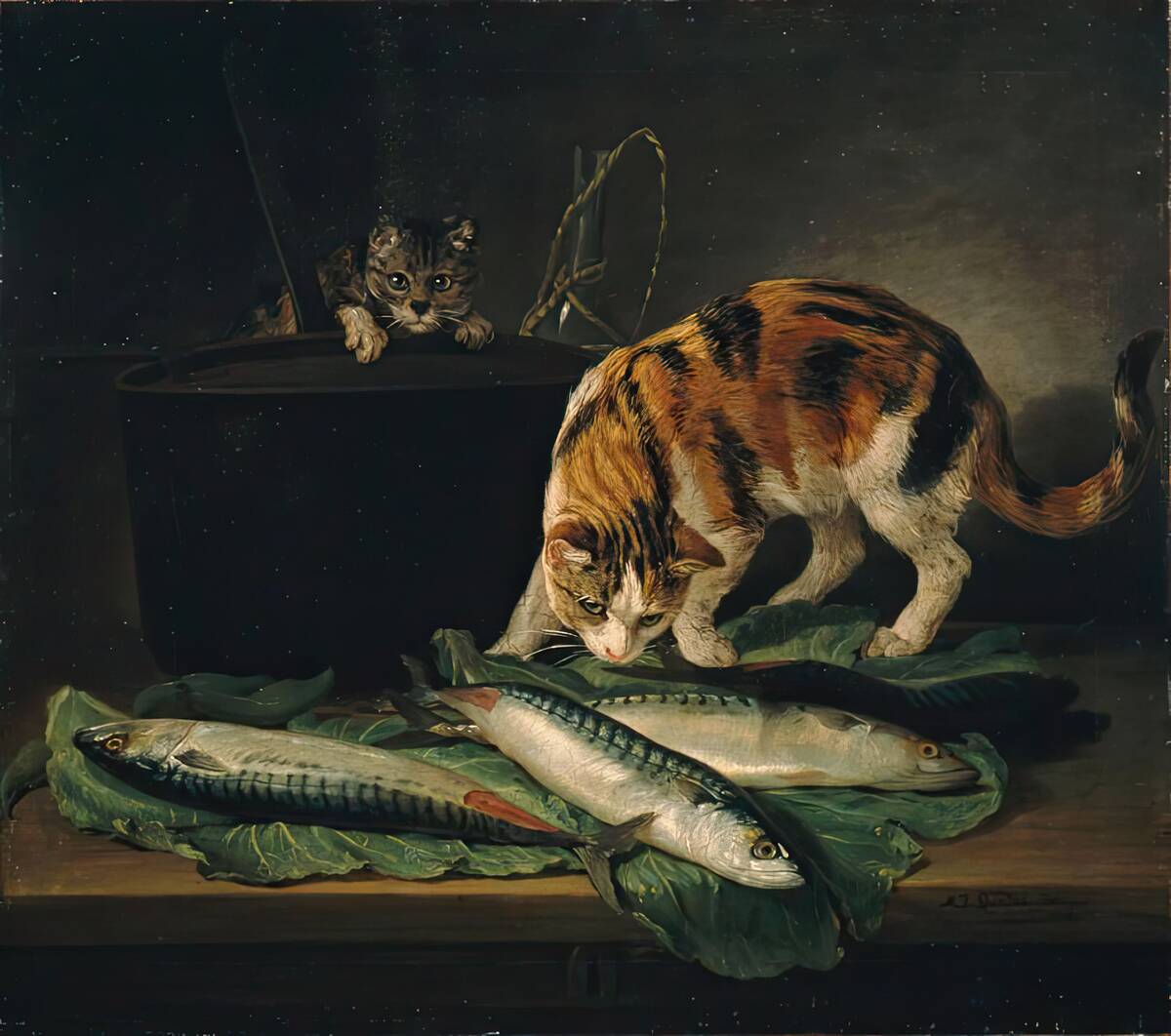
Animals have long been muses for artists, writers, and creators, sparking imagination and creativity. From Aesop’s fables to modern-day films like Zootopia, animals feature prominently in stories that explore human nature and societal themes.
Their diverse behaviors and characteristics offer endless inspiration, encouraging us to see the world from different perspectives. This creative influence extends beyond the arts, inspiring innovations and new ideas across various fields.
The Impact of Animals on Social Connections and Community Building

Animals have a unique way of bringing people together, fostering social interactions and community bonds. Pet owners often connect with each other through shared activities, such as dog walking or attending pet-friendly events.
These interactions can lead to lasting friendships and a sense of belonging. Additionally, community projects like animal shelters and wildlife conservation efforts unite people with a common purpose, strengthening social ties and promoting collaboration.
Why Some People Prefer Animals Over Humans

Some individuals find solace in the company of animals, often citing their unconditional love and non-judgmental nature as reasons for preferring them over humans. Animals provide a sense of comfort and security, free from the complexities and conflicts that can arise in human relationships.
This preference can be particularly pronounced in those who have experienced trauma or loss, as animals offer a reliable source of companionship and emotional support.
The Ethical Considerations of Human-Animal Relationships
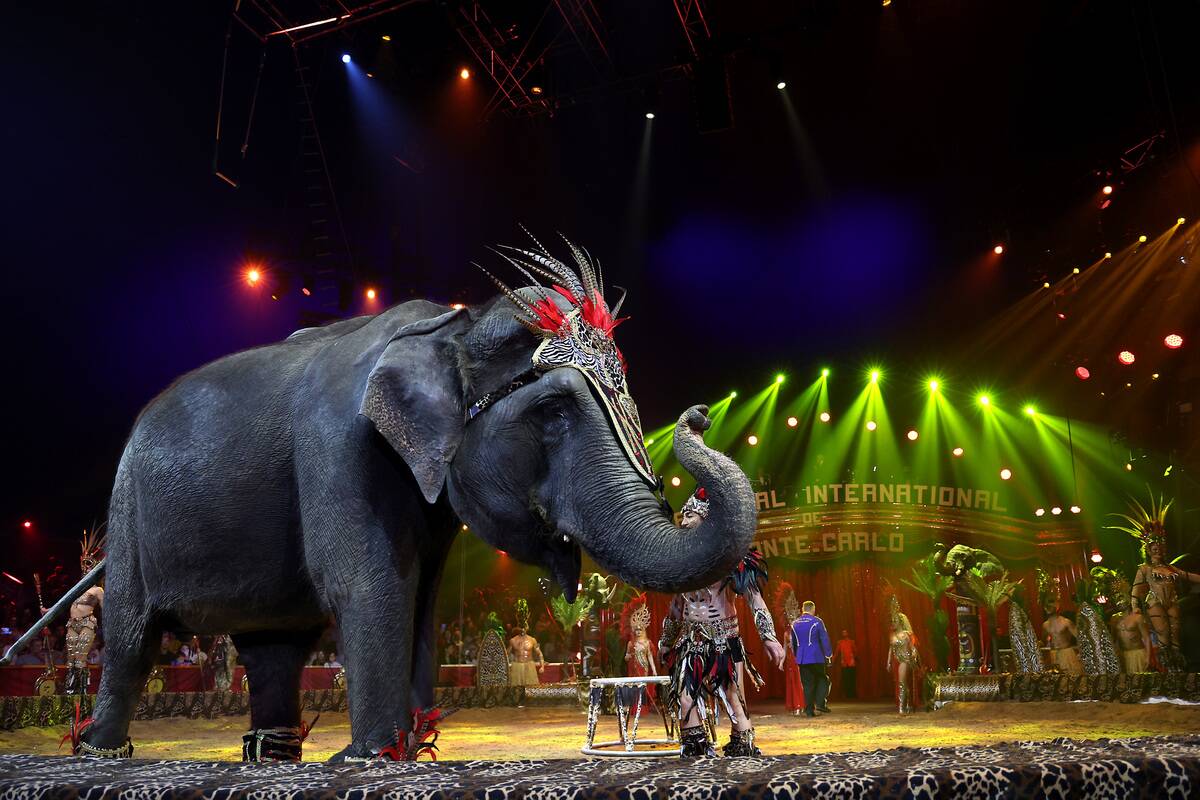
As we form bonds with animals, it’s essential to consider the ethical implications of these relationships. This includes ensuring the well-being and humane treatment of animals, both in domestic settings and in the wild.
Issues such as animal rights, conservation, and the impact of human activities on animal habitats are critical. Ethical considerations also extend to practices like breeding, training, and the use of animals in entertainment, requiring thoughtful reflection and responsible stewardship.
Celebrating Animals in Popular Culture and Media

Animals have captivated audiences in literature, film, and television, becoming cultural icons in their own right. From Lassie to Simba, these characters resonate with audiences, often embodying traits we admire, such as bravery, loyalty, and resilience.
Animal-centric stories can convey powerful messages about friendship, family, and the environment, leaving a lasting impact on viewers. This celebration of animals in media reflects our deep-rooted fascination and affection for our furry, feathered, and scaly friends.