Why humans see faces in clouds, woodgrain, and stone

Trending Now
Have you ever looked at a cloud and thought it resembled a face? You’re not alone! This common phenomenon is known as pareidolia, where our brains perceive familiar patterns, often faces, in random objects.
It’s a fascinating quirk of human perception that has intrigued scientists and casual observers alike. From spotting a face in a rock formation to seeing expressions in a piece of toast, pareidolia is a delightful reminder of our brain’s creative capabilities.
The Science Behind Pareidolia
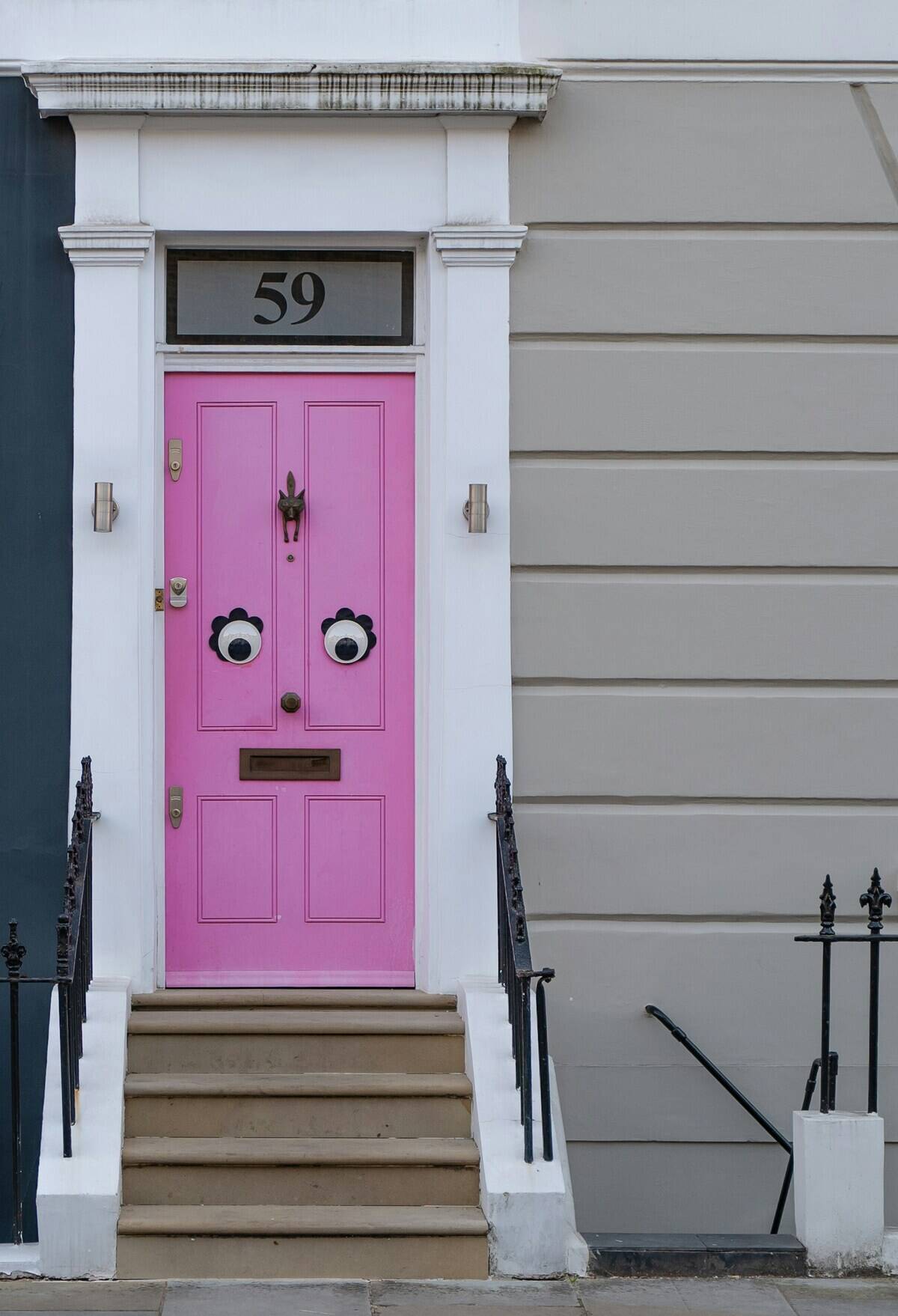
Pareidolia occurs due to the brain’s tendency to recognize faces, a function primarily managed by the fusiform face area. This part of the brain is highly attuned to facial patterns, enabling us to distinguish between human faces and other objects.
Studies using brain imaging have shown that this area lights up even when presented with face-like patterns, demonstrating how deeply rooted this ability is. It’s a testament to our brain’s efficiency in processing and interpreting visual stimuli.
Evolutionary Advantages: Why Our Ancestors Needed Pareidolia
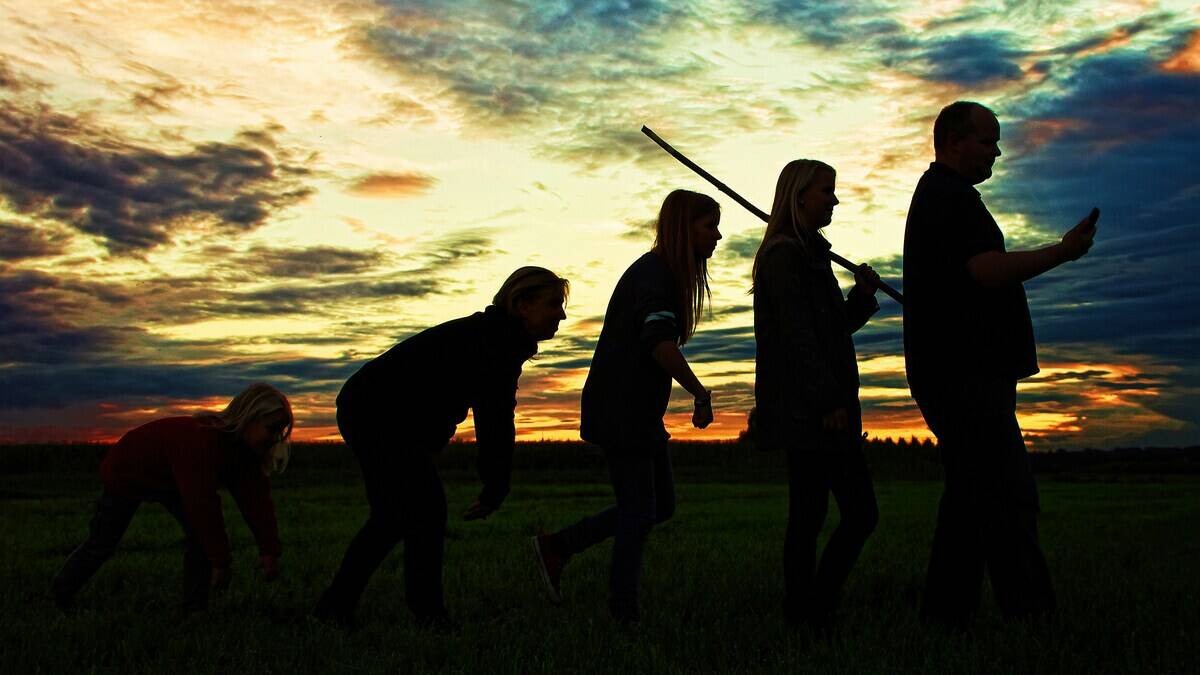
For our ancestors, recognizing faces quickly was crucial for survival, aiding in identifying friends from foes. This ability to spot faces in the environment allowed early humans to respond swiftly to potential threats.
Moreover, the skill helped in social bonding by enabling better communication and empathy. Evolutionarily, those who could efficiently identify faces had a higher chance of thriving, passing on this trait to future generations.
How Our Brains are Wired for Face Recognition

The human brain has evolved with specialized regions dedicated to processing faces, making it a unique feature of our cognition. The temporal lobe, particularly the fusiform gyrus, plays a key role in our uncanny ability to detect faces.
This specialization allows us to not only recognize faces but also discern subtle differences in expressions and emotions, enhancing social interaction and communication.
Pareidolia in Clouds: Spotting Faces in the Sky

Clouds are a classic source of pareidolia, providing endless opportunities to spot familiar shapes and faces. This happens because of the way light and shadow play on the fluffy formations, prompting our brains to fill in the gaps.
It’s a whimsical pastime for many, as people gaze at the sky and let their imagination run wild. Whether it’s a smiley face or a stern expression, the sky is a canvas for our pareidolic visions.
Woodgrain Wonders: Faces in Trees and Furniture
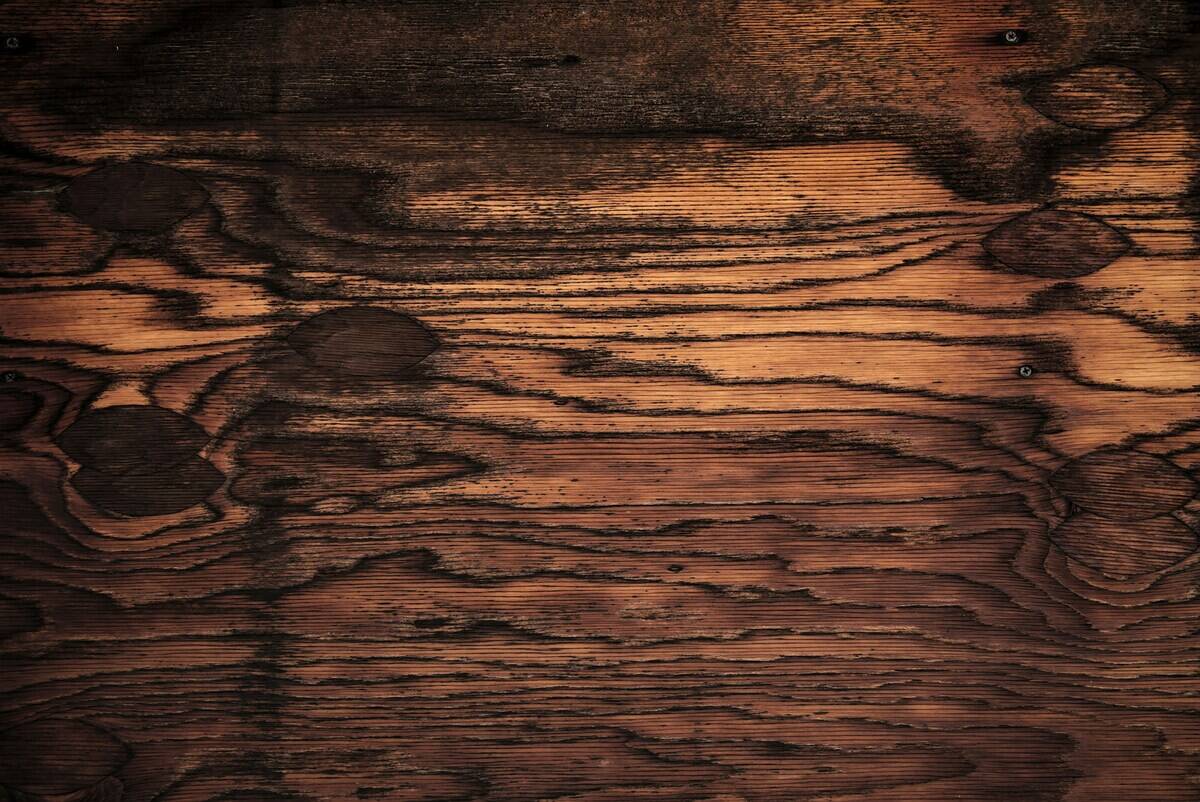
The swirling patterns of woodgrain have long inspired those with an eye for pareidolia, revealing hidden faces in trees and furniture. This occurs because the natural lines and knots in wood can mimic the curves and features of a face.
Whether it’s a tree trunk or a wooden tabletop, these surfaces offer a playground for our facial recognition abilities, turning ordinary objects into a source of amusement and wonder.
Stone Faces: The Art of Seeing in Rock Formations

Rock formations are another fertile ground for pareidolia, with many famous sites like the Old Man of the Mountain showcasing nature’s artistry. Erosion and weathering create patterns that our brains interpret as faces, giving personality to otherwise inanimate stones.
This phenomenon has led to numerous legends and stories, as cultures around the world have attributed meanings and myths to these naturally occurring faces.
The Role of Imagination in Face Perception

Imagination plays a significant role in enhancing our experience of pareidolia, allowing us to see beyond the obvious. When we perceive faces in objects, our creative faculties are at work, filling in details and adding narrative to what we see.
This imaginative aspect makes pareidolia not just a visual phenomenon but also a mental exercise, encouraging us to explore the boundaries of perception and creativity.
Cultural Interpretations of Pareidolia

Different cultures have unique interpretations of pareidolia, with some seeing it as a spiritual or mystical experience. In many traditions, seeing faces in objects is believed to be a sign or message from the divine.
For instance, some cultures interpret cloud shapes or tree patterns as omens or symbols. These interpretations add a layer of meaning to pareidolia, turning a simple perception into a culturally significant event.
Famous Examples of Pareidolia in Art and History
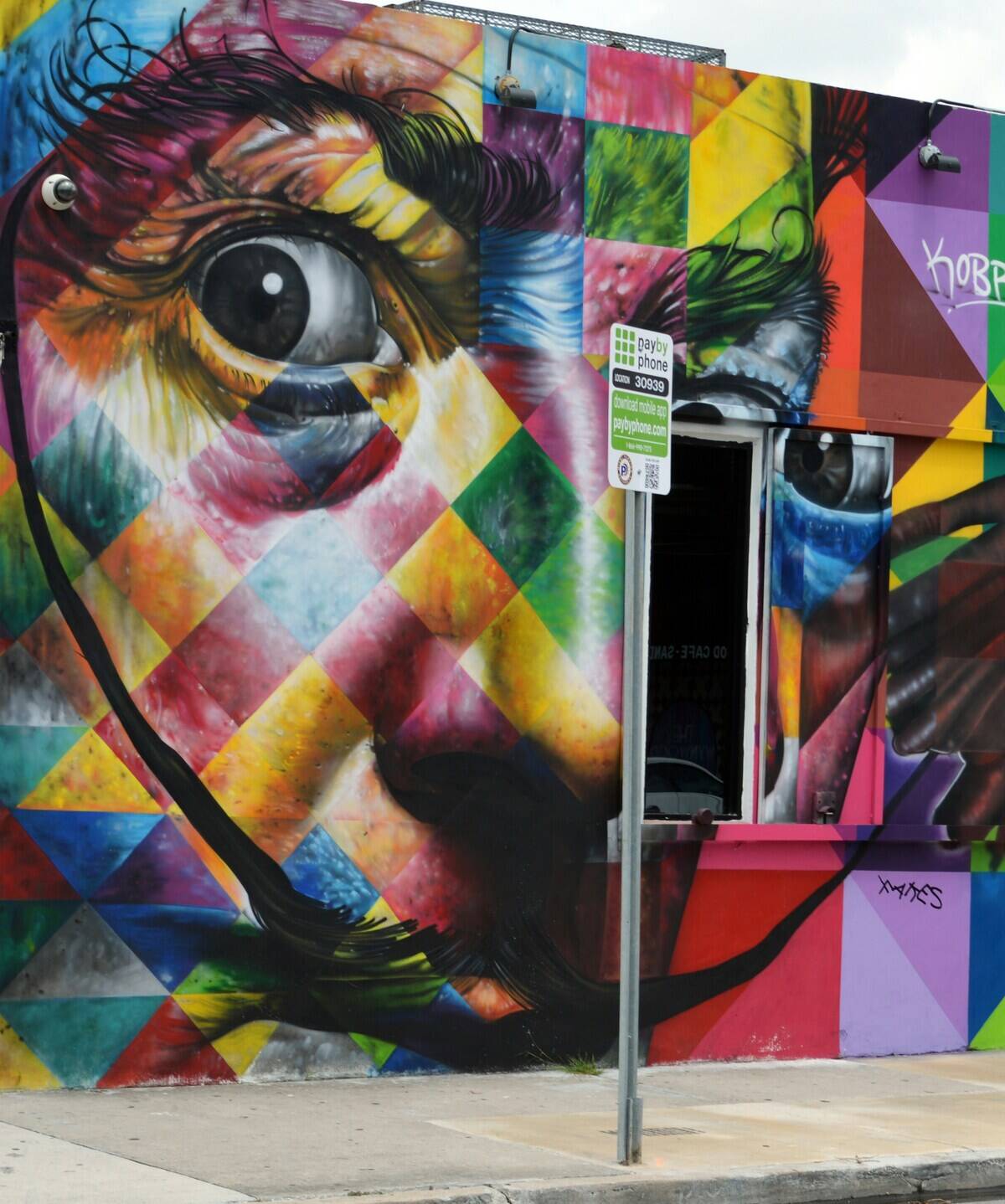
History and art are filled with examples of pareidolia, from religious icons to famous artworks. The Shroud of Turin and the Man in the Moon are classic instances where people have seen faces in unexpected places.
Artists like Salvador Dalí have also explored pareidolic themes, using this phenomenon to create intriguing and thought-provoking pieces. These examples highlight how pareidolia has captured the human imagination across time and disciplines.
The Psychological Comfort of Finding Faces

Finding faces in inanimate objects can provide psychological comfort, creating a sense of familiarity and connection. This is because faces are associated with human interaction and social bonds, offering a reassuring presence.
For many, spotting a friendly face in a mundane setting can evoke positive emotions, making pareidolia not just a visual quirk but also a source of emotional well-being.
Pareidolia in Photography: Capturing the Unexpected

Photographers often embrace pareidolia, capturing images that showcase unexpected faces and forms. This involves looking at the world with a keen eye for detail and a readiness to see beyond the obvious.
From urban landscapes to natural settings, photographers use pareidolia to create captivating images that invite viewers to see the world through a different lens. It’s a testament to the art of seeing and the endless possibilities of perception.
When Pareidolia Goes Viral: Internet Sensations

The internet has amplified pareidolia, turning quirky sightings into viral sensations. Social media platforms are filled with photos of toast, clouds, and even potatoes bearing uncanny resemblances to famous faces. These viral moments bring joy and amusement to millions, showcasing the universal appeal of pareidolia.
They remind us of our shared tendency to find humor and delight in the unexpected, connecting people across the globe through the simple act of seeing.
The Role of Lighting and Shadows in Perception

Lighting and shadows play a crucial role in enhancing or obscuring pareidolic images. The angle of light can create dramatic effects, emphasizing certain features while hiding others.
This interplay is key to perceiving faces, as shadows can outline facial features or suggest depth. It’s a delicate balance that photographers and artists use to manipulate perception, demonstrating how light can transform ordinary scenes into a pareidolic wonderland.
Pareidolia Beyond Faces: Seeing Animals and Objects

While faces are the most common form of pareidolia, our brains are also adept at spotting animals and objects in random patterns.
Whether it’s a dragon in a cloud or a cat in a rock formation, pareidolia extends beyond human features. This ability to see familiar shapes in the abstract reveals our brain’s remarkable capacity for pattern recognition and creativity, turning the mundane into a source of endless fascination.