Why certain nations refuse to adopt the metric system

The global metric debate is a fascinating blend of history, culture, and practicality. While the metric system reigns supreme in most of the world, a few countries still hold onto their unique measurement systems.
This divergence often sparks lively discussions about the merits and drawbacks of each system. As globalization blurs borders, the question arises: should the world unify under a single system, or is diversity in measurement worth preserving?
A Brief History of Measurement Systems
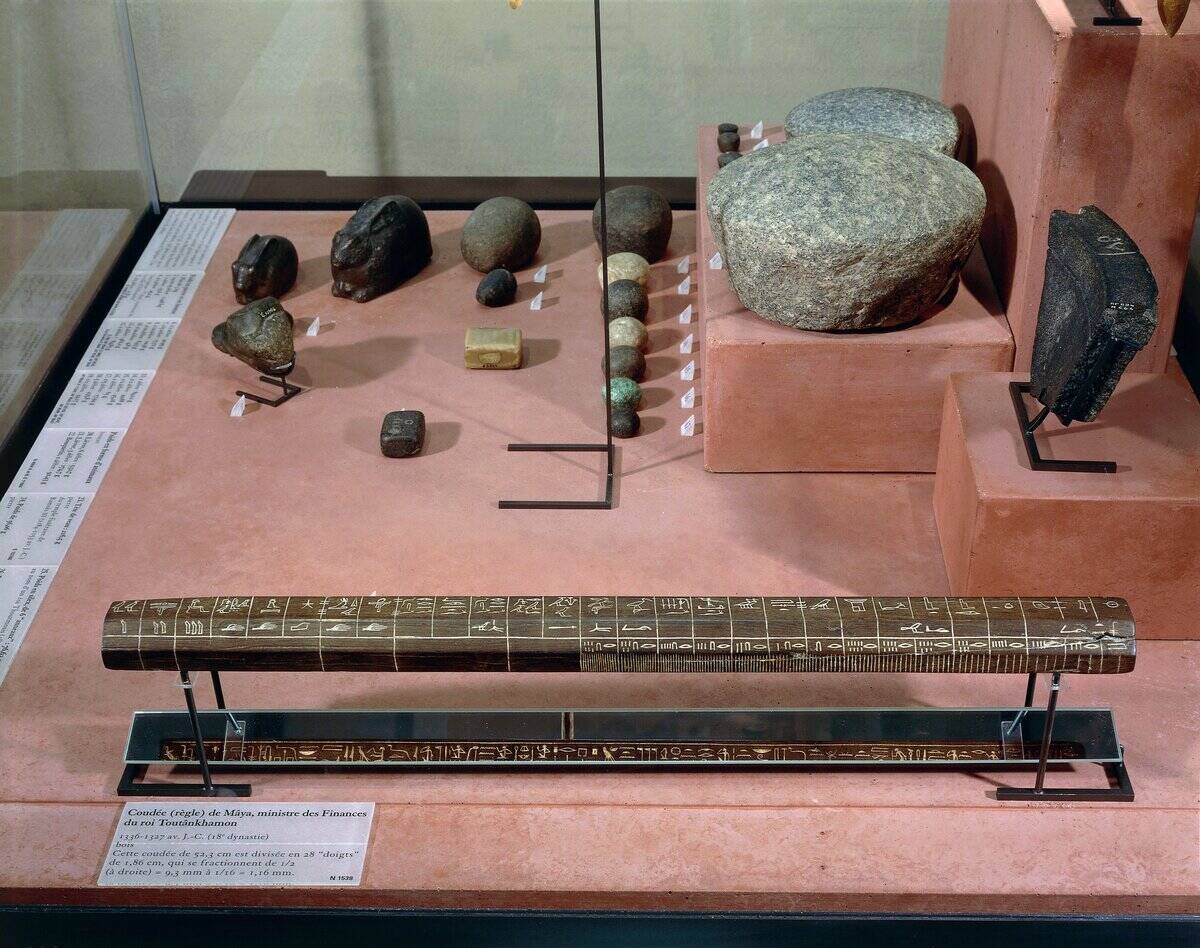
Measurement systems have been around for millennia, evolving with civilizations. The ancient Egyptians used cubits, based on the length of a forearm, while the Romans standardized measurements for trade.
Over time, these diverse systems began to cause confusion and inefficiencies. The need for a universal system grew, leading to the creation of the metric system in the late 18th century. This new system promised consistency and simplicity, which many nations found appealing.
The Origin and Adoption of the Metric System
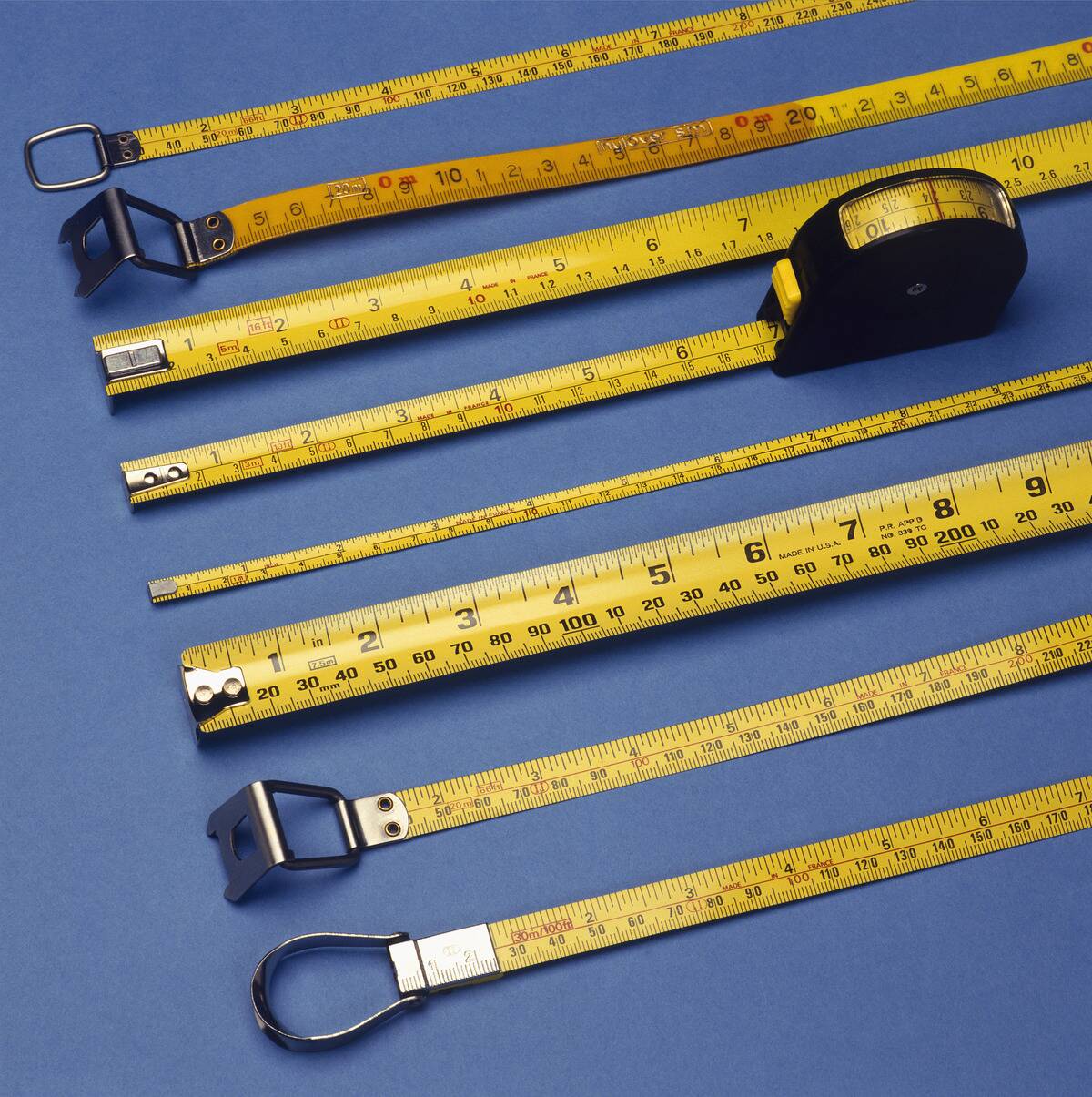
The metric system was born in France during the chaos of the French Revolution. It was designed to be simple and based on natural constants, with units like meters and liters. By the mid-19th century, several European countries had adopted it.
Its logical structure, ease of conversion, and international appeal helped it spread worldwide. Today, over 95% of the global population uses the metric system, thanks to its systematic nature and the push for international standardization.
The Countries Holding Out: A Quick Overview
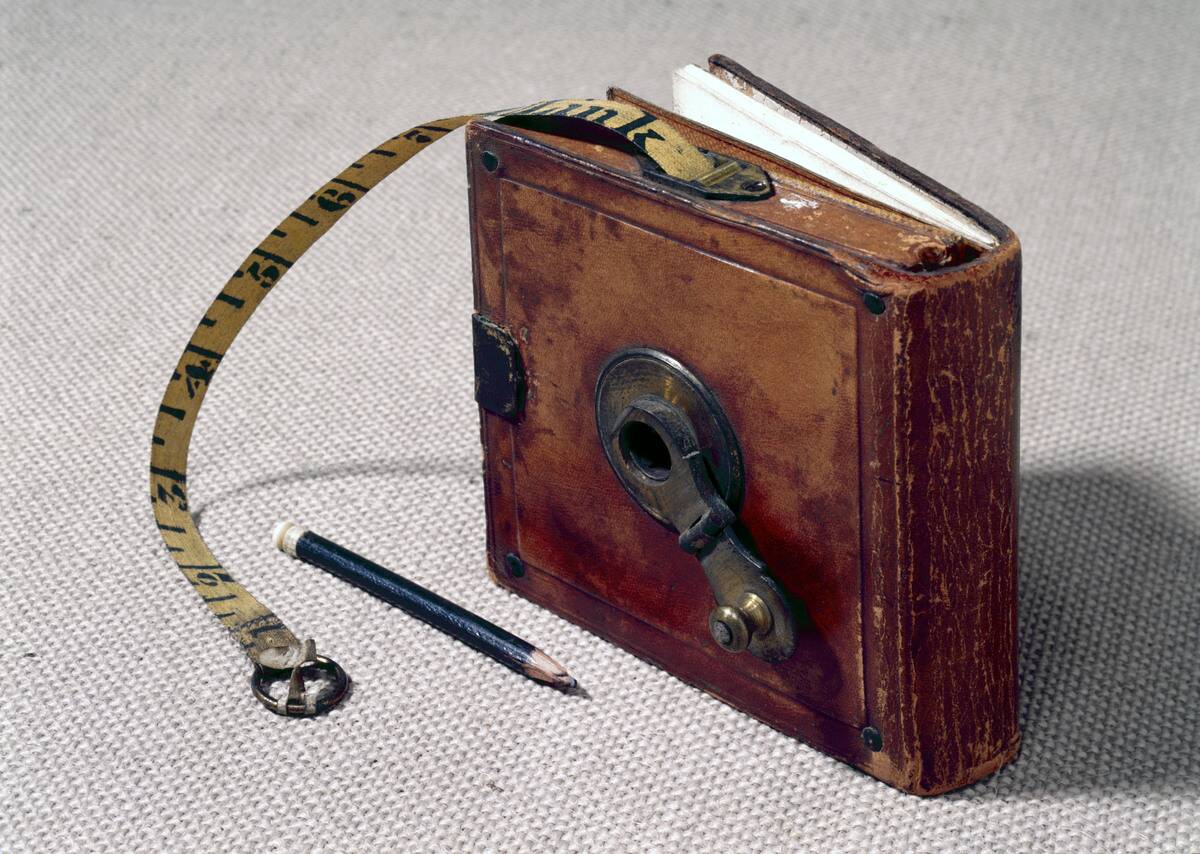
Despite the metric system’s dominance, the United States, Liberia, and Myanmar remain holdouts. Each country has its reasons, rooted in history, culture, and practicality.
While these nations are gradually incorporating metric units in certain areas, they continue to rely on their traditional systems in everyday life. This resistance to change highlights the complex interplay between global pressures and local traditions.
The United States: Sticking with Imperial

The United States is famously reluctant to fully adopt the metric system, relying instead on the U.S. customary system, which has roots in British measurement traditions.
While most industries and sciences in the U.S. use metric units, everyday life remains firmly imperial. This duality often leads to amusing and confusing situations, like the infamous Mars probe crash due to a metric-imperial mix-up.
Liberia: The Metric System’s Unlikely Holdout
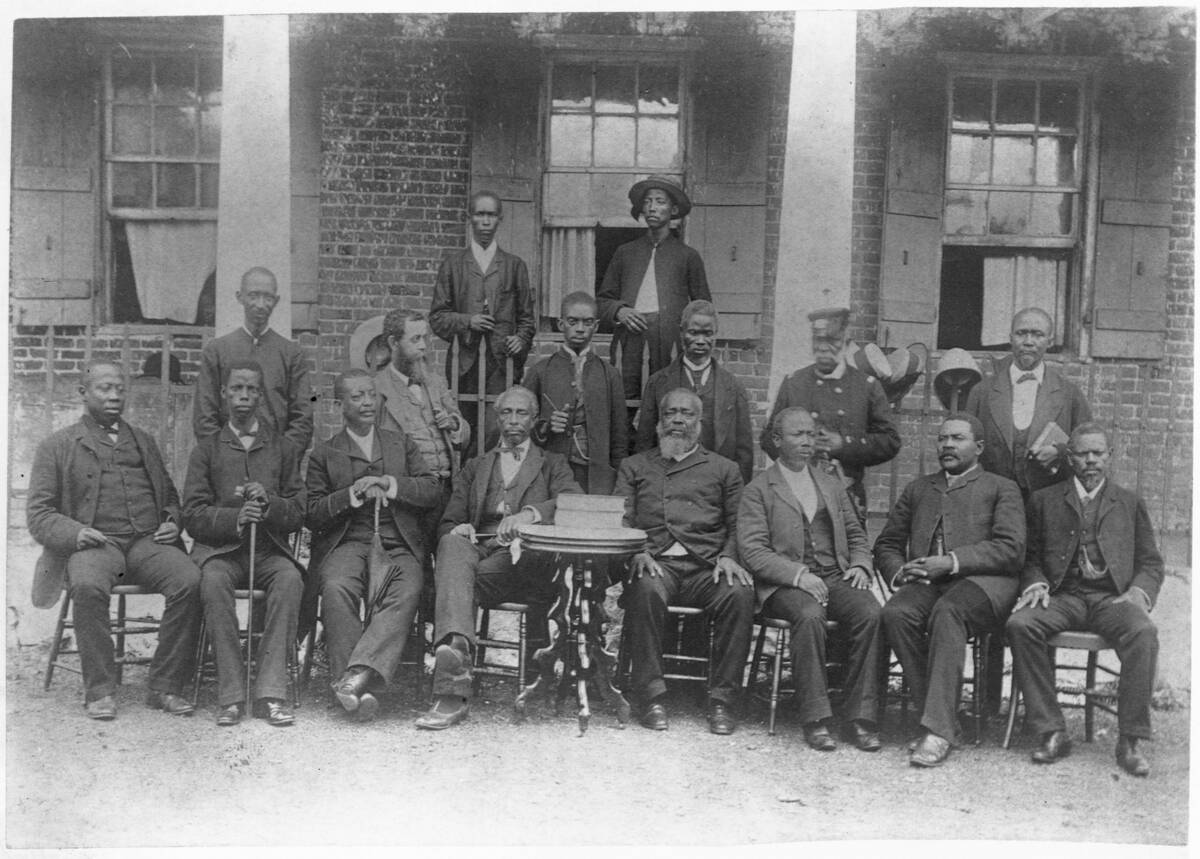
Liberia’s resistance to the metric system is somewhat surprising, given its close ties to the United States. Established by freed American slaves, Liberia inherited many American customs, including the imperial system.
However, the government has made strides towards metrication to align with international standards. Despite these efforts, the transition has been slow due to limited resources and public familiarity with the existing system.
Myanmar: Tradition Meets Transition

Myanmar presents a unique case in the metric debate. For decades, it used traditional Burmese units alongside imperial measures from its colonial past. Recent reforms have aimed at introducing metric units to facilitate trade and development.
However, the transition is gradual, with many citizens still relying on familiar traditional measures. This balancing act between tradition and modernization reflects Myanmar’s broader journey of national reform.
The Influence of History and Tradition

History and tradition play pivotal roles in the persistence of non-metric systems. In countries like the U.S., the customary system is woven into cultural identity. Traditional measures are often linked to historical narratives and national pride.
This deep-rooted connection makes the idea of switching to a metric system not just a logistical challenge but also a cultural one. The weight of history can make change seem unnecessary or even undesirable.
Economic Implications of Switching Systems

Switching measurement systems is not just about changing numbers on a ruler; it involves significant economic considerations. The cost of converting industries, updating educational materials, and retraining workers can be substantial.
For some countries, the potential economic benefits of global standardization are outweighed by the immediate financial burden. However, proponents argue that long-term gains, such as increased trade efficiency, justify the initial investment.
The Role of Cultural Identity in Measurement Systems

Measurement systems are more than just tools for quantification; they are part of cultural identity. In many countries, traditional systems are cherished symbols of heritage. The reluctance to adopt the metric system is often rooted in this cultural sentiment.
For instance, in the U.S., the customary system is seen as a hallmark of American uniqueness. This cultural attachment can be a powerful force against metrication efforts, reflecting broader themes of national identity.
The Impact on Education and Industry

Education and industry are two sectors significantly affected by measurement systems. In countries using non-metric systems, students must learn both metric and local units, adding complexity to their education.
Industries face similar challenges, with potential inefficiencies in international trade and collaboration. The dual system can lead to errors and misunderstandings, highlighting the practical advantages of a single, unified measurement system for these sectors.
Public Perception and Resistance to Change

Public perception of measurement systems can be a major barrier to change. Many people are comfortable with the system they grew up with and see no need to switch. In the U.S., for example, surveys show a significant portion of the population prefers to stick with the U.S. customary system.
This resistance is often fueled by a combination of familiarity, nostalgia, and skepticism about the benefits of metrication. Overcoming this resistance requires effective communication and education.
The Cost Factor: Is Conversion Worth It?

The cost of converting to the metric system is a hotly debated topic. Critics argue that the financial burden of changing signs, educating the public, and updating manufacturing processes is too high.
However, advocates point to the long-term savings in trade efficiency and reduced errors. The decision to convert often hinges on whether the perceived benefits outweigh the upfront costs. For many countries, this calculation remains a contentious and complex issue.