Facts about the surprising history of service dogs

Trending Now
Experts believe humans began domesticating wolves between 15,000 and 30,000 years ago. Millennia later, dogs remain loyal companions at our side. While we provide them with shelter and food, service dogs have been actively working alongside humans for nearly 300 years.
Given the rigorous two-year training they endure and their remarkable skills, it’s surprising they haven’t taken over the world yet. Training a service dog can cost as much as a college education. If you weren’t already convinced dogs are truly amazing, these fascinating service dog facts might just change your mind.
There Are Some Places Service Dogs Can’t Go
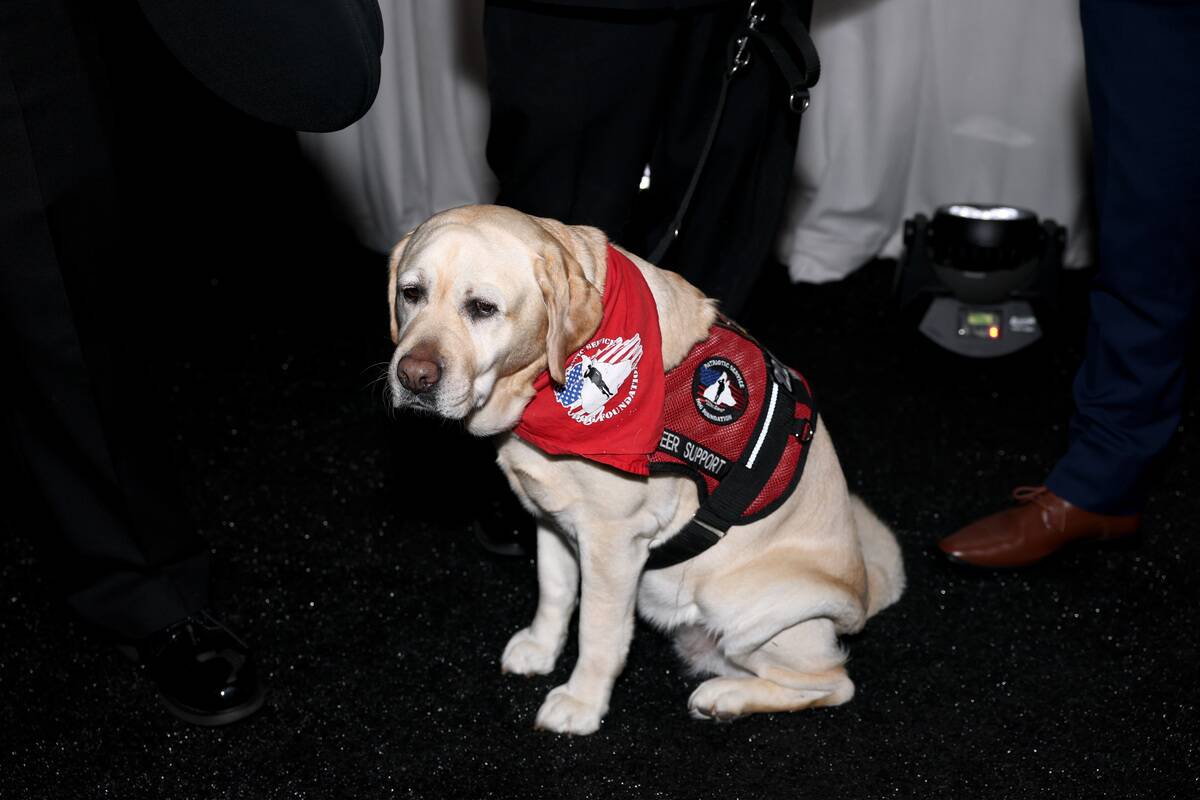
Service dogs are easy to spot because they’re everywhere, thanks to the protections of the Americans with Disabilities Act (ADA). This law allows them to accompany their owners anywhere covered by the ADA, providing crucial guidance and support. That means service dogs can ride the bus, go to work, and even attend school—sometimes making a surprise appearance in the yearbook.
Still, there are a few places where service dogs aren’t allowed. Any location not covered by the ADA is off-limits unless special permission is granted. Churches fall into a tricky category since they aren’t required to follow the ADA unless they receive public funding. Additionally, service dogs are generally barred from sterile or hazardous settings, like hospital intensive care units or chemical laboratories.
Service Dogs Are Carefully Chosen For The Owners
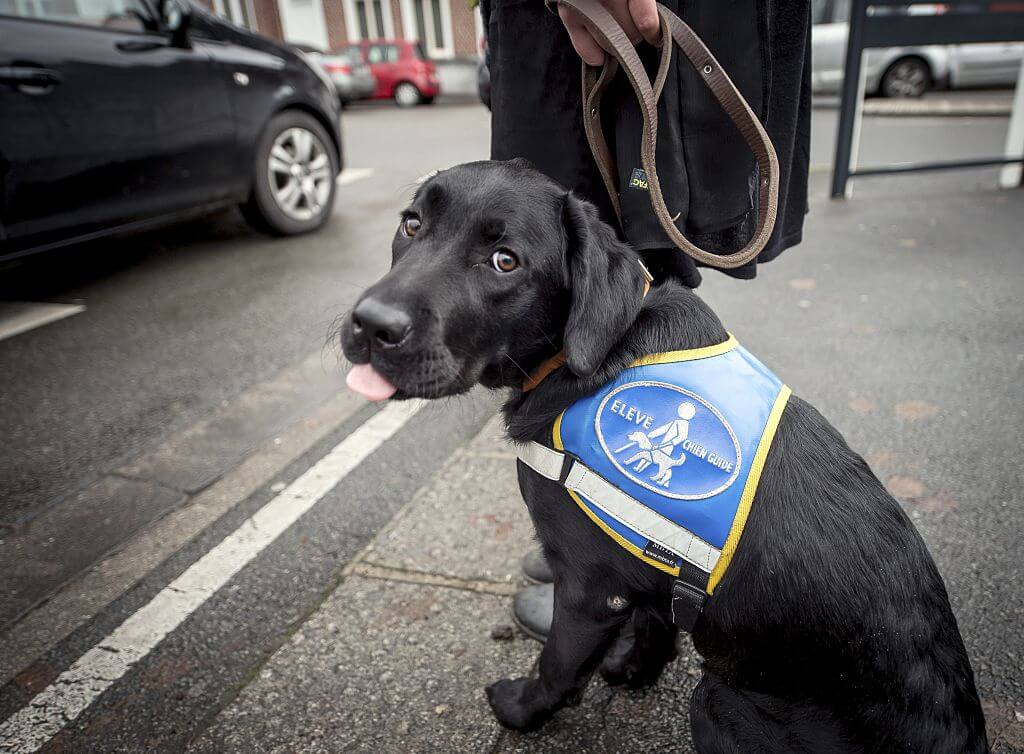
Thanks to the ADA, individuals who require a service dog typically don’t have to pay for one. Usually, they simply apply to an organization and wait for a suitable dog to become available. While the process may seem straightforward, service dog organizations invest significant effort to ensure the perfect match between dog and owner.
Often, several service dogs are introduced to the individual to see which one forms the strongest bond. The choice can also depend on the owner’s specific needs, including considerations like allergies. Once the ideal dog is selected, the owner participates in the final phase of training to strengthen their connection and teamwork.
It’s Not Just Dogs That Can Be Service Animals
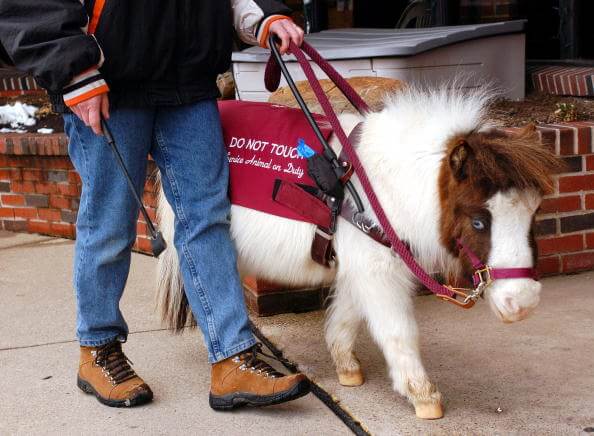
Although dogs are often considered the ideal service animals, they aren’t the only ones who can fill the role. Service animals can include horses, cats, pigs, birds, monkeys, llamas, and ferrets—as long as they can be trained and provide the necessary assistance, they fall under ADA protection.
Miniature horses have become increasingly popular as emotional support animals and look quite impressive sporting their service vests. As for cats, it’s tough to picture them as emotional support companions since they’re probably scheming to take over the world behind the scenes.
Some Famous Celebs Even Have Service Dogs
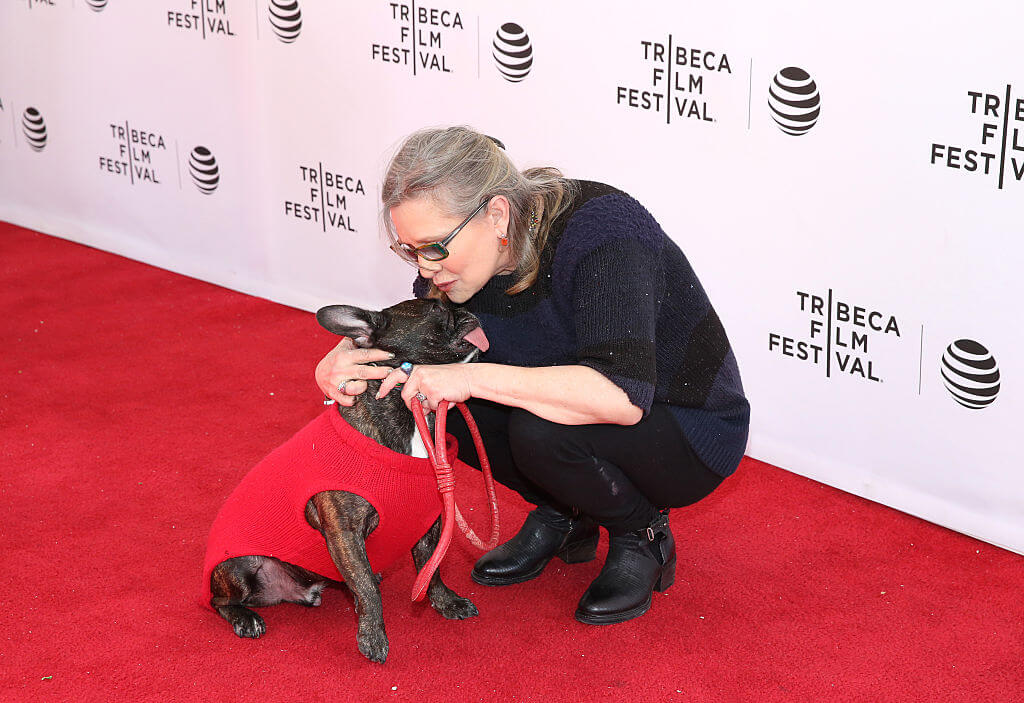
Service and guide dogs once carried a stigma, but their growing popularity in recent years has led to much greater acceptance. Emotional support dogs have become so widespread that several celebrities are famous for bringing theirs everywhere.
One of the most well-known was the late Carrie Fisher’s emotional support dog, Gary. Fisher received Gary from her daughter in 2012 to help manage her bipolar disorder, and he quickly captured the public’s heart. Gary accompanied Fisher everywhere—from red carpet events to the Star Wars set—and their bond was so strong that he even made a cameo appearance as an alien in Star Wars: The Last Jedi.
The Law Is Rock Solid To Protect Service Dogs
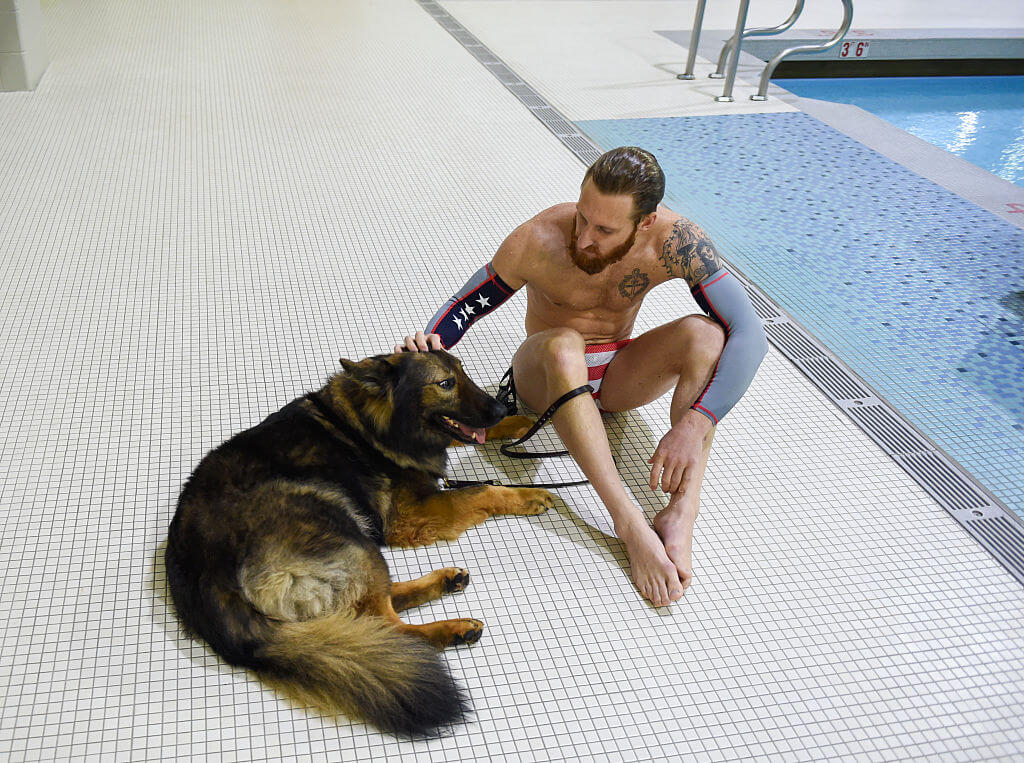
We’ve talked about the Americans with Disabilities Act and its important role in protecting service dogs, but surprisingly, the ADA is relatively recent—it wasn’t enacted until 1990. The portion concerning service animals is actually just a small section of the ADA, which broadly addresses issues ranging from fair wages to accessibility.
Despite being a minor part of the law, the service animal section received significant attention. Numerous service dog organizations testified before Congress to ensure service animals were included, and their efforts paid off when the provision was added in one of the later drafts. Plus, service dogs are even tax-deductible!
There Are Prison Training Programs
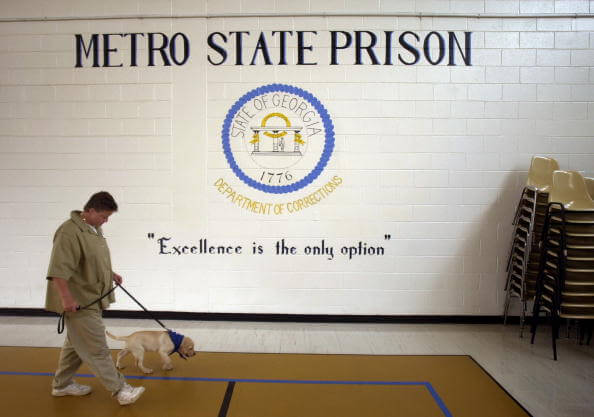
Many organizations depend on volunteers to train service dogs, but some have turned to the American prison system for help. Across the country, there are several inmate-led service dog training programs. While some might have doubts about this approach, these programs actually produce higher success rates than traditional volunteer-based ones—most likely because inmates can devote their full time and attention to the dogs.
And it’s not just the dogs who benefit. Studies show that the presence of these animals helps lower anxiety and depression levels among both inmates and prison staff, contributing to a calmer, more productive environment overall.
They Are Trained To Have ‘Overhead Awareness’
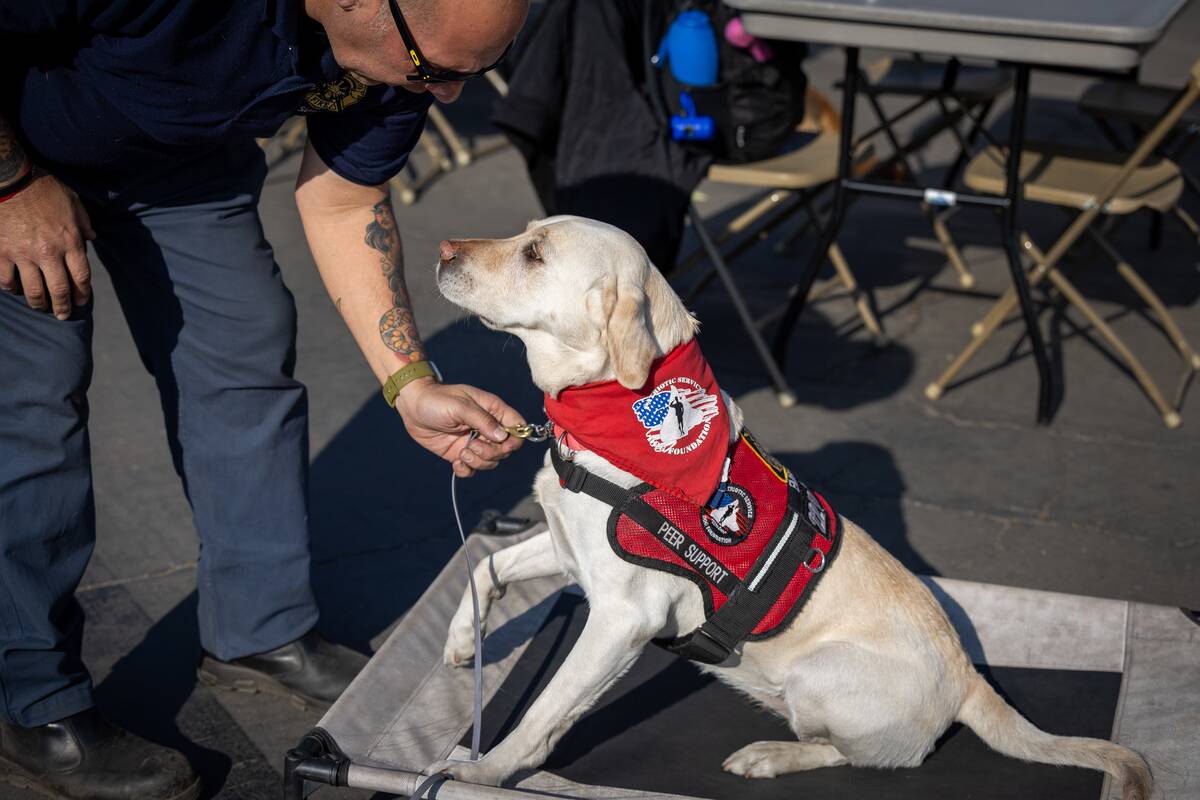
Along with their remarkable ability to think independently, service dogs—especially guide dogs—are also trained to develop what’s called “overhead awareness.” Despite being much shorter than the humans they assist, these dogs learn to recognize potential hazards above their owner’s head, even if those obstacles wouldn’t affect the dog directly.
Take a low-hanging branch, for instance. A trained guide dog will steer their owner away from it to prevent injury. A typical dog, on the other hand, would probably see it as the perfect opportunity to snag the biggest stick on the block.
Seeing Eye Dogs Can Basically Do Everything We Can
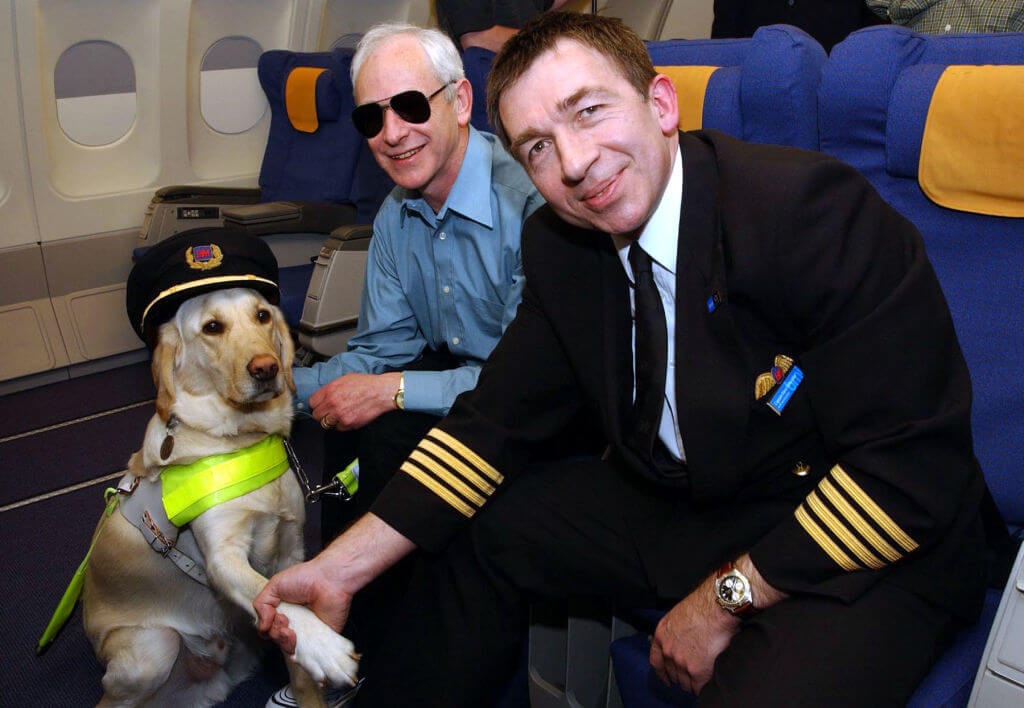
While they might not be able to pilot a plane, service dogs are capable of handling almost everything else. Some of the most remarkable service dogs assist people with limited mobility, performing tasks like turning lights on and off, pulling wheelchairs, opening doors, pressing buttons, and even retrieving their owner’s wallet to hand it to a cashier.
This makes it all the more important to respect service dogs when you see them working. Most wear vests marked “Do Not Touch,” and that boundary should always be honored given the many responsibilities they carry for their owners. Honestly, these dogs seem more responsible than many high school students!
Emotional Support Dogs Can Help With PTSD And Autism
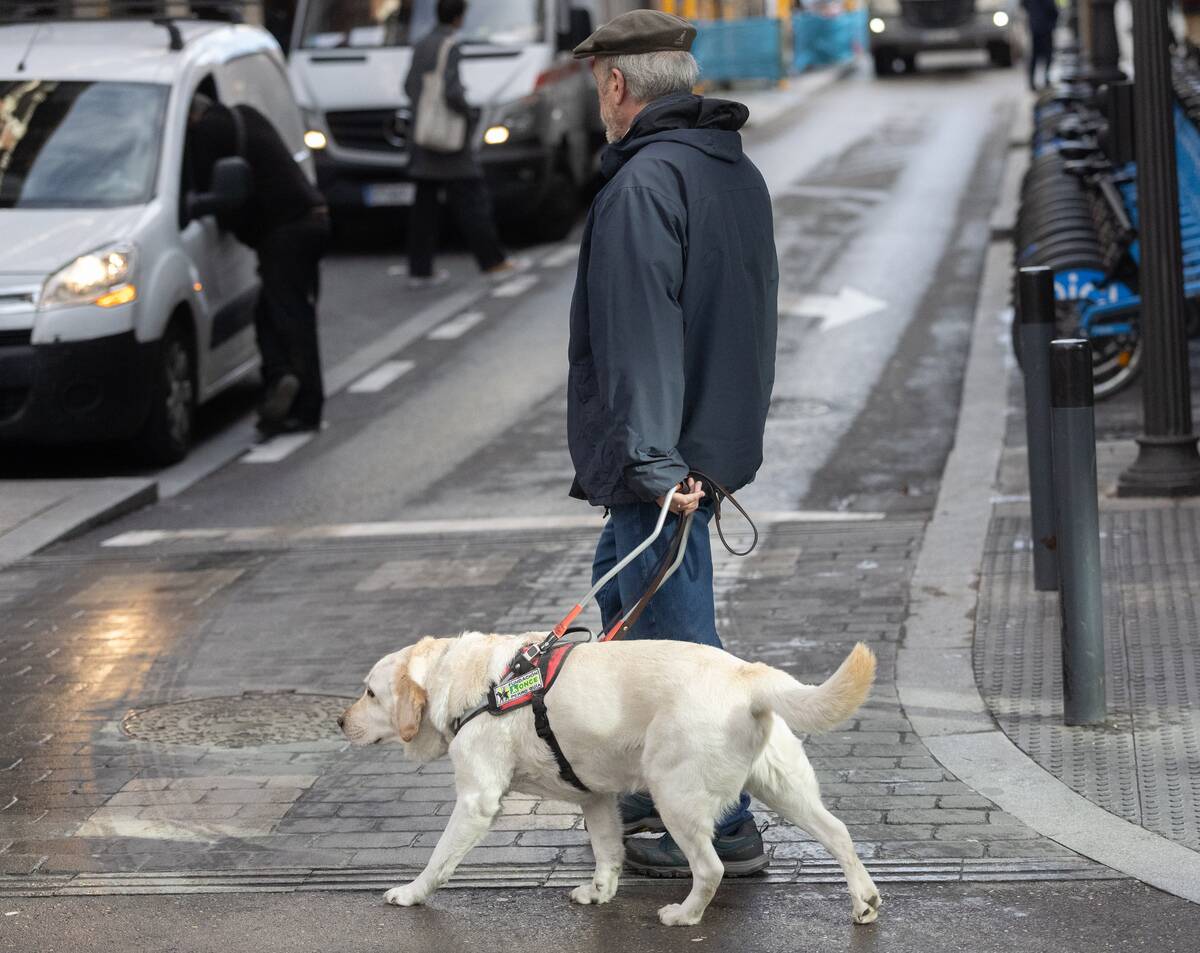
When people hear “service dog,” guide dogs usually come to mind first, but these amazing animals can be trained for a wide range of roles. Emotional support dogs, for example, have roots dating back to World War I and continue to be invaluable for veterans today. With a better understanding of PTSD, many dogs now assist veterans in transitioning back to civilian life and finding renewed purpose. Interestingly, many veterans even take part in training their own service dogs.
Emotional support dogs also play a vital role for individuals with autism, helping them become more social, fostering a sense of responsibility, and providing protection when needed.
The Modern Service Dog Came From WWI
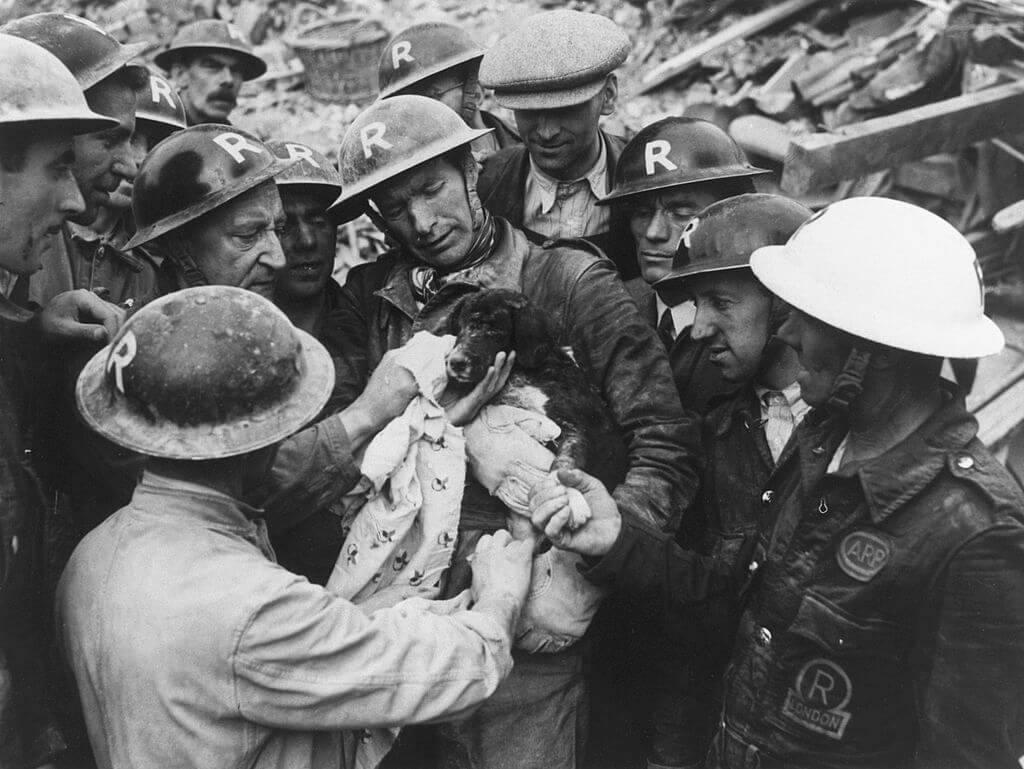
Service dogs have a rich history, with evidence suggesting they were used as emotional companions and guides as early as Ancient Rome and in 1700s Paris, France. However, the modern concept of the service dog took shape during World War I. Dogs were utilized to offer emotional support to many veterans returning with PTSD.
The development of the modern guide dog also traces back to World War I in Germany. As countless veterans returned with disabilities, a doctor named Gerhard Stalling began training dogs to assist these individuals. In 1916, Stalling opened the world’s first guide dog training school in Germany, marking a significant milestone in the history of service dogs.
Service Dogs Practice Intelligent Disobedience
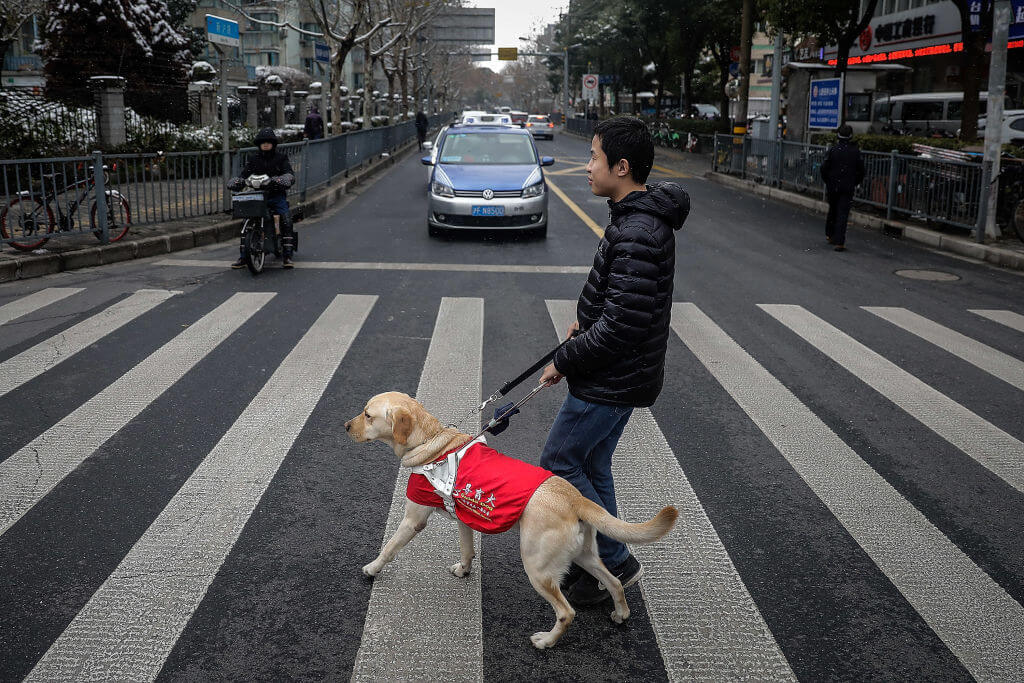
One of the most remarkable skills service dogs are trained in is “intelligent disobedience.” This means that, from a young age, dogs are taught to ignore their owner’s command if they believe it’s not in their best interest. While this might seem counterintuitive to training a dog to be obedient, it’s actually a truly impressive skill.
For instance, if an owner with a visual impairment is at a curb and signals their dog to cross the street, the dog, recognizing that it’s unsafe, will choose not to obey. The dog understands the situation and acts in the owner’s best interest, prioritizing safety over following the command.
‘The Seeing Eye’ Was Founded In 1929

Stalling established the first modern guide dog school in 1916, but it took over a decade for the concept to reach America. His school had proven so successful that similar institutions began popping up across Europe. However, in North America, those seeking guide dogs had to rely on them being shipped from Europe.
In 1928, a wealthy American woman named Dorothy Eustis, living in Switzerland, became intrigued by guide dog training and decided to train one herself. She successfully trained a dog named Buddy and brought him to America for a visually impaired owner. The following year, she founded her own guide dog school, The Seeing Eye, which continues to operate to this day.
It Costs More Than $25,000 To Train A Service Dog
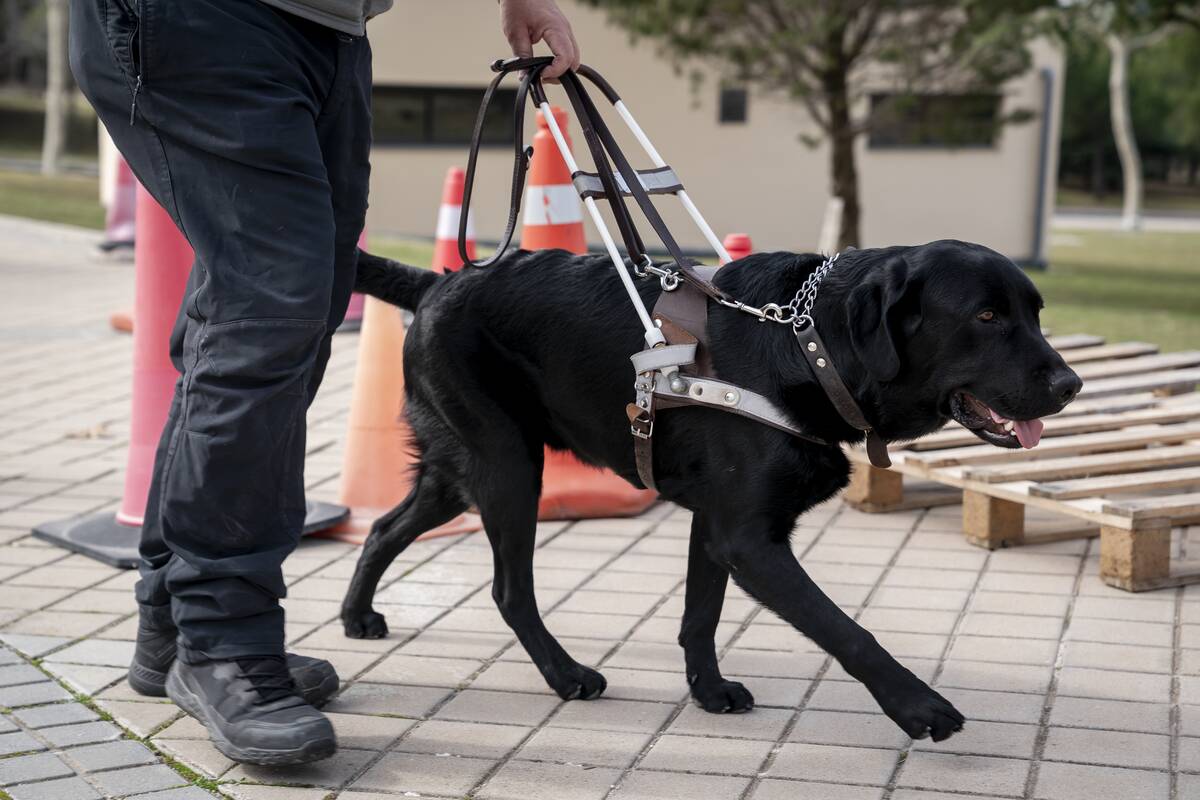
Even puppers have student debt. It takes between 18-24 months for a dog to complete their service dog training and costs more than $25,000. These costs cover the dog’s food, vet bills, and home comforts. The organization covers all of these costs with grants and charitable donations so that anyone can help to train service dogs.
During their training time, the puppy is with a volunteer trainer who is working with them 24/7 and they have consistent follow-up sessions with the organization’s professional service dog trainers. Training a service dog is a full-time job.
They Can Sniff Out More Than Just Bacon
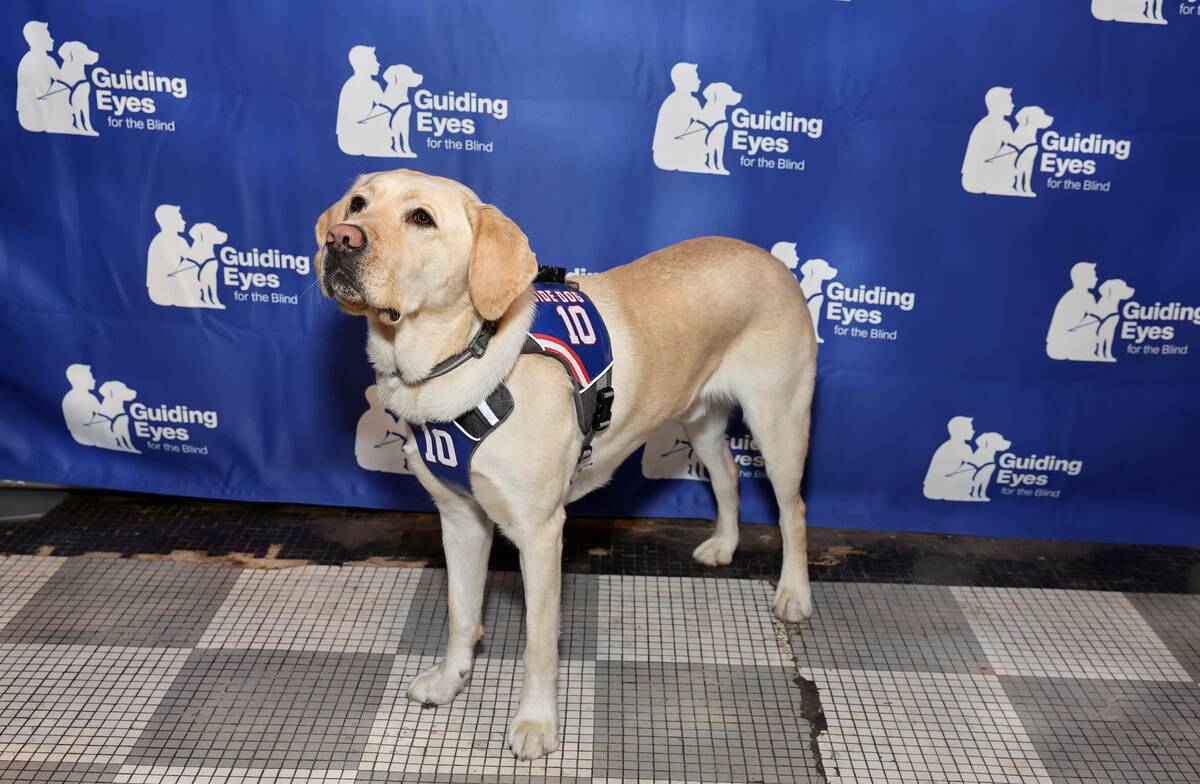
Service dogs aren’t just there to help guide or give emotional support, some can train their noses to even save your life. Seizure assistant dogs are trained to smell any dangerous changes in their owner’s blood which can be used as a warning sign. Diabetic assistant dogs can also help sniff out changes in blood sugar levels to help warn their owner if their levels are spiking.
Dogs can even be trained to sniff out life-threatening allergies. Allergy detecting dogs have been known to save the life of children but sniffing out the smallest amount of the allergen.
The Vests Are Optional
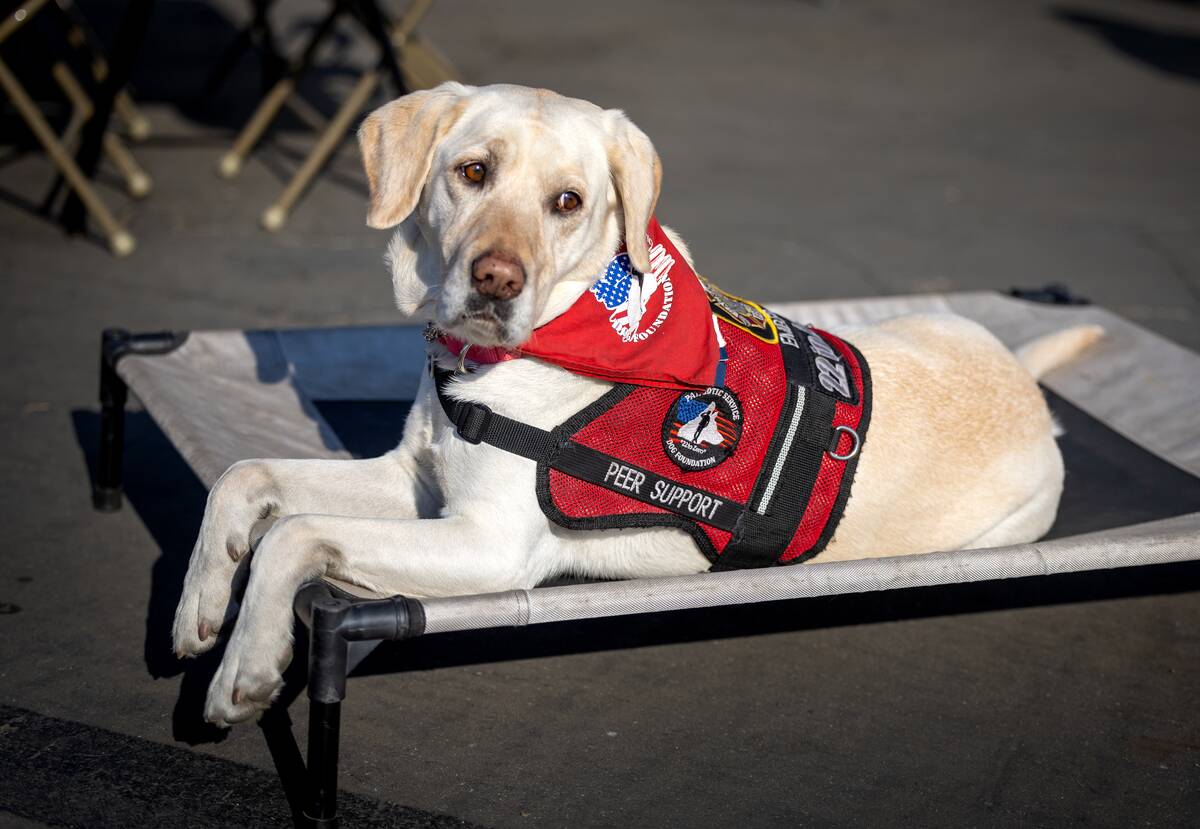
While service dogs are often recognized by their vests, wearing one isn’t mandatory. These dogs are trained to understand that when the vest is on, they’re “on duty,” and when it’s off, they can relax. Although the vest serves a clear purpose, owners can choose not to use it if they prefer.
The ADA recommends using a vest mainly to help business owners identify the dog as one exempt from certain rules. Additionally, the vest signals to the public that the dog is working and shouldn’t be touched or distracted.
Service Dogs Can Be Any Breed
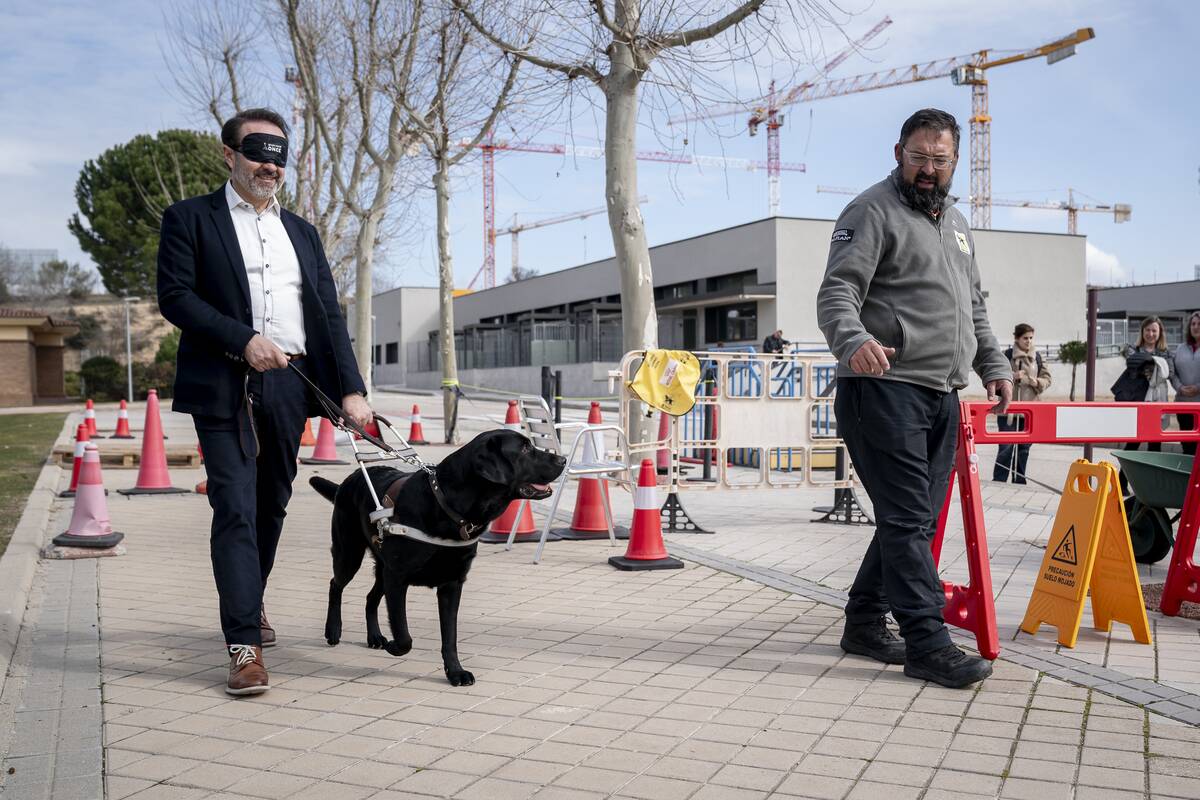
Labrador retrievers, Golden retrievers, and German Shepherds are among the most common breeds used as service dogs, but nearly any dog can be trained for this role. Retrievers and shepherds are particularly well-suited for guide dogs due to their high intelligence and impressive stamina, enabling them to keep pace with their owners throughout the day.
Labradoodles, a mix of Labrador and Poodle, are another popular choice, especially for people with dog allergies. However, with the right training and attention, any dog has the potential to become a service dog. Boxers and border collies also make excellent service dog breeds.
Service Dogs Can Communicate Sounds To You
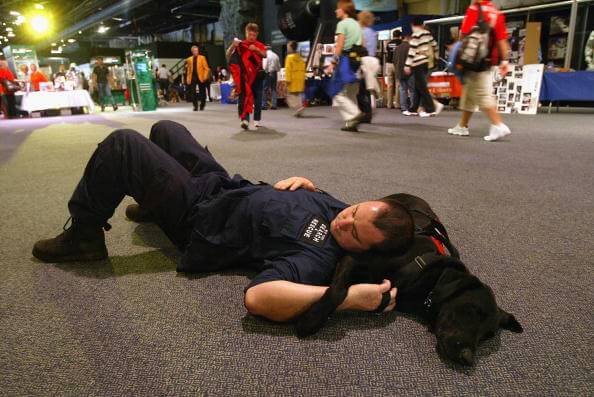
If sniffing out allergies and blood sugar levels weren’t impressive enough, service dogs are trained to communicate with us in ways some people could never imagine. Service dogs are able to detect the difference between people’s voices, doorbells, your alarm clock, and even the smoke alarm and then signal to you which one it is.
Their impressive communication skills don’t stop there. Service dogs have also been shown to help kids learn how to read. Even though they can’t read themselves, studies have shown that children who are usually self-conscious with their reading skills feel comfortable reading to a service dog.
A Lot Of College Kids Will Train Service Dogs
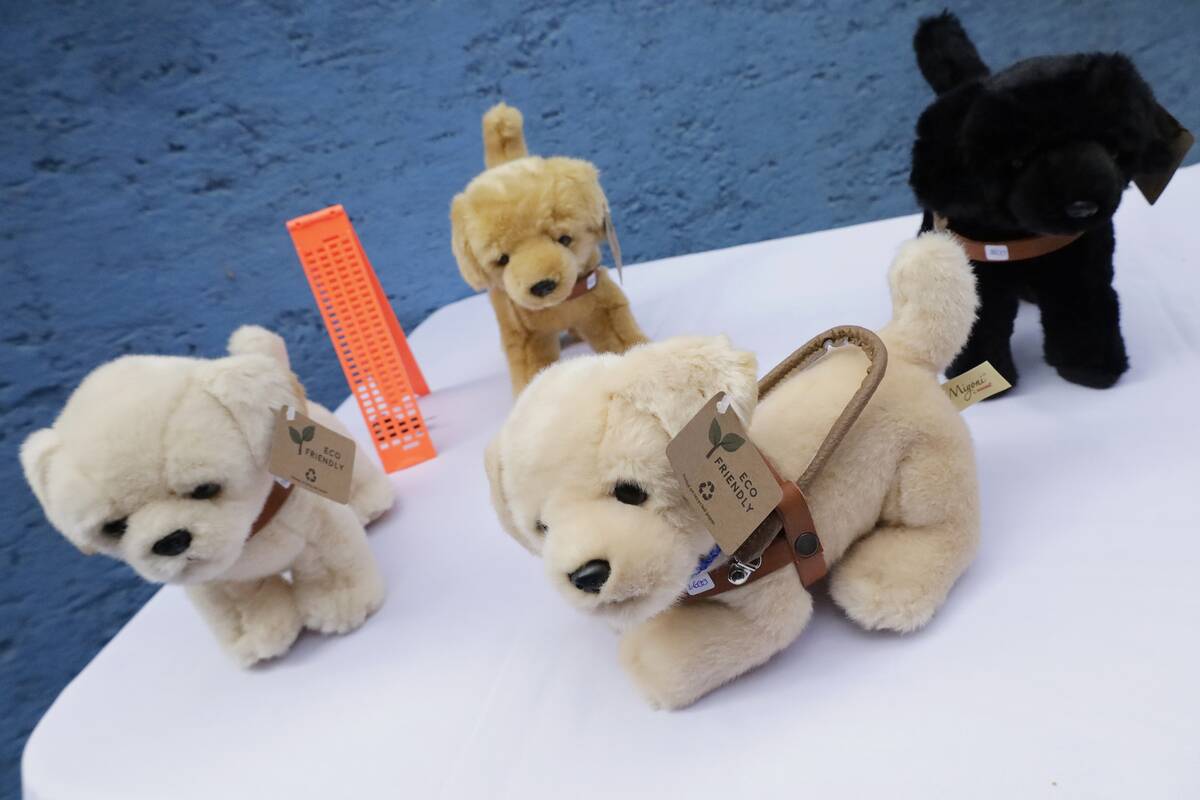
Prisons are a pretty effective way to train service dogs, but college kids have also been shown to be very successful puppy trainers. Many college kids will choose to become a service dog trainer because it is only a two-year commitment and they often miss having a pet.
College kids have also been shown to be one of the best at socializing the puppy because they bring them along to classes and social events. One of the most important skills a service dog has is being able to stay focussed when surrounded by distractions. What better way to do that then take your service dog to a college party?
They Have To Retire Eventually
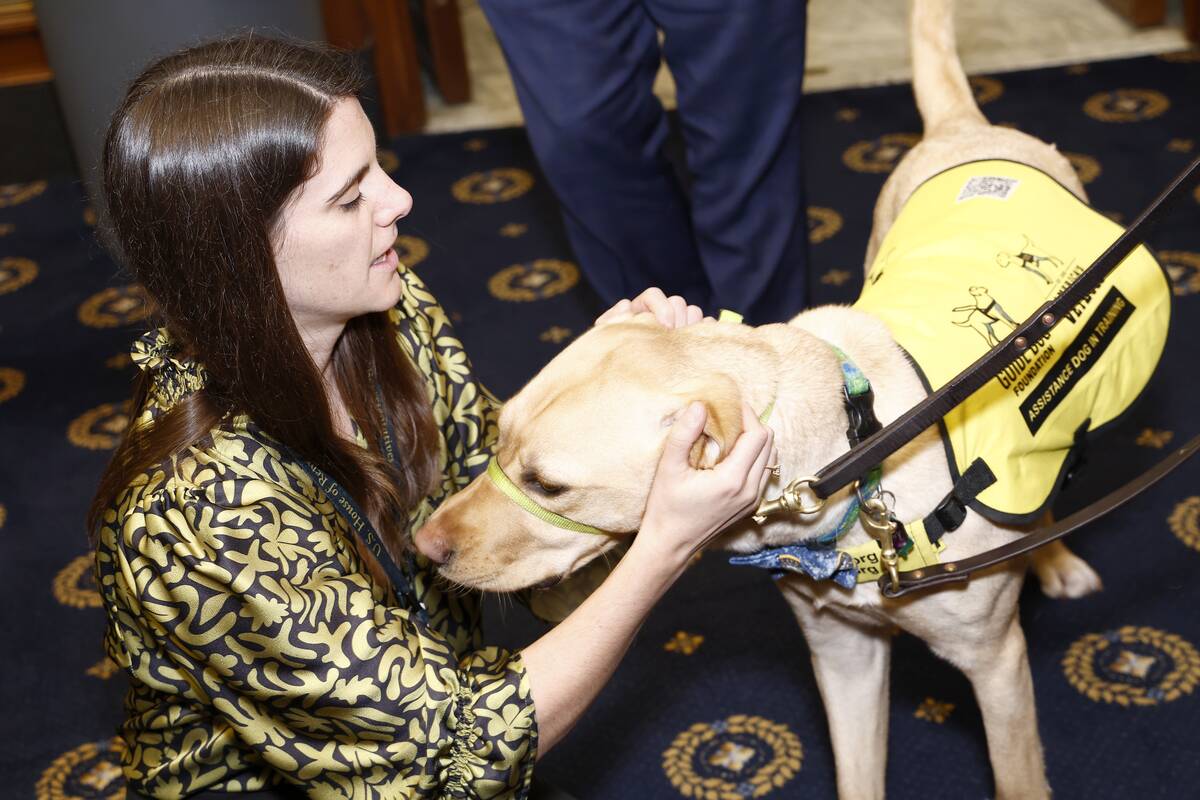
Service dogs begin their training at 9 weeks old and usually work for about 7-10 years, but eventually, they have to retire like the rest of us. Reasons for retirement may vary, but usually, the service dog has just done their duty and deserves to spend their final years relaxing and having fun.
If the service dog isn’t imperative to their day-to-day life, the owner can choose to keep the dog as a pet instead. If they don’t do so, the volunteer who trained the dog often has first dibs at adopting the dog. If the original volunteer chooses to pass on the dog, they go up for adoption to the public. When this happens they usually go pretty quick because they are so well trained.
Buddy Was The First American Seeing Eye Dog

Buddy was the dog that Dorothy Eustis specifically to become the first American seeing eye dog. Buddy was a German Shepherd which was the only breed being used for guide dogs at the time. Morris Frank from Nashville, Tennessee, was blinded by two separate accidents as a kid and was excited to have the first seeing eye dog in America.
After bringing Buddy over in 1928, he would go on tour and tell reporters how much he enjoyed being able to travel independently again thanks to Buddy. All this press, combined with Buddy’s good looks, helped Morris raise enough awareness for guide dogs that Eustis was able to successfully open The Seeing Eye.