The psychology behind superstitions

Trending Now
Superstitions can be described as beliefs or practices that are not based on scientific evidence but are often passed down through generations. They usually involve rituals or symbols thought to influence future events.
For instance, knocking on wood to avoid jinxing oneself is a common superstition. While some see these beliefs as quaint or amusing, others rely on them to navigate the uncertainties of life, making them a fascinating subject for exploration.
The Origins of Superstitions: A Trip Down Memory Lane

The history of superstitions is as old as humanity itself. Many originated in ancient times when humans sought to understand and control their environment. For example, the fear of black cats is rooted in the Middle Ages when they were associated with witches.
Similarly, walking under a ladder was avoided in ancient Egypt due to the belief that triangles were sacred. These historical contexts give us insight into why some superstitions persist today.
Superstitions Across Cultures: A Global Phenomenon
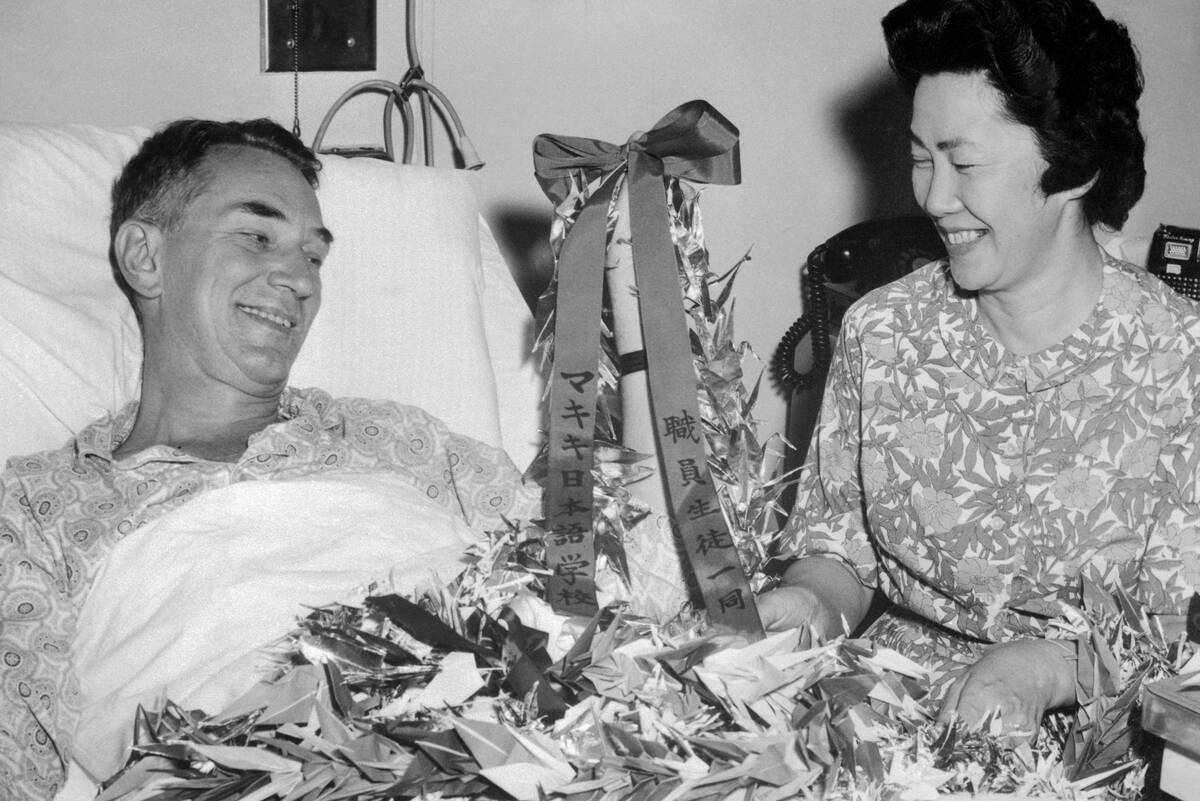
Superstitions are a universal phenomenon, appearing in various forms across different cultures. In Italy, the number 17 is considered unlucky, while in China, the number 4 is avoided because it sounds like the word for death.
In Japan, the practice of folding 1,000 origami cranes is believed to grant a wish. These diverse beliefs highlight how cultural contexts shape superstitions, yet the underlying desire for luck and protection remains consistent worldwide.
Superstitions and Control: Finding Comfort in Chaos
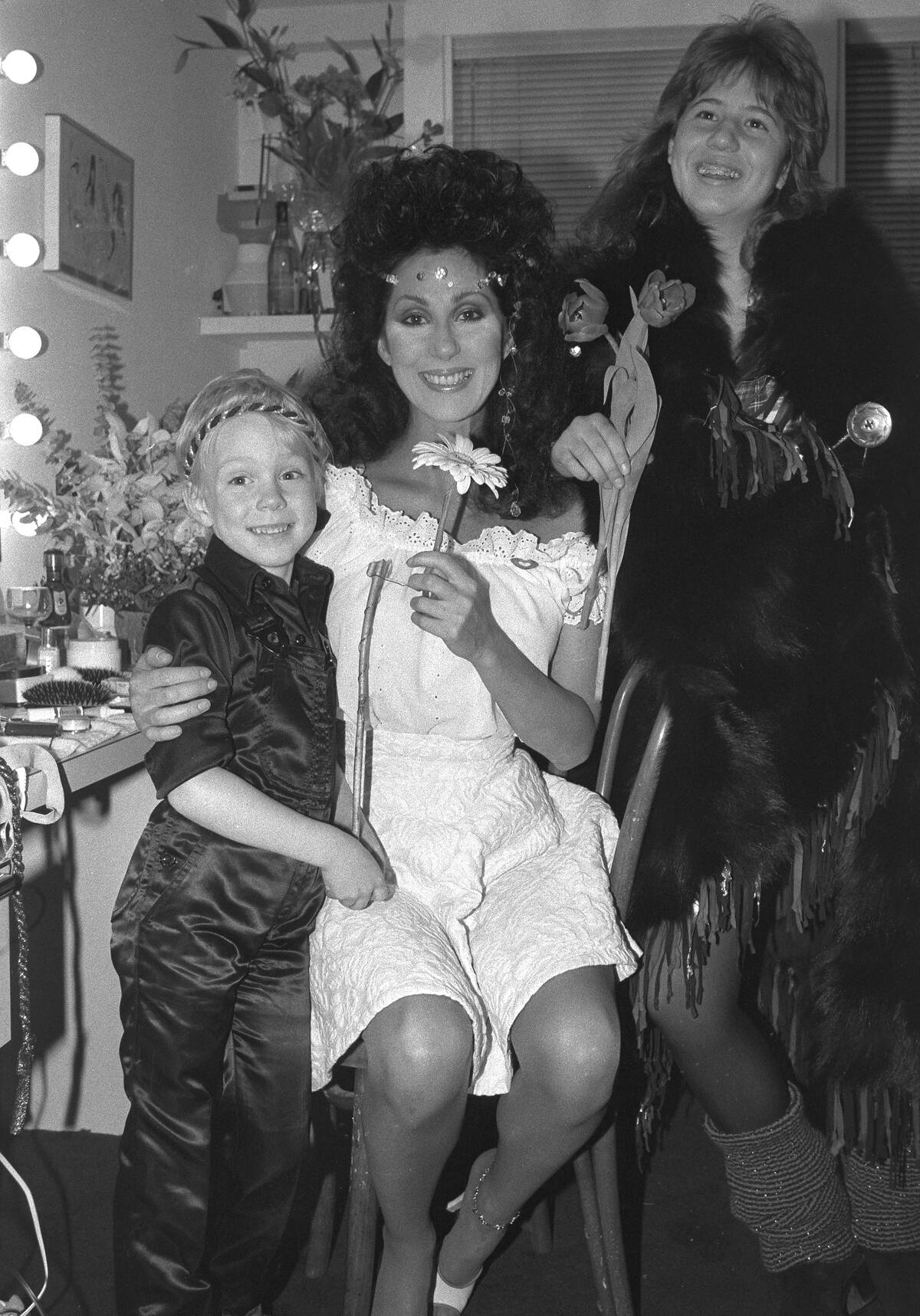
Superstitions often provide a sense of control in an unpredictable world. Engaging in superstitious rituals can offer comfort when faced with uncertainty. For instance, actors saying ‘break a leg’ instead of ‘good luck’ is a way to exert control over performance outcomes.
This psychological reassurance helps mitigate feelings of helplessness, allowing individuals to feel more confident and in control, even when circumstances are beyond their direct influence.
The Role of Fear in Superstitions: When Anxiety Takes Over

Fear is a powerful motivator behind many superstitions. People often turn to superstitious beliefs as a way to alleviate anxiety about uncertain outcomes. For instance, avoiding stepping on cracks in the sidewalk stems from a fear of bad luck.
This need to mitigate fear and gain a sense of control over uncontrollable events highlights the psychological underpinnings of superstitions. It underscores how deeply intertwined fear and superstition can be in human behavior.
Lucky Charms and Rituals: Do They Really Work?

Lucky charms and rituals are tangible expressions of superstitions, often believed to bring good fortune. Items like rabbit’s feet or four-leaf clovers are popular examples. While there’s no scientific evidence supporting their efficacy, the confidence they instill can lead to positive outcomes.
This psychological boost, sometimes referred to as the ‘lucky charm effect,’ can enhance performance by reducing anxiety and promoting a positive mindset, making them psychologically beneficial.
The Impact of Superstitions on Decision-Making

Superstitions can significantly influence decision-making processes. People may change their actions based on superstitious beliefs, such as avoiding certain dates or numbers. This can impact everything from personal plans to business decisions.
The influence of superstitions on decision-making highlights the powerful role these beliefs play in daily life, often shaping choices in subtle yet profound ways, and sometimes leading to decisions that may not be rationally justified.
Social Influences: How Communities Shape Our Beliefs
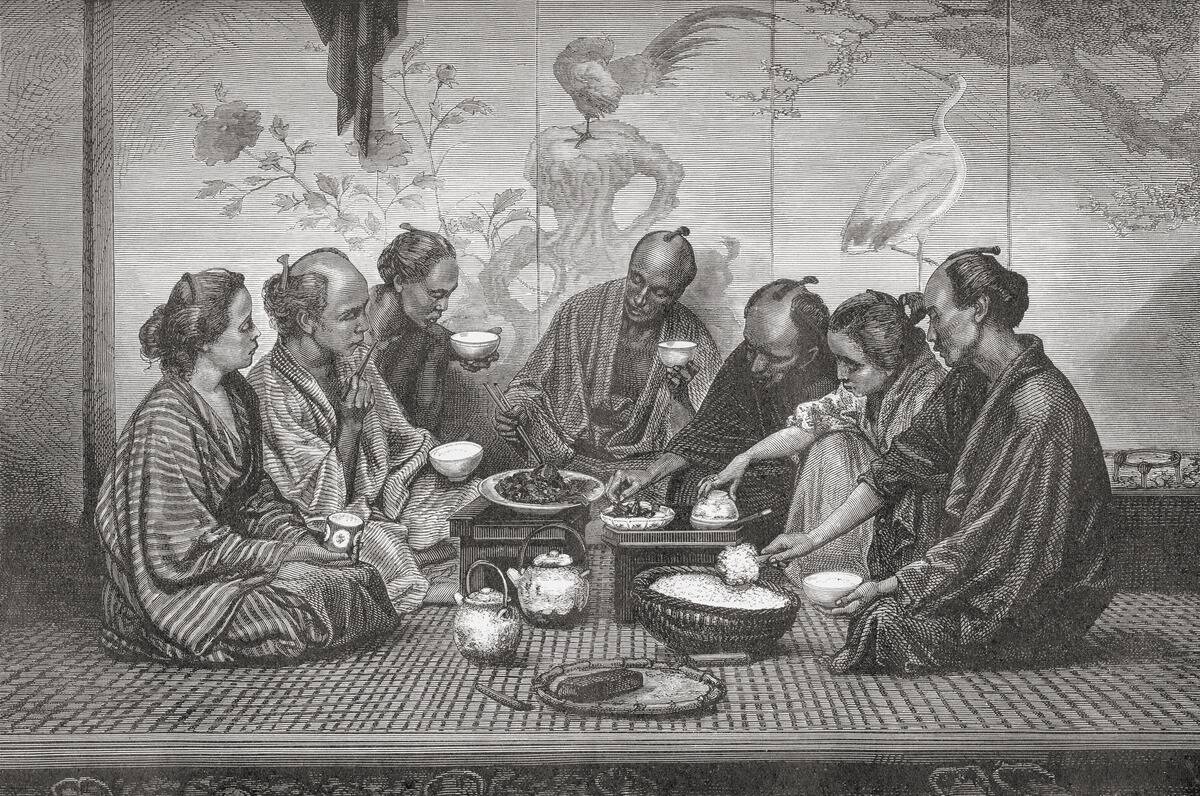
The beliefs we hold are often shaped by the communities we belong to. Superstitions are no exception, with societal influences playing a significant role in their development and perpetuation.
Whether it’s the influence of family traditions or cultural norms, these collective beliefs are passed down and reinforced through social interactions. This communal aspect of superstitions underscores the importance of social context in understanding why certain superstitions persist over time.
Superstitions in Sports: Athletes and Their Peculiar Habits

Athletes are known for their superstitious rituals, often developed as part of their pre-game routines. From wearing lucky socks to performing specific warm-up exercises, these habits are believed to enhance performance.
Michael Jordan famously wore his college shorts under his NBA uniform for good luck. While these rituals may not directly impact physical performance, they provide psychological benefits, helping athletes manage stress and focus their concentration on the game.
Superstitions as a Coping Mechanism: Managing Stress and Uncertainty
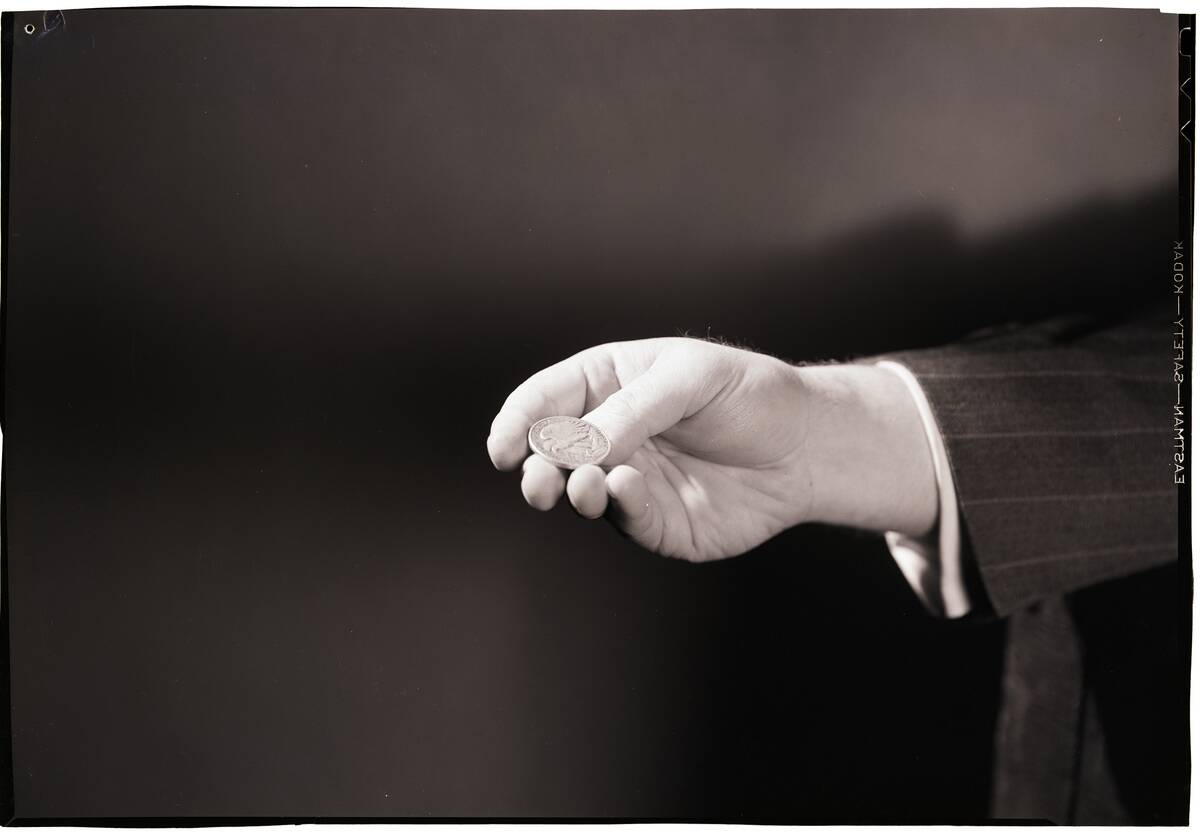
Superstitions can serve as effective coping mechanisms, providing comfort and assurance during stressful times. Engaging in familiar rituals can help individuals feel grounded and secure, offering a sense of control amidst chaos.
Whether it’s carrying a lucky coin or adhering to a routine, these practices help manage anxiety and uncertainty. This coping aspect of superstitions underscores their emotional significance and why they continue to be embraced by many people.
The Role of Media and Pop Culture in Perpetuating Superstitions

Media and pop culture play a vital role in perpetuating superstitions. Movies, television shows, and books often depict superstitions, sometimes exaggerating their effects for dramatic purposes. This portrayal can influence public perception, making certain superstitions more popular or feared.
Additionally, celebrity endorsements of superstitious practices can lend them credibility, further embedding these beliefs in popular culture. This cyclical relationship between media and superstition highlights the power of storytelling in shaping beliefs.
Breaking Free: How to Overcome Superstitious Thinking
Overcoming superstitious thinking involves a conscious effort to challenge and reframe these beliefs. Critical thinking and skepticism are crucial tools in this process. By questioning the validity of superstitions and examining evidence, individuals can begin to separate fact from fiction.
Cognitive-behavioral techniques can also help, encouraging individuals to replace superstitious behaviors with more rational actions. This journey towards rationality not only liberates individuals from unfounded fears but also fosters a more grounded and empowered mindset.