What lies at the bottom of the deepest hole on Earth

Trending Now
Geologists and travel enthusiasts are familiar with many of the earth’s deepest places. The Dead Sea is the lowest place on Earth in terms of feet below sea level. We know about the Marianas Trench. There are some super deep mines around the world. What’s deeper than all of those features, though, is the Kola Superdeep Borehole.
This is a hole that’s actually man-made, but the bottom of it has never been accessed by humans…
Where It Is
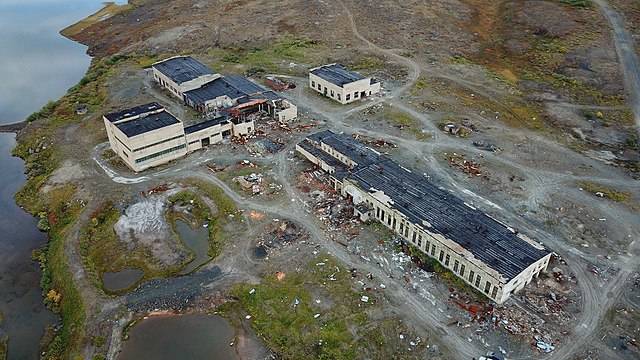
The Kola Superdeep Borehole is located in the Pechengsky District northwest of the Murmansk oblast, on the coast of the Barents Sea. This district is close to Finland and Norway. The hole itself is the result of a scientific drilling spearheaded by the Soviet Union.
What Is A Borehole?
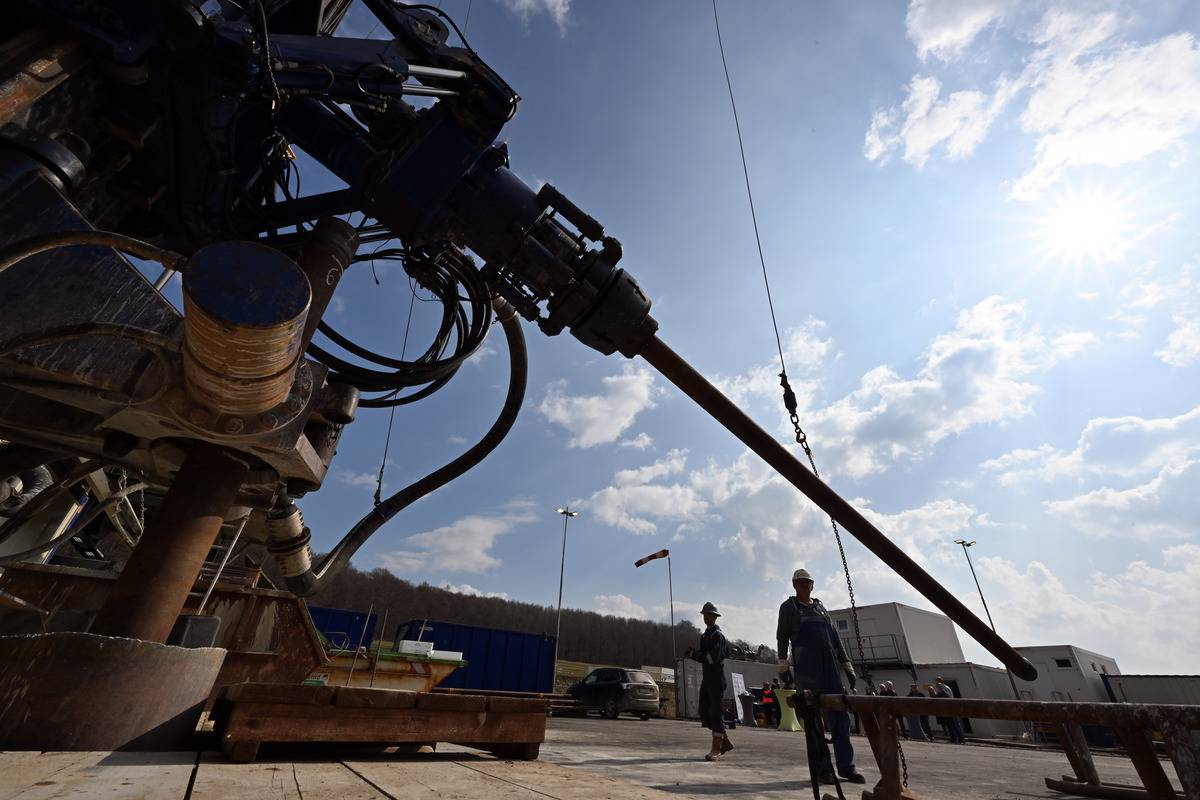
Engineers and environmental consultants use the term “borehole” to describe all of the various types of holes drilled as part of a geotechnical investigation. Basically, a borehole is a hole that’s dug for exploratory purposes.
How Deep Is It?
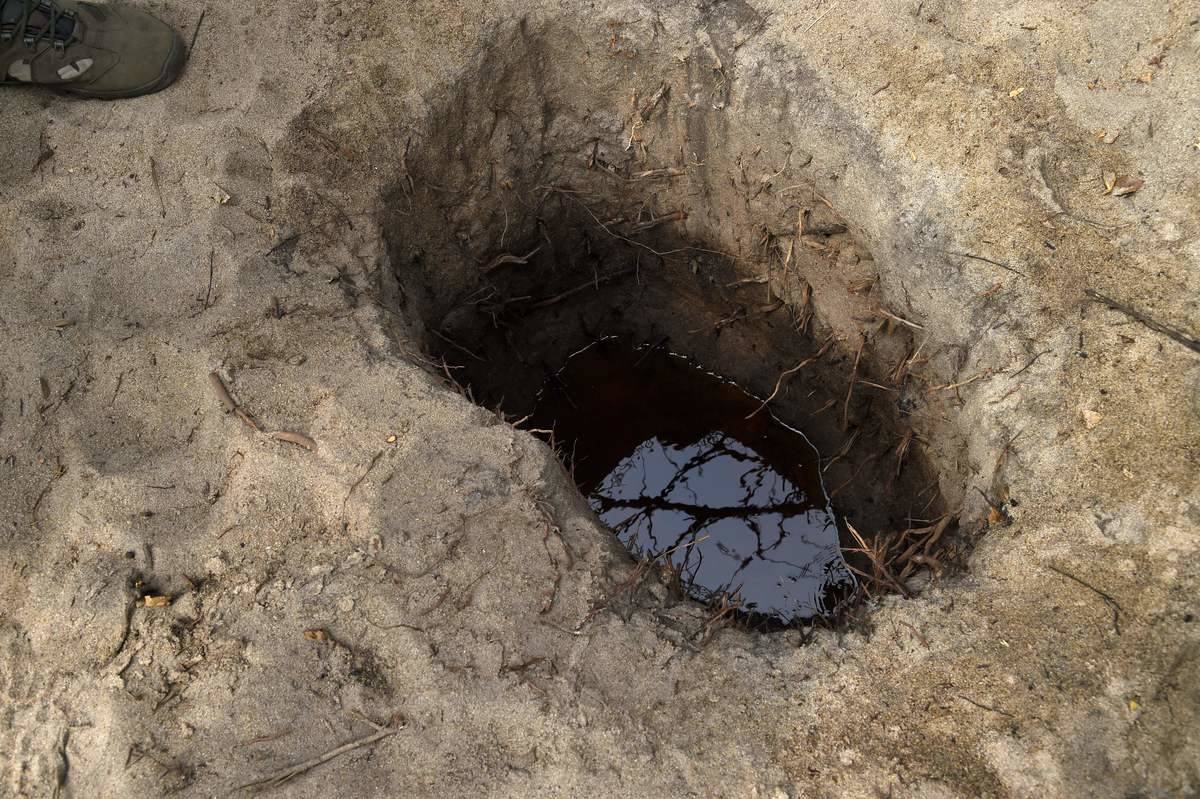
The Kola Superdeep Borehole is the deepest hole on Earth, as its name suggests. So how deep is it? It’s actually only 23 centimeters (9 inches) wide, but it’s 12,262 meters (40,230 feet) deep.
Why Does It Exist?
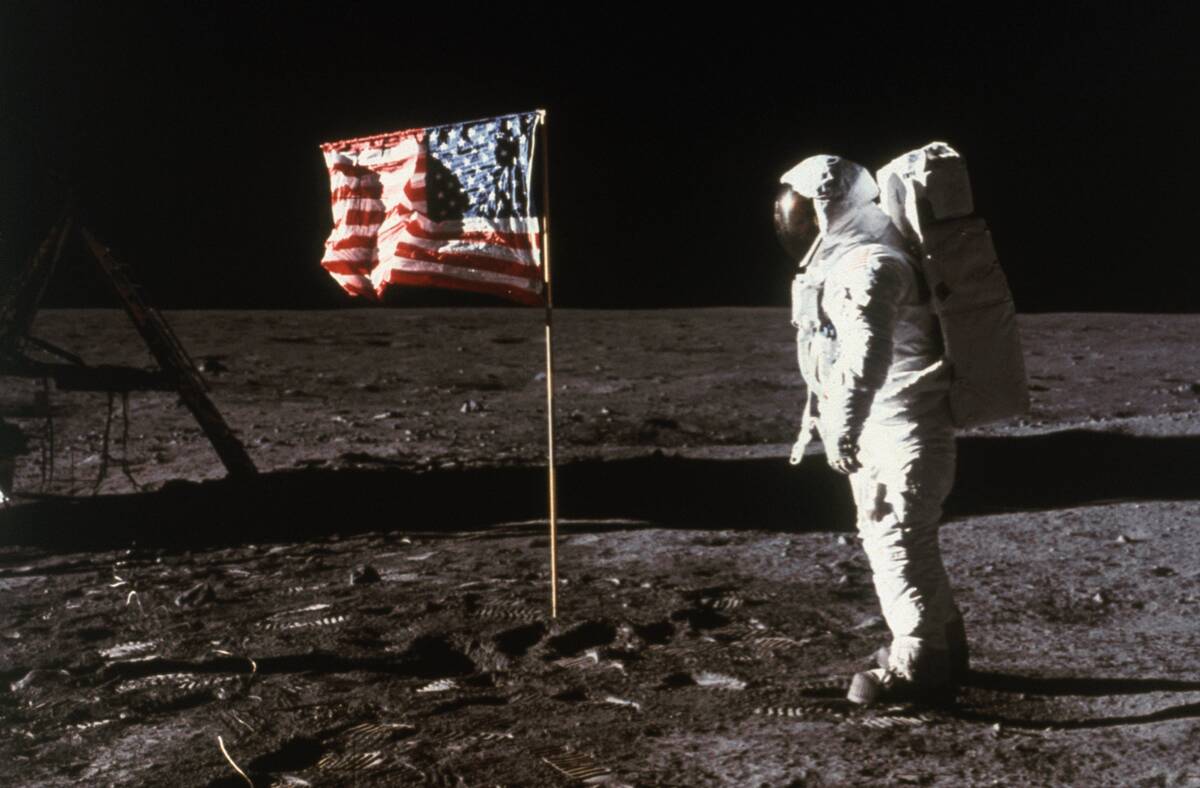
This hole is the product of a scientific arms race. Around the time that the Kola Superdeep Borehole was dug, America had just won the race to the moon. Other countries were taking another route and trying to beat each other to the center of the Earth.
When Did They Start The Big Dig?
The Americans started what they called “Project Mohole” in 1958. They were trying to beat the Soviet Union to the core of the Earth. They stopped digging in 1966 — but the Russians chose not to. They kept digging straight through to the 1990s.
Just Keep Digging
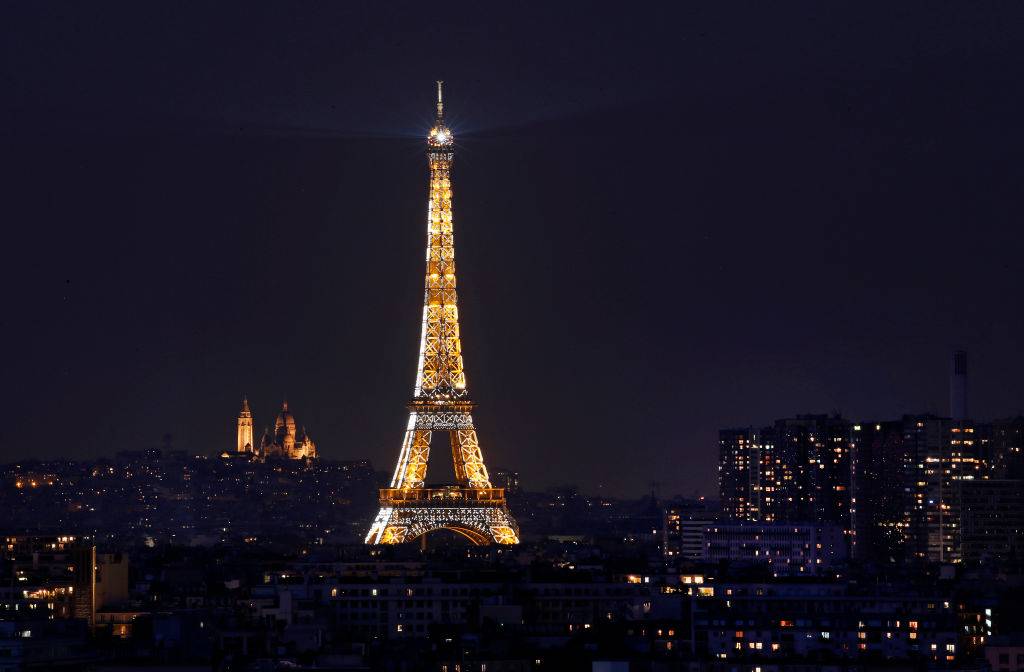
The Kola Superdeep Hole is actually not one hole but several boreholes attached to a single original hole. The deepest main hole is as deep as 37.8 Eiffel Towers stacked end to end.
What They Found Down There
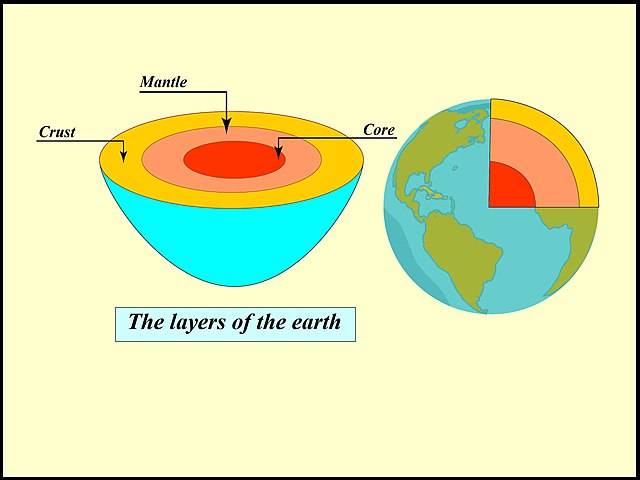
The point of digging this hole in the first place was to gain more information about the physical makeup of our planet. Scientists actually got a lot of geological information from the hole, though they haven’t pierced through to the planet’s mantle.
Very Old Fossils
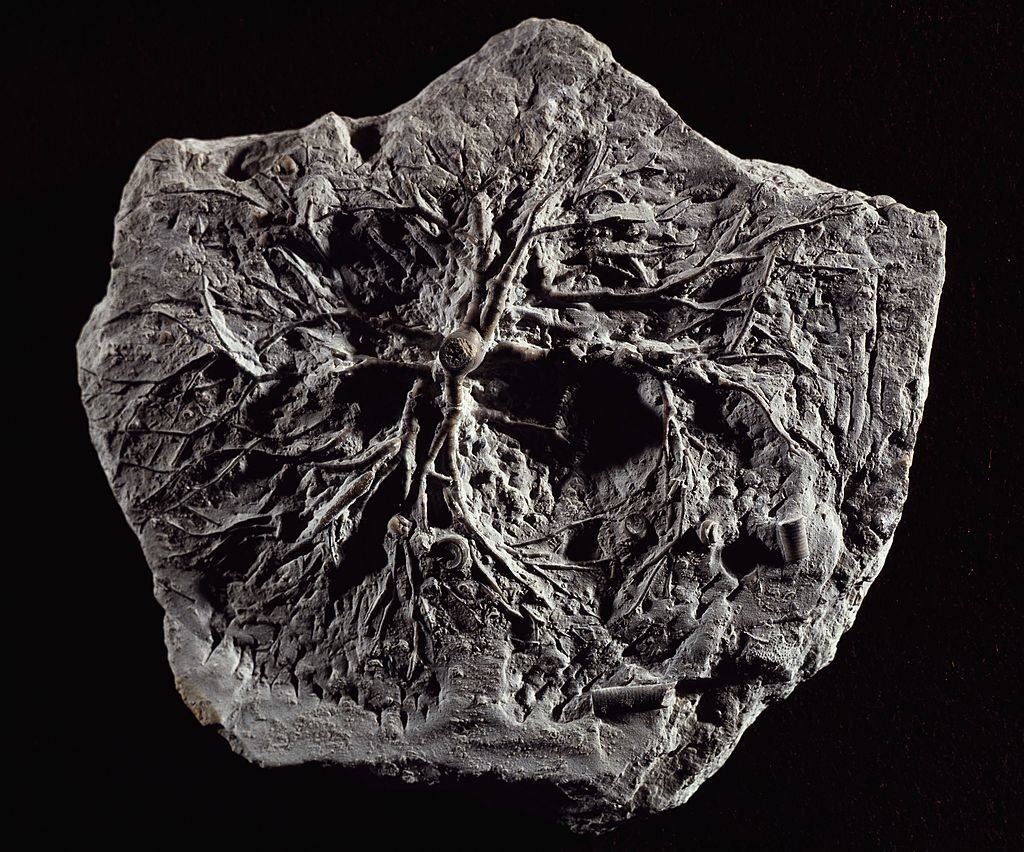
Scientists expected to learn a lot about the formation of the Earth. What they didn’t expect was to make some astounding palaeontological discoveries. At around 6.4 kilometers (roughly 4 miles) down, 2-billion-year-old microscopic plankton fossils were found.
There Was Water Down There
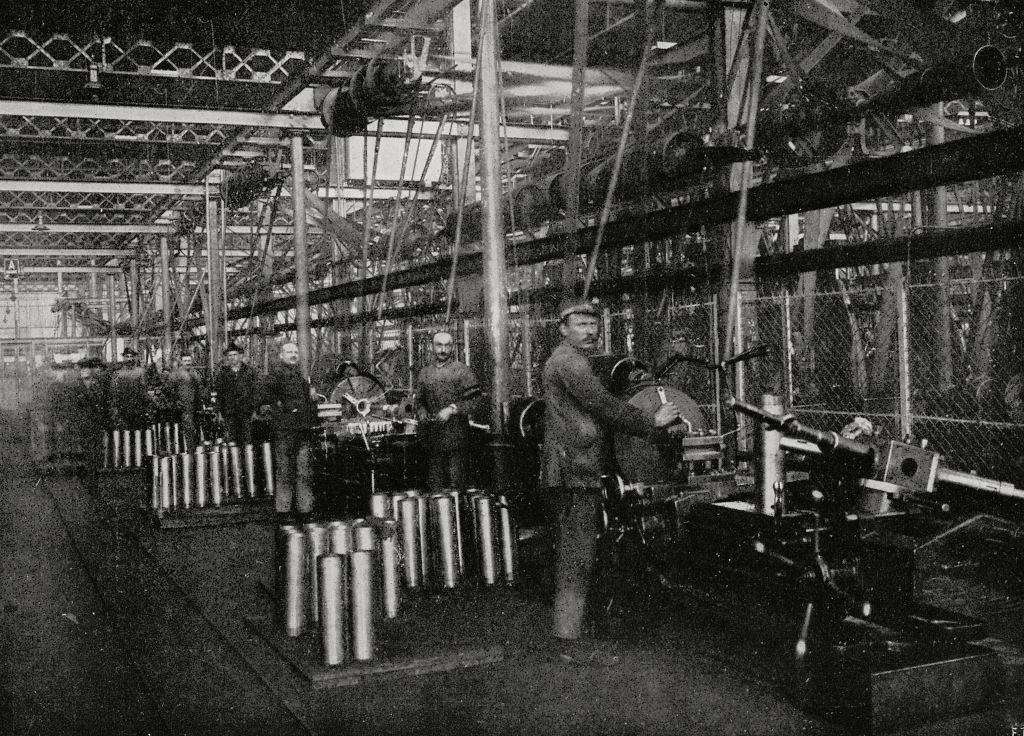
In addition to the fossils, scientists discovered that there was actually free-flowing water below the Earth’s surface. It was squeezed by subterranean rock and trapped under incredible amounts of pressure.
A Long Way To Go
Eventually, the project had to come to an end. The scientists couldn’t keep on digging forever. One of the main reasons why they stopped digging is because temperatures got too high. It was 180°C (356°F) down there.
This hole sounds really deep (and it is), but to put things in perspective, even though this is the deepest hole on earth, it’s only 0.19% of the way down to the center of the planet.
So Why Not Drill Under The Ocean?
That’s a very good question. It turns out, scientists are actually doing this. There’s a dig going on right now in the Atlantis Bank of the Indian Ocean. There’s a piece of oceanic crust that’s cooler than usual in that area, which makes things easier for engineers.
The Dig Continues
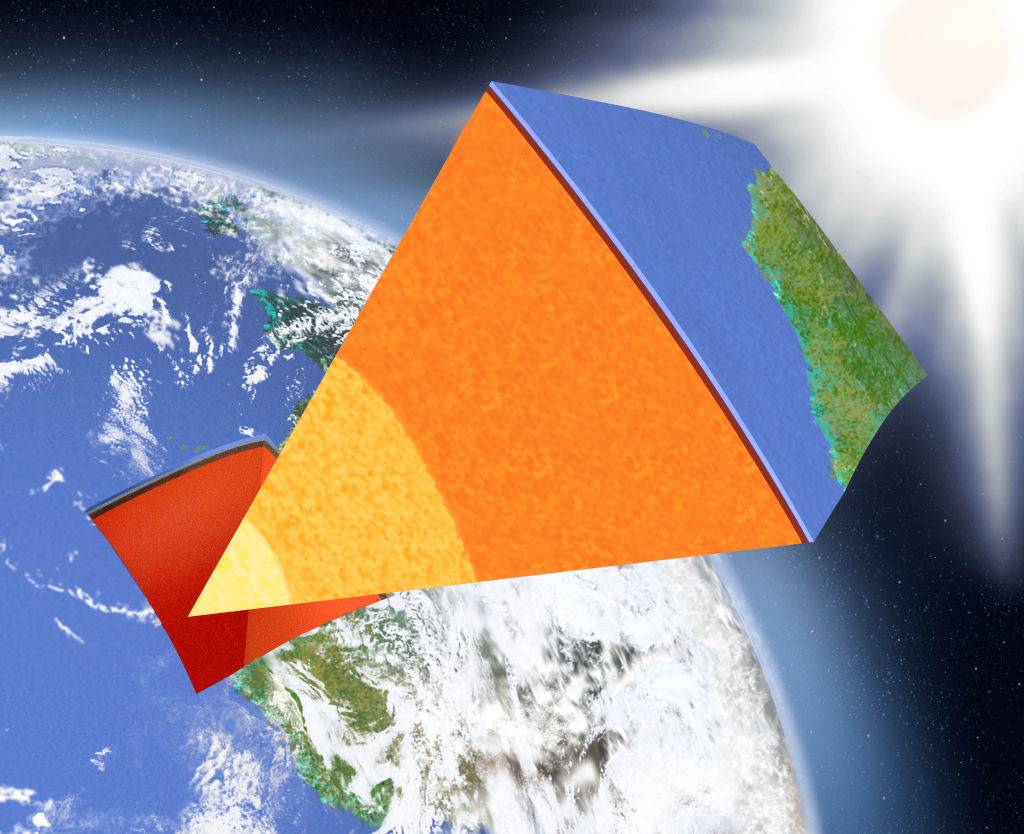
This project in the Indian Ocean has been ongoing for a number of years. Scientists have been stopping and starting the dig at this location for a while. At this point, they’re still working to reach beyond the crust to the Earth’s slowly churning mantle.
A Big Discovery

One of the main things scientists learned from the Kola Superdeep Borehole is that granite doesn’t turn into basalt at great depths as we previously thought.They found no evidence of this transition happening at 4.3 miles below the Earth’s surface.
Scientists were also surprised to learn that there was a large amount of hydrogen gas under the Earth’s surface. The mud that flowed out of the borehole was described as “boiling” with hydrogen.
You Can Still Visit The Hole
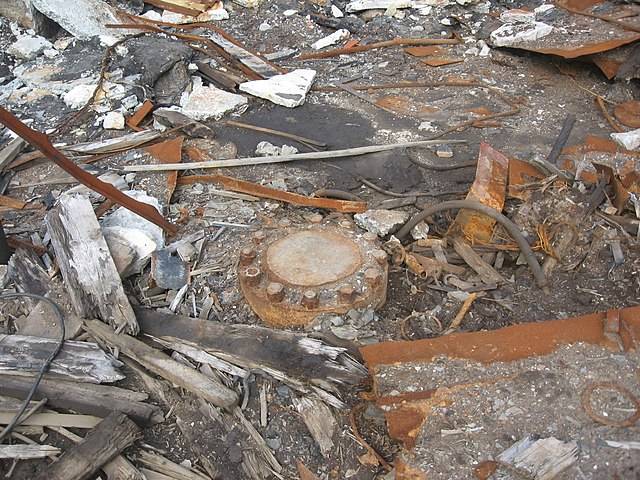
Lots of people still visit the ruins and the remnants of the site all these years later. There was once a tower standing by the hole that was destroyed sometime between 2007 and 2012.
Many other boreholes and tunnels have been drilled for the purpose of scientific inquiry, but the Kola Superdeep Borehole still holds the record for the deepest man-made hole on this planet.