19 Creepy crawly facts about spiders

Trending Now
Arachnophobia, or the fear of spiders, ranks among the most widespread phobias globally. Whether you find these eight-legged creatures terrifying or simply fascinating, there’s no denying how captivating they are.
Did you know, for instance, that some spiders can imitate other animals? Or that certain male spiders actually offer themselves as food to their mates? From the spooky to the extraordinary, let’s explore some incredible spider facts.
The Giant Huntsman Has The Longest Legs In The Spider World (And It’s Also Really Fast)
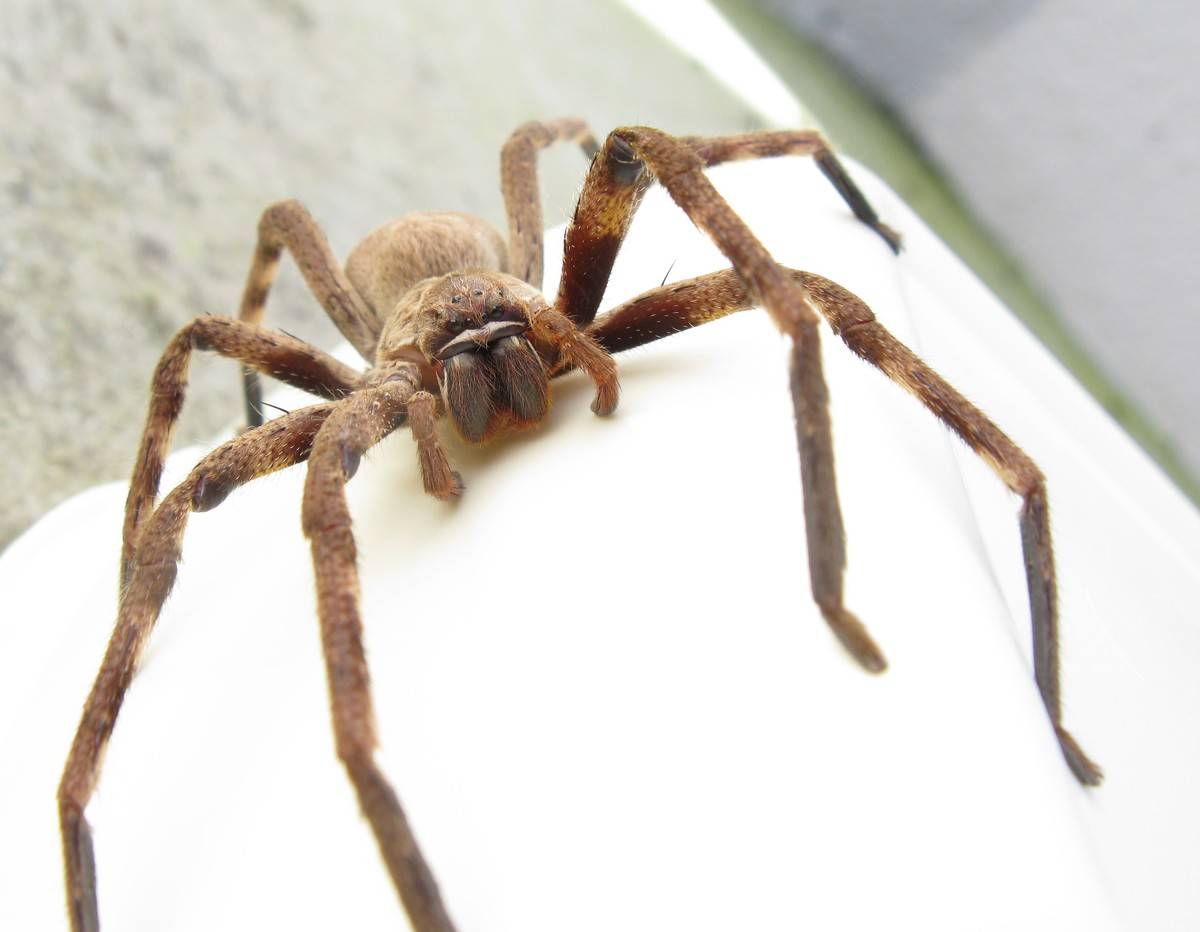
The giant huntsman spider boasts the longest leg span of any spider in the world, with some specimens stretching up to a foot across! Rather than spinning webs to catch prey, this spider relies on speed and agility to hunt actively.
Its diet includes insects, frogs, and even small lizards. The huntsman uses stealth and quick movements to chase down its target, delivering a powerful venom through its sizable fangs to subdue it. You’ll find this impressive arachnid lurking in caves throughout Southeastern Asia.
Spiders Can Survive In Space

At this point, you might be considering leaving Earth just to escape spiders—but think again! These resilient creatures can actually survive in outer space. During various NASA experiments, spiders have shown an impressive ability to adapt to zero gravity, even spinning webs while floating in weightlessness.
The first two arachnid astronauts, Arabella and Anita, made history in 1973 aboard a space mission. Since then, many more spiders have followed in their tiny footsteps. If you’re curious, you can see Arabella and Anita’s preserved remains on display at the Smithsonian Air and Space Museum in Washington, D.C.
Male Redback Widow Spiders Force-Feed Themselves To Their Mates
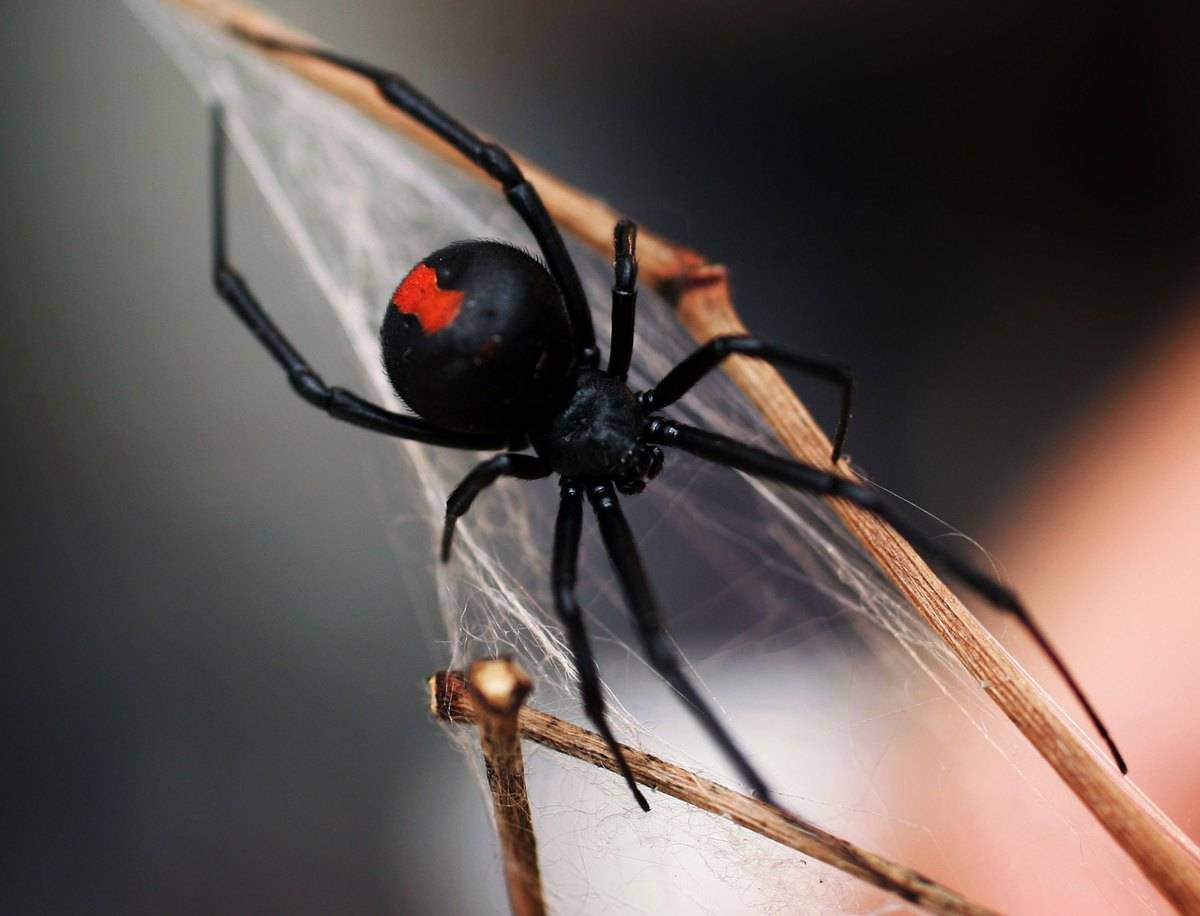
Female widow spiders are known to consume their smaller male partners during mating. While some males attempt to avoid this grim fate by fleeing, male red widow spiders take a more shocking approach—they deliberately offer themselves up by placing their bodies into the female’s jaws.
As unsettling as it sounds, this behavior may serve an evolutionary purpose. Ecologist and spider expert Maydianne Andrade explains that “[mating] encounters between redback spiders are longer if the male allows himself to be cannibalized.” In essence, by sacrificing himself, the male boosts the chances of reproduction and supports the survival of his species. Now that’s a whole new level of selflessness.
Wolf Spiders Make Purring Sounds That Humans Can Hear

Wolf spiders may not have ears, but that doesn’t stop them from making noise. Males produce a low “purring” sound by creating vibrations, which females detect through their feet. This unique courtship call is meant to attract a mate.
However, it’s a risky move—if the female isn’t impressed, things can take a deadly turn. Roughly 20% of male wolf spiders end up becoming a snack for the very females they were trying to woo. Talk about a dangerous dating game.
Almost All Spiders Are Venomous
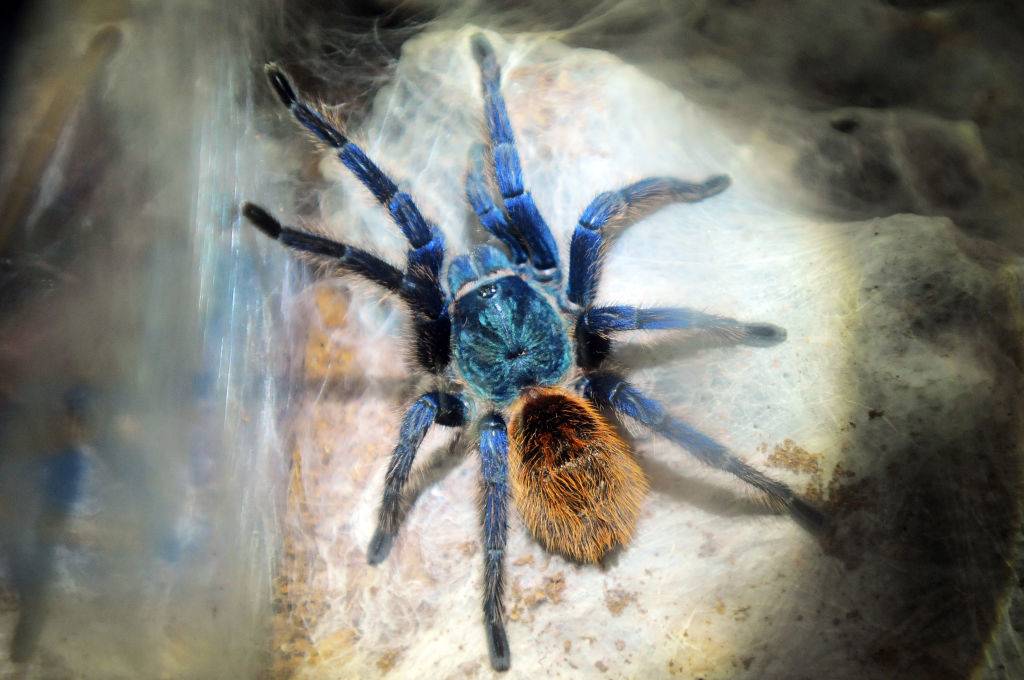
If you’re not a fan of spiders, here’s an unsettling fact: almost all of them have venom glands. They rely on venom to hunt and defend themselves.
The good news? Most spiders aren’t a threat to humans. Only around a quarter of all spider species have venom that could potentially harm us, and many don’t even have fangs strong enough to pierce human skin. While spider bites can happen, they’re typically a defensive response when the spider feels scared or surprised—so it’s wise to give them space and let them be.
Spiders Consume Between 400 And 800 Million Tons Of Prey Every Year
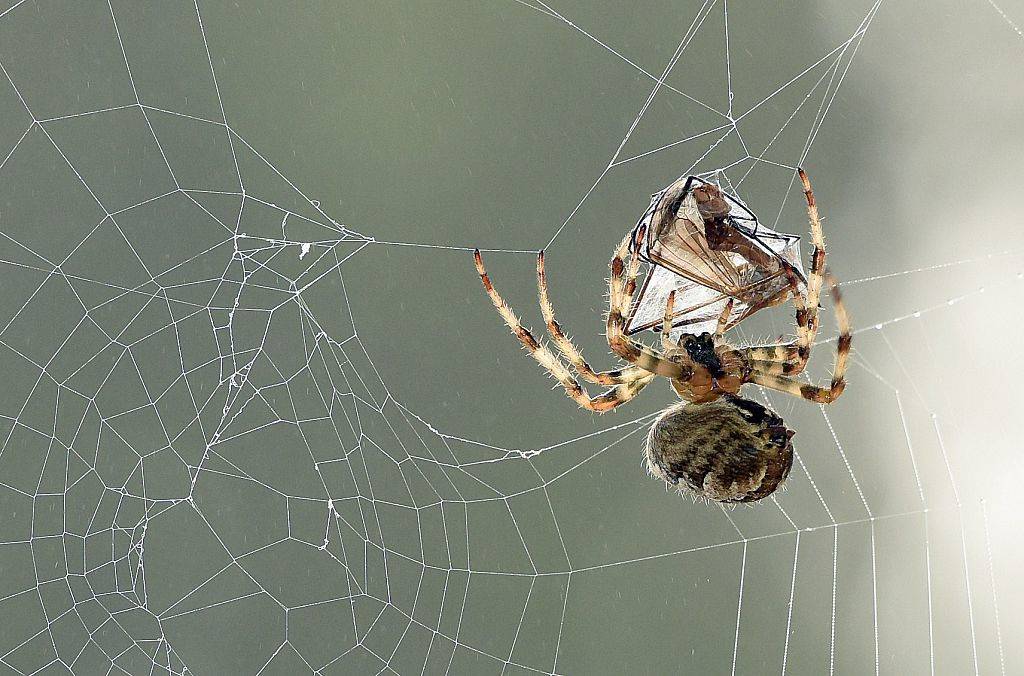
A study published in The Science of Nature revealed that spiders around the world consume between 400 and 800 million tons of prey annually! The majority of this prey consists of insects, though larger spiders also hunt animals like lizards, birds, and small mammals.
According to the researchers, these findings suggest that spiders consume as much meat as all seven billion humans on Earth combined. As The Washington Post pointed out, “In other words, spiders could eat all of us and still be hungry.” A rather unsettling thought, isn’t it?
Spiders Lay Hundreds Of Eggs At Once
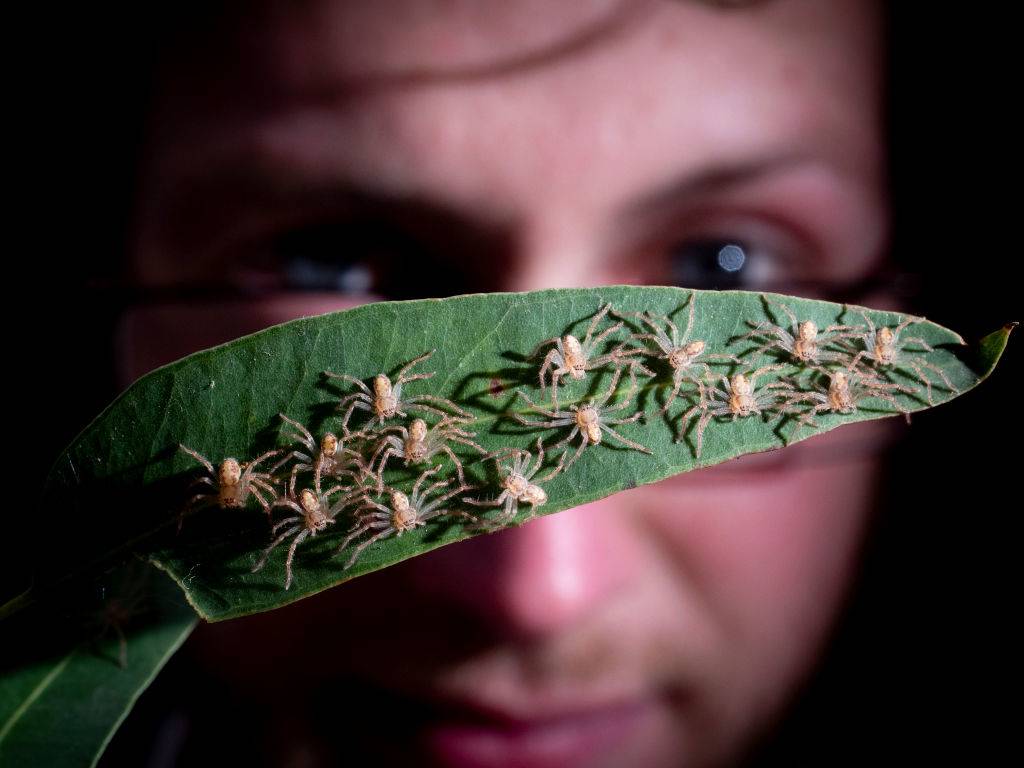
On average, a house spider can lay hundreds, sometimes even thousands, of eggs at once. To reproduce, female spiders carry their eggs in multiple sacs, each containing hundreds of eggs.
The spider’s abdomen will visibly swell as it carries the eggs, then shrink once the eggs are laid. After about two to three weeks, the eggs hatch into tiny spiders. The spiderlings will then take around a year to mature into adults.
Some Spiders Prey On Bats
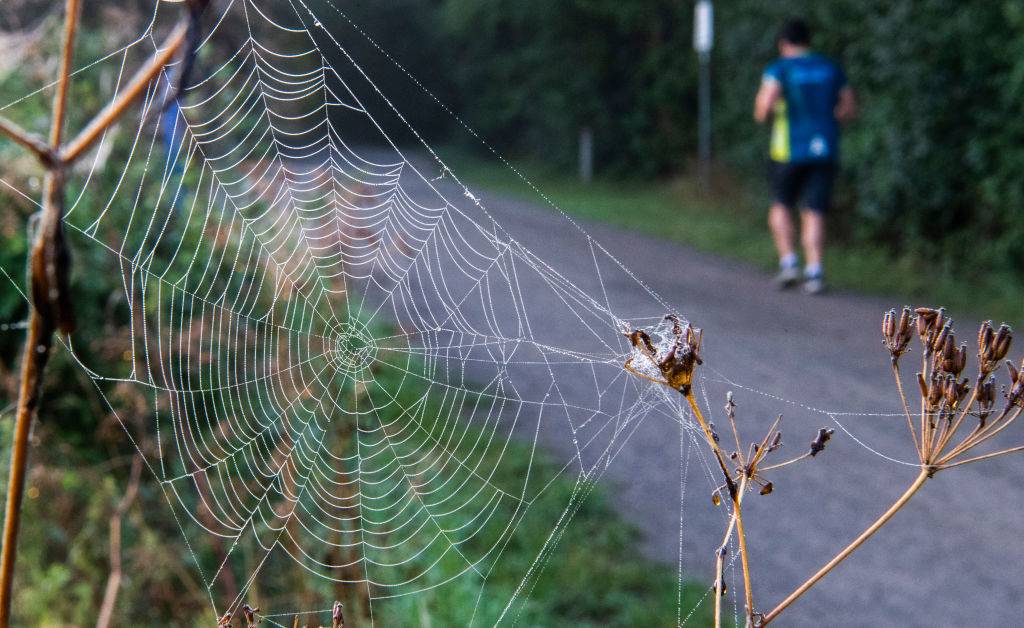
It may seem like a scene from a horror film, but some species of spiders actually prey on much larger animals, including bats. Bat-eating spiders aren’t as rare as you might think, with around 90 percent of them residing in warmer regions of the world.
While bats have few natural predators—mainly owls, hawks, and snakes—they occasionally get trapped in spiderwebs. And of course, a clever spider would never pass up an easy meal!
Spiders’ Silk Is Stored As A Highly Concentrated Liquid
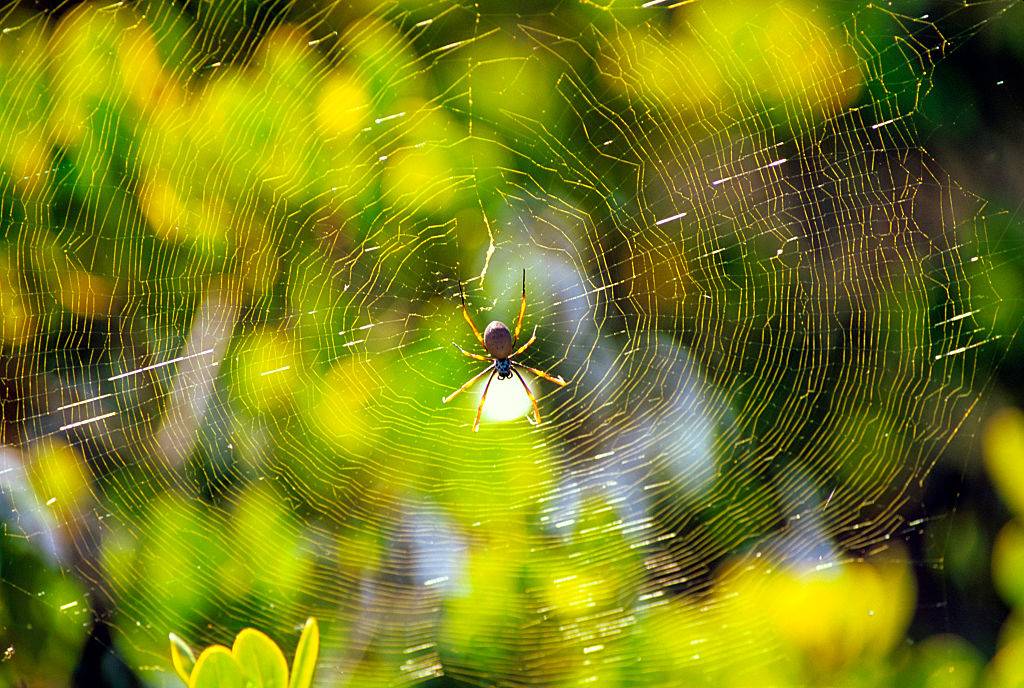
We’ve all had to brush aside those annoying spider webs at one time or another, but how familiar are you with how they’re created? Spiders store silk as a concentrated liquid protein inside their bodies, which solidifies into a thread when it’s released.
Additionally, spiders secrete adhesive droplets to help capture their prey. To prevent themselves from becoming trapped in their own webs, they have tiny claws on their legs that allow them to navigate safely.
One South American Spider Can Grow To The Size Of A Small Puppy
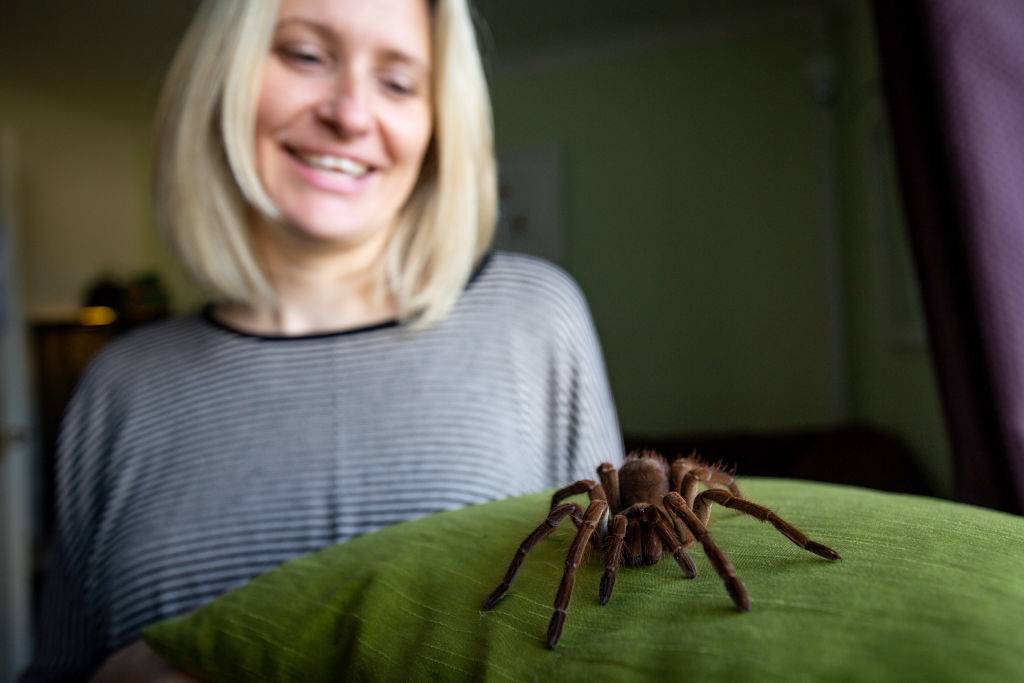
A member of the tarantula family, the Goliath birdeater inhabits the northern regions of South America. It can grow to the size of “a child’s forearm,” with its body approximately the size of “a large fist,” as described by entomologist Piotr Naskrecki of Harvard University.
According to Naskrecki, this spider can weigh over 170 grams, which is roughly the weight of “a young puppy.” What makes the Goliath birdeater even more intimidating than its size is its feeding method. After capturing its prey, the spider drags it back to its burrow, where it liquefies the prey’s insides and consumes it privately.
Spiders Are Everywhere
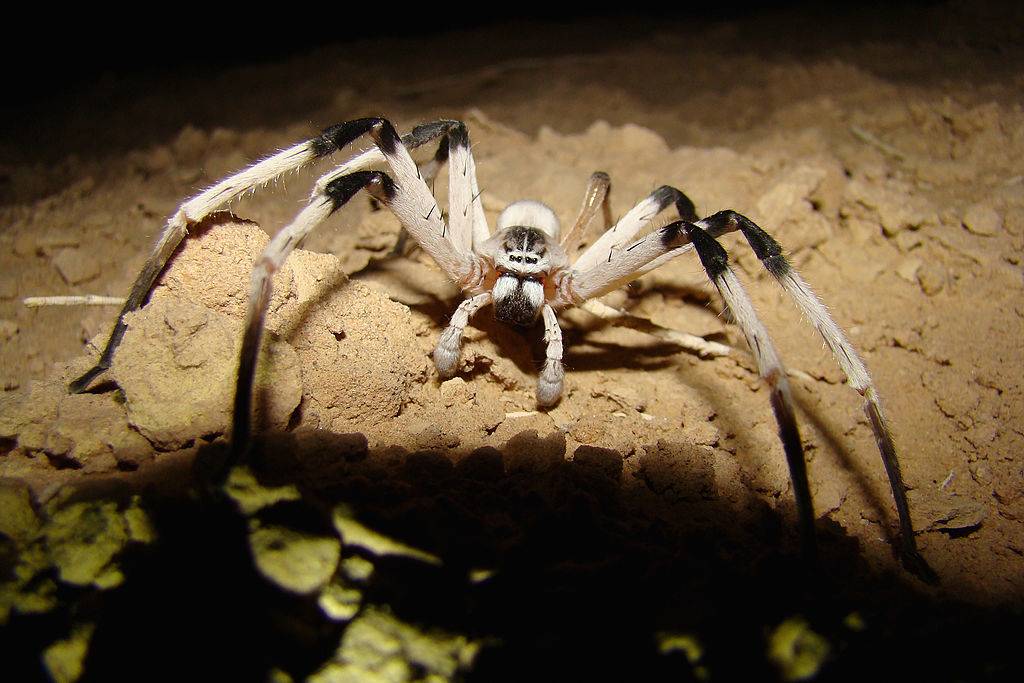
Trying to avoid spiders? Good luck! These creatures can live almost anywhere and are found on every continent except Antarctica.
As one of the most diverse groups of living organisms, spiders thrive in dry climates, tropical areas, rainforests, wetlands, bustling cities, and even in your own home. And as humans continue to invade their natural habitats, spiders are adapting to even more varied environments.
The Black Widow Is The Most Dangerous Spider In North America
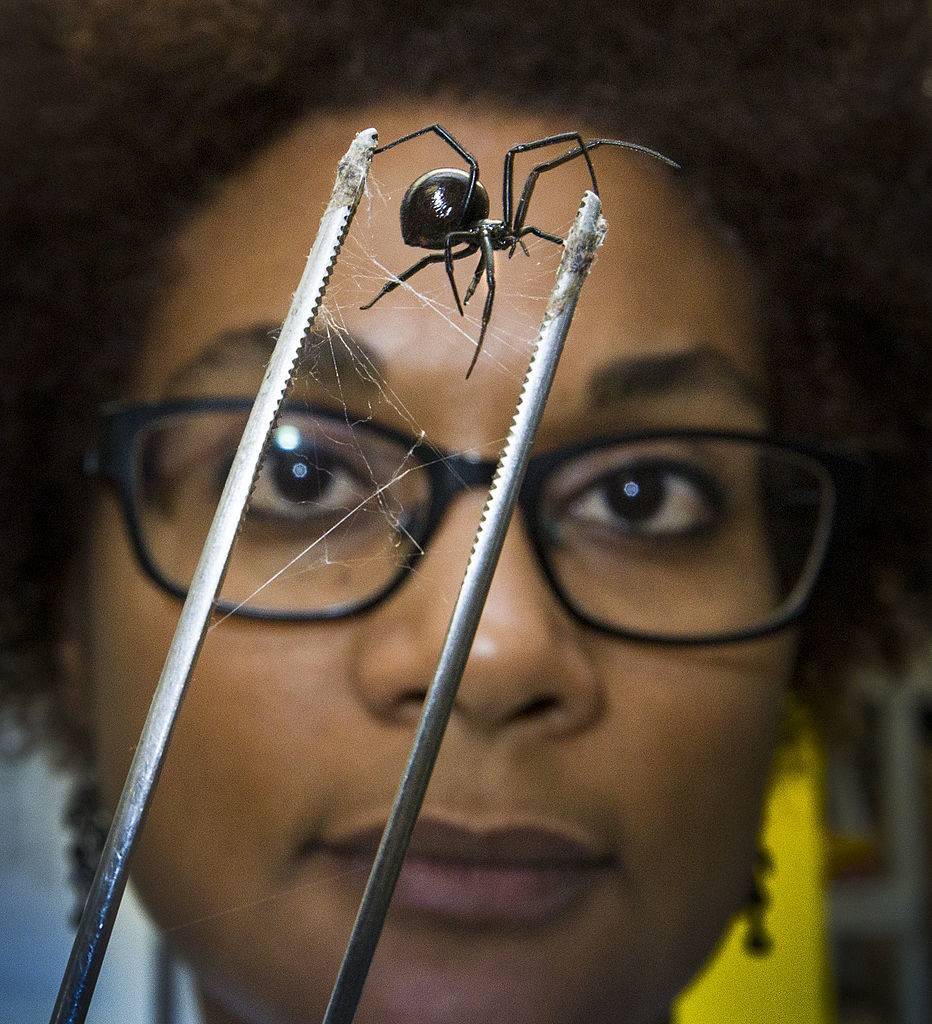
Black Widows are the most toxic spiders in North America. National Geographic reports that their venom is up to 15 times more potent than that of a rattlesnake. To most people, a bite from a Black Widow feels like a tiny prick, but within minutes, intense pain begins and spreads through the body.
Thankfully, these spiders typically bite humans only if they feel threatened, and antivenom is available if you ever find yourself on the receiving end of their bite.
There Are Spiders That Disguise Themselves As Ants
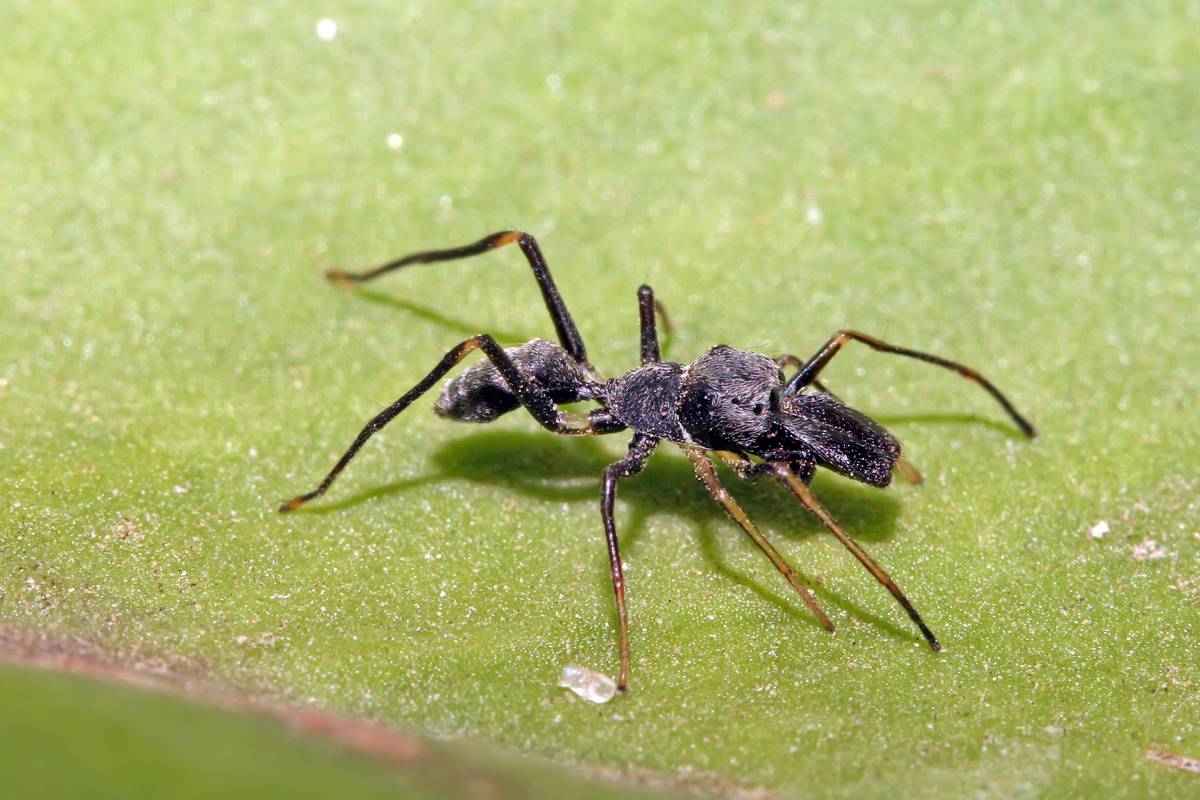
Often called “ant-mimicking spiders,” species like Myrmarachne and others camouflage themselves to resemble ants. Many of these spiders have bodies that mimic ants, and some even wave their front legs to imitate ant antennae while moving in a zigzag pattern.
The purpose of this disguise is to evade predators and reduce the risk of being eaten. Studies have shown that predators tend to target these ant-mimicking spiders less frequently than other spiders, but just as often as they attack actual ants.
Bigger Cities Can Create Bigger Spiders
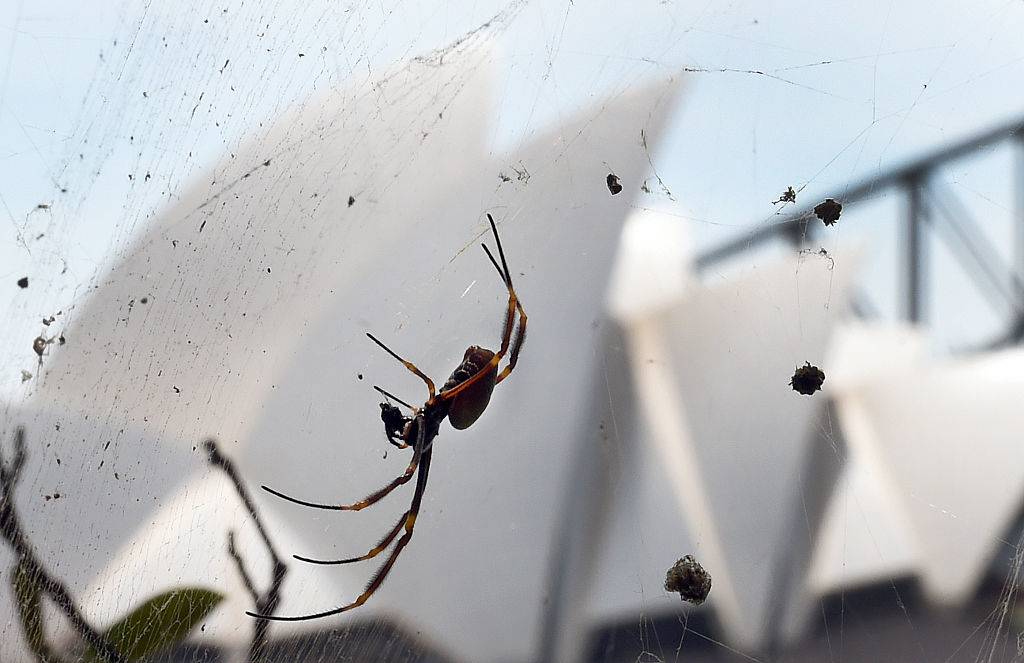
While people who live in big cities are somewhat used to dealing with critters like rats and roaches, there are also spiders to think about. And there are species of spiders who thrive in densely populated areas with hard concrete surfaces.
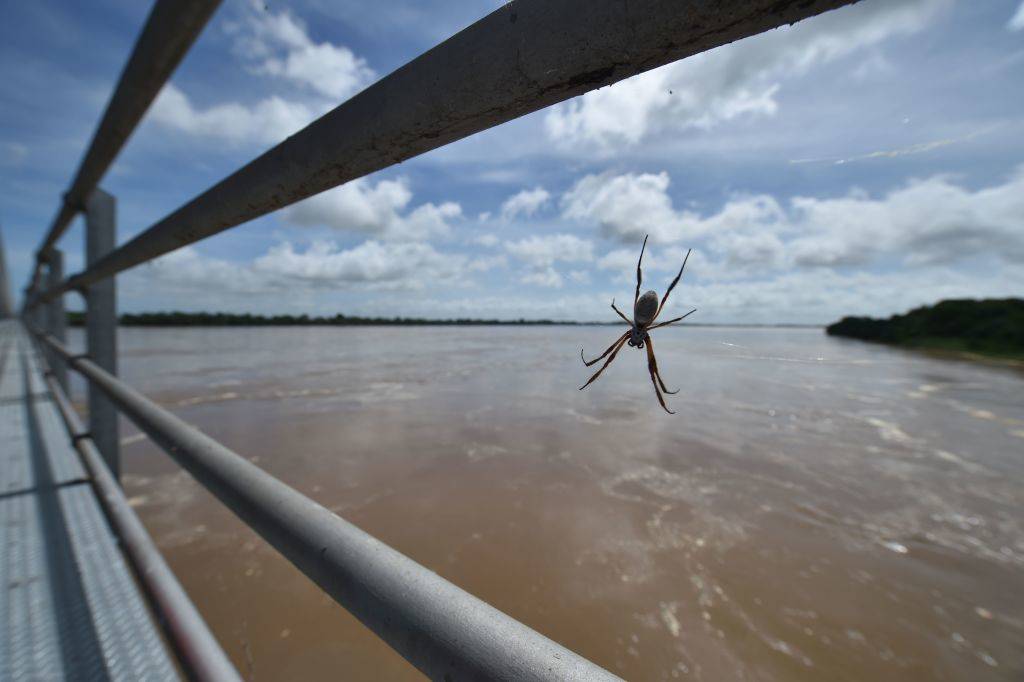
In fact, according to one Australian study, the Humped Golden Orb-weaving Spider is more abundant in urban settings than in the wilderness. This spider also tends to grow larger in highly-populated areas with little vegetation.
The Venom From A Brown Recluse Spider Can Destroy Skin Tissue
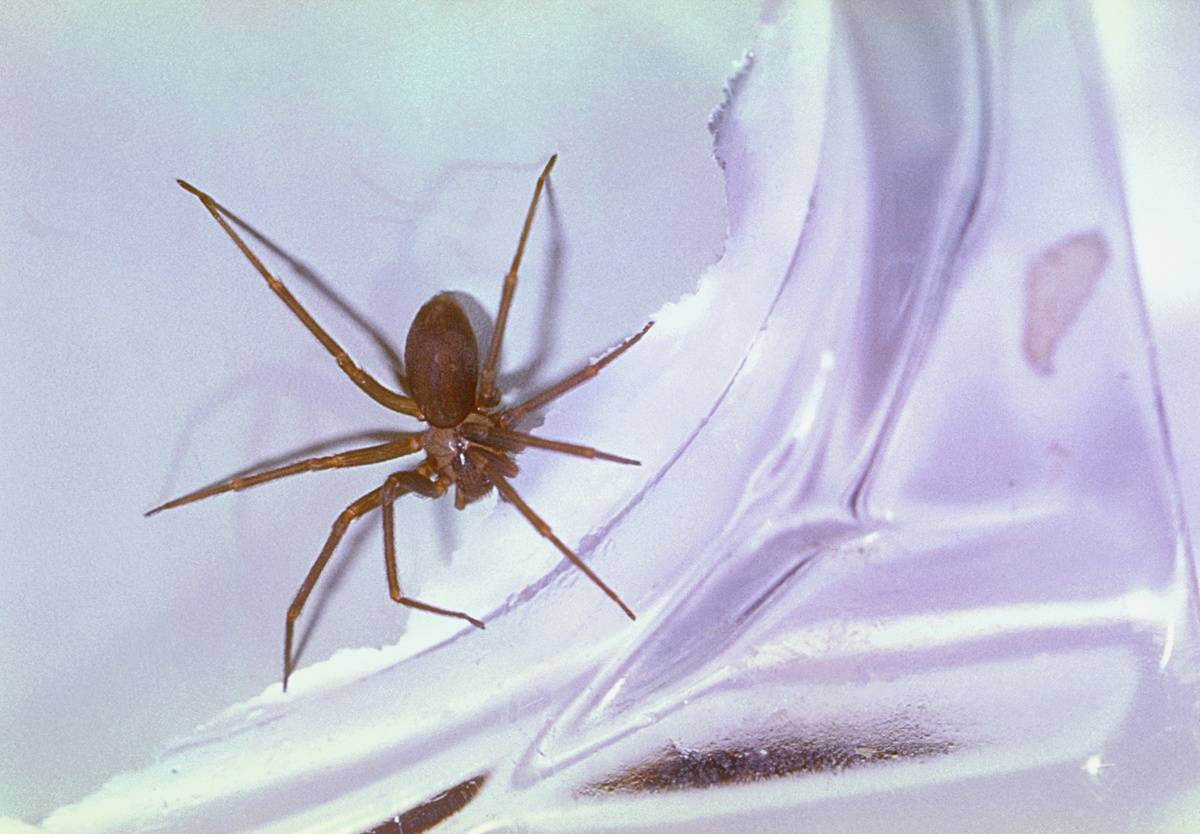
The brown recluse is one of the most dangerous spiders in North America, with venomous bites that sometimes require medical attention. Brown recluses release a rare toxin called sphingomyelinase D, which can destroy human skin tissue…not a pretty sight.
While extremely rare, the secondary effects of this spider’s venom (when a bite is untreated) can cause the destruction of red blood cells, blood clots, kidney damage, coma, and even death. As with most spiders, the brown recluse will bite only when feeling threatened.
Three Out Of Every Four Bedrooms Has A Spider In It
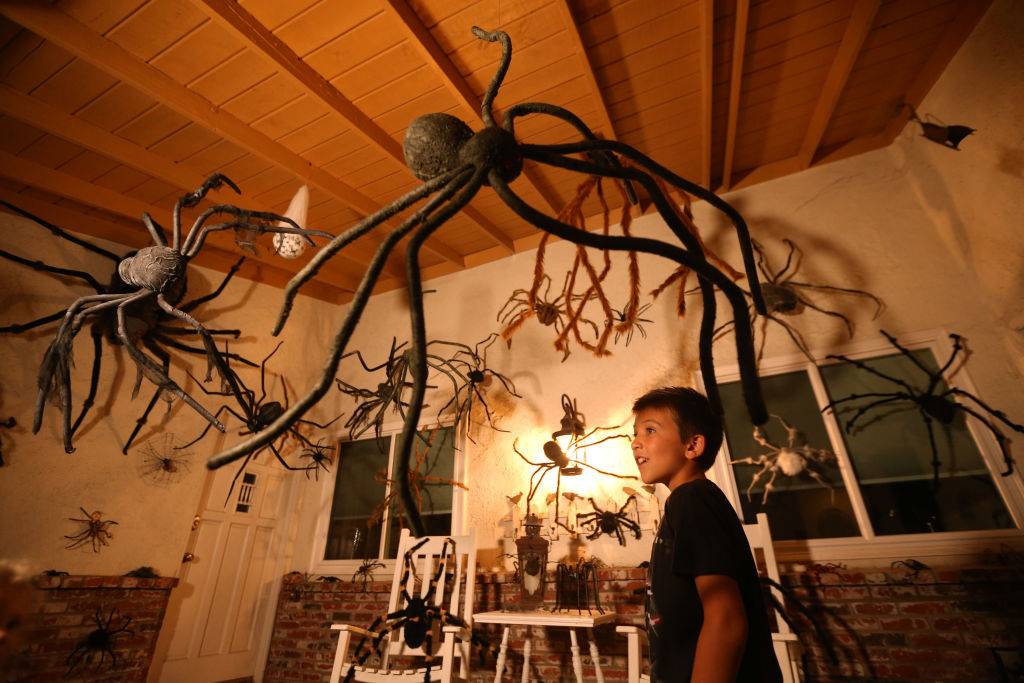
If you really don’tlike spiders, you might want to skip this one. In a study, researchers from the Department of Entomology at North Carolina State University analyzed about 50 houses in the state.
The results were eye-opening in terms of how abundant spiders are. The study found that out of those 50 North Carolina homes, every single one had spiders in it. Sixty-eight percent of them had eight-legged guests in the bathrooms and more than 75% had spiders in the bedrooms!
“Spider Rain” Is A Real Thing
News stories coming from different parts of the world over the past few years have described huge groups (as in millions) of spiders “raining” from the skies, apparently out of nowhere.
This happens when spiders do something called “ballooning,” which is climbing to a tall point, shooting strands of silk into the air, and being carried away by the wind on their homemade parachutes. They often do this in enormous groups, either because they’re all part of the same colony or because weather conditions (like floods and wildfires) force them to escape.
The Oldest Known Spider Lived For 43 Years
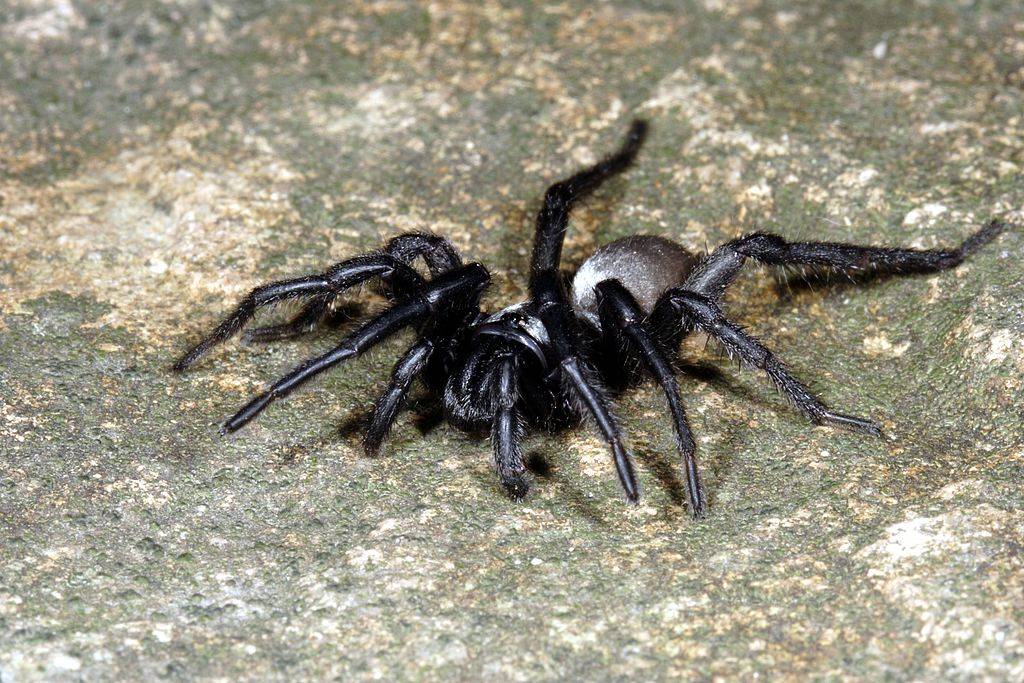
Spiders can live a lot longer than you might guess. Scientists studied a trapdoor spider in Australia for decades until she was killed by a wasp at the ripe old age of 43. Before this, it was believed that trapdoor spiders only lived to about 25 years.
Before that, the oldest known spider was a 28-year-old tarantula discovered in Mexico. Most common house spiders live for just a few years… which is no comfort if you’re creeped out by them!
Some Spiders Prefer To Live In Giant Colonies
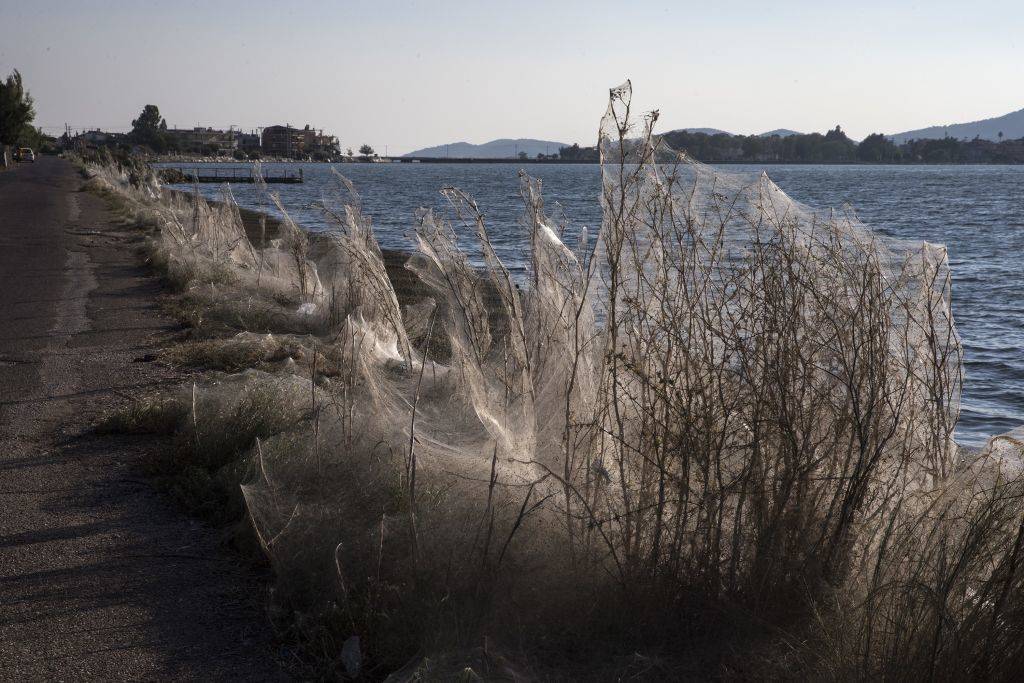
Anyone who’s not a big fan of spiders might be comforted in knowing that they usually tend to be solitary creatures. However, some spider species are social and prefer to live in enormous colonies.
Anelosimus eximius, located in Central and South America, is the most social spider in the world and has some of the largest webs around. Some of them have been found to measure 25 feet long and five feet wide, big enough to house up to 50,000 spiders!