Facts and myths about red hair, the rarest hair color

Redheads have always intrigued and captivated people around the world. Known for their fiery locks and unique characteristics, they possess a series of fascinating traits that set them apart from others.
From historical perceptions to genetic peculiarities, redheads boast a rich tapestry of cultural and scientific significance. Delve into this intriguing world as we explore a variety of little-known truths about redheads, revealing the hidden wonders of this rare hair color.
The Uncertain Future of Red Hair

The future of red hair is a topic of debate among scientists and enthusiasts alike. Some experts predict a decline in the occurrence of red hair, estimating its potential extinction by 2060.
However, others argue that this is unlikely due to the recessive nature of the red hair gene. It can remain dormant across generations, resurfacing unexpectedly. As long as redheads continue to pass on their genes, this vibrant hair color may persist for ages to come.
Global Distribution of Redheads

While redheads are most commonly associated with regions like Ireland and Scotland, their presence extends across the globe. Red hair can be found in diverse populations, including those in Asia, Africa, and the Middle East.
Unexpectedly, Morocco boasts a notable number of redheads, attributed to the Berber population’s genetic heritage. This global distribution highlights the genetic diversity of red hair and its ability to transcend cultural and geographical boundaries.
Diverse Shades of Red Hair
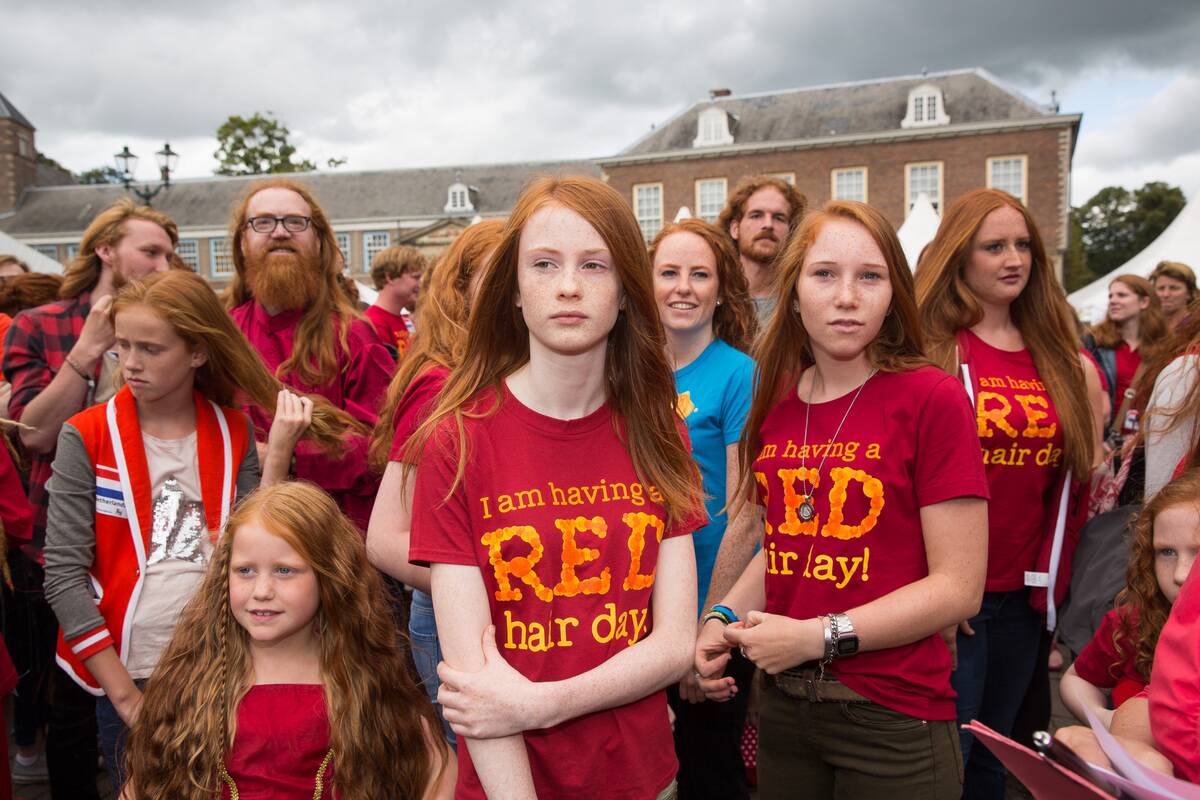
Red hair is not a monolithic trait, as it encompasses a spectrum of shades and hues. From bright strawberry blonde to deep auburn, red hair presents a wide array of colors that vary based on melanin levels.
This diversity results in distinct appearances among redheads, each exhibiting a unique blend of vibrancy and tone. The multitude of red hair shades adds to the allure and mystique of those who possess this rare hair color.
Historical Perceptions of Humor in Redheads
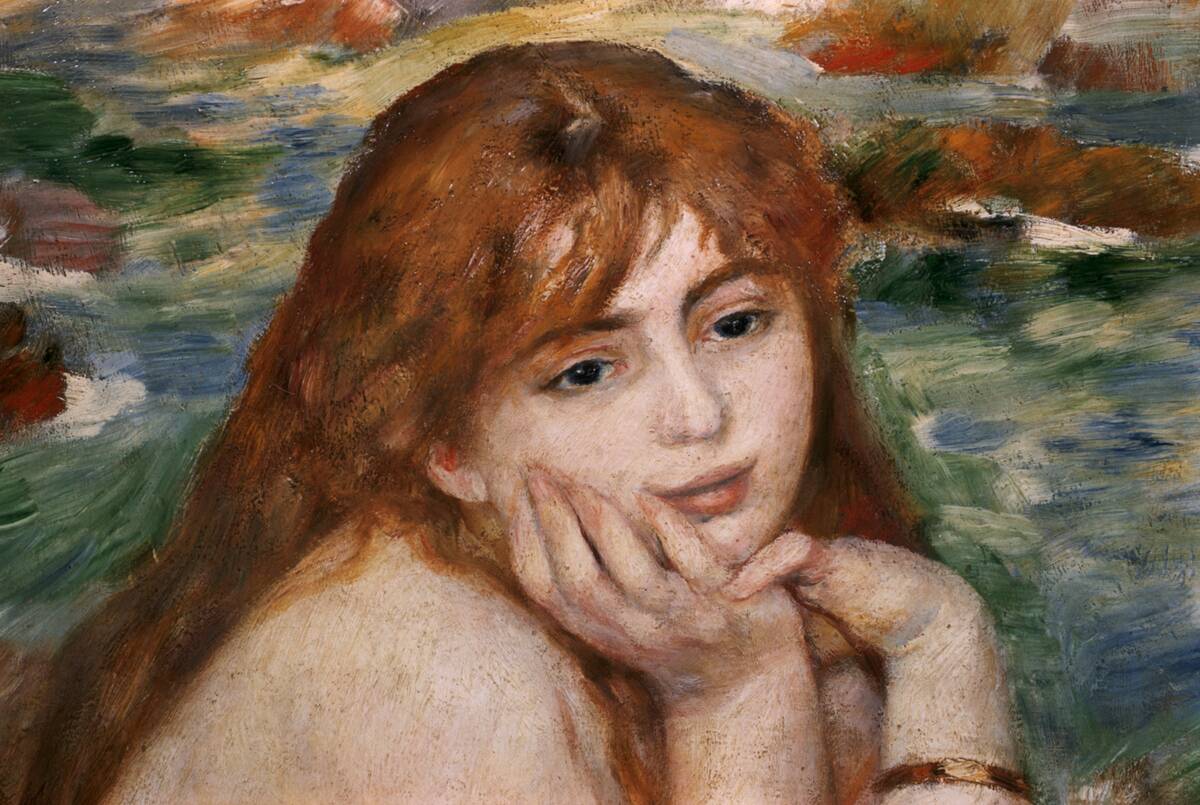
Throughout history, redheads have been associated with humor and wit, often depicted as the comedic characters in various cultures. This stereotype dates back to the early days of circus entertainment in the U.S., where clowns frequently donned red wigs.
The tradition has roots in European history, where red-haired performers were celebrated for their comedic talents. While the origins of this perception remain speculative, it continues to influence the cultural portrayal of redheads today.
Redhead Presence in Media and Advertising

Despite their rarity, redheads are frequently featured in media and advertising, often surpassing their representation in the general population. A study in 2014 revealed that redheads appeared in approximately 30% of commercials, a stark contrast to their 2% presence in the U.S. population.
The allure of red hair in visual media remains somewhat mysterious, yet its striking appearance and the distinctiveness of redheads continue to captivate audiences worldwide.
Higher Pain Tolerance in Redheads

Redheads are often credited with having a higher pain tolerance than others, a claim that finds support in scientific studies. Research indicates that redheads may experience less pain from certain stimuli, such as sharp pains and electric shocks.
This heightened pain threshold, however, varies among individuals, leading some to require additional pain relief measures. The unique interplay between genetics and pain perception remains an intriguing area of study for medical professionals.
Rarity of Red Hair in the U.S.

In the United States, red hair is a rarity, with only about 2% of the population boasting this unique trait. This figure contrasts sharply with countries like Ireland and Scotland, where red hair is more prevalent.
In Ireland, for example, about 10% of the population has red hair, while in Scotland, the figure rises to approximately 13%. These statistics underscore the genetic uniqueness of red hair and its varying prevalence across the world.
Delayed Graying in Redheads

Redheads enjoy the distinct advantage of delayed graying compared to individuals with other hair colors. As they age, red hair typically fades to a lighter shade, transitioning from vibrant copper to a soft blonde before eventually turning gray, if at all.
This gradual change allows redheads to maintain their youthful appearance for longer, sparking envy among those who experience early graying. It’s a testament to the unique genetic makeup that defines redheads.
Vitamin D Synthesis in Redheads

Redheads have an advantageous ability to synthesize vitamin D more efficiently than others, a trait linked to their genetic makeup. This adaptation is particularly beneficial for those living in northern regions with limited sunlight exposure.
The enhanced vitamin D synthesis helps redheads maintain bone health and reduces the risk of certain diseases, such as diabetes and arthritis. Their bodies are finely tuned to compensate for the lack of melanin, which inhibits vitamin D absorption.
Sensitivity to Temperature Variations

Redheads possess a remarkable sensitivity to temperature changes, a fact supported by scientific research. A study conducted in 2005 suggested that the gene responsible for their red hair might also enhance their ability to detect temperature variations.
This unique trait allows redheads to sense even the slightest shifts in temperature, akin to a natural thermostat. Such sensitivity underscores the genetic intricacies of redheads, adding another layer to their distinctive nature.
Hair Density Differences in Redheads

Redheads are often perceived to have less hair density compared to those with other hair colors. On average, redheads possess around 90,000 strands of hair, a lower count than brunettes or blondes.
However, this is balanced by the thickness of each strand, creating the illusion of a full head of hair. This unique characteristic contributes to the overall distinctiveness of redheads and highlights the genetic variations that define those with red hair.
Celebrating Redheads with Special Holidays

Redheads are celebrated with special holidays dedicated to their unique hair color. November 5 marks the observance of Ginger Pride Day, while World Redhead Day is celebrated on May 26.
These holidays promote pride and appreciation for redheads, offering a platform for them to embrace their individuality. With events and gatherings held worldwide, these celebrations foster a sense of community among redheads and highlight the significance of their distinctive genetic trait.
Surnames Linked to Red Hair

In certain regions, surnames have historically been linked to red hair, reflecting the cultural significance of this trait. In the British Isles, names like Flannery and Flynn have origins tied to families known for their red hair.
Similarly, the surname Reid, derived from Old English, translates to “red-haired person.” These names serve as a testament to the prominence of red hair in certain cultures and its enduring legacy through generations.
Health Risks Associated with Red Hair

Having red hair is associated with certain health risks, including a potentially higher likelihood of developing conditions such as Parkinson’s disease and skin cancers. Some studies suggest that the gene responsible for red hair may influence dopamine production, impacting neurological health.
However, the evidence remains inconclusive, necessitating further research to establish definitive links. Despite these concerns, redheads continue to thrive and embrace the unique aspects of their genetic makeup.
Anesthesia Requirements for Redheads
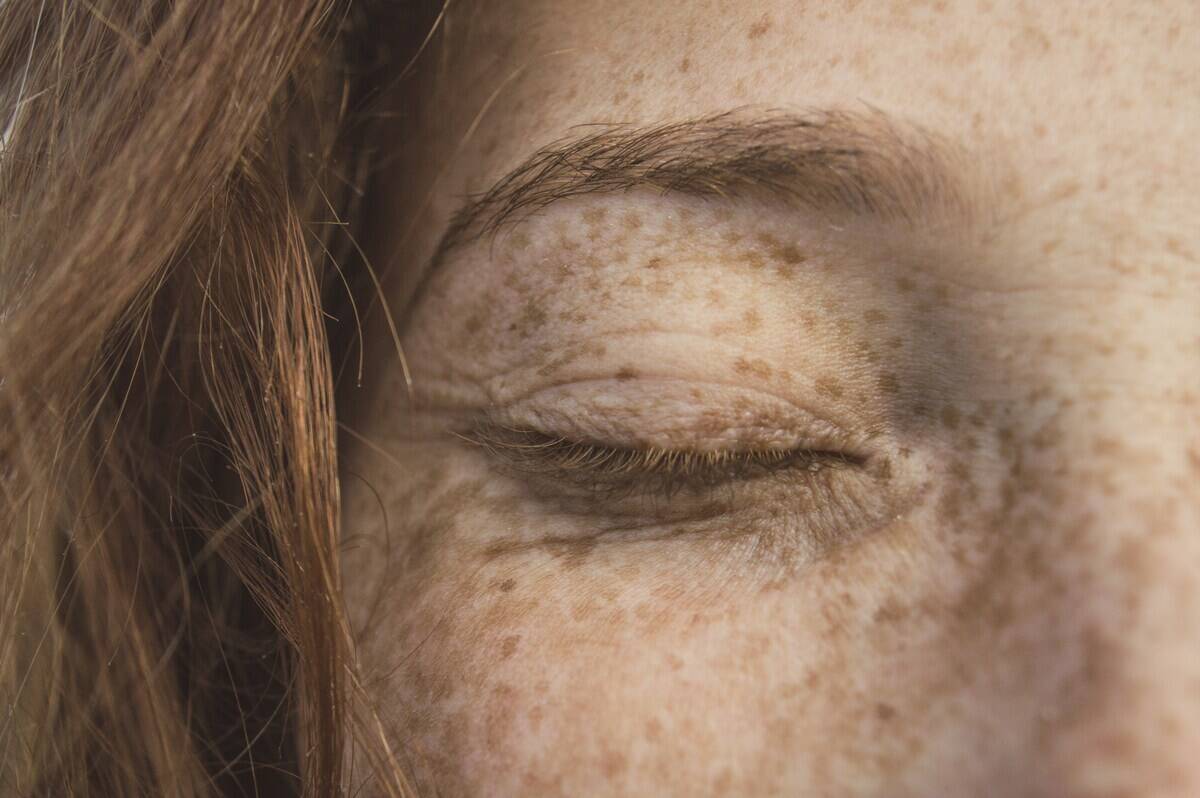
Redheads often require higher doses of anesthesia, a fact supported by medical research. Due to their distinct pain tolerance, anesthesiologists are generally advised to administer approximately 20% more anesthesia to redheaded patients.
This adjustment ensures effective pain management during medical procedures. While the exact reasons behind this requirement are still under investigation, it underscores the unique physiological characteristics that redheads possess, further differentiating them from individuals with other hair colors.
Recognizing Talented Redheads in Hollywood

Hollywood has long celebrated the talents of redheaded actors, who have made significant contributions to the entertainment industry. From iconic performances by Amy Adams and Emma Stone to the comedic prowess of Isla Fisher, redheads have left an indelible mark on the silver screen.
Despite their rarity, red-haired actors are frequently cast in leading roles, showcasing their versatility and appeal. Their presence in Hollywood highlights the enduring fascination with red hair and its captivating allure.
Legendary Origins of Red Hair

Legend has it that the first redhead was a prince named Idon of Mu, who acquired his fiery locks after visiting the mythical city of Atlantis. This tale, though purely fictional, adds a layer of mystique to the origins of red hair.
The prince’s transformation under the red skies of Atlantis speaks to the legendary allure surrounding redheads. While the story lacks historical basis, it contributes to the rich tapestry of folklore associated with red hair.
Misconceptions About Red Hair Origins
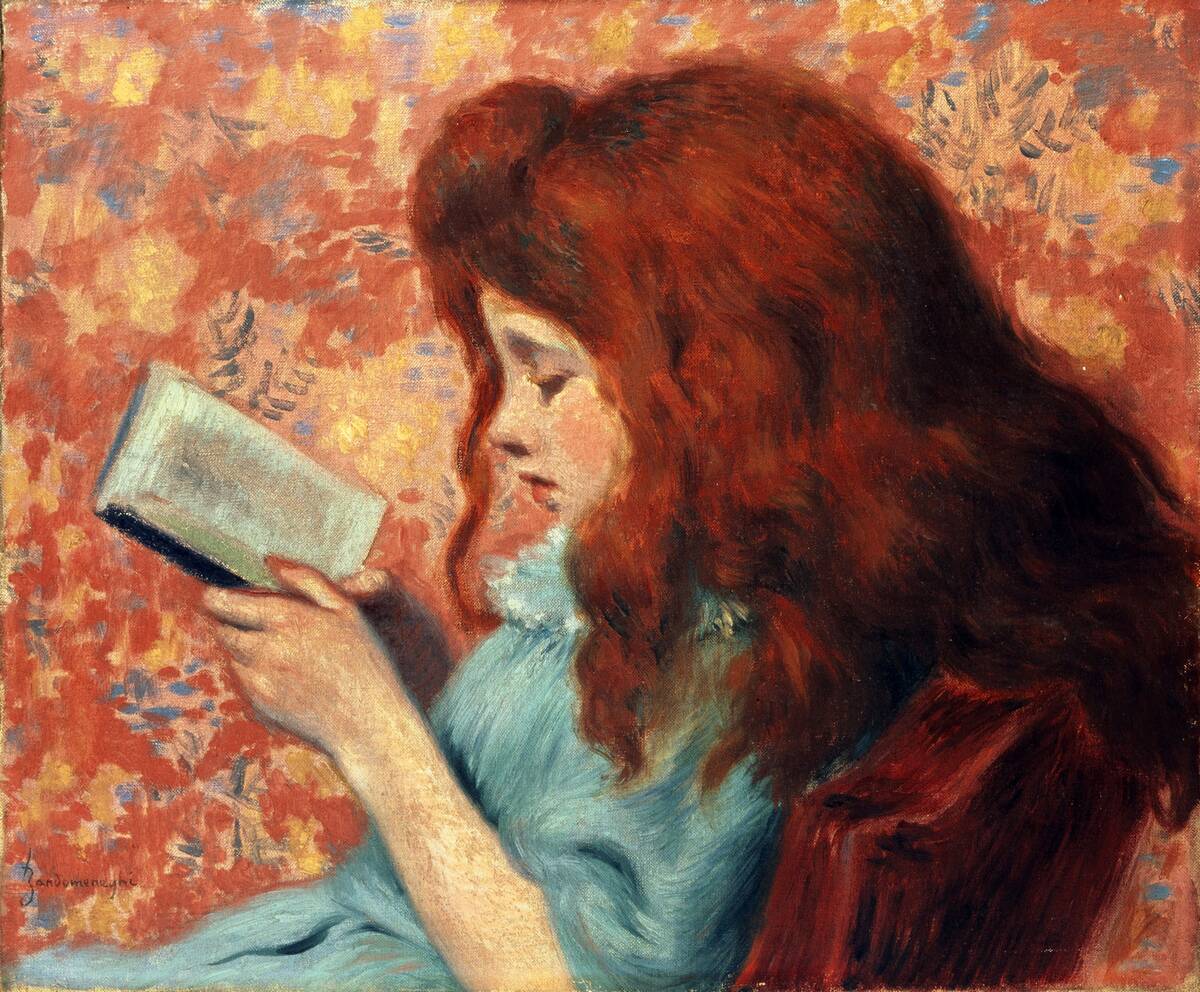
Throughout history, various misconceptions have arisen regarding the origins of red hair. One such myth suggested that children born with red hair were conceived during menstruation. This belief, now debunked, reflects the limited understanding of genetics in earlier times.
Today, we recognize that red hair results from specific genetic combinations, debunking the myths of old. Despite past misconceptions, red hair continues to be celebrated for its uniqueness and beauty.
Redheads in Historical Context

Redheads have played significant roles throughout history, with many notable figures boasting this vibrant hair color. Historical icons such as Cleopatra, Napoleon Bonaparte, and Thomas Jefferson are believed to have had red hair.
Their presence in pivotal moments underscores the impact of redheads on world events. Today, contemporary redheads like Ed Sheeran and Conan O’Brien continue to leave their mark, ensuring that the legacy of red-haired individuals endures through time.
Rare Combination of Red Hair and Blue Eyes

The combination of red hair and blue eyes is an exceptionally rare genetic occurrence, found in only about 0.17% of the population. This rarity stems from the recessive nature of both traits, requiring specific genetic combinations for their expression.
Individuals with this unique pairing are often regarded as possessing an extraordinary genetic profile. The allure of red hair and blue eyes continues to captivate and intrigue, adding to the mystique of redheads.