10+ Bizarre nature photos that captured rare phenomena

If you watch science fiction movies and shows, you have probably seen mystical planets that feel far-fetched. With lush forests and ice fields, it can be hard to imagine that these places were filmed on earth. These spectacles are actually on earth even though they are meant to be on some far-off alien planet.
The glowing forests and blue lava actually exist in the world. These photos might look fake and edited, but if you go to the right place at the right time you’ll actually be able to see them. Can you guess what causes these stunning natural events? Keep reading to learn more!
Solar Eclipse
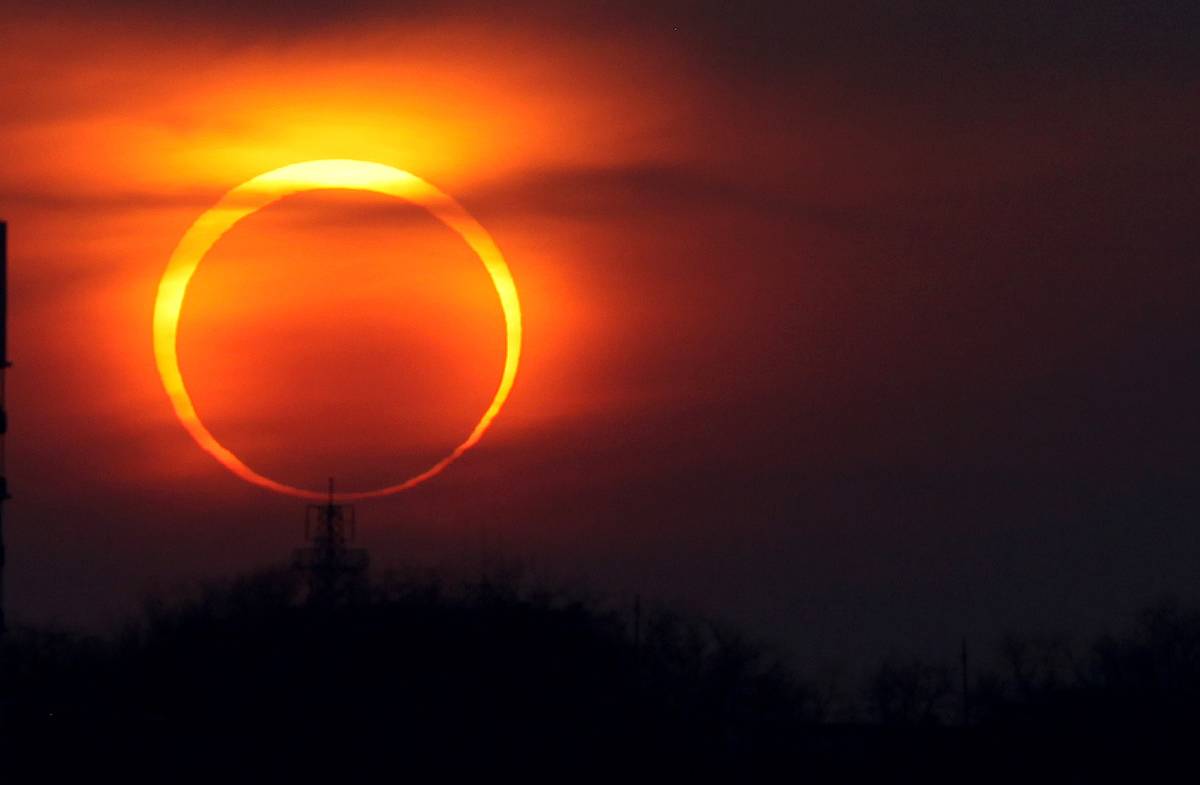
Before humans knew what solar eclipses were, they were borderline terrifying, as many thought the world was coming to an end before their eyes. Even today, when we can understand what’s happening, they’re incredibly breathtaking.
A solar eclipse occurs every 18 months (somewhere on earth) when the moon passes between the sun and the earth. When it blocks the sunlight, it cases a shadow on the earth, creating a truly inspiring scene!
A Colorless Rainbow
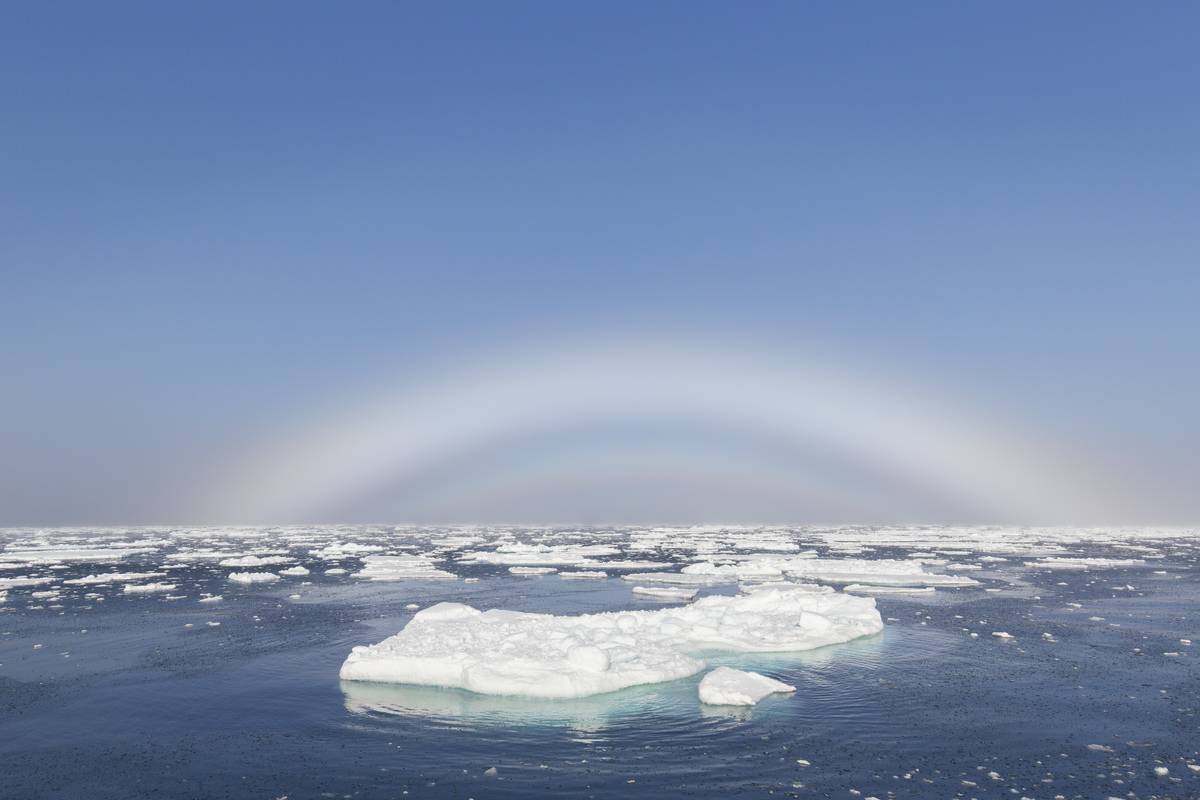
Imagine seeing a rainbow with all the color drained out of it. These are white rainbows, and they can come from two different sources. One is called a fog bow, and the other is a moonbow.
Like rainbows, a white rainbow’s arc shape forms from the best angle at which the sun reflects to the viewer. Fogbows form from fog droplets that are 100 times smaller than standard droplets, which light can’t refract from. Lunar light can fashion a moonbow, which is much fainter than solar rainbows, usually too faded to reflect color.
Naturally-Sculptured Rock Spheres
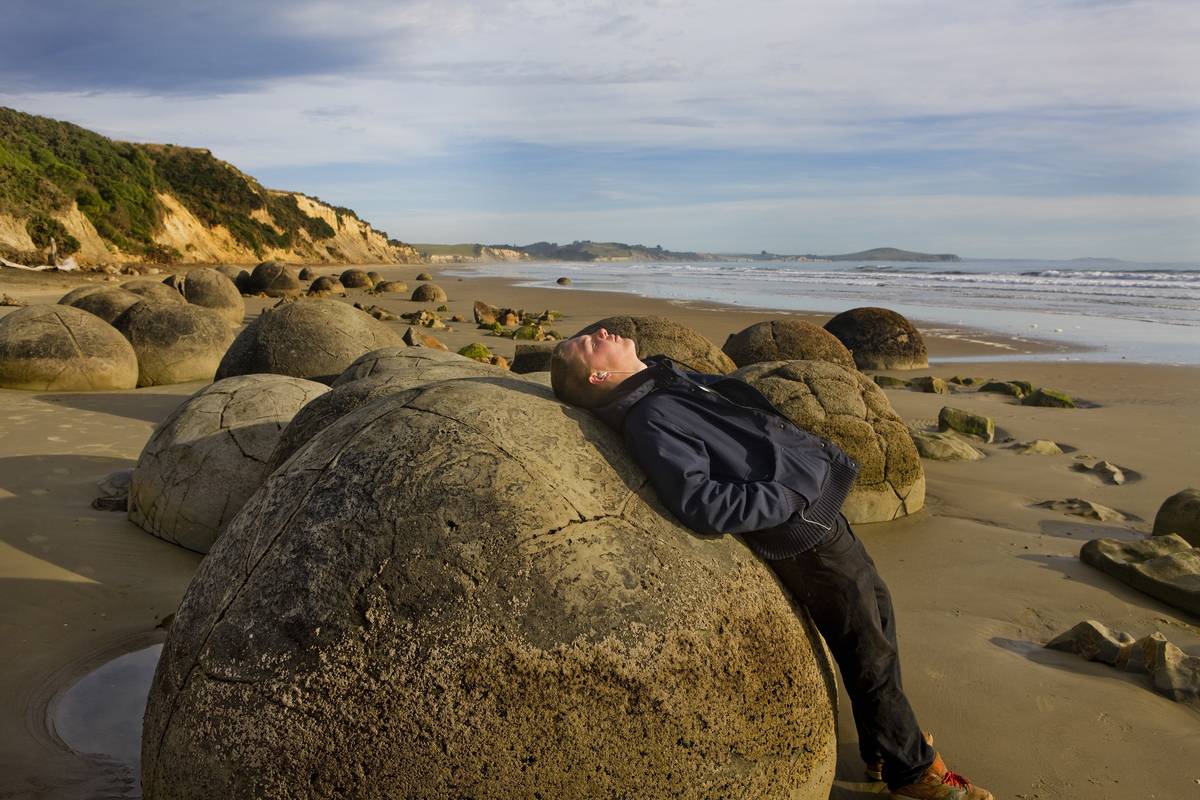
On the Koekohe Beach of New Zealand, giant art projects dot the shoreline. Except, they aren’t sculptures: They’re naturally-molded giant rock spheres. The Moeraki Boulders range from 5 ft to 7 ft high (1.5 m to 2 m), and pepper the beaches, cliffs, and shoreline throughout Koekohe.
The boulders are made of mud, clay, and fine silt, and are held together by calcite. They originally coalesced on the sea floor 60 million years ago, and many start on the cliffside before plummeting to the shore. You’ll want to watch your head, though, since each boulder weighs several tons!
Not Actually A Flower
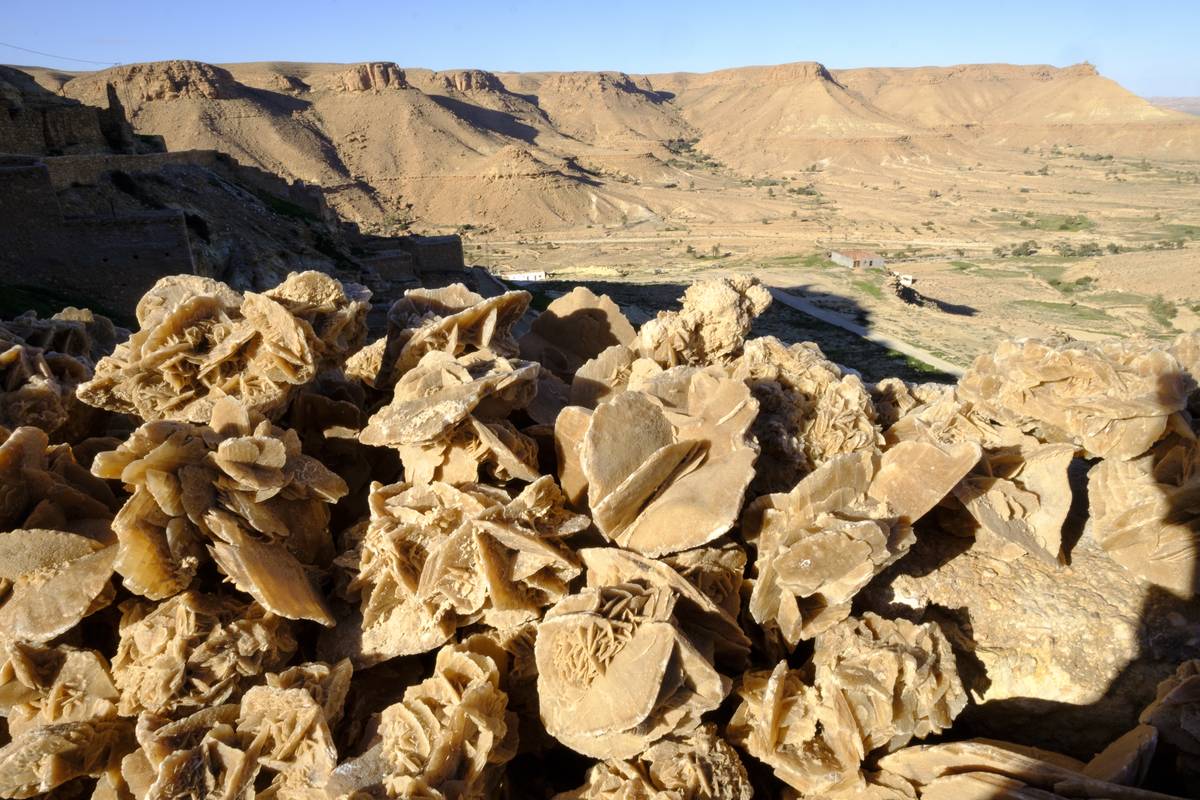
Head to any desert in Libya, Spain, Germany, Mexico, Australia, or the United States, and you may find a patch of hard spiky roses. Of course, these aren’t roses but crystals.Desert roses occur in sandy salt basins where crystals harden into an array of plates.
Also called sand rose, selenite rose, rose rock, or gypsum rose, these crystals can “grow” one at a time or in enormous clusters. The largest recorded desert rose expanded to 17 inches across (43 cm) and 10 inches high (25 cm). They’re certainly not the movie prop they look like.
The Rock Tree That Defies Gravity
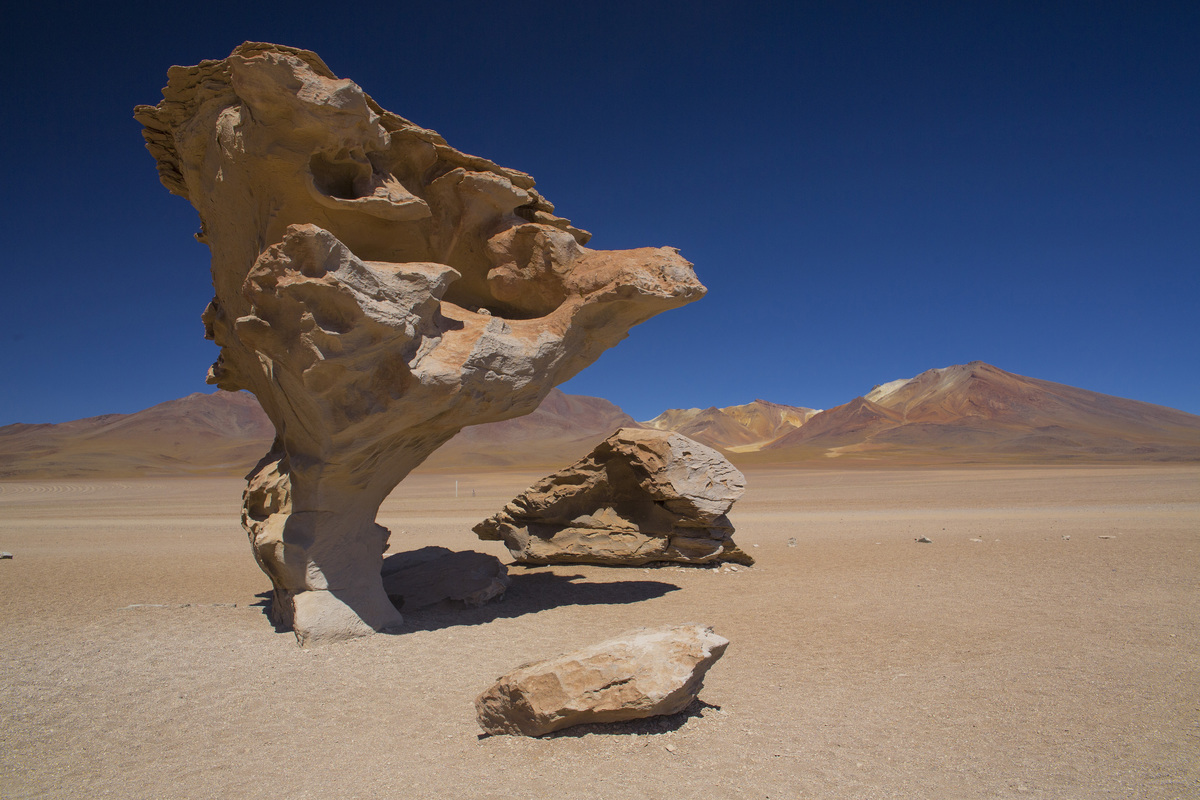
In the Sioli Desert of Bolivia, a rock formation that seems to defy logic stands 4,000 meters above sea level. It looks like a dead tree made of petrified wood, but it’s actually a rock. The Rock Tree, or Árbol de Piedra, is a 23-foot high (7 m) unique tourist attraction.
The Rock Tree came from volcanic formation several thousand years ago. It was polished into its shape by the region’s eternal winds and sand. You can see volcanic rock all over the desert, which are all protected under the Eduardo Avaroa National Park.
The Crooked Forest Isn’t Just In A Fairytale
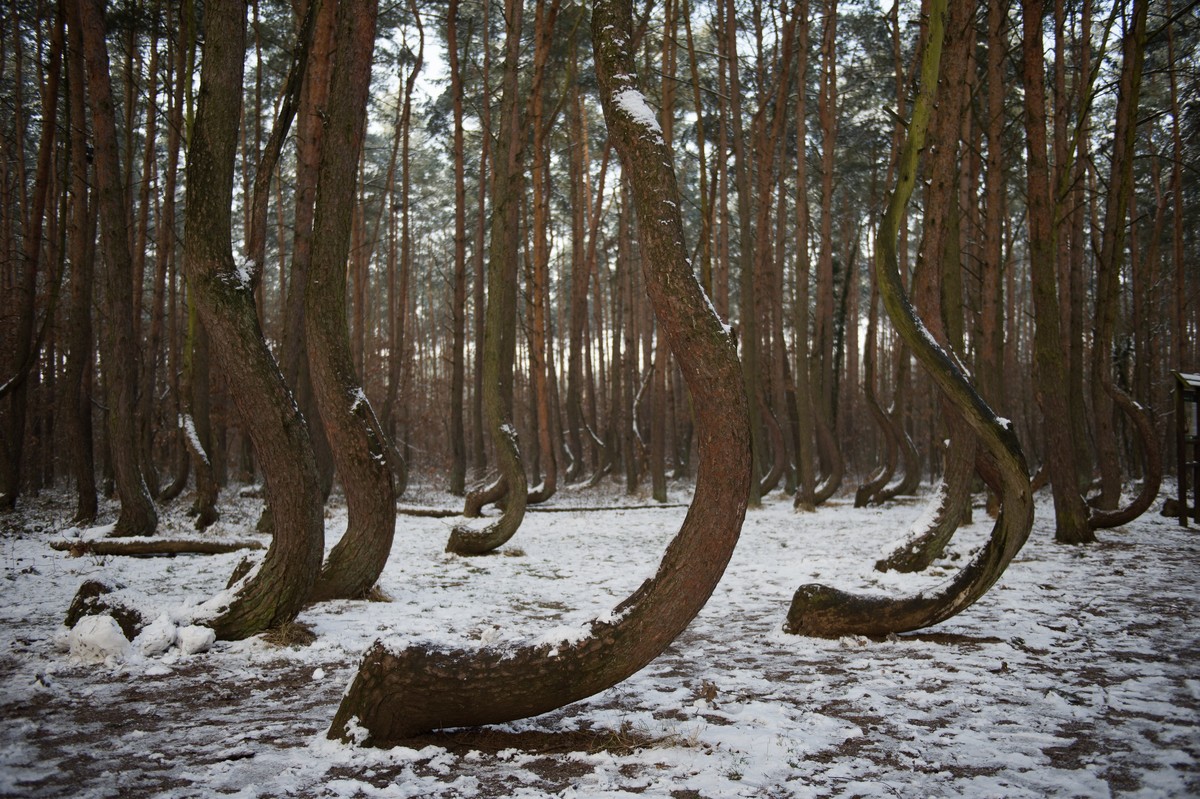
Search for what locals call the “Krzywy Las,” and you’ll encounter a setting straight out of a fairytale. Alongside the town of Gryfino, Poland, a forest of over 400 pine trees all lean in a “J” shape. The trees in the “Crooked Forest,” as it’s called, all bend northward at a 90-degree angle.
As of yet, scientists haven’t discovered how these trees became crooked. The most likely explanation is that Polish farmers bent the trees to make them easier to chop. Farmers commonly manipulated tree growth in the 1930s, but World War II may have disrupted their progress.
Solar Eclipse
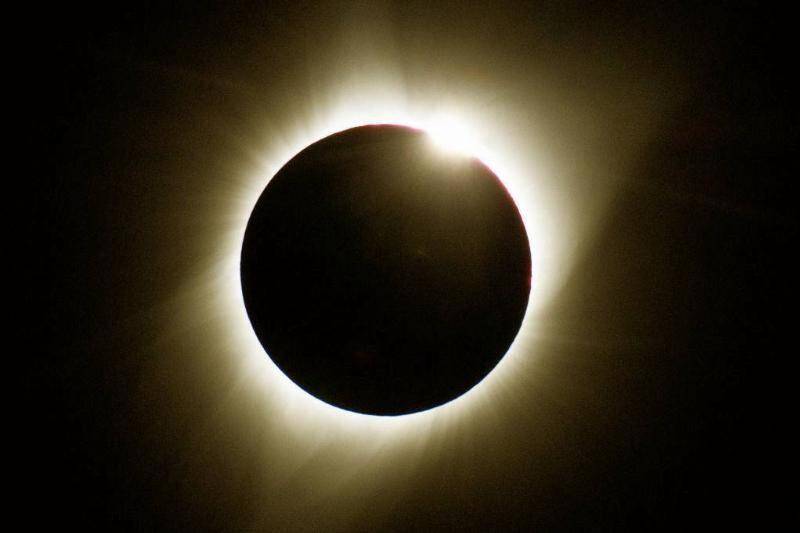
Before humans knew what solar eclipses were, they were borderline terrifying, as many thought the world was coming to an end before their eyes. Even today, when we can understand what’s happening, they’re incredibly breathtaking.
A solar eclipse occurs every 18 months (somewhere on earth) when the moon passes between the sun and the earth. When it blocks the sunlight, it cases a shadow on the earth, creating a truly inspiring scene!
This Isn’t Ice. Or Hair.
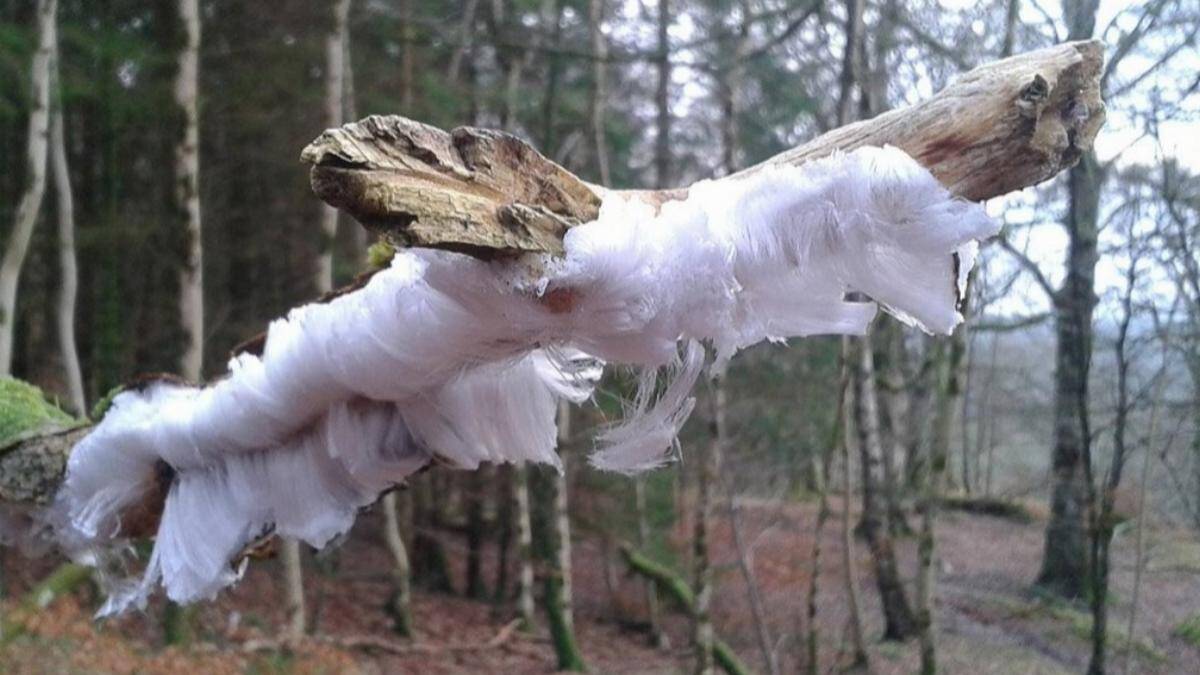
If you were to come across this in a forest, you may think that it’s leftover ice, or a piece of wig. This formation is actually a living organism, a bacterium called pseudomons syringae. The pathogen is so good at nucleating ice crystals around itself that it’s responsible for frost damage to crops.
A 2016 paper in the journal Science Advances explains that pseudomons syringae use proteins to slightly change the position of water molecules, lacing them into those hair-like structures as they freeze. If you see one of these near your home, guard your plants, as the bacteria easily spreads through rain.
Would You Believe You’re Not Walking On Water?
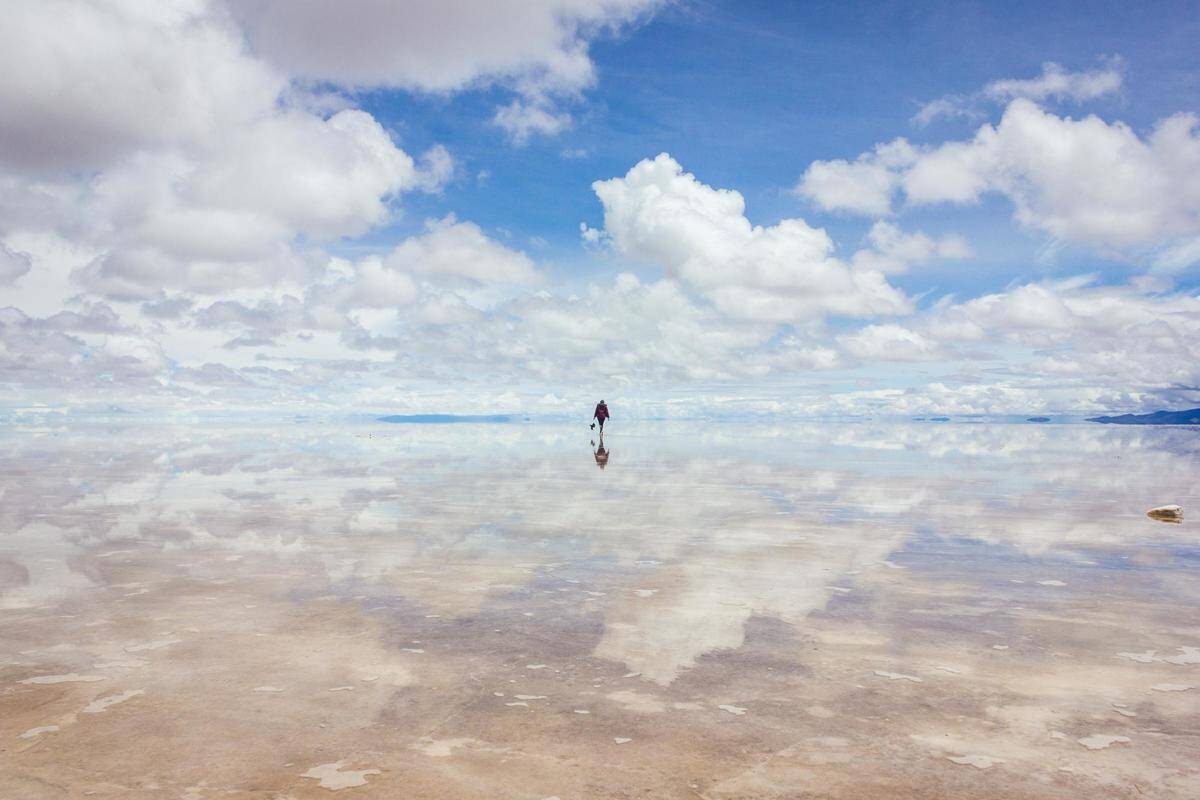
Visit the Salar de Uyuni in southwest Bolivia, and you’ll feel like you’re standing on a mirror. Although this looks like a magical lake, it’s actually the world’s largest salt flat, spanning over 4,000 square miles (10,000 sq km). Following rain, remaining droplets transform the flat into an 80-mile (130 km) mirror.
The Salar de Uyuni resulted from prehistoric lakes that gave it enormous quantities of brine and 70% of the world’s lithium reserves. Its high elevation plateau, clear skies, and intense rains make it the perfect environment for a natural mirror.
Fire Tornadoes
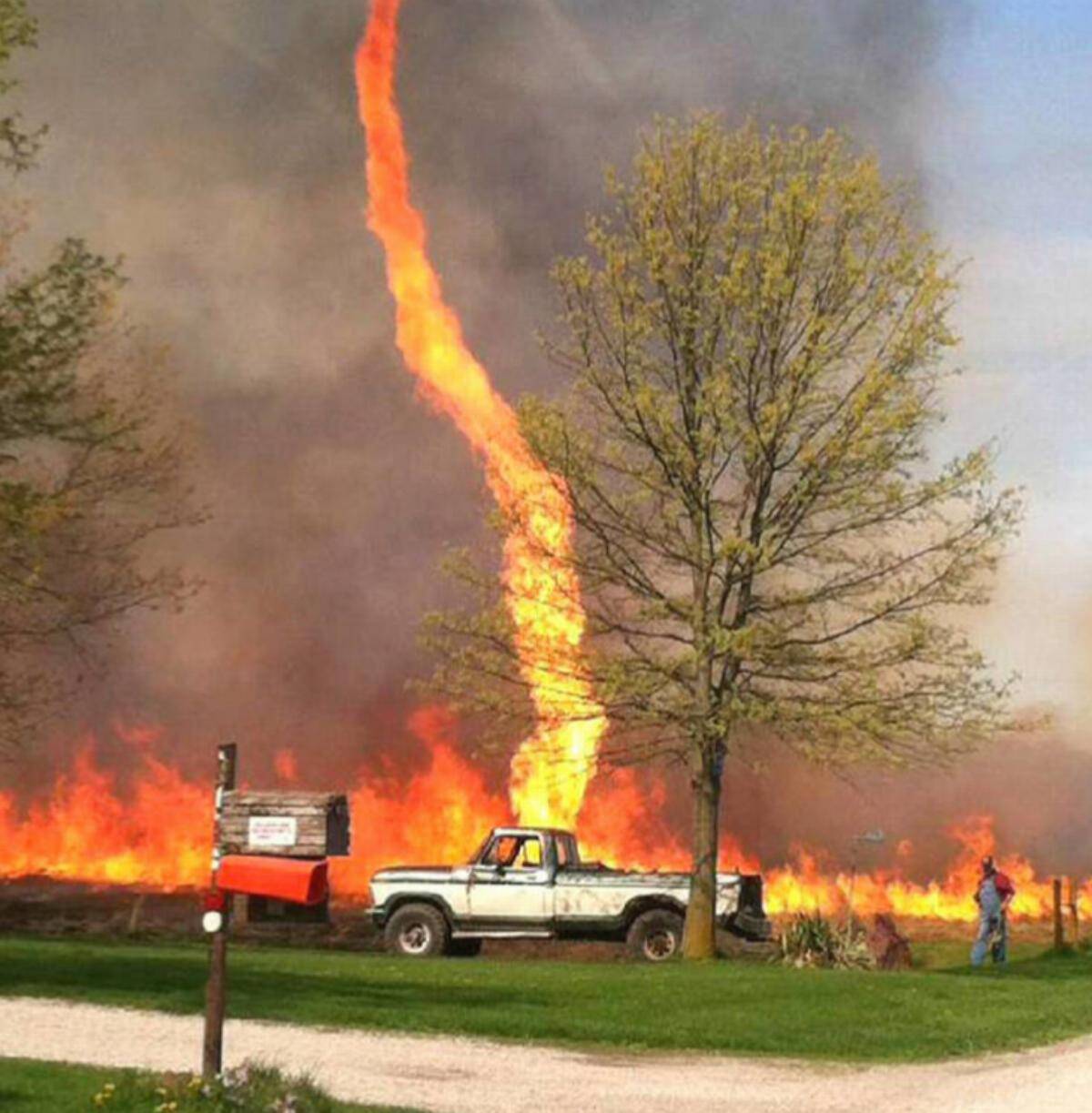
If you’re scared of tornadoes, you probably won’t want to read on about firenados. Fire twisters, or fire whirls, are whirlwinds consisting of flame and ash. When hot air combines with a turbulent wind, the eddy expands into a vortex that can tower up to 3,280 feet (1,000 m).
Although it’s often called a fire tornado, it isn’t always classified as one since the winds don’t always stretch from the clouds to the ground. They can reach temperatures of 1994°F(1,090°C) and spin at roughly 100 miles per hour (161 km/h).
Meet The Moroccan Tree Goats
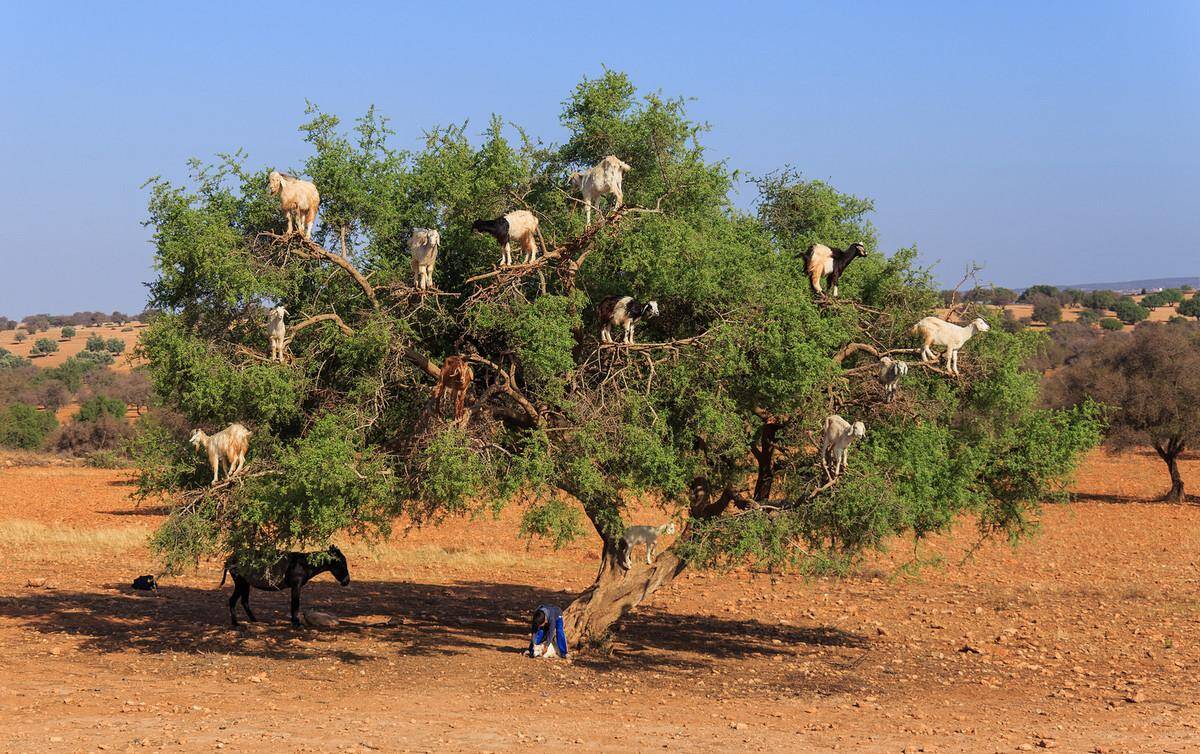
If you’ve ever visited Morocco, you’ve likely run into the tree-climbing goats at least once. The goats only climb one type of tree, the prickly argan tree that produces small fruit. Although the fruit is not consumed by humans, the goats feel drawn to its pulp and small.
Moroccan farmers encourage these goats to climb trees. Argan oil, which is extracted from the fruits’ seeds, is much sought after. The goats cannot digest the seed, so they excrete it out, and the farmers easily access their profitable oil.
Volcanic Lightning
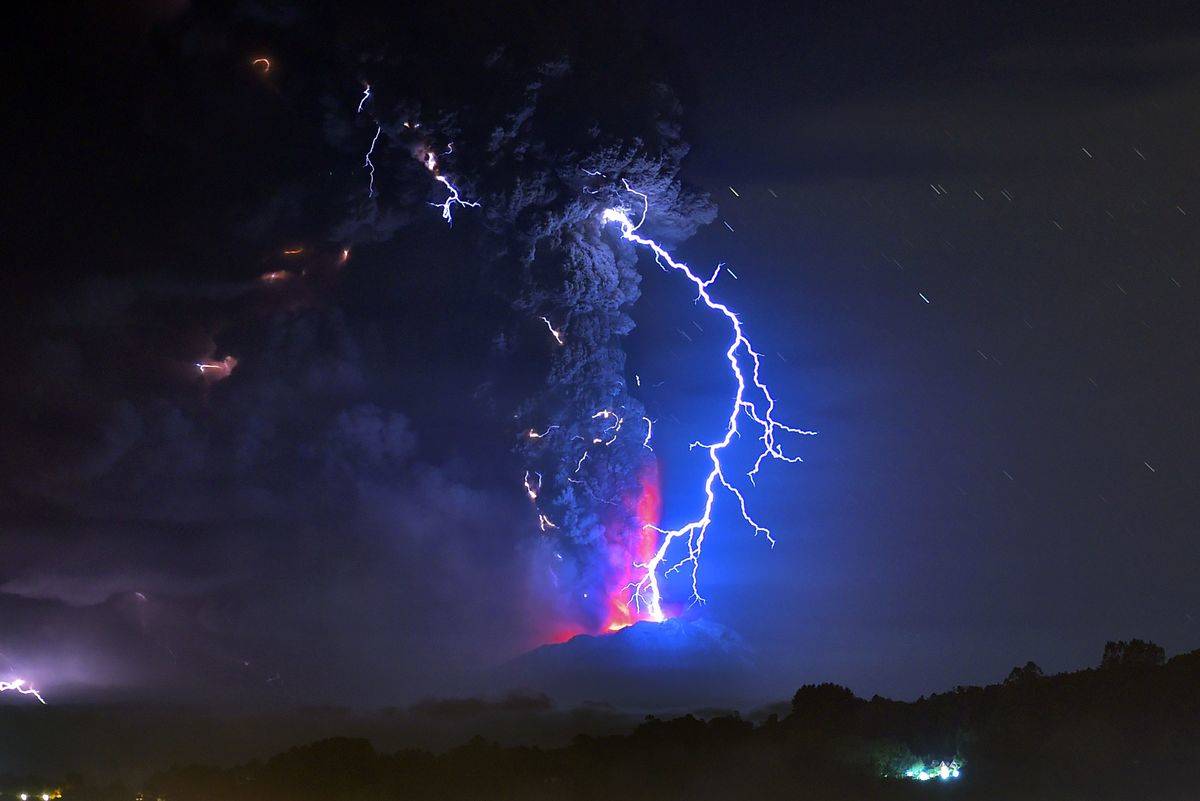
Witnessing a volcanic eruption would be scary enough, but observing electrical discharge from a volcanic eruption would look like Armageddon. However, volcanic lightning occurs quite naturally. The flashes appear when residue charges and kindles electricity. In the past two centuries, only 200 cases have been recorded, making this phenomenon rare.
Depending on the situation, the electricity could result from ash, rock, or ice colliding, generating friction that sparks electricity. Volcanic lightning only occurs with tall ash plumes ranging from 4 miles high (7 km) to 7.5 miles (12 km). So if you see it, run.
Someone Punched The Clouds
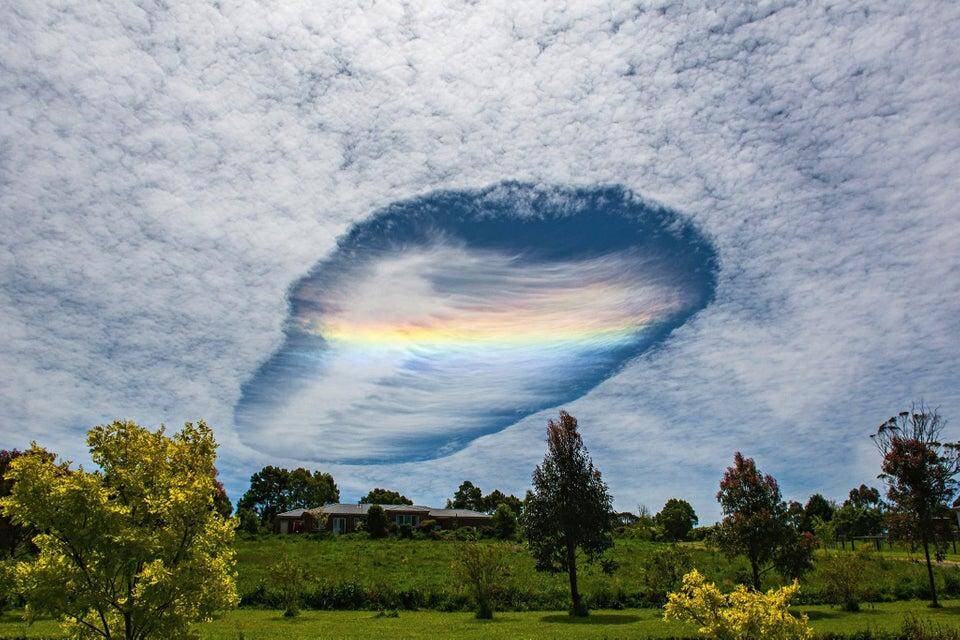
These clouds look like they’ve been hole punched, which probably contributes to their nickname, hole-punch clouds. More officially, they’re called fallstreak holes, and many people will report them as UFOs. Fortunately, they’re naturally occurring.
Fallstreak clouds coalesce from “supercooled water droplets,” which grow rapidly and shrink or evaporate just as quickly. The rapid changes likely result from aircrafts peddling ice molecules through the clouds. As a result, they form where there’s plenty of air traffic in overcast weather.