Surprising facts about the Apache people

Trending Now
The Apache people are known for their rich cultural heritage and fascinating history. Occupying areas in the Southwestern United States, they have long been recognized for their resilience and adaptability. Their history is filled with stories of survival, resistance, and a deep connection to the land. As you delve into their past, you discover a tapestry of traditions and customs that have been passed down through generations, each adding a unique thread to the fabric of Apache life.
The Origin of the Name ‘Apache’
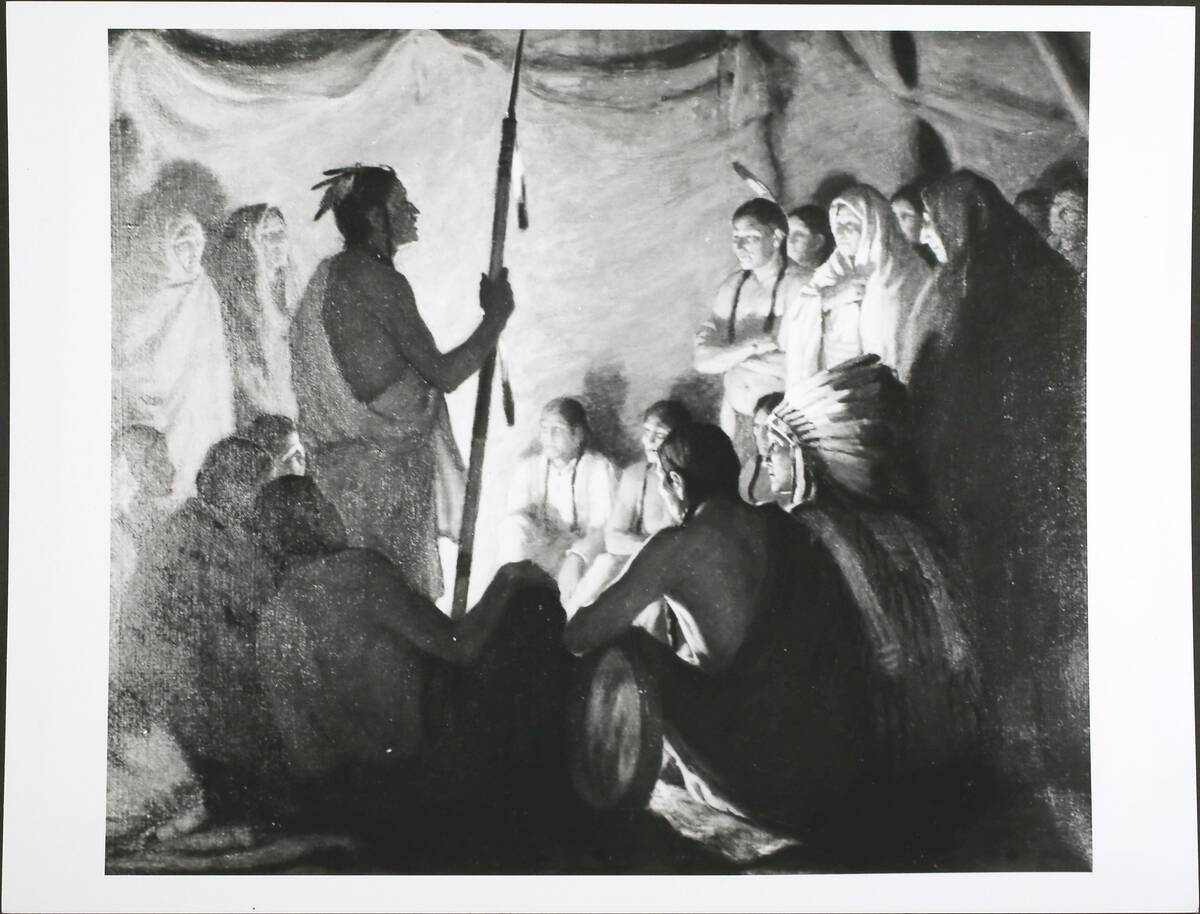
The name ‘Apache’ is believed to have originated from the Zuni word ‘apachu’, meaning ‘enemy’. However, the Apache refer to themselves as ‘Inde’ or ‘Ndee’, which translates to ‘the people’. This is a common theme among many Native American tribes, where the self-referential term emphasizes their identity and community. Over time, the name ‘Apache’ became widespread, though it initially bore connotations of conflict, reflecting the turbulent interactions with other tribes and settlers.
Diverse Apache Tribes and Their Unique Characteristics

The Apache are not a single homogenous group but a collection of tribes, each with its unique characteristics. Among these are the Chiricahua, Lipan, and Mescalero, to name a few. Each tribe has its distinct customs, dialects, and social structures. For instance, the Chiricahua are renowned for their fierce resistance against colonization, while the Mescalero are known for their deep spiritual practices. This diversity within the Apache community showcases a rich tapestry of cultural expressions and adaptations.
The Apache Language: A Complex and Intriguing Dialect

Apache languages, primarily part of the Athabaskan language family, are known for their complexity and tonal nature. This linguistic diversity reflects the intricate social and cultural practices of the Apache. With multiple dialects spoken among the different tribes, language serves as a crucial element of Apache identity. Efforts to preserve these languages are ongoing, recognizing their role as a cultural cornerstone and a vital link to ancestral knowledge and traditions.
Apache Warriors: Legendary Skills and Tactics
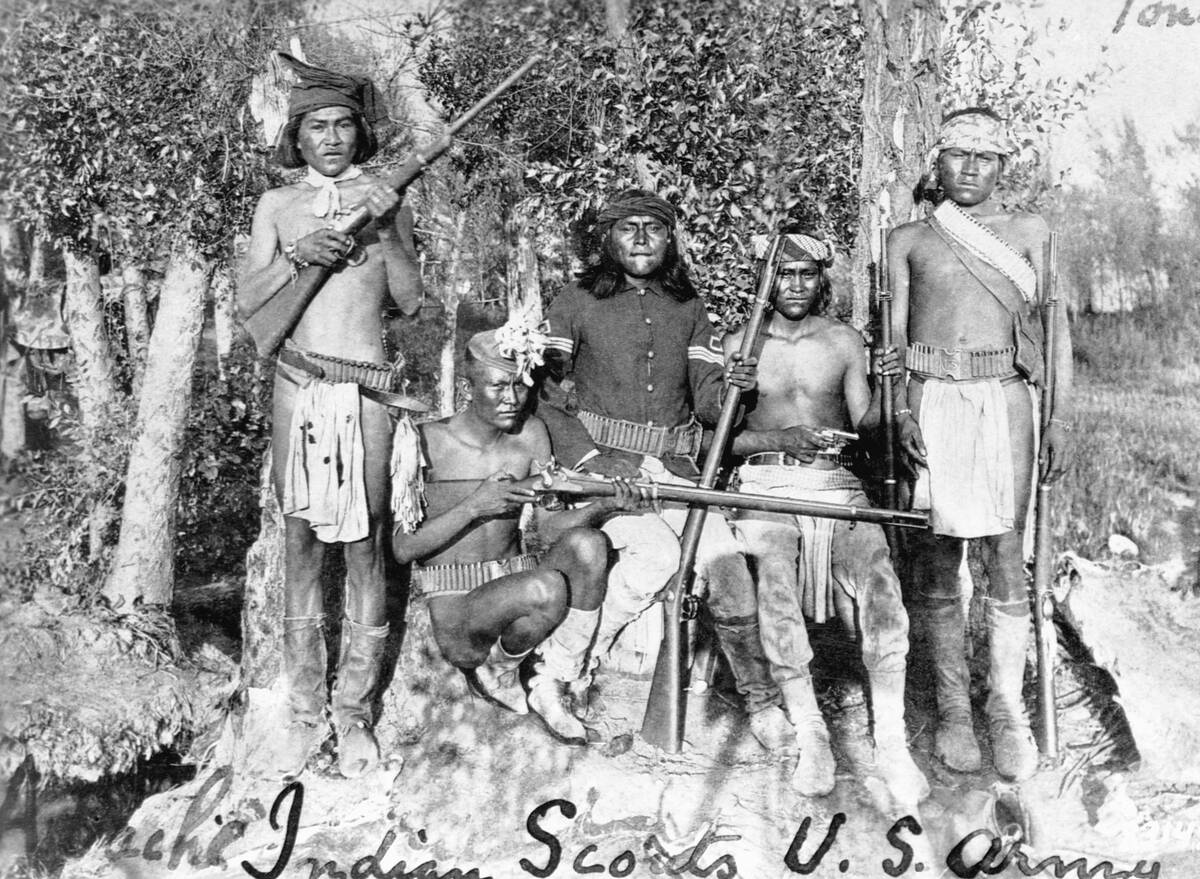
Apache warriors are legendary for their extraordinary skills and battle tactics. Known for their agility, stealth, and intimate knowledge of the terrain, they were formidable opponents in warfare. Apache warfare tactics often involved ambushes and guerrilla-style combat, which allowed them to outmaneuver more heavily armed adversaries. These skills were not just about survival but also a means of protecting their land and way of life, reinforcing the warrior’s revered status within Apache society.
The Role of Storytelling in Apache Culture
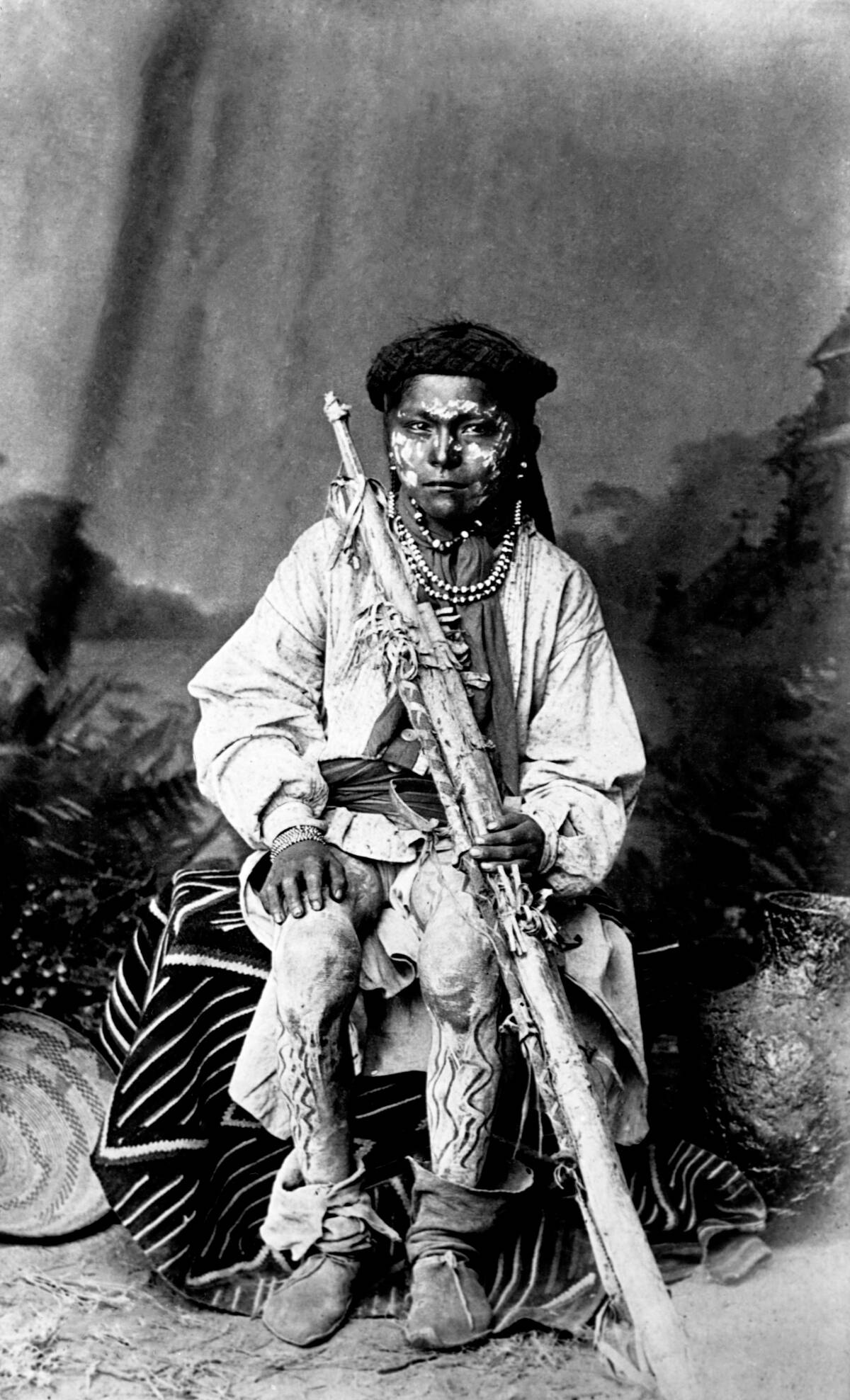
Storytelling is a vital tradition within Apache culture, serving as a means of education and preservation of history. Through oral narratives, lessons about morality, survival, and community values are imparted to younger generations. These stories often feature mythical creatures and ancestral heroes, blending history with folklore. Storytelling not only entertains but also ensures the continuity of Apache wisdom, shaping the cultural identity and reinforcing the community’s shared values.
Traditional Apache Clothing and Its Significance
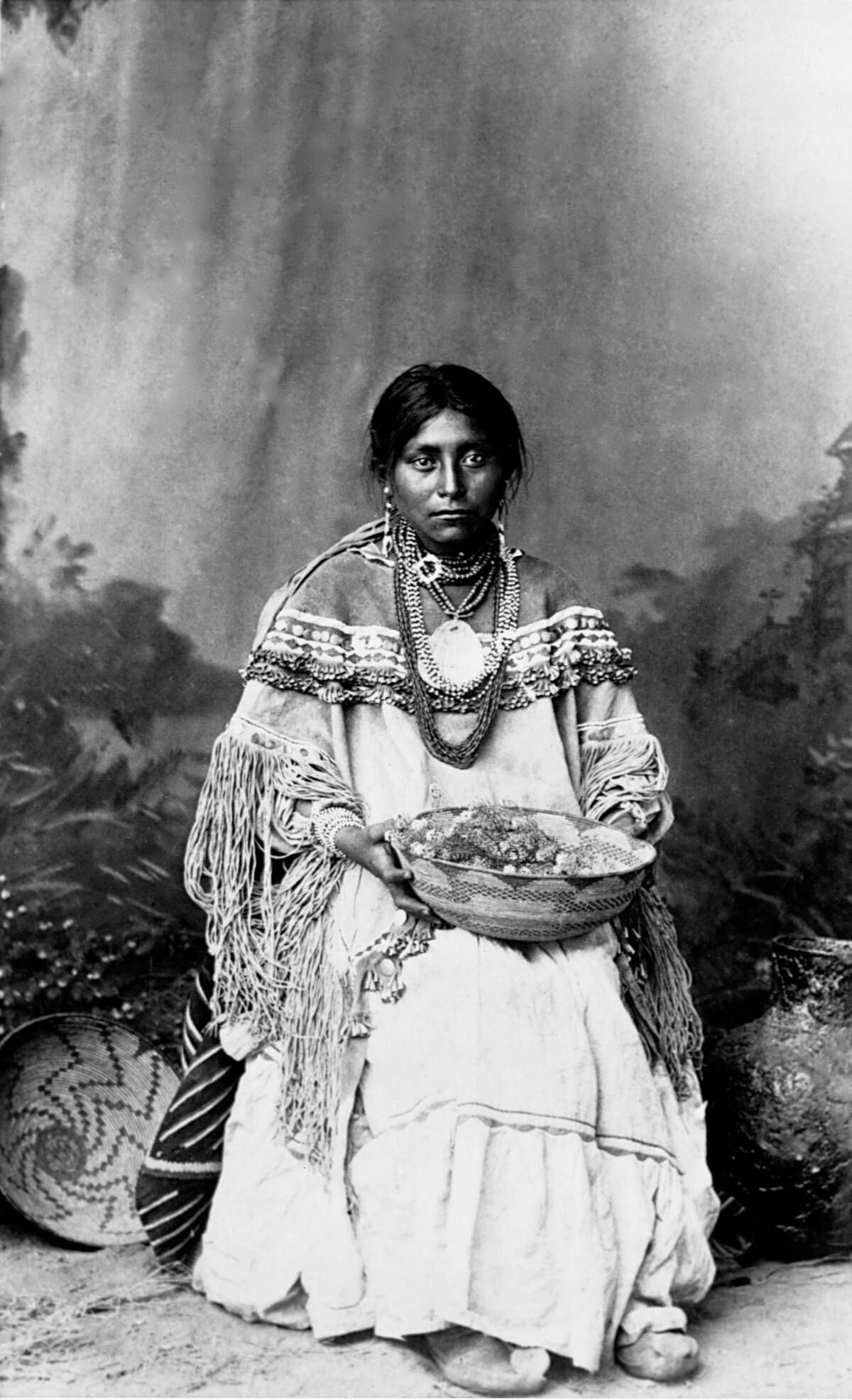
Traditional Apache clothing is both functional and symbolic, reflecting the tribe’s resourcefulness and cultural values. Typically made from animal hides and decorated with intricate beadwork, garments often signify an individual’s status or achievements. For instance, the use of specific colors and patterns can denote different tribal affiliations or spiritual beliefs. Clothing is not merely a necessity but a canvas for expressing identity and preserving cultural heritage through its craftsmanship and design.
The Apache Diet: Surprising Staples and Traditions
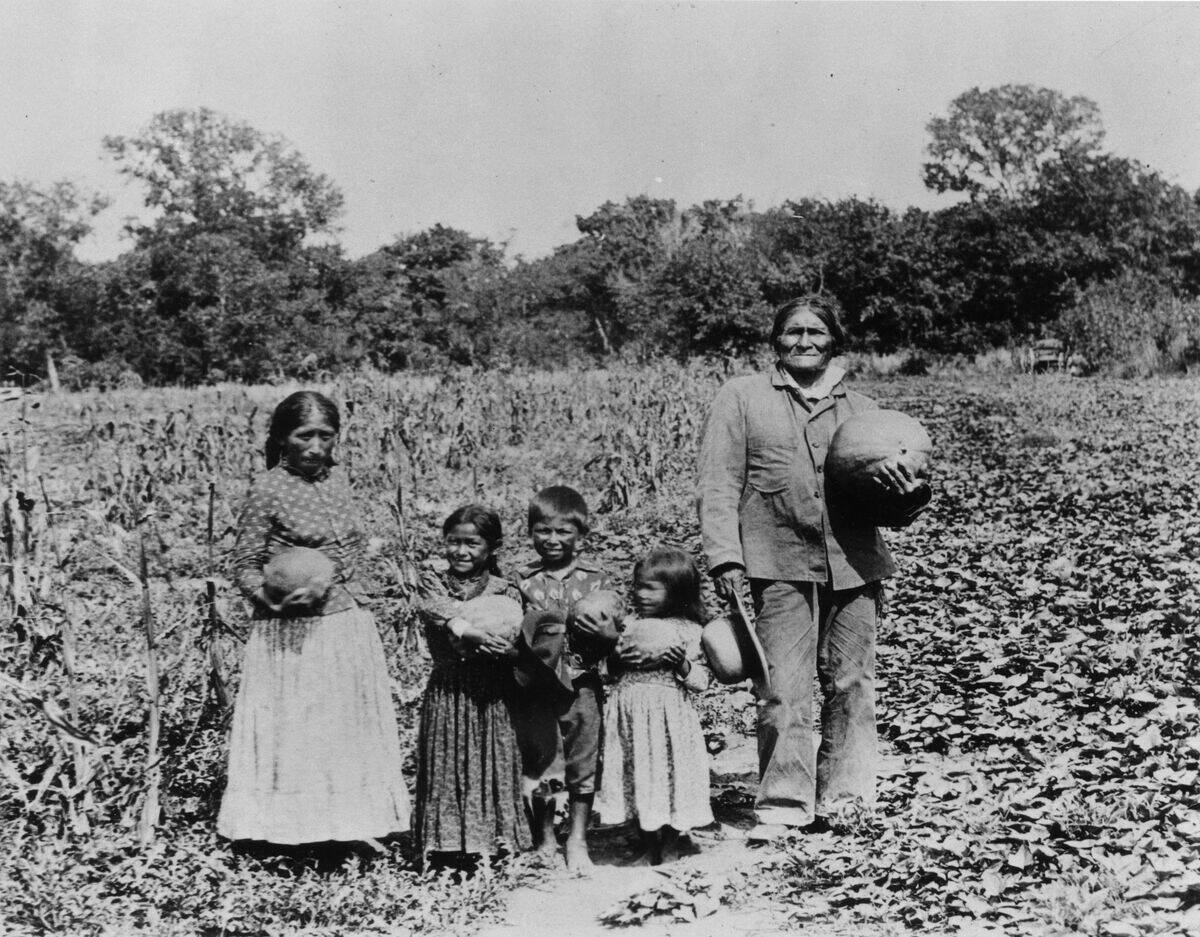
The Apache diet is surprisingly diverse, consisting of both hunted game and gathered plants. Staples include deer, rabbits, and wild turkeys, complemented by foraged fruits, nuts, and roots. Corn, beans, and squash, often referred to as the ‘Three Sisters’, are also integral to their diet. These foods not only provided essential nutrients but were also central to various cultural practices and ceremonies, highlighting the deep connection between sustenance and spirituality within Apache life.
Spiritual Beliefs and Practices Among the Apache
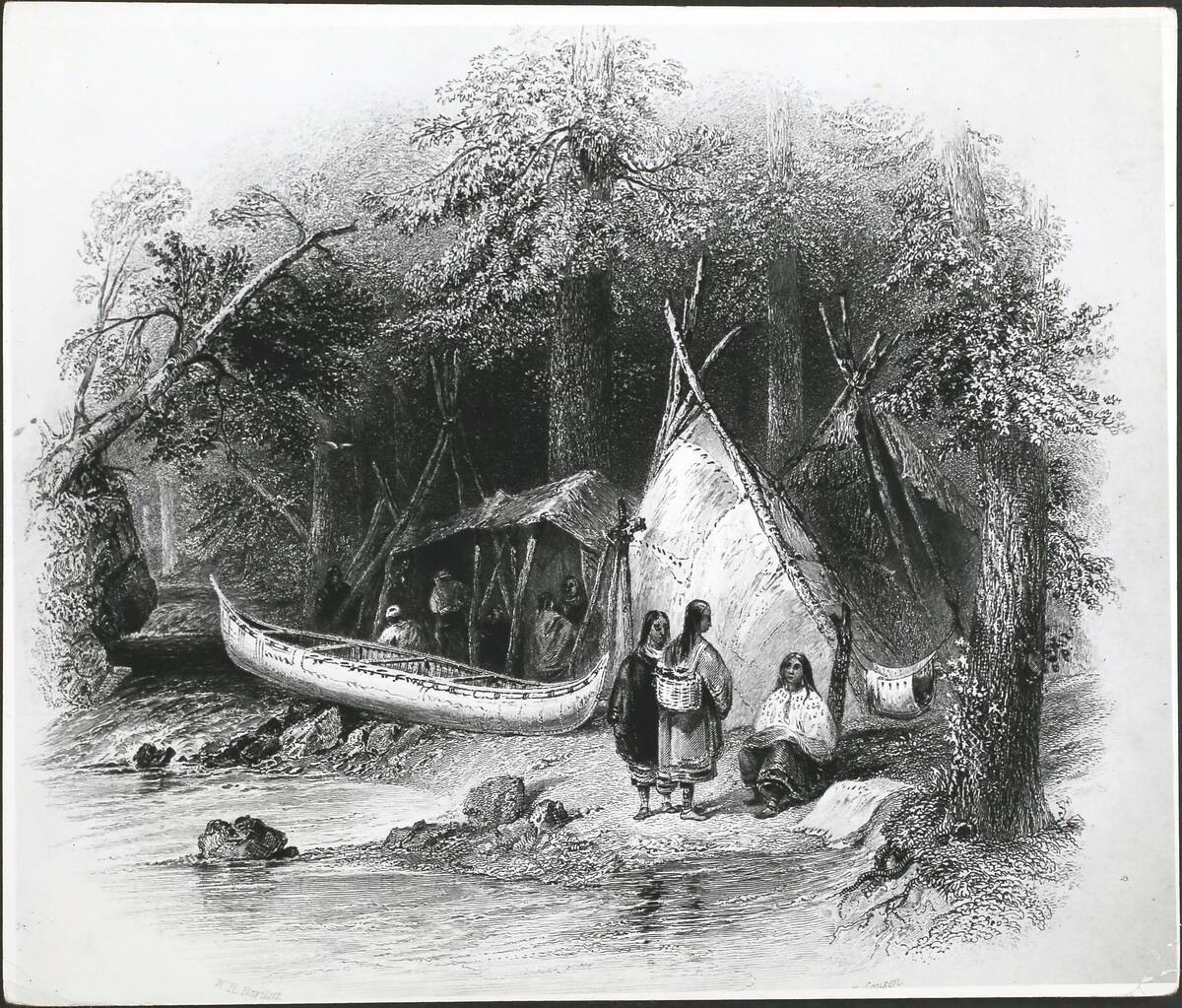
Apache spirituality is deeply intertwined with nature, emphasizing harmony with the natural world. Their beliefs encompass a range of deities and spirits, each representing different aspects of life and the environment. Ceremonies and rituals are conducted to honor these spiritual entities, seeking guidance, healing, and protection. The Apache vision of spirituality is holistic, integrating the physical and spiritual realms, underscoring their respect for all living things and natural phenomena.
The Unbreakable Bond Between the Apache and Nature

The Apache have an unbreakable bond with nature, viewing the land as a living entity with which they coexist. This relationship is evident in their sustainable practices and deep respect for the environment. Land is not merely a resource but a sacred space that provides life, wisdom, and connection to their ancestors. This perspective fosters a profound sense of responsibility towards environmental stewardship, ensuring the preservation of natural resources for future generations.
Celebrated Apache Leaders and Their Impact
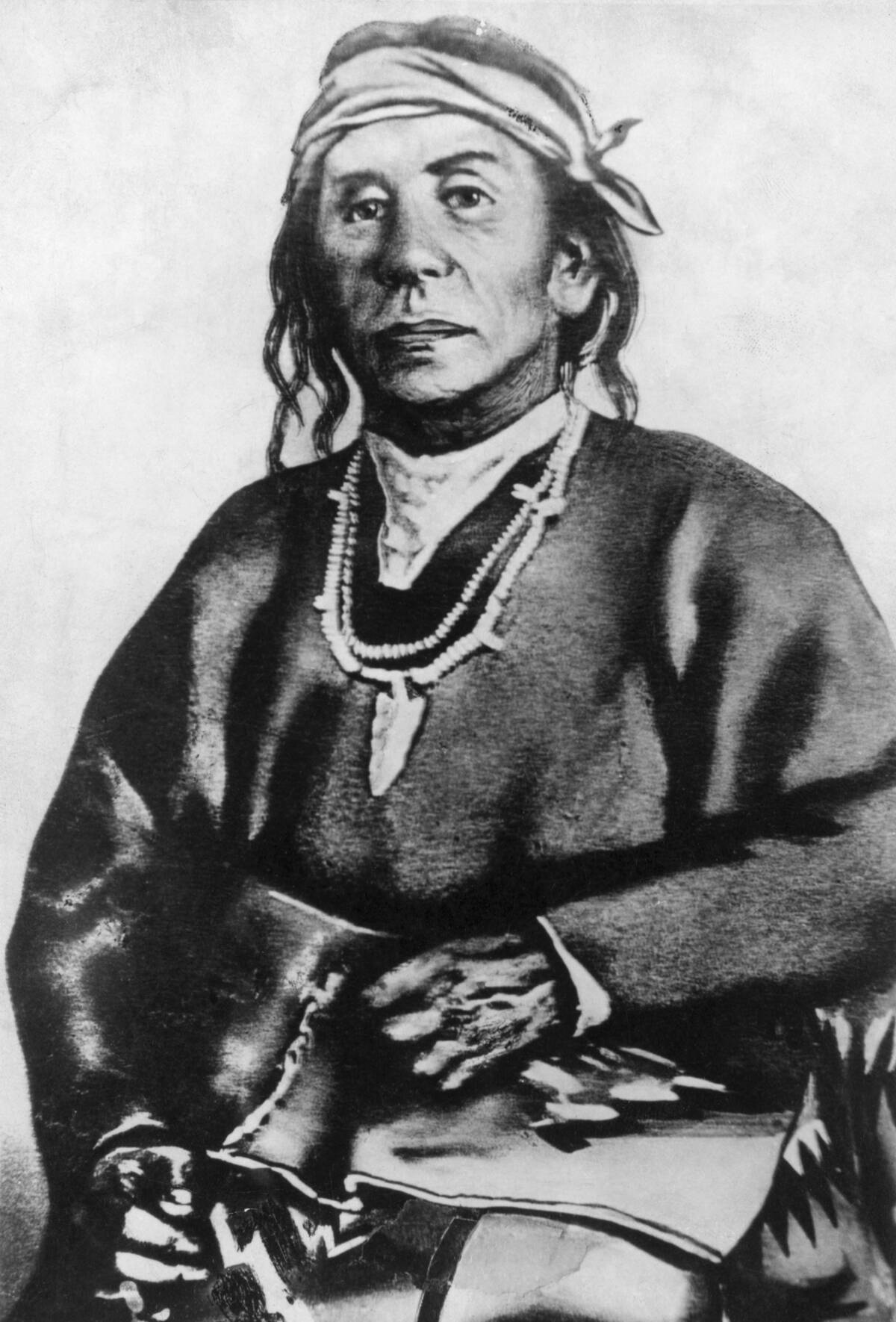
Apache history is marked by remarkable leaders who left a lasting impact on their people and beyond. Figures like Geronimo and Cochise are celebrated for their leadership during times of conflict and negotiation. These leaders embodied the values of courage, resilience, and strategic acumen, guiding their tribes through challenging periods. Their legacies continue to inspire, illustrating the enduring spirit of the Apache and their unwavering commitment to their people and cultural identity.
The Art of Apache Basket Weaving
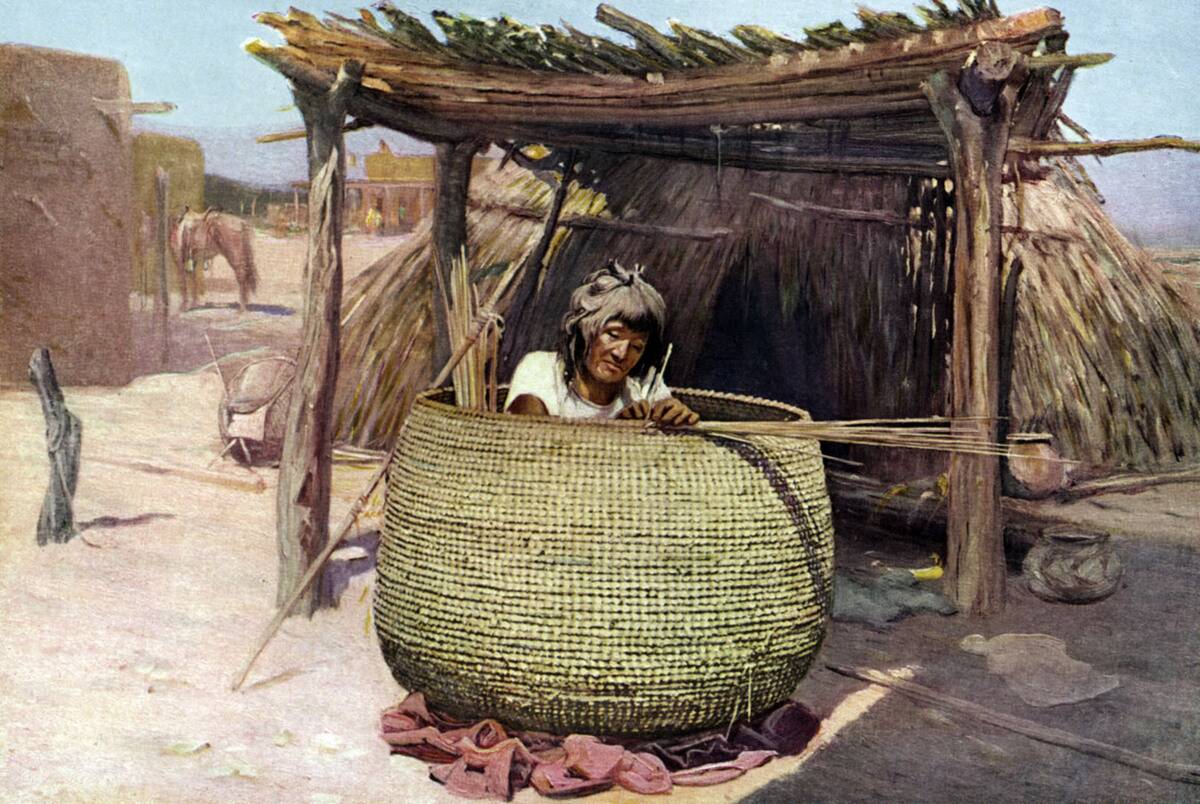
Basket weaving is a revered art form among the Apache, blending functionality with artistic expression. These intricately woven baskets are crafted from materials like yucca, willow, and devil’s claw, showcasing the weaver’s skill and creativity. Each basket tells a story, with patterns and designs often symbolizing cultural narratives or personal achievements. This traditional craft not only serves practical purposes but also reinforces cultural heritage, passing down ancestral knowledge through each weave.
The Influence of the Apache on Modern Culture
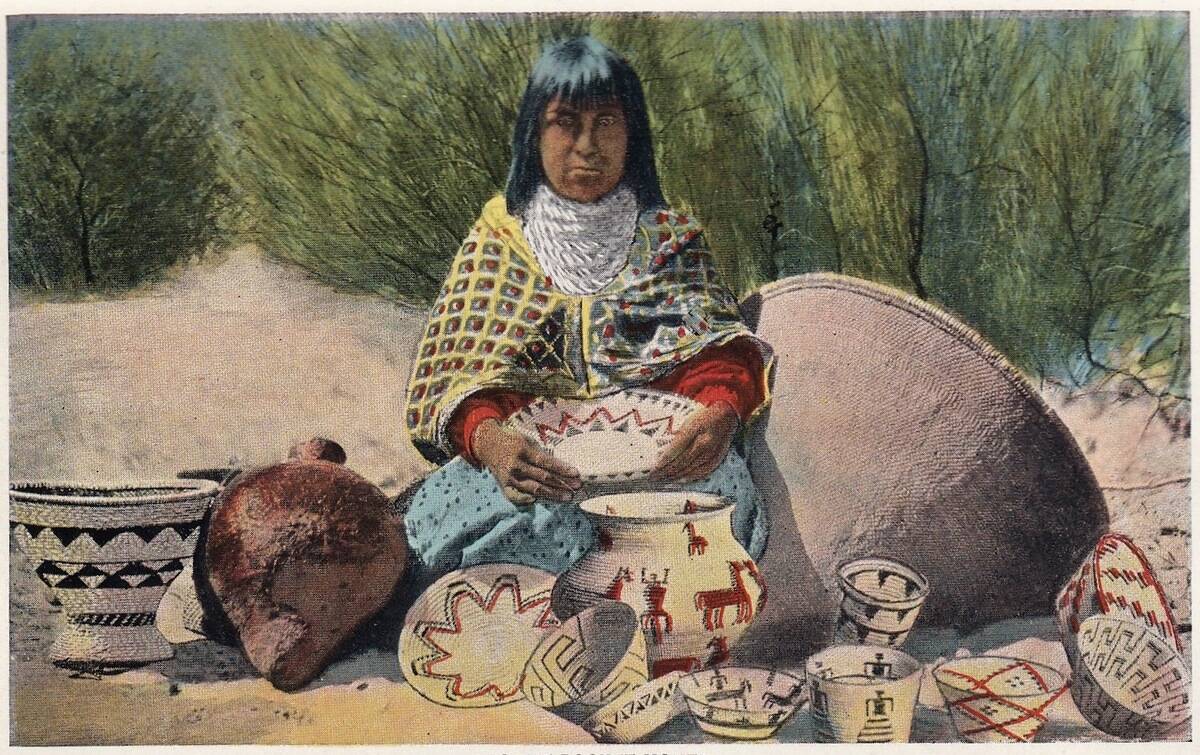
The Apache have significantly influenced modern culture, particularly in areas such as music, art, and storytelling. Elements of Apache music, with its unique rhythms and melodies, have permeated various genres. Their art, characterized by vibrant colors and intricate designs, continues to inspire contemporary artists. Moreover, the Apache’s emphasis on storytelling has found echoes in modern literature and film, illustrating the enduring impact of their cultural motifs and philosophies.
Little-Known Facts About Apache Music and Dance

Apache music and dance are integral to their cultural expression, often linked to ceremonies and celebrations. Traditional Apache music features a combination of vocalizations and percussive instruments like drums and rattles. Dance plays a crucial role in these performances, with each movement bearing symbolic meaning. Despite its cultural significance, Apache music remains less known outside their community, yet it offers a rich tapestry of rhythm and emotion, reflecting the depth of their cultural heritage.
Preserving Apache Heritage in the Modern World
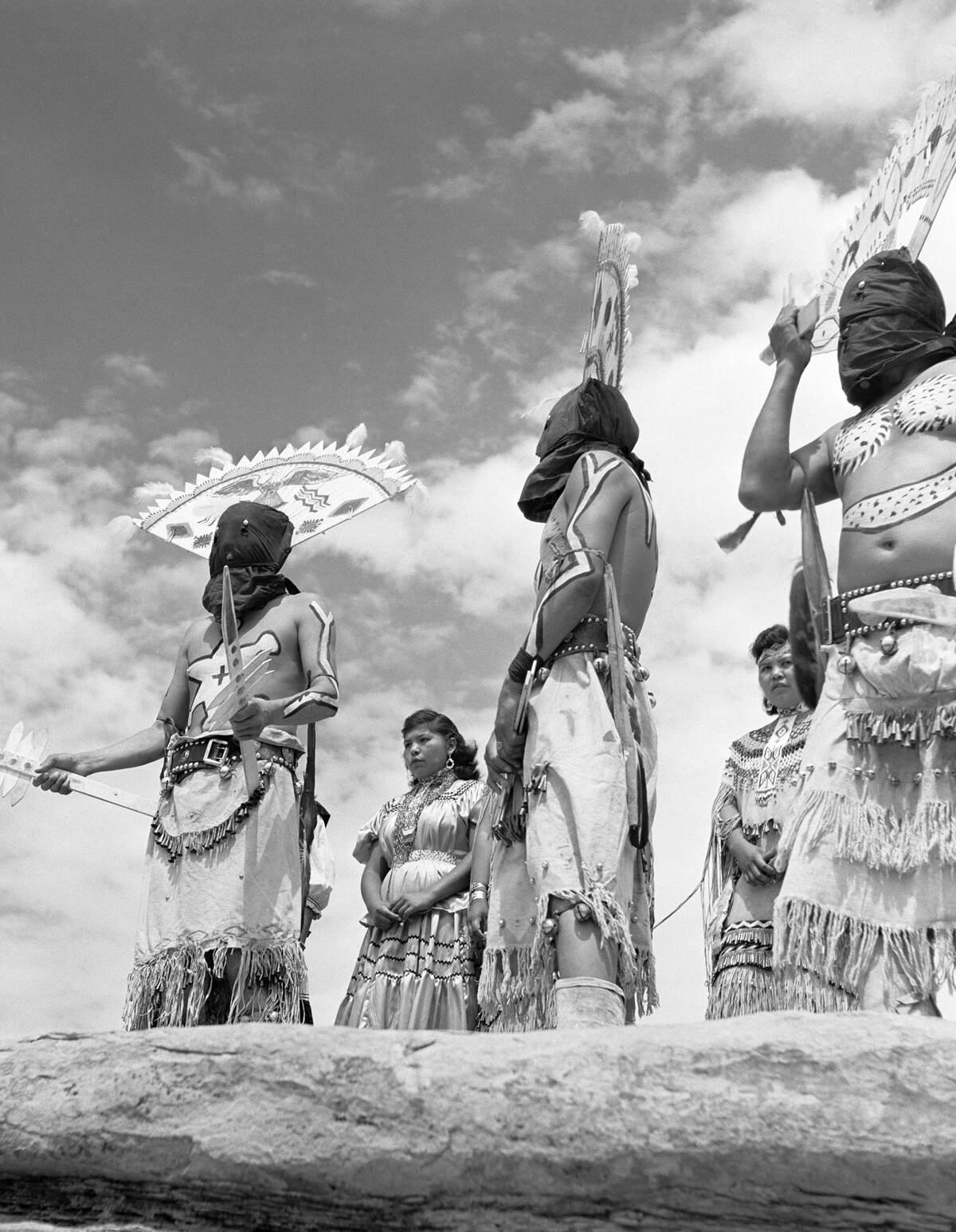
Preserving Apache heritage in today’s world involves a balance between tradition and adaptation. Efforts are underway to revive the Apache language, with educational programs and digital resources playing crucial roles. Cultural events and museums dedicated to Apache history help raise awareness and appreciation for their contributions. These initiatives aim to ensure that Apache traditions and values continue to thrive, offering future generations a vibrant connection to their ancestral roots and identity.