20 Amazing facts about guide dogs and their trainers

Trending Now
Did you know that a “seeing eye dog” is just one kind of guide dog specially trained to assist people with vision impairments? Navigating the world with limited sight can be challenging, but guide dogs provide the safety and independence needed to tackle daily life.
Training these incredible dogs requires a lot of time, dedication, and expert instruction. Even after their training is complete, new handlers need to invest time in bonding and learning how to work effectively with their dog to create a strong, trusting partnership.
The Seeing Eye Breeds Its Own Dogs
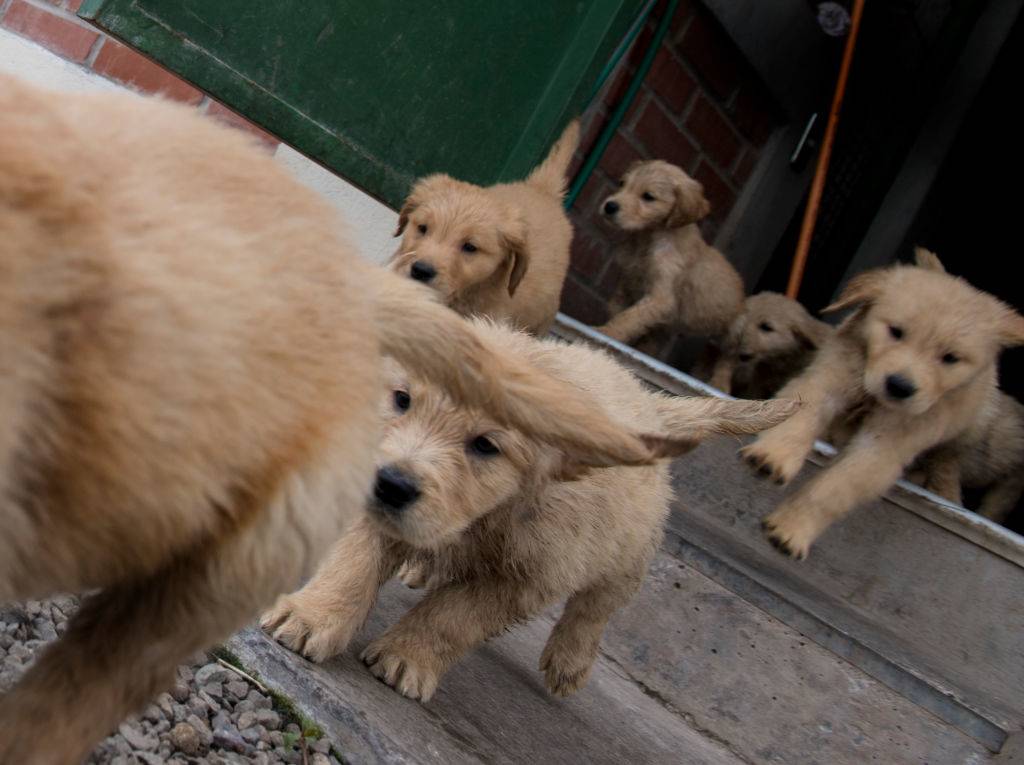
The Seeing Eye operates a dedicated campus in Chester, New Jersey, where it manages a highly selective breeding program. Only dogs that meet rigorous health and behavioral criteria are chosen, ensuring that only the best candidates become guide dogs.
At seven weeks old, the puppies go to volunteer caregivers who teach them basic obedience and help them socialize with the world. When they turn 14 months, the dogs undergo evaluations to see if they have the potential to be guide dogs. Those who qualify then start an intensive four-month training program to prepare for supporting individuals with visual impairments.
Strangers Shouldn’t Interact With Seeing Eye Dogs That Are Wearing Harnesses
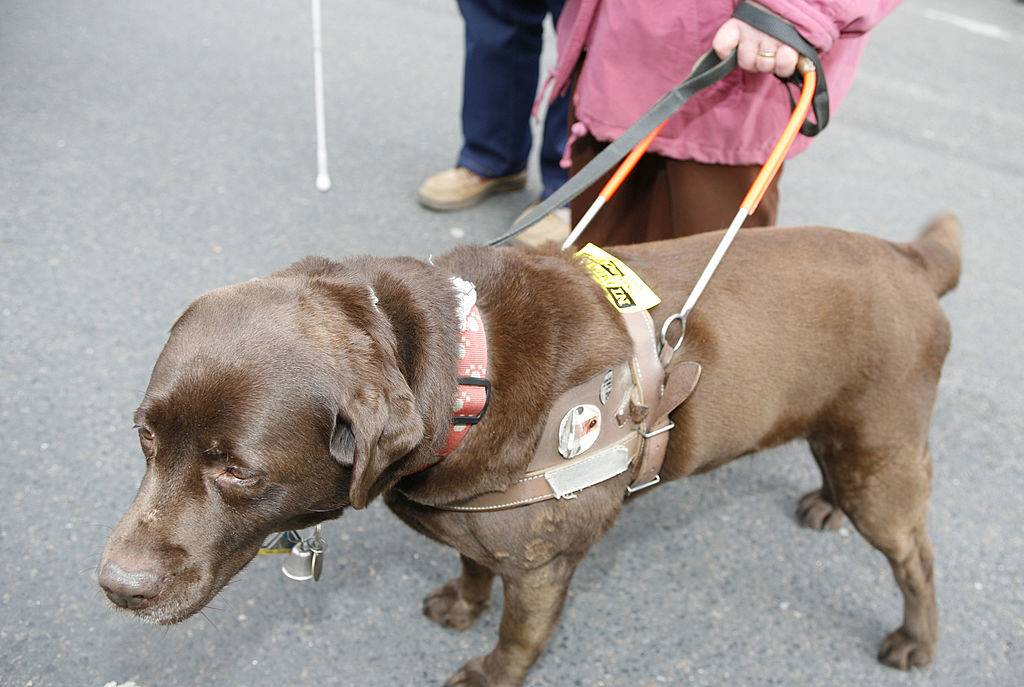
When a seeing eye dog is wearing its harness, it signals that the dog is working and needs to stay fully focused on guiding its owner. During this time, it’s crucial to let the dog concentrate without interruptions.
Avoid distracting or petting a working seeing eye dog, as this can break their focus and interfere with their job. Always ask the owner for permission before engaging with the dog.
The Dog’s Name Is Very Important
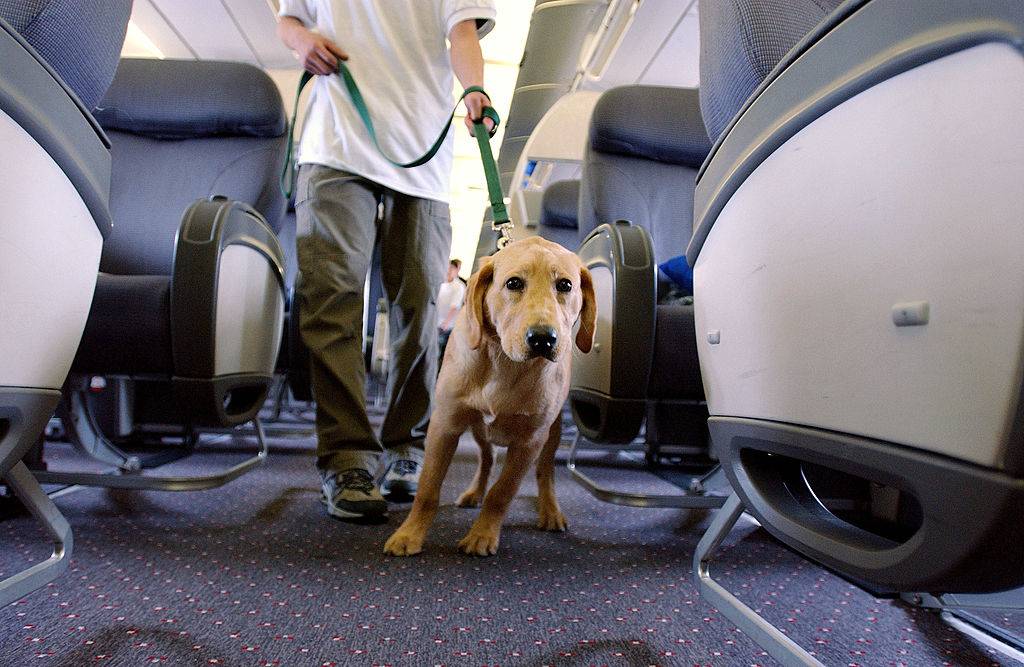
Naming a guide dog is more thoughtful than it appears—it’s an important choice. For example, you wouldn’t want your dog to respond to “heel” just because you called him “Neil.”
The ideal name is short, typically one or two syllables, making it easier for the owner to give quick commands. Additionally, the name shouldn’t sound like any command; for instance, naming a dog “Kit” could cause confusion since it sounds similar to “sit.”
Trainers Wear Blindfolds To Feel What Students Feel
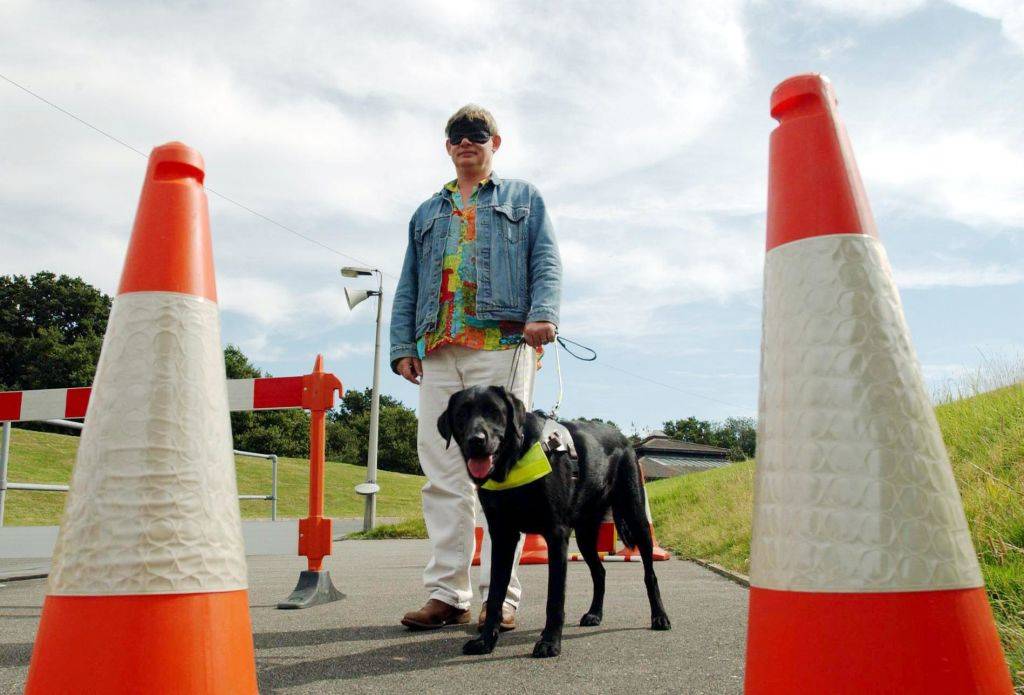
As part of their training, instructors spend a full week blindfolded while living alongside their students. During this period, they learn to navigate with a cane and practice safety techniques for crossing streets and handling traffic.
They’re also paired with a guide dog, allowing them to experience firsthand what it’s like to work with a dog. This exercise helps trainers gain a deep understanding of the challenges and emotional bond involved in building that partnership.
Dogs Have The Ability To Keep An Eye Out For Above Ground-Level Obstacles, Too
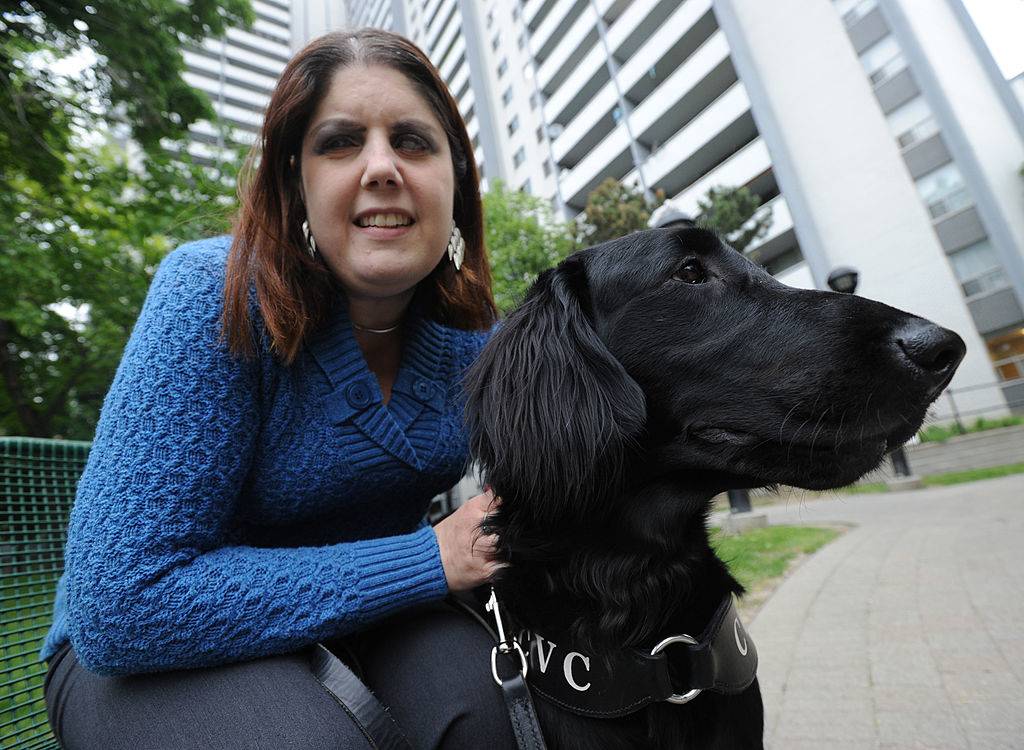
After learning to watch for cars and pedestrians ahead, guide dogs also need to be aware of obstacles above ground level. They must recognize things that could strike a person from above, like low-hanging tree branches.
Dogs tend to adapt quickly to different heights. Even if their owner is taller than their trainer was, they can adjust and stay alert for higher obstacles in their path.
The Dogs Retire By Age 10 At The Latest
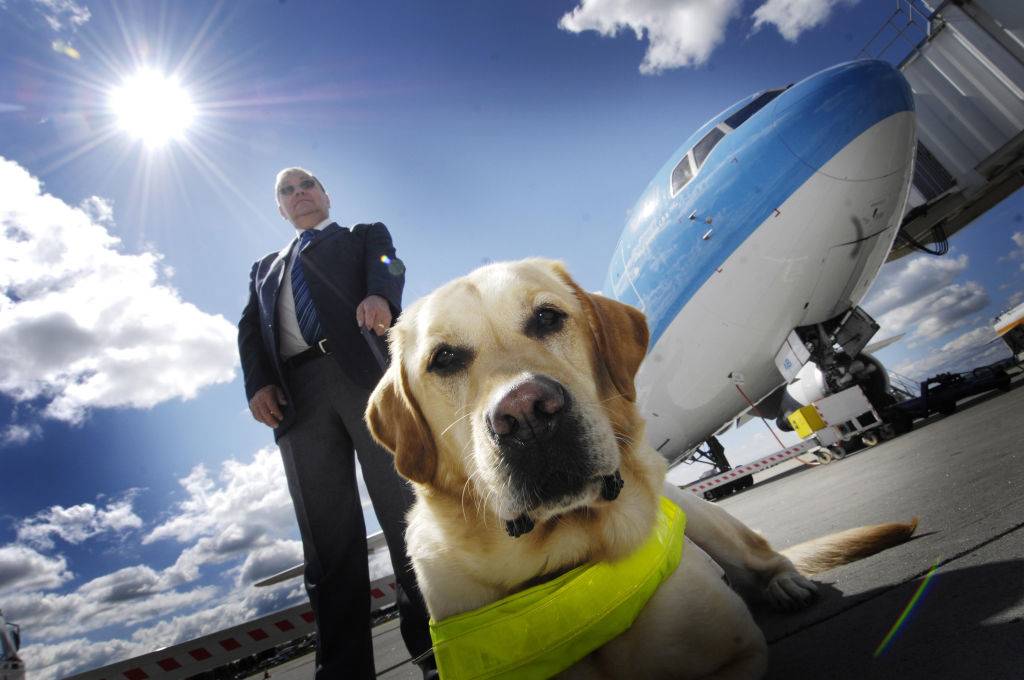
Seeing eye dogs have a set retirement age just like humans. They typically work for seven to 10 years. Eventually, they get a little too old for the job. It’s not uncommon for seeing eye dogs to be adopted by another family to live out the rest of their lives.
That’s because visually impaired people need to continue their lives with a younger and more adept canine. However, that doesn’t mean it isn’t hard for the dog and the person to move on.
Trainers Spend Years Learning The Ropes
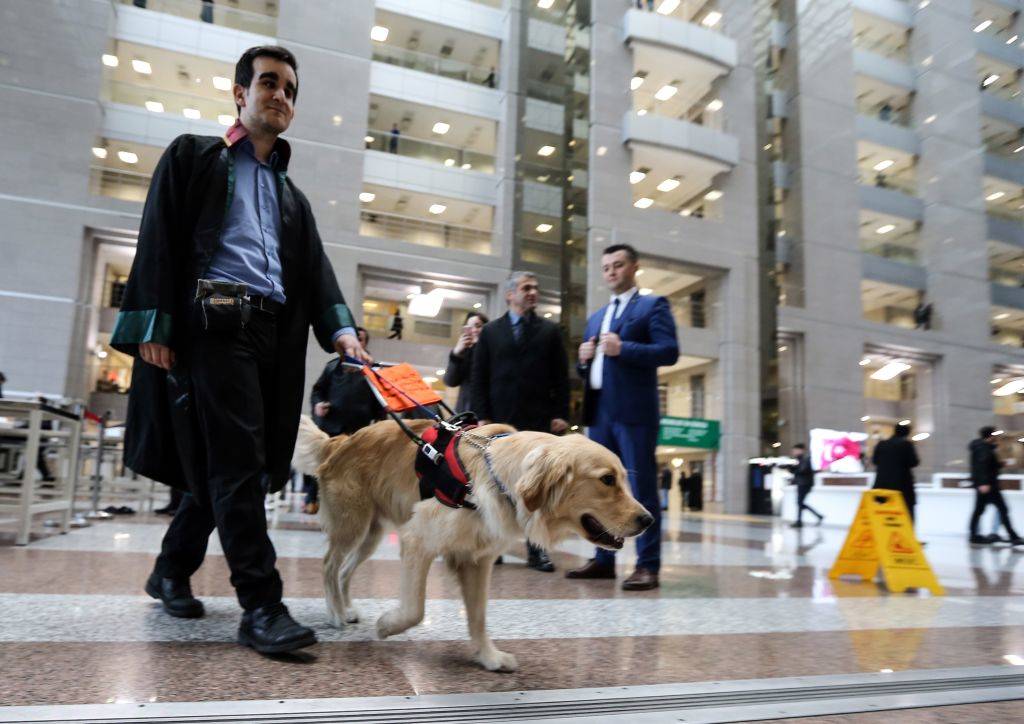
Guide dog instructors commit to full-time work and complete a rigorous three-year apprenticeship that blends classroom learning with practical experience. They’re trained to work closely with both the dogs and the visually impaired individuals—known as students—who will ultimately depend on these dogs for daily mobility and independence.
After finishing their training, instructors are responsible for working with multiple dogs each day, often from morning until evening, to help them build the skills needed to become reliable guides. Volunteers also play a key role in the process by raising puppies and teaching them basic manners and obedience before they begin formal instruction.
Some Breeds Are Better Than Others
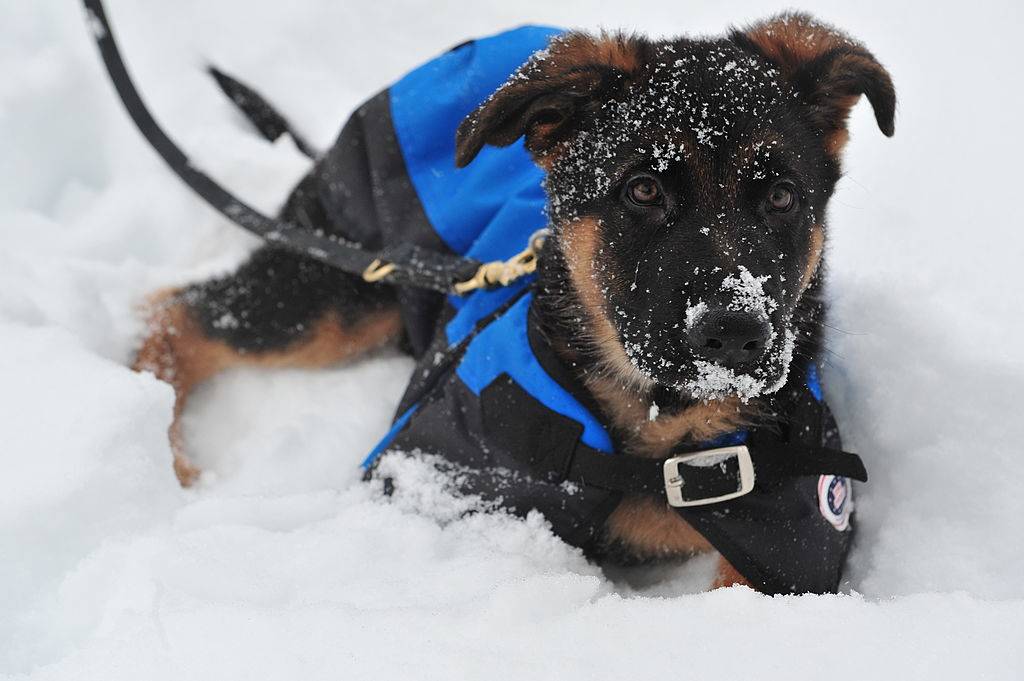
The majority of seeing eye dogs are Labrador Retrievers, Golden Retrievers, German Shepherds, or mixes of these breeds. These dogs are chosen for their strong work ethic, ideal temperament, and physical capabilities that make them well-suited for guiding.
They tend to form excellent partnerships with people, thanks to their cooperative nature and eagerness to please. Their natural drive to work goes hand-in-hand with their desire for human approval, making them both reliable and motivated to help.
Dogs In Training Are Exposed To Real-Life Obstacles
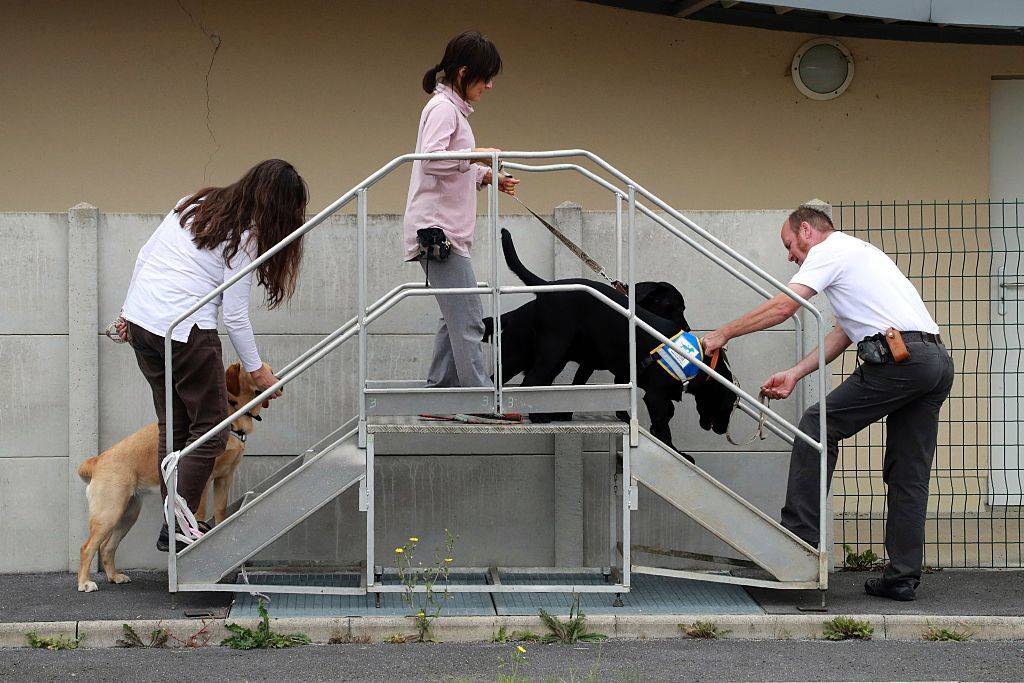
Once guide dogs in training reach a certain level, they’re introduced to more complex environments, like busy city settings. At some training centers, dogs practice handling these real-world scenarios right on campus.
They might be exposed to moving vehicles to simulate street traffic—preparing them for what they’ll face with their future handlers. This includes learning to recognize quieter cars like hybrid models, such as Honda Priuses. They also receive instruction on safely navigating stairs and escalators.
Seeing Eye Dogs Became A Necessity During World War I
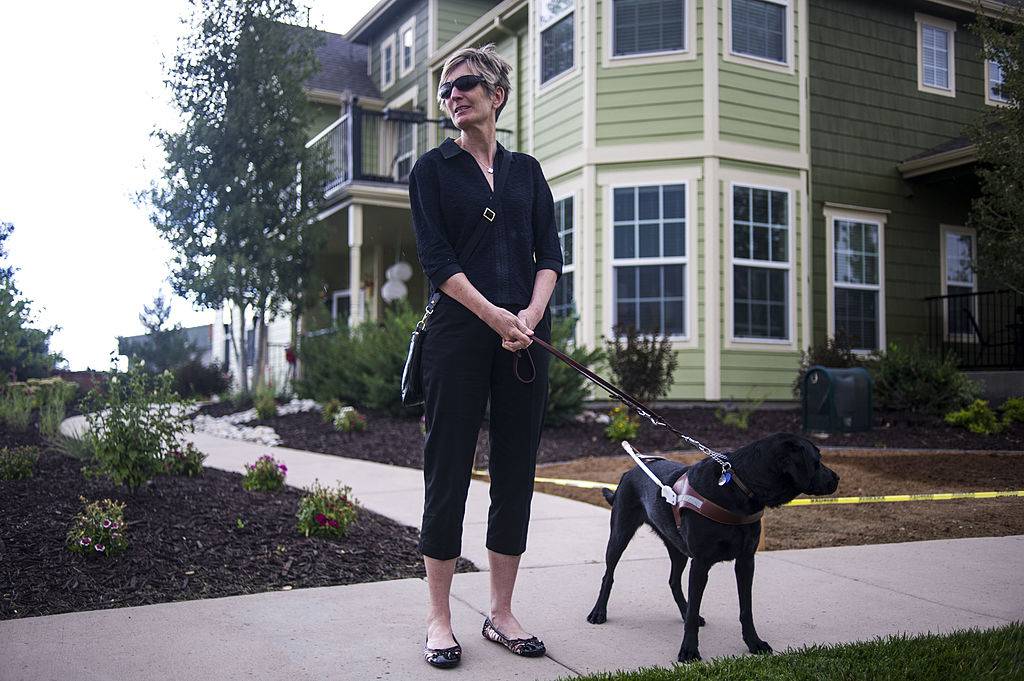
Dorothy Harrison Eustis, Morris Frank, and others co-founded The Seeing Eye in 1929—a pioneering facility dedicated to training guide dogs and their handlers. The organization first opened its doors in Nashville, Tennessee, before eventually relocating to its current home in New Jersey.
The idea of guide dogs gained momentum during World War I, when many German soldiers were left blind or visually impaired. In response, schools began teaching dogs specialized skills to assist them. During this time, Eustis moved from the United States to Switzerland, where she established a breeding and training program focused on German Shepherds.
The Dogs Can’t Read Signs Or Interpret Stop Lights
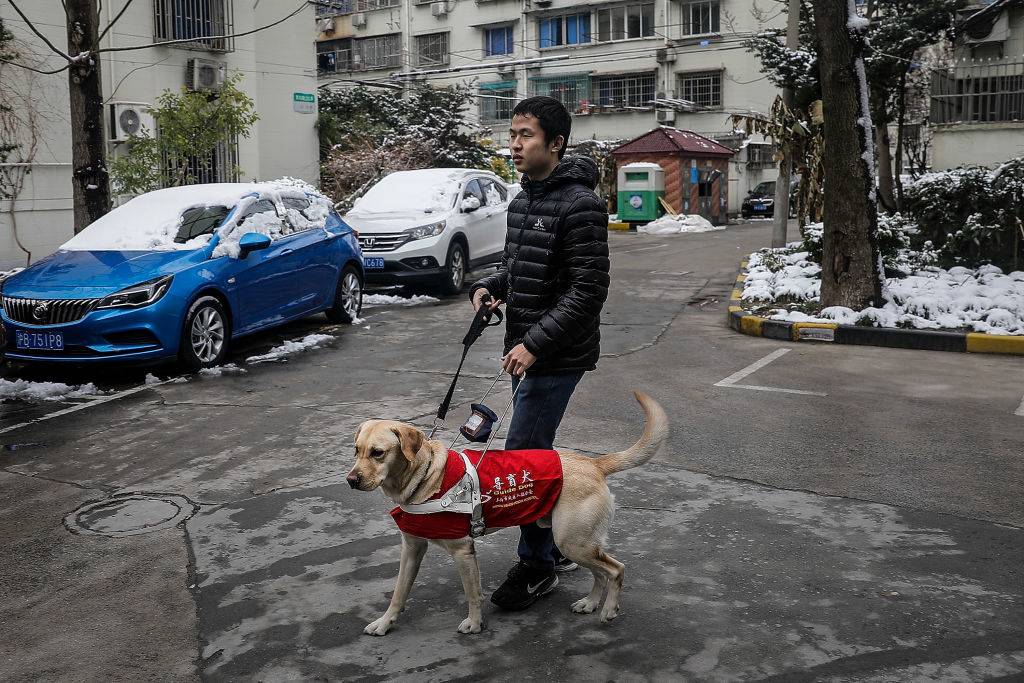
Seeing eye dogs can help avoid obstacles on the sidewalk and stop a person from falling off a curb, but they aren’t like furry GPS devices. They can’t read street signs or tell when a traffic light is green or red.
The responsibility doesn’t lie only with the dog. It’s the person who decides when it’s safe to cross the street. The dog doesn’t know the route to the grocery store—the person does.
It’s Not All Work And No Play
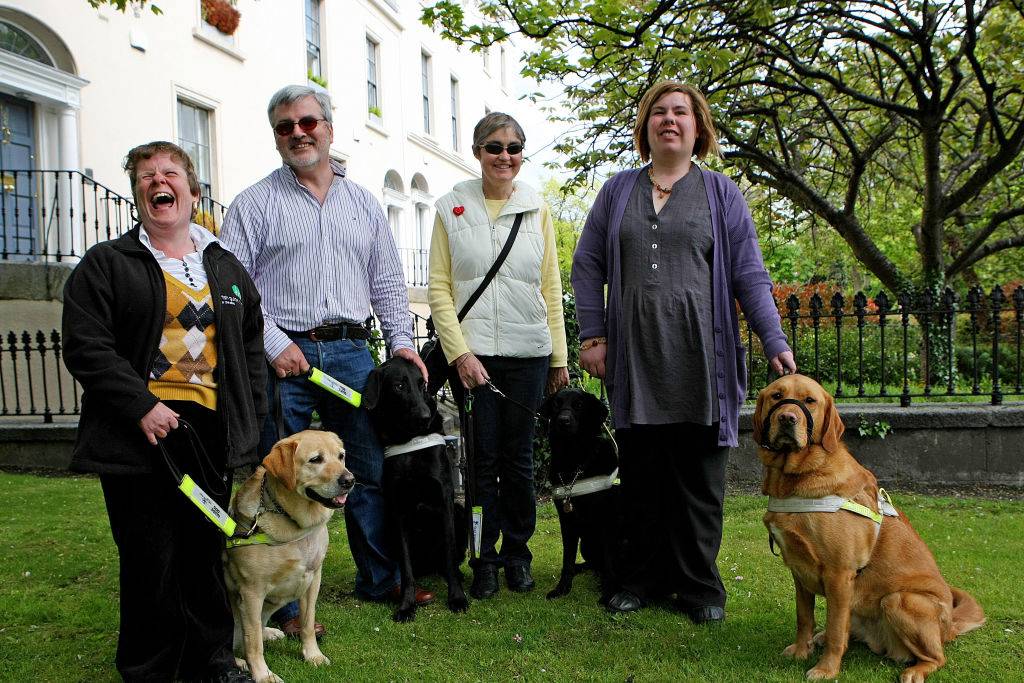
We all know that seeing eye dogs have important jobs. You won’t see them chasing squirrels or sniffing trash cans when they’re with their handlers. But that doesn’t mean they can’t enjoy being normal dogs sometimes.
These dogs also get plenty of rest. After a day of work, when they’re not wearing their “business gear,” they can play fetch and cuddle with people. At home, they’re treated like any other family member.
The Dogs Sometimes Disobey Their Owners
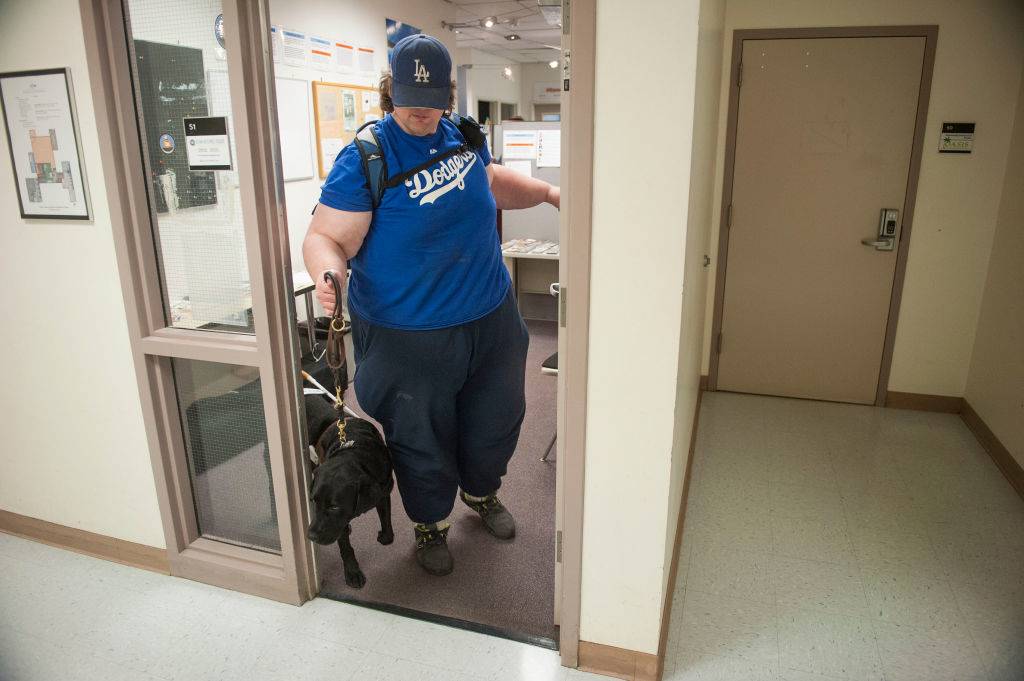
Seeing eye dogs are smart problem solvers. Trainers teach them to show “intelligent disobedience” when needed, meaning they will refuse to follow a command if it’s unsafe.
If the dog senses danger that the owner doesn’t notice, it won’t carry out the command. For instance, if a car runs a red light, the dog might stop the person from stepping into the street.
Trainers Learn About The Human Eye
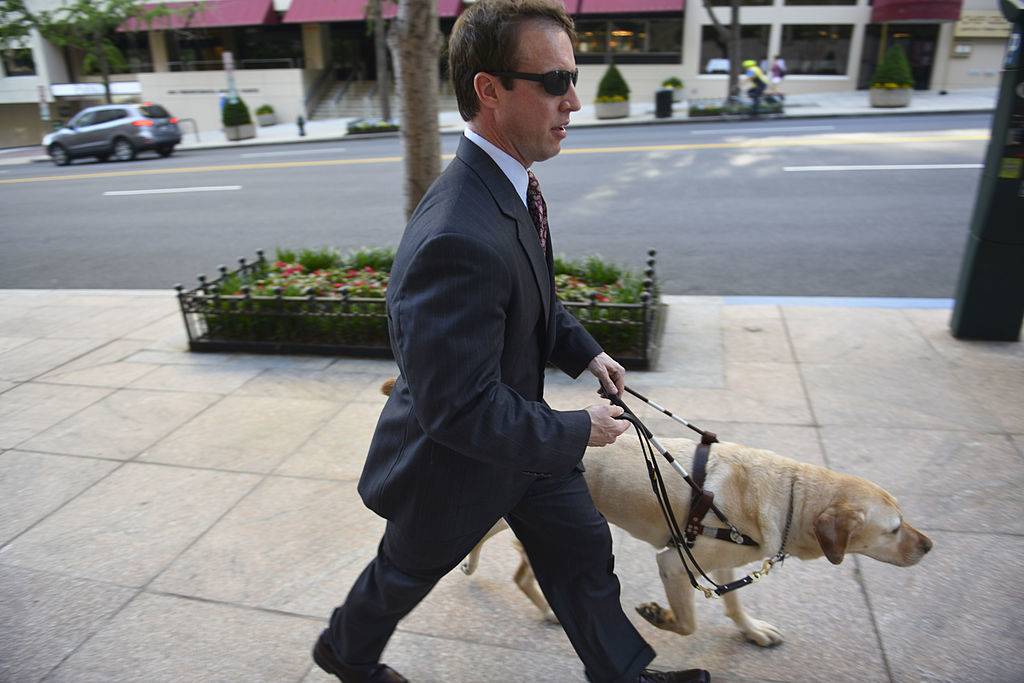
During their apprenticeships, trainers also study the different types of vision problems their students have, including diseases and disorders affecting the optic nerve. This helps trainers communicate better and understand each student’s specific vision challenges.
Rather than only being dog experts, trainers gain knowledge to better understand the students’ needs. The training covers everything, benefiting both the instructors and the students.
The First Seeing Eye Dog Came To America In 1928
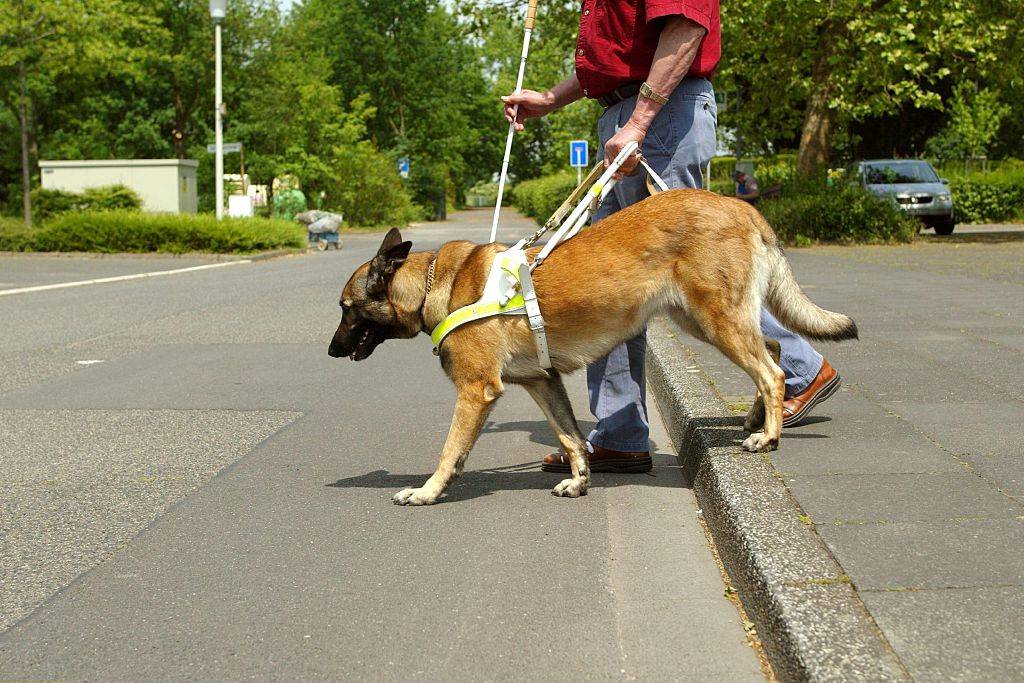
In 1928, Morris Frank, a college student who was visually impaired, brought the first guide dog to the United States from Switzerland. He went to Europe to train with a German shepherd named Buddy, a dog specially bred to guide people with vision loss. After several weeks of training, Frank and Buddy returned to the U.S.
Frank’s goal was to raise awareness about the importance of guide dogs. When they arrived, reporters were amazed as Buddy confidently led Frank across a busy New York City street. Frank later shared how Buddy not only helped him navigate, but also sparked conversations with strangers. Buddy left such a strong impression that when she passed away, The New York Times published an obituary in her honor.
Students Spend A Lot Of Time Bonding With Their Dogs
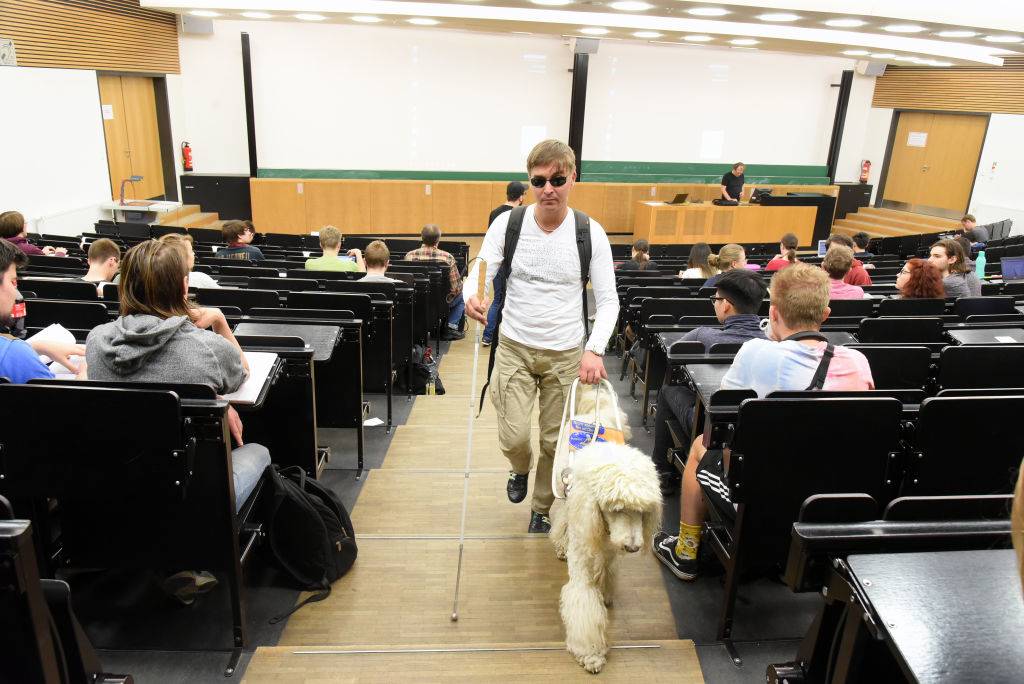
At The Seeing Eye in Morristown, New Jersey, people with visual impairments stay on-site for several weeks to build a strong connection with their assigned guide dogs while undergoing thorough training. Admission to the program is necessary before a match can be made.
During nearly a month of training, participants work closely with their dogs to learn essential skills. The experience is both emotionally intense and physically demanding—trainers often liken it to a fast-paced boot camp, where students must quickly absorb and adapt to a lot of new information.
The Dogs Provide A Lot Of Independence
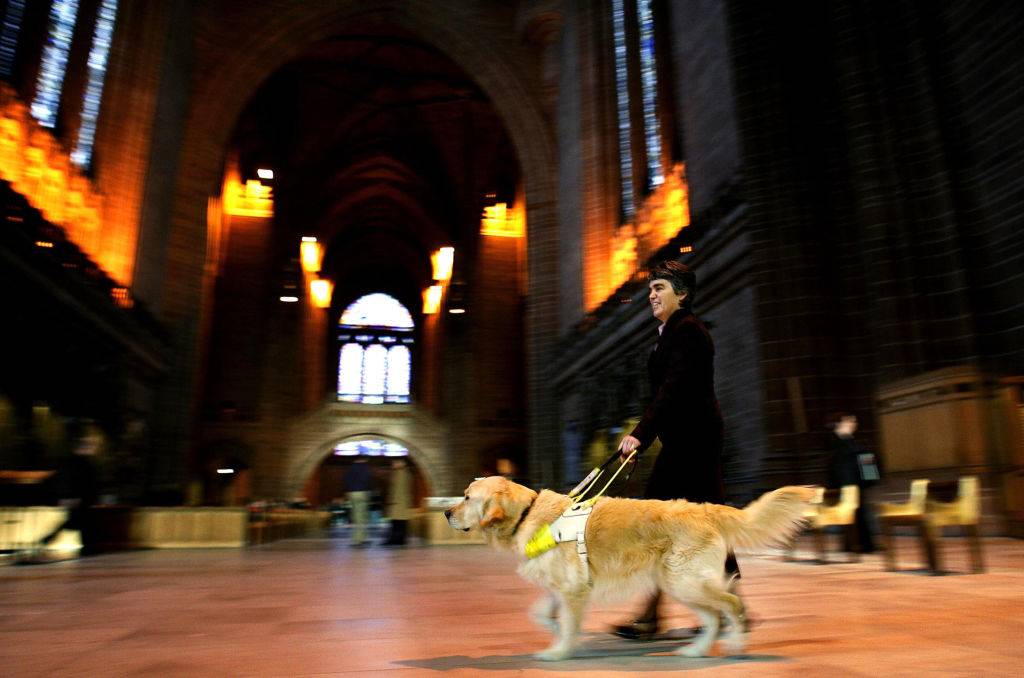
One of the most empowering aspects of having a guide dog is the autonomy it provides. For individuals with visual impairments, a guide dog can offer a level of freedom and movement that a cane simply doesn’t deliver.
Paralympic gold medalist Jen Armbruster expressed it best: “It’s just such a feeling of freedom and independence. Using the cane was a reality check for me of how much freedom that dog gave me.” Since losing her sight in her teenage years, Jen has relied on several guide dogs to help her navigate life with greater ease and confidence.
Retrievers And Shepherds Are The Right Size for the Job
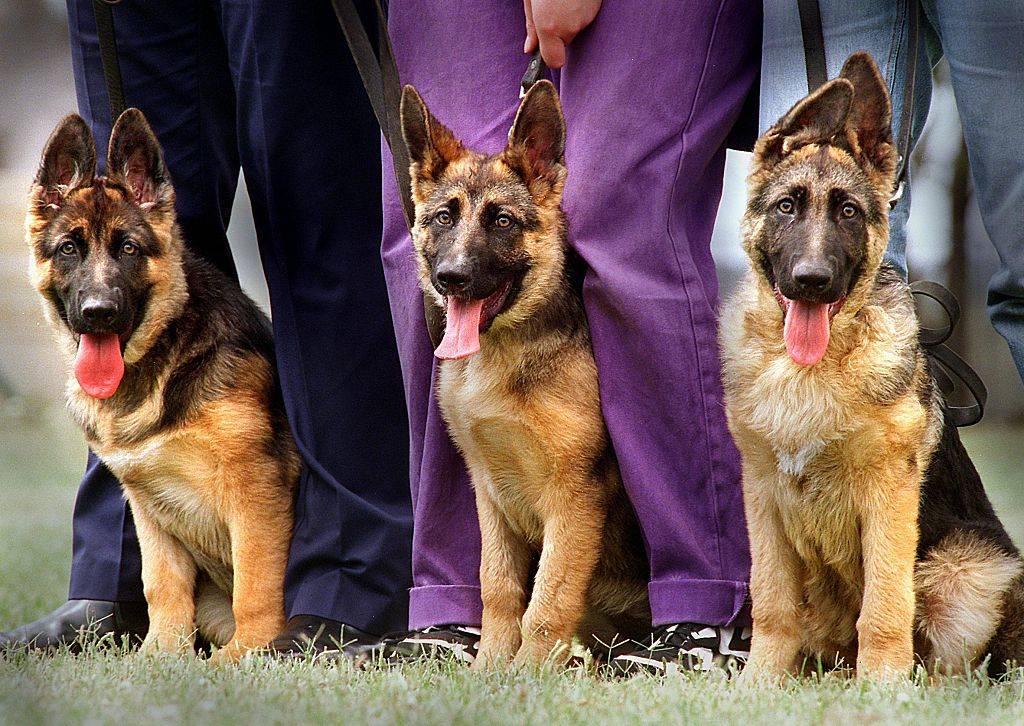
Labrador Retrievers, Golden Retrievers, and German Shepherds are also big enough to get the job done. They have the right physical requirements to do the work. For example, they can lead a person down the road or prevent him or her from going into traffic.
On the other hand, these dogs are also small enough to travel on a train or a bus and can lie down comfortably under a desk at the office. This combination makes them perfect for the task.
Positive Reinforcement Is Key During Training
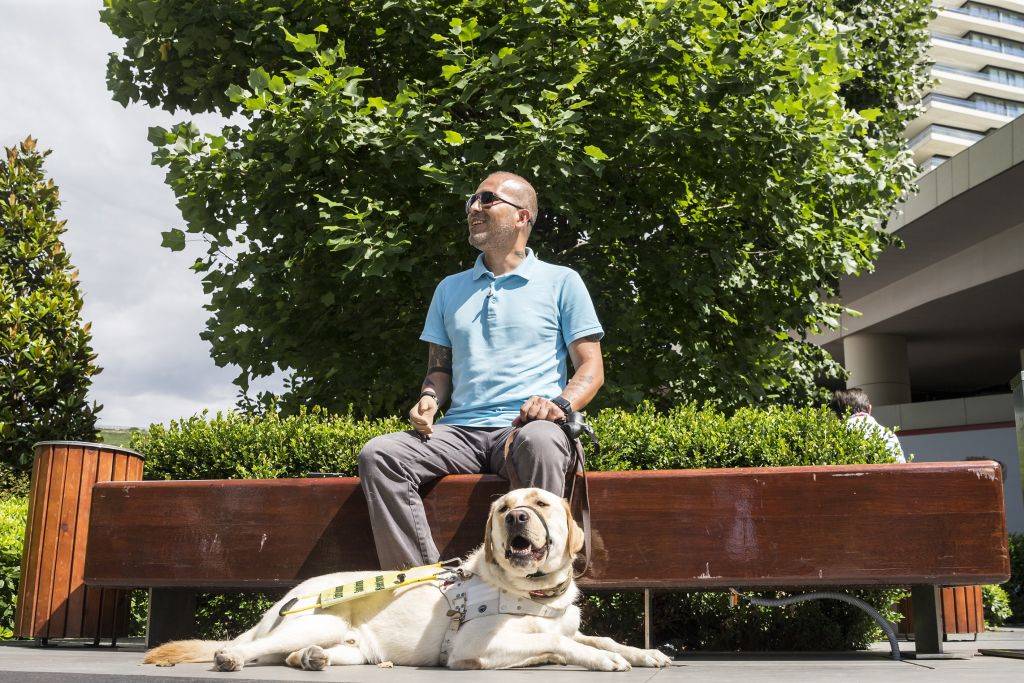
Seeing eye dogs are trained to help their owners navigate the environment securely, comfortably, and confidently. That means they stop at curbs, move around obstacles, and block their owners from walking in front of cars. The canines learn these skills through praise and positive reinforcement.
During training, the dogs are showered with love and attention. If they make a mistake, they are alerted to the problem and have a chance to do it over again. The trainers don’t want to discourage the dogs.
The Dogs Are Allowed To Go Anywhere
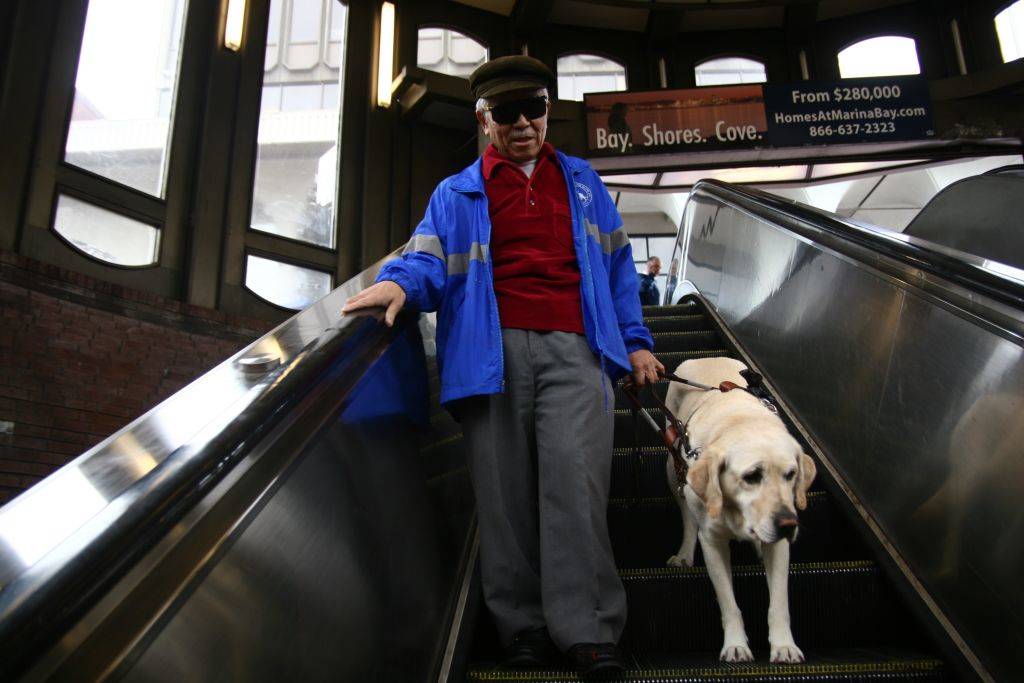
Seeing eye dogs are granted certain privileges that other dogs aren’t. In many countries, including the United States, they are legally protected and are considered their owner’s teammate. Guide dogs can go anywhere their humans go and where the general public goes.
But there is one exception. Guide dogs are not allowed around certain zoo animals. Other than that, don’t be surprised to see them on planes, in restaurants, or in other establishments in which you don’t usually see canines.