15 Impressive facts that are true nuggets of knowledge

Welcome to the whimsical world of useless facts! These little nuggets of knowledge may not change your life, but they certainly add a dash of intrigue to everyday conversations.
Whether you’re looking to impress friends, or simply chuckle at the absurdity of life, these facts are sure to entertain. So, sit back, relax, and prepare to be amused by some of the quirkiest tidbits the world has to offer.
The Curious Case of the Honey That Never Spoils
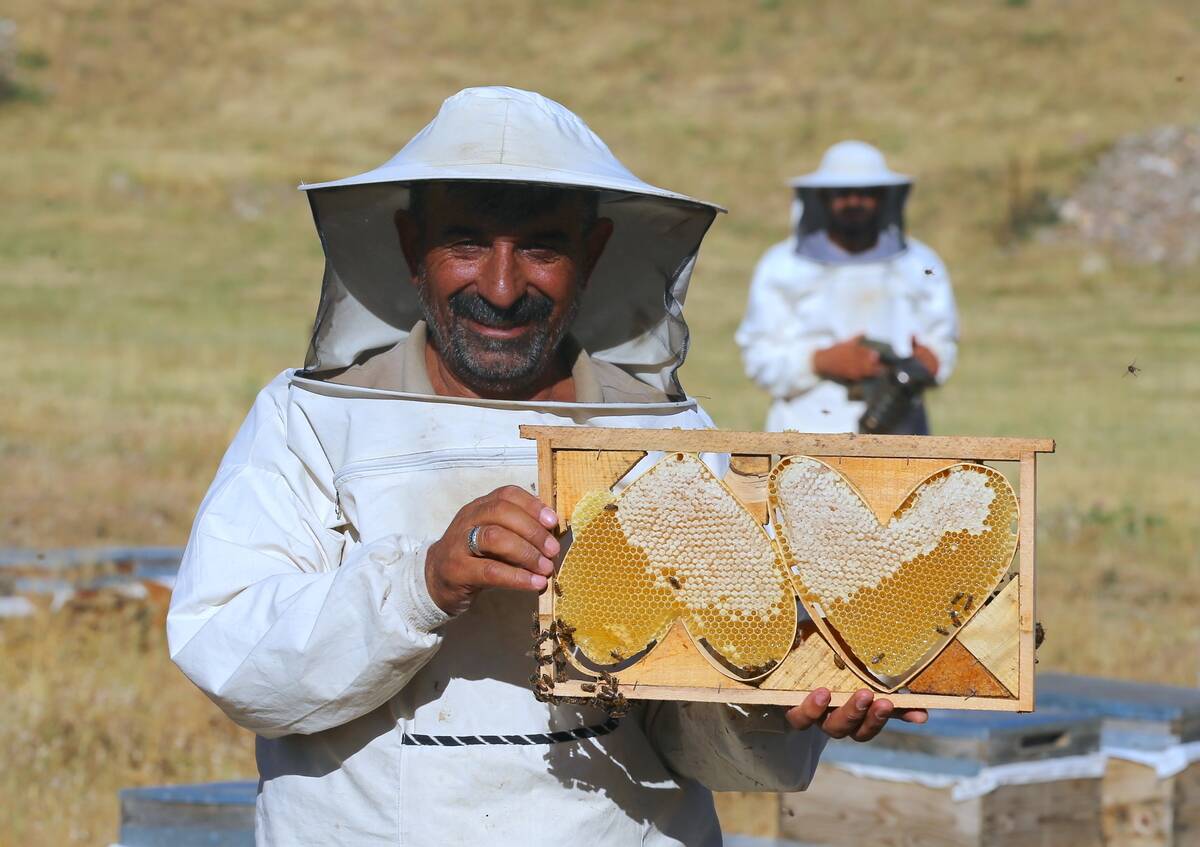
Believe it or not, honey is nature’s very own time capsule. Archaeologists have discovered pots of honey in ancient Egyptian tombs that are over 3,000 years old and still perfectly edible!
This is due to honey’s low moisture content and acidic pH, which make it an inhospitable environment for bacteria. So next time you find a long-forgotten jar of honey in your pantry, don’t worry—it’s likely still good to go! At least, as long it was stored properly.
The Astounding Longevity of Tardigrades
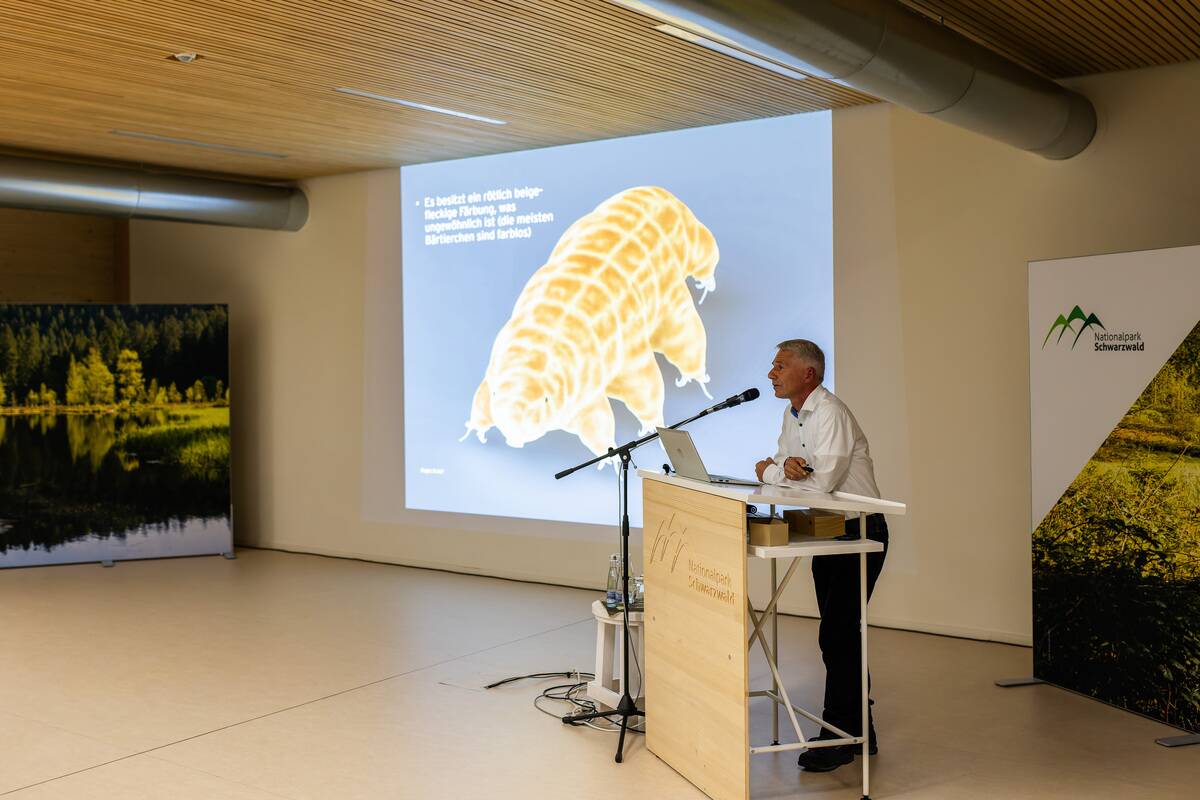
Tardigrades, also known as water bears, are microscopic creatures that have been around for hundreds of millions of years. These resilient little critters can survive in extreme conditions, from the freezing depths of the ocean to the vacuum of space.
They can even endure radiation levels that would be lethal to most other life forms. Tardigrades achieve this by entering a state called cryptobiosis, which essentially allows them to pause their metabolism until conditions improve.
The Unbelievable Amount of Saliva You Produce in a Lifetime

Did you know that the average person produces enough saliva in their lifetime to fill two swimming pools? That’s about 25,000 quarts of saliva! While this might sound a bit gross, saliva plays a crucial role in our digestive process and oral health.
It helps break down food, protects our teeth from decay, and even contains enzymes that aid in healing. So, next time you find yourself swallowing, just remember—it’s all part of keeping your body in tip-top shape!
The Surprising Reason You Can’t Hum While Holding Your Nose

Ever tried to hum while pinching your nose shut? If you have, you know it’s nearly impossible. This is because humming requires the vibration of air through your nasal passages.
When you block your nose, you prevent this airflow, and the humming sound can’t be produced. It’s a quirky reminder of how interconnected our bodily functions are, and just how reliant we are on the simple act of breathing!
The Astonishing Number of Ways to Arrange a Deck of Cards

Shuffle a deck of cards and you likely have a configuration that’s never existed before. In fact, there are 52! (52 factorial) possible ways to arrange a deck of cards, which is an astounding number: 8.06 x 10^67.
That’s more than the number of stars in the observable universe! This mind-boggling fact makes every shuffle a unique event, adding a touch of magic to every card game you play.
The Peculiar Fact About the Heart of a Shrimp

Shrimp may be small, but they have a big surprise up their sleeve—or rather, in their head. Unlike most animals, a shrimp’s heart is located in its head! This is because the head and thorax are fused into a single structure called the cephalothorax.
It’s a quirky anatomical twist that makes shrimp all the more fascinating. So, next time you’re enjoying a shrimp cocktail, you can impress your friends with this peculiar tidbit!
The Oddly Specific Number of Dimples on a Golf Ball

If you’ve ever wondered why golf balls have dimples, it’s all about aerodynamics. The average golf ball is adorned with 336 dimples, which help reduce air resistance and allow the ball to travel farther.
The dimples create a thin layer of turbulence around the ball, which reduces drag and enhances lift. So, while it may seem like a small detail, those little dimples play a big role in your golf game!
The Unexpected Fact About the Weight of a Cloud

Clouds may look light and fluffy, but they can weigh an astonishing amount. The average cumulus cloud, for instance, can weigh about 1.4 billion pounds.
This is because clouds are composed of tiny water droplets, and when you add up all those droplets, the weight really adds up. Despite their massive weight, clouds float effortlessly in the sky, thanks to the warm air rising beneath them.
The Bizarre Reason Pineapples Take So Long to Grow
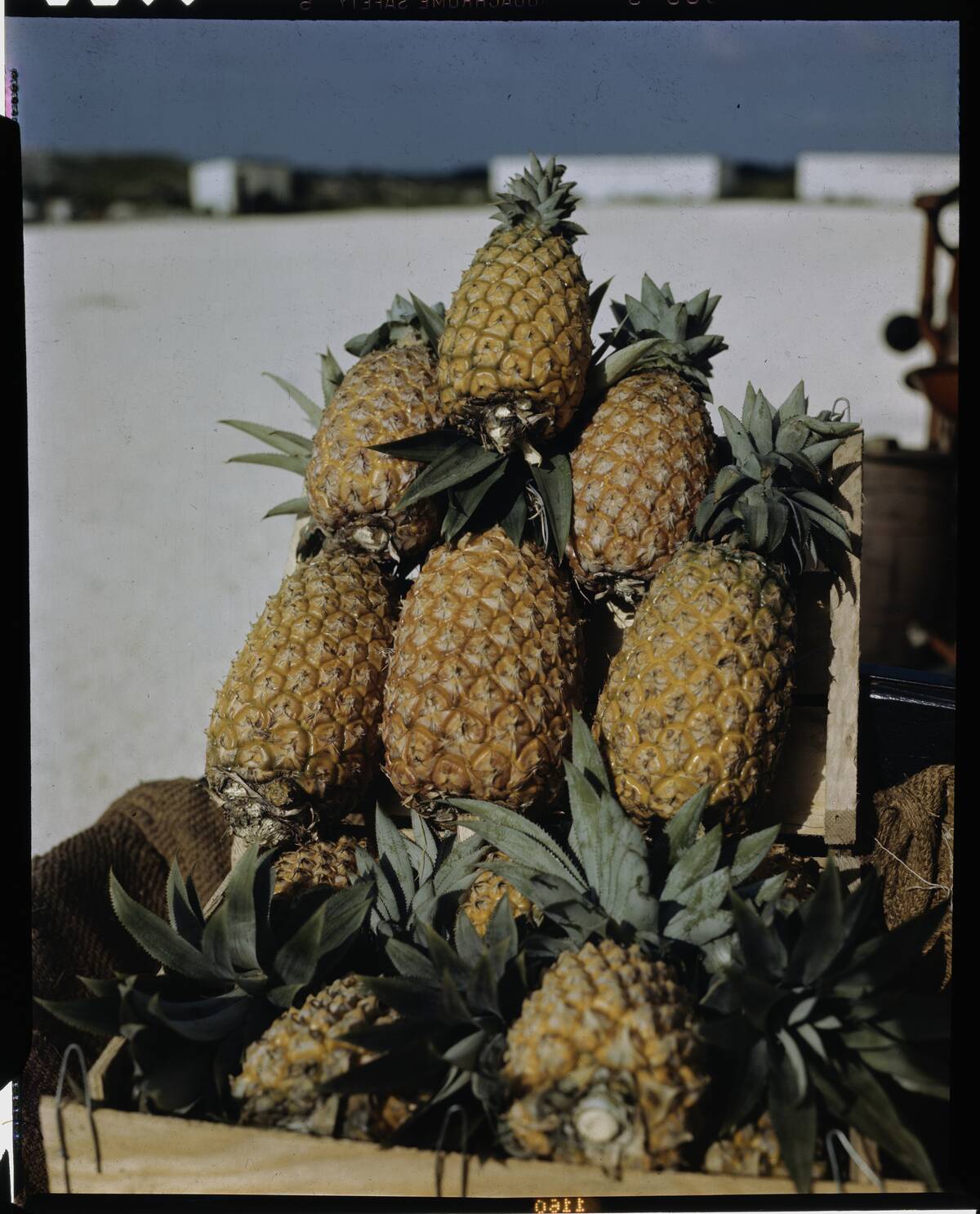
Patience is key when it comes to growing pineapples. These tropical fruits can take up to two years to reach maturity! Pineapples grow from a central stalk, and the fruit itself is made up of many individual berries fused together.
The slow growth process is due to the plant’s need for a lot of sunlight and the time it takes for each berry to mature. But the wait is worth it for that sweet, juicy reward!
The Strange Case of the Eiffel Tower’s Height Fluctuation

The Eiffel Tower, one of the most iconic landmarks in the world, actually changes height with the seasons! In the summer, the tower can grow as much as six inches due to thermal expansion.
The iron structure expands in the heat, causing the tower to stretch slightly. Conversely, in winter, the tower contracts as temperatures drop. It’s a subtle yet intriguing phenomenon that adds another layer of interest to this famous Parisian monument.
The Intriguing Anatomy of a Flamingo’s Feeding Method
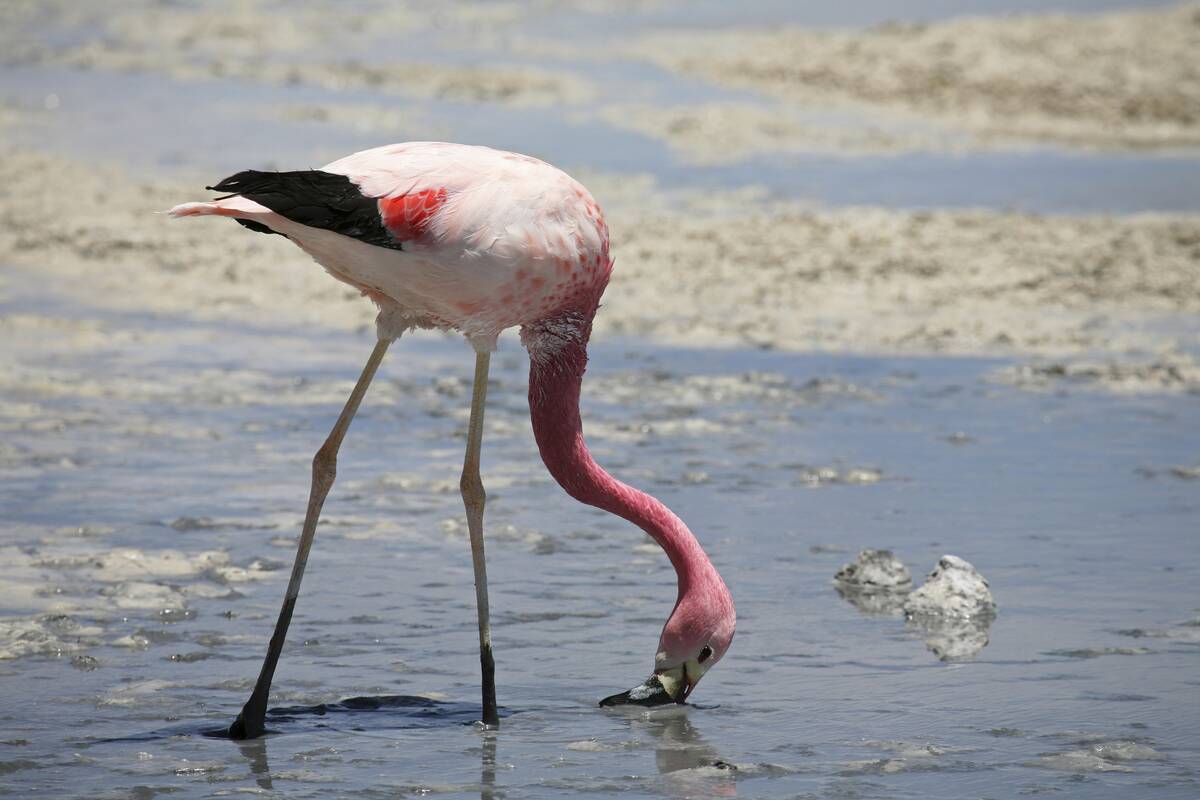
Flamingos have a unique way of eating: They feed with their heads upside down! Their specialized beaks are adapted to filter-feed on algae and small crustaceans in the water.
Flamingos use their tongues to pump water in and out of their mouths, trapping food particles with comb-like structures called lamellae. This upside-down eating method is just one of the many fascinating adaptations that make flamingos such captivating creatures.
The Bizarre Fact About the Length of a Day on Venus
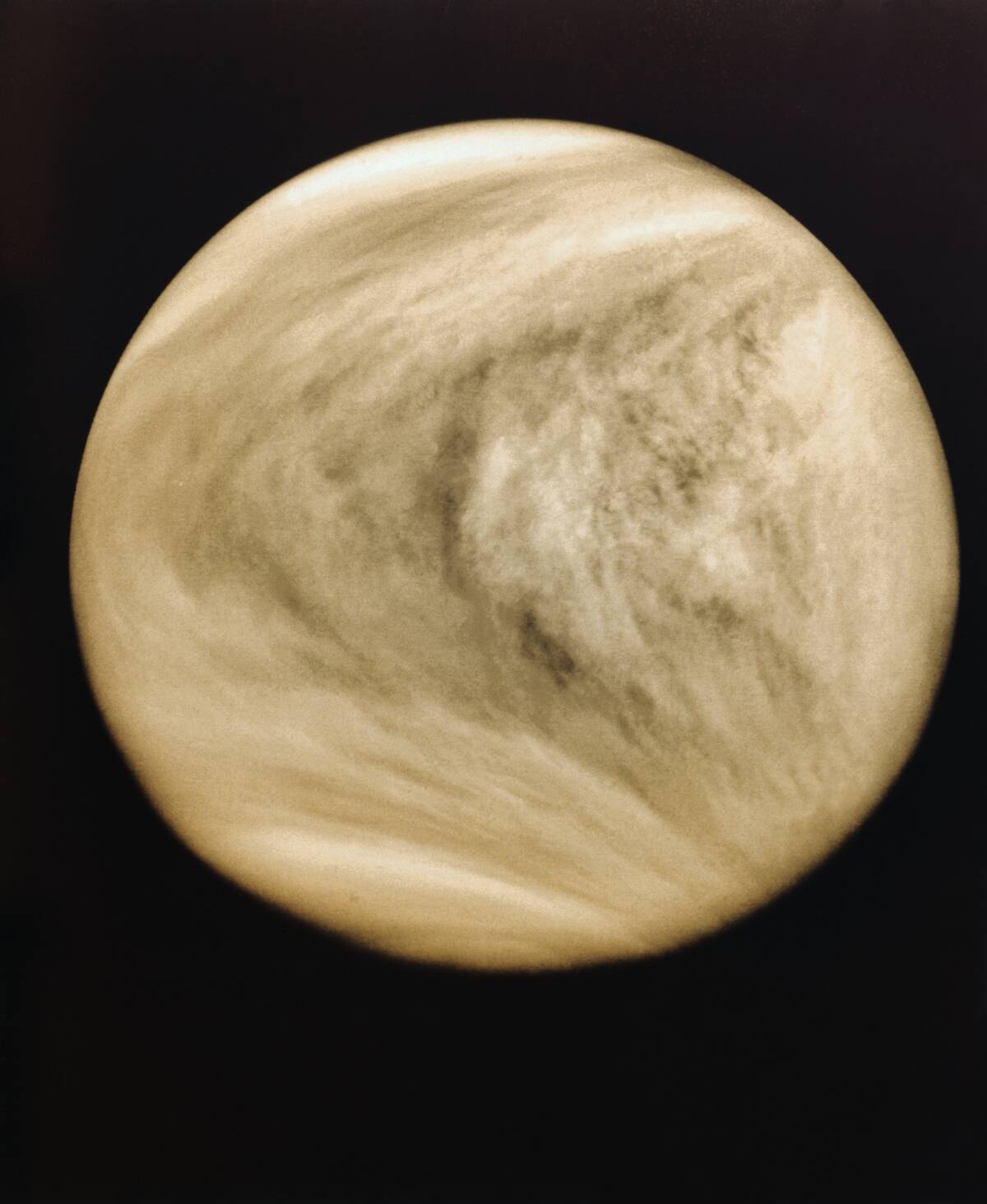
Time on Venus is a bit peculiar; a single day on Venus is longer than its year! It takes Venus about 243 Earth days to complete one rotation on its axis, but only 224 Earth days to orbit the Sun.
This means that a day on Venus lasts longer than its year, making it a truly bizarre place in our solar system. The planet’s slow rotation is thought to be the result of a collision with another celestial body long ago.
The Unusual Truth About Octopuses and Their Multiple Hearts
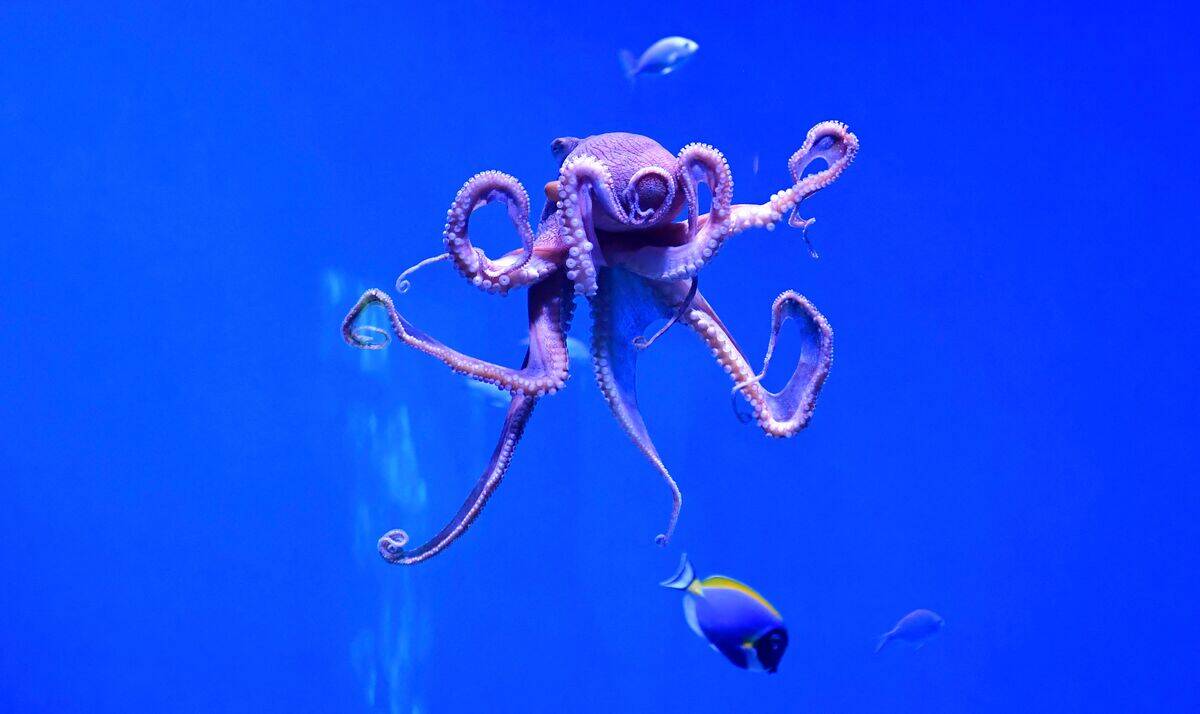
Octopuses are fascinating creatures with not one, but three hearts! Two of these hearts pump blood to the gills, where it’s oxygenated, while the third heart circulates the oxygen-rich blood throughout the rest of the body.
This unique circulatory system supports the octopus’s active lifestyle and incredible ability to adapt to various underwater environments. It’s just one of the many features that make octopuses such intriguing creatures of the deep.
The Fascinating Fact About Wombat Poop
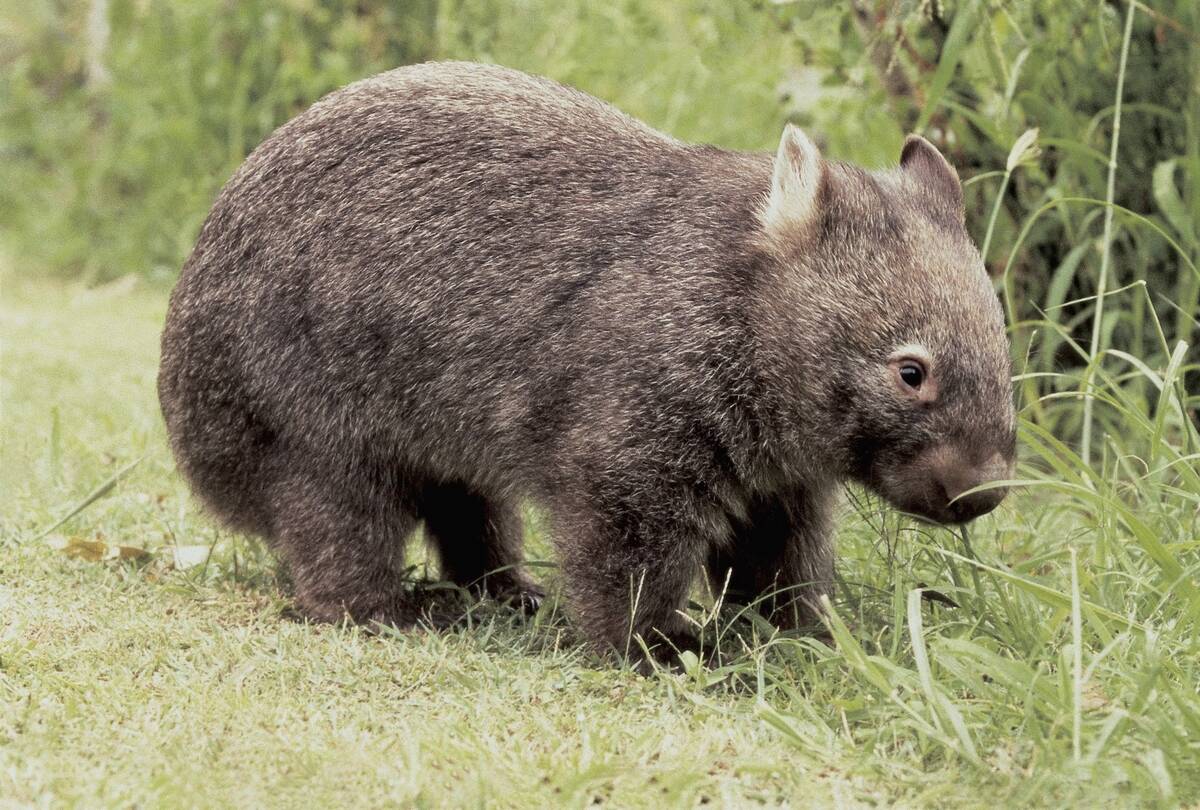
Wombats are known for producing cube-shaped poop, a truly unique trait in the animal kingdom. This peculiar shape helps prevent the droppings from rolling away, allowing wombats to mark their territory effectively.
The secret lies in the wombat’s intestines, where varying elasticity and muscle contractions shape the feces into cubes. It’s an odd but fascinating adaptation that showcases the wonders of evolution.
The Quirky Reason Why Bananas Are Berries
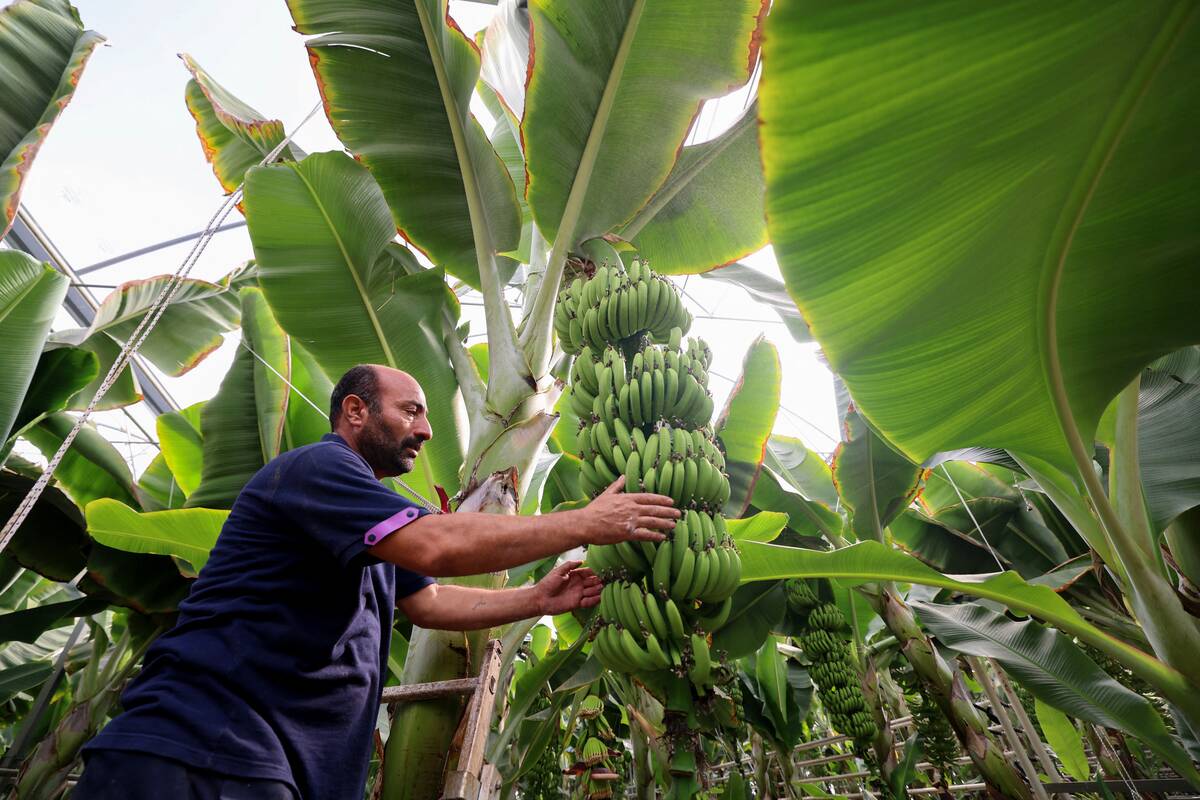
Prepare for a fruity surprise: Bananas are technically berries, while strawberries are not! In botanical terms, a berry is a fruit produced from the ovary of a single flower with seeds embedded in the flesh.
Bananas fit this definition perfectly, whereas strawberries develop from a flower with multiple ovaries. So next time you’re enjoying a banana, remember that you’re munching on a bona fide berry!