Surprising facts about millennials and their household income

Millennials, born between the early 1980s and late 1990s, are rewriting the rules of consumerism with their unexpected spending habits. Often labeled as frugal and cautious, this generation defies expectations by splurging on experiences, sustainable products, and tech gadgets.
From seeking unique travel adventures to investing in eco-friendly alternatives, millennials are paving the way for a new era of mindful consumption.
Plastic Surgery (Social Media Influence)

Millennials increasingly turn to social media for inspiration when considering plastic surgery. Injections become their preferred method, with influencers showcasing their pre and post-surgery transformations.
The impact of these online posts with personal testimonials on decision-making highlights the powerful influence of social media in shaping millennials’ perceptions of beauty and self-improvement.
Millennials Make Less Than Mom And Dad

Despite higher levels of education, Millennials find themselves earning lower incomes compared to their Baby Boomer parents. The Emerging Millennial Wealth Gap study reveals a concerning statistic: Millennials earn approximately 20% less than their parents.
This alarming trend highlights the challenges faced by this generation in achieving financial stability and raises questions about the correlation between education and income in the modern workforce.
Parents Of Millennials Have Twice As Much Net Worth

According to a 2020 study that was conducted by Magnifymoney, Millennials comprise just 6.6% of the total wealth in America, while their parents from the Baby Boomer generation account for a significant 50.4%.
This data highlights the substantial wealth disparity between the two generations and raises concerns about financial stability and intergenerational wealth transfer.
Student Debt Weighs Millennials Down Like An Anchor

A 2023 study by the Education Data Initiative reveals that Millennials, who are more educated than their parents, bear a heavy burden of student loan debt. Surprisingly, only the Baby Boomer generation carries more student loan debt than Millennials.
On average, Millennials have accumulated around $43,000 in debt from their desire and pursuit of higher education.
Gen Y Have More Ambition Than Their Incomes

Millennials display remarkable ambition and lofty aspirations despite earning less on average. Their determination to succeed drives them to embrace second jobs and actively pursue promotions more than other generations.
A closer look reveals their lower incomes can be attributed to factors like hesitance to invest and burdensome debt, which disrupt their financial plans but fail to dampen their relentless pursuit of success.
More Money On Education For Higher Learning

According to a recent survey by the Pew Research Center, Millennials have achieved a higher education level than previous generations.
The study revealed that 39% of Millennials aged 25 to 40 have obtained at least a bachelor’s degree, surpassing Gen Xers and Baby Boomers in the same age range, highlighting the continued emphasis on education among younger adults.
Bon Voyage: Millennials Take Their Vacations

In a 2021 survey conducted by Expedia, Millennials are known to spend more money on travel compared to other generations.
The study revealed that Millennials allocate an average of $4,000 to $5,000 annually for travel purposes, with an average of 35 vacation days taken per year, showcasing their enthusiasm for exploration and adventure.
Kiss The Cook, Or The App

According to a survey conducted by Food Delivery Insights, since 2020, Millennials have been spending more on dining apps and take-out services, favoring healthier options and non-alcoholic beverages.
Although not prepared at home, this trend reflects their inclination towards convenient and nutritious choices, with increased use of food delivery for groceries and take-out.
Shopping Online Is Their Bag
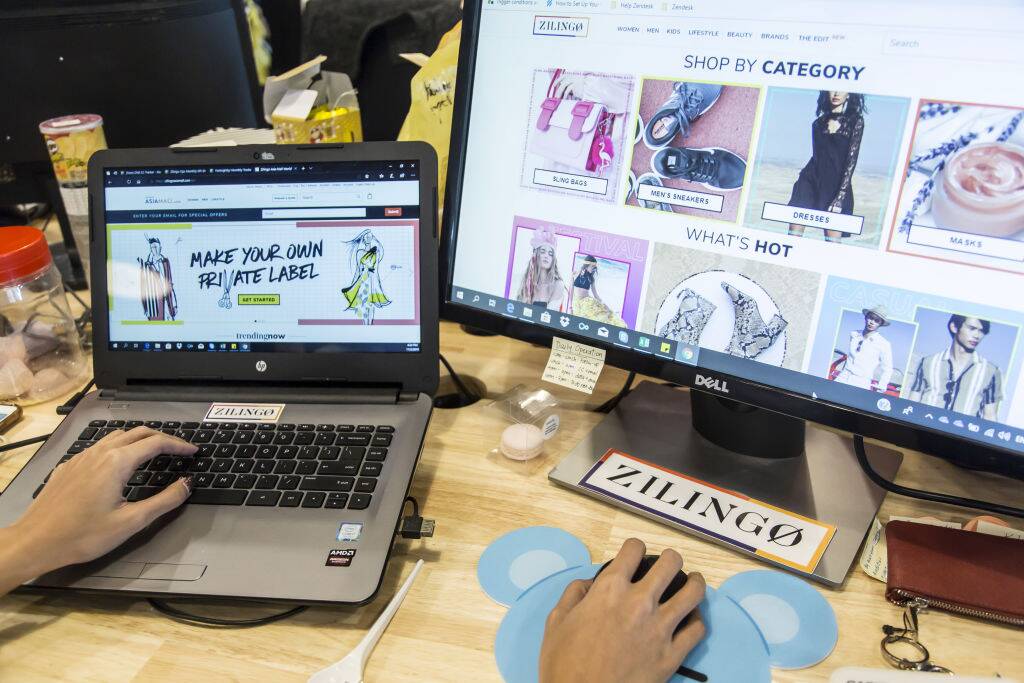
According to a 2019 survey, Millennials spend significantly more on online shopping than other generations.
The study by XYZ Research revealed that Millennials allocate an average of 20% of their monthly budget toward online purchases, surpassing the spending habits of Gen X and Baby Boomers. These statistics highlight the growing preference of Millennials for the convenience and accessibility offered by e-commerce platforms.
Black Friday Is Done From Home

Avoid the chaotic Black Friday lineups, suffocating crowds, and freezing overnight camping by choosing online shopping. Embrace convenience and score great deals from the comfort of your home.
Online retailers often offer bargain hunters more exclusive discounts, providing millennials with an additional incentive to avoid the madness of malls and stores.
Less Than Half Of Millennials Have Work Retirement Plans

A recent Forbes study revealed that 40% of Millennials actively participate in employer-sponsored retirement savings programs, highlighting their commitment to long-term financial planning.
However, an even more alarm-sounding and trending statistic emerged as only a mere 5% of this generation save any portion of their income specifically for retirement purposes, unlike their parents.
Click Here For Your New Home

According to a National Association of Realtors study, in 2021, a staggering 37% of homebuyers were Millennials. Reflecting their inclination towards online shopping, 39% of them expressed a willingness to purchase homes online.
This trend highlights the preference of Generation Y for convenience and digital experiences, even in significant transactions like real estate.
Almost 60% Of Millennials Are Single

According to a Pew Research study, 44% of Millennials tied the knot in 2020 compared to much lower numbers in other generations. Interestingly, this generation also embraced dating apps more than ever.
Their affinity for digital platforms reveals a shift in how Millennials approach relationships, finding love through the convenience and accessibility of online dating services.
Millennials With Degrees Marry Millennials With Degrees

Millennials display a preference for marrying fellow Millennials, driven by shared values and practical considerations. Similar education levels and dual-income opportunities foster financial stability.
Also, this generation seeks a more equitable distribution of household responsibilities, including cooking and raising children, creating a foundation of like-mindedness and mutual support in their relationships.
Investments Are Based On Society And The Environment

Millennials have a much stronger inclination to invest in issues influenced by their peers, society, and the environment. With a heightened awareness of social and environmental challenges, they prioritize responsible investments that align with their values.
Seeking positive impact alongside financial returns, Millennials contribute to a growing movement that supports sustainable and socially conscious initiatives.
Concern About Retirement Savings Is Minimal

Studies such as one conducted by the National Institute on Retirement Security (NIRS), a staggering number of Millennials lack focus on retirement savings. The research found that 66% of working Millennials have nothing saved for retirement.
This is an eye-popping statistic that highlights the urgent need for increased awareness and financial planning among this generation to ensure a secure future in their later years.
Savings Over Investments Is Preferred

Recent trends indicate that Millennials are opting to utilize their savings accounts for investment purposes rather than traditional options like stocks, retirement accounts, and real estate.
This shift reflects a Generation Y preference for more accessible and flexible investment options that align with their financial goals, lifestyle, and risk versus reward appetite.
Amazon, Walmart, And eBay In That Order
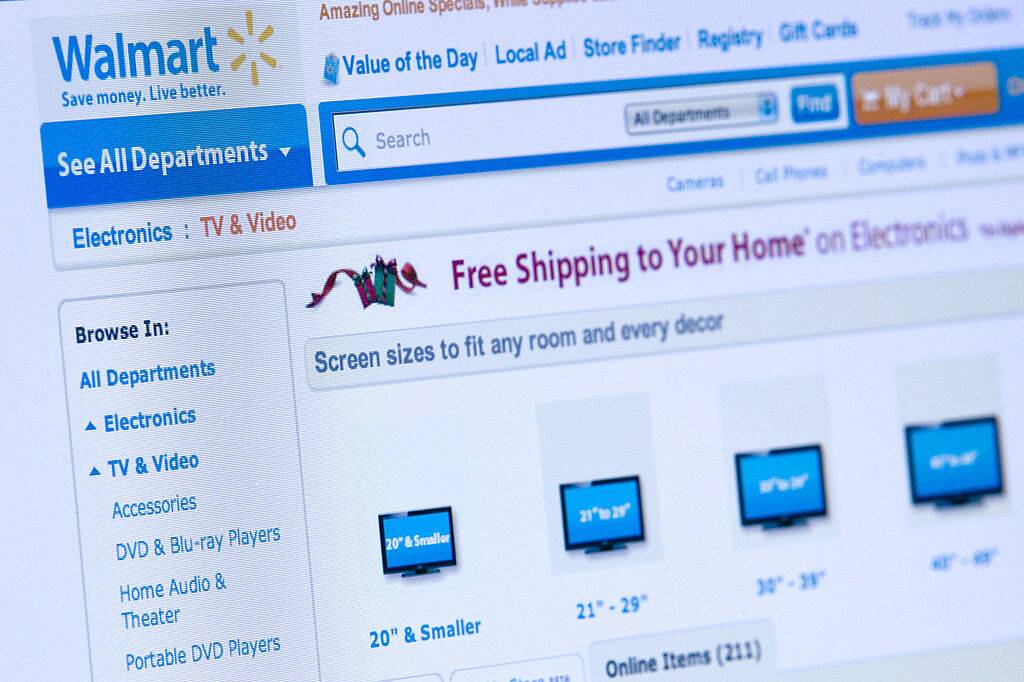
Millennials exhibit a strong preference for online shopping through platforms such as Amazon, Walmart, and eBay, in that order statistically. Their inclination toward these e-commerce giants is evident in their online shopping binging.
The convenience, wide product selection, competitive pricing, and reliable customer service offered by these platforms make them the go-to choices for Millennials’ online retail needs.
Ad Blockers Give Security To Millennials

Millennials exhibit more of a preference for employing ad-blocking software, allowing only relevant ads to reach them.
On top of that, they place greater trust in celebrities and influencers online compared to traditional advertising methods when it comes to products and services. This reflects their desire for personalized and authentic content that aligns with their interests and values.
Baby Boomers And Gen X Are The Minority At Work Now

Research confirmed in a study conducted in 2021 by Deloitte shows that Millennials now comprise the majority of the workforce. The study revealed that an impressive 56% of employees across various industries and sectors belong to the Millennial generation.
This demographic shift showcases their growing influence and the need for organizations to adapt to their unique work preferences and values.
Weddings And Marriage Are Almost An Afterthought

Statistics show that Millennials are marrying later than previous generations, with the average age of marriage in 2021 being higher for them. On average, they are tying the knot at age 32. This delay can be attributed to factors such as their focus on career ambitions, desire for personal growth, and a reluctance to settle down.
Additionally, many Millennials have been found to lack financial stability and investment opportunities, further contributing to their decision to remain single longer.
No Kids Keeps Their Pockets Lined

The XYZ Company conducted research and released a study in 2021 by XYZ Company reveals that Millennials are choosing to have fewer children compared to their parents and Gen-Xers.
The data highlights a decline in birth rates among Millennials, influenced by factors such as financial concerns, career aspirations, and changing societal norms regarding family planning.
Majority Of A Paycheck Is Devoted To Paying Rent

Mark Graves of The Oregonian surveyed in 2022 indicated the number of Millennials who prefer renting their homes over buying has risen from 15% in 2019 to 25% in 2022.
What this data highlights is a growing trend among Millennials, with one in four choosing to continue renting instead of pursuing homeownership.
Side-Hustles Are More Of A Millennial Thing

Millennials outshine other generations due to their style of entrepreneurial flair, excelling in side hustles that generate supplementary income.
Rather than opting for a part-time job, they leverage their hobbies to launch businesses, such as selling Avon products, or offering personal training services, exemplifying their resourcefulness and passion for turning their interests into lucrative ventures.
Brand Loyalty Is More Important Than The Products
In a 2020 Deloitte Global Millennials Survey, 60% of millennials expressed their willingness to support a large corporation that demonstrated care for its employees and contributed positively to society during the pandemic.
This Deloitte study accentuates a shift in brand loyalty among millennials, with their focus shifting from solely product-based preferences to the broader societal impact created by a company.
Fewer Parents Of Millennials With An Empty Nest

A recent trend indicates that more Millennials choose to move back in with their parents after graduation.
Current data from the Bank of America reveals that 22% of men and 13.4% of women between the ages of 25 and 34 have chosen this living arrangement, highlighting a growing preference for familial support and economic considerations.
The Game Is NEVER Over For Millennials

According to GWI research conducted in 2020, it was found that 40% of Millennials began engaging in gaming activities after the year 2020.
The conclusion of this study suggests a significant increase in the adoption of gaming among this demographic, potentially influenced by evolving trends and advancements in the gaming industry.
More Gen Y Buy Home Furnishings

Market Watch conducted research in 2021, unveiling a study that focused on Millennials’ preferences for purchasing home furnishings.
The Market Watch study reveals that a substantial 88.2% of Millennials exhibited this spending pattern, showcasing a higher inclination compared to only 60% of Baby Boomers, indicating distinct generational differences in consumer behavior.
Millennials Have More Pets, Yet Spend Less On Them

Research conducted by Statista in 2020 highlights that Millennials, who constitute the majority of pet owners, spend less on pet expenses compared to Boomers.
The study reveals that 40% of Millennials engage in this behavior, while only 18% of Boomers do. These findings shed light on generational differences in pet-related expenditures.
No Generation Spends More On Streaming
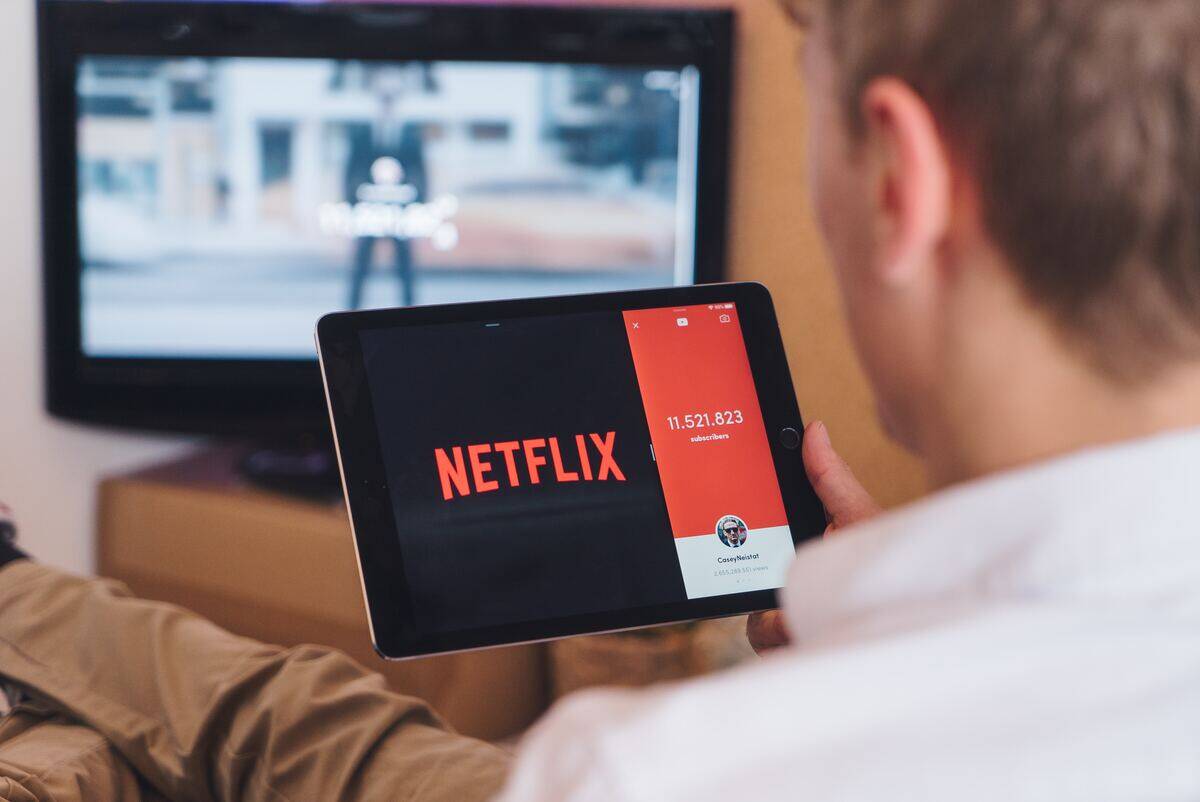
A recent Statista study in 2023 indicates that nearly 30% of Millennials allocate their funds toward TV and movie streaming services. However, only 18% of this demographic plan to boost their expenditure on music streaming.
These results underscore the diverse consumer preferences and spending patterns of Millennials in the realm of digital entertainment.