16 Random facts that made us feel smarter

Trending Now
Have you ever been at a party and wanted to impress your friends with random, fascinating trivia? The art of sounding smart is all about having a few quirky facts up your sleeve. These aren’t just any facts, but the kind that spark curiosity and ignite interesting conversations. From the scientific wonders of nature to the whimsical oddities of history, knowing the right tidbits can make you the life of the party. So, let’s dive into some intriguing facts that are sure to make you sound like a genius!
The Curious Case of Bananas and Radiation
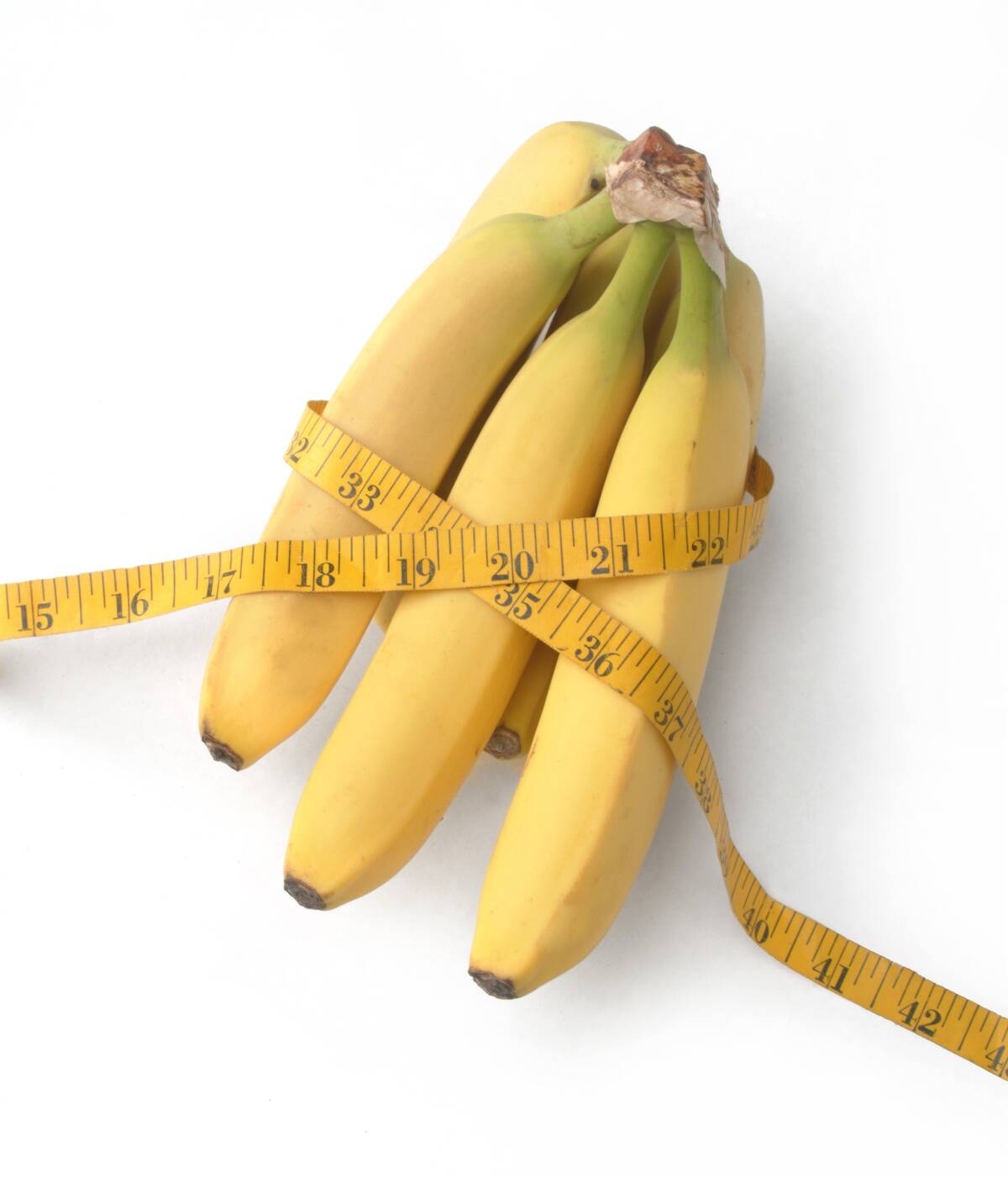
Did you know that bananas are slightly radioactive? It’s true! Bananas contain potassium, and a small fraction of this potassium is the radioactive isotope potassium-40. While this might sound alarming, the radiation level is extremely low and completely harmless. In fact, you’d need to eat a vast amount of bananas at once to receive a dose of radiation equivalent to a standard X-ray. So, go ahead and enjoy your banana without fear!
Why Honey Never Spoils
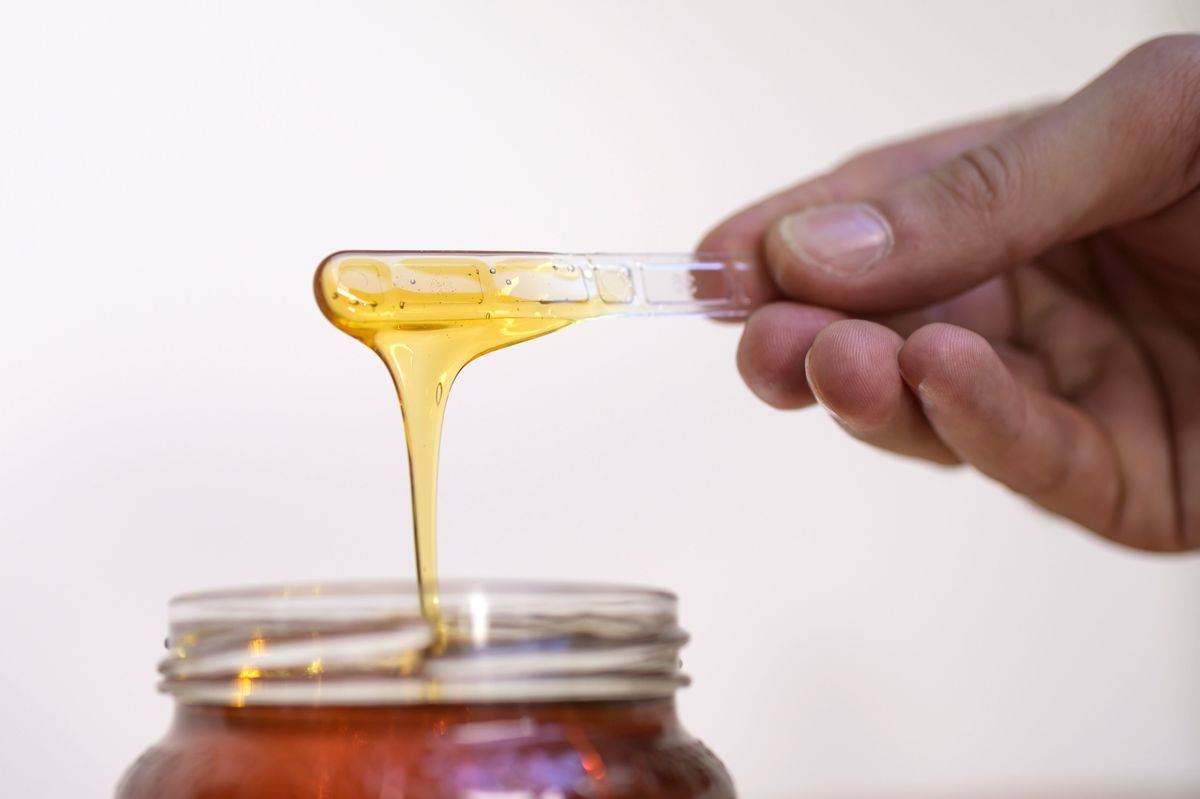
Honey is one of the few foods known to have an eternal shelf life. Archaeologists have found pots of honey in ancient Egyptian tombs that are over 3,000 years old and still perfectly edible. The secret to honey’s longevity lies in its composition: it’s incredibly low in water content and high in sugar, making it inhospitable to bacteria and microorganisms. Add to that its natural acidity, and you’ve got a recipe for a food that never spoils.
The Great Wall of China and Its Surprisingly Average Length

We often hear about the greatness of the Great Wall of China, but did you know that its total length is not as endless as it might seem? The overall length of all the sections ever built is about 13,171 miles (21,196 kilometers). Contrary to popular belief, it’s not visible from space without aid. The wall isn’t a single continuous structure but a series of walls built by different dynasties over centuries, with some parts in ruins today.
The Sneaky Truth About Carrots and Night Vision
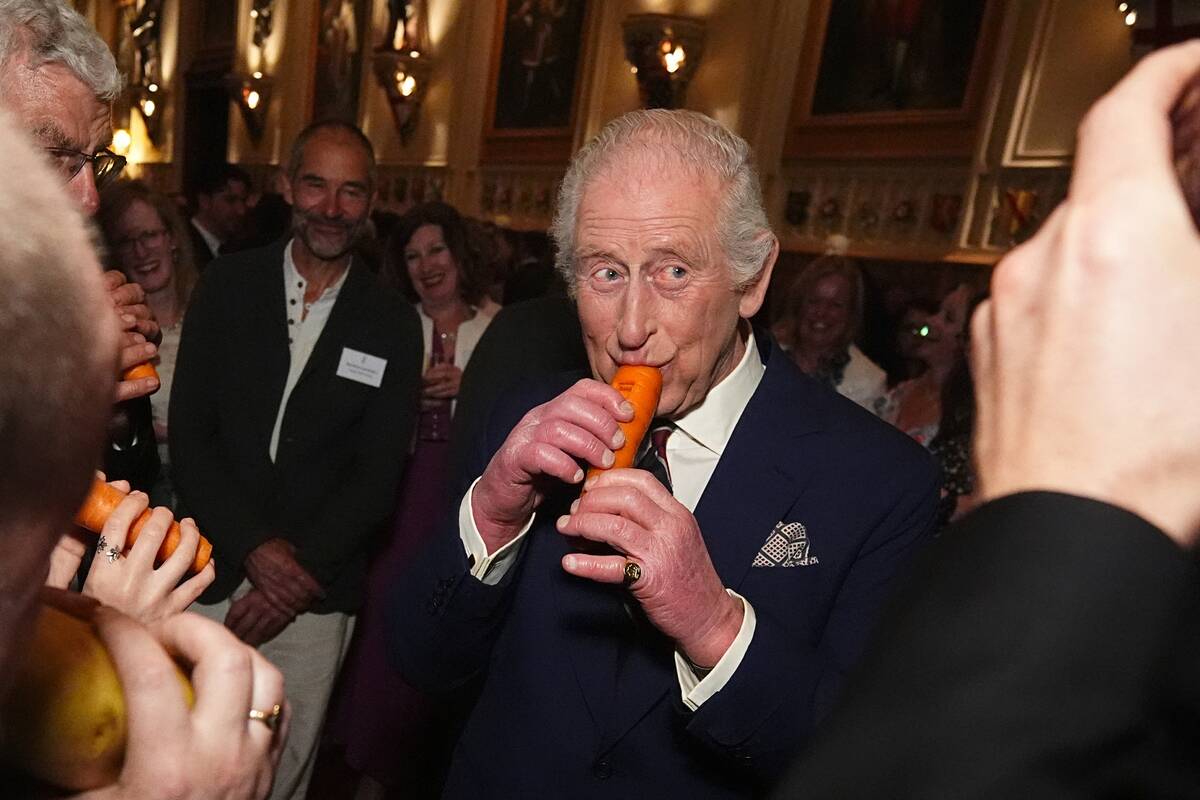
The idea that carrots improve your night vision is a bit of wartime propaganda. During World War II, the British Royal Air Force spread the rumor that their pilots had excellent night vision from eating carrots to mask their use of radar technology. While carrots are rich in vitamin A, which is good for eye health, they won’t turn you into a nocturnal superhero. So, eat your carrots for their health benefits, but don’t expect to see in the dark!
Why Flamingos are Pink: A Diet Story

Flamingos are born with gray feathers, but they turn pink over time due to their diet. These elegant birds feast on algae and crustaceans rich in carotenoids, the same pigments that give carrots their orange hue. As flamingos digest these foods, the pigments are broken down and deposited in their feathers, skin, and beak. So, the more carotenoid-rich food a flamingo eats, the more vibrant its pink color becomes!
The Mysterious Origins of the High Five

The high five is a universal gesture of celebration, but its origins are surprisingly recent and somewhat disputed. One popular story traces the first high five to a 1977 baseball game between the Los Angeles Dodgers and the Houston Astros. Dodgers outfielder Glenn Burke greeted teammate Dusty Baker at home plate with an enthusiastic, spontaneous slap of the hands. Since then, this simple gesture has become a symbol of camaraderie and joy across the globe.
How Sharks Have Been Around Longer Than Trees

Sharks are ancient creatures, and their lineage dates back over 400 million years, predating trees by about 50 million years. These formidable predators have roamed the oceans since the Devonian period, adapting and evolving to survive through multiple mass extinctions. Today, there are over 500 species of sharks, each with unique adaptations that have helped them thrive in diverse marine environments. Their longevity is a testament to their incredible resilience and adaptability.
The Science Behind Popcorn’s Pop
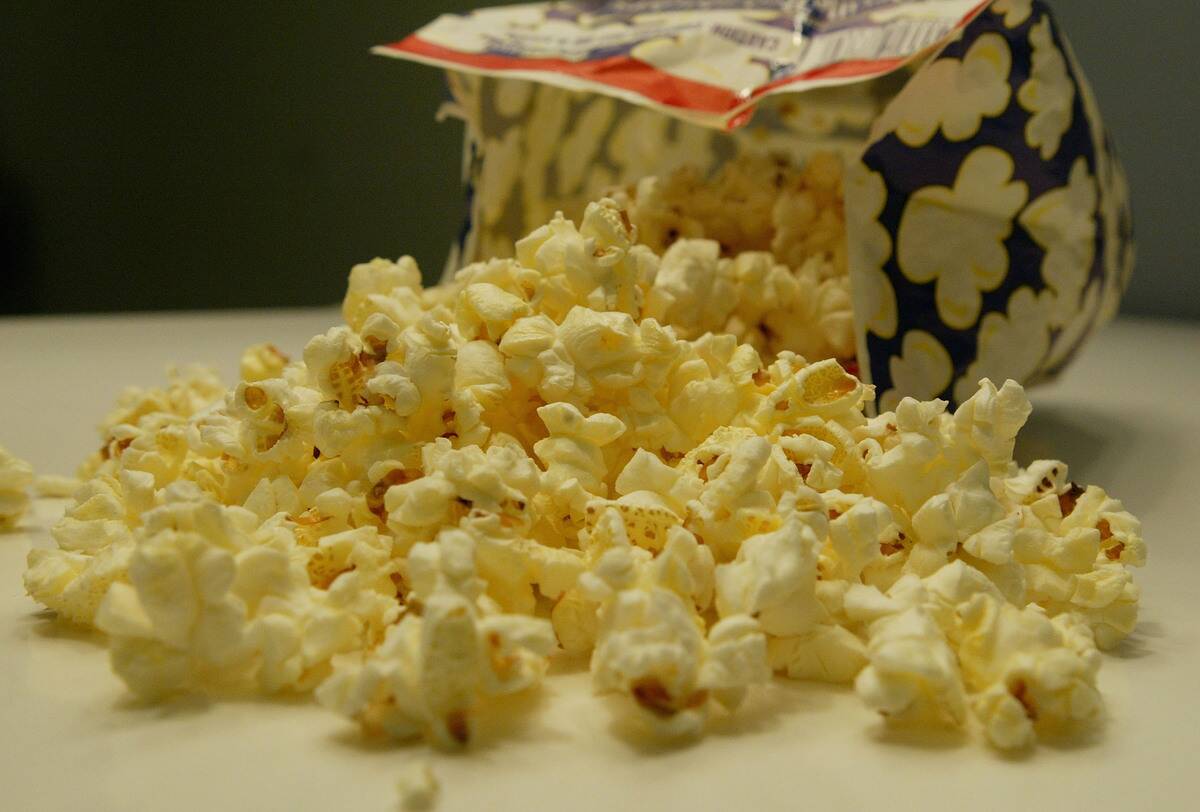
Popcorn is more than just a tasty snack—it’s a tiny marvel of physics and science. Inside each kernel is a small amount of water surrounded by a hard shell. When heated, the water turns to steam, and pressure builds until the shell bursts, causing the kernel to explode and turn inside out. The unique composition of popcorn makes it one of the few corn varieties with the perfect moisture content and shell structure to pop successfully.
The Reason Behind Cats’ Purring

Ever wondered why cats purr? While it might seem like a simple sign of contentment, purring serves several purposes. Cats purr when they’re happy, but they also purr when they’re anxious, injured, or even giving birth. The frequency of a cat’s purr, around 25 to 150 Hertz, is thought to have healing properties, helping to relieve pain and promote bone growth. So, the next time your feline friend purrs, it might be doing more than just asking for a cuddle.
The Fascinating Tale of the Eiffel Tower’s Color Changes

The Eiffel Tower isn’t just an iconic landmark; it’s also a chameleon of sorts. Every seven years, it undergoes a makeover, requiring about 60 tons of paint to maintain its distinct color and protect it from rust. Interestingly, the tower has changed colors multiple times since its completion in 1889. It started as a reddish-brown, then became yellow, before settling on its current shade of ‘Eiffel Tower Brown,’ a color specifically designed for the structure.
How the Heartbeat of a Blue Whale Sounds

The blue whale, the largest animal on Earth, has a heartbeat that can be heard from over two miles away. A blue whale’s heart can weigh as much as a small car and beats at a rate of about five to ten times per minute when it’s at the surface. Astonishingly, this rate drops to just two beats per minute when the whale dives deep into the ocean, conserving oxygen during its underwater journeys.
The Bizarre History of the Word “Quiz”

The origin of the word “quiz” is shrouded in mystery and folklore. One popular story is that a Dublin theater manager named Richard Daly made a bet in the 1790s that he could introduce a new word into the English language within 48 hours. He supposedly had the word “quiz” painted on walls throughout the city, and by the end of the weekend, everyone was talking about it. While this tale is likely apocryphal, it adds a layer of intrigue to the word’s history.
Why We Call it a “Cup of Joe”
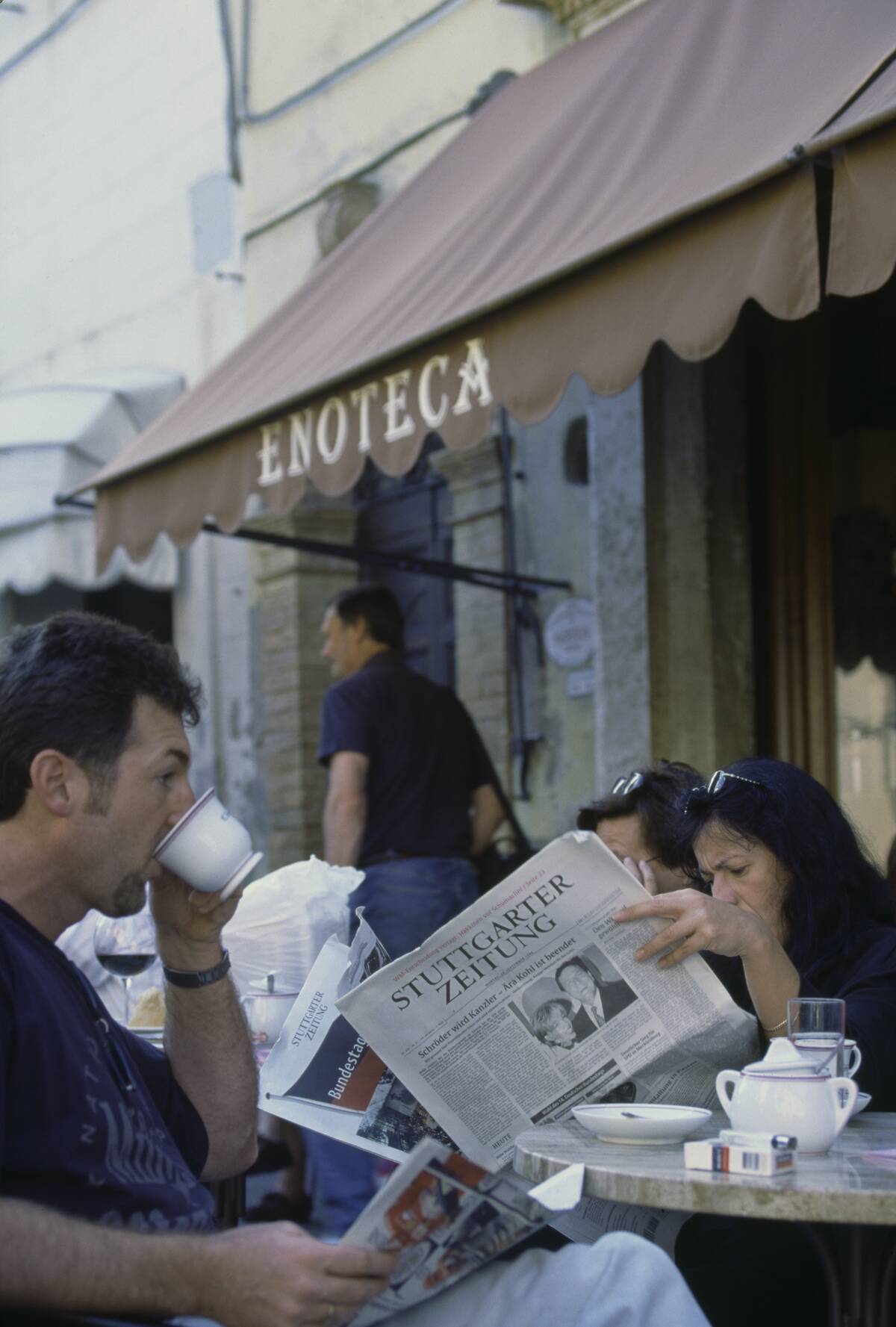
The term “cup of joe” for coffee has a few potential origins, but one popular theory dates back to 1914. Josephus “Joe” Daniels, the Secretary of the Navy, banned alcohol on naval ships, making coffee the strongest drink available. Sailors, in jest, began referring to their coffee as a “cup of joe.” Another theory ties the term to the combination of “java” and “mocha,” but no matter the origin, the phrase has stuck as a beloved idiom for coffee lovers everywhere.
The Mathematical Madness of Fibonacci’s Sequence

Fibonacci’s sequence is a captivating mathematical concept with numbers that have intrigued minds for centuries. Each number in the sequence is the sum of the two preceding ones, starting from 0 and 1. This simple pattern appears in nature, art, and architecture, from the spirals of sunflower seeds to the dimensions of the Parthenon. The sequence is a reminder of the hidden mathematical harmony in our world, revealing order and beauty in seemingly random places.
How Octopuses can Taste with Their Arms

Imagine being able to taste with your fingers! For octopuses, this isn’t just a fantasy—it’s a reality. Their arms are lined with hundreds of suckers, each filled with chemoreceptors that allow them to taste and feel their environment. This unique adaptation helps them hunt, as they can detect prey by simply touching it. It’s like having eight tongues, allowing them to explore the ocean floor with incredible precision.
Beethoven’s Secret to Composing Music

Ludwig van Beethoven, one of the greatest composers in history, had a peculiar routine. Despite his profound hearing loss, Beethoven reportedly used to dip his head in cold water before composing. This unusual practice was believed to stimulate his mind and enhance his creativity. Furthermore, he would often press his ear to the piano to feel the vibrations, allowing him to ‘hear’ the music through his bones—a testament to his remarkable resilience and genius.