Little-known facts about the world’s most famous landmarks

Iconic landmarks around the world hold more than just the awe-inspiring beauty that meets the eye. Beneath their grandeur lie fascinating stories and secrets that many visitors overlook. From secret apartments in the sky to hidden passages, these structures are not just historical marvels but also treasure troves of mystery. Let’s embark on a journey to uncover the lesser-known tales and intriguing facts about some of the world’s most famous landmarks.
The Eiffel Tower’s Secret Apartment in the Sky
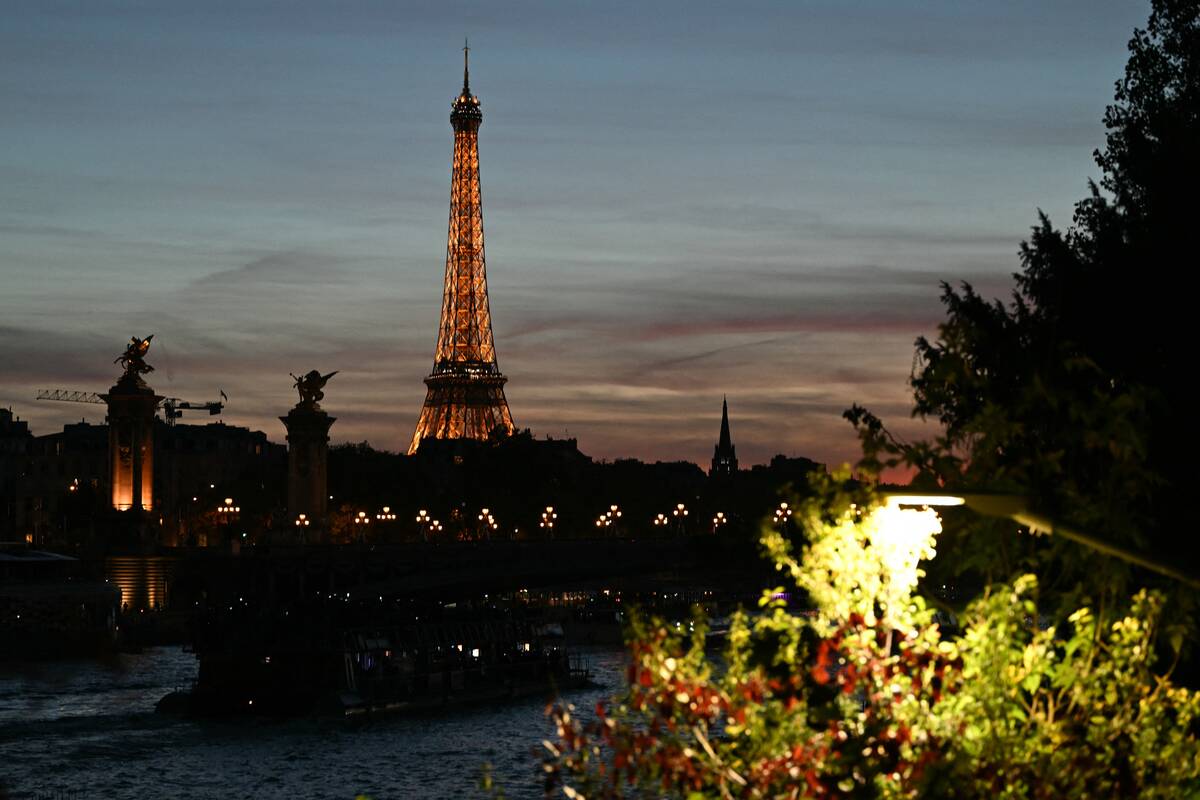
Did you know that the Eiffel Tower houses a secret apartment at its summit? Gustave Eiffel, the genius behind the tower, designed a private space for himself where he entertained elite guests like Thomas Edison. This cozy little apartment, furnished with wooden cabinets and a grand piano, offers breathtaking views of Paris. Today, it serves as a miniature museum, complete with wax figures of Eiffel and Edison, offering a glimpse into the past.
The Great Wall of China’s Surprising Length and Disappearance
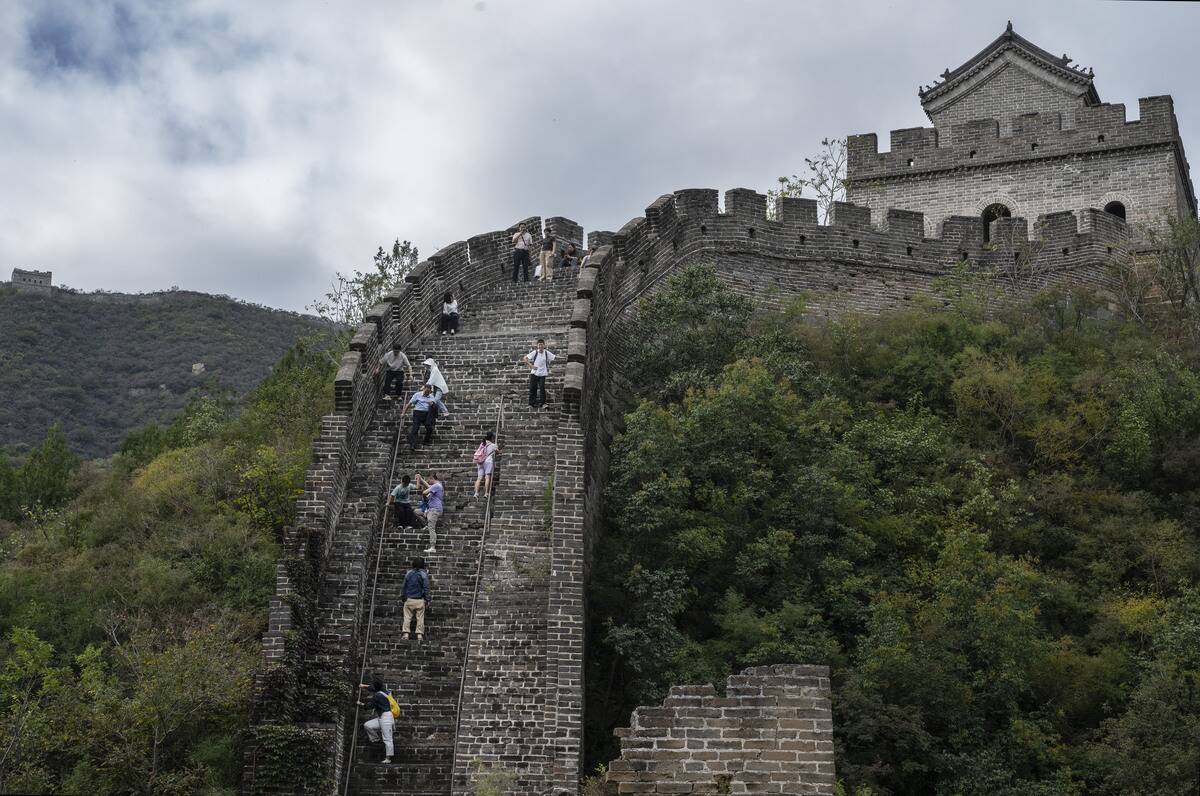
The Great Wall of China stretches over an astonishing 13,000 miles, but did you know that parts of it are gradually disappearing? Erosion and human activity have led to the deterioration of certain sections, with some estimates suggesting that around 30% of the wall has vanished. This monumental feat of engineering, originally built for defense, continues to captivate visitors despite its challenges of preservation.
The Leaning Tower of Pisa Wasn’t Always Leaning
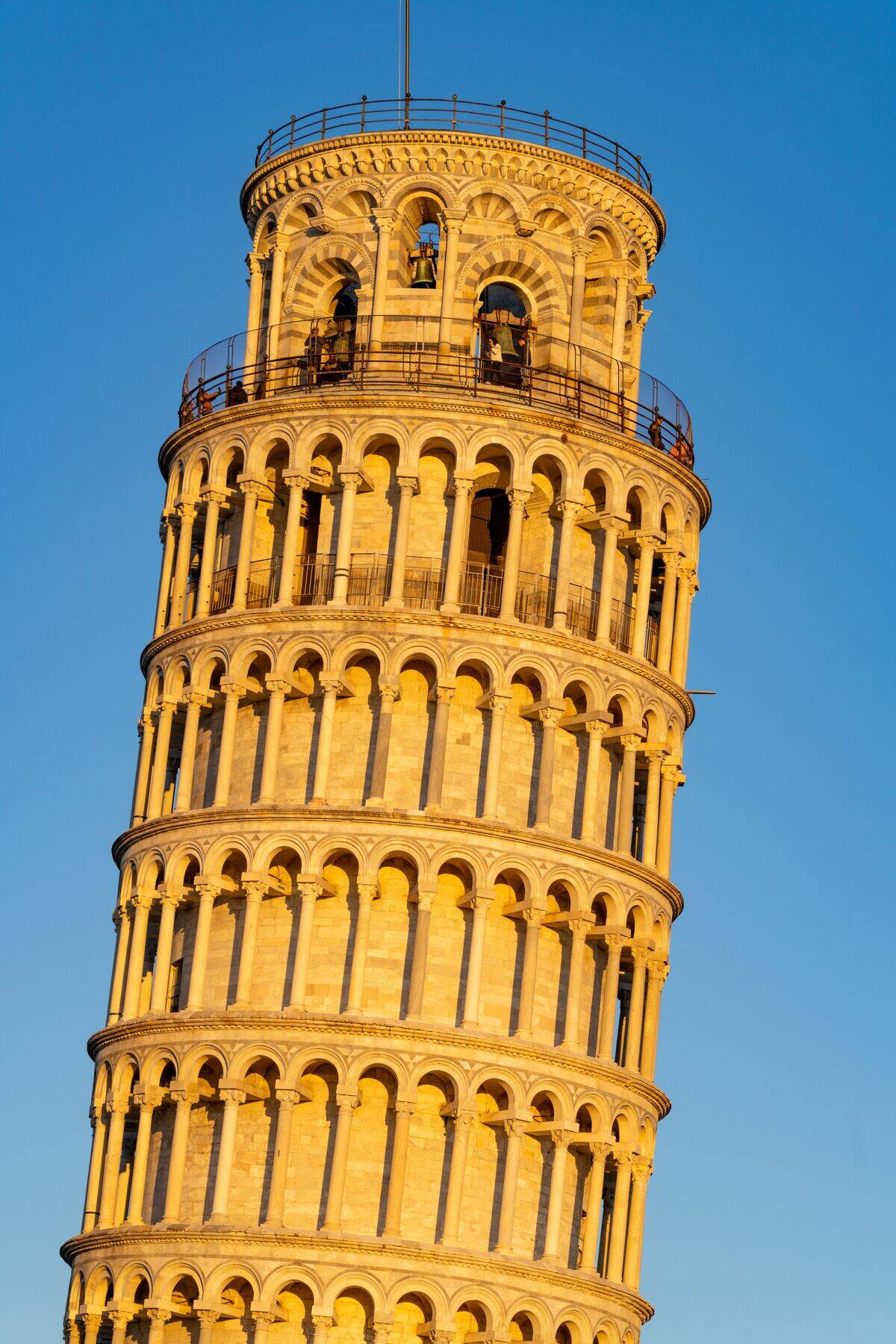
The Leaning Tower of Pisa’s iconic tilt wasn’t always part of its design. During its construction in the 12th century, unstable soil caused the tower to lean. Efforts to correct the tilt failed until modern engineers intervened, stabilizing the structure. Interestingly, the lean adds to its charm, drawing millions of tourists who pose as if they’re holding it up. It’s now intentionally preserved at a 4-degree angle, ensuring its listing allure endures.
The Mystery of Stonehenge’s Origin and Purpose
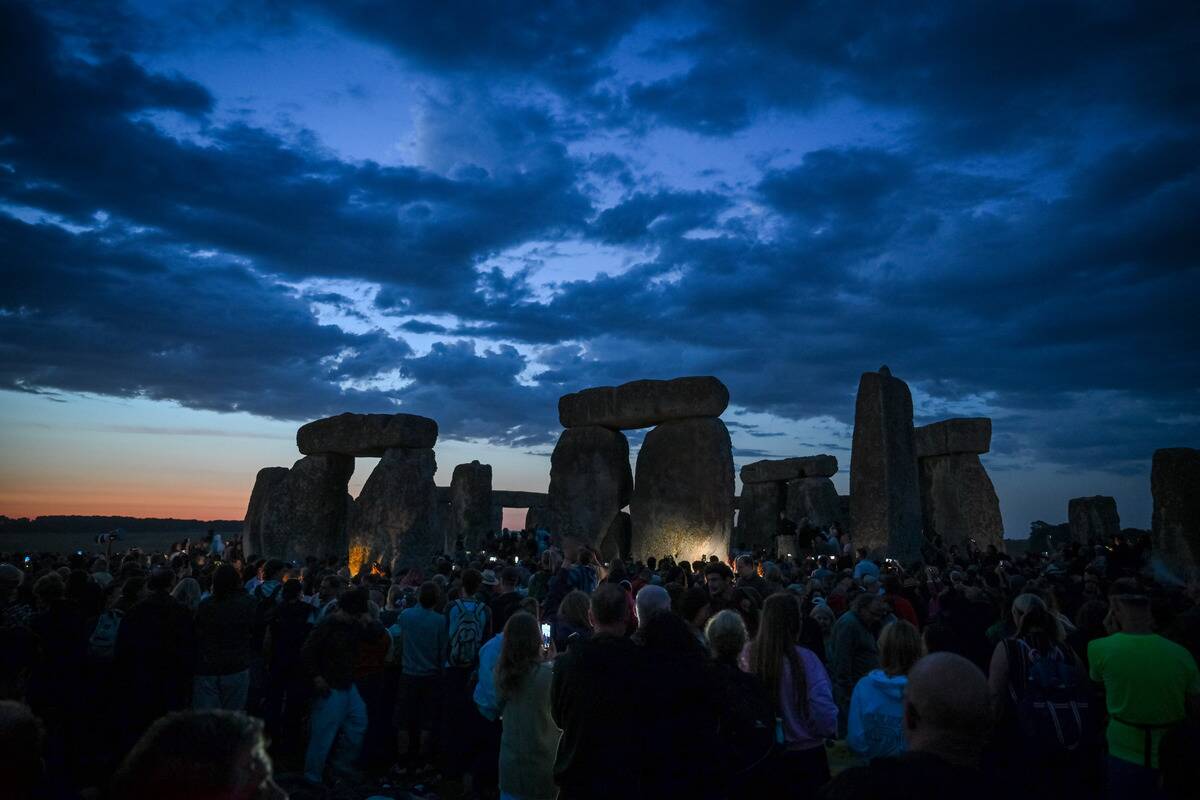
Stonehenge continues to baffle archaeologists with its mysterious origins and purpose. This prehistoric monument in England was constructed over 4,500 years ago, but its exact purpose remains unknown. Some theories suggest it was an ancient burial ground, while others believe it served as an astronomical calendar. Despite the enigma, Stonehenge remains a symbol of Britain’s rich history and attracts curious minds from around the globe.
The Statue of Liberty’s Hidden Symbolism and Color Change
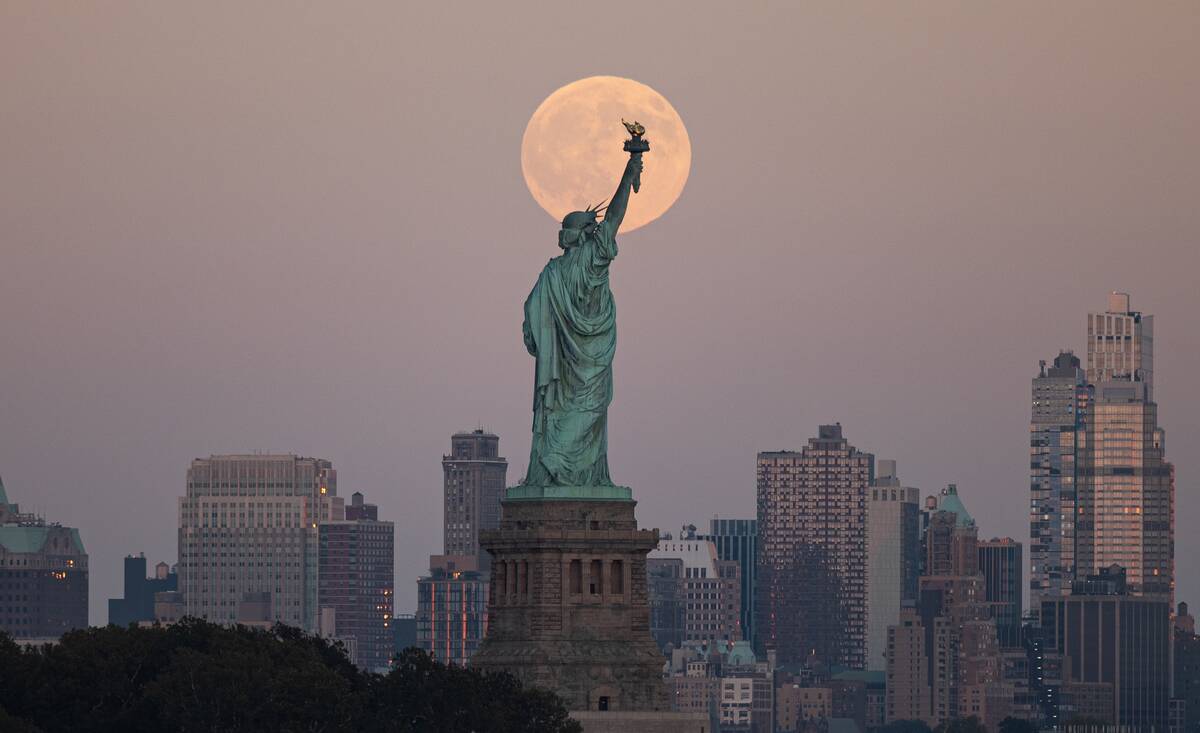
The Statue of Liberty is not just a symbol of freedom but also a testament to the passage of time. Originally, Lady Liberty was a shiny copper color when gifted from France in 1886. Over the years, the statue’s copper exterior oxidized, giving it its iconic green hue. Beyond its color change, the statue’s torch symbolizes enlightenment, while the broken chains at her feet represent freedom from oppression.
The Colosseum’s Multifunctional History Beyond Gladiator Battles
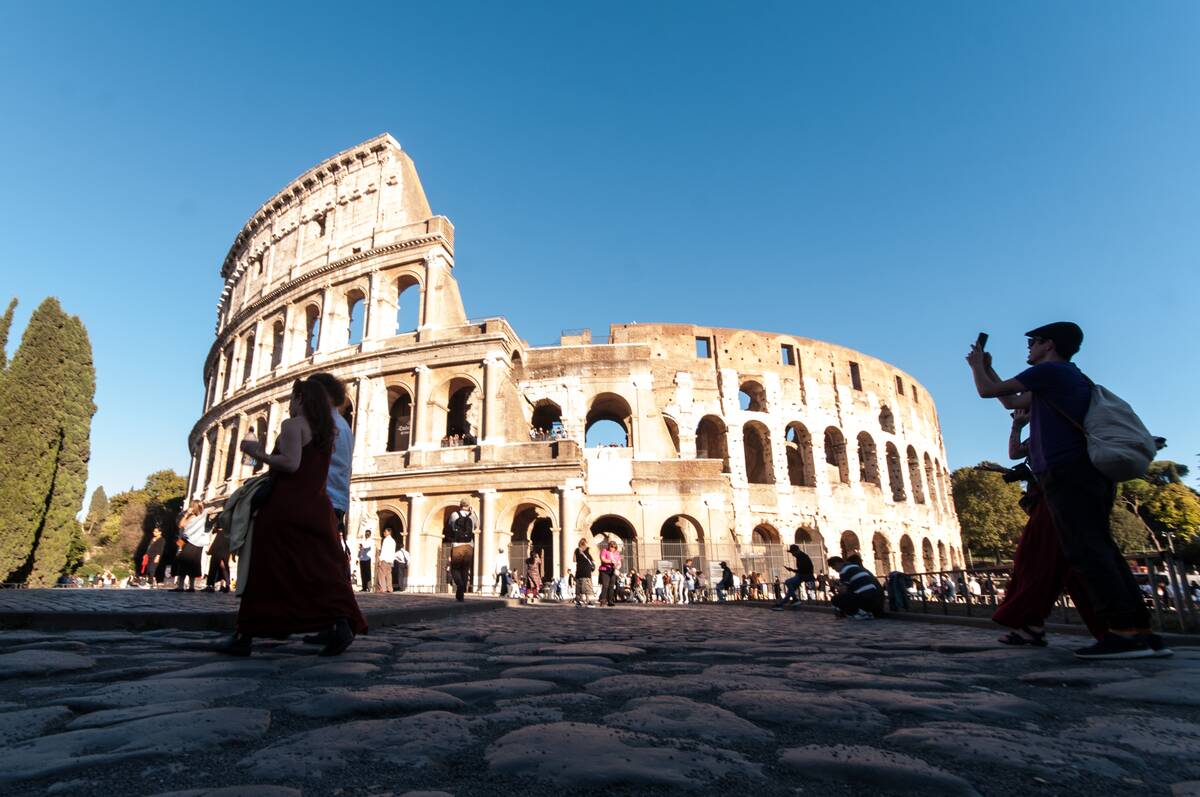
Rome’s Colosseum is renowned for its gladiator battles, but its history is more multifaceted. In ancient times, it hosted various public spectacles, including animal hunts, mock sea battles, and dramas based on classical mythology. After the fall of the Roman Empire, the Colosseum served as a fortress, a Christian shrine, and even a quarry. Today, it’s a testament to Rome’s architectural ingenuity and its ability to adapt through history.
The Taj Mahal’s Lesser-Known Architectural Symmetry
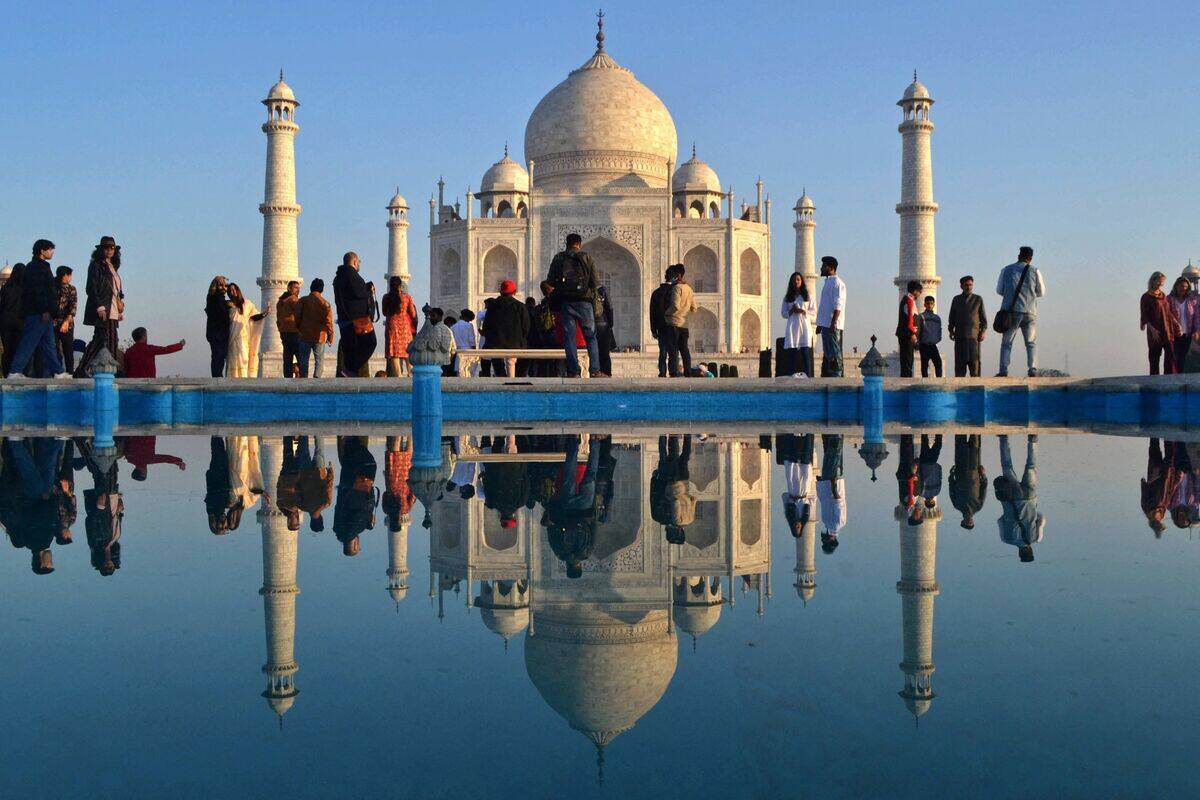
The Taj Mahal is celebrated for its breathtaking beauty and symmetry, but did you know it has an unexpected twist? While the main structure is perfectly symmetrical, the placement of Shah Jahan’s tomb disrupts this balance. The Mughal emperor’s cenotaph lies next to his beloved wife Mumtaz Mahal, making it the only asymmetric element within the mausoleum. This deviation adds a human touch to the otherwise flawless architectural marvel.
The Acropolis of Athens: A Fortress and Religious Center
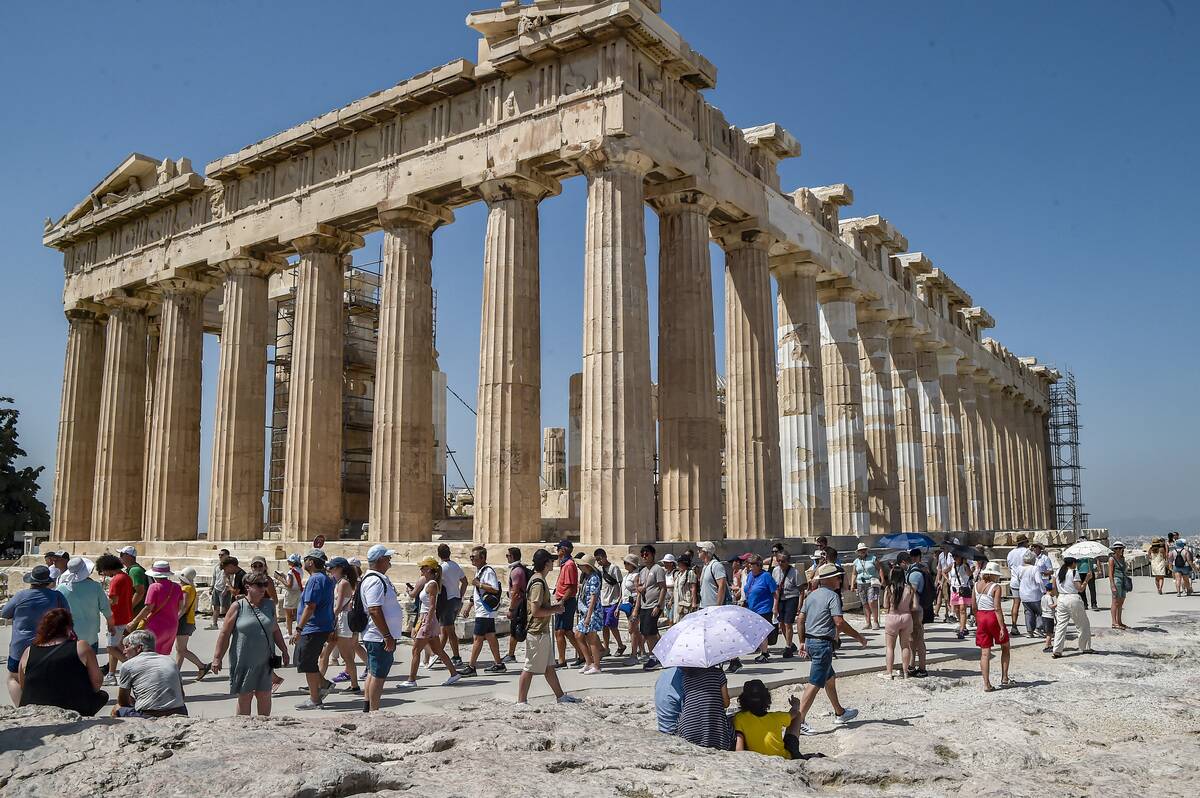
The Acropolis of Athens, a symbol of ancient Greek civilization, served dual roles as a fortress and religious center. Perched atop a rocky hill, it provided strategic defense against invaders, while its temples honored the gods, with the Parthenon dedicated to Athena. This architectural masterpiece reflects the cultural and political achievements of Athens, standing as a testament to the city’s golden age and enduring legacy.
The Burj Khalifa’s Mind-Blowing Architectural Feats
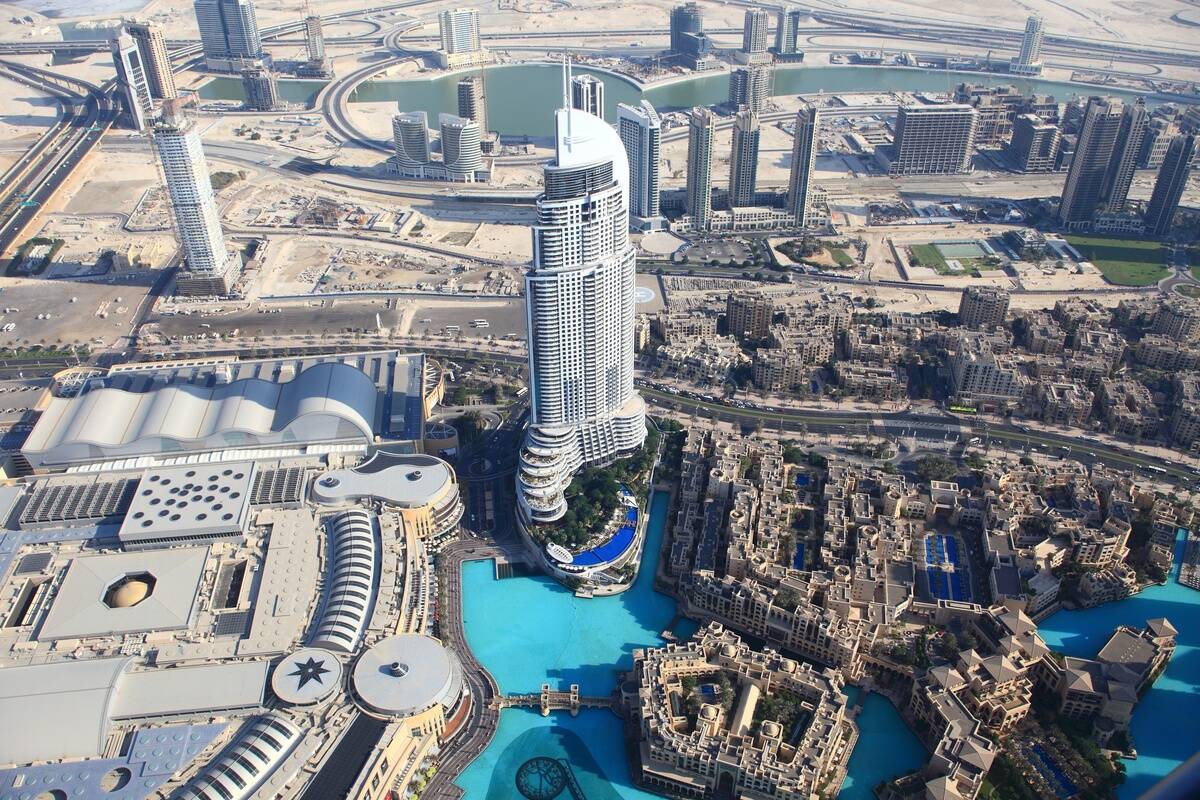
The Burj Khalifa, the world’s tallest building, is a marvel of modern engineering. Soaring at 828 meters (2,717 feet), it boasts the longest elevator journey in the world. The tower’s unique design was inspired by the Hymenocallis flower, featuring a triple-lobed footprint. With its shimmering facade and innovative cooling system, the Burj Khalifa not only redefines skyscrapers but also demonstrates human ingenuity at its finest.
The Hidden Crypts Beneath Notre-Dame Cathedral
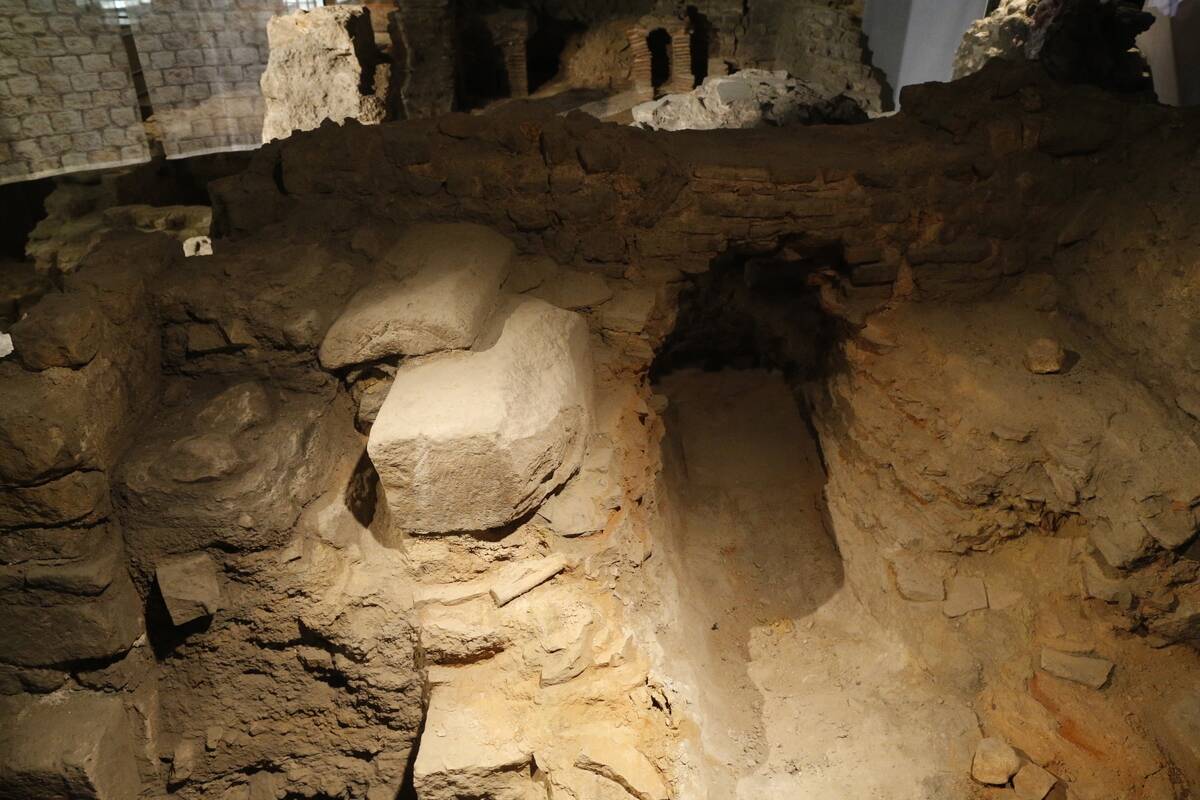
Beneath the majestic Notre-Dame Cathedral in Paris lies a hidden world of crypts and archaeological treasures. These underground chambers house remnants of medieval Paris, including ancient streets and Roman ruins. The crypts offer a glimpse into the city’s storied past, revealing layers of history that predate the iconic cathedral itself. Despite the devastating fire in 2019, efforts continue to preserve these hidden gems for future generations.
The Sydney Opera House’s Unique Design Journey
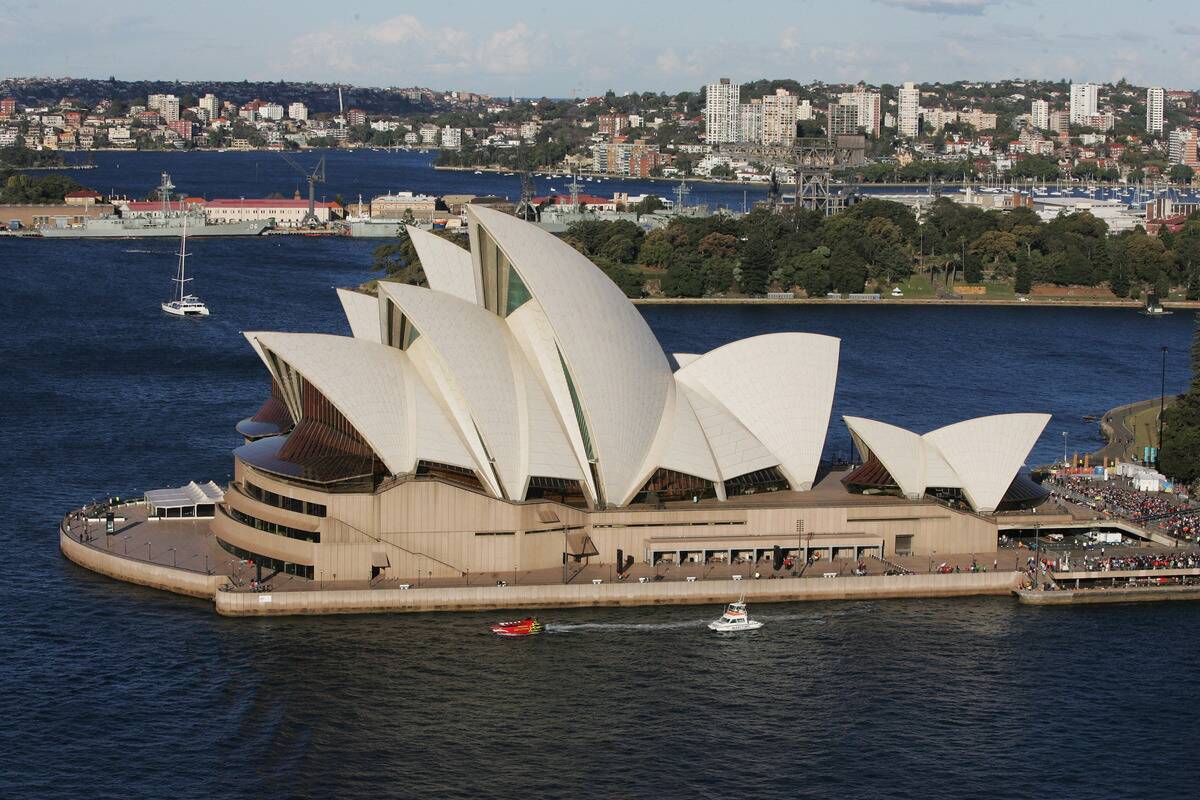
The Sydney Opera House is an architectural icon, but its creation was fraught with challenges. Danish architect Jørn Utzon’s design, inspired by the sails of ships, was initially deemed impossible to build. However, with innovative engineering and perseverance, the structure was completed in 1973. Its unique shell-like appearance has made it a symbol of Sydney, showcasing the power of visionary design and the resilience of human creativity.
The Surprising Origins of the Hollywood Sign
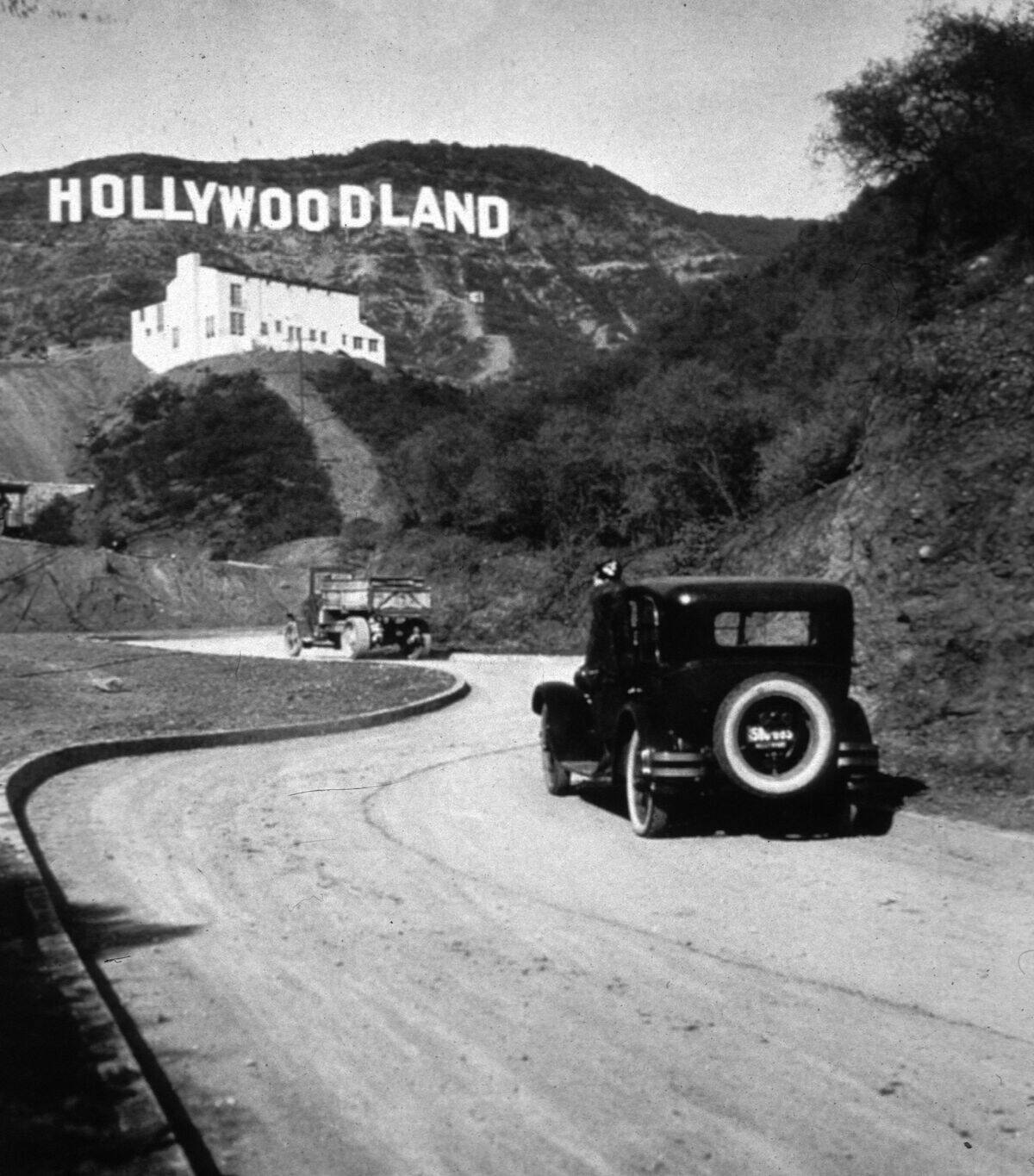
The Hollywood Sign, an emblem of the entertainment industry, originally read “Hollywoodland” when erected in 1923. It was a real estate advertisement for a new housing development. Over the years, the sign fell into disrepair until the Hollywood Chamber of Commerce restored it in 1949, dropping the “land.” Today, it stands as a cultural landmark, synonymous with the glitz and glamour of the movie industry, drawing tourists from around the world.
The Mystical Legends Surrounding Machu Picchu
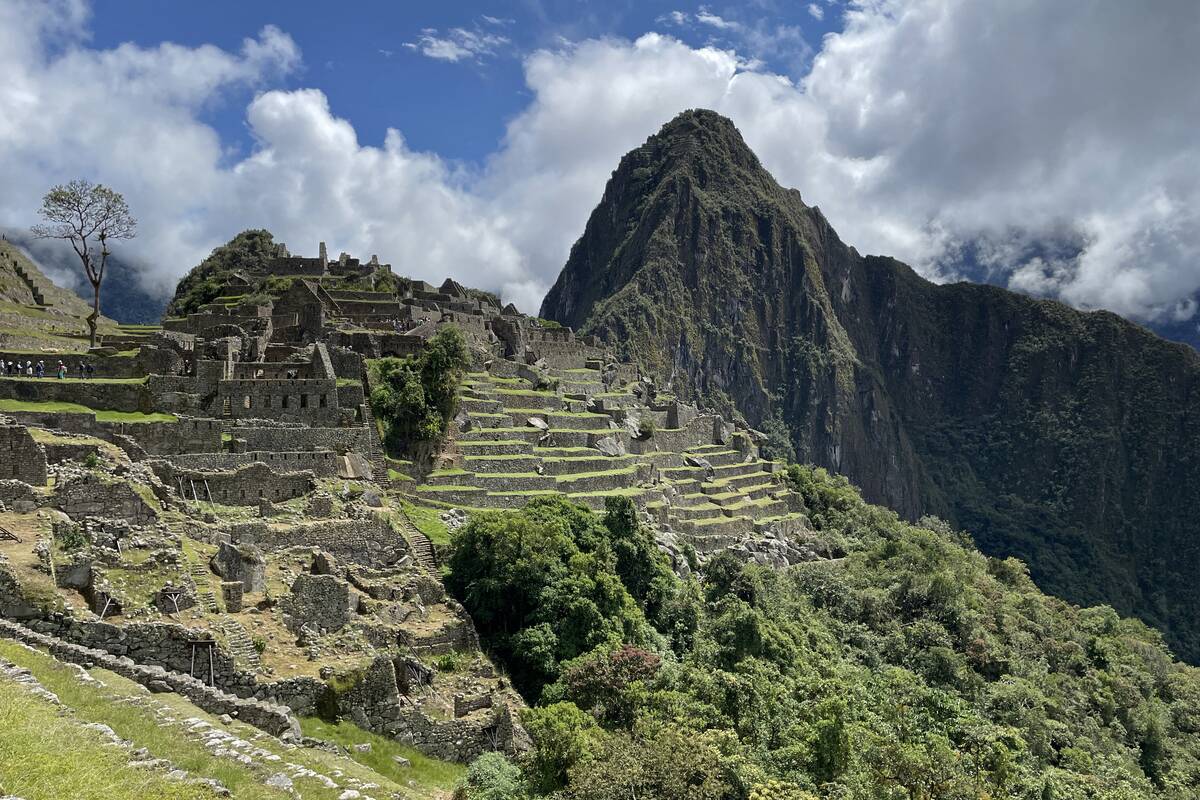
Machu Picchu, the ancient Incan city perched high in the Andes, is shrouded in mystical legends. Believed to be a royal estate or sacred religious site, it was unknown to the outside world until 1911. Its exact purpose remains a mystery, with some suggesting it was an astronomical observatory. The site’s breathtaking location and enigmatic history continue to captivate explorers and historians alike, making it a bucket-list destination.
The Secret Passages of the Tower of London
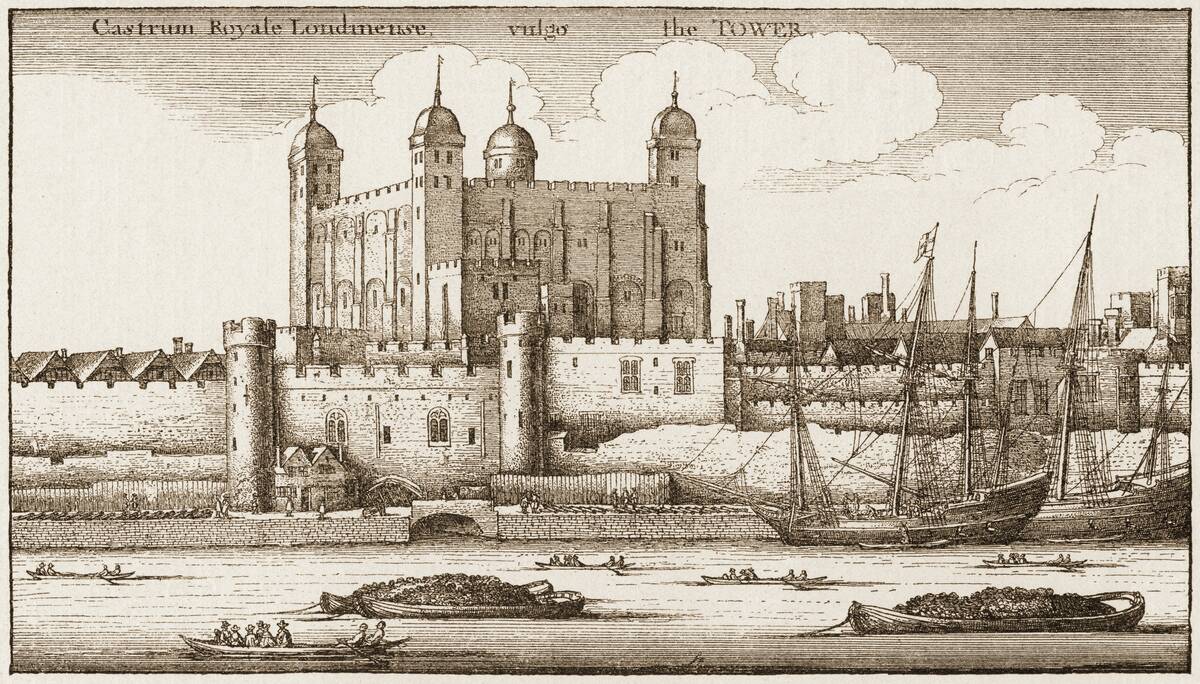
The Tower of London, a historic fortress on the Thames, is renowned for its tales of intrigue and imprisonment. Hidden within its walls are secret passages and hidden rooms, some of which were used during times of siege. These covert pathways allowed for discreet movement throughout the fortress. The Tower’s rich history, from royal residence to prison, is a testament to its strategic importance and enduring mystery.
The Unfinished History of Barcelona’s Sagrada Familia
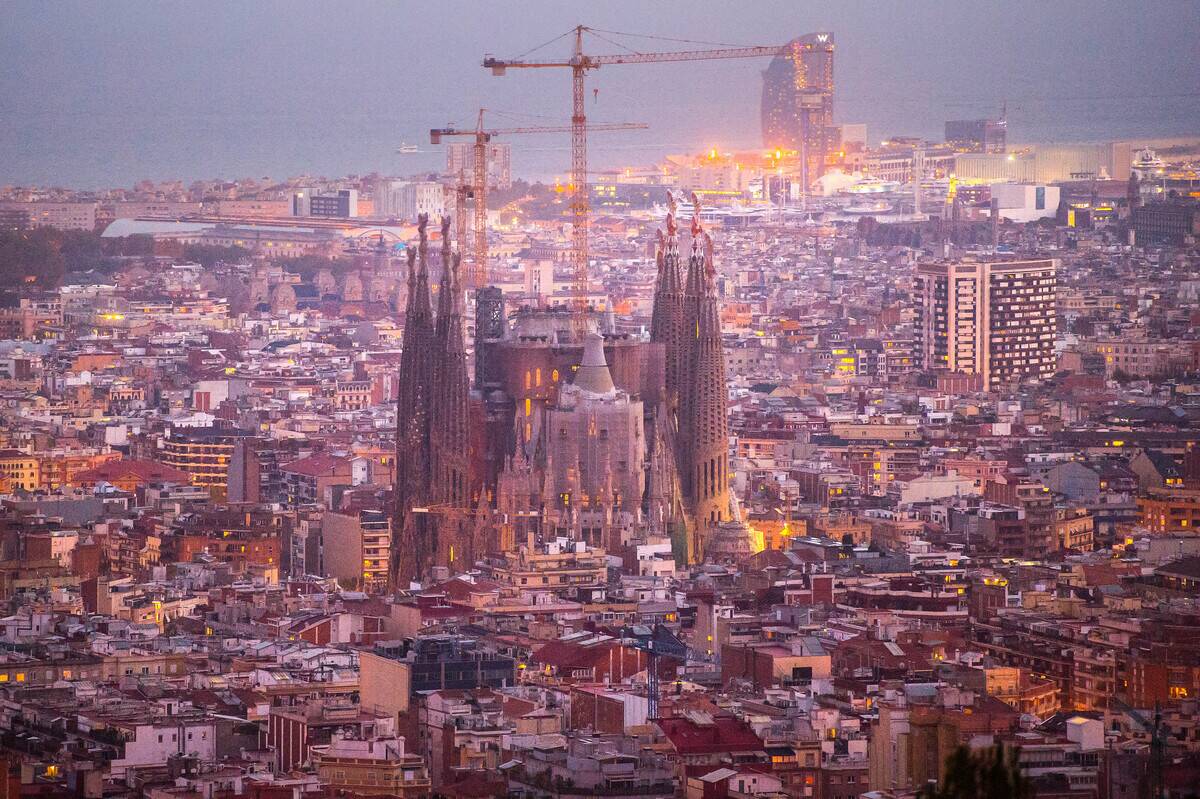
Barcelona’s Sagrada Familia, the brainchild of architect Antoni Gaudí, is a masterpiece still under construction over a century later. Gaudí dedicated 43 years to this basilica, blending Gothic and Art Nouveau styles. Despite his passing in 1926, work continues to bring his vision to life. The Sagrada Familia’s intricate facades and towering spires symbolize the fusion of nature and architecture, captivating visitors with its ongoing evolution.
The Remarkable Rebuilding of the Parthenon Over the Centuries
The Parthenon, perched atop Athens’ Acropolis, has witnessed countless transformations. Originally built in the 5th century BC, it was converted into a church, mosque, and even an ammunition depot. After suffering significant damage, restoration efforts began in the 1970s to preserve its historical significance. The ongoing rebuilding process aims to maintain its architectural integrity, allowing visitors to appreciate the Parthenon’s enduring legacy as a symbol of ancient Greek civilization.