Fruits and vegetables to avoid planting together for a thriving garden

Gardening is an enjoyable and fulfilling activity that allows us to grow our own fruits and vegetables. However, planting certain fruits and vegetables together can negatively affect their growth and health.
Take a moment and explore why certain combinations of fruits and vegetables should never be planted together in a garden and what problems they can cause…
Cucumbers and Melons
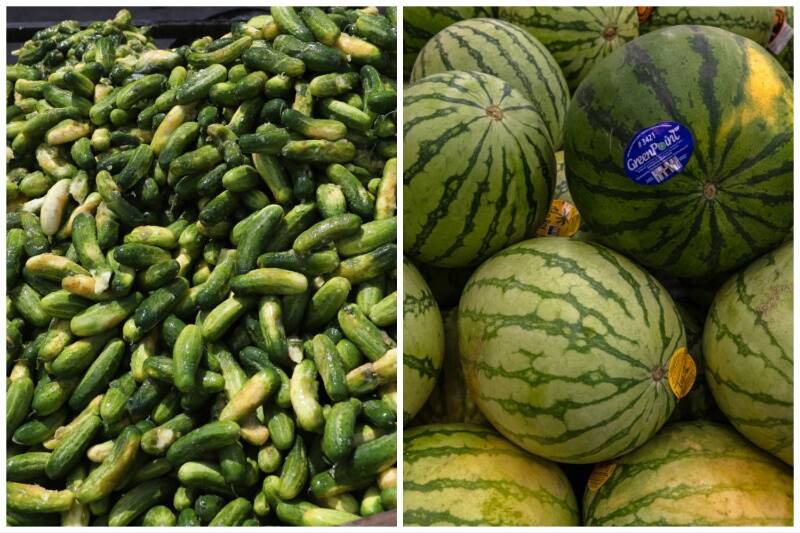
Growing cucumbers and melons near one another should be avoided as they belong to the same family and can cross-pollinate, resulting in bitter-tasting fruit.
They also attract similar pests, such as cucumber beetles and melon aphids, which can harm both plants. Separating them by at least 1/4 mile is recommended to prevent this.
Garlic and Onions
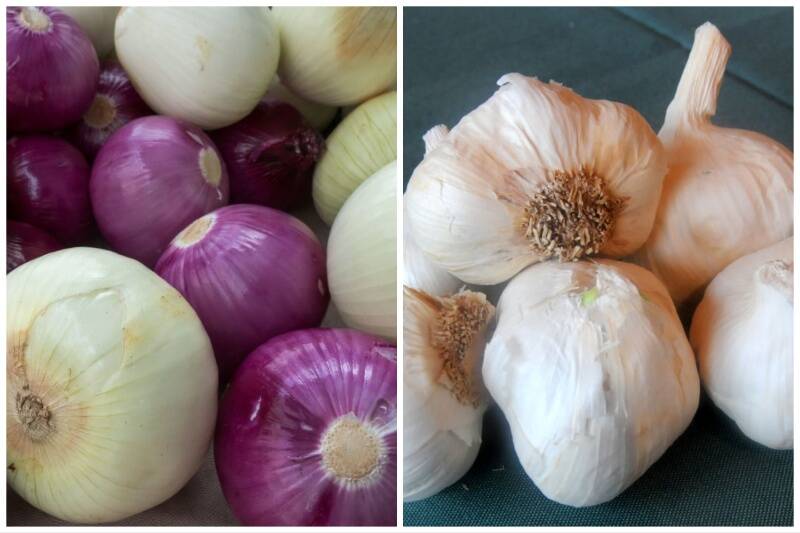
Garlic and onions should not be planted together because they release chemicals that can stunt each other’s growth. Both plants belong to the Allium family and can attract similar pests, such as onion maggots and thrips, that can cause damage to both crops.
Planting these crops together can increase the risk of diseases, including Fusarium and white rot, as they can affect both plants.
Carrots and Dill
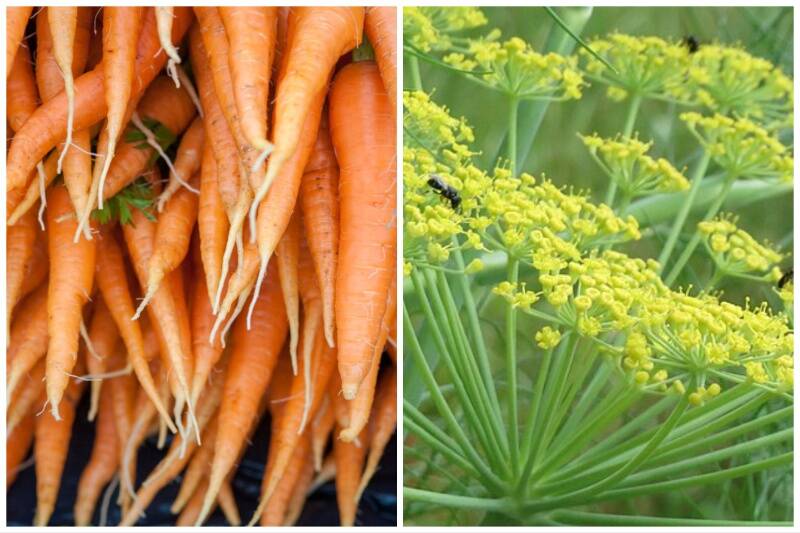
Planting carrots and dill together should be avoided because dill attracts carrot rust flies, which can lay eggs near the carrots. The larvae of these flies then feed on the roots of the carrots, causing damage.
Dill may also release compounds that can stunt the growth of nearby plants, including carrots.
Cauliflower and Broccoli
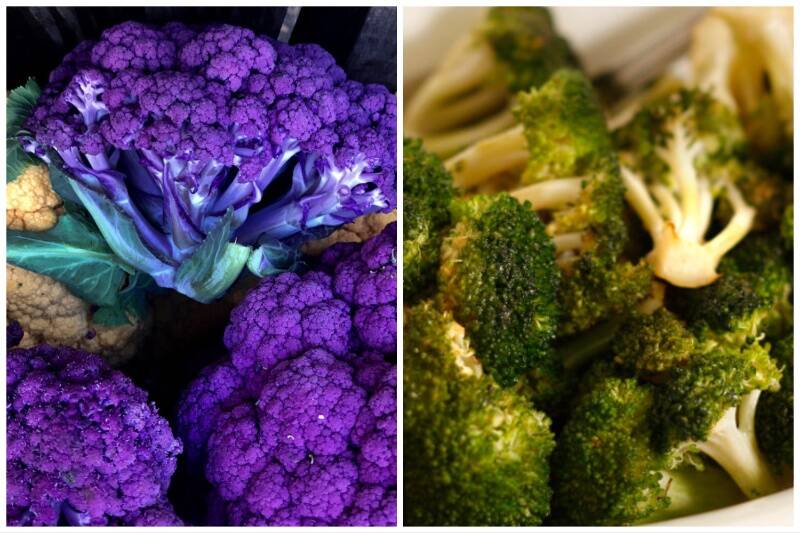
Growing broccoli and cauliflower in close proximity is not recommended due to a few reasons. Firstly, both plants are heavy feeders and have different nutrient requirements, which can lead to competition for soil nutrients.
Also, they are both susceptible to similar pests and diseases, such as aphids and cabbage loopers, which can quickly spread between the two plants. Finally, broccoli and cauliflower have different maturation times, which can make it challenging to harvest them at the right time.
Strawberries and Cabbages
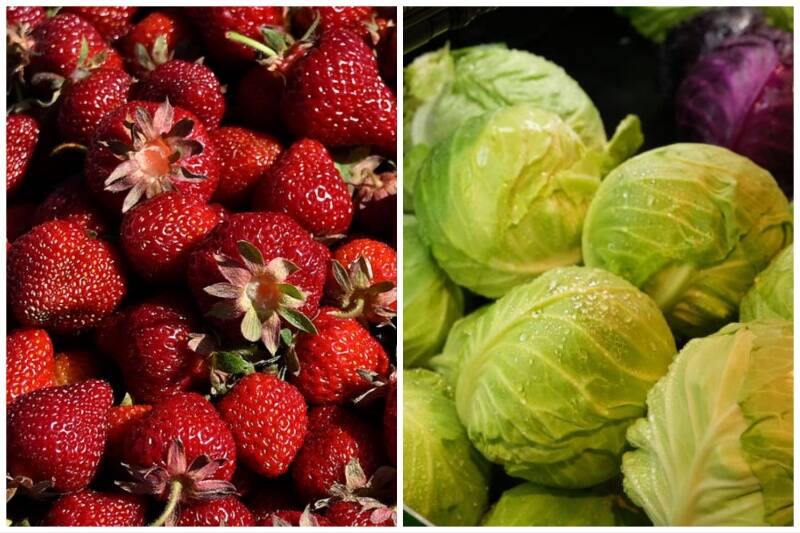
Growing cabbage and strawberries next to each other is not advisable due to several reasons. Both plants attract the same pests, such as slugs and snails, which can cause damage to both crops.
Cabbage and strawberries also have different soil pH and nutrient requirements, which can hinder their growth when planted together.
Squash and Pumpkins
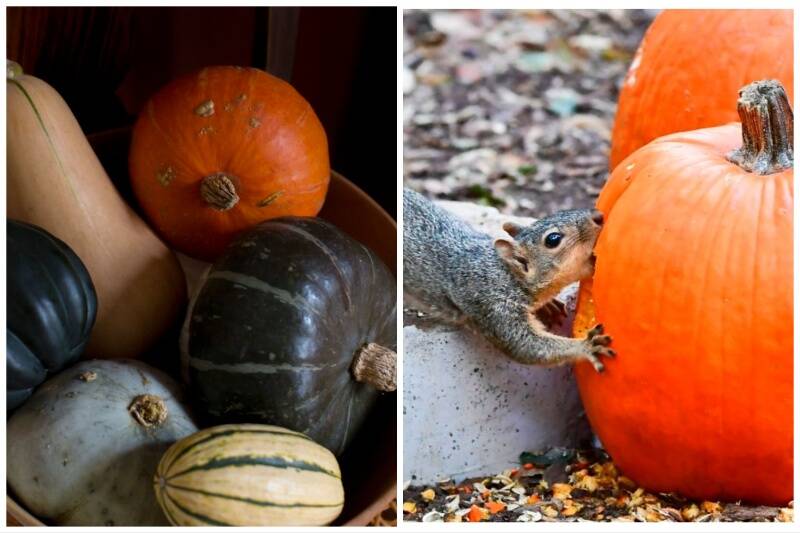
Pumpkins and squash belong to the same family and can cross-pollinate if grown together. This can result in misshapen and poor-tasting fruit.
Moreover, pests like squash bugs and vine borers can easily spread from one plant to another when grown together. This can lead to infestations that can damage the crops.
Mint and Parsley
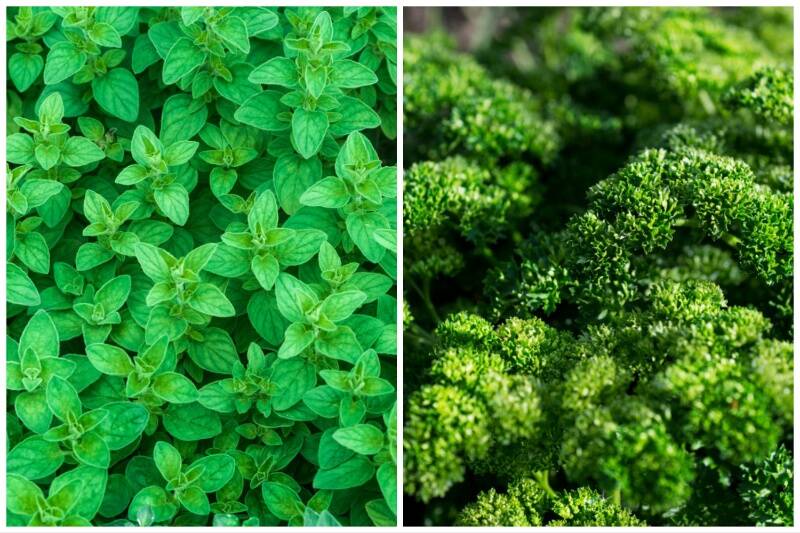
It’s not recommended to plant mint and parsley in the same garden due to various reasons. Firstly, mint has invasive roots that can spread and outcompete parsley for nutrients and water.
Both plants attract different pests, and planting them together can attract more pests, leading to damage to both plants. Lastly, they require different growing conditions, with mint preferring more sunlight and parsley preferring partial shade.
Radishes and Hyssop
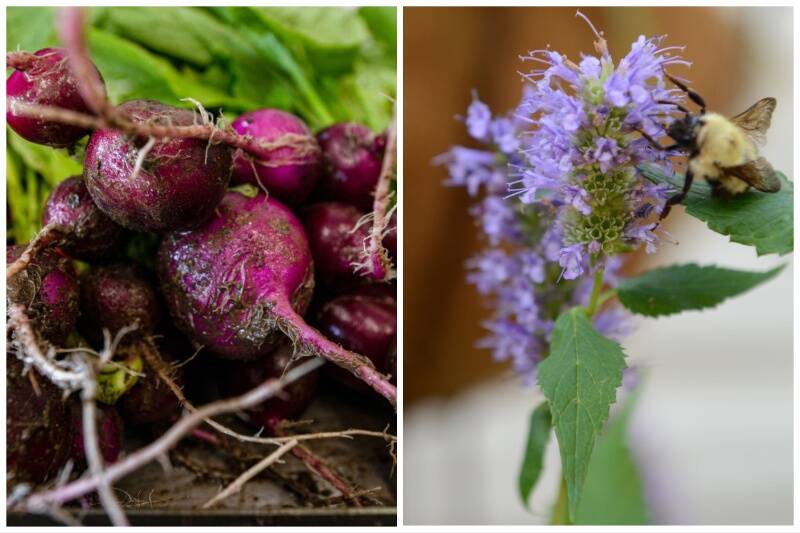
It’s recommended to keep the growth of hyssop and radishes separate due to their conflicting growth requirements and the potential for pest infestations. Hyssop can attract cabbage maggots, which can damage the roots of radishes, leading to reduced yield.
The best advice is to keep a considerable distance between the two plants to prevent any negative effects on their growth and development.
Asparagus and Onions
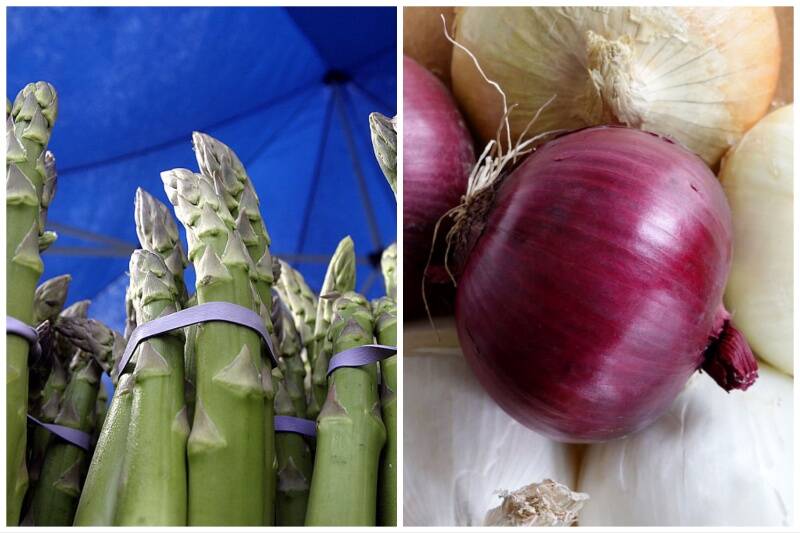
It’s advisable to avoid planting asparagus and onions in close proximity due to their conflicting growth requirements and the potential for pests and harmful chemical release. Onions release chemicals that inhibit the growth of asparagus, leading to reduced yield.
Annoying pests like onion maggots can damage the roots of asparagus. Onions also release sulfurous compounds that can harm the growth of nearby plants.
Corn and Tomatoes
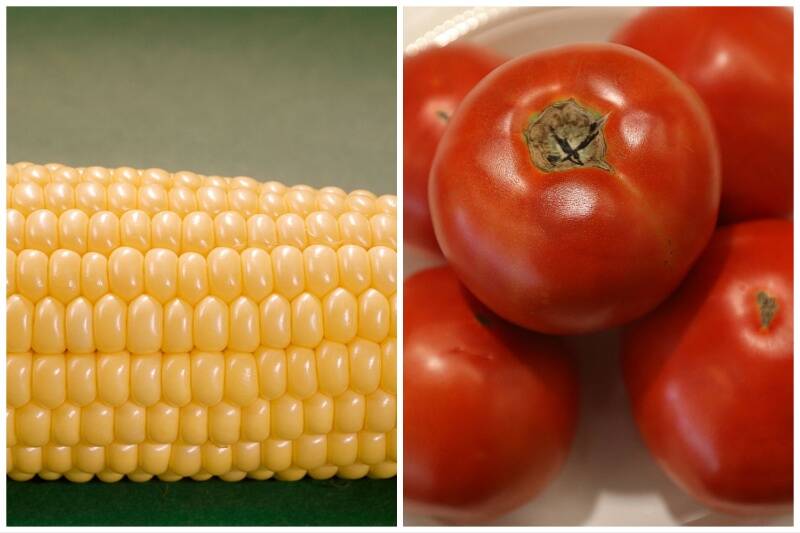
Corn and tomatoes should not be planted together in a garden due to the similar pests they attract. Pests such as the tomato fruitworm and corn earworm are attracted to these plants and can damage yield and cause disease.
Planting them together may cause a greater risk of pest infestation, which can be detrimental to the garden’s health.
Potatoes and Sunflowers
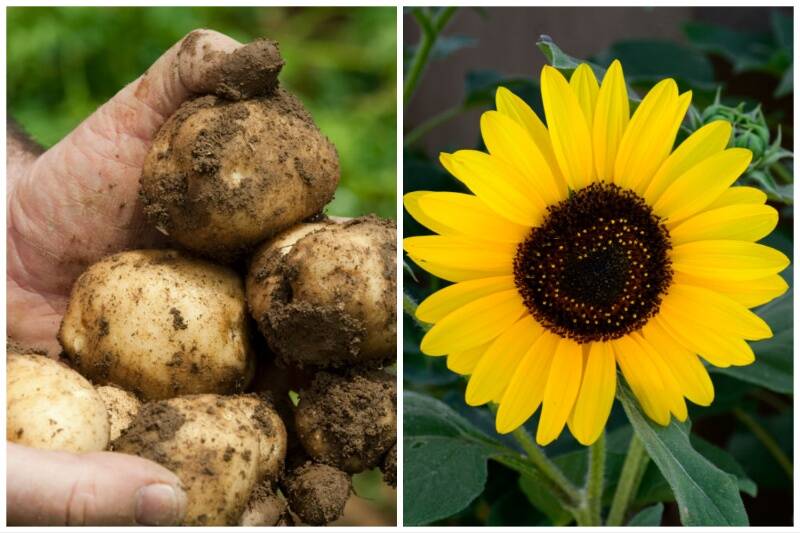
It is recommended to grow potatoes and sunflowers separately as they have different growing conditions and may attract pests harmful to one another. Sunflowers can attract pests such as the Colorado potato beetle, which can damage the potatoes.
Growing them apart reduces the risk of infestations and allows both plants to thrive independently.
Eggplant and Fennel
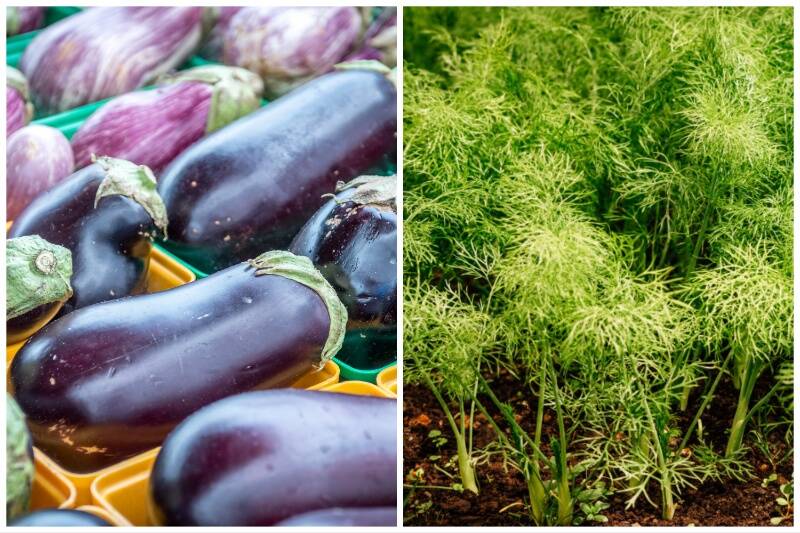
It is not advisable to plant eggplant and fennel too close together due to their conflicting needs and the potential for insect infestations. Fennel attracts flea beetles, which can damage the leaves of eggplants, leading to stunted growth and reduced yield.
Therefore, it’s best to keep a considerable distance between the two plants to prevent any negative effects on their growth and development.
Cabbage and Pole Beans
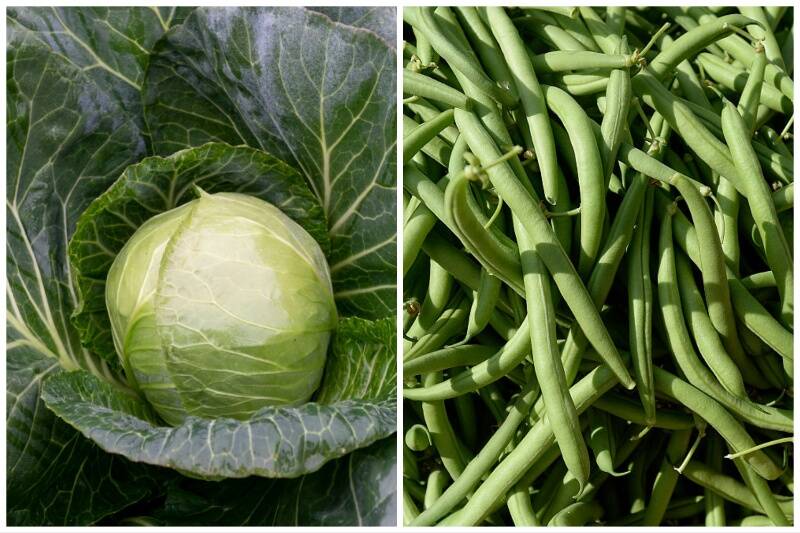
Growing cabbage and bean poles together should be avoided because beans are known to fix nitrogen in the soil, which can cause stunted growth in cabbage.
The excess nitrogen can cause the cabbage to develop an abundance of leaves at the expense of forming a proper head. It’s best to grow them separately to ensure healthy growth.
Radishes and Spinach
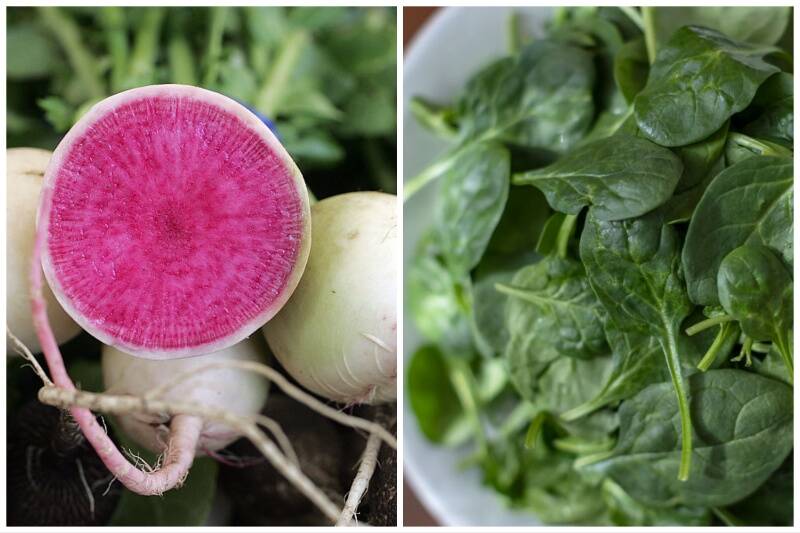
Radishes and spinach cannot be grown together because spinach is known to attract leaf miners. These pests can cause damage to the leaves of radishes, making it difficult for them to grow.
As a result, it is best to plant these two crops separately to avoid any potential issues with pests or damage to the plants.
Tomatoes and Peppers
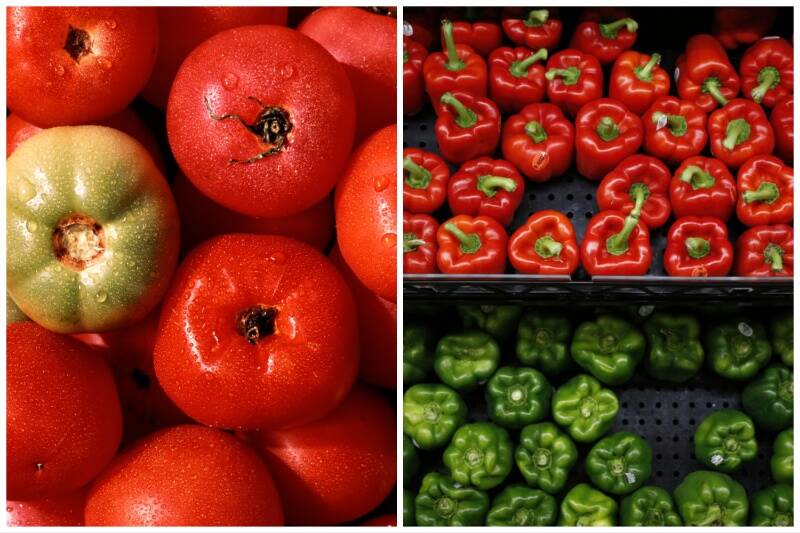
Tomatoes and peppers should never be grown together in the same area for numerous reasons. For instance, both plants attract the same pests, such as aphids and whiteflies.
If left to spread, the pests can quickly go from one plant to the other, which could result in widespread damage.
Cucumbers and Sage
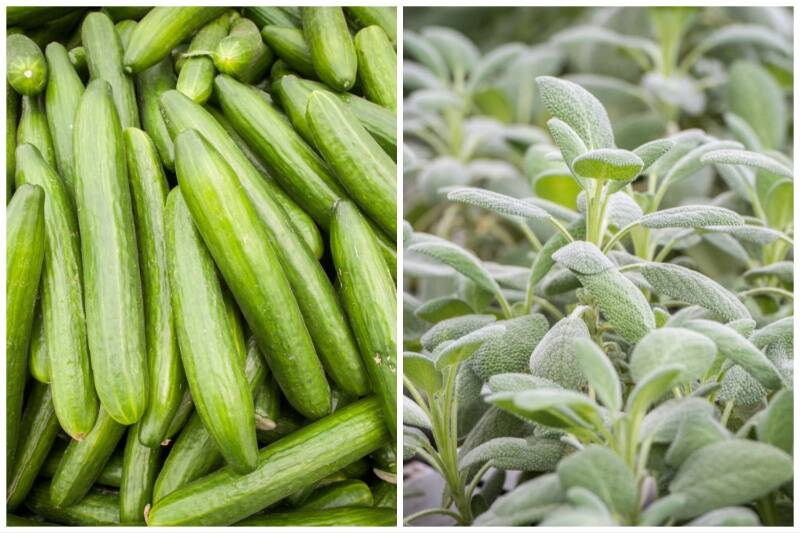
It is not recommended to plant sage and cucumbers near each other as sage contains a chemical compound called thujone, which can stunt the growth of nearby plants, including cucumbers.
Thujone can inhibit photosynthesis and reduce the absorption of nutrients in cucumbers, leading to stunted growth. It is best to keep sage and cucumbers apart when planting in the garden.
Corn and Beans
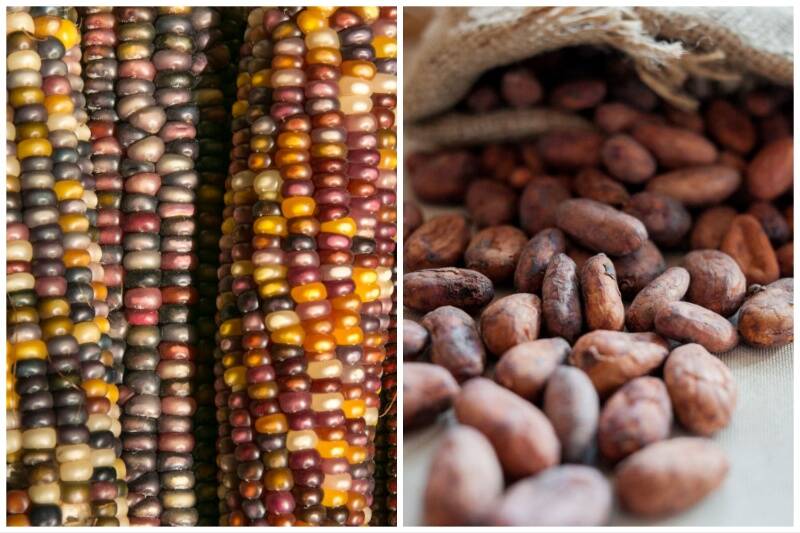
Planting beans and corn together can lead to problems, as beans attract pests such as corn earworms, which can damage the corn.
Furthermore, beans and corn have different nutrient requirements, and planting them together can result in competition for nutrients, stunting the growth of both plants. Hence, it’s best to avoid planting beans and corn together to avoid these issues.
Onions and Peas
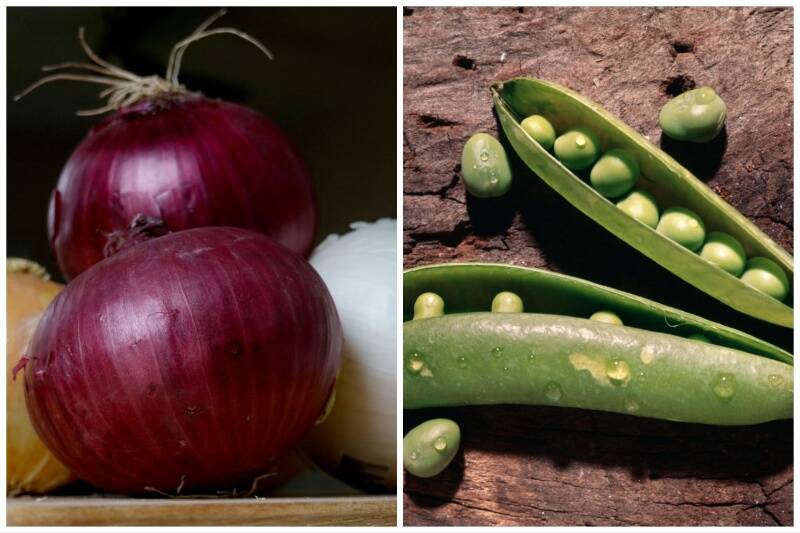
Onions release a chemical called allelopathic that can hinder the growth of nearby plants, including peas. This chemical can affect the germination of pea seeds and reduce the overall growth of the plant.
Moreover, onions can attract pests like onion maggots that can also harm the pea plant. Therefore, it is best to avoid planting onions and peas near each other to ensure optimal growth for both plants.
Basil and Kale
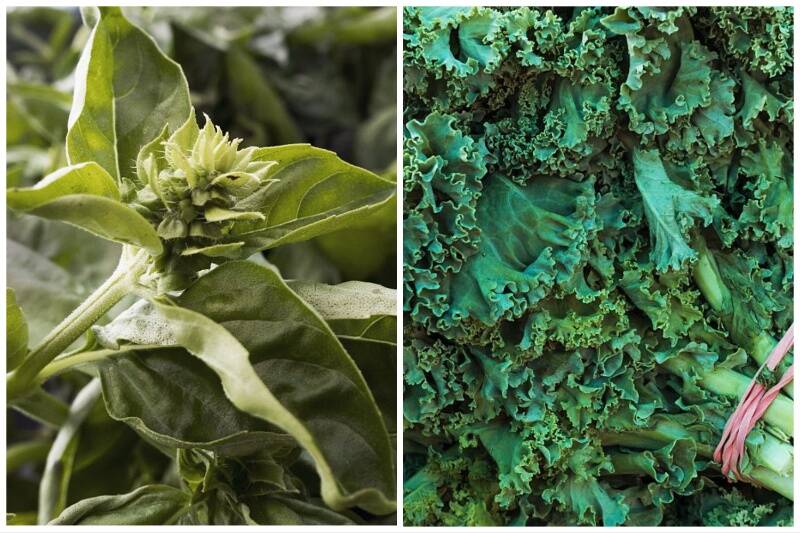
Basil and kale should not be grown together because they have different nutrient requirements, growth rates, and water needs. Basil requires more water and nutrients than kale, which can lead to stunted growth of the latter.
Furthermore, basil grows quickly and can quickly overshadow the slower-growing kale, reducing its yield. Basil attracts pests such as whiteflies, which can spread to and damage kale.
Tomatoes and Beets
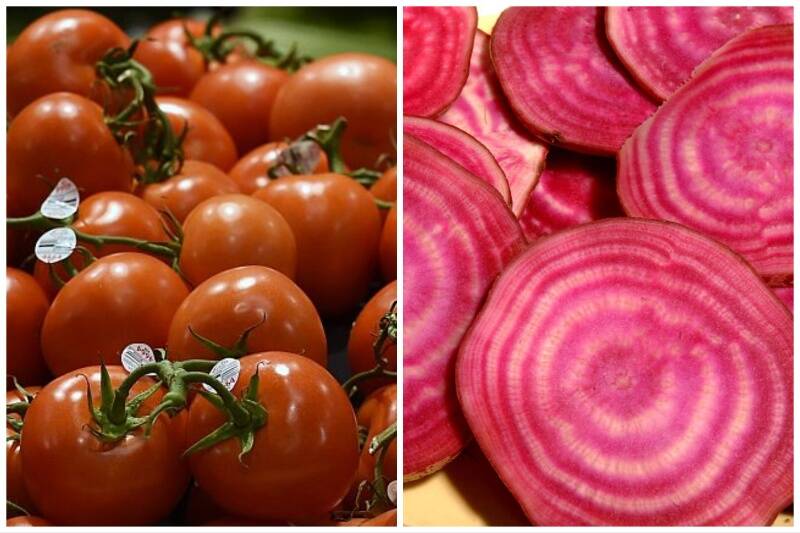
Beets and tomatoes should not be grown together because beets attract pests such as the tomato hornworm, which can damage tomatoes. Beets also grow better in cooler temperatures, so if planted near tomatoes, the beets may grow too slowly or not at all.
Tomatoes also thrive in moist soil, while beets require drier soil. Growing these plants together could cause a lack of nutrients or other problems.
Cucumbers and Peppers
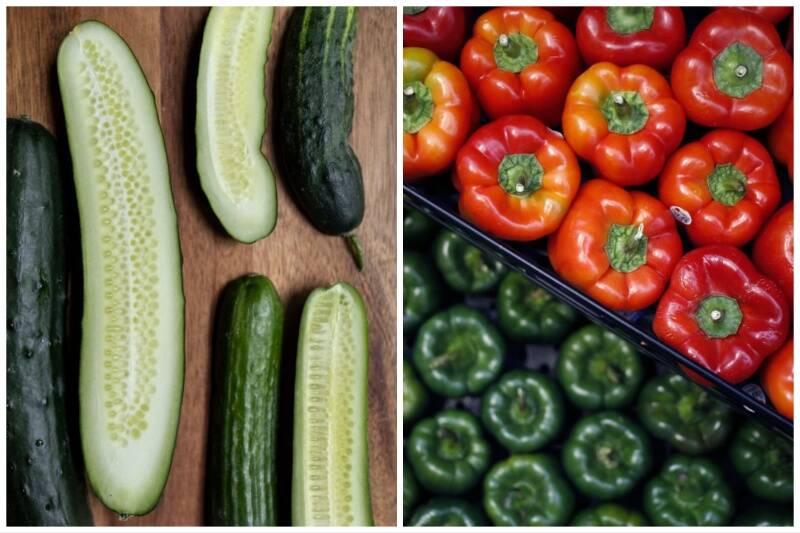
The growth of cucumbers can be stunted if they grow too close to peppers. This is due to competition for available resources such as sunlight, water, and nutrients.
Peppers can also spread certain pests and diseases that can be damaging to cucumber plants. In addition, chemical compounds released by peppers can inhibit cucumber germination and growth.
Carrots and Parsnips
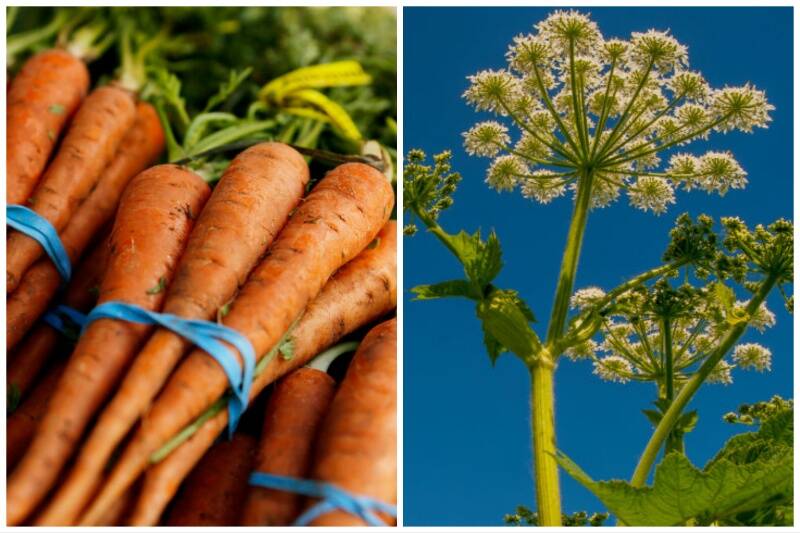
Planting carrots and parsnips too closely together can have unfortunate consequences for your crop. Parsnips can attract pests, such as the carrot rust fly, which can spread swiftly and damage the carrots.
There can also be cross-pollination of the two plants, leading to more bitter-tasting veggies. To limit the damage from pests and cross-pollination, create distance between your carrots and parsnips.
Peas and Garlic
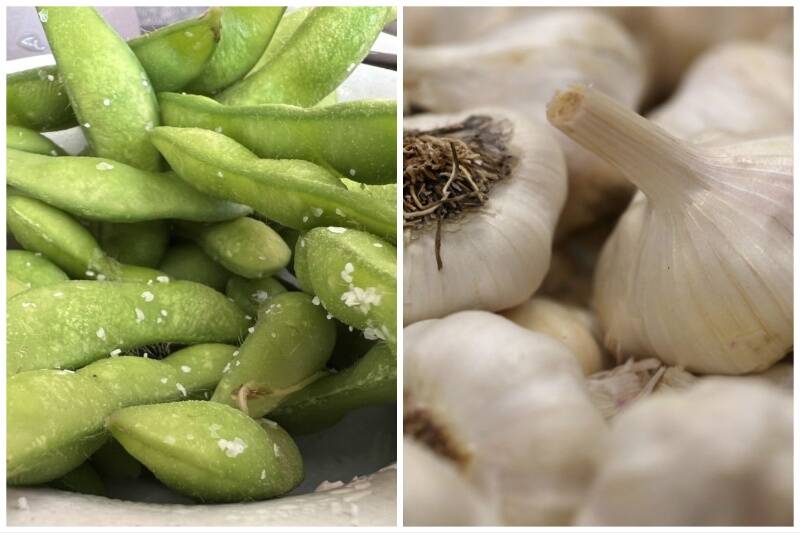
It is not recommended to plant peas and garlic near each other as garlic has a negative effect on the growth of peas.
Garlic has a natural compound called allicin which acts as an inhibitory agent and can reduce both the growth rate and yield of peas. It is best to plant peas and garlic far apart or in different areas altogether.
Broccoli and Beets
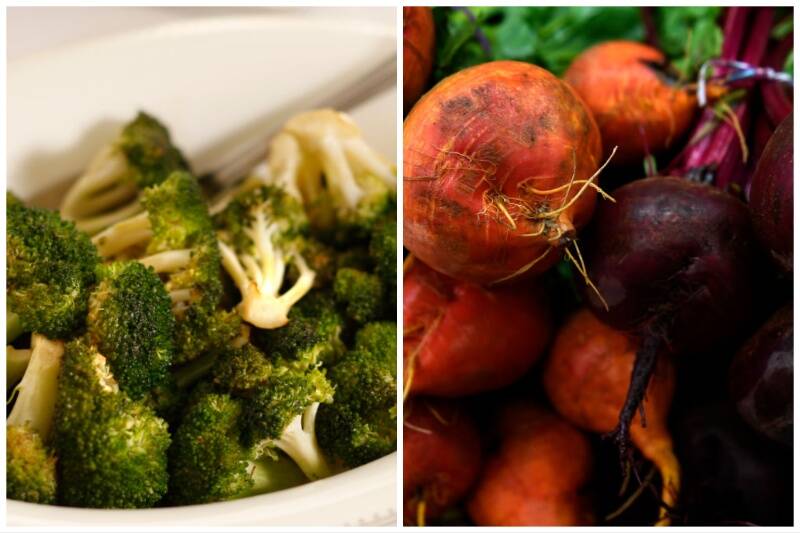
When it comes to growing vegetables, beets and broccoli are no friends. Beets can be a magnet for pests like the harlequin bug, which could cause serious damage to broccoli.
Not to mention, the beets can also transmit disease to nearby broccoli. Too much proximity between them just isn’t a good idea.
Onions and Carrots
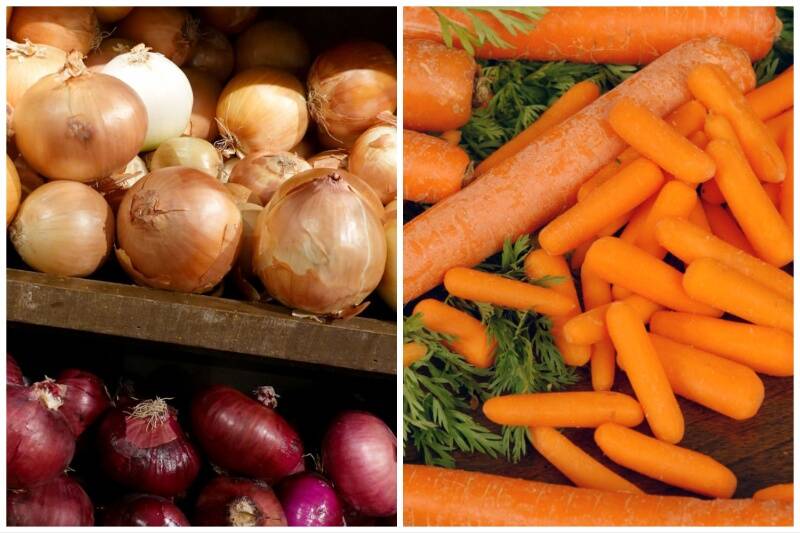
Carrots and onions should not be planted near each other as the carrot root can attract pests such as the onion maggot and fly larvae that can burrow into the onions and cause rotting.
This pest can also introduce harmful bacteria onto the onion crop. Carrots planted further away can act as a trap crop, luring bugs and critters away from the onions.
Cucumbers and Corn
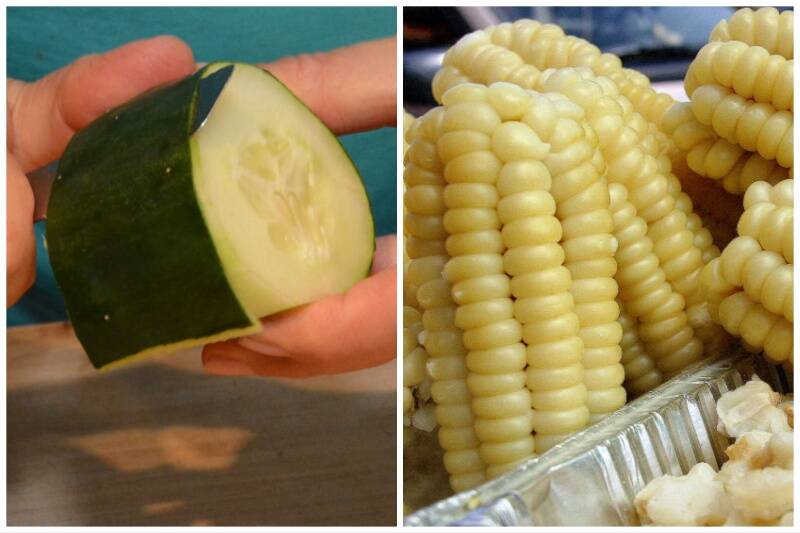
The cucumber beetle can spread diseases, such as wilt and mosaic virus, which is harmful to cucumbers, and can also damage corn. Moreover, corn takes up a lot of space, light, and water, which could crowd out the cucumbers and limit their growth.
Planting cucumbers and corn closer together could cause them to compete for resources, and neither crop would yield desired results.
Squash and Potatoes
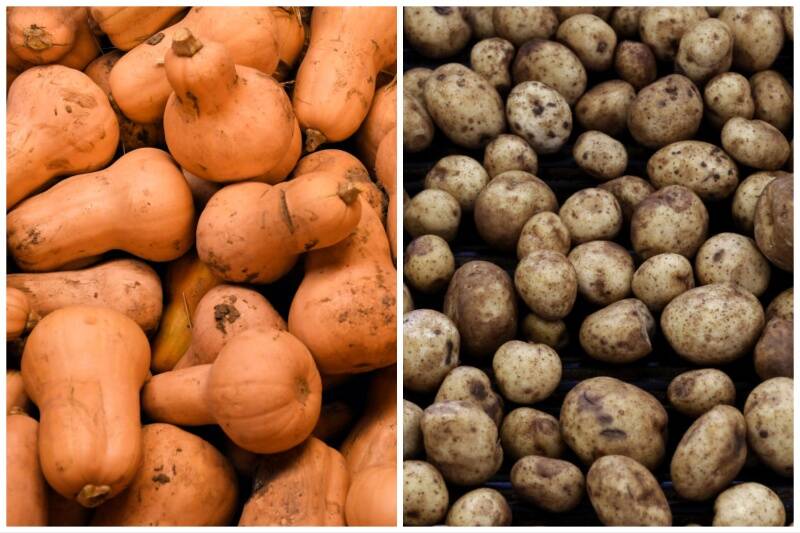
Squash and potatoes should never be planted together because of potential cross-contamination from pests and diseases.
Squash has a tendency to attract cucumber beetles and striped cucumber beetles, which can spread viruses like mosaic and squash leaf fleck virus to potatoes. The two plants have similar growing requirements, and crowding of the two together can overwork the soil and make it more prone to diseases like potato blight.
Cucumbers and Tomatoes
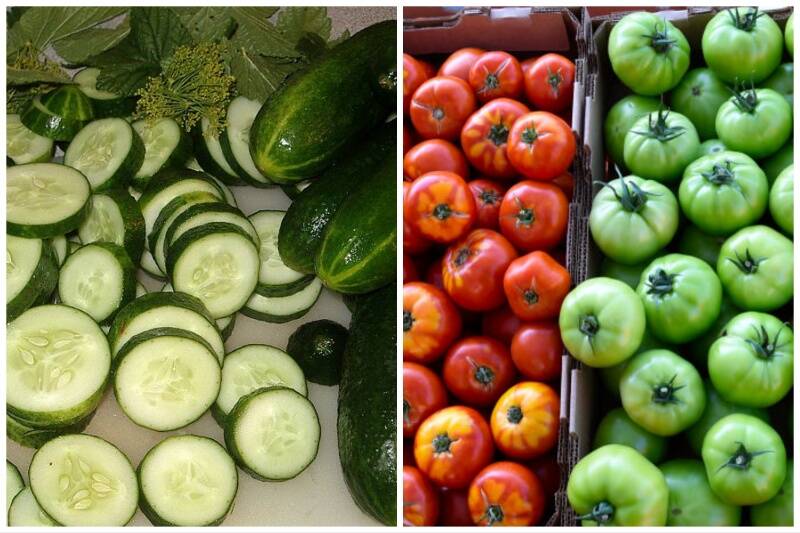
Cucumbers and tomatoes should not be grown together as they attract the same pests, such as the tomato fruitworm and the cucumber beetle.
This natural garden salad pairing shares similar nutrient requirements, so competition for soil nutrients could occur. Furthermore, these two plants have been known to cross-pollinate, resulting in inferior-quality fruit and seeds.
Beans and Onions
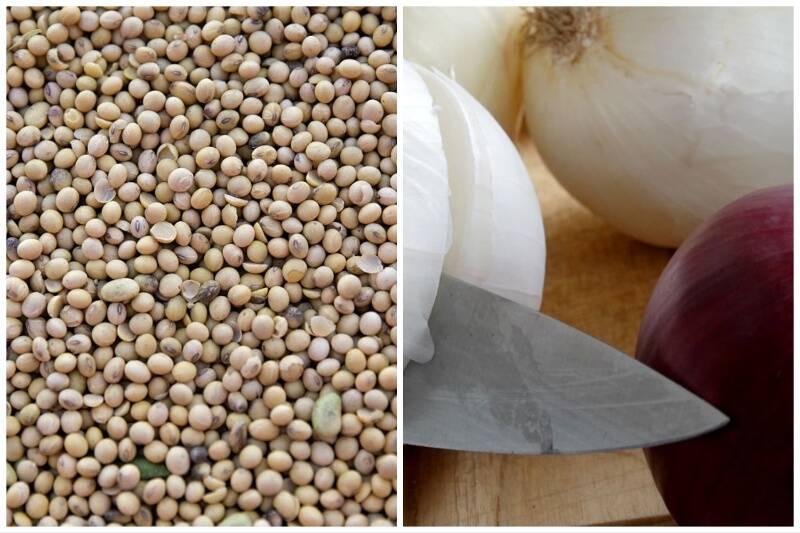
It is advisable to avoid planting beans and onions near each other as they have different growth requirements and attract pests that can harm each other. Onions prefer well-drained soil, while beans require more moisture.
Pests like onion maggots can attack beans, and bean beetles can damage onions, so keeping them apart helps to reduce the risk of infestations.
Tomatoes and Potatoes
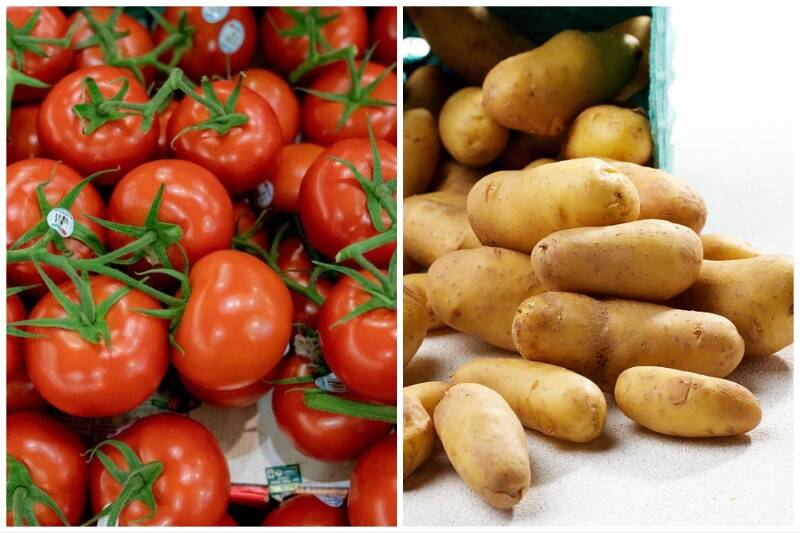
Planting potatoes and tomatoes together or near each other should be avoided because they are both members of the nightshade family and are susceptible to similar diseases such as blight and nematodes.
If planted together, these diseases can easily spread and infect both crops, leading to reduced yields or complete crop loss.