Discovering hidden time capsules around the world

Trending Now
Time capsules have long fascinated humanity, acting as windows into different eras. These carefully curated collections of artifacts and messages are designed to be discovered by future generations, offering a snapshot of life as it once was.
The allure lies in the mystery of what they contain and the stories they tell, connecting people across time. Whether buried underground or launched into space, time capsules spark curiosity and imagination, enticing us to ponder what future discoverers will think of our present.
The Oldest Known Time Capsule: A Journey Back to 1777
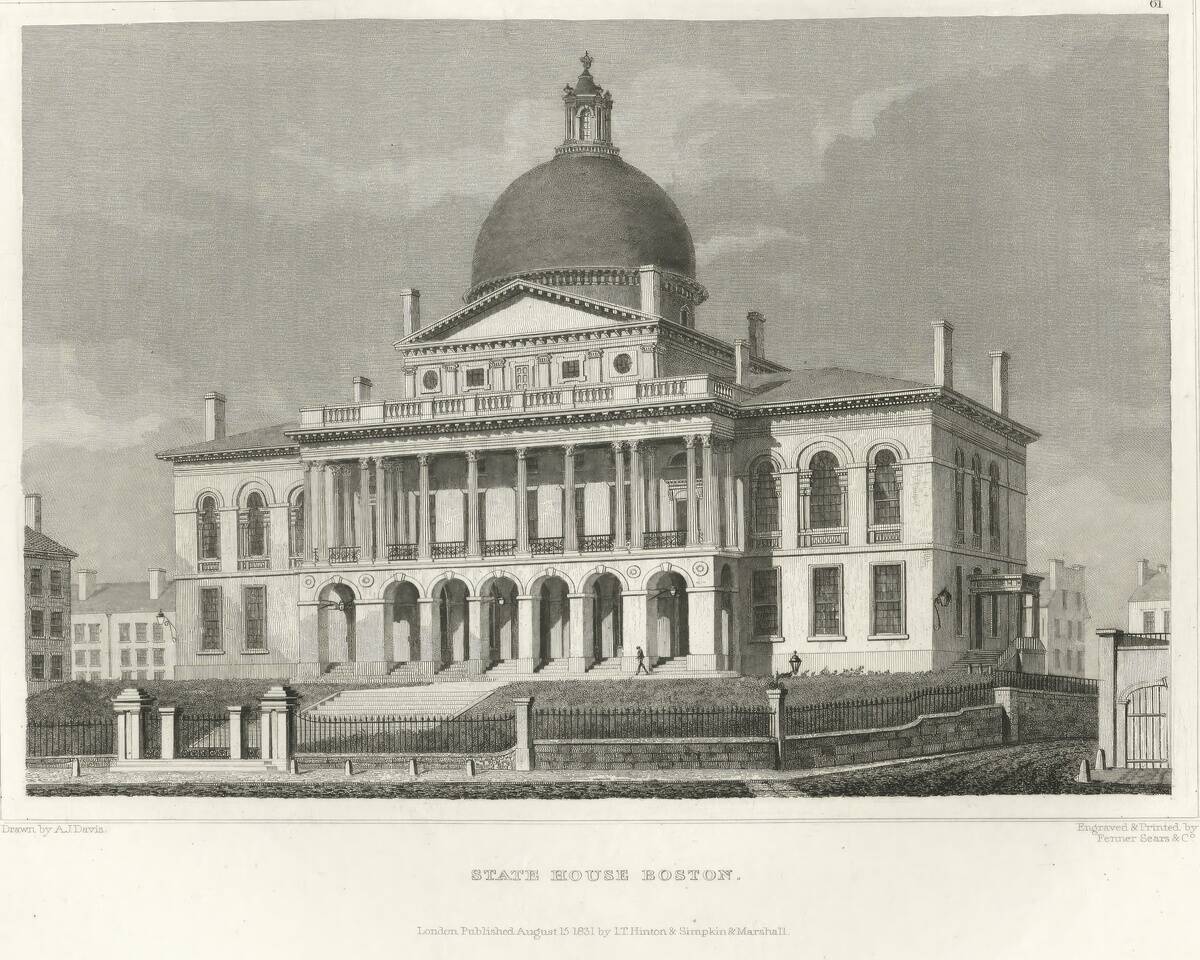
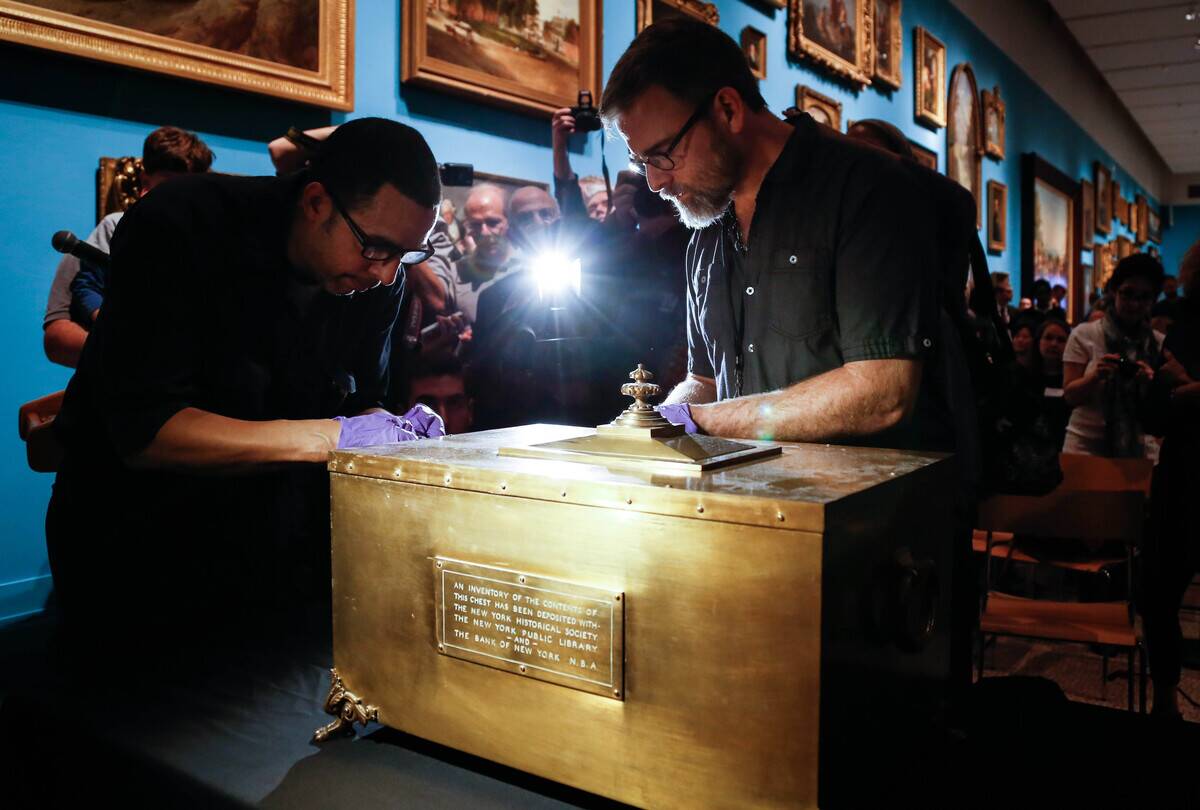
The oldest known time capsule was placed in 1777 by the St. John’s Lodge of the Free and Accepted Masons in Massachusetts. This capsule, discovered in 2014, contained newspapers, coins, and a silver plaque.
It provides a unique glimpse into the American Revolutionary era, capturing the zeitgeist of a nation in the throes of change. The items within speak volumes about the priorities and concerns of that time, offering historians valuable insights into 18th-century life.
The Crypt of Civilization: A Glimpse into the Future from 1940
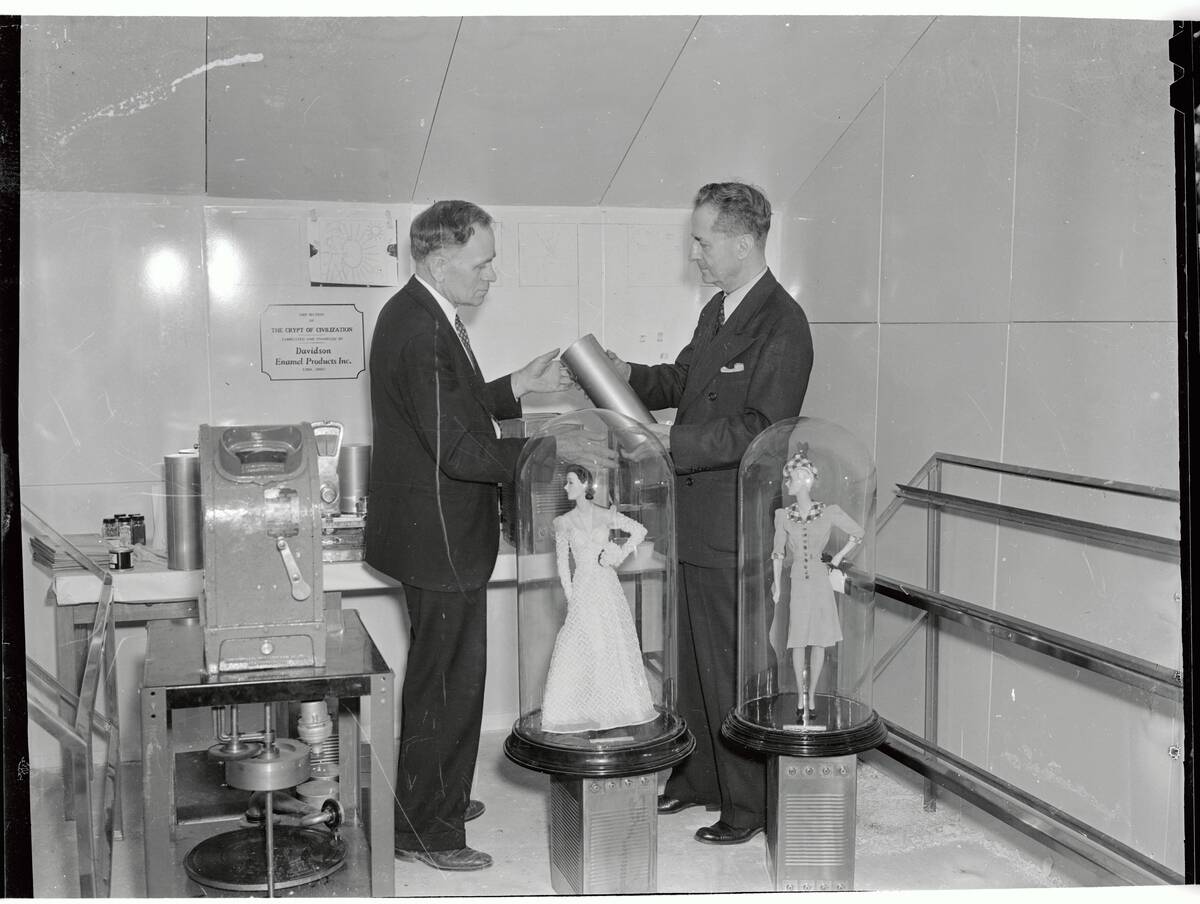
The Crypt of Civilization, sealed in 1940 at Oglethorpe University in Georgia, is one of the most ambitious time capsules ever created. Scheduled to be opened in the year 8113, it contains microfilm records, voice recordings, and everyday items like a set of Lincoln Logs.
This project aimed to preserve a comprehensive record of life in the 20th century for future civilizations. The crypt reflects optimism and a desire to communicate the achievements and challenges of our era to the distant future.
The Westinghouse Time Capsules: Gifts to the Future from the New York World’s Fairs
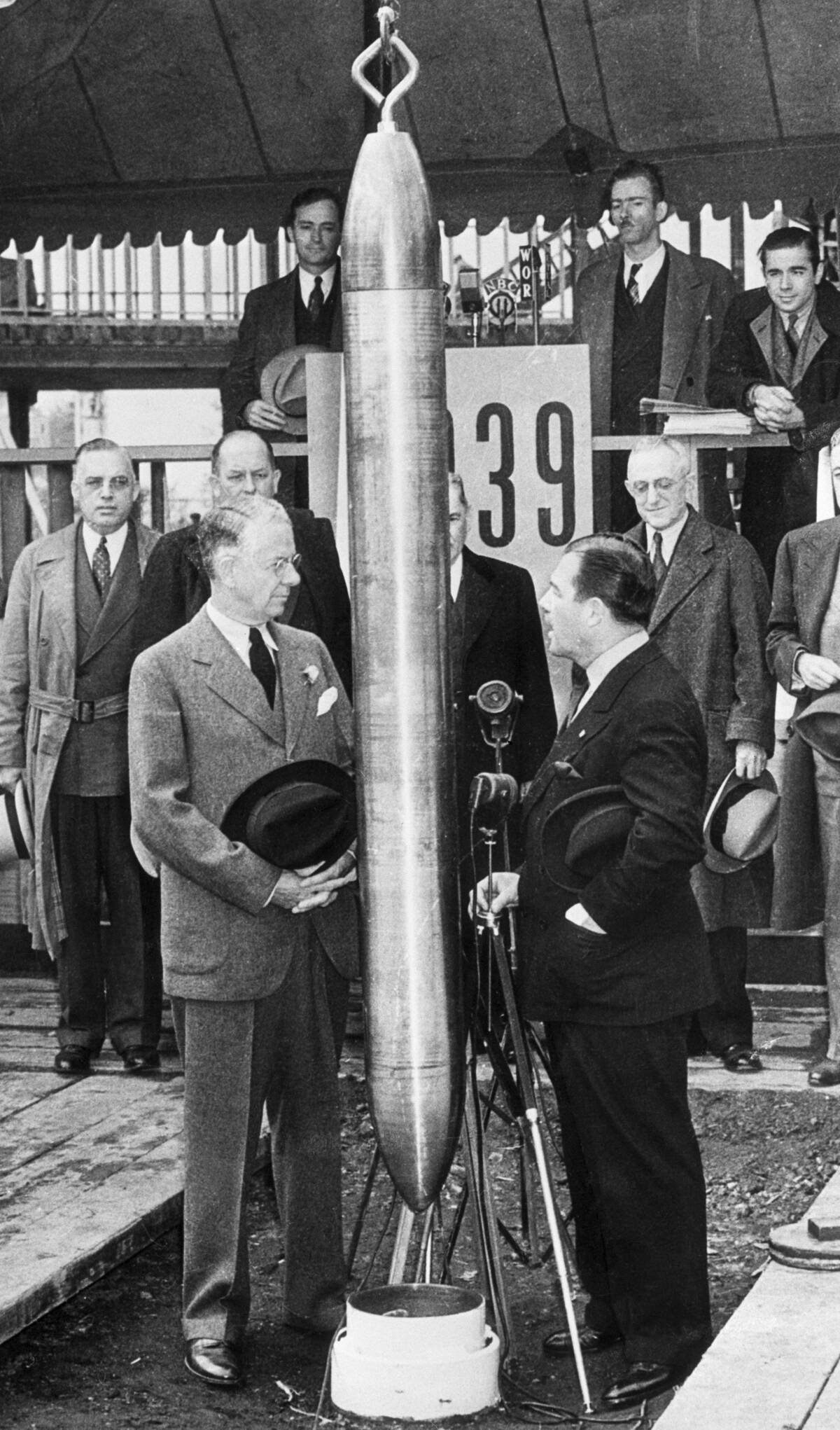
The Westinghouse Time Capsules, created for the 1939 and 1964 New York World’s Fairs, are intended to be opened in 6939. These capsules include items such as seeds, eyeglasses, and a fountain pen. The 1939 capsule is buried 50 feet deep in Flushing Meadows Park, while the 1964 capsule was added to the same site.
These capsules were designed to showcase the technological and cultural advancements of their times, reflecting society’s hopes for the future through carefully chosen artifacts.
The Golden Age of Time Capsules: A Trend Set in the 20th Century
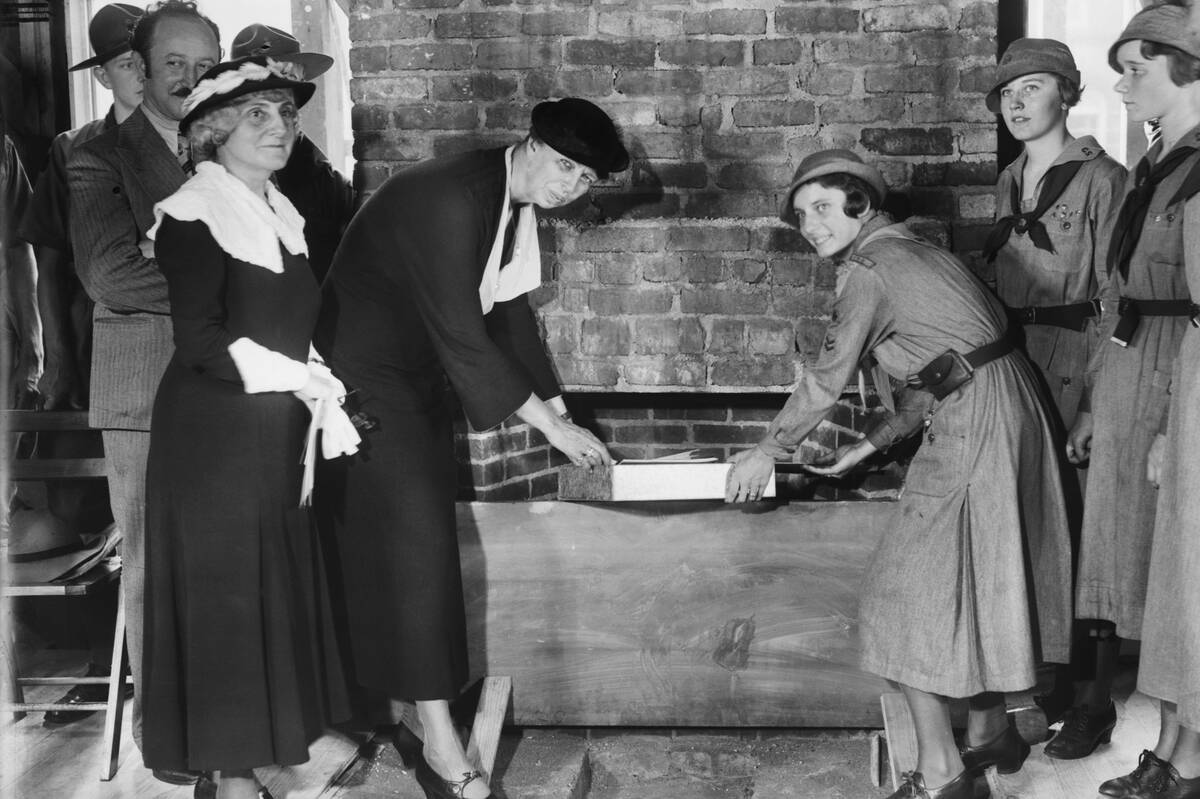
The 20th century saw a surge in the popularity of time capsules, as they became a trendy way to commemorate significant events. From buildings’ cornerstone ceremonies to school projects, time capsules were embraced for their ability to connect people across generations.
This era’s fascination with preservation and legacy inspired communities and individuals to participate in this unique form of historical storytelling. The popularity of time capsules during this period highlights the human desire to communicate with the future.
A Time Capsule on the Moon: Messages from Earth Resting in Space
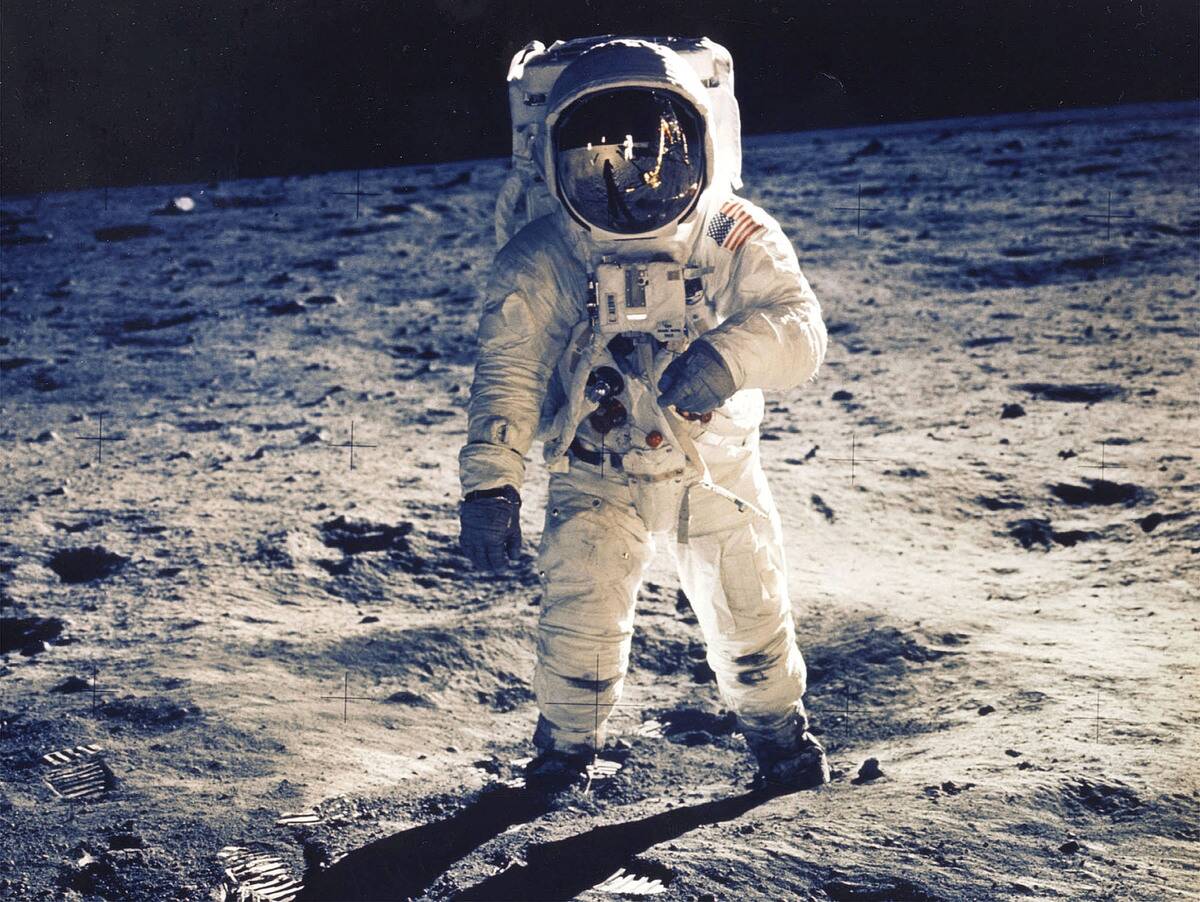
In 1969, Apollo 11 astronauts left a silicon disc on the Moon containing goodwill messages from 73 countries. This lunar time capsule serves as a testament to humanity’s unity in the pursuit of exploration and knowledge.
The messages, etched in microscopic text, are a symbolic gesture of peace and cooperation, preserved in the most unlikely of places. As a unique form of a time capsule, it reflects the hopes of an era characterized by the space race and technological optimism.
The Secret Time Capsule of Samuel Adams and Paul Revere
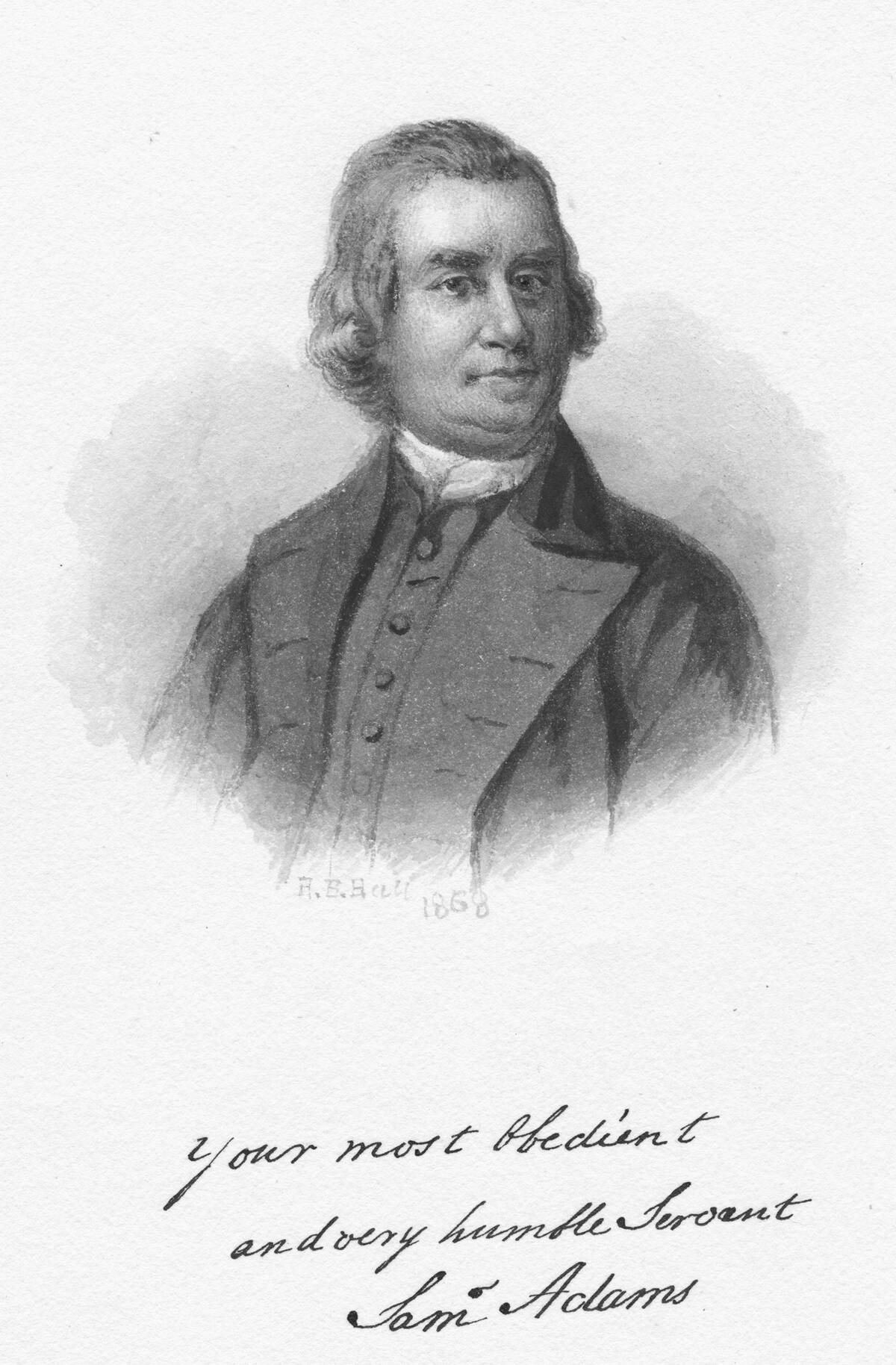
In 1795, Founding Fathers Samuel Adams and Paul Revere placed a time capsule in the cornerstone of the Massachusetts State House. Rediscovered in 2014, it contained coins, newspapers, and a silver plaque.
This capsule is a rare treasure from the early days of the United States, offering a tangible connection to the nation’s founders. Its discovery reignited interest in historical preservation and highlighted the foresight of these iconic figures in documenting their world for posterity.
The International Time Capsule Society: Guardians of Temporal Secrets

Founded in 1990, the International Time Capsule Society (ITCS) is dedicated to documenting and preserving time capsules worldwide. This organization serves as a central repository for information on time capsule projects, ensuring that these temporal treasures are not forgotten.
Through their efforts, the ITCS promotes awareness and inspires new generations to create their own capsules. By tracking these artifacts, the society plays a vital role in maintaining a global dialogue between the past, present, and future.
Unconventional Time Capsules: From Ice Creams to Toilets
Not all time capsules are traditional; some take creative and unexpected forms. In 2010, a San Francisco-based ice cream company created a “flavor time capsule,” preserving popular flavors for future tasting.
Meanwhile, a toilet manufacturer buried a time capsule in a septic tank, complete with a pair of porcelain thrones. These unconventional capsules challenge the norms, proving that any object can become a vessel for history. They highlight the playful and imaginative side of preserving memories.
The Contemporary Time Capsule: How Digital Age is Changing the Game

In the digital age, time capsules have evolved to include virtual and online formats. Websites, social media accounts, and digital archives are now being designed to be “opened” in the future. This shift allows for a broader range of content, capturing the dynamic nature of modern life.
Digital time capsules offer the advantage of accessibility and longevity, ensuring that future generations can experience our world through multimedia. This innovation reflects the changing landscape of preservation in a digital society.
The Mystery of the Australian Bicentennial Time Capsule
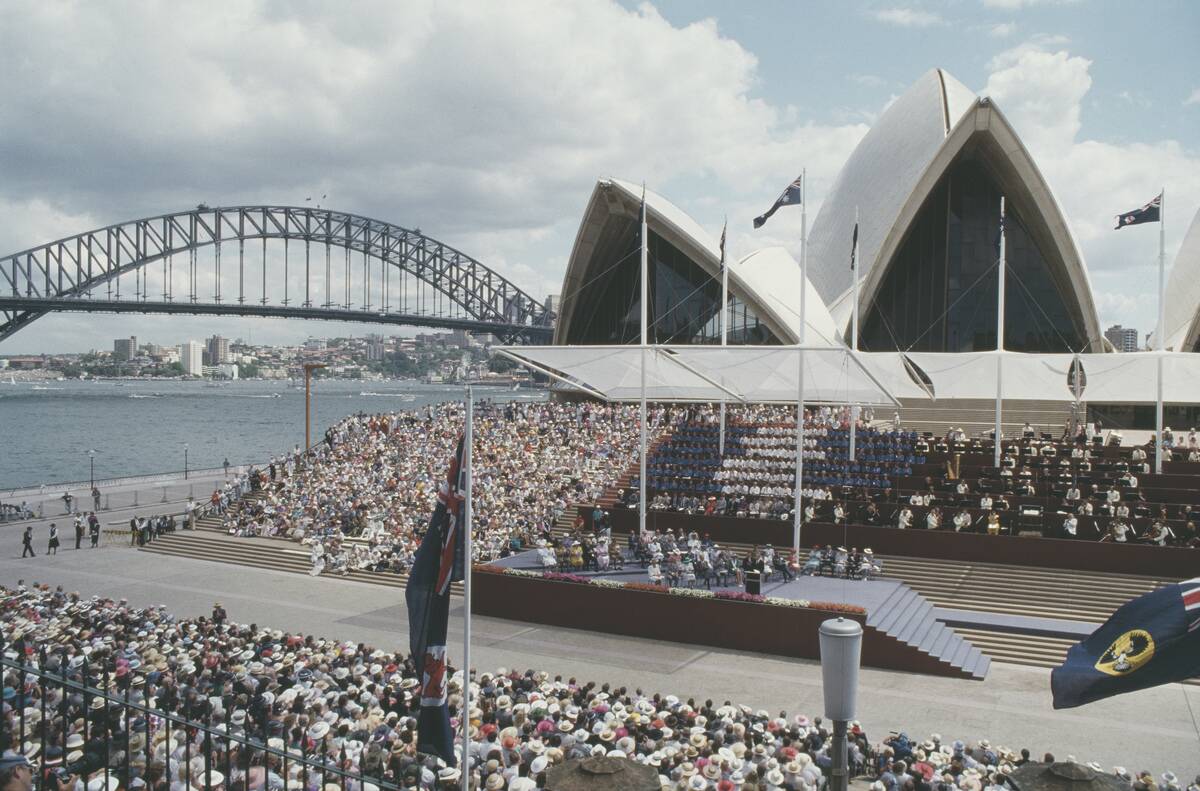
In 1988, Australia celebrated its bicentennial by burying a time capsule in Canberra’s National Library. Scheduled to be opened in 2088, its contents remain a closely guarded secret, sparking intrigue and speculation. The capsule is said to contain items that reflect Australian life and culture at the time of its burial.
This project symbolizes a nation’s hope for unity and progress, while the mystery surrounding its contents keeps the public’s curiosity alive, ensuring the capsule’s legacy endures.
Famous People and Their Time Capsules: A Peek into Celebrity Legacies
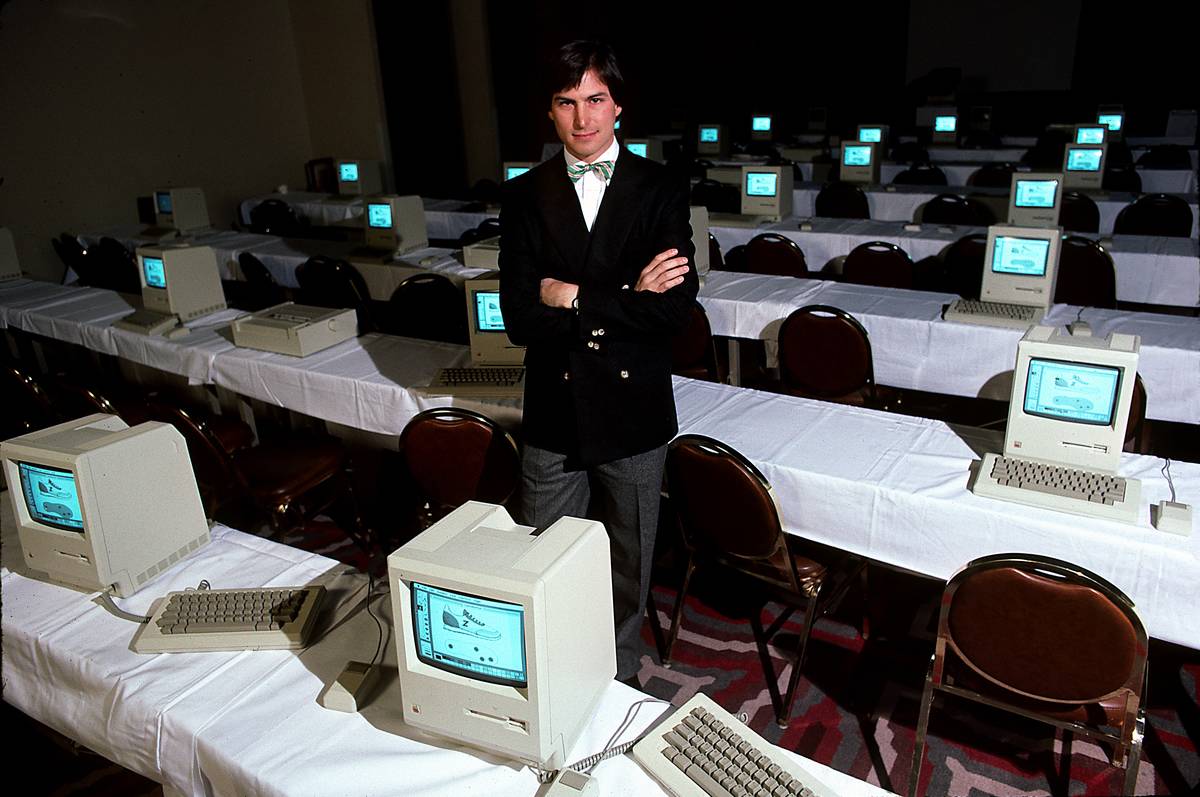
Celebrities have also joined the time capsule trend, with icons like Andy Warhol and Steve Jobs contributing their own. Warhol’s capsule, filled with eclectic items from his daily life, offers a glimpse into the mind of a pop art legend.
Meanwhile, Jobs included a computer mouse in a capsule buried during a 1983 conference, symbolizing the digital revolution. These capsules preserve the personal legacies of influential figures, allowing future generations to connect with their cultural impact in a tangible way.
The Japanese Time Capsule Expo ’70: Preserving Culture for 5,000 Years
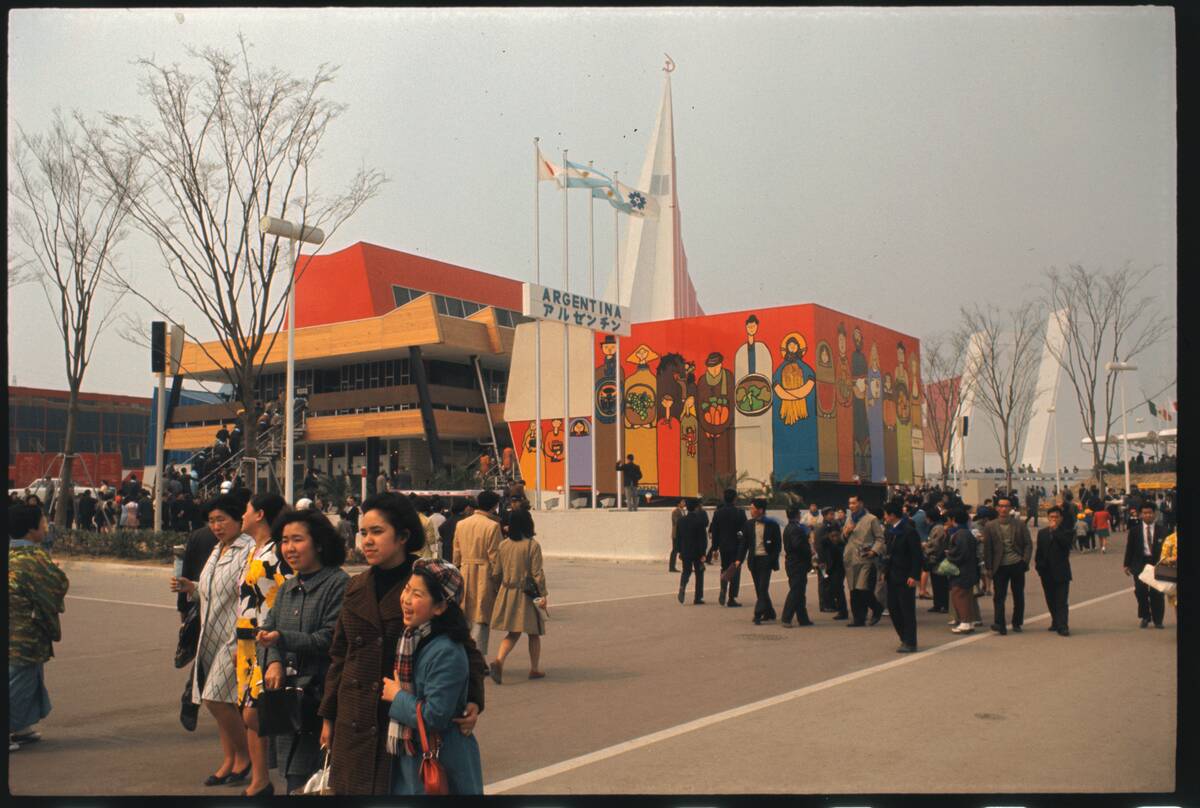
The time capsule project from Expo ’70 in Osaka, Japan, is an ambitious attempt to preserve cultural artifacts for 5,000 years. The capsules contain over 2,000 items, including a silk Kimono and a Beatles record.
Scheduled to be opened in the year 6970, this project reflects Japan’s commitment to cultural preservation and global heritage. The Expo ’70 capsules serve as a testament to the enduring value of cultural exchange and the desire to communicate across millennia.
How to Make Your Own Time Capsule: Tips and Tricks for the Present-day Archivist
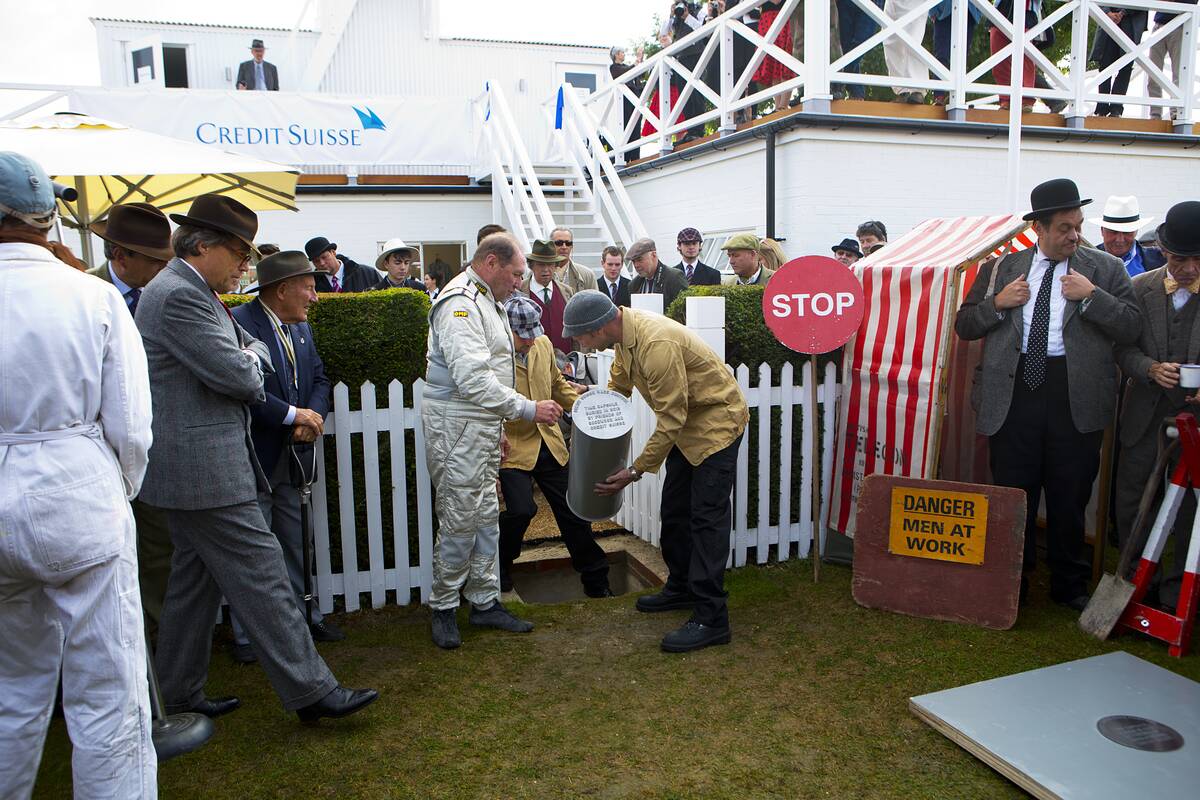
Creating a time capsule is a fun and meaningful activity that anyone can undertake. Start by choosing a durable, watertight container and selecting items that represent your current life and times.
Consider including a letter to future finders, explaining the significance of your chosen artifacts. Store the capsule in a safe location, and set a date for it to be opened. This simple project offers a personal way to engage with history and leave a legacy for future generations.
Time Capsules and Pop Culture: Their Influence on Movies and TV Shows
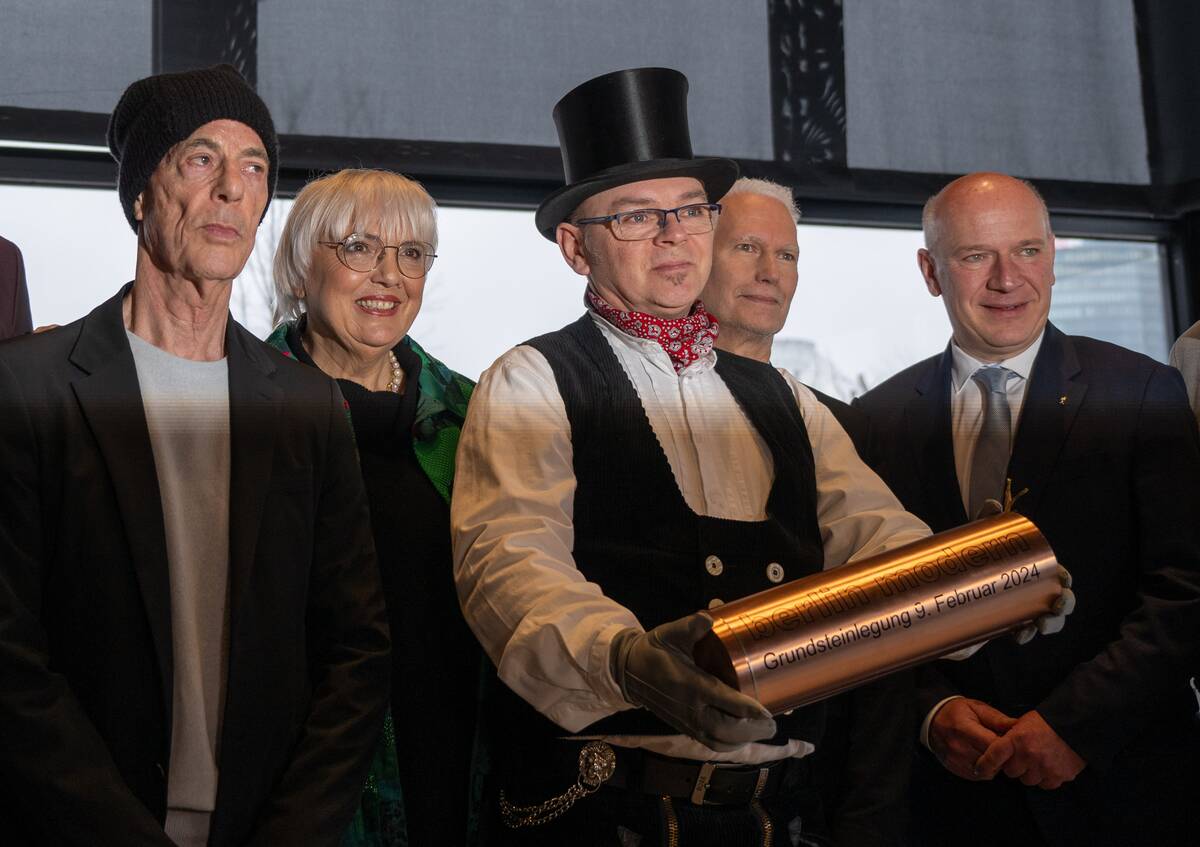
Time capsules have captured the imagination of filmmakers and television creators, appearing in numerous stories and plots. From the movie “Blast from the Past” to TV shows like “The Simpsons,” these narratives explore the intrigue and drama of discovering messages from the past.
Time capsules in pop culture often symbolize nostalgia and the human desire to connect across time. Their presence in media reflects our fascination with preserving and uncovering the secrets of history.
The Role of Time Capsules in Education: Teaching History in a Fun Way
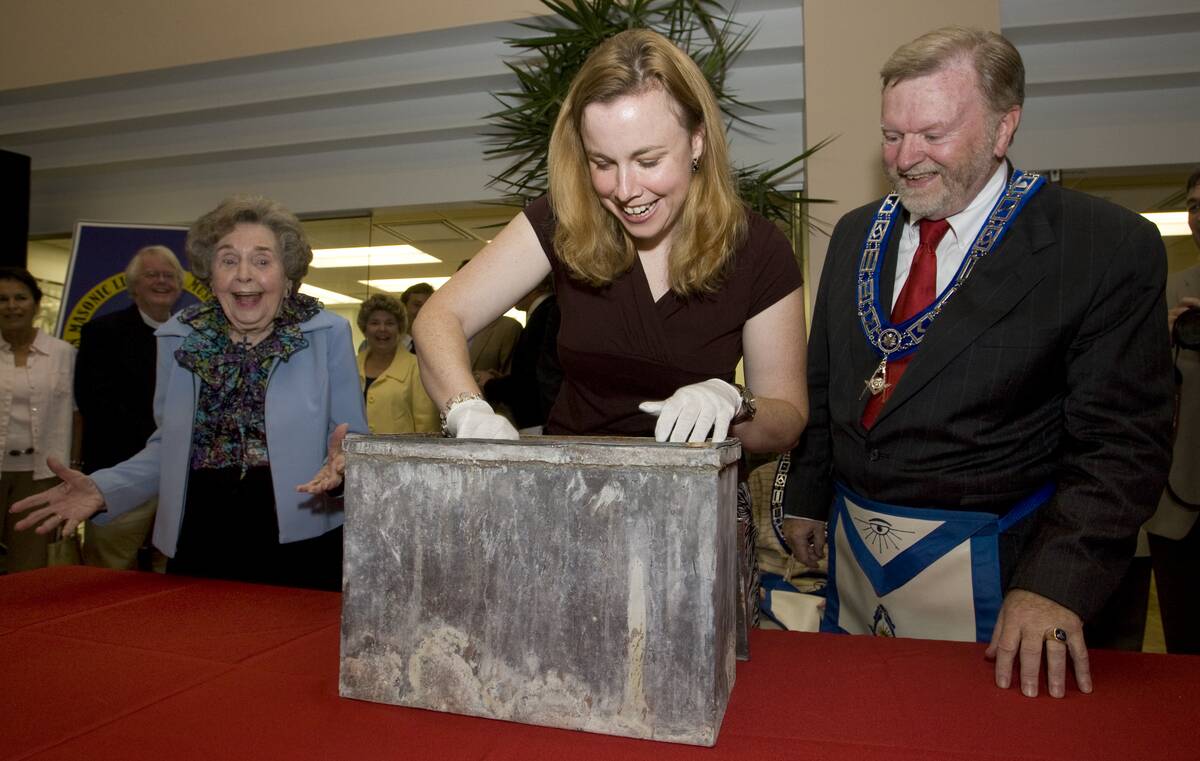
Time capsules are an engaging educational tool, bringing history to life for students. By creating their own capsules, students can learn about historical events, cultural changes, and technological advancements.
This hands-on activity encourages critical thinking and creativity, helping students to understand the passage of time and the importance of preserving history. Time capsules in education foster a sense of connection to the past, making learning both interactive and memorable for young historians.