20 Common plants that few people realize are poisonous

Plants add beauty and mystique to the space they occupy, but under all of that natural beauty, there can be some danger within. Many plants are quite toxic, causing harm to anyone who comes into contact with them.
To prevent danger in the great outdoors, read on to learn about some of the most poisonous plants in existence…
Hydrangeas Have Traces Of Cyanide
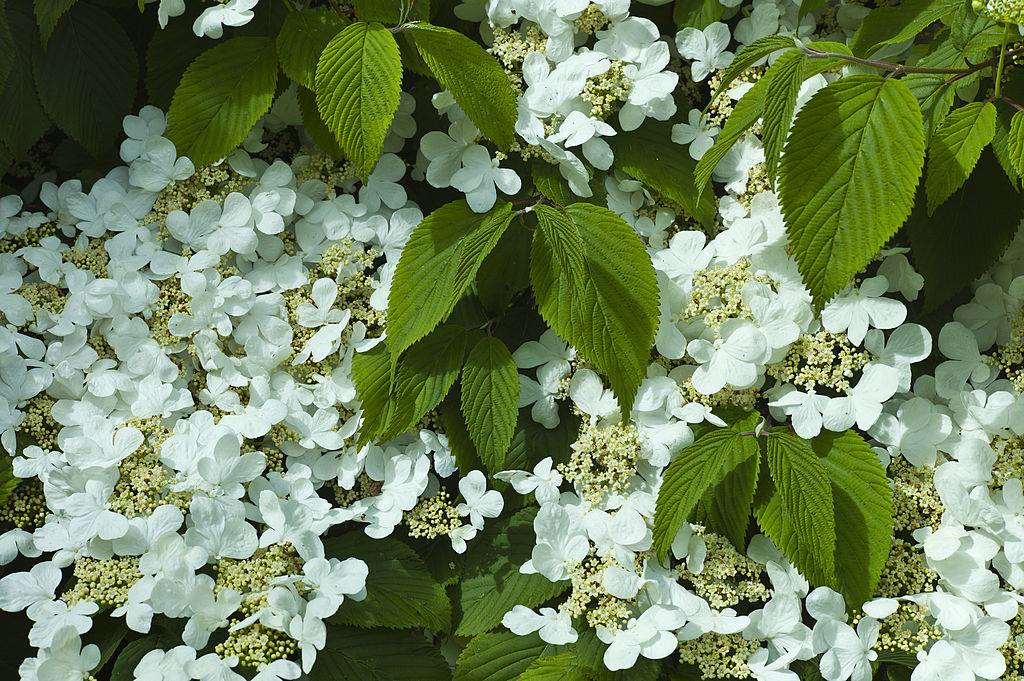
The easiest way to detect if you’re looking at a hydrangea is the blooms of large, ball-shaped flowers that attach themselves to the bush. These can be pink, white, red, or blue.
According to Southern Living, parts of the plant contain cyanide, which is one of the most dangerous poisons in the world. Contact with hydrangeas can cause vomiting, heavy breathing, lethargy, stomach ache, and coma.
Don’t Ingest Or Inhale Jimson Weed
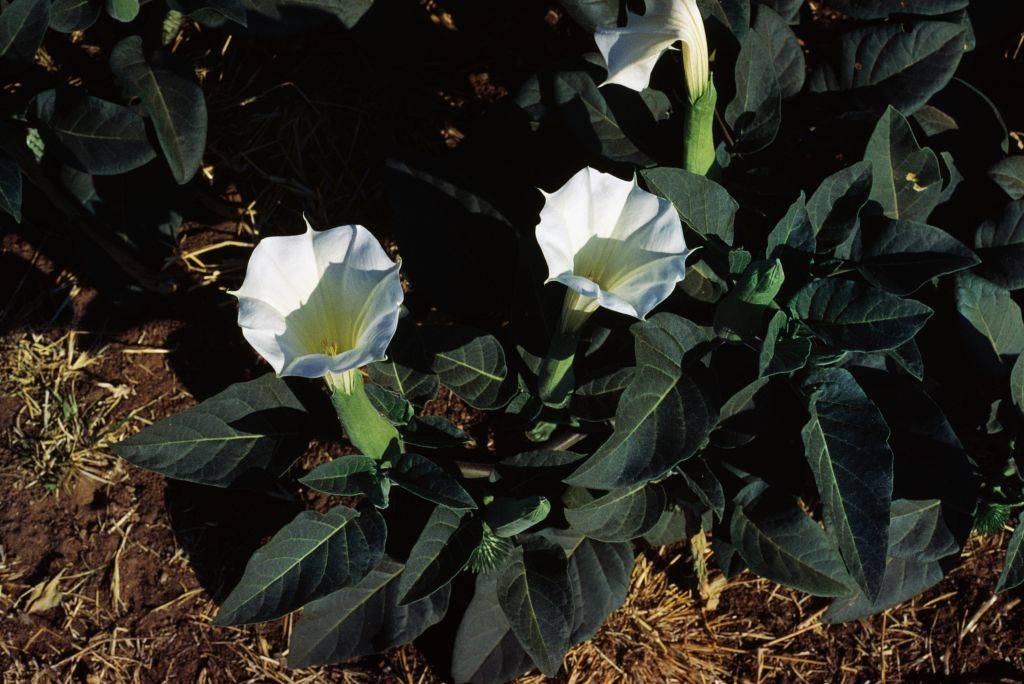
The easiest way to spot jimson weed is to find deep green leaves that are tinged with purple.
Also called the devil’s snare, this plant is extremely unsafe if it is ingested or inhaled. While it is sometimes used to treat asthma, the CDC says jimson weed can cause nausea, vomiting, and hallucinations.
Beware The Button-Flower Tansy
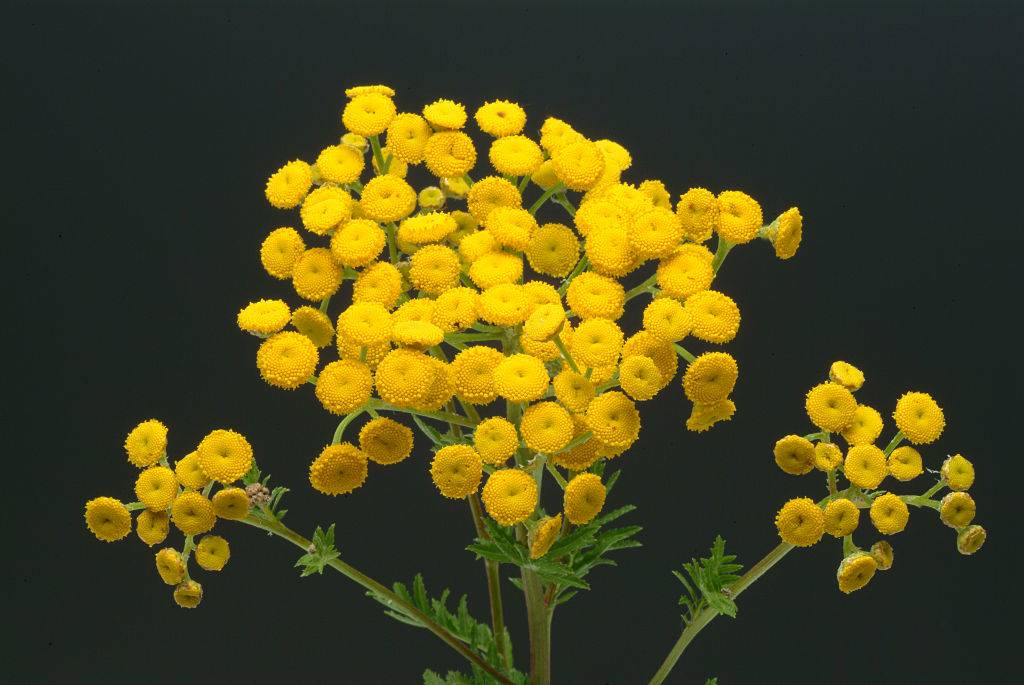
One way to know if you’re looking at a tansy plant is if there are golden, button-like flowers attached.
While tansy may seem pretty, the plant is very toxic. Brushing up against the plant can give people or animals a bad rash. If tansy is ingested, it can produce dangerous metabolites in the liver and digestive tracts. The Spruce advises removing these plants from your yard if you happen to find them growing.
The Toxic Chemicals Found In Stinging Nettles
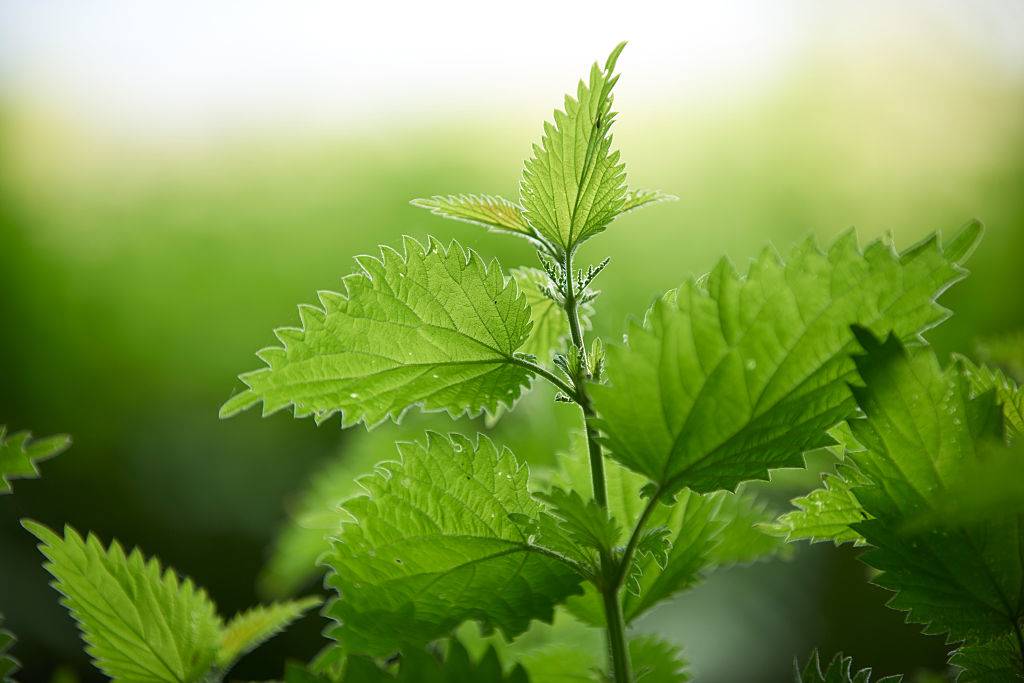
An invasive weed that you might find growing in your yard is the stinging nettle. It’s important not to touch the plant because it can cause a bad rash and burning sensation.
The stinging nettle contains a combination of formic acid, acetylcholine, 5-hydroxytryptamine, and histamine, which are extremely toxic to the skin.
Lantana Berries Can Be Fatal
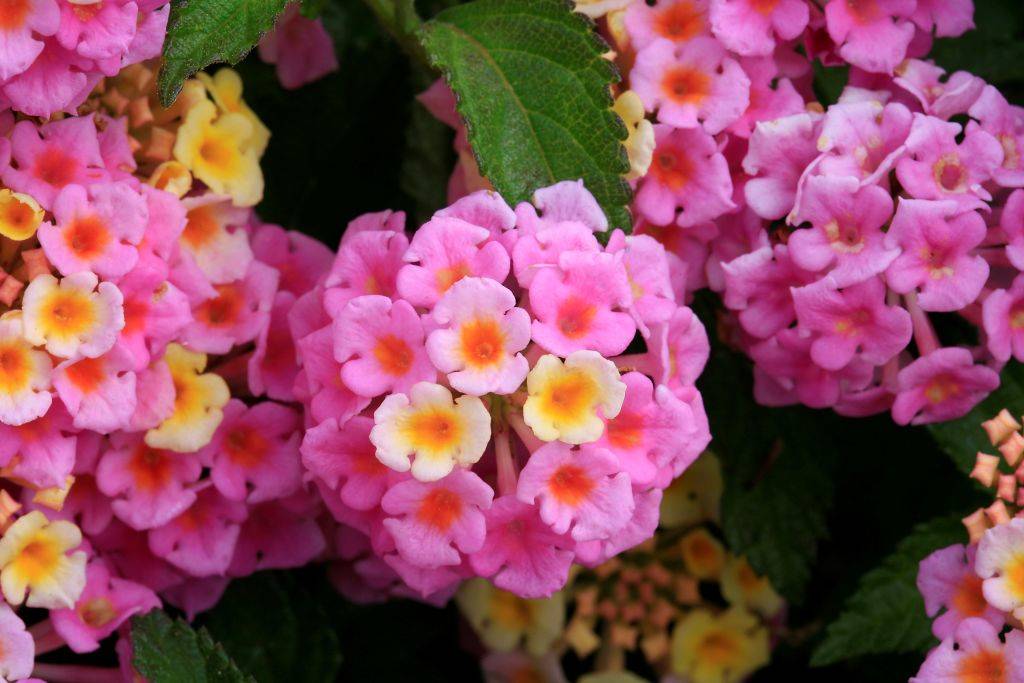
While it may seem tempting to go near the brightly colored lantana plant, these clusters of flowers are anything but safe.
Lantana produces berries, which can be fatal if ingested. Also, the leaves can cause a vicious rash if someone were to come into contact with them. However, they do attract butterflies and hummingbirds. These plants are especially toxic to animals and livestock, but their effects on humans aren’t fully known according to NPR.
Don’t Mess Around With Bitter Nightshade
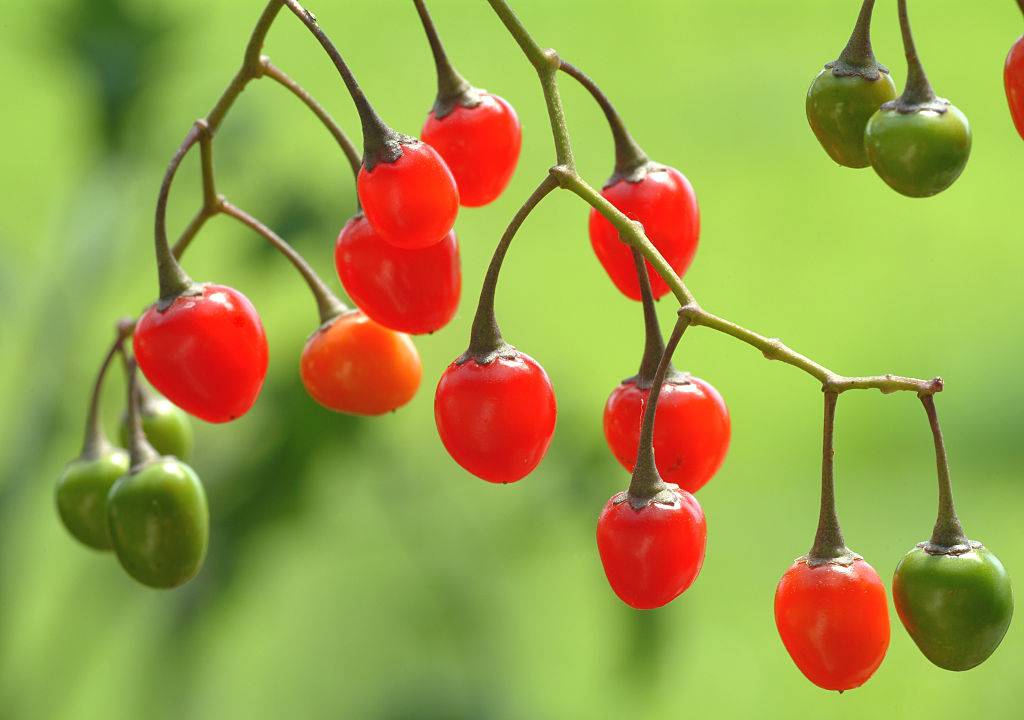
The bitter or bittersweet nightshade plant is fairly common in gardens and is known for growing bright orange and red berries. These almost resemble jewels in the daylight.
This can be dangerous because if the berries attract small children or animals, they can get really sick. The plant is also invasive and can destroy surrounding plants by strangling them.
Socrates’ Fate Ended With Water Hemlock
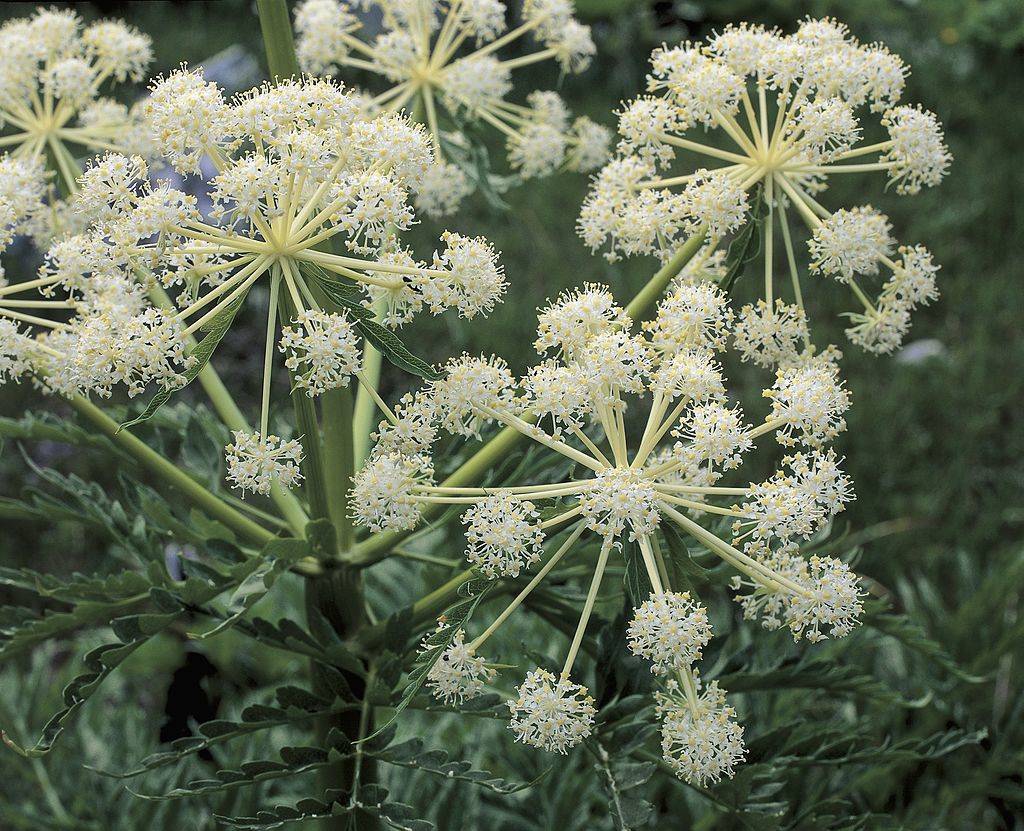
In order to get some context on how dangerous water hemlock is, Socrates was sentenced to end his life by ingesting it.
Water hemlock has a similar look to a blooming carrot, but it’s important to look out for the little white buds that resemble an umbrella. The plant contains cicutoxin, which can result in painful seizures or loss of life.
Why Oleanders Are Still Grown
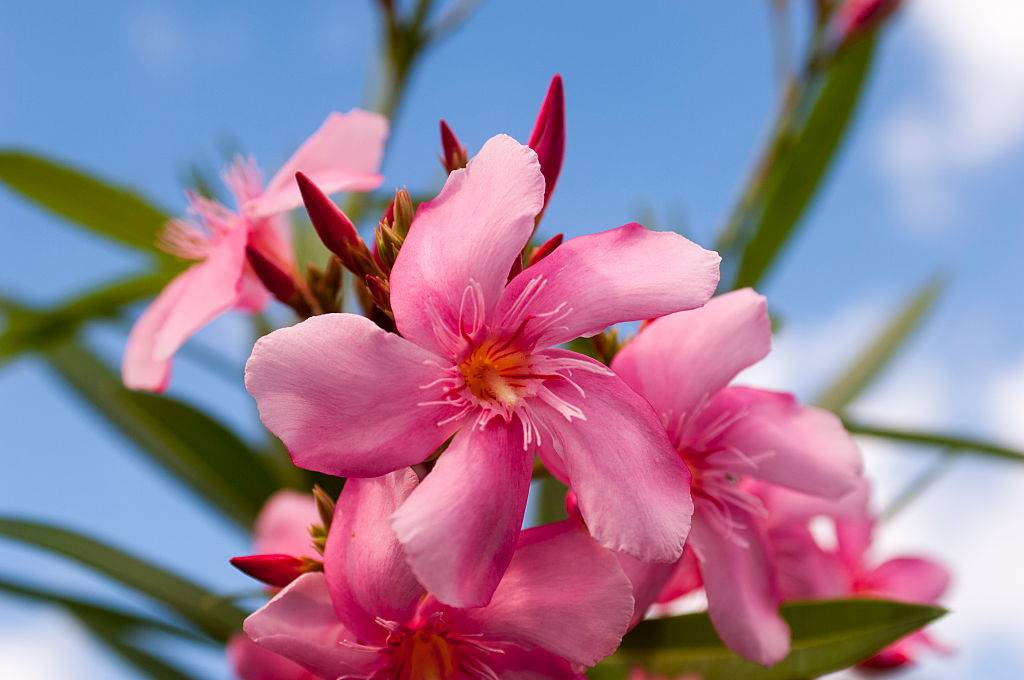
While oleanders are one of the most toxic plants around the world, they are still grown because their decorative flowers are highly valued.
These can come in red, white, yellow, or pink and usually have a fragrant smell. If someone ingests an oleander, it can lead to drowsiness, vomiting, slowed heart rate, severe digestive problems, seizures, tremors, or loss of life.
Keep Pets Away From The Easter Lily
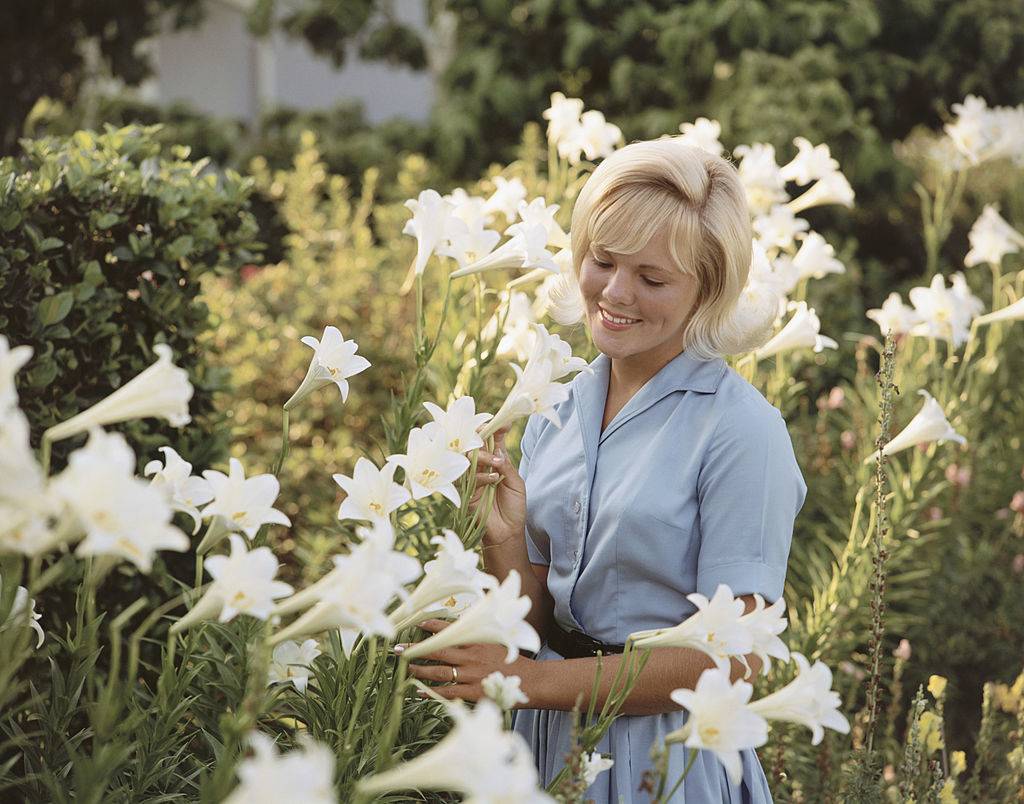
While the name can make some think that Easter lilies grow during the springtime, they actually are more common in July.
It’s important to know that the plant is toxic, especially for pets. All of the parts of the Easter lily plant including the petals, leaves, stems, and pollen can be dangerous if ingested. Symptoms can include severe kidney failure, vomiting, loss of appetite, lethargy, dehydration, disorientation, and seizures.
If Daffodils Are In The Room, Get Out
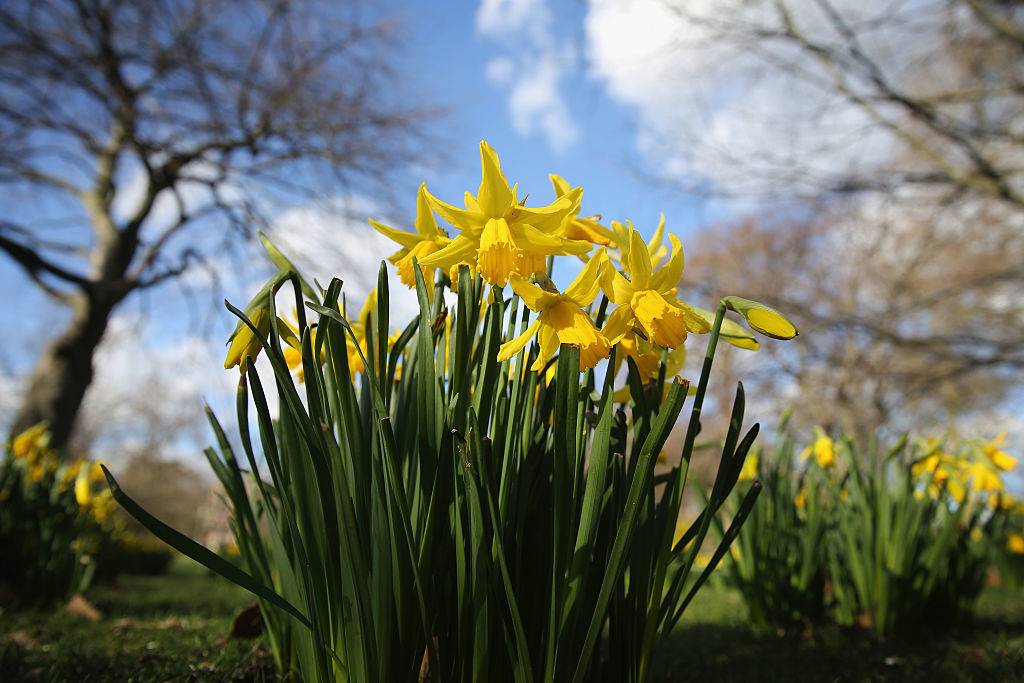
Daffodils may seem like an innocent flower, but they come with all sorts of issues. These yellow decorative plants are poisonous if ingested, according to Poison Help.
While daffodils aren’t fatal, symptoms of exposure include vomiting, dehydration, drooling, stomach ache, tremors, convulsions, and heart irregularities.
Mountain Laurel Can Burn Around The Mouth
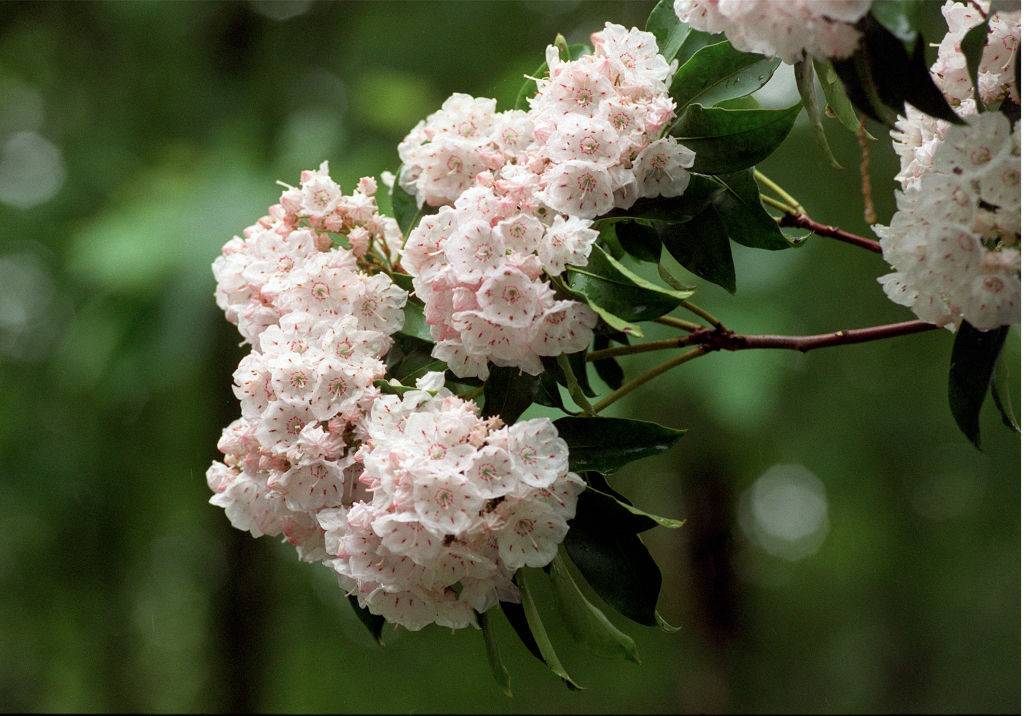
Mountain laurel is a flowering plant that is most commonly found in the eastern United States and is the state flower of Connecticut and Pennsylvania.
However, consuming this innocent-looking flower can cause major consequences. People may experience a burning sensation on their lips, mouth, or throat if ingested. This is due to the grayanotoxin and arbutin toxins, which are poisonous.
Avoid The Leaves On The Poison Sumac
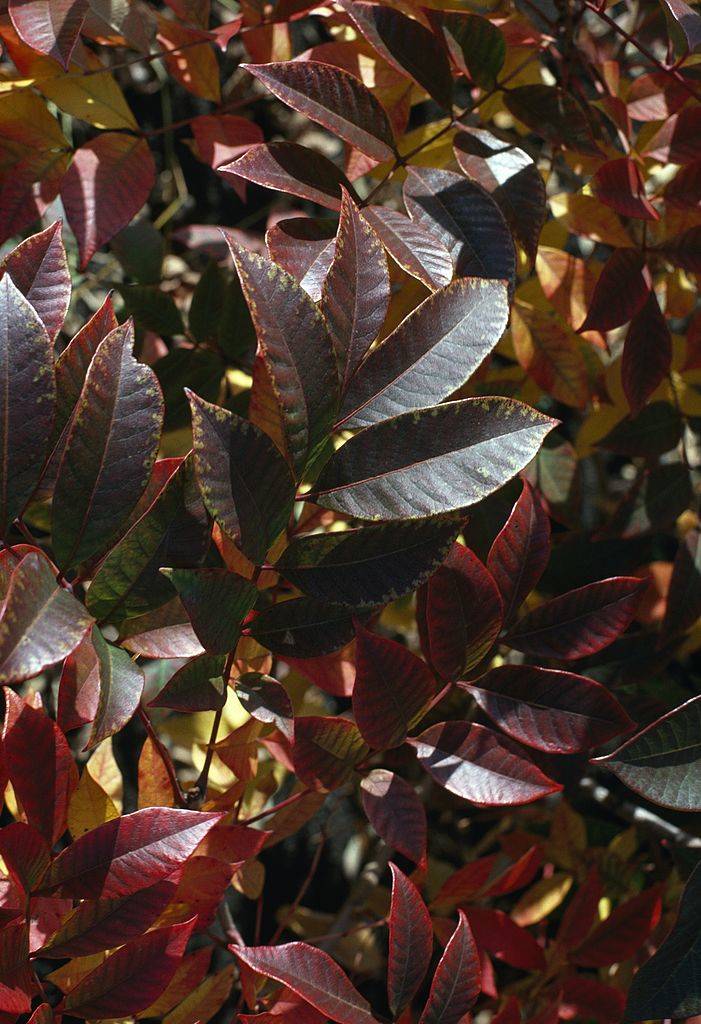
Poison sumac is a shrub that mainly grows in swampy areas and ranges in color from white, brown, red, yellow, and green.
Even at the slightest touch, poison sumac can give people a bad rash. Also, the berries on the shrub are toxic as well for humans and most animals, but birds can eat them safely.
Never Ingest A Foxglove
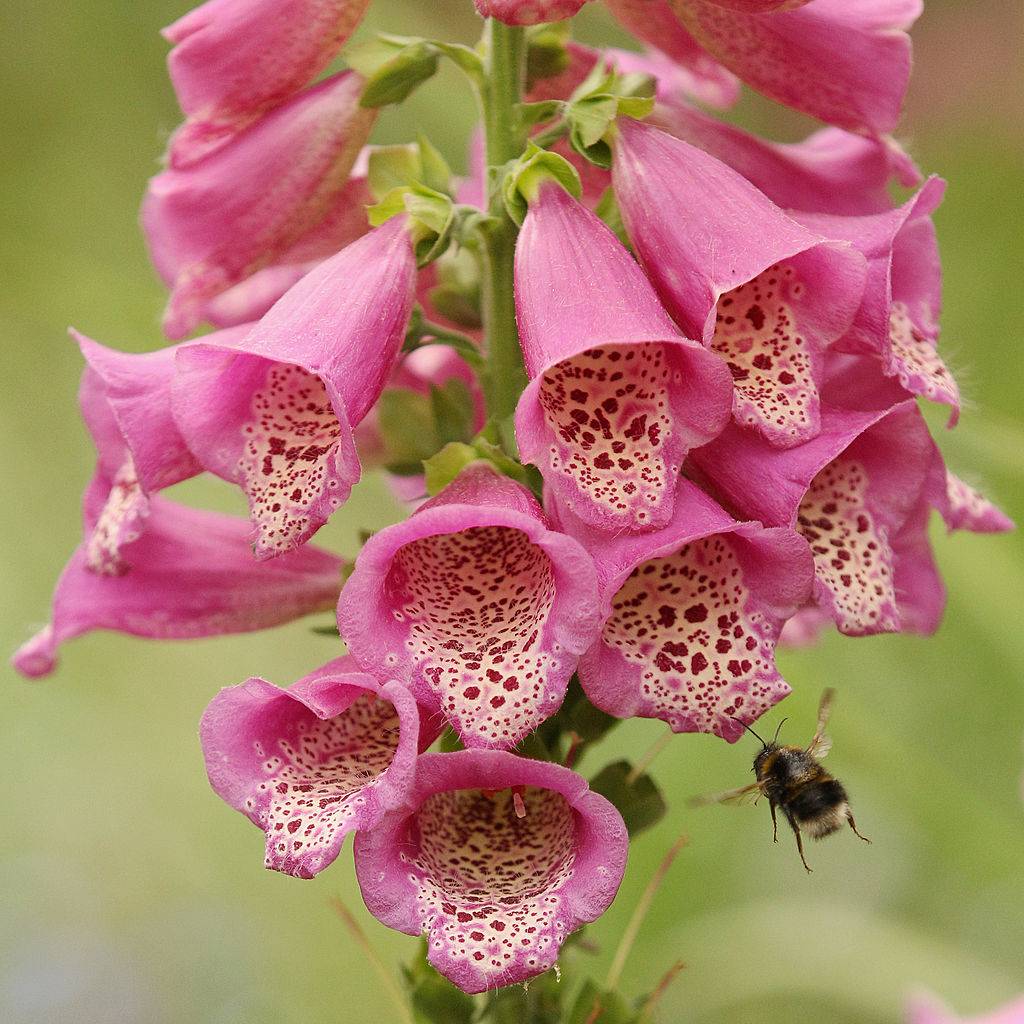
Wild and cultivated versions of the foxglove flower are incredibly dangerous. The cold and dry-resistant plant is poisonous for people and animals.
If someone ingests the foxglove, it can lead to increased heart rate, nausea, vomiting, seizures, irregular pulse, upset stomach, and mental confusion. While foxgloves are sometimes used in heart medicine, people shouldn’t ingest it on their own.
How Chinese Lanterns Got Their Name
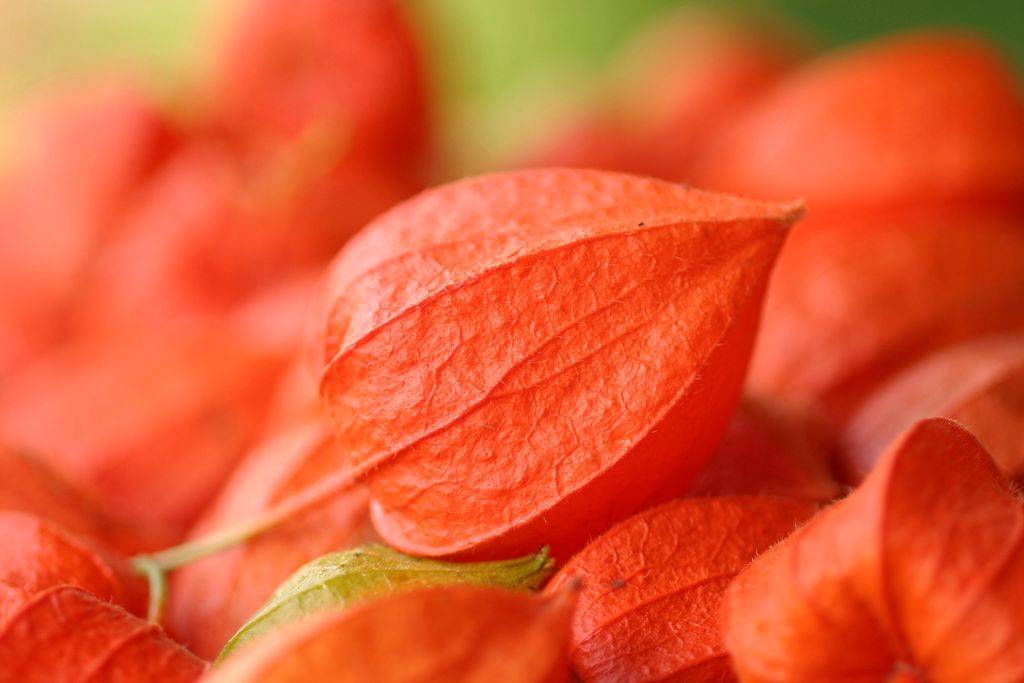
The Chinese lantern gets its name because it has a strong resemblance to the paper lanterns used in regions across Asia.
However, there are many toxic chemicals within the plant such as physalins, caffeic acid ethyl ester, and more, which can make people or animals who ingest them sick. Their color pods are sometimes used in wreaths and dried floral arrangements.
Beware Of This Toxin In Castor Beans
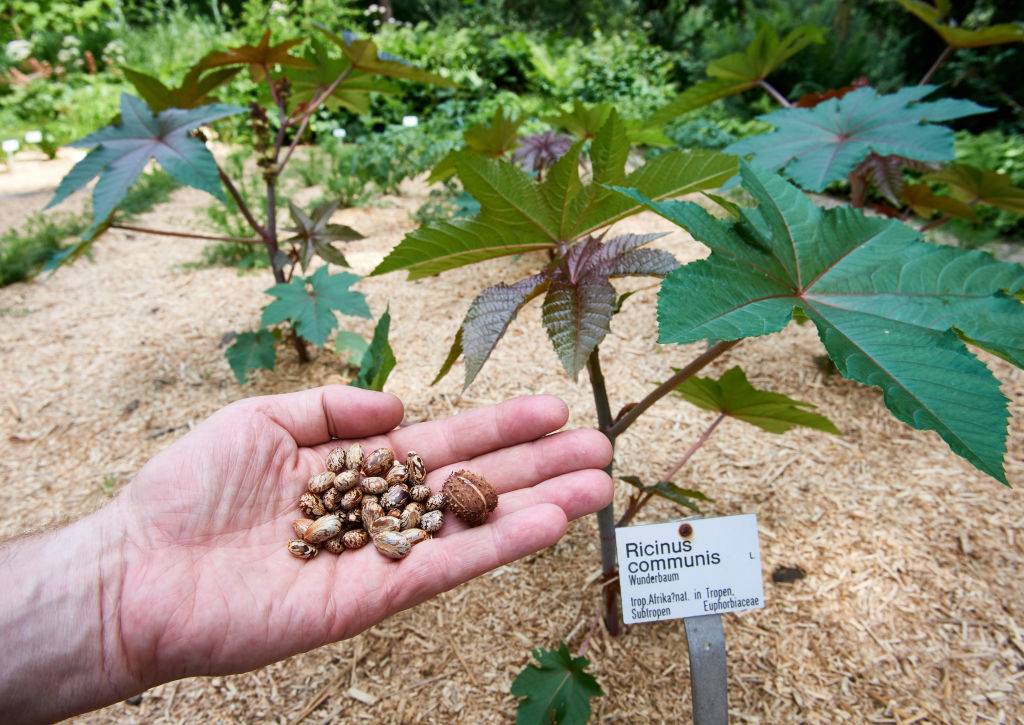
Castor beans are usually cultivated as a tropical plant in northern climates. Some may not be aware that the beans produce a harmful toxin called ricin.
The amount of ricin in castor beans isn’t enough to be fatal for an adult, but can be for a small child or animal.
Don’t Chew On An Elephant Ear
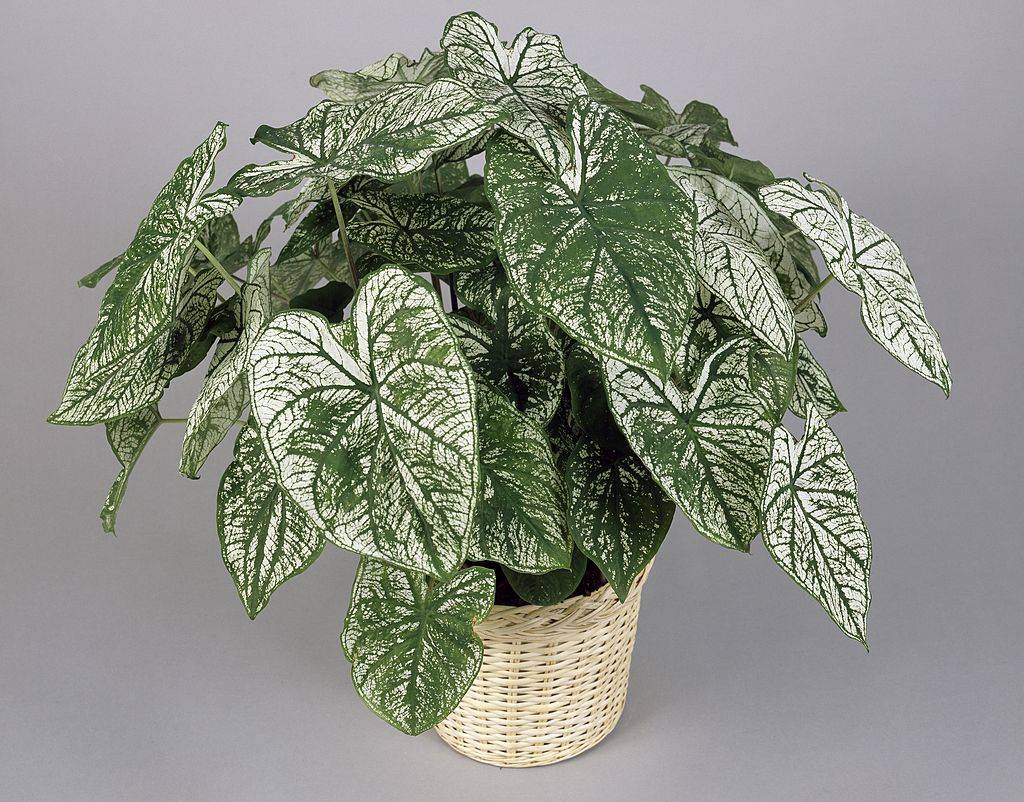
It’s easy to be mesmerized by the intricate details on the leaves of the elephant ear plant. It can come in shades of red, pink, white, and green and is usually found in tropical forests of South America.
If someone chews on an elephant ear, they could ingest calcium oxalate crystals. These can cause vomiting, drooling, tongue swelling, burning, and block your airflow.
Rosary Peas Shouldn’t Be Consumed
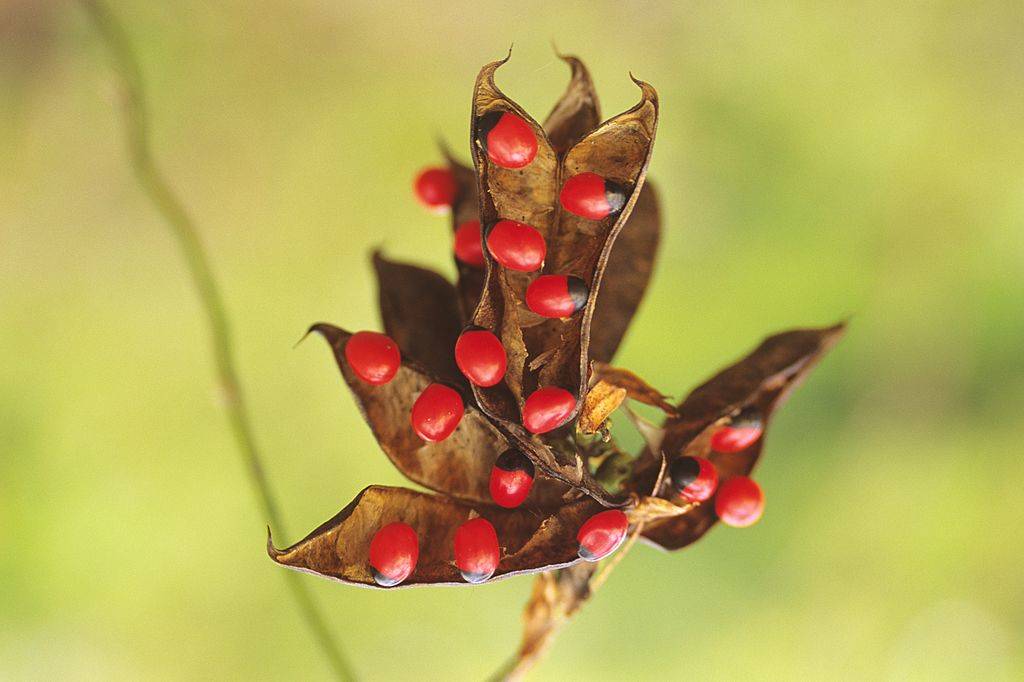
Rosary peas are small but pack a mighty punch. They are typically found in tropical areas and are often used in prayer rosaries and jewelry.
The seeds aren’t dangerous on their own. However, if the seeds are cracked, broken, or chewed, they can be quite fatal because they contain high amounts of the toxin abrin.
Poison Ivy: Leaves Of Three, Let It Be
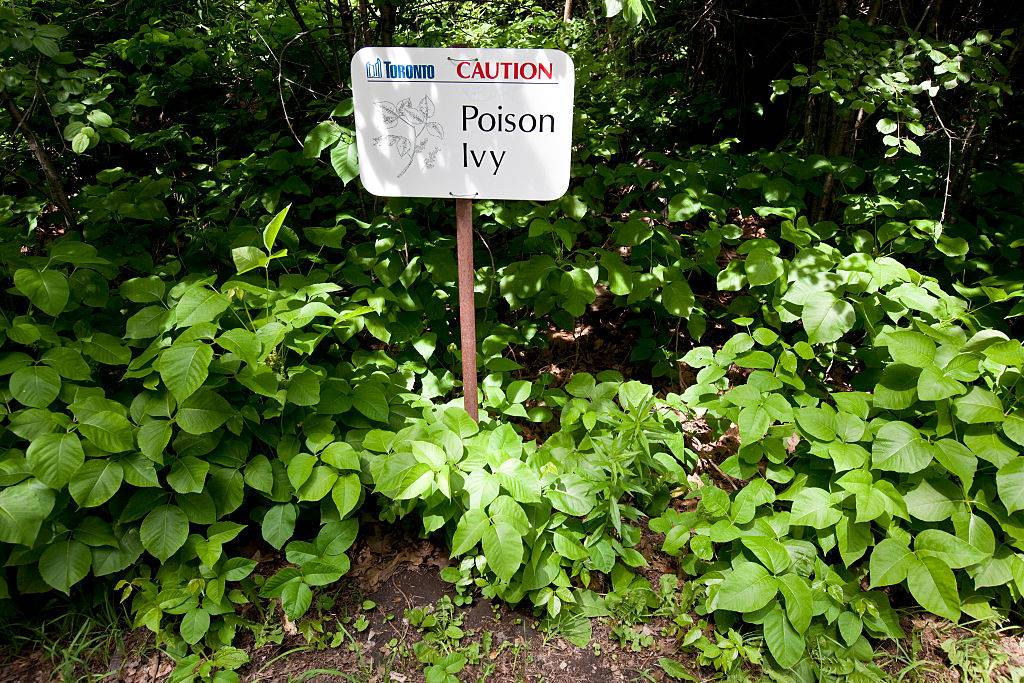
Since it has “poison” in the name, it should be pretty self-explanatory to stay away from poison ivy.
This plant is venomous due to the oil called urushiol, which gives people who come into contact with it a severe allergic reaction and rash. Poison ivy can come in shades of red, green, and yellow and grows in leaves of three.
Skip The Mistletoe Next Christmas

Mistletoe is often associated with romance during the holiday season, but unbeknownst to some, it is actually quite poisonous.
It is a parasitic plant that grows on host trees. If someone were to accidentally eat its leaves or berries, they could get severe abdominal pain and diarrhea, which could lead to cardiovascular collapse.
Giant Hogweed Is One Of The Worst Plants, Here’s Why
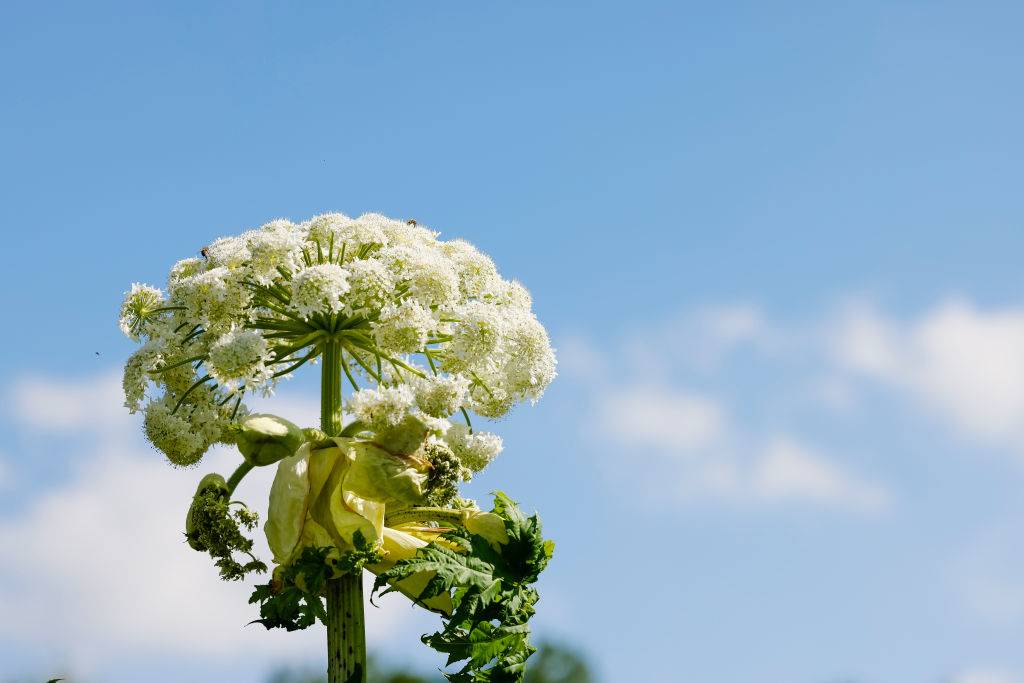
One plant people should avoid at all costs is the giant hogweed. This invasive plant can get up to 15 feet tall and can be identified by its white flowers and purple blotchy stem.
This toxic plant can cause immense skin damage by creating blisters or long-term scarring. Also, if the plant’s sap gets in your eye, it can cause temporary vision loss or permanent blindness.