Nature’s most fascinating symbiotic relationships

Trending Now
Nature is full of fascinating partnerships where different species team up for mutual benefit. These symbiotic relationships, where both parties gain something, can be found across the globe, from deep oceans to dense forests.
Understanding these alliances helps us appreciate the intricate web of life on Earth. Whether it’s a bird cleaning a mammal or a tiny insect pollinating a plant, these interactions are vital for ecosystems to thrive.
The Marvelous Mutualism of Bees and Flowers
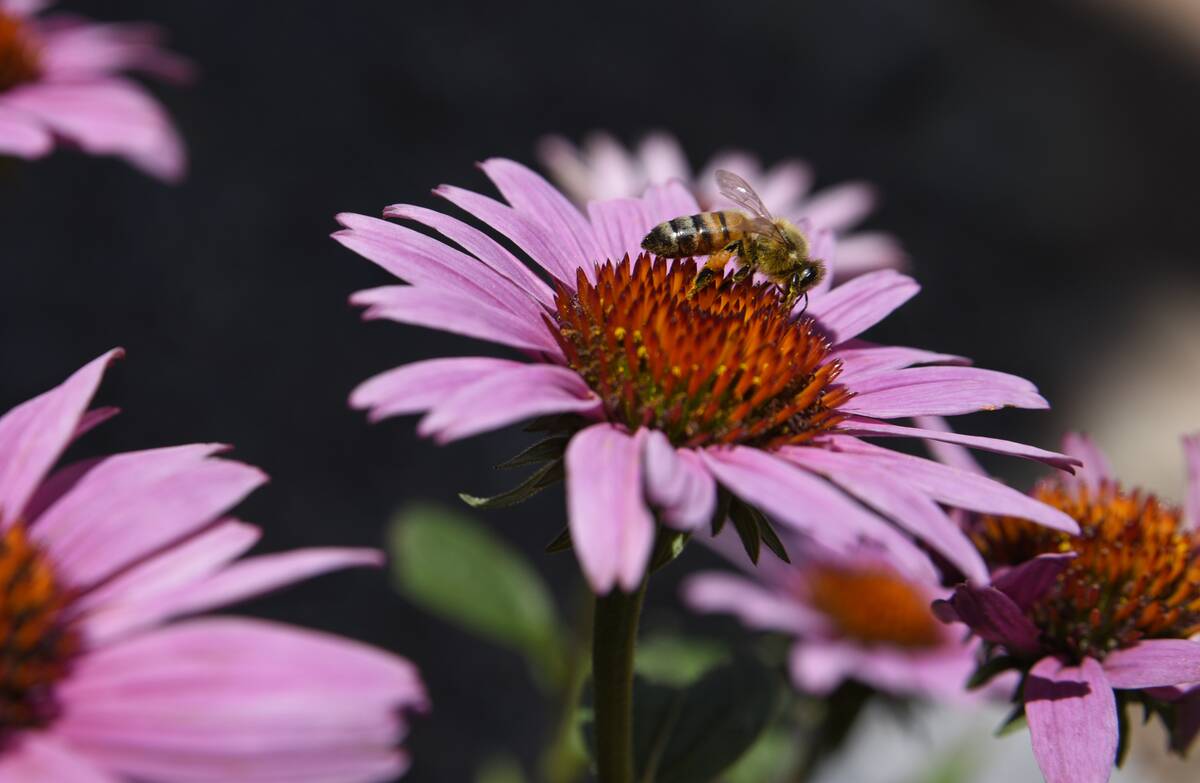
Bees and flowers are perhaps the most famous example of mutualism. Bees collect nectar and pollen from flowers for food, while flowers benefit from the pollination that occurs as bees move from one blossom to another.
This process is essential for the reproduction of many flowering plants. It’s a win-win situation: bees get their sustenance, and plants get to spread their genetic material far and wide.
Clownfish and Anemones: A Colorful Ocean Duo
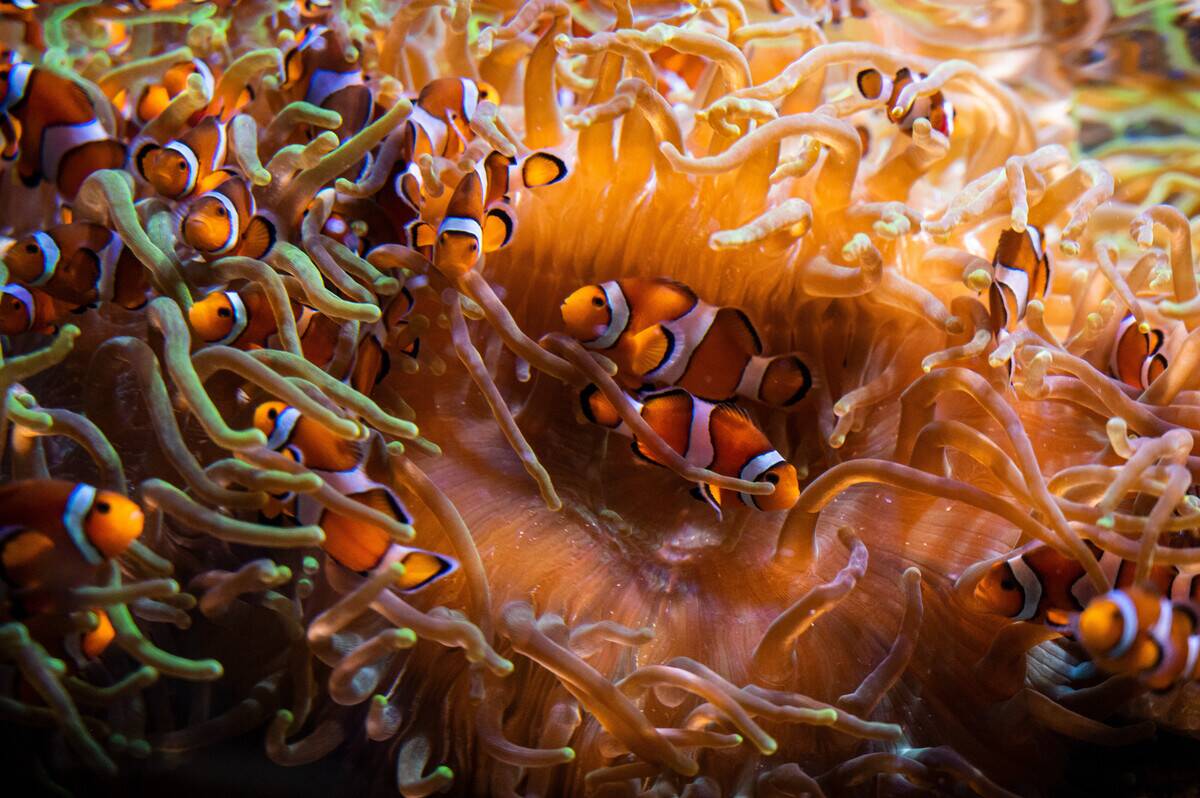
Clownfish and sea anemones have a relationship that’s both vibrant and beneficial. The clownfish finds shelter among the anemone’s stinging tentacles, safe from predators. In return, the clownfish helps keep the anemone clean by eating debris and parasites.
This partnership allows both species to thrive in the bustling and often dangerous world of coral reefs.
The Ant and the Acacia Tree: A Thorny Alliance
In some parts of the world, ants and acacia trees have formed a unique partnership. The acacia provides food and shelter with its hollow thorns and nectar, while the ants defend the tree from herbivores and even other plants.
This alliance ensures the acacia tree remains healthy and free from threats, while the ants enjoy a safe home and a steady food supply.
Cleaning Crews: Fish and Their Underwater Beauticians
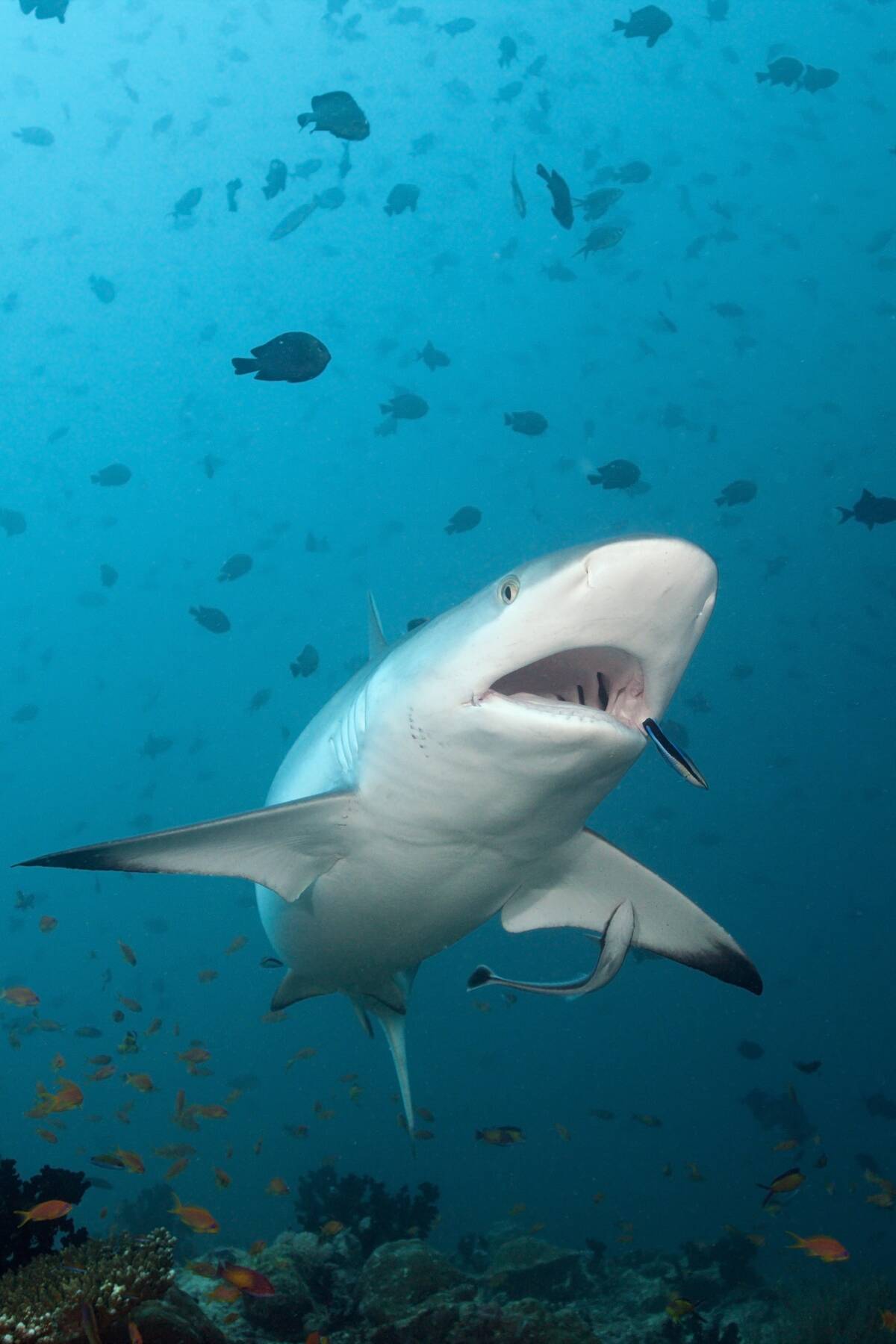
In the underwater world, fish often rely on “cleaner” fish to keep them free of parasites. Cleaner fish, such as wrasses, set up cleaning stations where larger fish, like groupers, come to be groomed.
The cleaners feed on the parasites and dead skin, which provides them with nutrition, while the larger fish benefit from a thorough cleaning. This relationship highlights the importance of cooperation in maintaining healthy ocean ecosystems.
Lichen: The Fungus and Algae Partnership
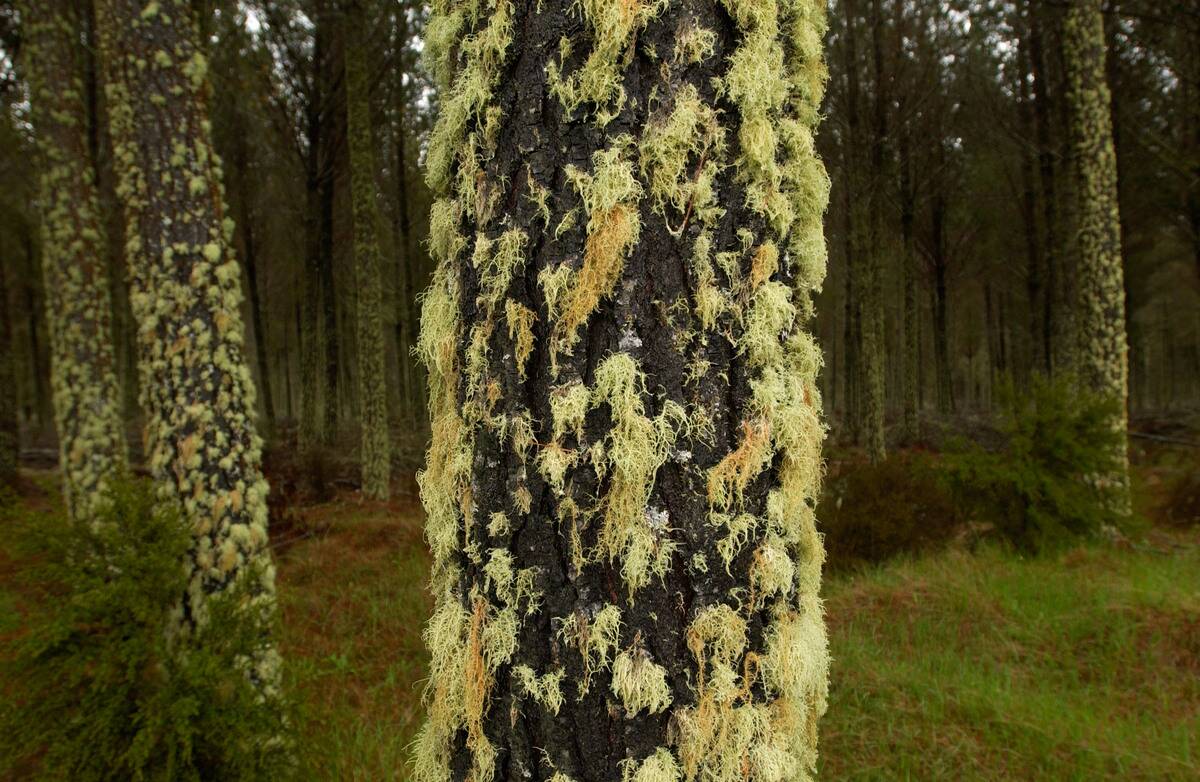
Lichens are fascinating organisms formed by a symbiotic relationship between fungi and algae. The fungi provide a protective structure and absorb water, while the algae produce food through photosynthesis.
This partnership allows lichens to survive in some of the harshest environments on Earth, from arid deserts to icy tundras. Their resilience and ability to colonize new areas make them key players in ecosystem development.
The Curious Case of the Oxpecker and the Rhino
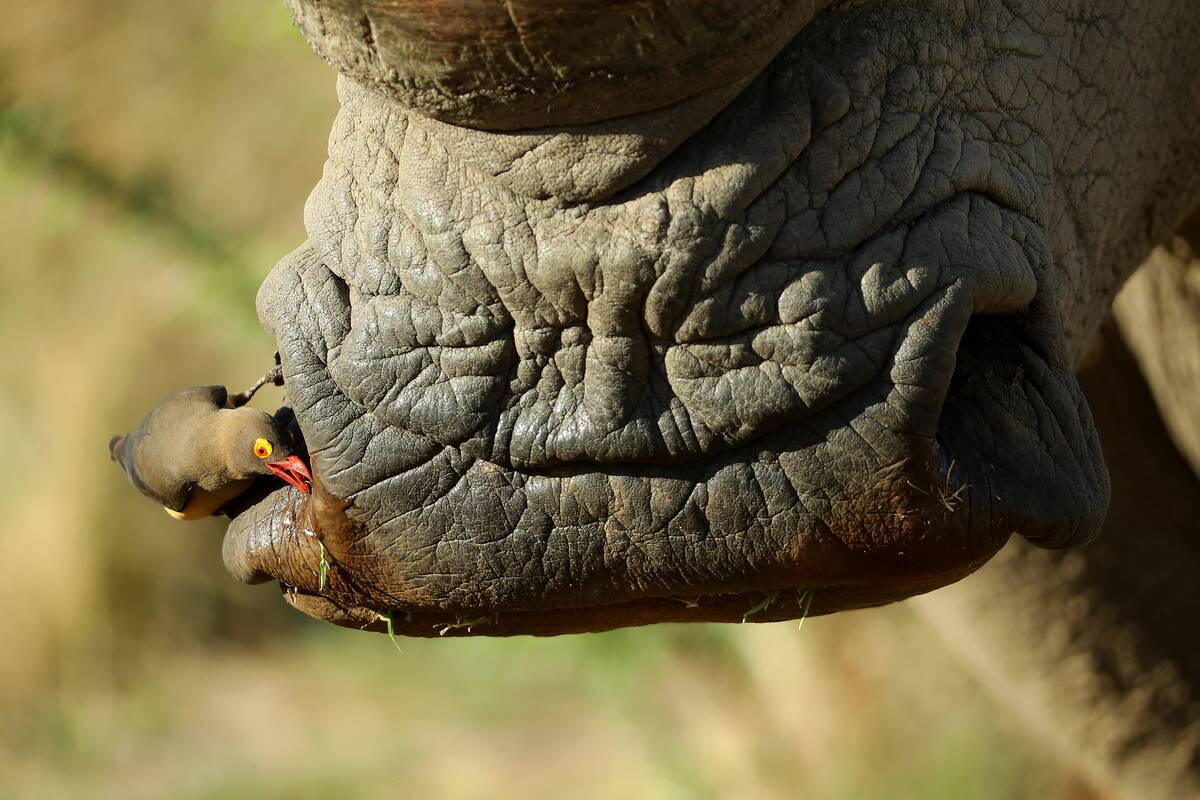
Oxpeckers and rhinos have an interesting relationship that benefits both parties. The oxpecker bird perches on the rhino, feeding on ticks and parasites that plague its thick skin. In return, the rhino gets a thorough cleaning, reducing irritation and the risk of disease.
This mutualistic relationship showcases how two very different creatures can work together for mutual benefit.
Bacteria and Humans: An Unexpected Friendship
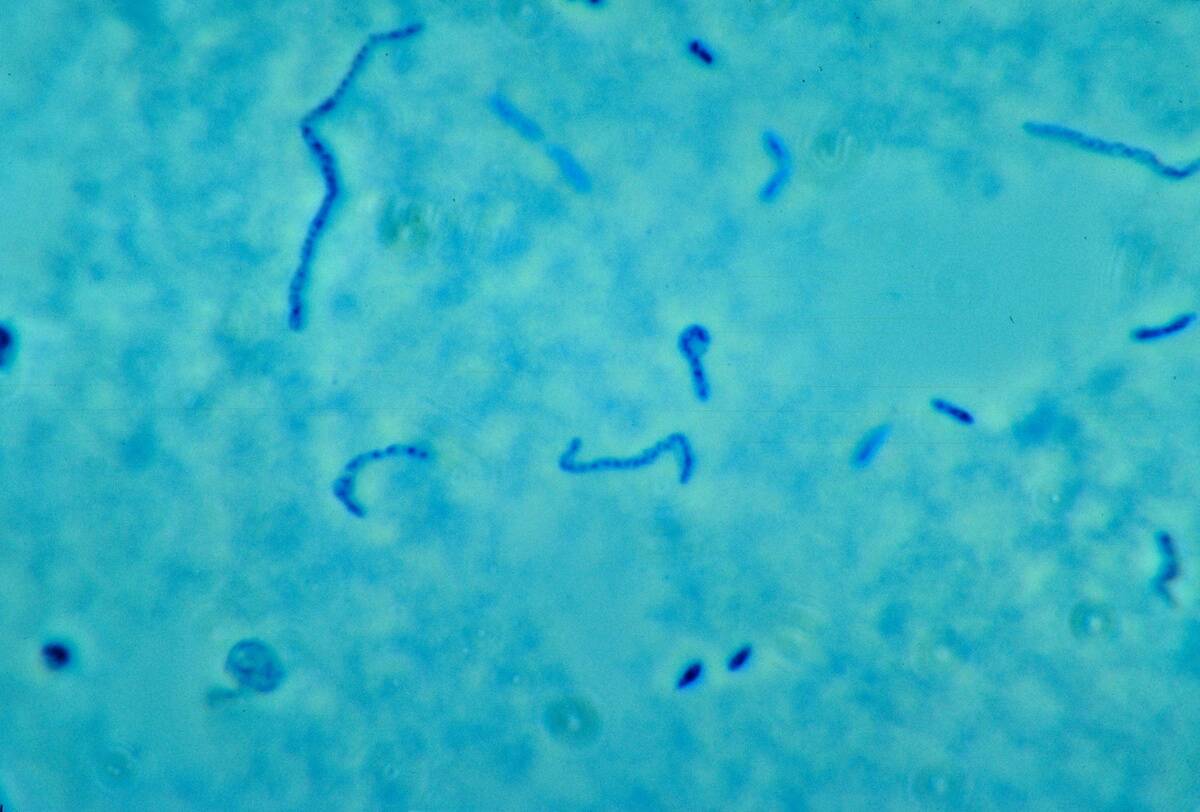
Our bodies are home to trillions of bacteria that play crucial roles in our health, particularly in our digestive systems. These microorganisms help break down food, synthesize vitamins, and protect against harmful pathogens.
In return, our bodies provide them with a warm, nutrient-rich environment. This symbiotic relationship is vital for maintaining our health and well-being, illustrating how even microscopic partners can have a big impact.
The Leafcutter Ants and Their Fungus Farms
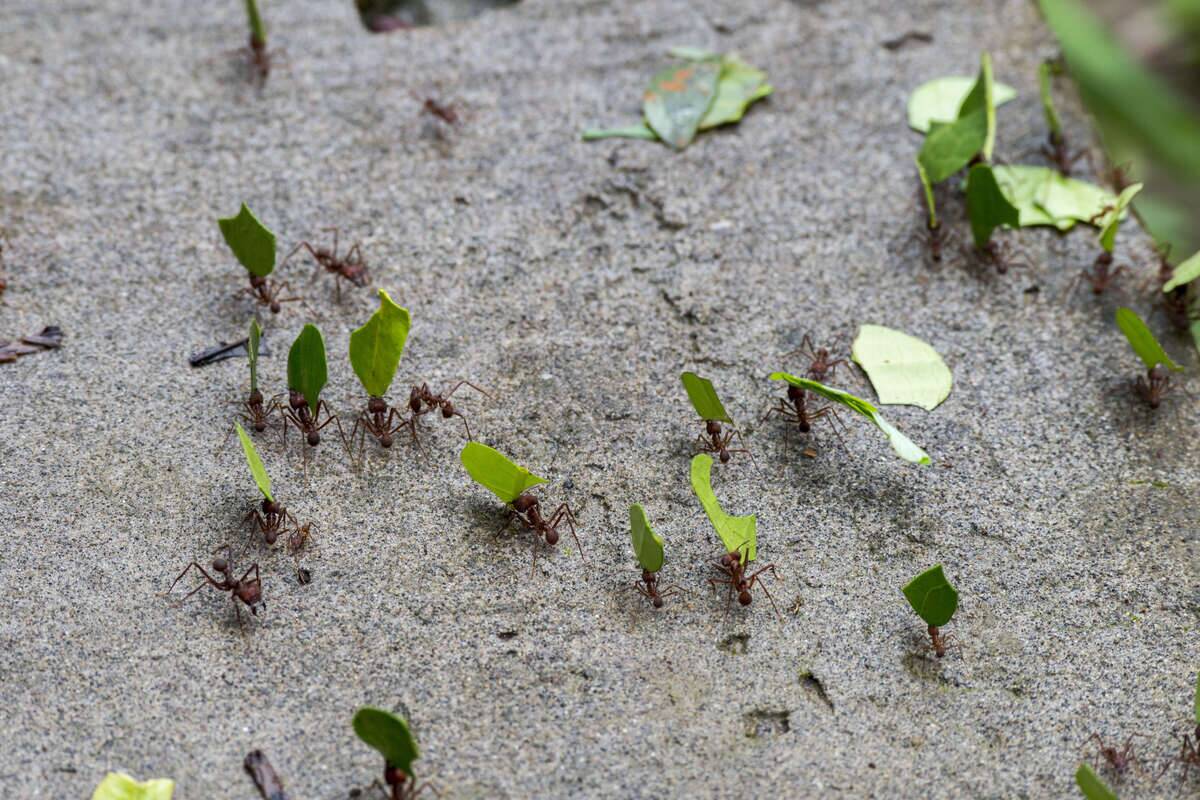
Leafcutter ants are remarkable farmers, cultivating fungus as their primary food source. They cut and carry leaves back to their nests, where they use them to grow a special fungus. This fungus, in turn, is the ants’ main source of nutrition.
This mutually beneficial relationship highlights the ants’ sophisticated agricultural practices and their reliance on the fungus for survival.
Trees and Mycorrhizal Fungi: Underground Collaborators
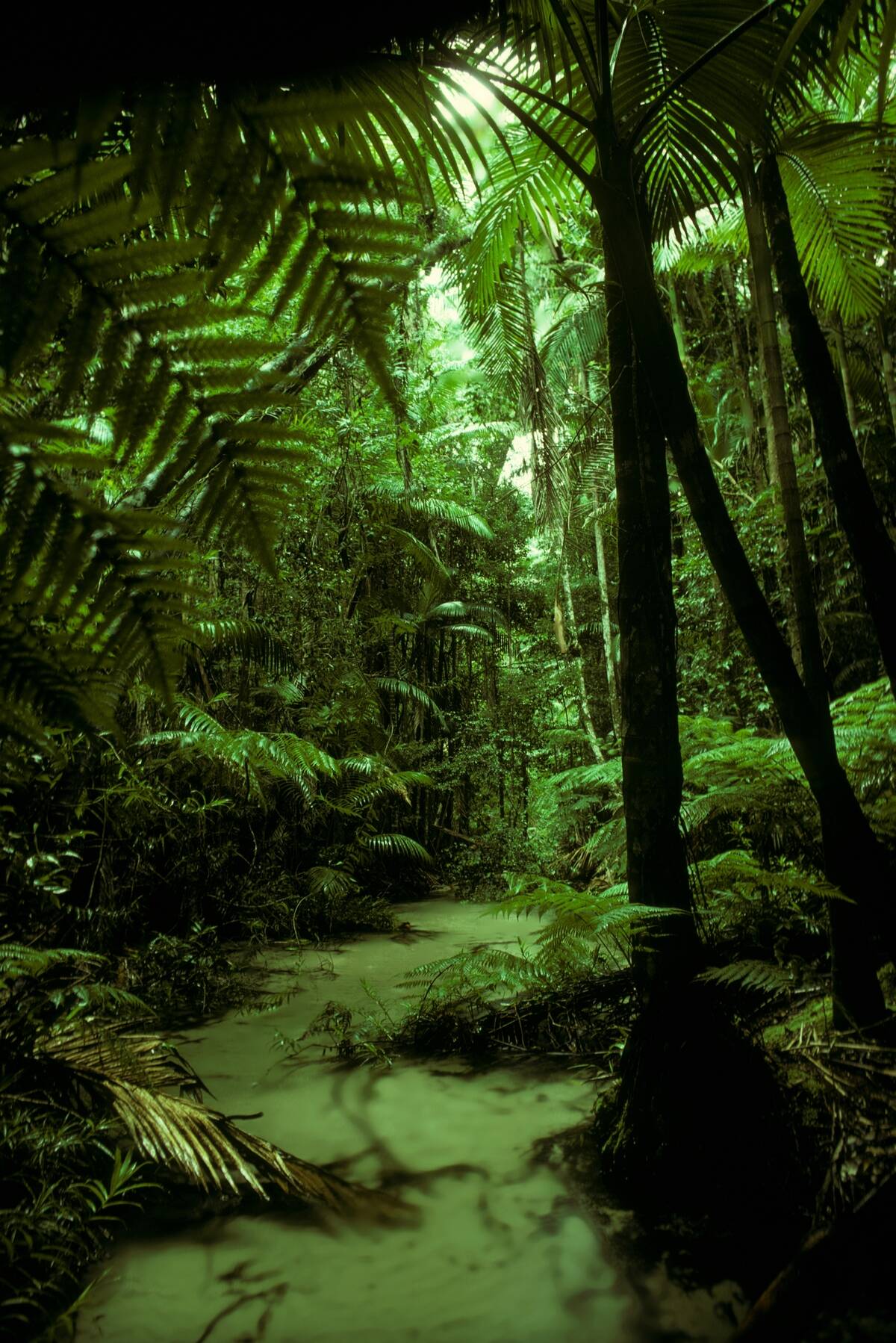
Beneath the forest floor, trees and mycorrhizal fungi form an intricate network of cooperation. The fungi attach to the trees’ roots, aiding in the absorption of water and nutrients. In exchange, the trees provide the fungi with carbohydrates produced through photosynthesis.
This underground alliance not only benefits individual trees but also enhances the health and stability of entire forest ecosystems.
The Win-Win of Yucca Moths and Yucca Plants
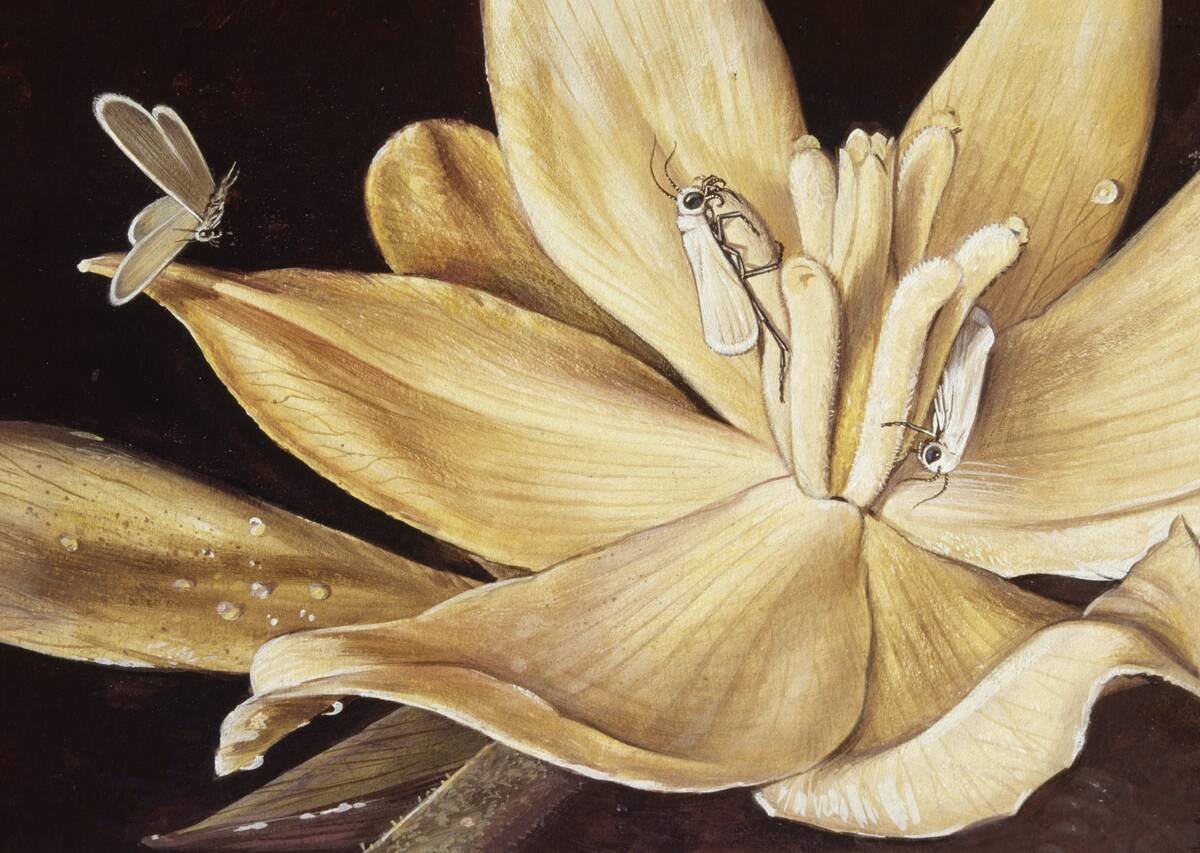
Yucca plants and yucca moths have a unique relationship where each depends on the other for survival. The moths pollinate the yucca flowers while laying their eggs, ensuring the plant can reproduce.
In return, the plant provides food for the moth larvae in the form of developing seeds. This specialized mutualism is a delicate balance, as the plant relies on the moths for pollination, while the moths need the plant for their offspring.
The Gut Helpers: Termites and Their Protozoa Partners
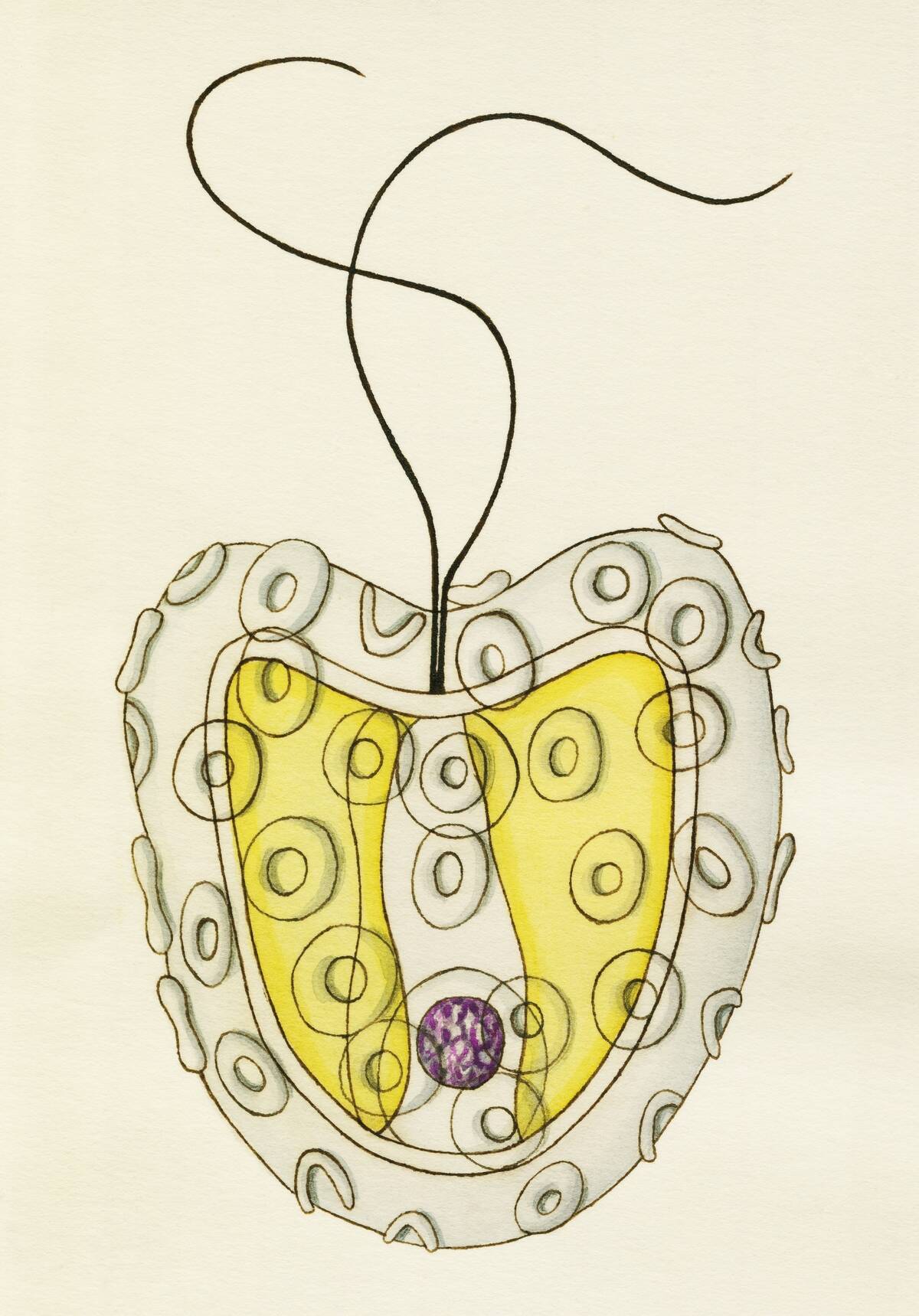
Termites are known for their wood-eating habits, but they can’t digest cellulose on their own. They rely on protozoa living in their guts to break down the tough plant fibers.
This symbiotic relationship allows termites to access nutrients from wood, while the protozoa gain a stable environment and a constant supply of food. This partnership is crucial for the recycling of nutrients in many ecosystems.
The Strange Bond of the Pistol Shrimp and Goby Fish
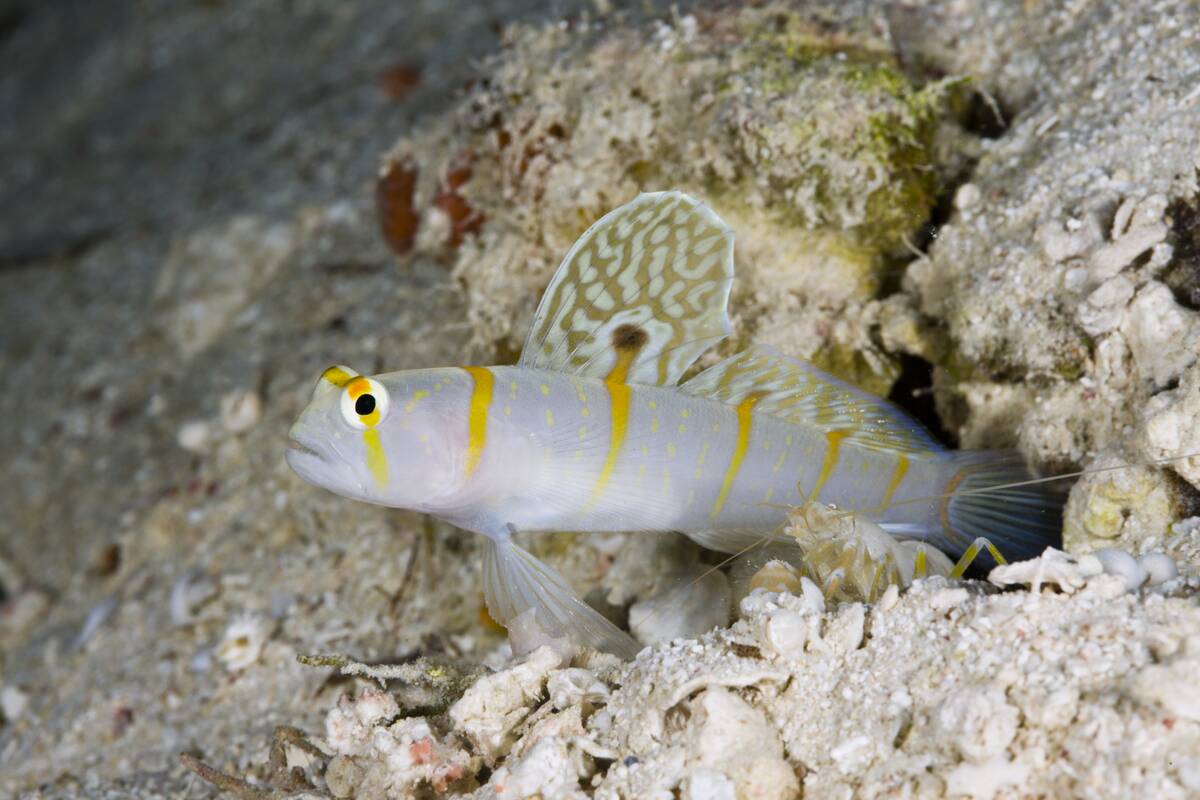
Pistol shrimp and goby fish form an unusual but effective partnership in the ocean. The shrimp digs and maintains a burrow that they both share, while the goby fish acts as a lookout for predators.
The goby signals danger to the shrimp with a flick of its tail. This relationship ensures both species have a safe home and enhances their chances of survival in the wild.
Coral and Algae: The Foundation of Coral Reefs
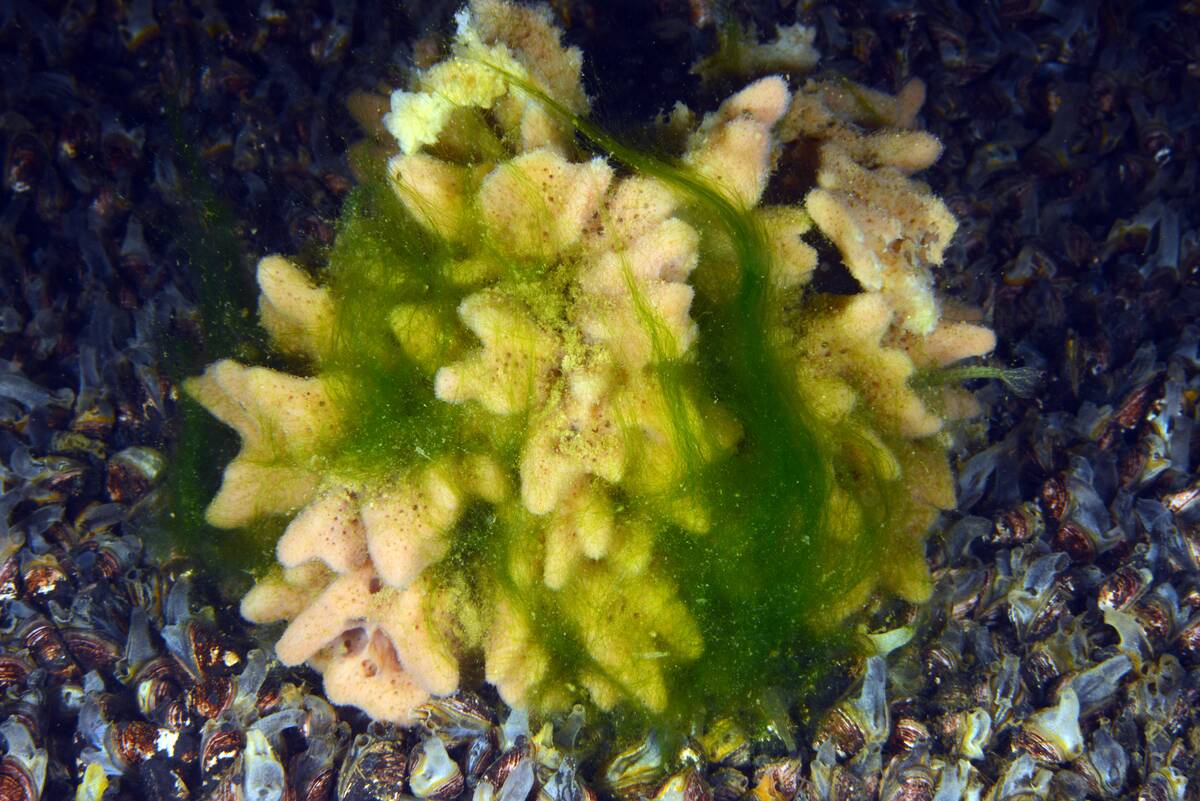
Coral reefs owe their vibrant colors and survival to a partnership between coral polyps and algae, specifically zooxanthellae. The algae live inside the coral’s tissues, providing them with energy through photosynthesis.
In return, the coral offers a protected environment and the compounds necessary for photosynthesis. This relationship forms the backbone of coral reefs, supporting a diverse array of marine life.
The Cooperative Hunting of Groupers and Moray Eels
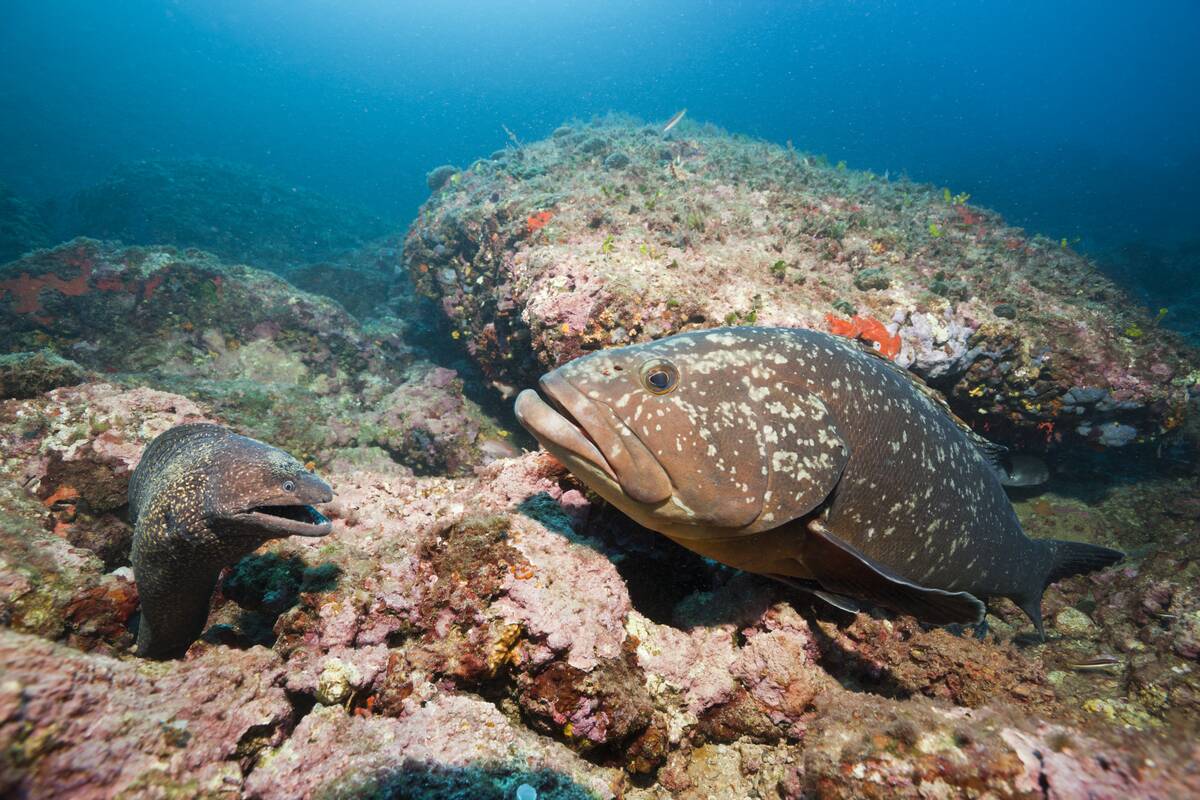
In the underwater world, groupers and moray eels sometimes collaborate for a successful hunt. Groupers use their speed to chase prey into crevices where moray eels, with their slender bodies, can reach in and catch them.
This cooperative hunting strategy allows both predators to catch more food than they could alone, demonstrating the benefits of teamwork in the wild.